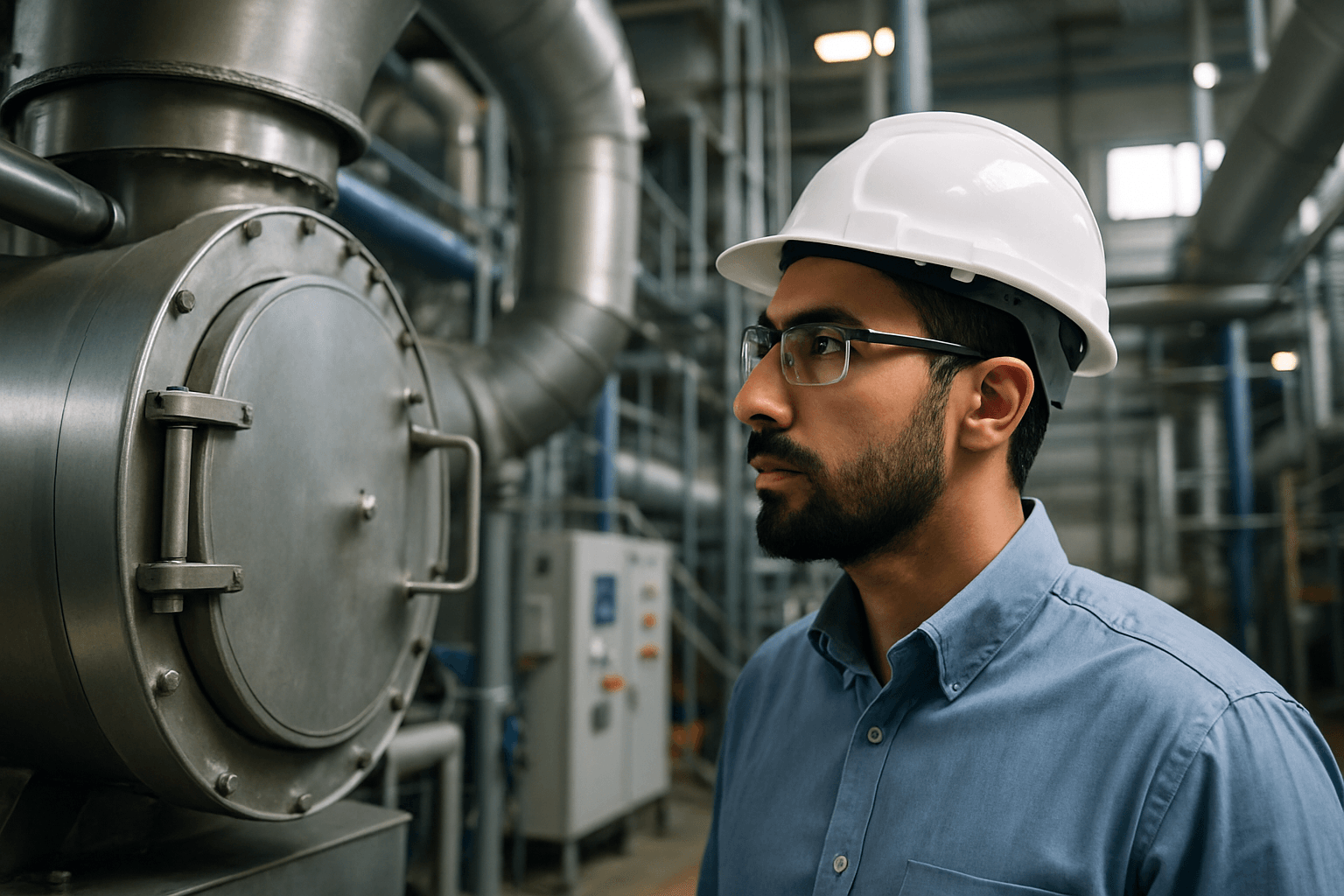
The vast quantities of animal waste generated by agriculture, animal processing, and veterinary practices pose significant environmental, health, and logistical challenges. From carcasses and offal to manure and poultry litter, improper disposal can lead to pathogen proliferation, water source contamination, and substantial greenhouse gas emissions. However, a growing sector within waste management and environmental engineering is harnessing these by-products as a valuable resource: converting animal waste into energy through advanced thermal processing, particularly incineration. This approach not only addresses critical disposal needs but also contributes to renewable energy generation and a more circular economy.
Understanding Animal Waste and the Need for Conversion
Animal waste encompasses a broad spectrum of organic materials, including livestock manure, poultry litter, animal carcasses, and processing by-products from slaughterhouses. Historically, much of this waste was spread on agricultural fields or sent to landfills. However, the sheer volume and the potential for disease transmission and environmental pollution necessitate more sophisticated solutions. For instance, the decomposition of animal waste releases potent greenhouse gases like methane and nitrous oxide, contributing to climate change.
Waste-to-energy (WTE) technologies offer a pathway to mitigate these issues by transforming discarded materials into usable forms of energy, such as electricity and heat. This not only reduces the volume of waste requiring disposal but also offsets the reliance on fossil fuels, thereby lowering overall carbon footprints.
Animal Waste Incineration: Core Processes and Technologies
Incineration is a well-established thermal processing method that involves burning organic matter at high temperatures to reduce its volume and neutralize hazardous components. For animal waste, this process is meticulously controlled to ensure complete combustion and energy recovery.
The Incineration Process Demystified
The incineration of animal waste typically involves a multi-stage process within specialized equipment:
- Primary Combustion Chamber: Animal waste, which can include carcasses or other by-products, is introduced into this chamber. Here, it is subjected to extremely high temperatures, often hundreds of degrees Celsius or even over 1,000°C (1,800°F). This intense heat initiates the breakdown of organic matter, vaporizing liquids and igniting the material.
- Secondary Combustion Chamber: The gases resulting from the primary combustion are then directed to a secondary chamber. Here, additional burners ensure complete combustion, typically at a minimum of 850°C. This critical stage is designed to eliminate harmful pollutants and significantly reduce odors before the gases are released into the atmosphere.
- Ash Handling System: After combustion, the remaining ash, which is sterilized and inert, is collected and managed in accordance with regulations. This ash dramatically reduces the original waste volume, often by up to 90%.
- Flue Gas Treatment: Before release, the flue gases undergo rigorous treatment to capture and neutralize pollutants (detailed in the emission control section below).
Key components of an animal waste incinerator system include burners to generate high temperatures, an air supply system to provide oxygen for combustion, control systems for precise operation, and a chimney for safe exhaust.
Other Thermochemical Conversion Technologies
While incineration is a direct combustion process, other thermochemical technologies are also employed for animal waste-to-energy conversion, particularly for lower-moisture waste like poultry litter and some manures:
- Gasification: This process heats carbon-rich waste at superhot temperatures with controlled amounts of oxygen or steam, producing a synthesis gas (syngas). Syngas is a versatile fuel source that can be used for heating, electricity generation, or converted into liquid fuels.
- Pyrolysis: Involves heating waste to high temperatures in a low-oxygen environment (as low as 300°C/600°F), yielding syngas, biochar (a solid soil amendment), and bio-oil. Pyrolysis is considered more eco-friendly than traditional incineration due to fewer toxic pollutants emitted.
- Combined Heat and Power (CHP): The heat generated from these thermal processes can be captured to produce electricity and thermal energy simultaneously, enhancing overall energy efficiency.
Benefits of Animal Waste to Energy Incineration
The adoption of animal waste-to-energy incineration offers a multitude of benefits across waste management, energy production, and environmental protection:
Effective Waste Reduction and Biosecurity
Incineration significantly reduces the volume of animal waste, which is particularly crucial in areas with limited landfill space. More importantly, the high temperatures destroy pathogens, preventing the spread of diseases from contaminated carcasses and other waste, thus safeguarding public and animal health.
Renewable Energy Generation
The heat produced during incineration can be harnessed to generate electricity or provide heat for industrial processes or district heating. This contributes to a renewable energy supply, reducing dependence on fossil fuels and stabilizing energy grids. Animal waste-derived energy is considered carbon-neutral because the feed for animals is largely grown from photosynthesis of carbon dioxide.
Environmental Impact Mitigation
Incineration helps minimize methane and carbon emissions that would otherwise be released from decomposing waste in landfills. By offering an efficient disposal method, it also reduces potential soil and water pollution risks associated with other waste management practices. Furthermore, controlled incineration can reduce odors associated with large accumulations of animal waste.
Challenges in Animal Waste Incineration
Despite the numerous benefits, implementing animal waste to energy incineration processes presents several challenges that require careful consideration and advanced engineering solutions.
Varied Feedstock and Operational Control
Animal waste feedstock can be highly variable in terms of moisture content, composition, and heating value. This variability makes maintaining stable combustion conditions challenging, leading to potential incomplete combustion, increased emissions, and higher fuel consumption if not properly managed. Achieving and sustaining optimal temperatures in both primary and secondary chambers is crucial for complete combustion and emission reduction.
Environmental Emissions and Regulatory Compliance
One of the primary concerns with incineration is air quality. Even with advanced controls, incinerators release pollutants into the atmosphere, including particulate matter (PM), sulfur oxides (SOx), nitrogen oxides (NOx), heavy metals, volatile organic compounds (VOCs), hydrogen chloride (HCl), and particularly dioxins and furans. Incomplete combustion can exacerbate the formation of these harmful substances. Regulatory pressures, such as those from the EU and national legislation, demand precise control over these emissions.
Additionally, if not properly managed, the ash generated from incineration can leach harmful substances into the soil and groundwater, highlighting the importance of proper ash handling and disposal. Some studies suggest that the N2O emission factor for livestock manure incineration may be higher than currently accepted values, indicating a need for revised calculations under certain conditions.
Economic and Public Acceptance Barriers
The initial capital cost to build and maintain waste incinerators, especially those with advanced emission control systems, can be substantial. Public perception and environmental justice considerations, including concerns about odors and potential health risks, can also pose challenges for facility siting and operation.
Emission Control and Environmental Engineering
To address the environmental concerns, modern animal waste incinerators incorporate sophisticated emission control systems, leveraging advancements in environmental engineering.
Integrated Flue Gas Treatment
Multi-stage flue gas treatment systems are standard in modern incinerators:
- Scrubbers: Wet scrubbers are used to remove acid gases (like HCl and SOx), dioxins, furans, organics, particulates, and heavy metals from the exhaust stream using quench/submersion tanks, filters, and spray nozzles.
- Fabric Filters (Baghouses): These are highly effective for capturing particulate matter from the flue gas.
- Activated Carbon Injection: This technique is employed to adsorb heavy metals (such as mercury) and persistent organic pollutants like dioxins and furans.
- Afterburners: Crucial for ensuring complete combustion of gases and reducing pollutants. Facilities fitted with afterburners generally produce fewer emissions, with the exception of oxides of nitrogen, than those without.
Advanced Process Control (APC)
Advanced process control (APC) strategies are intrinsically linked with robust emission control. These systems move beyond basic automation, utilizing real-time monitoring, predictive analytics, and intelligent control algorithms to optimize combustion processes. APC helps maintain stable combustion temperatures, minimize harmful emissions, and prevent pollutant spikes that can occur during startup, shutdown, or suboptimal operation.
The Future of Animal Waste to Energy
As waste management and energy demands continue to evolve, the role of animal waste to energy processes, particularly incineration and other thermochemical conversions, will likely expand. Ongoing research and technological advancements aim to improve energy conversion efficiencies, further reduce emissions, and enhance the economic viability of these systems. By integrating advanced process controls and robust emission abatement technologies, animal waste can be transformed from a problematic by-product into a valuable resource, contributing to sustainable development and a cleaner environment.