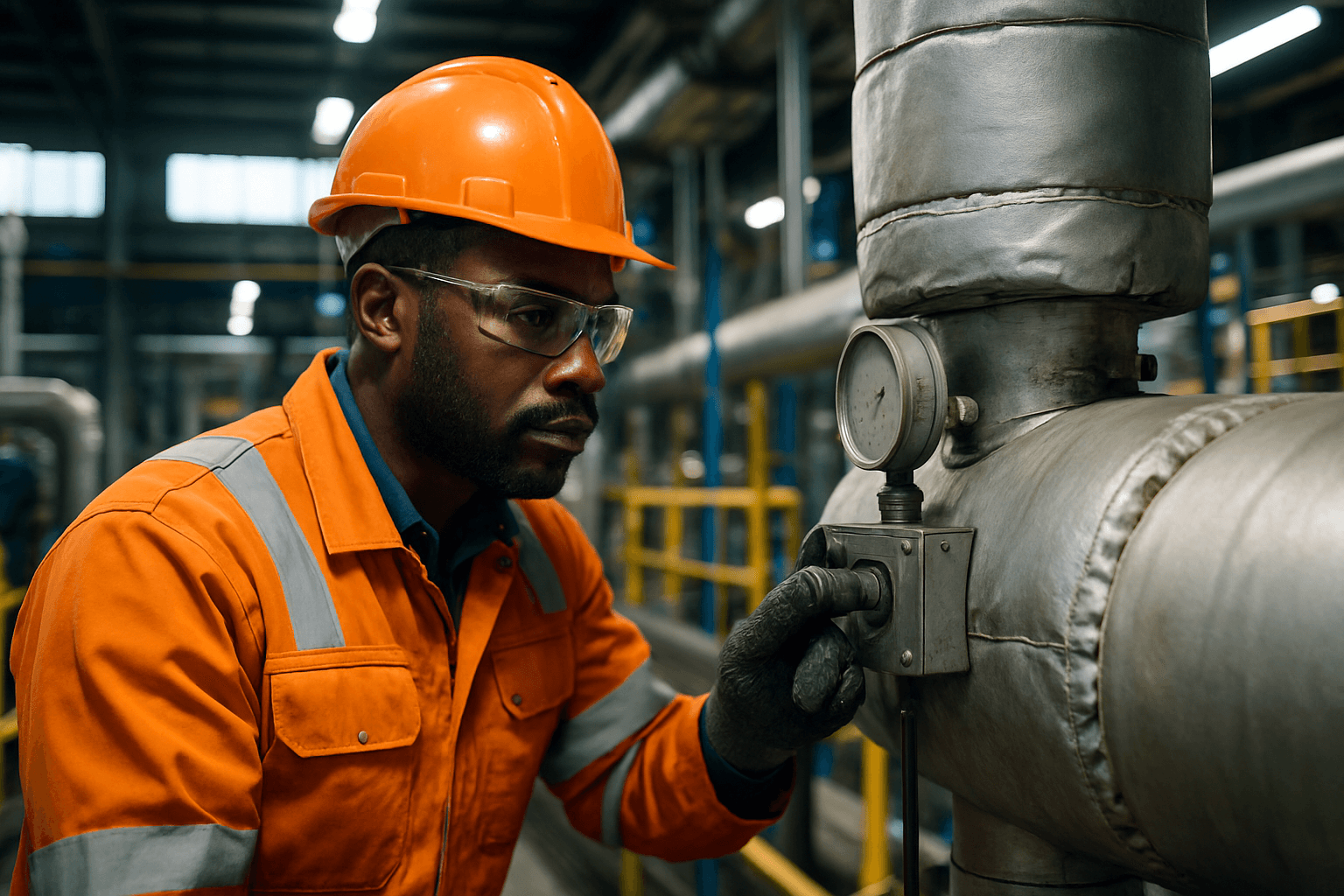
Flue gas heat recovery systems are vital components in industrial manufacturing and power generation, offering significant energy efficiency improvements and reduced emissions. However, these systems inherently involve operations with high temperatures, pressures, and often corrosive flue gases, necessitating stringent regulations and guidelines to ensure safe operation. The careful design, installation, maintenance, and operational procedures are paramount to mitigate risks such as corrosion, overpressure, leaks, and potential explosions.
Why Regulations and Guidelines are Essential for Flue Gas Heat Recovery
The recovery of waste heat from flue gases, while environmentally and economically beneficial, introduces a complex array of safety challenges. Flue gases often contain corrosive elements like sulfur oxides, which can form sulfuric acid when cooled below their dew point, leading to equipment degradation. High operating temperatures and pressures within heat exchangers present risks of mechanical failure if not properly managed. Furthermore, the potential for combustible materials or hazardous fluids within certain industrial processes adds a layer of fire and explosion risk. Comprehensive regulations and guidelines provide the framework to address these dangers, safeguarding personnel, equipment, and the environment.
Key Safety Considerations in Flue Gas Heat Recovery System Design
Safe operation begins with robust design. Several critical factors must be meticulously addressed during the design phase of flue gas heat recovery systems.
Material Selection and Corrosion Prevention
Flue gases can be highly corrosive, especially when cooled below their acid dew point, leading to the formation of acids like sulfuric acid. This necessitates the use of corrosion-resistant materials, such as specific stainless steels or advanced surface treatments, for heat exchanger surfaces that come into contact with the flue gas. Designers must consider the composition of the flue gas, including sulfur content, and the expected operating temperatures to select appropriate materials that can withstand corrosive environments. Maintaining flue gas temperature above a certain threshold (e.g., 80°C) can also prevent acid corrosion in heat exchangers.
Pressure and Temperature Management
Heat exchangers in flue gas recovery systems often operate under high pressures and extreme temperatures. Proper design must account for these conditions to prevent overpressure and thermal shock. This includes:
- Pressure Relief Devices: Installation of safety relief valves is crucial to prevent over-pressurization. These devices must be appropriately sized and set to relieve at or below the maximum allowable working pressure of the heat exchanger or downstream components.
- Temperature Monitoring: Comprehensive temperature monitoring using thermocouples or resistance temperature detectors (RTDs) is essential to detect temperature excursions and prevent dangerous phase changes (e.g., boiling of cooling water into steam, which can rapidly increase pressure).
- Thermal Expansion: The system must be designed to accommodate thermal expansion and contraction to prevent stress and potential damage to components.
Leakage Detection and Containment
Leaks in heat recovery systems can lead to the release of hazardous flue gases or process fluids. Design should incorporate features that minimize leak potential and facilitate rapid detection. This includes robust welding, appropriate gasketing, and potentially double-wall construction in critical areas. Regular testing and monitoring of fluid quality can help identify leaks or contamination early.
Structural Integrity and Accessibility
The physical structure of the heat recovery unit and its supports must be able to withstand maximum operating temperatures and conditions. Adequate access for maintenance and inspection of all parts is crucial for long-term safety and operational efficiency.
Major Regulatory and Standard Bodies
Several prominent organizations set the standards and guidelines that govern the safe design, construction, and operation of flue gas heat recovery systems globally and regionally.
ASME Boiler and Pressure Vessel Code (BPVC)
The American Society of Mechanical Engineers (ASME) Boiler and Pressure Vessel Code (BPVC) is a widely recognized standard for the design, fabrication, and inspection of boilers and pressure vessels, including heat recovery steam generators (HRSGs) and heat exchangers.
- ASME Section VIII: This section provides rules for the construction of pressure vessels.
- ASME Section I: Covers the construction of power boilers, including HRSGs.
- ASME Section IV: Specifically addresses rules for the construction of heating boilers.
- ASME Section V: Focuses on nondestructive examination.
- ASME Section VII: Provides recommended guidelines for the care of power boilers.
- ASME B31.1: The Power Piping Code, relevant for high-pressure steam and hot water piping associated with heat recovery.
- ASME B31.5: Covers refrigeration piping and heat transfer components, which may be relevant for specific waste heat recovery applications.
Compliance with ASME BPVC indicates a commitment to public safety and product quality.
National Fire Protection Association (NFPA) Standards
The National Fire Protection Association (NFPA) publishes standards aimed at minimizing fire and explosion hazards in industrial settings.
- NFPA 86: This standard provides guidelines for industrial ovens and furnaces, which often integrate heat recovery systems. It covers design, safety equipment, explosion relief, and labeling requirements.
- NFPA 85: The Boiler and Combustion Systems Hazards Code contributes to operating safety and prevents explosions and implosions in boilers and heat recovery steam generators larger than 12.5 million Btu/hr.
Occupational Safety and Health Administration (OSHA)
OSHA regulations, particularly the Process Safety Management (PSM) of Highly Hazardous Chemicals standard (29 CFR 1910.119), are critical for facilities handling hazardous substances that might be part of or affected by heat recovery systems. PSM requires a comprehensive management program, integrating technologies, procedures, and management practices to prevent accidental releases of toxic, reactive, or flammable liquids and gases. Key elements include process safety information, process hazard analysis, operating procedures, mechanical integrity, and management of change.
Pressure Equipment Directive (PED) – European Union
For equipment placed on the market within the European Economic Area (EEA), the Pressure Equipment Directive (PED) 2014/68/EU lays down essential safety requirements for the design, manufacture, and conformity assessment of stationary pressure equipment, including heat exchangers and steam generators, with a maximum allowable pressure greater than 0.5 bar. The PED aims to ensure the free movement of safe pressure equipment within the EU market.
Operational Safety Guidelines and Best Practices
Beyond design, safe operation of flue gas heat recovery systems relies heavily on diligent operational practices.
Regular Inspection and Maintenance
A robust inspection and maintenance program is essential. This includes:
- Routine Checks: Daily or weekly checks of operating parameters, pressure gauges, temperature indicators, and fluid levels.
- Preventive Maintenance (PM): Scheduled inspections and servicing of critical components like burners, safety interlocks, relief valves, and heat exchanger tubes. This helps identify and address issues like fouling, corrosion, and leakage before they escalate.
- Leak Testing: Regular leak tests on safety valves and other components are required by regulations like NFPA standards.
Emergency Procedures and Shutdown Systems
Operators must be trained on clear emergency shutdown procedures for the entire system. Heat recovery systems should include easily accessible manual emergency shutdown switches and safety devices that cannot be bypassed. Automated emergency shutdown systems, triggered by critical alarms (e.g., over-temperature, over-pressure, flame loss), are vital.
Personnel Training and Competency
All personnel involved in the operation and maintenance of flue gas heat recovery systems must receive comprehensive training. This includes understanding potential hazards, proper operating procedures, the use of personal protective equipment (PPE), and emergency response protocols. Restricting access to critical control systems (e.g., programmable logic controllers) to essential workers is also recommended.
Management of Change (MOC)
Any modifications to equipment, procedures, raw materials, or operating conditions must be subject to a formal Management of Change (MOC) process. This ensures that potential new hazards introduced by the change are identified, assessed, and mitigated before implementation, and that all affected personnel are informed and trained.
Monitoring for Corrosion and Fouling
Continuous monitoring of flue gas dew point temperature, especially when using sulfur-bearing fuels, is critical to prevent acid condensation and corrosion. Advanced surface treatments can also provide protection against corrosion. Monitoring differential pressure across heat exchangers can help detect fouling, which can impact efficiency and potentially lead to unsafe operating conditions.
Conclusion
The safe operation of flue gas heat recovery systems is a multi-faceted challenge requiring a holistic approach that integrates stringent design principles, adherence to comprehensive regulatory standards, and diligent operational practices. By meticulously following guidelines from bodies like ASME, NFPA, OSHA, and the PED, and by focusing on material selection, pressure and temperature management, corrosion prevention, robust maintenance, and thorough personnel training, industries can harness the energy-saving benefits of these systems while ensuring the utmost safety for their operations and workforce.