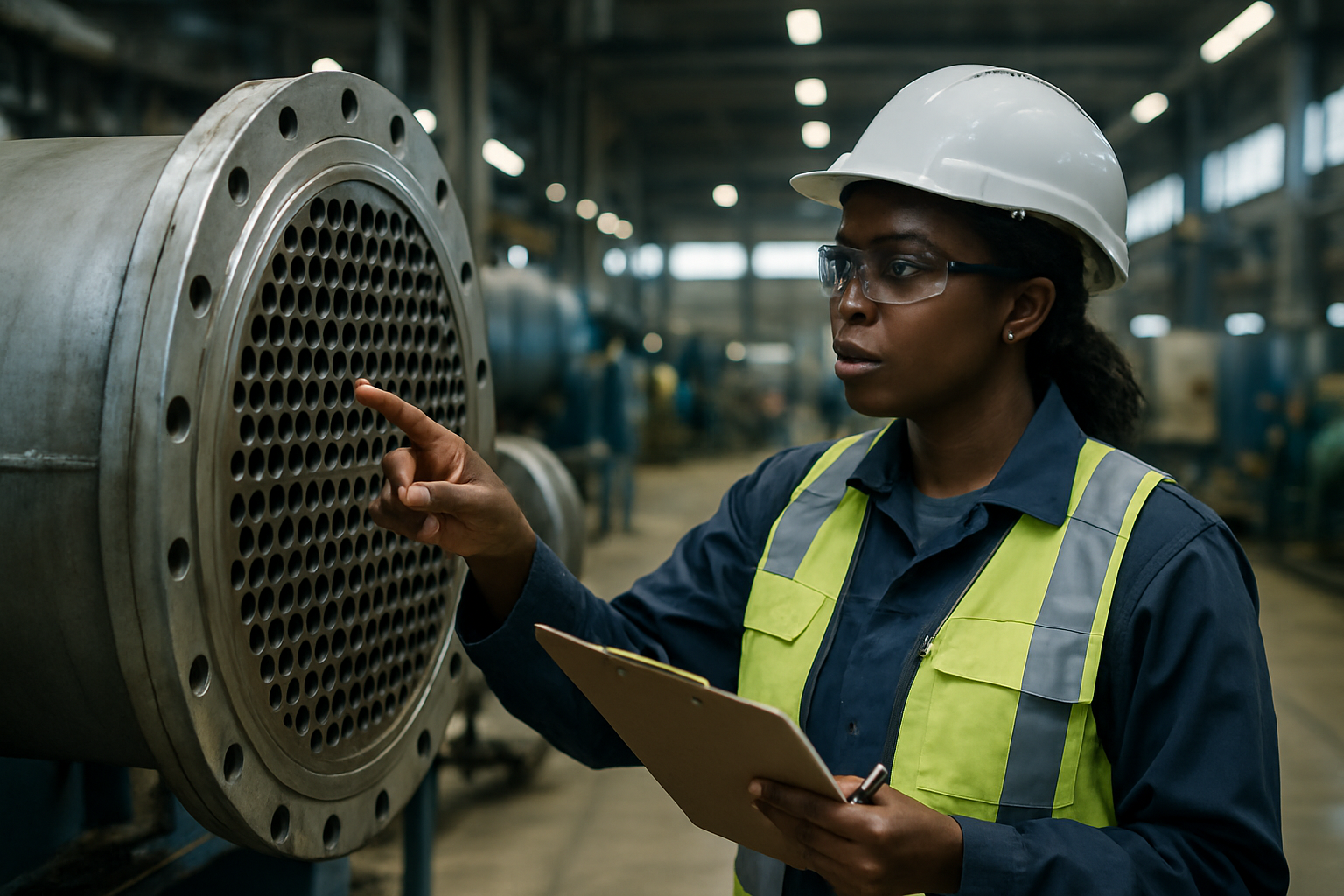
In an era where energy efficiency and sustainability are paramount, industrial air-to-air heat exchangers stand out as critical components for optimizing operations and reducing environmental impact. These robust devices play a vital role in waste heat recovery, capturing thermal energy from exhaust air streams and transferring it to incoming fresh air, thus preheating it for various industrial processes or facility heating. This not only leads to significant energy savings and lower operating costs but also contributes to a reduced carbon footprint.
For businesses in industrial HVAC and process engineering, understanding where to procure these specialized heat exchangers and what factors to consider is crucial for successful implementation.
Where to Buy Industrial Air-to-Air Heat Exchangers
Sourcing industrial air-to-air heat exchangers for waste heat recovery typically involves engaging with specialized manufacturers, distributors, and system integrators. These entities offer a range of standard and custom-designed solutions to meet diverse industrial needs.
Direct from Manufacturers
Many reputable companies specialize in the design and fabrication of industrial heat exchangers. Purchasing directly from manufacturers often provides the advantage of custom-engineered solutions tailored precisely to specific application requirements, including material selection (e.g., aluminum, epoxy-coated, stainless steel for corrosion resistance), temperature capabilities (up to 1000°C for some models), and airflow configurations.
Key manufacturers identified in the industry include:
- Heatex: Known for custom-made rotary and plate solutions in aluminum, epoxy-coated, or stainless steel for various environments.
- Kelvion Inc. (also listed as Kelvion): Offers custom air-to-air heat exchangers in various configurations and materials, serving chemical, petrochemical, and power industries.
- Xchanger: A leading manufacturer with extensive experience in heat transfer solutions for chemical, energy, food, pharmaceutical, and plastics industries, offering various heat exchanger types including air-to-air for heat recovery.
- AMSEnergy Corp.: Custom manufacturer of heat pipe heat exchangers and other waste heat recovery products.
- Enerquip Thermal Solutions: Manufactures waste heat recovery systems, including economizers, for various industries.
- Wintech (China): Specializes in customized air preheaters for waste heat recovery, particularly for flue gas boiler systems in industries like petrochemical and metallurgy.
- Hayden Industrial: Manufactures custom air-cooled heat exchangers (ACHE) for various heavy-duty applications.
- BD Heat Recovery Division, Inc.: Provides various Air Preheater (APH) units featuring robust, plate-type heat exchangers for recovering waste heat.
Through Distributors and Manufacturer Representatives
Many manufacturers partner with distributors and manufacturer representatives to expand their reach and provide local support. These companies often offer a broader selection of products from multiple manufacturers and can provide services such as field surveying, system design, and turnkey installation.
Some examples include:
- Markair, Inc.: A manufacturer’s representative for industrial heat exchangers, including air-to-air, serving markets like Georgia and Florida.
- Fluid-Aire Dynamics: A distributor of various heat exchangers, including air-to-air, for industrial, military, energy, food and beverage, and other markets.
System Integrators and Turnkey Solution Providers
For complex industrial applications, system integrators specialize in designing and implementing complete waste heat recovery systems. These providers can assess your facility’s specific needs, recommend the most suitable air-to-air heat exchangers, and manage the entire installation process.
Examples include:
- Anguil Environmental Systems, Inc.: A turnkey system integrator for heat recovery systems across diverse industries.
- AIRTHERM Corporation: Offers custom-designed heat recovery systems, including air-to-air heat exchangers, tailored to specific applications.
Online Industrial Directories
Industrial directories like IQS Directory serve as valuable resources for finding leading manufacturers and suppliers of air-to-air heat exchangers, allowing users to request quotes and review company profiles.
Types of Air-to-Air Heat Exchangers for Industrial Applications
Industrial air-to-air heat exchangers come in several configurations, each suited for different operational parameters and efficiencies.
Plate Heat Exchangers
Plate heat exchangers consist of a series of plates that create separate channels for the hot and cold air streams. They can be designed for cross-flow or counter-flow configurations. Plate heat exchangers are known for their high heat transfer efficiency, compact structure, ease of assembly, and long service life. They are particularly suitable for applications with lower to medium temperatures and can be fully welded for higher temperatures and pollution levels.
Rotary Heat Exchangers (Heat Wheels)
Rotary heat exchangers, or heat wheels, use a rotating wheel matrix that continuously absorbs heat from the exhaust air and transfers it to the incoming fresh air. They are highly efficient for heat recovery, often recovering up to 90% of heat.
Heat Pipe Heat Exchangers
These exchangers utilize heat pipes, which are sealed tubes containing a working fluid that cycles through evaporation and condensation to transfer heat between two air streams. They are often used in closed-loop cooling systems.
Finned Tube Heat Exchangers
Finned tube heat exchangers increase the surface area for heat transfer by incorporating fins on the tubes. These are commonly used in various waste heat recovery systems, including air preheaters.
Key Considerations When Purchasing
Selecting the right air-to-air heat exchanger for industrial waste heat recovery requires careful evaluation of several factors:
Application-Specific Requirements
The industrial process generating the waste heat, the nature of the exhaust gases (e.g., presence of pollutants, corrosivity), and the desired temperature of the preheated air will heavily influence the design and material selection. For harsh environments with high salinity or pollution, epoxy-coated or stainless steel plates might be necessary.
Temperature and Flow Rates
The operating temperatures of both the hot exhaust air and the incoming cold air, along with their respective flow rates, are critical for sizing and selecting an appropriately efficient heat exchanger. Some systems can handle temperatures up to 1000°C.
Material of Construction
Materials like aluminum, carbon steel, alloy steel, stainless steel, Incoloy®, and Hastelloy® are commonly used, with choices depending on corrosion resistance needs, temperature ranges, and cost considerations.
Efficiency and Energy Savings
The primary goal of waste heat recovery is to maximize energy savings. Look for systems that offer high heat recovery efficiency, which can significantly reduce long-term operating costs and lead to a fast return on investment. Some systems can recover up to 80-90% of energy from outgoing air.
Maintenance and Durability
Industrial environments demand robust and easy-to-maintain equipment. Consider the design for accessibility, cleaning, and the overall durability of the construction.
Customization and Turnkey Services
For unique industrial setups, custom-designed heat exchangers are often required. Many manufacturers offer engineering and design services to tailor solutions, and turnkey system integrators can manage the entire project from conception to installation.
Regulatory Compliance
Ensure that the chosen heat exchangers and systems meet relevant industry standards and regulations, such as OSHA or ASME requirements.
By carefully considering these factors and engaging with experienced manufacturers and suppliers, industries can effectively implement air-to-air heat exchangers to unlock significant energy savings and enhance operational sustainability through waste heat recovery.