In the demanding environments of industrial manufacturing and power generation, flue stack heat exchangers are indispensable for waste heat recovery and enhancing energy efficiency. These critical components capture heat from exhaust gases that would otherwise be lost, transforming it into usable energy. However, their operation in hostile conditions, often involving high temperatures and corrosive or contaminating flue gases, necessitates rigorous and proactive maintenance to ensure optimal performance, extend lifespan, and prevent costly downtime. Neglecting the maintenance of these intricate systems can lead to reduced thermal efficiency, increased energy consumption, unexpected outages, and even safety hazards due to the potential release of toxic combustion gases.
This guide delves into the essential practices for maintaining flue stack heat exchangers, covering common problems, effective inspection methods, diverse cleaning techniques, and preventative strategies to safeguard these vital assets.
Understanding Common Challenges in Flue Gas Heat Exchangers
Flue gas heat exchangers operate under conditions that make them susceptible to several pervasive issues, primarily corrosion and fouling. Understanding these challenges is the first step toward effective maintenance.
Corrosion: The Silent Destroyer
Corrosion is a significant threat to heat exchanger integrity, often occurring from the inside out and remaining undetected until a catastrophic failure. The presence of sulfur compounds in fuels, such as coal, oil, refinery gas, and biomass, is a primary driver of corrosion. During combustion, sulfur converts into SO2 and SO3, which can react with water vapor to form highly aggressive sulfuric acid (H2SO4).
- Acid Dew Point Phenomenon: The “acid dew point” (ADP) is the temperature at which these acidic components condense into liquid form. Sulfuric acid has a significantly higher dew point (typically 120°C to 180°C) than water. When heat exchanger surfaces cool below this ADP, sulfuric acid condenses, leading to severe “low-temperature” or “cold-end corrosion,” particularly in cooler sections like economizers and air preheaters.
- Uniform Corrosion: This type of corrosion involves the widespread thinning of metal across the heat transfer surface, often caused by exposure to aggressive elements like chlorides and oxygen.
- Stress and Cracking: Constant thermal cycling (heating and cooling) stresses metal components, leading to metal fatigue and the development of cracks over time. Inadequate airflow or improper combustion can accelerate this by causing localized overheating.
Fouling: The Efficiency Killer
Fouling is the accumulation of unwanted deposits (such as soot, ash, scale, and other particulate matter) on heat transfer surfaces. This insulating layer reduces heat transfer efficiency, increases pressure drop across the exchanger, and can lead to localized overheating and cracking.
- Particulate Fouling: Common in waste incinerators and systems with ash-laden flue gases, where solid particles deposit on tube surfaces, building up a fouling layer.
- Combustion Problems: Incomplete combustion can deposit carbon soot, insulating surfaces and reducing heat transfer.
- Biological Fouling: In some systems, biological growth can also contribute to blockages and reduced efficiency.
Essential Maintenance Practices for Flue Stack Heat Exchangers
A structured and proactive maintenance program is crucial for mitigating common problems and ensuring the reliable operation of flue stack heat exchangers.
Regular Inspections
Routine inspections are the first line of defense, helping to identify potential issues before they escalate.
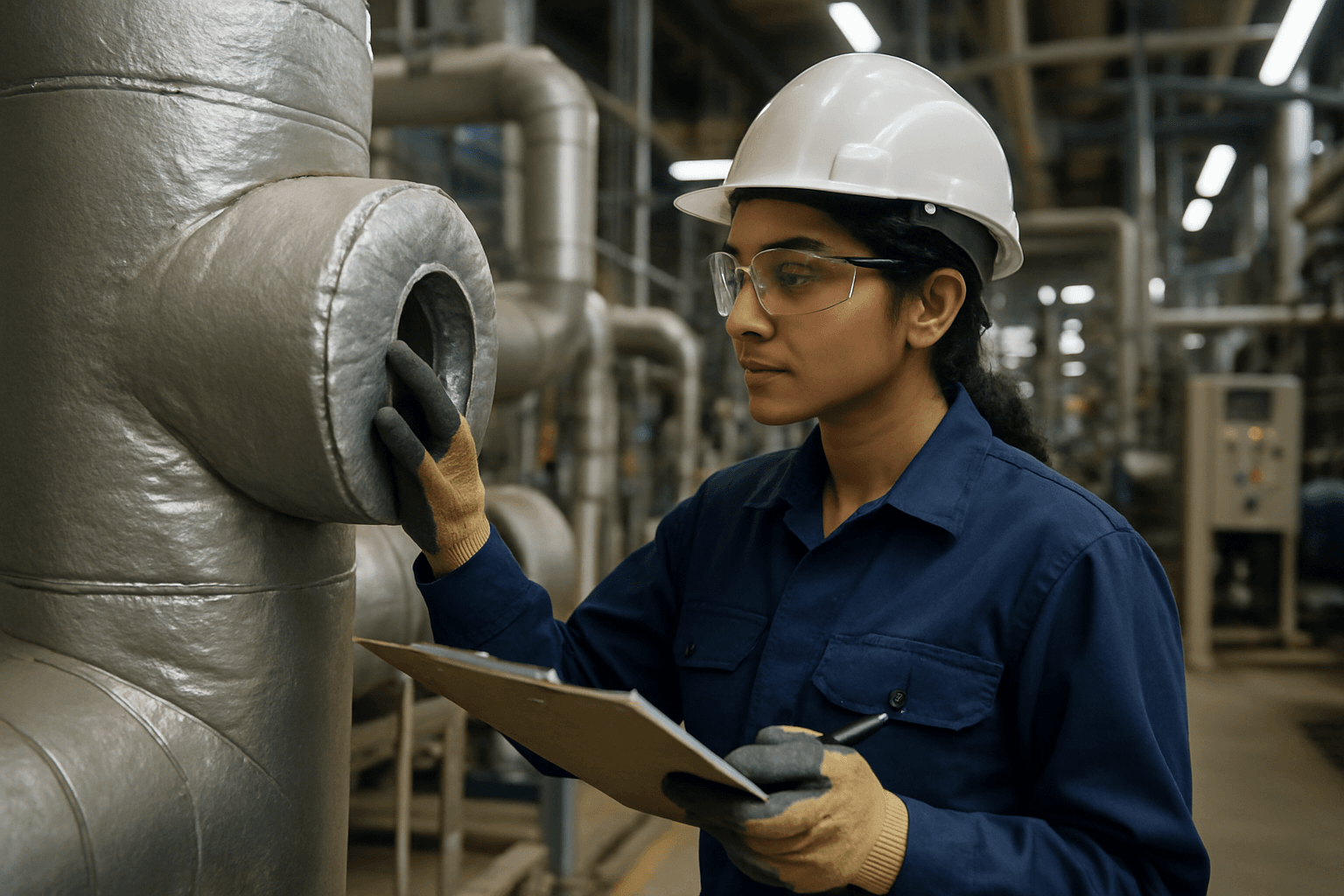
- Visual Checks: Regularly examine the heat exchanger for visible signs of wear, corrosion, pitting, erosion, or leaks. This includes checking accessible tube surfaces, connections, gaskets, seals, and ductwork. Remote visual inspection (RVI) using videoscopes is effective for internal, hard-to-access areas.
- Performance Monitoring: Track operational parameters such as inlet and outlet temperatures, pressure drops, and flow rates. Sudden changes can indicate fouling, blockages, or other performance issues. High CO readings, low oxygen levels, or excessive CO₂ in flue gas analysis can point to combustion problems affecting the heat exchanger.
- Non-Destructive Examination (NDE): Advanced techniques are used to detect internal defects and assess tube integrity.
- Eddy Current Testing (ECT): Detects surface and subsurface defects, cracks, wall thinning, and corrosion in non-ferromagnetic materials like stainless steel.
- Internal Rotary Inspection System (IRIS): Uses ultrasonic technology to measure wall thickness variations, corrosion, and defects.
- Ultrasonic Testing (UT): Sends high-frequency sound waves to measure wall thickness and detect internal flaws.
- Infrared Thermography (IRT): Detects temperature variations that can indicate blockages, leaks, or uneven flow.
- Radiographic Testing (RT): Uses X-rays or gamma rays to inspect the internal structure for defects like cracks and corrosion.
Effective Cleaning Techniques
Regular cleaning is paramount to remove deposits and restore thermal efficiency. The choice of method depends on the type and tenacity of fouling.
- High-Pressure Hydrojetting/Hydroblasting: Uses very high-pressure water to remove scale, sediment, and deposits. This method is effective, environmentally friendly, and avoids chemical use, often utilizing cold water to save energy costs. Pressures can range from 1,000 bar to 3,000 bar for ultra-high pressure cleaning.
- Mechanical Cleaning: Involves physical removal of hard deposits using brushes or scrapers. Rotary shaft cleaners with water injection are effective for soft fouling like mud or biofilm.
- Chemical Cleaning: Circulates specific chemicals (descalers, detergents, deoxidizers) to react with and dissolve contaminants. This can be done without dismantling the unit (Clean-in-Place, or CIP).
- Thermal Cleaning (Pyrolysis): Involves applying controlled heat (below 450°C) in an oxygen-poor environment to break down organic or fatty residues into easily removable dust. This method is highly thorough and can reach inaccessible areas.
- Ultrasonic Cleaning: Uses ultrasonic waves to generate microbubbles in a cleaning liquid to remove deposits.
- Cleaning Frequency: Filters should be checked regularly (e.g., every 1-6 months depending on environment) and the heat exchanger itself cleaned every 12-24 months for optimal performance.
Corrosion Prevention and Mitigation
Proactive measures are critical to combat corrosion and extend the life of heat exchangers.
- Temperature Management: Maintaining metal surface temperatures above the sulfuric acid dew point (ADP) is a straightforward method to prevent acid condensation.
- Material Selection: Utilizing corrosion-resistant alloys, such as stainless steel, titanium, or Hastelloy, is crucial for components operating near or below the ADP. Innovative polymer-based heat exchangers are emerging that can withstand corrosive flue gases, allowing for cooling below the acid dew point without metallic corrosion concerns.
- Surface Treatments: Applying nano-surface treatments can form a protective layer, enhancing corrosion resistance and reducing metal thinning.
- Fuel Quality & Flue Gas Treatment: Reducing sulfur content in fuel minimizes SOx and subsequent sulfuric acid formation. Flue gas desulfurization (FGD) systems, while primarily for emissions control, also indirectly reduce corrosion potential. Chemical additives can be injected to neutralize sulfuric acid.
- Proper Drainage: In high-efficiency furnaces, blocked condensate lines can cause acidic condensation to back up and rust the heat exchanger. Regular checks of drainage systems are vital.
Advanced Strategies for Longevity and Efficiency
Beyond routine maintenance, several advanced strategies contribute to the long-term health and efficiency of flue stack heat exchangers.
Design Considerations
Fouling cannot be completely eliminated, but design choices can mitigate its impact. For heavily polluted flue gas, plain tubes or plate-type heat exchangers are often recommended over finned tubes, which foul quickly. Designing for uniform condensation and introducing wash streams can also help reduce fouling in condensing services.
Professional Servicing and Calibration
Manufacturers recommend annual servicing by qualified technicians to inspect all parts for wear or damage, identify potential problems, and ensure proper calibration. This includes checking connections, ensuring proper system balance, and servicing fans. For major repairs, especially on “U” stamped shell and tube heat exchangers, certified repair organizations holding an “R” Stamp are required.
Monitoring and Predictive Maintenance
Continuous monitoring of key operating parameters, coupled with advanced inspection techniques, supports a shift towards predictive, condition-based maintenance. This approach allows for interventions before failures occur, minimizing downtime and optimizing maintenance schedules.
By implementing a comprehensive maintenance strategy that addresses common challenges, utilizes appropriate cleaning and inspection technologies, and incorporates preventative measures, industries can significantly enhance the efficiency, reliability, and lifespan of their flue stack heat exchangers, ultimately leading to substantial energy savings and reduced environmental impact.