Agricultural operations generate a wide array of organic by-products, from crop residues and animal manure to food processing waste and even fallen stock. While many of these materials can be composted or repurposed, incineration offers a valuable solution for waste volume reduction, pathogen destruction, and even energy recovery, particularly for materials unsuitable for other methods. However, the effectiveness and safety of agricultural waste incineration hinge critically on proper handling and storage practices before the waste enters the incinerator. This ensures optimal combustion, minimizes environmental impact, and maintains farm biosecurity.
Understanding Agricultural Waste Types
Effective management begins with identifying the specific characteristics of the waste being generated. Agricultural waste typically falls into several categories:
- Crop Residues: Stalks, leaves, husks, and roots remaining after harvest. These can be bulky and vary greatly in moisture content.
- Animal By-products (Fallen Stock): Animal carcasses and other organic matter from livestock, which can harbor pathogens and pose significant biosecurity risks if not handled correctly.
- Manure and Slurry: Waste from animal farming, often high in moisture.
- Food Processing By-products: Fruit peels, husks, and other residues from on-farm processing.
- Contaminated Packaging and Certain Hazardous Wastes: Non-natural farm wastes such as plastics, tires, and agrochemical containers are generally prohibited from burning, with specific hazardous wastes requiring specialized handling due to harmful emissions.
The suitability of waste for incineration depends on factors like moisture content, energy density, and decomposability. Wastes with high moisture content, such as certain fruit peels and animal manure, are less energetically efficient for direct combustion without pretreatment.
Pre-treatment Methods for Optimal Incineration
Pre-treatment is a crucial step to enhance the efficiency of incineration, reduce emissions, and manage waste volume.
- Sorting and Segregation: Separating different waste types is fundamental. Non-combustible materials, hazardous wastes, and prohibited items (like most plastics and tires) must be removed. This prevents the release of toxic fumes and damage to the incinerator.
- Size Reduction (Shredding/Grinding): Breaking down bulky materials into smaller, more uniform pieces increases the surface area, leading to more complete and efficient combustion. For animal manure and leaves, reduction to particles less than 1 cm is recommended.
- Drying: Reducing the moisture content of waste significantly improves combustion efficiency. High moisture content makes waste energetically inefficient for combustion. Natural air drying or mechanical drying can be employed.
- Demineralization (for specific wastes): For certain wastes like pig manure, acid washing can remove minerals, which can affect pyrolysis behavior and potentially lead to slag formation in incinerators.
Strategic Storage Practices
Proper storage is essential to prevent contamination, minimize environmental impact, ensure biosecurity, and maintain the quality of waste for incineration.
- Site Selection:
- Locate storage areas away from food handling, input storage, and livestock housing to prevent cross-contamination and avoid attracting pests.
- Maintain adequate separation distances from buildings to prevent risks like spontaneous combustion and from water sources (wells, streams, surface waters) to prevent pollution from runoff.
- Consider prevailing winds to avoid spreading odors or contaminants downwind.
- Ensure the area is accessible for waste delivery and emergency vehicles.
- Storage Infrastructure:
- Dedicated Containers and Areas: Use containers with lids for general farm waste to prevent cross-contamination and pest attraction. Store ash in dedicated metal collection boxes.
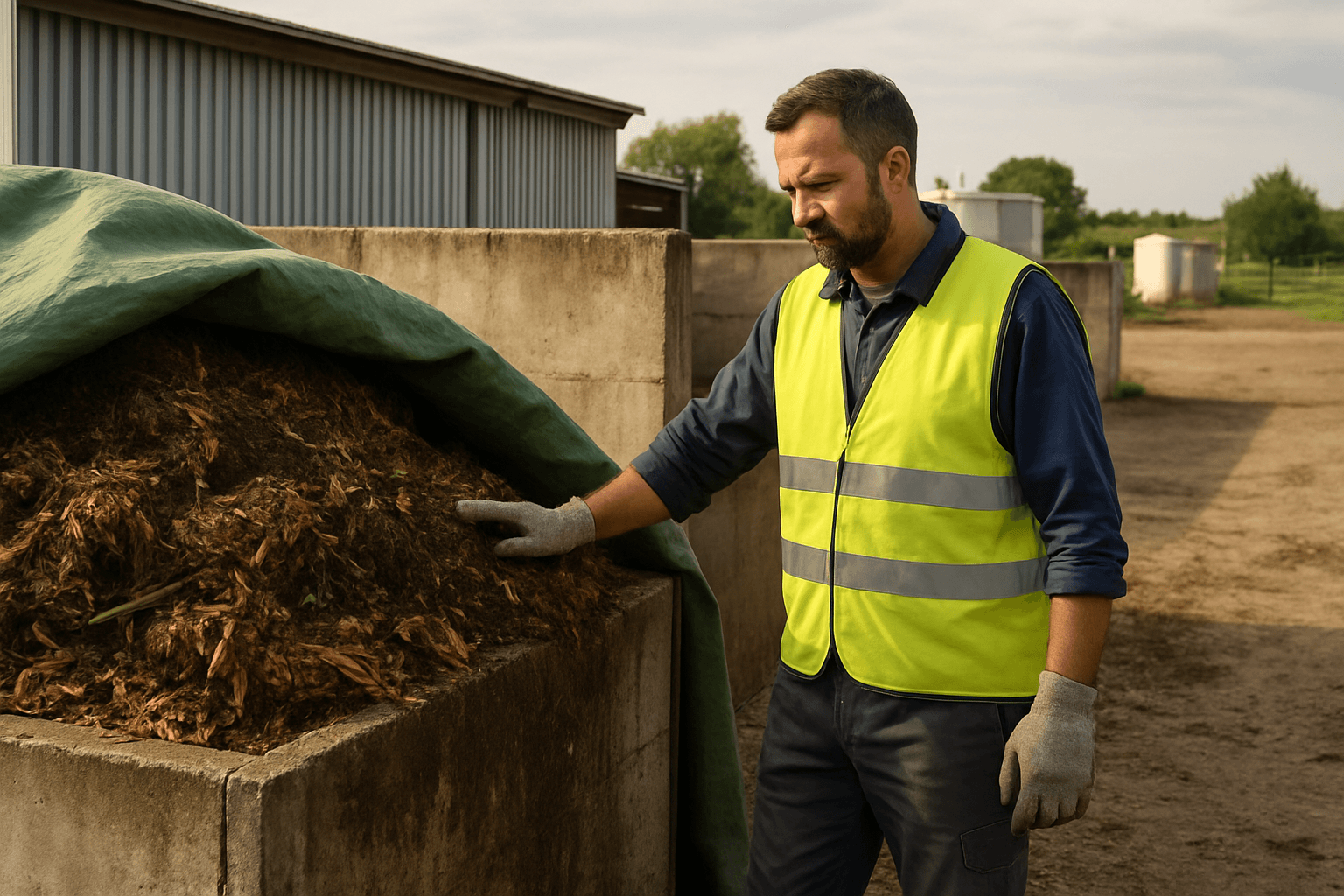
- Weather Protection: Protect stored waste from rain and other weather elements to control moisture content and prevent runoff. Covered storage or waterproof tarpaulins are recommended. Eaves troughs on roofs can divert clean water away from storage areas.
- Containment Systems: For liquid wastes or areas prone to runoff (e.g., from solid manure storage), implement runoff collection systems and containment to prevent pollution of groundwater and surface waters. This includes diverting surface runoff away from livestock and manure storage areas.
- Ventilation: Storage facilities, especially for certain chemical wastes, should be dry and well-ventilated.
- Biosecurity and Pest Control:
- Accumulation of farm waste can provide habitats and food for pests. Regular cleaning of storage areas and prompt removal of waste are crucial to deter pests.
- For deadstock, protect stored carcasses from other livestock, poultry, and predators, and keep them away from public view.
- Hazardous Waste Specifics:
- Pesticides and Chemicals: Store agrochemicals in a secure, locked location, away from animals, children, food, feed, and other incompatible materials like fertilizers and fuels.
- Store dry products above liquids to prevent contamination in case of spills.
- Use secondary containment (e.g., plastic leak-proof trays, spill containment pallets) for bulk tanks and containers to capture any leaks or spills.
- Ensure proper labeling and keep Safety Data Sheets (SDS) on file.
- Empty pesticide containers should be triple-rinsed, punctured to prevent reuse, and stored out of the weather before disposal according to label directions and local regulations.
- Waste Volume Management: Ensure storage areas and containers are adequate for the amount of waste generated between disposal or emptying times. Overfilling can lead to inefficient combustion.
Regulatory Compliance and Safety Protocols
Adherence to local, national, and international regulations is paramount for agricultural waste management and incineration.
- Permitting and Exemptions: Many jurisdictions require permits to operate incinerators, especially for materials beyond specific natural farm wastes or above certain capacities. Farmers must register exemptions where applicable.
- Duty of Care: Farmers have a legal duty to ensure all waste is stored, transported, and disposed of safely and legally.
- Emergency Preparedness:
- Develop an emergency plan for spills, fires, and other accidents, and train workers in its execution.
- Post emergency telephone numbers and a clear list of stored pesticides, including flammable solvents, with a storage floor plan outside the building.
- Have a nearby source of clean water and soap for decontamination in case of pesticide contact.
- Keep spill clean-up supplies (absorbent materials, shovel, drum with lid) and personal protective equipment (PPE) readily available, but not inside the storage area to prevent contamination.
- Install appropriate fire detection systems and extinguishers, and consult with local fire departments on prevention and emergency procedures.
- Record Keeping: Maintain records of disposal activities, including types and quantities of materials and methods used, for accountability and regulatory compliance.
By implementing these best practices for handling and storing agricultural waste, farms can optimize their incineration processes, ensure biosecurity, protect the environment, and comply with essential regulations.