Factories, by their very nature, often involve energy-intensive processes, making efficient energy management a critical concern. Heat loss through a factory’s building envelope represents a significant drain on resources, leading to increased operational costs, reduced indoor comfort, and a larger carbon footprint. Addressing these vulnerabilities through strategic building envelope improvements is not just an expense, but a strategic investment in sustainability, efficiency, and long-term profitability.
What is the Building Envelope and Why is it Critical for Factories?
The “building envelope” refers to the physical separation between a building’s interior and exterior environments. It encompasses the walls, roof, floors, windows, and doors—essentially, everything that encloses the conditioned space within a factory. This barrier regulates the flow of air, heat, moisture, and sound, directly impacting the building’s energy performance and longevity.
In industrial settings, an optimized building envelope is crucial for maintaining stable internal temperatures, protecting sensitive machinery and stored goods, and ensuring employee comfort. Poorly insulated or leaky envelopes significantly increase heating and cooling loads, leading to substantial energy loss.
Understanding Heat Loss Mechanisms in Industrial Buildings
Heat loss in factories occurs primarily through four mechanisms: conduction, convection, radiation, and air infiltration.
- Conduction: Heat transfers directly through solid materials like walls, roofs, and floors from warmer to colder areas.
- Convection: Heat is carried away by the movement of air. This includes warm indoor air leaking out and cold outside air seeping in, often felt as drafts.
- Radiation: Infrared heat transfers between surfaces. This is particularly noticeable through large, uninsulated surfaces like single-pane windows.
- Air Infiltration: This is the uncontrolled leakage of outside air into a building through cracks and openings, forcing heating systems to work harder to warm the incoming cold air. In older, poorly sealed buildings, air infiltration can account for a significant portion of total heat loss, sometimes up to 50%.
Common areas where heat loss occurs include walls (approximately 35%), windows and doors (around 25%), the attic/roof (around 25%), and floors/foundations (around 15%).
Key Building Envelope Improvements for Minimizing Heat Loss
To combat heat loss effectively, factories can implement several building envelope improvements. These measures work synergistically to create a more energy-efficient and comfortable environment.
1. Enhanced Insulation for Walls, Roofs, and Floors
Insulation is fundamental to reducing heat transfer through conduction. Upgrading or adding insulation is a significant component of building envelope retrofits.
- Wall Insulation: Continuous insulation, which provides an uninterrupted thermal barrier over the entire wall, is highly effective in eliminating thermal bridging (areas where heat loss is significantly higher, often through studs or structural steel). Options include spray foam, fiberglass, rigid board insulation, or cellulose.
- Roof Insulation: As heat rises, the roof is a major escape route for heat, making roof insulation critical. Adding or upgrading roof insulation prevents heat loss in winter and heat gain in summer. Materials like spray foam, fiberglass, and rigid board insulation are common for industrial roofs. Cool roofs, which use highly reflective materials or coatings, can also significantly reduce heat absorption, especially in warmer climates, thereby decreasing the demand for air conditioning.
- Floor and Foundation Insulation: Insulating floors and foundations, including crawl spaces and basement walls, prevents heat loss into the ground.
Types of Industrial Insulation:
Common insulation types include:
- Spray Foam Insulation: Popular for its ability to cover large areas, fill gaps, and create an airtight seal, offering high R-values (a measure of thermal resistance).
- Fiberglass Insulation: A cost-effective and common choice, often used in rolls or pre-cut panels for walls and ceilings. However, it is less effective at stopping drafts and can be affected by moisture.
- Rigid Board Insulation: Offers high thermal resistance and is suitable for walls and roofs. Expanded Polystyrene (EPS) products, for example, offer continuous insulation, an airtight barrier, and weather resistance.
- Cellulose Insulation: Made from recycled paper, it’s a good choice for soundproofing and energy efficiency, and offers good thermal resistance.
- Radiant Barrier Insulation: Primarily used in roofs, this reflective material helps by reflecting radiant heat away.
2. High-Performance Windows and Doors
Windows and doors are often weak points in the building envelope, allowing significant heat transfer.
- High-Performance Windows: Replacing single-pane windows with double or triple-pane windows that have low-emissivity (low-E) coatings and insulated frames can greatly reduce heat loss and gain. Low-E coatings control heat transfer and can manage solar heat gain. Thermal break technology in window frames separates exterior metal parts from interior ones with polyurethane, significantly reducing heat transfer through the frames.
- Energy-Efficient Doors: Installing doors with improved insulation and tighter seals prevents air leaks and enhances thermal performance. Features like triple-fin weatherstripping can prevent air infiltration.
- Storm Windows: For existing windows, installing low-e storm windows can offer similar savings to replacement at a lower cost, reducing air movement.
3. Comprehensive Air Sealing
Air leakage or infiltration is a major source of heat loss. Sealing gaps, cracks, and leaks is crucial for creating an airtight barrier that keeps conditioned air inside.
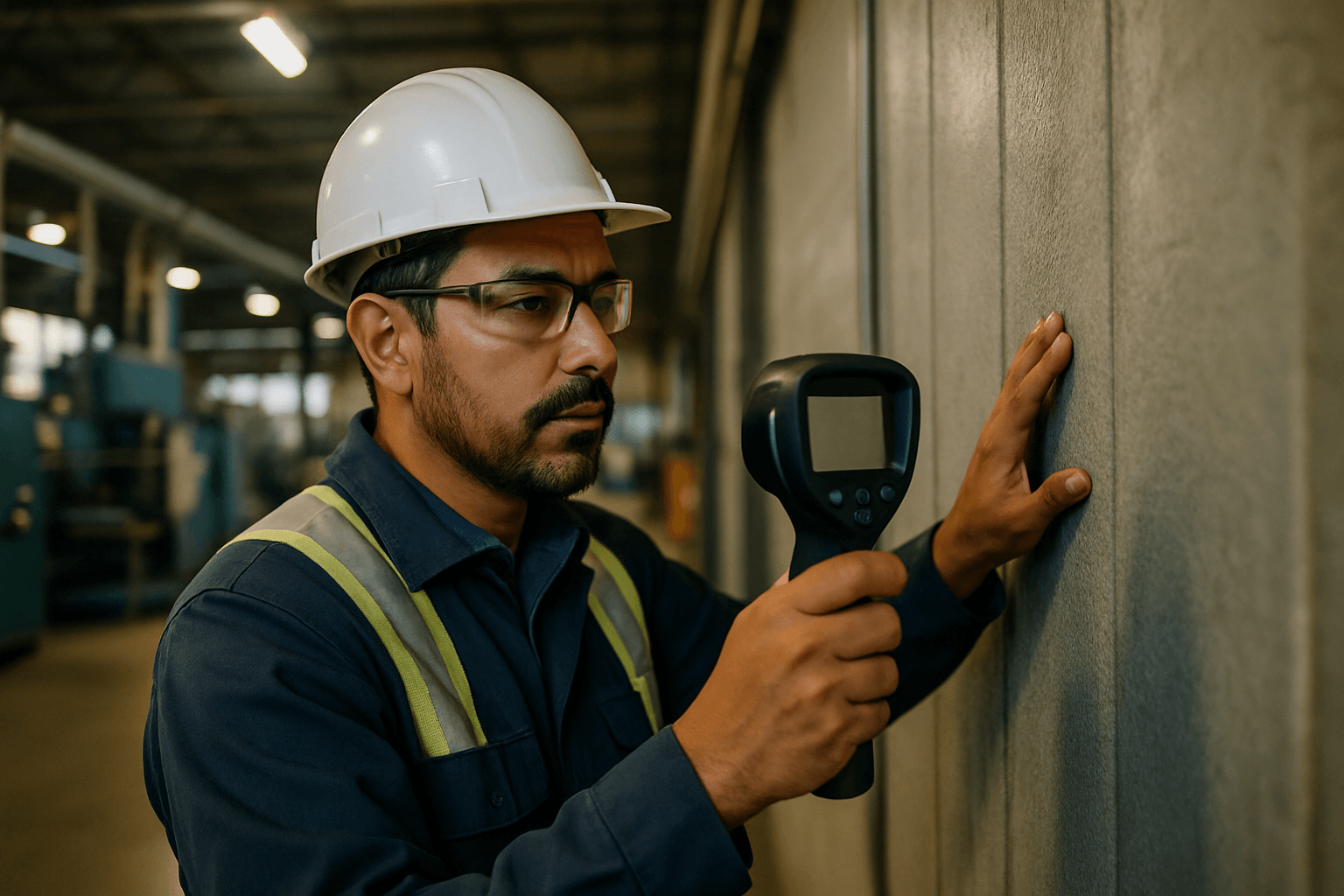
- Identifying Leaks: Energy audits often use tools like blower door tests and infrared thermography to pinpoint areas of air infiltration and missing insulation. Smoke tests can also identify leaks.
- Sealing Techniques:
- Caulk: Used for sealing small cracks and gaps, particularly around window and door frames, and utility penetrations.
- Weatherstripping: Applied to movable components like doors, windows, and access panels to create a tight seal.
- Spray Foam Sealants: Effective for larger gaps and cracks, including around electrical and plumbing penetrations.
- Gaskets: Can be used under bottom plates of exterior walls or around electrical outlets and wall openings.
- Air Barrier Membranes/Coatings: Use of specialized membranes within walls and roofs, or spray-on coatings, creates a continuous air barrier.
4. Roofing Solutions
Beyond insulation, the choice and maintenance of roofing materials significantly impact heat loss.
- Cool Roofs: As mentioned, these reflect sunlight and absorb less heat, reducing cooling demands and extending roof lifespan. Materials include reflective coatings, white TPO & PVC membranes, or specialized tiles.
- Green Roofs: Covered with vegetation, green roofs provide natural insulation, reducing heating and cooling needs and absorbing rainwater.
- Insulated Corrugated Iron: For factories utilizing corrugated iron, using heat-insulating paint or pre-insulated corrugated iron can significantly reduce heat transfer.
The Role of Energy Audits and Waste Heat Recovery
Before implementing improvements, a comprehensive energy audit is a critical first step. An energy audit systematically assesses a building’s energy use and loss, identifying areas of inadequate insulation, air leakage, and other structural faults. It evaluates the building’s current thermal performance and provides actionable recommendations, often prioritizing improvements by cost-effectiveness. Tools like infrared scanning and blower door tests are used to detect deficiencies.
While direct building envelope improvements focus on preventing heat loss, waste heat recovery strategies focus on capturing and reusing heat generated by industrial processes that would otherwise be vented to the atmosphere. Although distinct, these two approaches complement each other in a holistic energy management strategy, as reducing overall heat demand through a better envelope can make waste heat recovery systems more efficient.
Benefits of Building Envelope Improvements
Investing in building envelope improvements offers a wide array of benefits for industrial manufacturing facilities:
- Significant Energy Savings: Studies show that retrofitting building envelopes can reduce energy consumption by up to 40% in some cases, leading to substantial reductions in utility bills. Proper air sealing alone can cut energy bills by 10-20%.
- Increased Thermal Comfort: A well-insulated and airtight envelope helps maintain consistent indoor temperatures, eliminating drafts and cold spots, and creating a more comfortable and productive work environment for employees.
- Reduced Carbon Footprint: Lower energy consumption directly translates to reduced greenhouse gas emissions, contributing to environmental sustainability and helping factories meet net-zero manufacturing strategies.
- Enhanced Durability and Longevity: Effective moisture control and reduced thermal stress protect the building structure, leading to enhanced durability and longer lifespan of building materials.
- Improved Indoor Air Quality: Tight construction reduces the ingress of pollutants and allows for better control over indoor air quality.
- Reduced Strain on HVAC Systems: With less heat escaping or entering, HVAC systems don’t have to work as hard, which can extend their lifespan, reduce maintenance needs, and allow for smaller, more efficient systems.
- Increased Property Value: Energy-efficient buildings are often more attractive to buyers and tenants, increasing asset value.
Conclusion
Minimizing heat loss through strategic building envelope improvements is a cornerstone of modern energy management in industrial manufacturing. By focusing on enhanced insulation, high-performance windows and doors, and comprehensive air sealing, factories can achieve substantial energy savings, improve operational efficiency, and significantly advance their sustainability goals. The journey begins with a thorough energy audit to identify specific vulnerabilities, paving the way for targeted interventions that deliver long-term financial and environmental benefits.