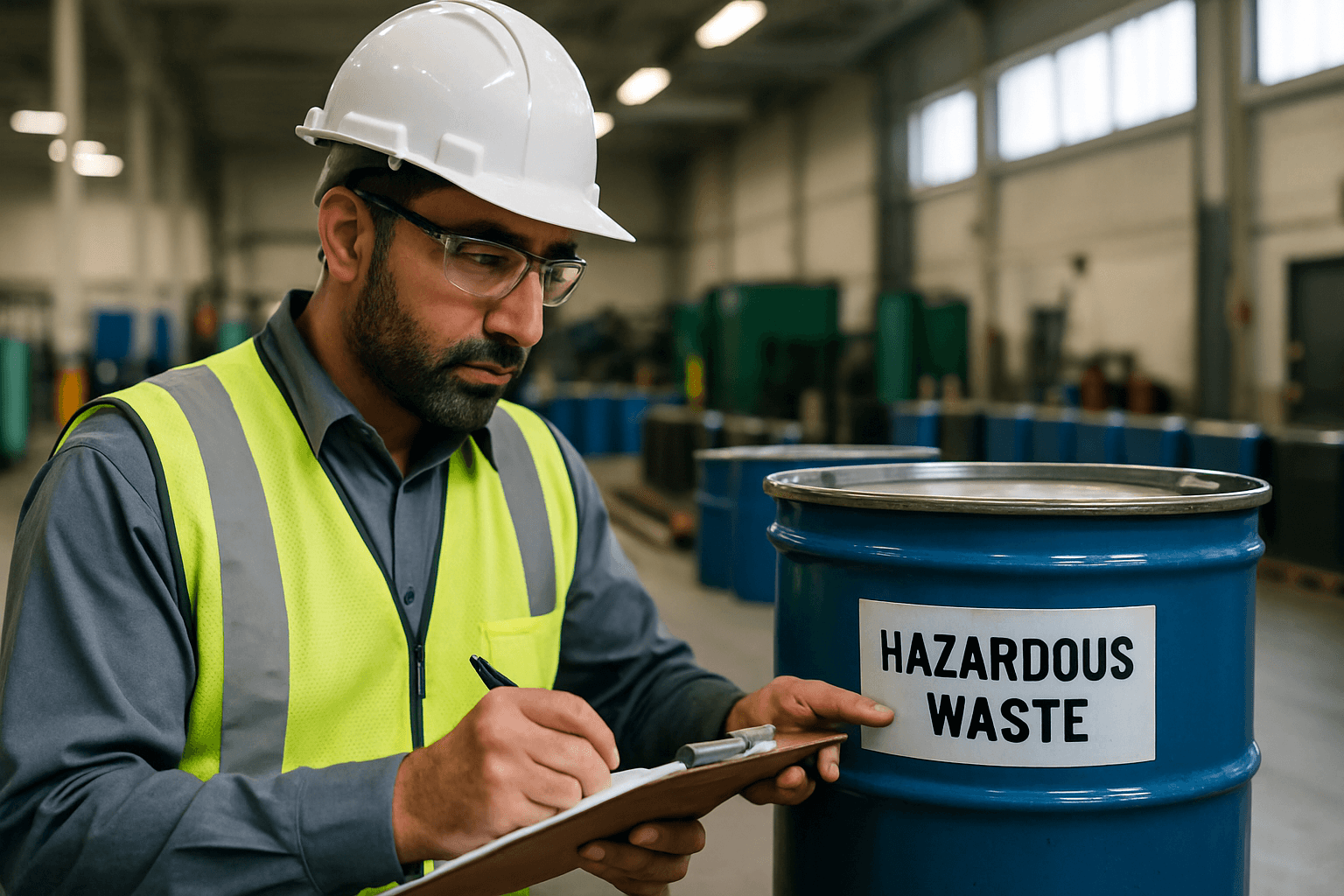
The safe and effective management of ammunition waste is a critical, multifaceted challenge impacting defense manufacturing, waste management, and environmental protection globally. From spent casings to unexploded ordnance (UXO), the diverse nature of ammunition components, coupled with their inherent explosive and toxic properties, necessitates rigorous, standardized protocols for handling and disposal. Without such measures, there are significant risks to human health, environmental integrity, and national security. This article delves into the complexities of ammunition waste, explores current and emerging disposal technologies, and highlights the indispensable role of thermal, chemical, and environmental engineering in developing robust, standardized solutions.
The Complex Landscape of Ammunition Waste Streams
Ammunition waste is not a monolithic category; it encompasses a wide array of materials, each presenting unique hazards and requiring specific handling. Understanding these diverse waste streams is the first step toward effective management.
Classifying Ammunition Waste Types
Ammunition waste can broadly be categorized based on its composition and hazard level:
- Live (Unusable) Rounds: This includes old, corroded, or defective cartridges, grenades, and bombs that pose a significant risk of accidental detonation if not handled properly.
- Spent Casings and Metal Parts: Primarily brass, but also steel and aluminum, these are residues from fired ammunition. While less hazardous than live rounds, they often contain toxic residues and metals like lead and copper.
- Lead Bullets and Shot: Lead is a primary component of many projectiles and is highly toxic, posing severe environmental and health threats if improperly disposed of.
- Energetic Materials (Propellants and Explosives): This includes loose propellants, powders, and high explosives like TNT, RDX, and perchlorate found in various munitions. These materials are designed to detonate or deflagrate rapidly.
- Pyrotechnics: Materials designed for illumination or signaling, which also require specialized disposal due to their combustible nature.
- Unexploded Ordnance (UXO) and Explosive Remnants of War (ERW): These are munitions that failed to detonate as intended, posing persistent and severe threats in post-conflict zones, military training grounds, and shooting ranges.
- Chemical Warfare Materiel: Although less common, some waste streams may include remnants of chemical agents, requiring highly specialized and secure disposal.
Environmental and Safety Challenges in Munitions Disposal
The improper handling and disposal of ammunition waste carry profound environmental and safety risks. Accidental detonations can lead to injuries, fatalities, and property damage. Beyond immediate dangers, ammunition often contains hazardous components such as lead, mercury, dioxins, furans, and various explosive residues that can contaminate soil, water, and air, leading to long-term ecological damage and human health issues. Groundwater contamination from propellant residues at firing ranges is a particular concern.
Existing Ammunition Disposal Technologies
Over the years, various methods have been developed for ammunition disposal, each with its advantages and limitations.
Traditional Disposal Methods
- Open Burning (OB) and Open Detonation (OD): Historically, OB/OD has been a common and relatively fast method for disposing of large quantities of ammunition, particularly larger caliber items and explosive ordnance. However, these uncontained thermal treatments release harmful pollutants like heavy metals, dioxins, furans, and other toxic substances directly into the atmosphere and soil, causing long-term environmental damage. Due to severe environmental impacts, OB/OD is increasingly restricted and even banned in many regions.
- Incineration: This controlled burning process takes place in high-temperature furnaces, often used for small arms ammunition and pyrotechnics. While offering more control than OB/OD, incineration facilities require advanced pollution control systems to minimize the release of toxic emissions, which can include lead, mercury, dioxins, furans, and particulate matter. Ash and wastewater residues from incineration also require careful management.
- Demilitarization (Demil): This process renders ammunition unusable and safe for further handling or material recovery. Techniques vary, encompassing mechanical disassembly, chemical neutralization, or melting. The process typically involves unpacking, disassembly to access energetic materials, removal of these energetics, and then destruction of hazardous components.
Resource Recovery and Recycling (R3)
Efforts are increasingly focused on recovering valuable materials from ammunition waste. Brass casings and other metal parts can be recycled, reducing waste and the need for new raw materials. However, recycling live ammunition is complex due to the presence of primers and explosive chemicals, requiring specialized dismantling processes to safely separate components like lead bullets.
Emerging and Advanced Technologies
Innovation in munitions disposal aims to reduce environmental impact and enhance safety.
- Supercritical Water Oxidation (SCWO): This advanced oxidation process utilizes water at temperatures and pressures above its critical point to efficiently destroy organic wastes, including energetic materials. SCWO converts organic contaminants into carbon dioxide, clean water, and inert inorganic salts, significantly reducing harmful emissions like NOx and SOx.
- Electrochemical Ammunition Disposal: This method employs electricity and an acidic aqueous solution to disassemble ammunition. It is designed to be environmentally safe, reducing air and soil pollution and minimizing risks associated with transportation and storage by allowing for on-site material recovery. The resulting products can then be recycled or safely disposed of.
- Contained Thermal Treatment: Technologies like the Hybrid Burn Chamber (HBC) and Energetic Activation Unit (EAU) offer contained thermal neutralization of explosives and energetic contaminated materials. These systems utilize state-of-the-art pollution abatement to achieve low emission levels and can facilitate maximum materials recovery. Rotary kilns are also used for thermal treatment of propellants and small arms munitions.
- Cryo fracture: This technique involves freezing explosive units in liquid nitrogen to desensitize them, making them brittle for safe crushing and subsequent processing.
- Melt-out, Water Jet, and Solvent Washout: These methods are used to separate energetic materials from metal casings, allowing for the recovery of explosives for reuse or further treatment, and the recycling of metal components.
- Biological Degradation: For contaminated wastewater from ammunition production, anaerobic fluidized bed reactors (AFBR) have shown effectiveness in removing contaminants like perchlorate and RDX.
The Imperative for Standardized Protocols
Despite the array of available technologies, a critical need exists for developing and implementing standardized protocols for the handling and disposal of different types of ammunition waste. Such standardization is vital for several reasons:
- Ensuring Public Safety: Consistent procedures reduce the risk of accidental detonations and exposure to hazardous materials for workers and surrounding communities.
- Environmental Protection: Standardized methods ensure that disposal operations minimize contamination of soil, water, and air, adhering to ecological regulations. This includes preventing the leaching of heavy metals and explosive residues.
- Regulatory Compliance: Ammunition disposal is subject to stringent safety and environmental regulations, which vary by jurisdiction. Standardized protocols help ensure compliance with these complex legal frameworks, such as the EPA’s Military Munitions Rule.
- Operational Efficiency and Cost-Effectiveness: Standardized approaches can streamline processes, improve training, and potentially lead to more economical solutions by allowing for consistent procurement of equipment and services.
- Facilitating International Cooperation: For global defense operations and humanitarian demining efforts, common protocols enable better collaboration and safer practices across different nations and organizations.
- Tracking and Accountability: Clear protocols improve the ability to track waste from generation to final disposal, enhancing accountability and transparency.
Engineering Disciplines Driving Munitions Disposal Innovations
The development and implementation of these protocols rely heavily on expertise from various engineering fields.
Thermal Engineering in Munitions Disposal Technologies
Thermal engineers are crucial in designing and optimizing processes that use heat to neutralize or destroy energetic materials. This includes:
- Incineration System Design: Developing high-temperature furnaces with efficient combustion and advanced air pollution control systems (APCS) to manage emissions of heavy metals, dioxins, and other pollutants.
- Contained Thermal Destruction: Innovating contained burn chambers and rotary kilns that safely process munitions while minimizing environmental releases, often by incorporating pollution abatement technologies.
- Thermal Demilitarization: Researching and implementing methods like melt-out techniques for specific explosives, ensuring safe separation and recovery of energetic components.
- Energy Recovery: Integrating systems that can recover energy from thermal processes, moving towards more sustainable operations.
Chemical Engineering in Waste Remediation
Chemical engineers contribute significantly to understanding and mitigating the chemical hazards associated with ammunition waste:
- Process Design for Chemical Neutralization: Developing safe and effective chemical methods to neutralize explosive compounds, transforming them into inert substances.
- Supercritical Water Oxidation (SCWO) Systems: Designing and scaling up SCWO reactors for the complete destruction of energetic materials and other organic contaminants in a closed, environmentally friendly system.
- Wastewater Treatment: Creating advanced treatment systems, such as anaerobic fluidized bed reactors, to remove perchlorate, RDX, and other complex contaminants from industrial wastewater generated during ammunition manufacturing and demilitarization.
- Material Separation: Developing solvent washout and other chemical extraction techniques to safely separate explosives from metal casings for recycling.
Environmental Engineering and Pollution Control
Environmental engineers are at the forefront of minimizing ecological impact and ensuring regulatory compliance:
- Pollution Abatement System Design: Designing and implementing sophisticated air and water pollution control systems for all disposal technologies, including scrubbers, filters, and wastewater treatment plants.
- Site Remediation and Monitoring: Developing strategies for assessing and remediating contaminated sites, such as former firing ranges, by addressing soil and groundwater pollution caused by heavy metals and explosive residues.
- Waste Management Planning: Creating comprehensive waste management plans that cover the entire lifecycle of ammunition, from manufacturing waste to end-of-life disposal, emphasizing reduction, reuse, and recycling (R3).
- Risk Assessment and Regulatory Compliance: Conducting environmental risk assessments and ensuring that all disposal protocols comply with national and international environmental laws and safety standards.
- Sustainable Practices Integration: Promoting the adoption of sustainable ammunition technologies, including lead-free projectiles and biodegradable components, to reduce environmental harm at the source.
Future Directions and Sustainable Practices
The trajectory of ammunition waste management is moving towards safer, more efficient, and environmentally responsible methods. This involves a continued push away from legacy methods like open burning and open detonation, towards contained and destructive technologies. Future efforts will focus on:
- Integrated Solutions: Combining various technologies to create comprehensive systems that can handle diverse waste streams while maximizing material recovery and minimizing environmental footprint.
- Mobile Demilitarization: Developing mobile and modular disposal units that can be deployed on-site, reducing the risks and costs associated with transporting hazardous materials.
- “Green” Munitions: Continued development of more environmentally friendly ammunition components, such as lead-free bullets, biodegradable casings, and less toxic propellants, to reduce the hazardous waste burden from the outset.
- International Collaboration: Fostering greater collaboration among defense organizations, governments, and scientific bodies to share best practices and collectively address the global challenge of ammunition waste.
Developing standardized protocols for the handling and disposal of ammunition waste is not merely a technical task; it is an imperative for global safety and environmental stewardship. By leveraging the advanced capabilities of thermal, chemical, and environmental engineering, coupled with a commitment to continuous innovation and international cooperation, the defense industry can transition towards a more sustainable and secure future.