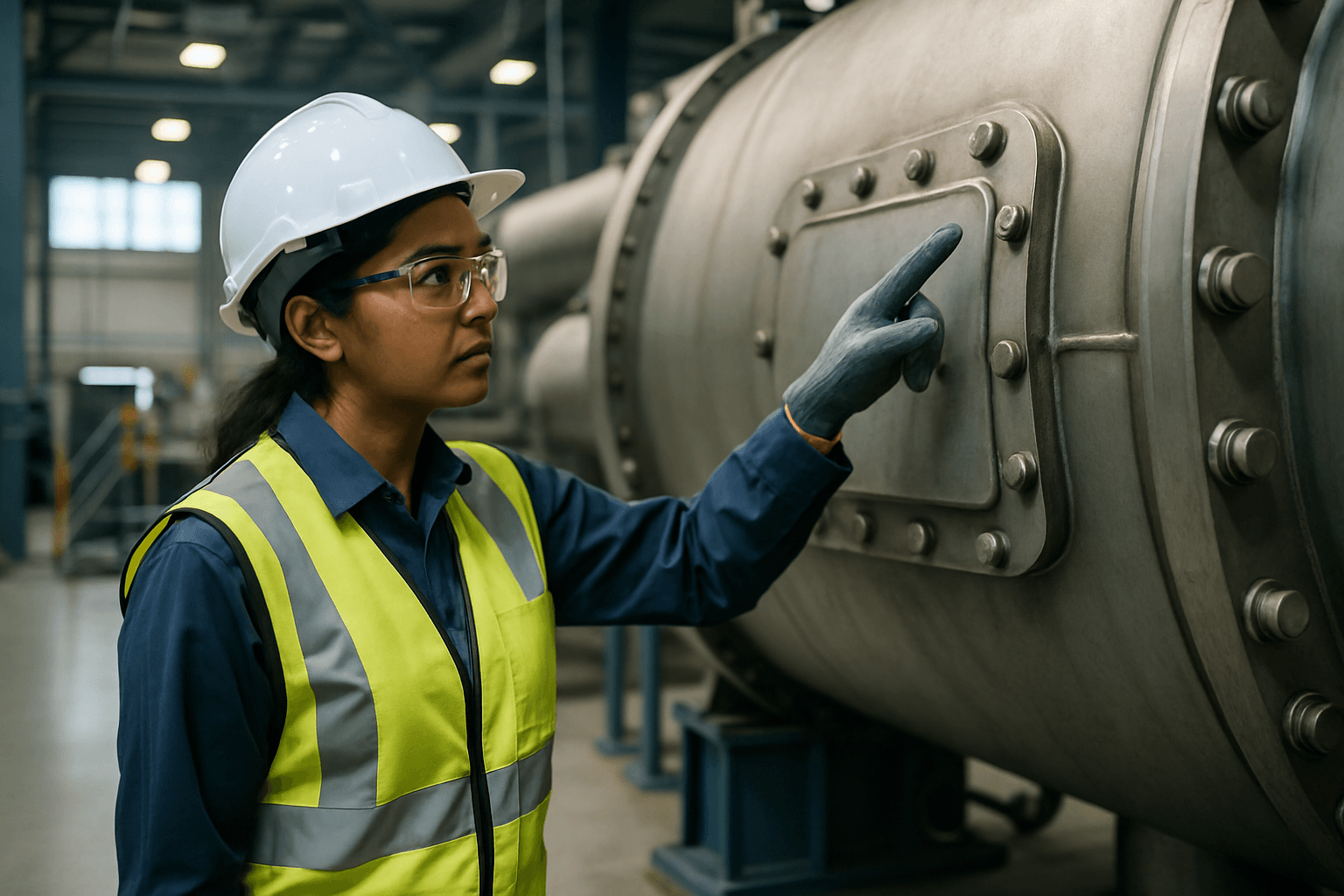
The safe and environmentally compliant disposal of ammunition presents a complex challenge for defense manufacturing and waste management sectors. Conventional methods like open burning and open detonation (OB/OD) are increasingly scrutinized due to their environmental impact, leading to a greater reliance on controlled incineration technologies. At the heart of advanced ammunition incinerators lies the secondary combustion chamber, a critical component designed to ensure complete destruction of hazardous byproducts and minimize atmospheric pollution. This intricate system demands a holistic design approach, integrating principles from thermal, chemical, and environmental engineering to achieve optimal performance and regulatory compliance.
The Indispensable Role of the Secondary Combustion Chamber
A primary combustion chamber in an incinerator initially processes the ammunition, where explosives may detonate or deflagrate at lower temperatures. This primary stage, however, often results in incompletely burned gases and volatile organic compounds (VOCs). The secondary combustion chamber, often referred to as an “afterburner,” is specifically engineered to address these post-primary combustion gases. Its fundamental purpose is to raise the temperature of the exhaust gases in the presence of oxygen, destroying remaining harmful chemicals through pyrolysis, oxidation, and complete combustion. This critical step prevents the release of unburned particulate matter, smoke, and objectionable odors into the atmosphere, ensuring cleaner emissions.
Key Design Considerations for Secondary Combustion Chambers
Effective secondary combustion chamber design in ammunition incinerators hinges on a delicate balance of several interrelated factors, all aimed at achieving maximum destruction removal efficiency (DRE) while adhering to stringent environmental standards.
Temperature and Residence Time: The “Three T’s” of Combustion
The “three T’s”—temperature, time (residence time), and turbulence—are paramount for effective thermal combustion.
- Temperature: The secondary combustion chamber operates at higher temperatures than the primary chamber. For hazardous waste, which includes many types of munitions, the gas must be raised to a minimum of 1100°C for at least two seconds. For non-hazardous waste, a minimum of 850°C for two seconds is typically required. This high-temperature environment is crucial for igniting and completely oxidizing volatile compounds. Maintaining this temperature consistently, even under unfavorable conditions, is vital.
- Residence Time: Ensuring sufficient residence time allows adequate time for the combustion reactions to occur and complete. A minimum residence time of at least two seconds is a common regulatory requirement for gases in the secondary chamber. This allows for the thorough breakdown of complex organic compounds into simpler, less harmful molecules like carbon dioxide and water vapor.
- Turbulence: Proper turbulence ensures intimate mixing of hazardous gases with combustion air, facilitating complete oxidation. Design elements like internal baffles and strategically placed air jets are used to induce this turbulence and promote thorough mixing. Computational Fluid Dynamics (CFD) simulations are often employed to optimize the internal geometry and flow patterns to achieve ideal turbulence and residence time.
Oxygen Supply and Mixing Efficiency
Adequate oxygen supply is critical for complete combustion in the secondary chamber. Dry secondary air is typically injected horizontally through multiple openings. The design must ensure that this secondary air is well-mixed with the hot gases from the primary chamber to provide the necessary oxygen for complete oxidation of unburned components, such as carbon monoxide. A robust combustion control scheme is essential to manage the air-to-fuel ratio, especially if the feed composition changes, to maintain optimal operating conditions and prevent incomplete combustion.
Material Selection for Extreme Environments
Ammunition incinerators operate under extremely high temperatures and often in corrosive environments due to the byproducts of energetic material combustion. Therefore, the selection of refractory materials is a critical design consideration.
- Refractory Lining: Special refractory linings are required to withstand the high temperatures and potential for small explosions or deflagrations inside the burning chamber, which can damage the lining. High-alumina bricks and silicon carbide (SiC) bricks are commonly used, particularly in areas exposed to temperatures between 1000°C and 1400°C. SiC bricks offer advantages in terms of service life and corrosion resistance.
- High-Temperature Alloys: For structural components and critical internal parts, high-temperature alloys like Haynes HR-160®, 556®, and HR-120® are specifically developed for incineration applications due to their resistance to sulfidizing, oxidizing, carburizing, and chlorine-bearing environments.
Pollution Control and Emission Minimization
One of the primary drivers for secondary combustion chambers is to meet stringent environmental regulations by minimizing pollutant emissions.
- Dioxins and Furans (PCDD/PCDF): These highly toxic compounds are unintentional byproducts of combustion, especially when chlorinated materials are present. Maintaining high temperatures (e.g., 1000 K to 1200 K or approximately 727°C to 927°C) and sufficient residence time, along with turbulence and excess air, are crucial to prevent their formation and promote their destruction. Efficient dust removal and lower flue-gas temperatures (around 300°F or less) at the air pollution control device inlet are also important for their removal.
- Nitrogen Oxides (NOx): NOx can form from the reaction of nitrogen and oxygen in the combustion air (thermal NOx) and the oxidation of chemically bound nitrogen in the waste (fuel NOx). While high temperatures are needed for pollutant destruction, excessively high temperatures can maximize the formation of thermal NOx. Strategies to reduce NOx include optimizing combustion conditions and potentially employing selective catalytic reduction (SCR) systems, which can also aid in dioxin/furan removal.
- Particulate Matter (PM): The secondary chamber ensures that any particulate matter released during the primary burning is consumed before venting. Further downstream, pollution control systems like scrubbers, fabric filters (baghouses), and electrostatic precipitators are used to capture remaining particulates.
- Acid Gases (HCl, SO2): Modern incinerators are equipped with sophisticated gas treatment systems to neutralize acid gases.
Safety Features
Given the inherent hazards of energetic materials, safety is paramount in ammunition incinerator design.
- Overpressure Relief: Secondary combustion chambers should incorporate overpressure relief doors to manage any unexpected pressure spikes.
- Controlled Loading Systems: Safe loading of waste is critical to prevent detonation outside the system, often requiring double flap loading systems.
- Monitoring and Control: Advanced control panels ensure the process operates within safe and optimal parameters, with digital temperature control for both primary and secondary chambers.
Energy Efficiency and Heat Recovery
Integrating heat recovery systems into thermal oxidizers can significantly improve energy efficiency and reduce operational costs.
- Reduced Fuel Costs: By harnessing waste heat, facilities can reduce the fuel needed to operate the incinerators.
- Energy Generation: Heat recovery systems can generate steam or thermal energy for other processes or even electricity production.
- Reduced Emissions: Enhanced efficiency often translates to lower NOx emissions.
However, it’s important to weigh the benefits against increased capital costs, operational complexity, and maintenance requirements associated with heat recovery systems.
Maintenance and Accessibility
The design should account for ease of maintenance and accessibility for inspection and repair of refractory linings, burners, and instrumentation. Robust construction and advanced engineering contribute to reliability and longevity.
Regulatory Compliance
Ammunition incinerators, particularly those handling military munitions, are subject to stringent federal, state, and local regulations, including the Resource Conservation and Recovery Act (RCRA) in the U.S. and its Military Munitions Rule. These regulations dictate requirements for waste classification, storage, treatment, and disposal, including specific emission standards (e.g., for NOx, CO, dioxins, furans, and heavy metals). Designs must ensure compliance with these legal limits and destruction removal efficiency (DRE) targets, often 99.9% or more.
Conclusion
The design of secondary combustion chambers in ammunition incinerators is a multidisciplinary undertaking that demands meticulous attention to thermal dynamics, chemical reactions, environmental impact, and safety protocols. By carefully considering factors such as optimized temperature and residence time, efficient oxygen mixing, selection of high-performance materials, advanced pollution control strategies, robust safety features, and energy recovery, engineers can develop systems that not only effectively neutralize hazardous energetic materials but also uphold the highest standards of environmental protection and regulatory compliance. This ongoing evolution in design is crucial for responsible waste management in the defense industry.