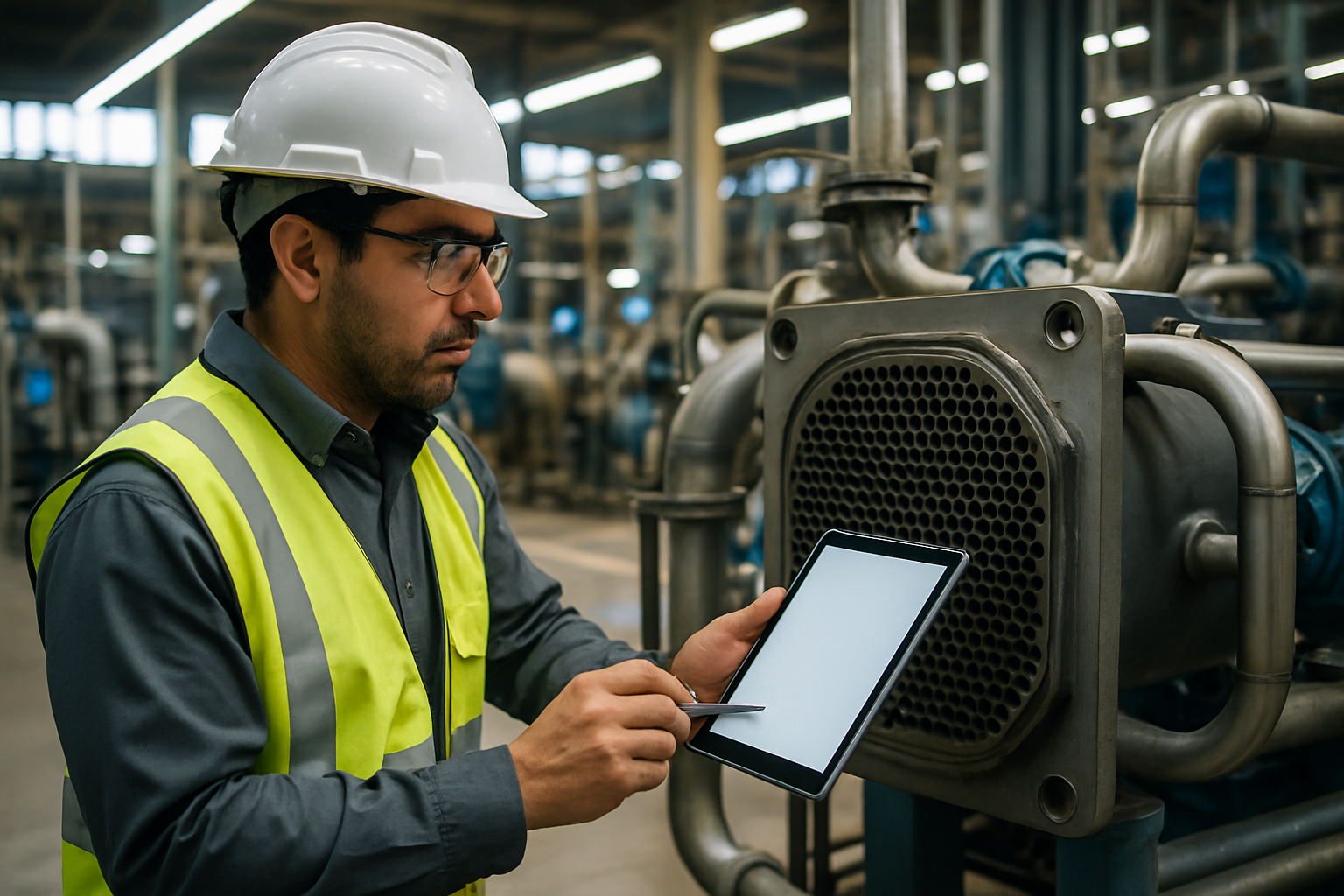
Factories, the engines of global production, often generate a significant byproduct: waste heat. This thermal energy, often discharged into the atmosphere or unused in industrial processes, represents a colossal missed opportunity for efficiency, cost savings, and environmental stewardship. Process optimization for thermal energy recovery is not merely a technical fix; it’s a strategic imperative for industrial manufacturing, offering a powerful pathway toward enhanced energy efficiency, reduced operational costs, and the ambitious goal of net-zero manufacturing.
Understanding Industrial Waste Heat and Its Impact
Waste heat is thermal energy generated during industrial processes that is not put to productive use and is instead vented to the environment. This can account for a substantial portion of a factory’s total energy input, with estimates suggesting anywhere from 20% to 50% of industrial energy input is lost as waste heat. This lost energy manifests in various forms and temperature ranges, presenting both challenges and opportunities for recovery.
Common Sources of Waste Heat in Manufacturing Plants
Industrial processes across diverse sectors, including cement, steel, glass, oil and gas, chemical, and food and beverage, are significant generators of waste heat.
Typical sources include:
- Hot Exhaust Gases: Flue gases from furnaces, boilers, and other combustion processes are a primary source of high-temperature waste heat.
- Cooling Water/Liquids: Many industrial operations use water or other fluids for cooling, which then carry away considerable amounts of thermal energy.
- Heated Surfaces and Products: Heat lost from hot equipment surfaces, furnaces, dryers, and heated products themselves contributes to the overall waste heat stream.
- Compressor Systems: Compressed air systems, widely used in manufacturing, generate significant heat that can be recovered.
The environmental impact of unrecovered waste heat is substantial, contributing to greenhouse gas emissions and increasing reliance on fossil fuels. Economically, it translates directly into higher energy bills and reduced profitability.
The Principles of Thermal Energy Recovery
Thermal energy recovery, also known as waste heat recovery, involves capturing this otherwise lost thermal energy and repurposing it for productive use. This can include electricity generation, space heating, preheating combustion air, or supplying process heat for other industrial operations.
Key Benefits of Implementing Waste Heat Recovery Systems
Implementing waste heat recovery systems offers a multitude of advantages for industrial facilities:
- Reduced Energy Costs: By reusing heat that would otherwise be wasted, factories can significantly lower their dependence on primary fuel sources, leading to substantial reductions in operational expenses. Energy-intensive industries can potentially save 20% to 50% of their energy costs.
- Enhanced Energy Efficiency: Recovering waste heat directly improves the overall energy efficiency of a facility, optimizing energy use and reducing the strain on primary heating and cooling systems like boilers and chillers.
- Lower Greenhouse Gas Emissions: Decreasing reliance on fossil fuels for energy generation directly reduces a factory’s carbon footprint and helps meet sustainability targets and ESG reporting goals.
- Improved Operational Performance: Maintaining optimal thermal conditions for processes can lead to higher output, reduced downtime, and better product quality. Heat recovery can also extend equipment lifespan by allowing systems to operate at lower temperatures, reducing wear and tear.
- Path to Net-Zero Manufacturing: Waste heat recovery is a crucial strategy in the broader effort to decarbonize industrial operations and achieve net-zero carbon emissions. The International Energy Agency (IEA) estimates that reusing industrial waste heat could meet up to 20% of global industrial energy demand.
Technologies for Thermal Energy Recovery
A range of technologies exists to capture and utilize waste heat, with the optimal choice depending on the heat source, temperature range, and desired application.
Common Waste Heat Recovery Technologies
- Heat Exchangers: These devices transfer heat between two or more fluids (liquids or gases) without mixing them. They are fundamental to many waste heat recovery systems, recovering heat from hot streams exiting reactors, heaters, or furnaces.
- Economizers: Primarily used in boiler systems, economizers capture heat from flue gases to preheat incoming feedwater, improving boiler efficiency.
- Recuperators: Similar to heat exchangers, recuperators recover heat from exhaust gases to preheat combustion air for furnaces or ovens.
- Waste Heat Boilers (Heat Recovery Steam Generators – HRSG): These systems convert recovered heat into steam or hot water, which can then be used for power generation, process heating, or other applications.
- Industrial Heat Pumps: These systems receive heat from waste-heat sources, increase its temperature, and deliver useful heat at elevated temperatures. They are highly efficient for hot water and low-temperature steam applications and are a key technology for decarbonizing industrial heat.
- Organic Rankine Cycle (ORC) Systems: ORC systems use an organic fluid instead of water to generate electricity from lower-temperature waste heat sources, making them suitable for a wider range of industrial applications.
- Thermal Energy Storage (TES) Systems: TES allows for the storage of excess heat during periods of availability for use during peak demand or later times, enhancing flexibility and utilization.
Process Optimization: Maximizing Thermal Energy Recovery
Effective thermal energy recovery goes beyond simply installing equipment; it requires a systematic approach to process optimization. This involves identifying opportunities, analyzing heat flows, integrating technologies, and continuous monitoring.
Conducting a Comprehensive Energy Audit
The first critical step in process optimization is conducting a thorough energy audit, often referred to as a thermal audit. This systematic assessment identifies sources and sinks of heat within a factory and evaluates the potential for heat recovery and reuse.
An energy audit typically involves:
- Data Collection: Gathering information on energy consumption, production processes, and existing utility systems.
- Waste Heat Mapping: Identifying and characterizing all sources of waste heat, including their temperature, flow rates, and potential contaminants. This helps to understand the “quality” of the waste heat.
- Heat Sink Identification: Determining where recovered heat can be effectively utilized within the plant (e.g., preheating raw materials, space heating, steam generation for other processes).
- Feasibility Studies: Evaluating the technical and economic viability of various waste heat recovery technologies for specific applications, including potential energy savings, CO2 reduction, and payback periods.
Advanced Optimization Techniques
Beyond basic audits, sophisticated approaches like Pinch Analysis and mathematical programming models are used to optimize heat exchanger networks (HENs). Pinch Analysis helps identify the minimum utility requirements and optimal heat integration opportunities by mapping and overlapping heat sources and sinks within a plant. Mathematical models can further refine these networks, considering factors like phase changes and process constraints, to minimize utility consumption and maximize energy savings.
Integration and Implementation Strategies
- Heat Integration: Strategically integrating waste heat recovery systems into existing processes to maximize the transfer of heat from hot streams to cold streams.
- Modularization and Standardization: Advances in technology, including the modularization and standardization of equipment, are making waste heat recovery systems more affordable and easier to implement.
- Considering Low-Temperature Heat: While high-temperature waste heat is often easier to recover, technologies like industrial heat pumps are increasingly enabling the recovery and upgrading of lower-temperature waste heat for useful applications.
- Continuous Monitoring and Maintenance: Implementing detailed metering and monitoring systems is crucial for quantifying savings, informing operational tuning, and ensuring the ongoing efficiency and reliability of waste heat recovery technologies.
Challenges and Future Outlook in Waste Heat Recovery
Despite the clear benefits, the widespread adoption of thermal energy recovery faces certain challenges. These include the high upfront capital costs of recovery technologies, the unique engineering requirements for each industrial facility, and potential maintenance issues arising from hot, dirty gases. The economic feasibility can also be impacted by the specific characteristics of the waste heat, such as very low temperatures, which require larger and more expensive heat exchangers.
However, ongoing technological advancements, particularly in high-temperature heat pumps and more efficient ORC systems, are expanding the possibilities for waste heat recovery across a wider range of industries and temperature levels. Policy incentives and a growing focus on sustainability and net-zero goals are also driving increased investment and innovation in this critical area.
By embracing comprehensive process optimization strategies, from meticulous energy audits to advanced heat integration techniques and the deployment of cutting-edge technologies, industrial manufacturers can unlock significant energy savings, reduce their environmental footprint, and build a more resilient and sustainable future. Thermal energy recovery is an indispensable tool in the journey towards net-zero manufacturing and a competitive, resource-efficient industrial sector.