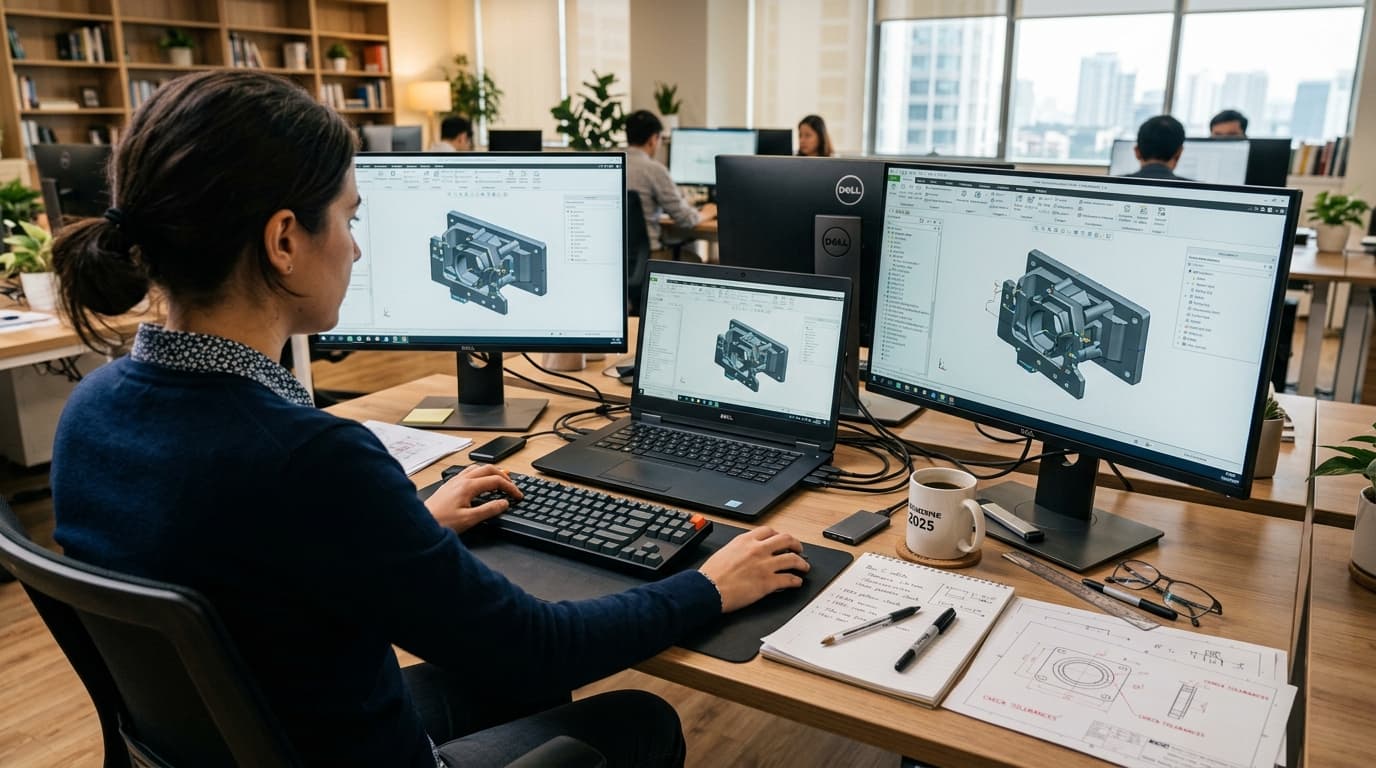
Water Treatment
Equipment Design
Water and wastewater treatment plants require specialised equipment that handles varying water quality, chemical dosing accuracy, and continuous operation. Our engineers design filtration systems, chemical dosing equipment, and aeration/settling tanks that meet ISO 14001 environmental standards — delivering reliable water treatment performance and regulatory compliance.
Equipment Challenges
in Water Treatment
Variable water quality, chemical compatibility, and environmental regulations demand robust equipment design.
Filtration System Design
Media filters, membrane systems, and clarifiers must handle varying suspended solids, turbidity, and flow rates while achieving consistent effluent quality. Our designs optimise hydraulic loading and backwash efficiency.
Chemical Dosing Equipment
Accurate dosing of coagulants, flocculants, pH adjusters, and disinfectants requires precise metering, corrosion-resistant materials, and fail-safe controls to maintain water quality targets.
Aeration & Settling Tanks
Biological treatment tanks require optimised aeration systems for oxygen transfer efficiency, while settling tanks need proper inlet/outlet design, launder sizing, and sludge removal mechanisms.
Environmental Compliance
Discharge consent limits and environmental regulations drive equipment performance requirements. Our designs ensure reliable compliance with environmental standards under all operating conditions.
Our 11-Step
Methodology
A systematic approach refined for water treatment applications and environmental compliance.
Initial Consultation
Meet with the customer to define project objectives, operational challenges, and process-specific requirements through structured technical workshops.
We capture detailed process parameters such as operating pressures, temperatures, flow rates, fluid properties, and site constraints. This scoping phase produces a formal requirements specification that aligns all stakeholders on performance targets and project milestones.
Conceptual Design
Develop initial design concepts through feasibility studies, trade-off analyses, and preliminary process flow modelling.
Our engineers produce concept layouts, P&IDs, and high-level equipment sizing to compare competing approaches on cost, thermal efficiency, and footprint. Each concept is scored against weighted criteria so the preferred option is selected with full transparency.
Detailed Engineering Design
Create comprehensive 2D and 3D engineering drawings specifying dimensions, materials, tolerances, and manufacturing processes using industry-standard CAD platforms.
Deliverables include general arrangement drawings, fabrication details, bills of materials, and nozzle schedules. Every design decision is traceable to the requirements specification, ensuring the equipment will perform reliably across its full operating envelope.
Simulation & Analysis
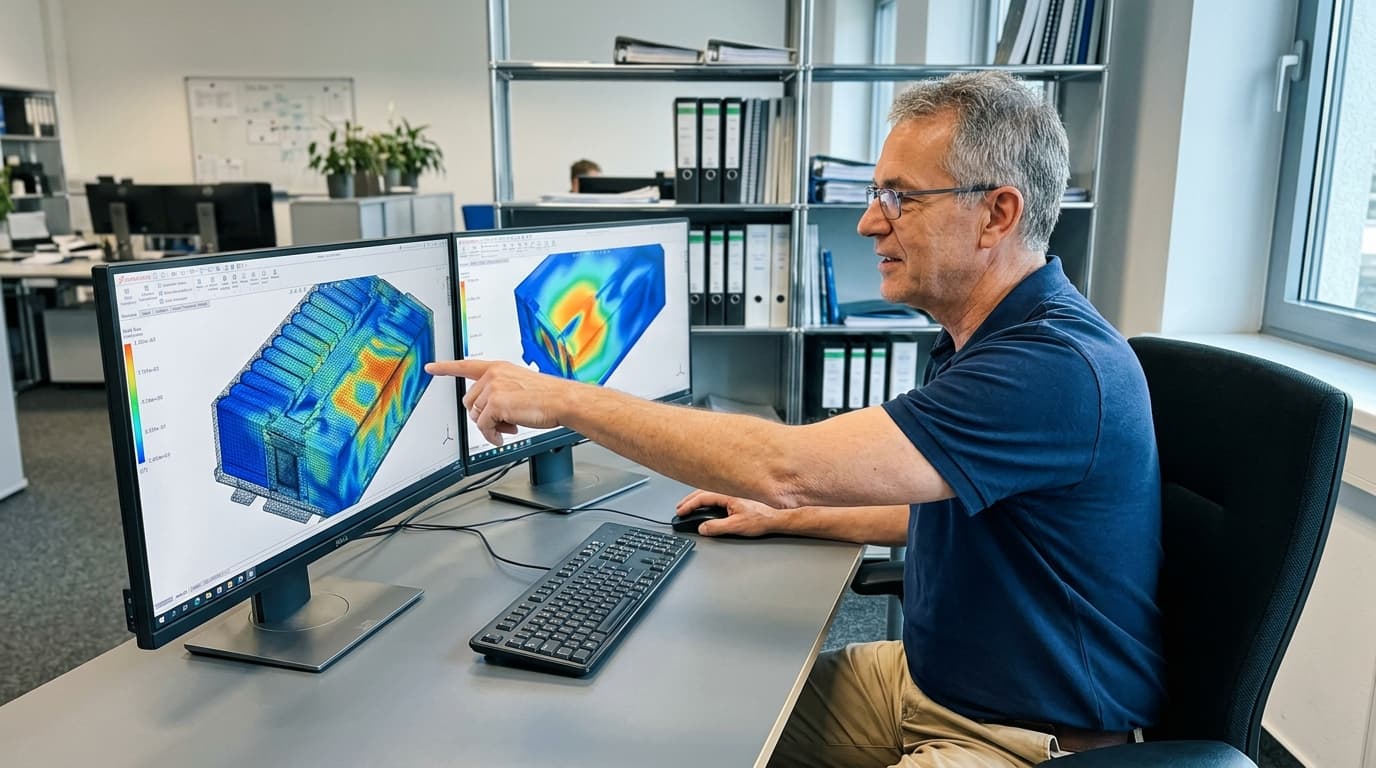
Apply advanced computational techniques including CFD, FEA, and thermal-hydraulic modelling to validate design performance across the full range of operating conditions.
Simulations target critical phenomena such as stress distribution, fatigue life, heat transfer coefficients, and flow-induced vibration. Results are iterated until all safety margins and efficiency targets are met, reducing the need for costly physical rework.
Prototype Development
Build functional prototypes or scaled test rigs to validate design concepts, material compatibility, and manufacturing feasibility before committing to full-scale production.
Prototypes are subjected to controlled test campaigns covering performance, pressure integrity, and wear resistance. The empirical data collected is compared against simulation predictions to close any gaps and de-risk the final design.
Design Review
Conduct structured design reviews with multidisciplinary teams and client stakeholders to challenge assumptions, identify risks, and optimise the design.
Reviews follow a formal gate process covering HAZOP, constructability, and value engineering. Action items are tracked to closure, ensuring every aspect from weld accessibility to maintenance clearance is addressed before sign-off.
Compliance & Standards
Ensure every aspect of the design complies with applicable international codes, safety regulations, and environmental legislation relevant to the operating jurisdiction.
Our compliance engineers verify conformance against ASME, API, PED, ATEX, BSI, and EN standards through detailed code calculations and third-party review coordination. This proactive approach prevents costly non-conformances and accelerates certification timelines.
Documentation
Prepare a comprehensive documentation package including design basis memoranda, technical specifications, certified drawings, and calculation reports.
The package encompasses manufacturing procedure specifications, inspection and test plans, welding procedure qualifications, and quality control protocols. All documents are revision-controlled and delivered in formats ready for fabricator and third-party inspector use.
Design Validation
Perform factory acceptance testing and field validation to verify that equipment meets specified performance, durability, and reliability criteria under real-world conditions.
Tests include hydrostatic pressure trials, performance curve verification, vibration monitoring, and leak detection. Any deviations from design intent are root-caused and corrected, with results formally documented in a validation report.
Feedback & Iteration
Incorporate feedback from testing, validation, and client review to refine geometry, materials, or operating parameters for optimal performance.
Design iterations are tracked through a formal change management process that evaluates each modification for impact on cost, schedule, and compliance. This closed-loop approach ensures continuous improvement while maintaining full traceability of every change.
Finalisation
Finalise the design with formal customer approval, closing out all review actions and confirming every requirement has been verified before release to manufacturing.
The final deliverable set includes approved-for-construction drawings, material requisitions, and a design dossier. A structured handover meeting ensures the fabrication team has complete clarity on intent, tolerances, and quality expectations.
What You
Receive
ISO 14001-conscious engineering deliverables for water treatment equipment.
Process Design Package
Complete process design including flow diagrams, mass balance, chemical consumption calculations, and equipment sizing for the treatment train.
Hydraulic Design
Detailed hydraulic calculations for flow distribution, head loss, weir sizing, and pump selection across the treatment process.
Structural Design
Tank and basin structural design including wall thickness, reinforcement, foundation loads, and seismic considerations.
Chemical System Design
Chemical storage, preparation, and dosing system design including material compatibility, containment, and safety shower provisions.
Aeration System Design
Diffuser layout, blower sizing, oxygen transfer efficiency calculations, and energy optimisation for biological treatment systems.
Control Philosophy
Equipment control strategy including instrumentation specification, alarm set points, and integration with SCADA systems.
Proven Results in
Water Treatment
Based on equipment design projects across municipal, industrial, and process water treatment facilities.
Related Products
& Services
Complementary equipment and engineering services for your process.
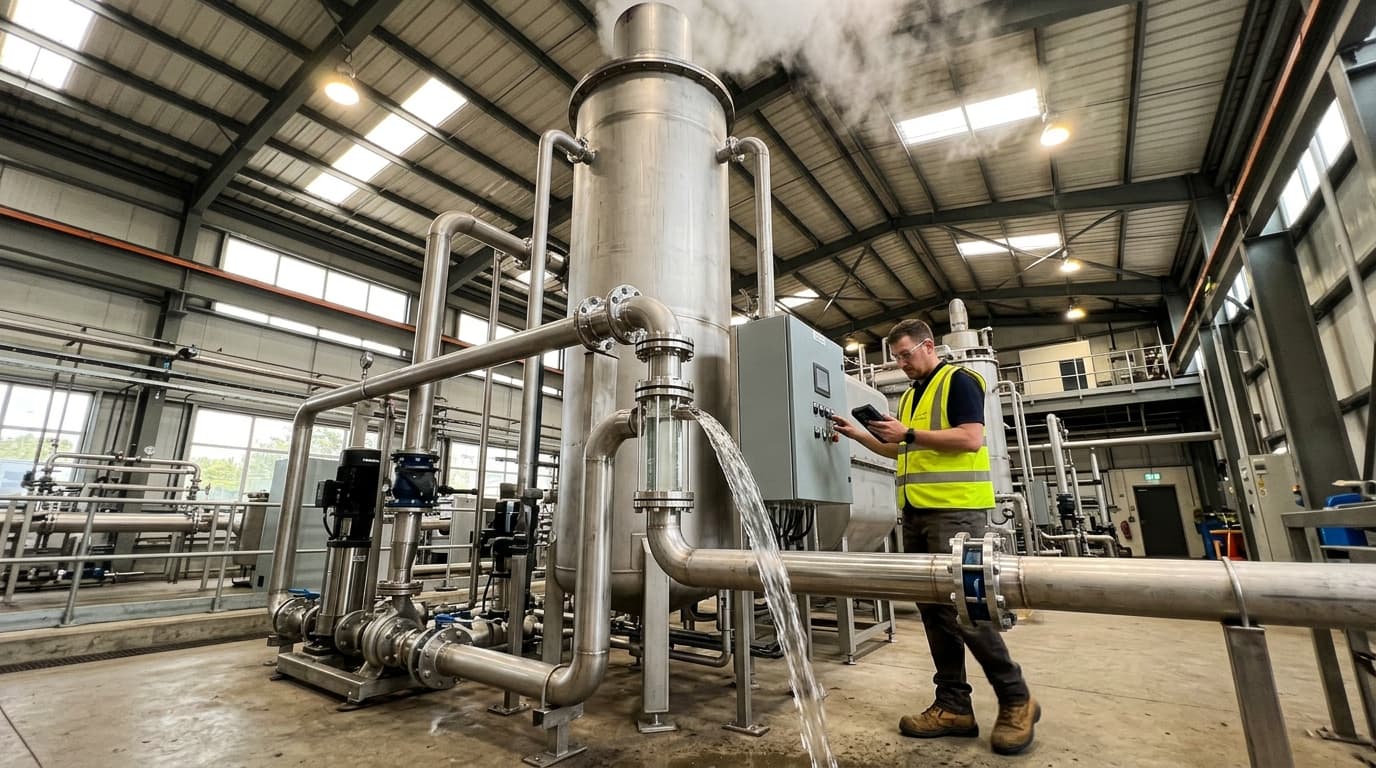
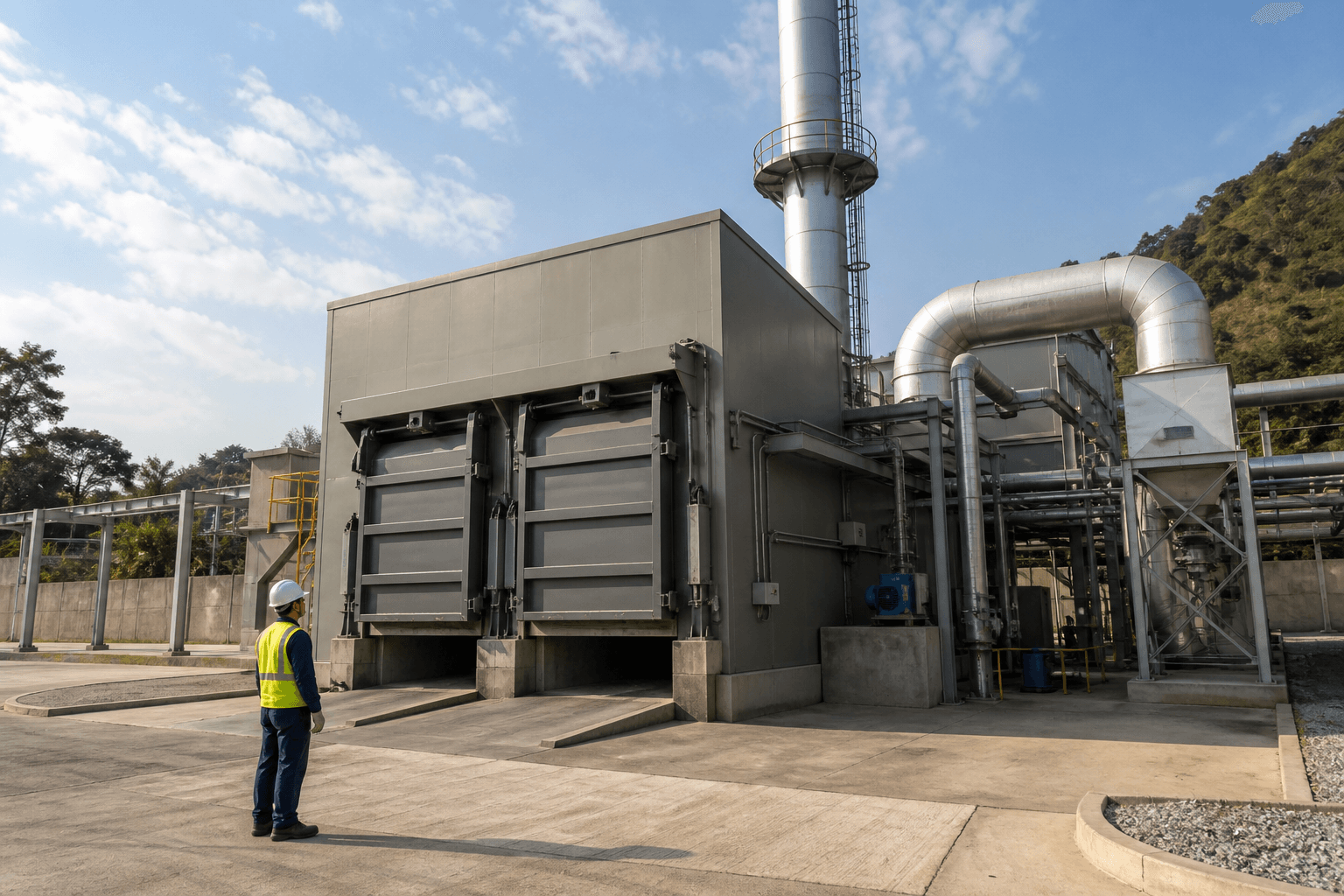

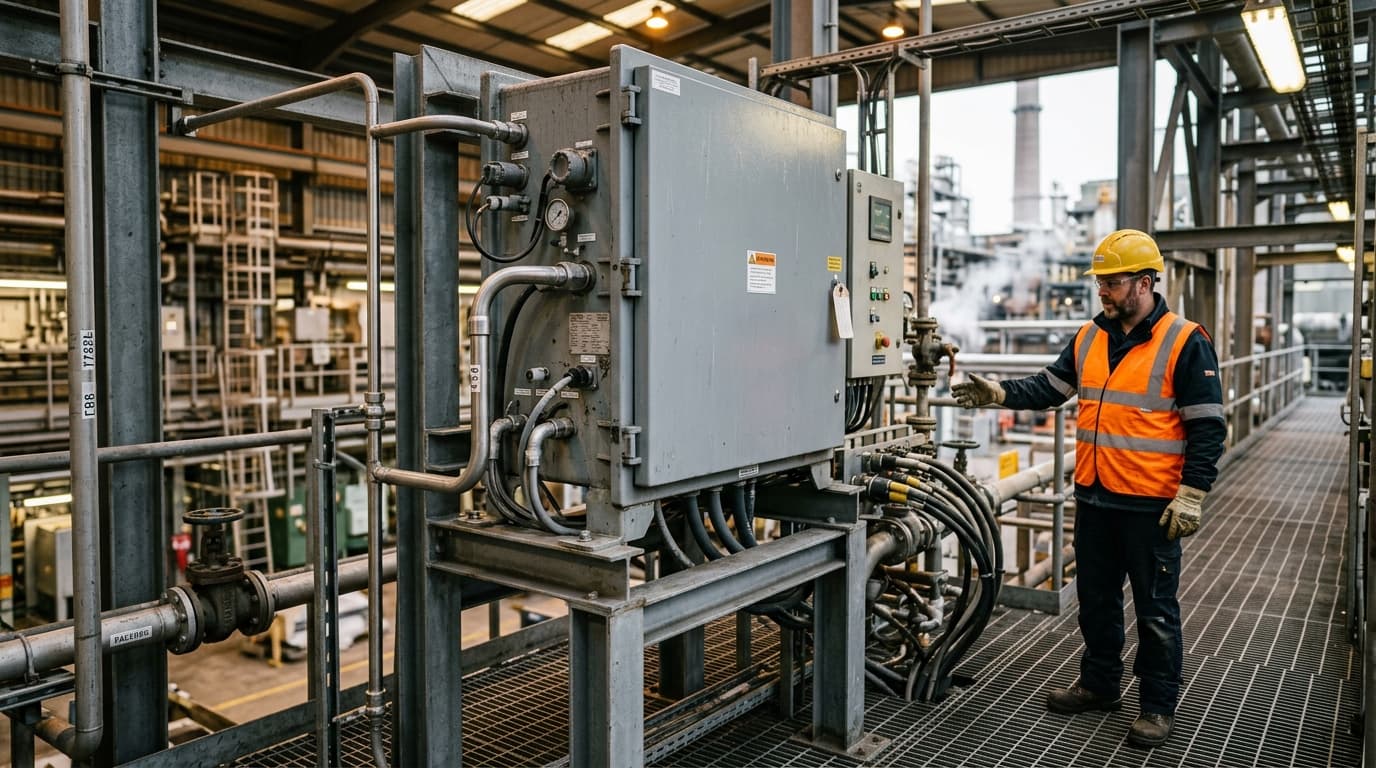
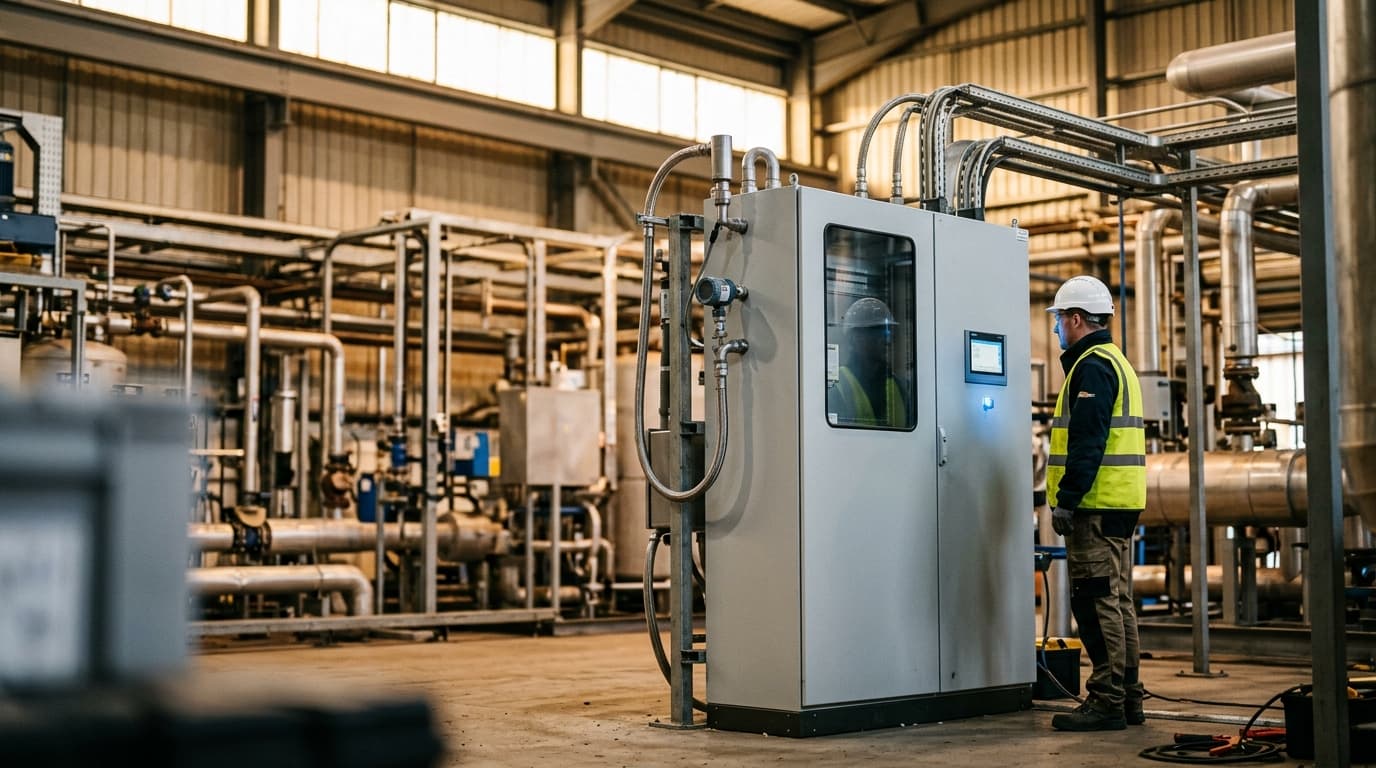
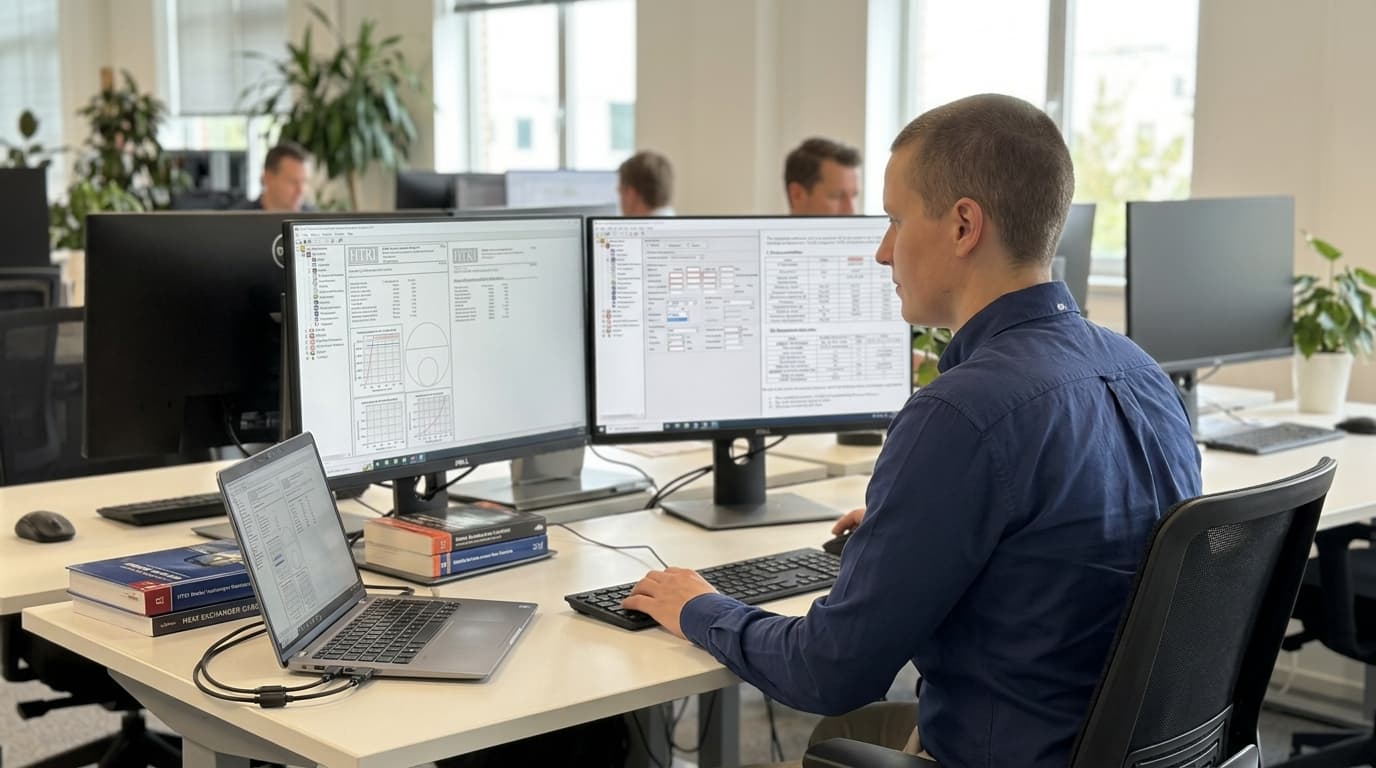

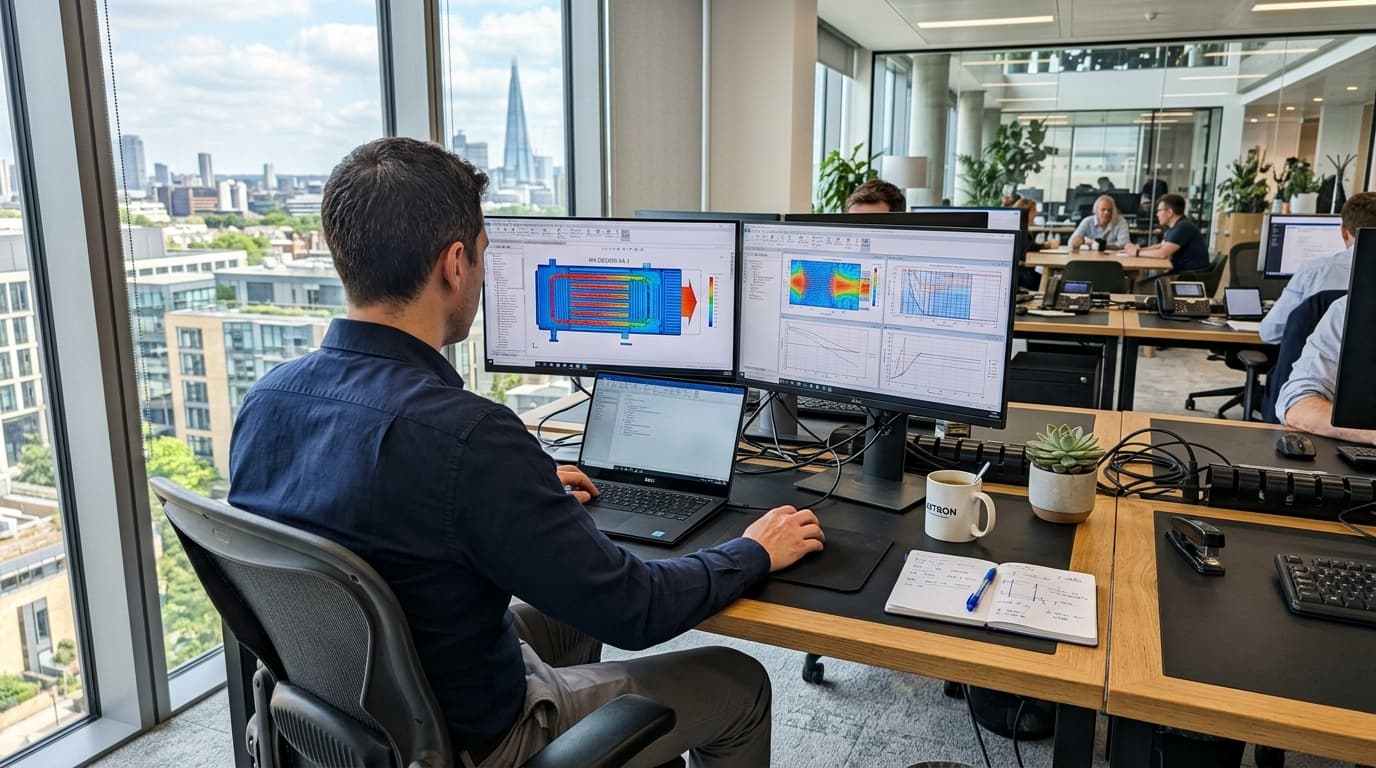

Water Treatment
Equipment FAQ
Common questions from water treatment operators about our equipment design service.
Yes. We design for the full range of expected water quality variation, using historical data and worst-case scenarios. Our designs include appropriate safety factors, redundancy, and turndown capability to handle seasonal and event-driven quality changes.
We specify materials based on the specific chemicals handled — GRP/FRP for tanks, Hastelloy or titanium for heat exchangers, PVDF or PTFE for dosing lines, and 316L stainless steel for general process equipment. All material selections include compatibility verification.
Yes. We regularly design equipment upgrades and process modifications for existing treatment works. This includes capacity assessments, hydraulic modelling of existing infrastructure, and designs that minimise disruption during installation.
Absolutely. Aeration typically accounts for 40-60% of a treatment plant's energy consumption. We design fine-bubble diffuser systems, optimise blower selection, and incorporate dissolved oxygen control to minimise energy use while maintaining treatment performance.
Ready to
Design?
Our water treatment engineers deliver ISO 14001-compliant equipment designs that ensure reliable treatment performance.
- Comprehensive engineering design & documentation
- Water Treatment-specific CFD & FEA simulation
- Full compliance with ASME, API, BSI & EN standards