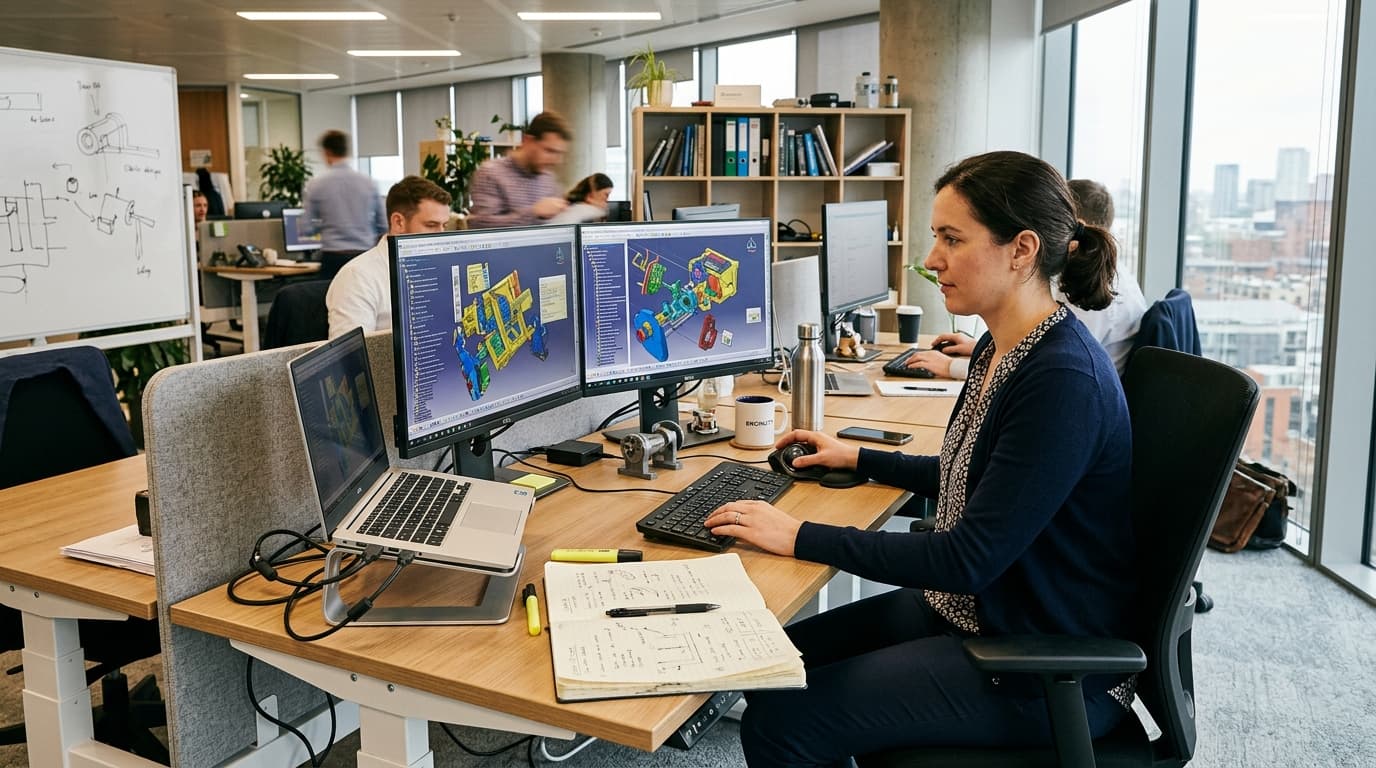
Energy Systems
Design Prototyping
Energy systems equipment requires simulation-driven prototyping to validate heat transfer performance, combustion efficiency, and emission control before manufacturing. Our engineers deliver heat exchanger prototyping, combustion chamber modelling, and emission control validation aligned with net-zero targets.
Prototyping Challenges
in Energy Systems
Combustion efficiency, emission compliance, and heat recovery drive energy systems prototyping needs.
Heat Exchanger Prototyping
Heat exchangers must maximise thermal effectiveness while meeting pressure drop constraints. We simulate tube, plate, and shell-and-tube configurations to optimise design parameters.
Combustion Chamber Modelling
Combustion design affects efficiency, emissions, and equipment life. We simulate flame characteristics, temperature distribution, and residence time to optimise chamber geometry.
Emission Control Validation
Meeting emission standards requires precise control of combustion and exhaust treatment. We model NOx, CO, and particulate formation to validate emission control strategies.
Thermal Stress Analysis
High-temperature components experience significant thermal stress and cycling. We simulate thermal expansion, creep, and fatigue to ensure component reliability and life.
Our 5-Step
Approach
A simulation-driven prototyping methodology tailored for energy systems equipment development.
Define Objectives
Collaborate with stakeholders to define measurable performance criteria, boundary conditions, and key deliverables that will guide every subsequent engineering decision.
Through structured workshops and technical scoping sessions, we translate business goals into quantifiable engineering targets — covering thermal efficiency, structural integrity, and regulatory compliance. This upfront alignment eliminates costly mid-project scope changes and ensures all parties share a unified vision of success.
Initial Simulations
Deploy CFD, FEA, and thermodynamic modelling tools to evaluate prototype behaviour across a full range of operating scenarios before any physical build.
Our simulation phase systematically sweeps critical process variables — air temperature, flow velocity, humidity, and differential pressure — to identify optimal design parameters. By resolving performance bottlenecks in the virtual environment first, we typically reduce physical iteration cycles by 40-60%, saving significant time and material costs.
Testing & Iteration
Execute rigorous physical test campaigns under controlled and edge-case conditions, benchmarking real-world results against simulation predictions.
Each prototype undergoes structured test protocols that measure pressure drop, thermal uniformity, mechanical fatigue, and environmental resilience across a matrix of operating conditions. Deviations between simulated and measured performance are systematically analysed, feeding directly into targeted design refinements that close the gap between theory and practice.
Data Analysis
Consolidate simulation outputs, sensor data, and test observations into a comprehensive performance report that validates — or challenges — every design assumption.
Our engineers apply statistical methods and trend analysis to pinpoint root causes of any performance shortfall, quantify safety margins, and verify compliance with applicable standards. The resulting data package provides a clear, auditable evidence base that de-risks the transition from prototype to full-scale industrial production.
Final Adjustments
Implement targeted design refinements and produce production-ready documentation, ensuring the prototype transitions seamlessly to manufacturing.
Final adjustments address manufacturability, material selection optimisation, and tolerance stack-up analysis to guarantee consistent quality at scale. We deliver complete technical packages — including CAD models, BOM specifications, and process control guidelines — so your production team can ramp up with confidence and minimal lead time.
What You
Receive
Net-zero-aligned prototyping deliverables for energy systems equipment validation.
Heat Transfer Analysis
Thermal effectiveness, temperature profiles, and pressure drop analysis for heat exchanger design optimisation.
Combustion CFD Report
Flame simulation, temperature field mapping, and species concentration analysis for burner and chamber design.
Emission Prediction Model
NOx, CO, and particulate formation modelling with emission control strategy evaluation and compliance assessment.
Thermal Stress Package
High-temperature stress analysis, thermal cycling fatigue, and creep life prediction for critical components.
Performance Optimisation
Design modifications with quantified efficiency improvements, emission reductions, and operational cost savings.
Validation Test Protocol
Structured commissioning test plan to confirm simulation predictions and verify design performance.
Proven Results in
Energy Systems
Based on design prototyping projects for boilers, heat exchangers, and combustion systems.
Related Products
& Services
Complementary equipment and engineering services for your process.

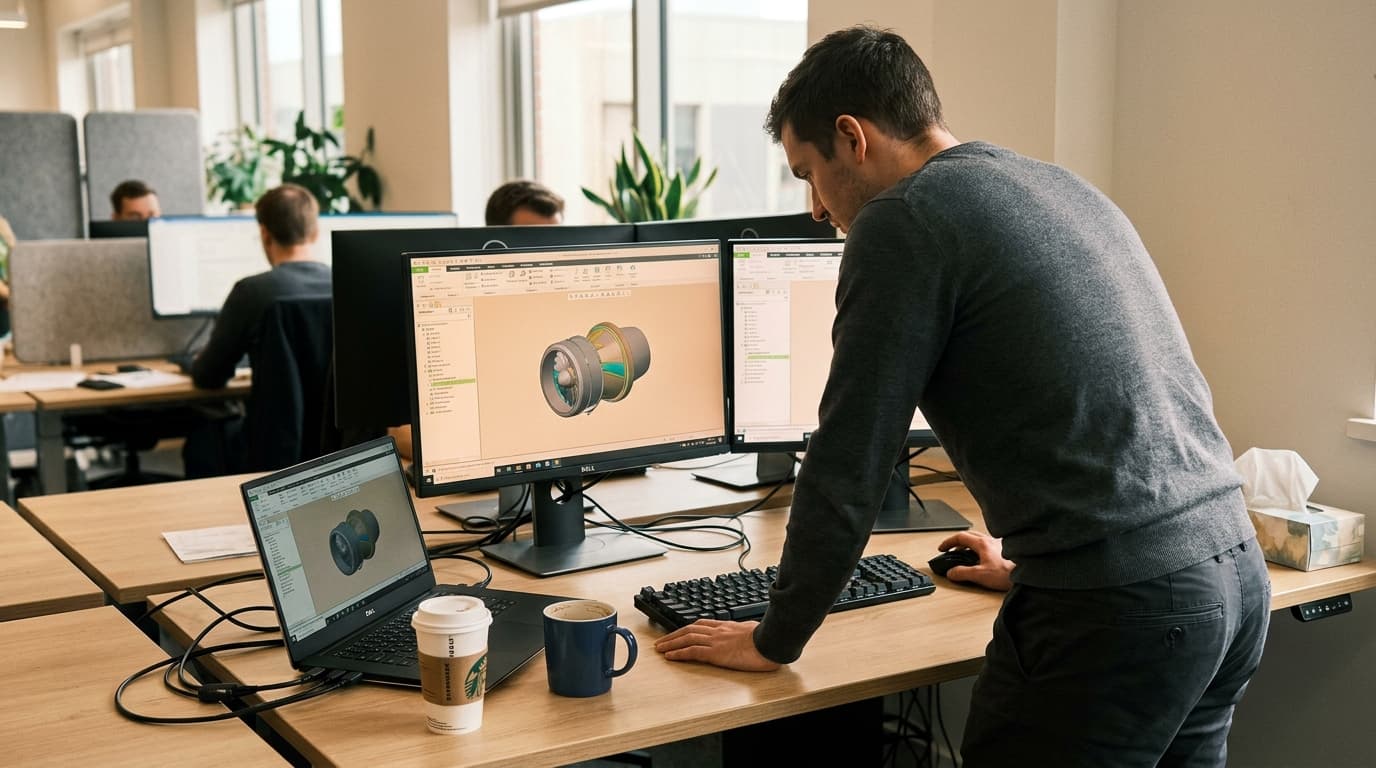
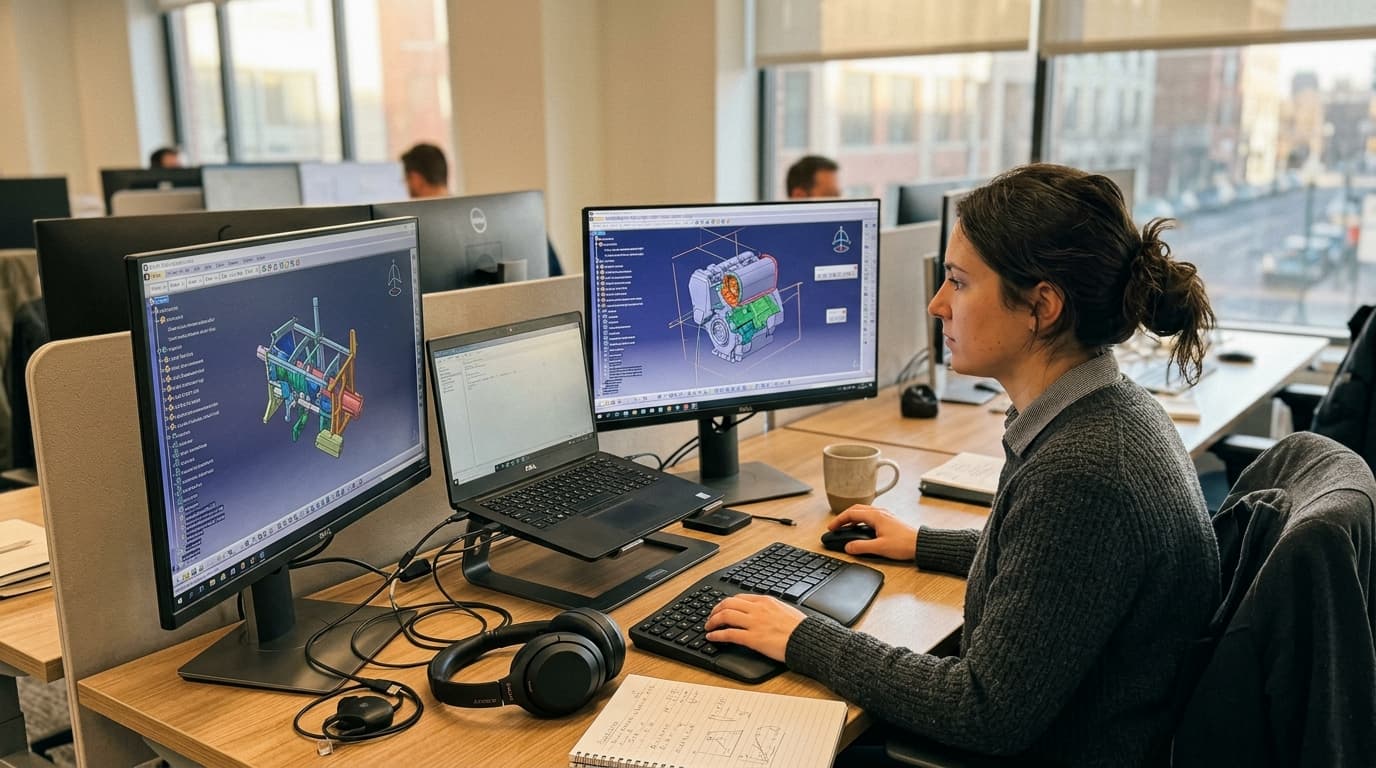
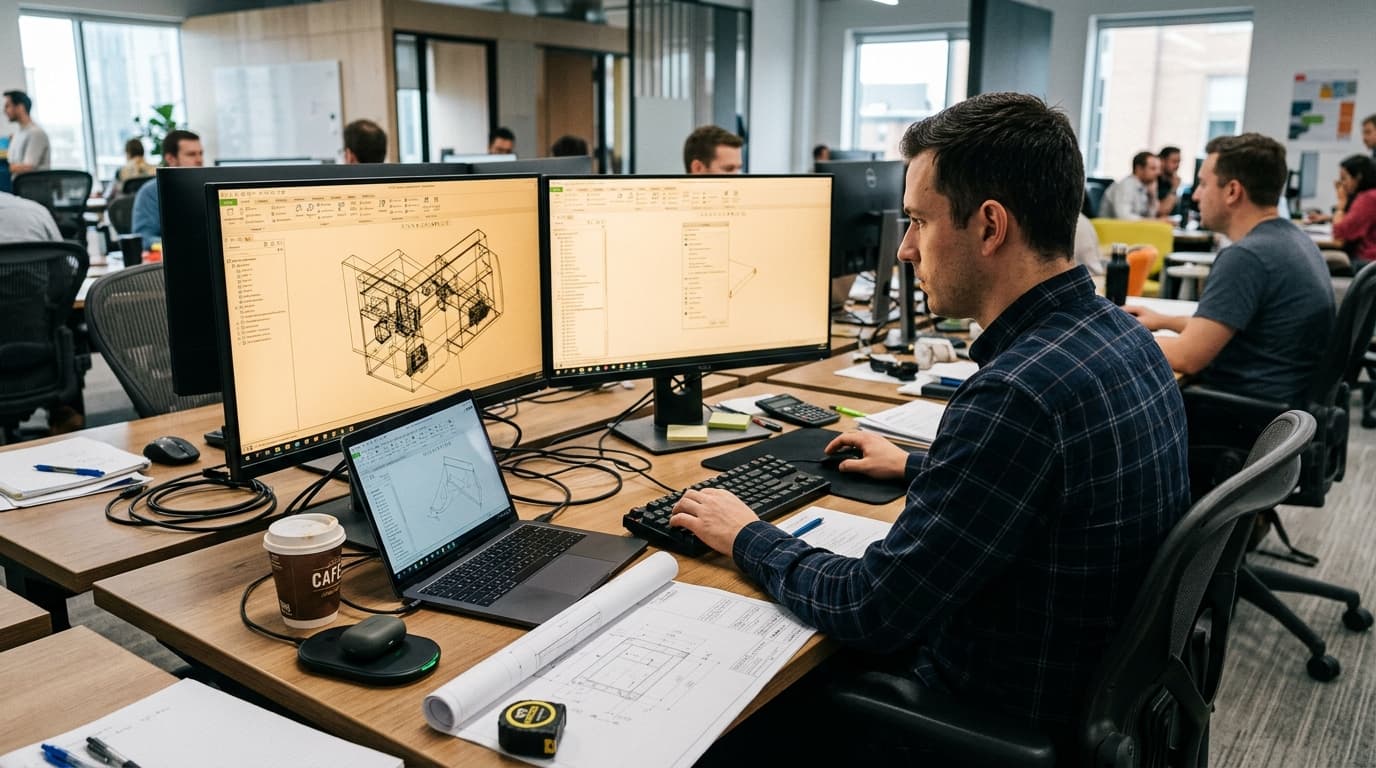

Energy Systems
Prototyping FAQ
Common questions about design prototyping for energy systems equipment.
We simulate shell-and-tube, plate, fin-tube, air-cooled, and specialist heat exchangers. Analysis covers single and two-phase flow, fouling, and off-design performance prediction.
Yes. We model hydrogen, natural gas, and hydrogen-blend combustion including flame stability, flashback risk, NOx formation, and material compatibility for hydrogen-ready equipment design.
Our combustion models are validated against measured emission data. We use detailed chemical kinetics for NOx and CO prediction and validate against CEMS data where available.
Yes. We frequently model existing boilers, heat exchangers, and combustion systems to evaluate retrofit and modification options. Simulation quantifies performance changes before physical implementation.
Ready to
Prototype?
Our energy systems engineers validate your equipment designs with net-zero-aligned simulation-driven prototyping.
- Simulation-driven design validation
- Energy Systems-specific performance criteria
- Scalable concept-to-production transition