
Oil & Gas
Process Modelling
Oil and gas operations span complex, high-value processes from reservoir to refinery. Our engineers build data-driven models of reservoir flow, pipeline thermal behaviour, and flare system performance — enabling production optimisation, integrity management, and regulatory compliance across upstream, midstream, and downstream assets.
Modelling Challenges
in Oil & Gas
Multi-phase flow, extreme conditions, and asset integrity drive complex modelling requirements.
Reservoir Flow Modelling
Reservoir behaviour involves multi-phase flow through porous media with pressure-dependent properties. Our models predict production rates, water cut evolution, and optimal well placement strategies.
Pipeline Thermal Simulation
Long-distance pipelines experience heat transfer with the environment, affecting flow assurance. We model wax deposition, hydrate formation risk, and steady-state/transient temperature profiles.
Flare System Optimisation
Flare systems must handle varying loads while minimising emissions. Our models optimise flare header design, tip selection, and operating procedures to reduce flaring and improve environmental performance.
Process Unit Optimisation
Refinery units involve complex heat integration and separation processes. We model crude distillation, catalytic cracking, and hydroprocessing to maximise throughput and product value.
Our 6-Step
Methodology
A systematic approach adapted for the scale and complexity of oil and gas process modelling.
Data Collection & Preparation
Systematically capture process variables from SCADA systems, IoT sensors, historian databases, and operational logs across the full production envelope.
Our engineers cleanse and normalise raw datasets — removing sensor drift, correcting time-stamp misalignments, and flagging statistical outliers — to build a high-fidelity data foundation. The deliverable is a validated, analysis-ready dataset accompanied by a data-quality report that quantifies completeness and reliability.
Model Selection & Development
Evaluate and select the most suitable modelling paradigm — physics-based, data-driven, or hybrid — tailored to your specific process dynamics and objectives.
We construct rigorous models using techniques such as computational fluid dynamics, thermodynamic state equations, recurrent neural networks, or ensemble machine-learning methods. Each model is architected for the right balance of interpretability and predictive power, ensuring it captures the key phenomena driving your process behaviour.
Model Calibration & Validation
Fine-tune model coefficients against historical plant data using advanced regression and parameter-estimation techniques to achieve high-confidence predictions.
Validation follows a structured protocol: hold-out datasets, cross-validation folds, and blind tests against independent operating periods confirm model fidelity. We document key performance indicators — RMSE, MAPE, and residual distributions — so stakeholders have transparent evidence of model accuracy before deployment.
Simulation & Optimisation
Run high-throughput what-if simulations across operating windows — varying feedstock quality, throughput rates, and ambient conditions — to map the full performance landscape.
We apply advanced optimisation algorithms, including mixed-integer programming, evolutionary strategies, and multi-objective Pareto analysis, to identify operating set-points that maximise yield, minimise energy consumption, or achieve bespoke KPI targets. The outcome is a prioritised set of actionable recommendations backed by quantified cost-benefit projections.
Implementation & Monitoring
Integrate the validated model into your existing DCS, PLC, or MES infrastructure through secure APIs and OPC-UA connectivity for seamless closed-loop control.
Real-time dashboards track model predictions against live process data, instantly flagging deviations and triggering corrective actions. Our engineers provide on-site commissioning support and operator training to ensure the transition from simulation to production is smooth and risk-free.
Maintenance & Updating
Conduct scheduled model health-checks and recalibrations to account for equipment ageing, recipe changes, and evolving production requirements.
We embed adaptive learning pipelines — including online retraining triggers and automated drift-detection alerts — so the model continuously improves without manual intervention. Periodic review reports benchmark current model performance against original KPIs and recommend enhancements to sustain long-term value.
What You
Receive
Comprehensive process modelling deliverables for oil and gas optimisation.
Reservoir Model
Calibrated reservoir simulation showing production forecasts, water cut predictions, and infill drilling opportunities.
Pipeline Flow Assurance
Thermal-hydraulic pipeline model with wax, hydrate, and corrosion risk assessment under all operating scenarios.
Flare Optimisation Study
Flare system model with emission reduction strategies, header sizing verification, and tip performance analysis.
Process Unit Digital Twin
Real-time process model of key units for continuous optimisation, constraint management, and operator advisory.
Production Optimisation
Integrated well-to-export model optimising production allocation, gas lift, and artificial lift strategies.
Integrity Assessment
Corrosion and erosion rate predictions with remaining life estimates for pipelines and pressure vessels.
Proven Results in
Oil & Gas
Based on process modelling projects across offshore platforms, onshore facilities, and refineries.
Related Products
& Services
Complementary equipment and engineering services for your process.
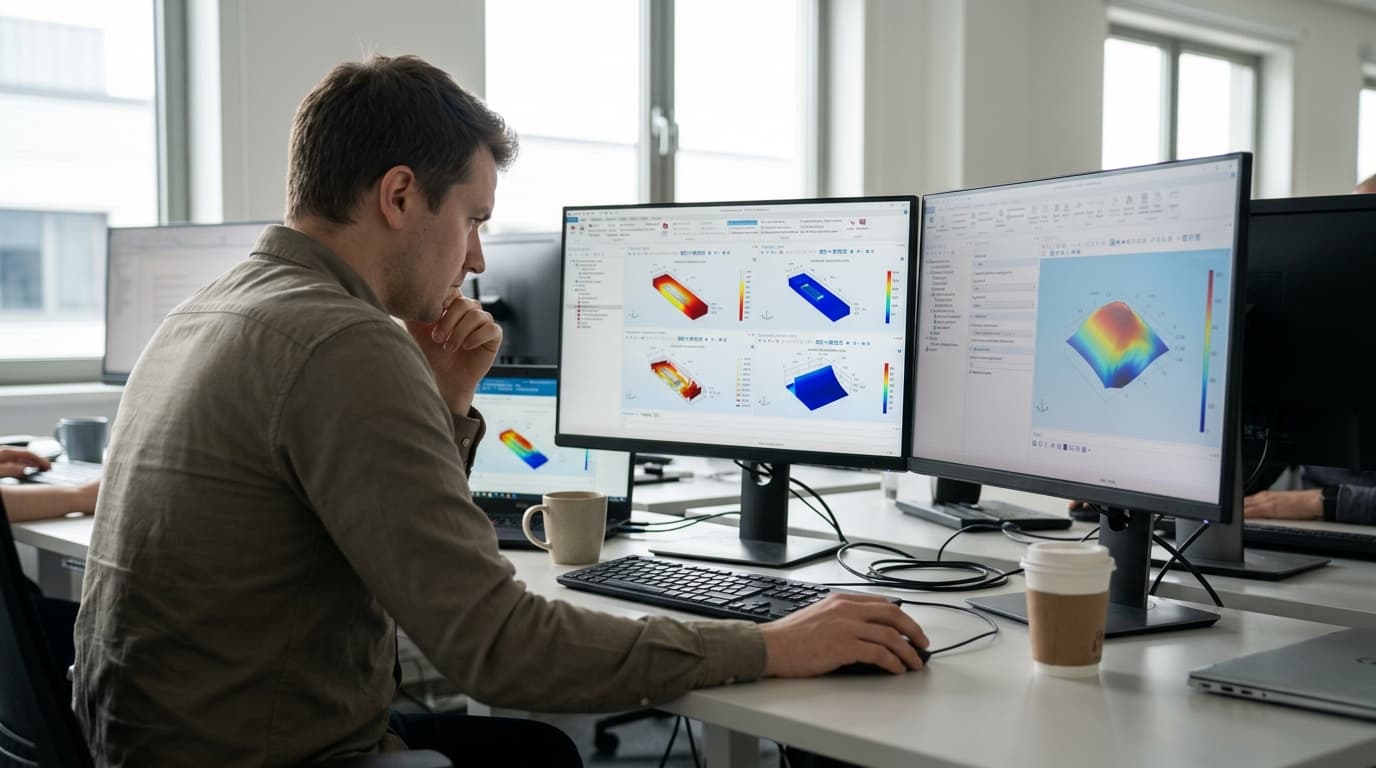
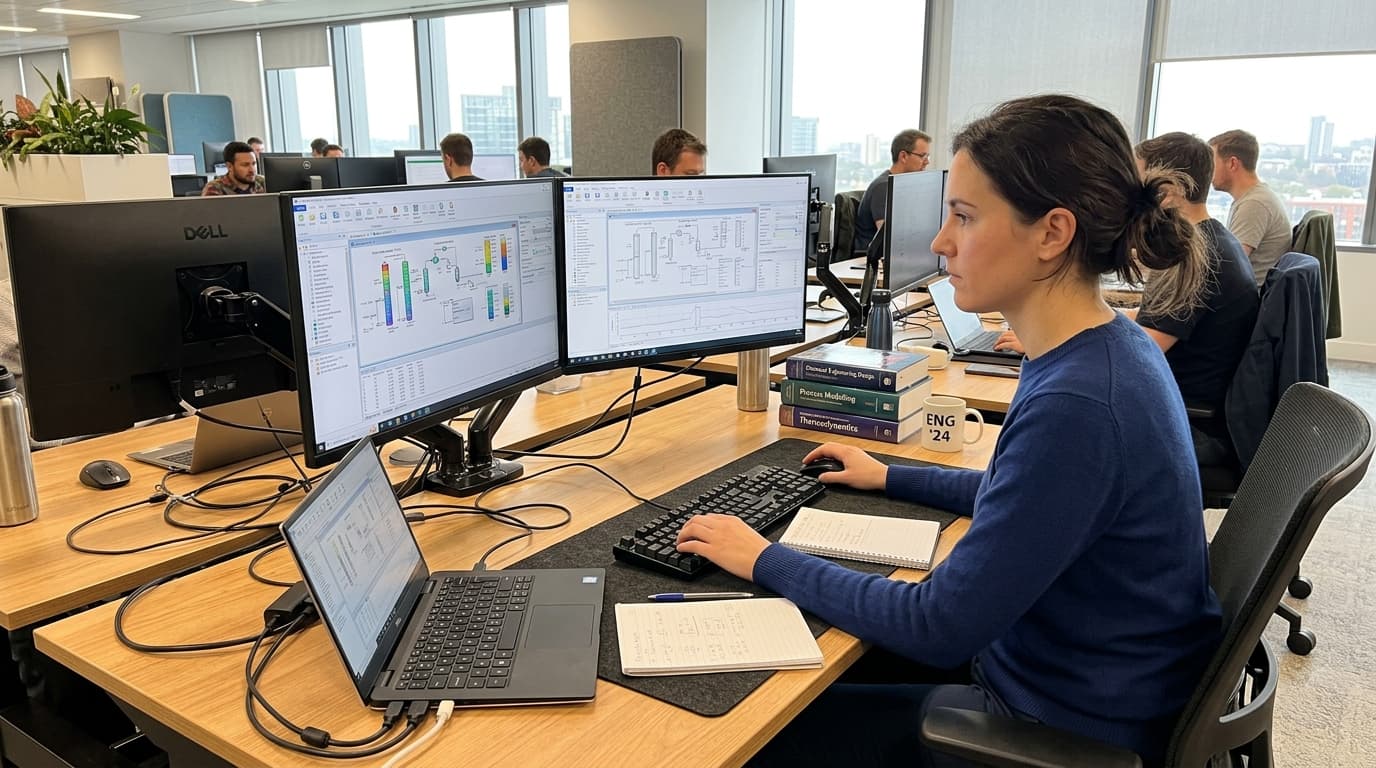

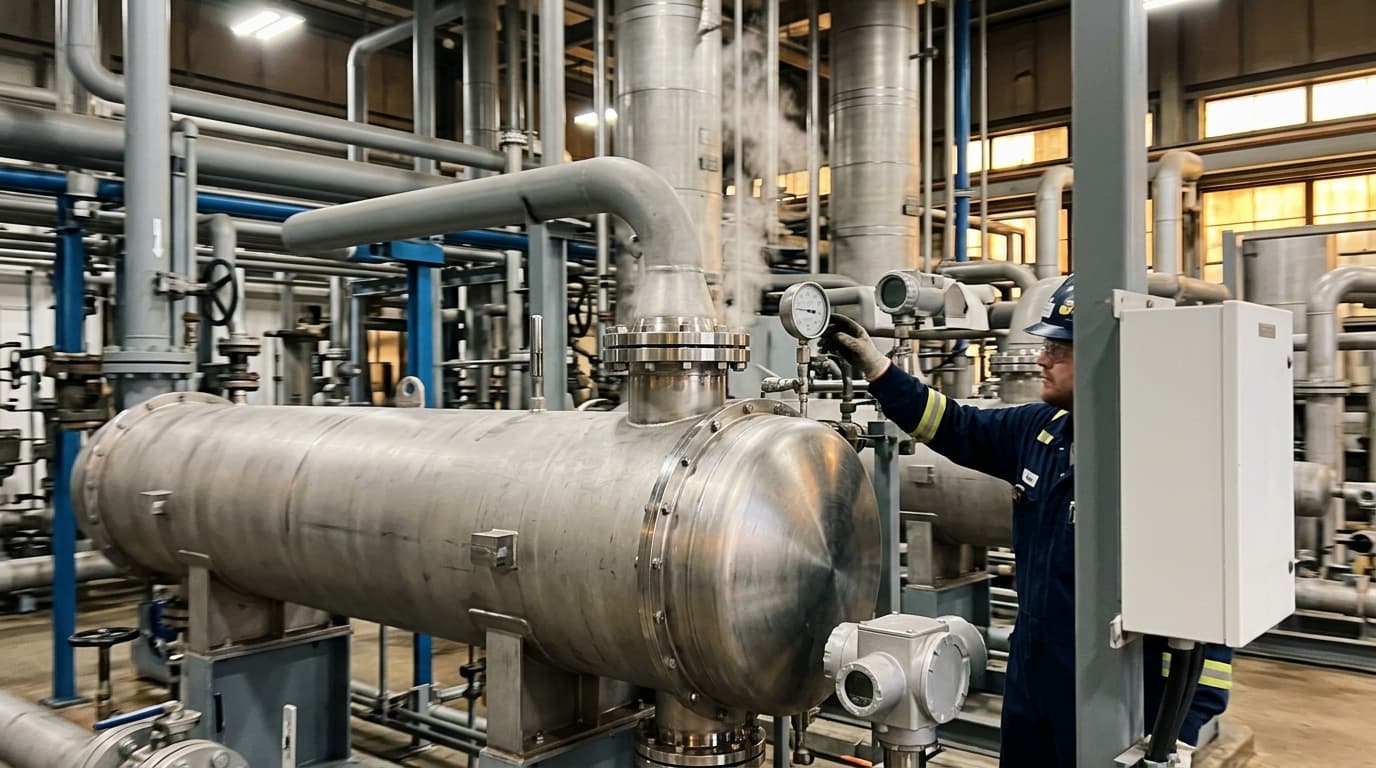
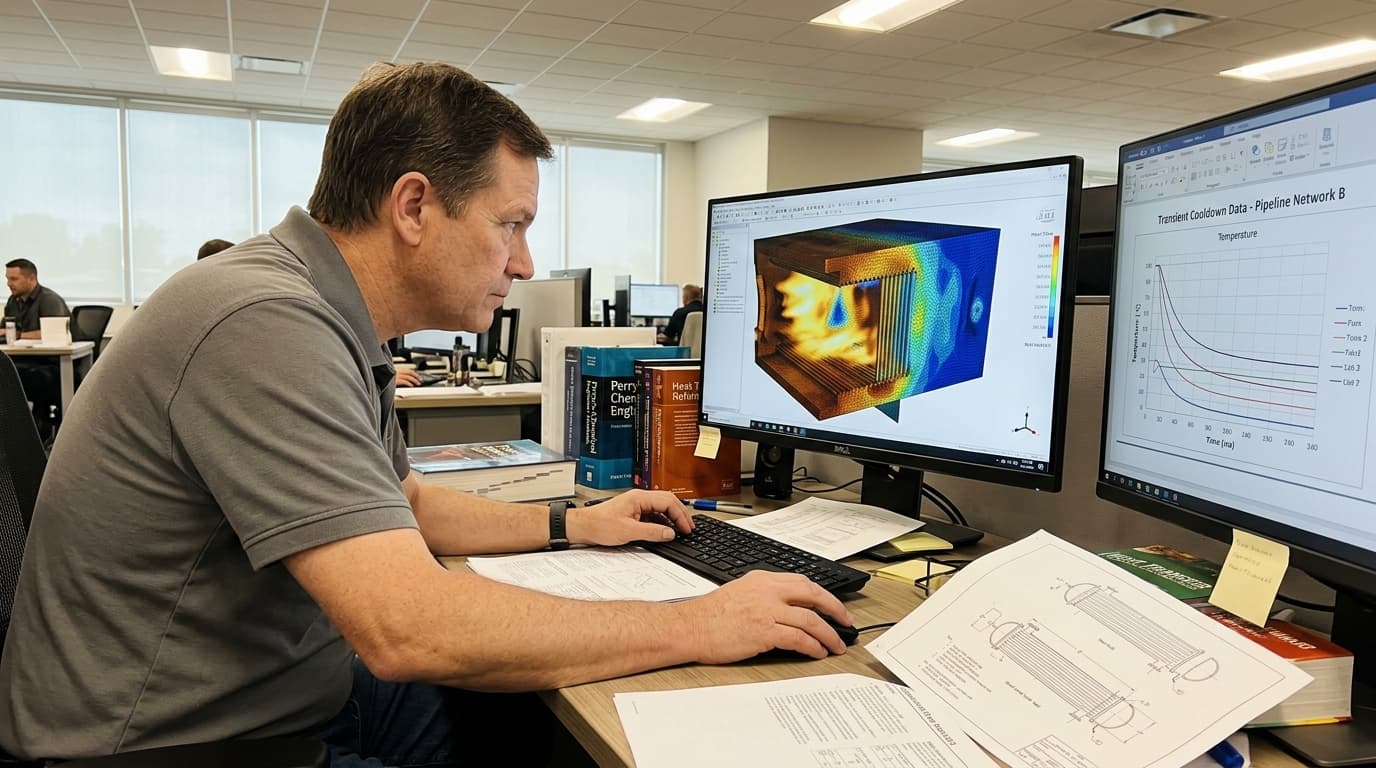


Oil & Gas
Modelling FAQ
Common questions about process modelling for oil and gas operations.
Yes. We build reservoir simulation models using your geological data, well logs, and production history. The model is calibrated through history matching and can predict future production under different development scenarios.
We model multi-phase flow in pipelines including temperature profiles, pressure drops, and phase behaviour. This predicts wax deposition rates, hydrate formation conditions, and slug flow characteristics for pipeline design and operation.
Yes. We build rigorous process simulation models of refinery units calibrated against plant operating data. These models identify optimal operating points for maximum throughput, product value, and energy efficiency.
We use industry-standard tools including OLGA for multi-phase flow, Petrel/Eclipse for reservoir simulation, and Aspen HYSYS/Plus for process simulation. For custom modelling, we use Python, MATLAB, and machine learning frameworks.
Ready to
Model?
Our oil & gas engineers build process models that optimise production, ensure flow assurance, and improve environmental performance.
- Mathematical & data-driven process analysis
- Oil & Gas-specific process modelling
- Real-time monitoring & adaptive optimisation