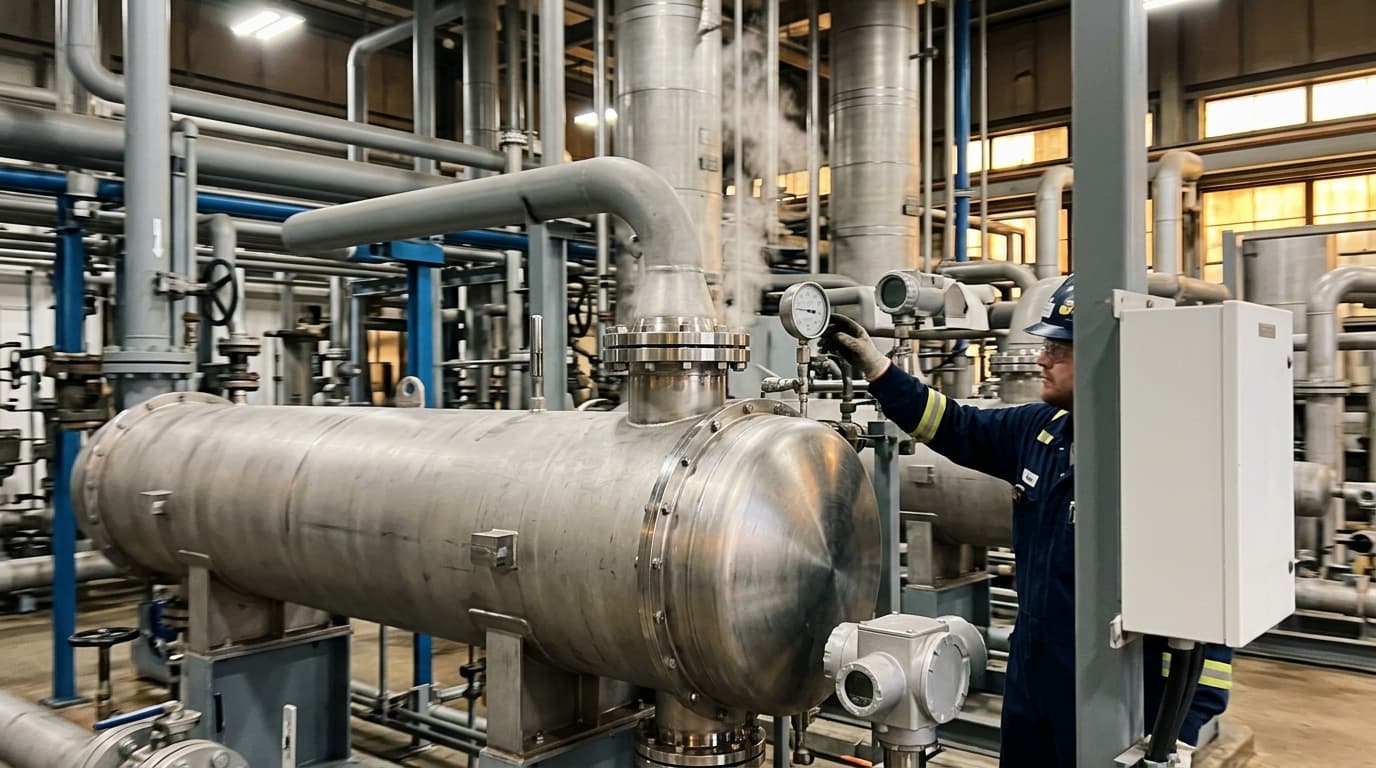
Oil & Gas
Heat Recovery
Refinery heat integration, petrochemical process recovery, and flare gas alternatives.
Heat exchangers engineered for oil & gas — crude preheat train integration, process stream heat recovery, and flare gas energy capture. SS 304L construction across ThermStack TSE, EcoStream EST, and EnerAir EAA ranges from 250 to 3,500 kW.
Three Models,
One Solution
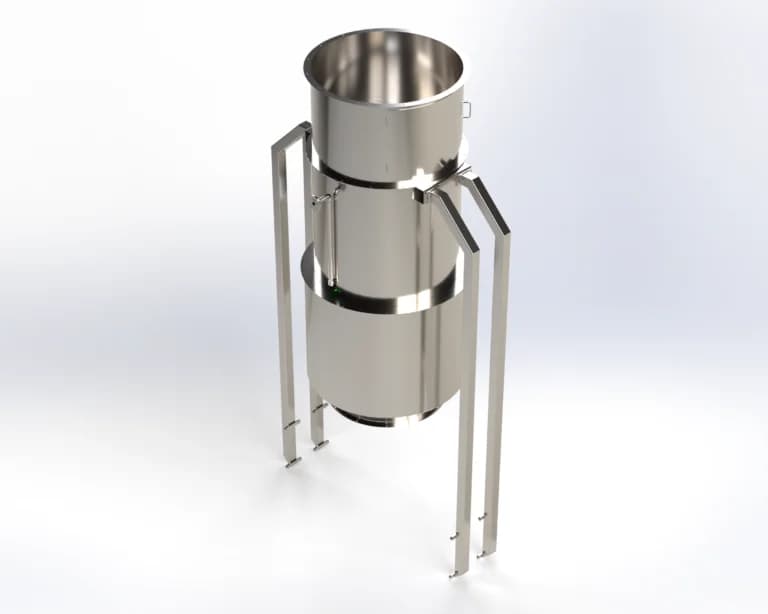
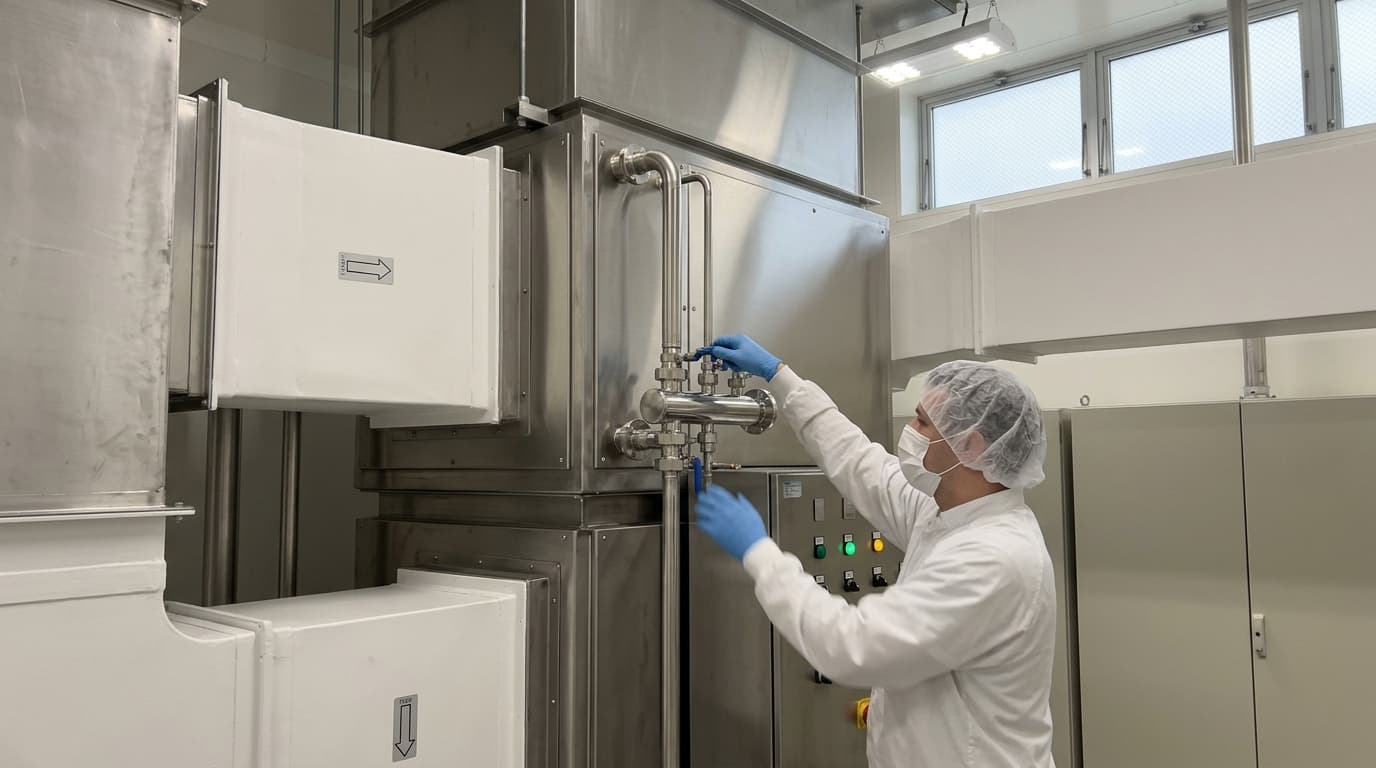
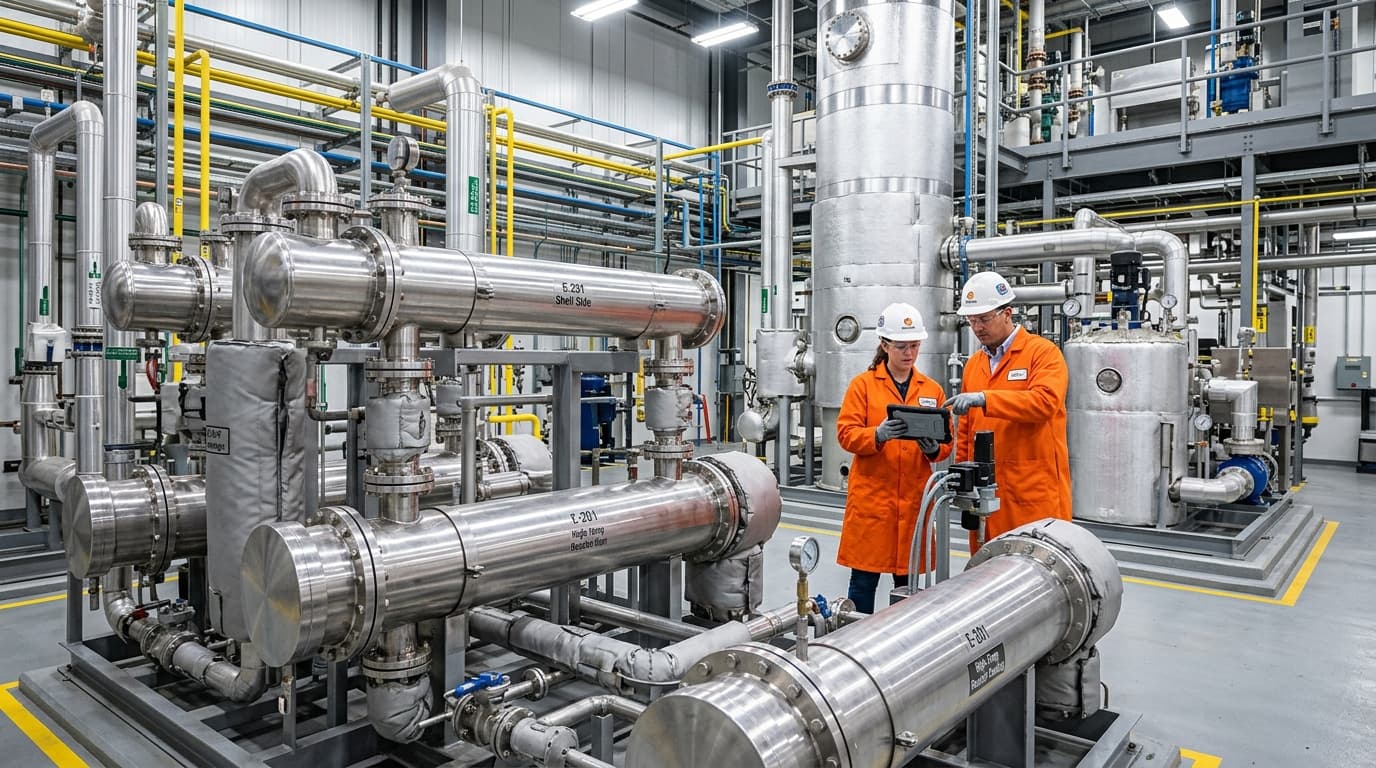
Shell and tube economiser for upstream and downstream oil & gas operations — recovers waste heat from fired heaters, boiler flue gases, and process furnace exhaust streams.
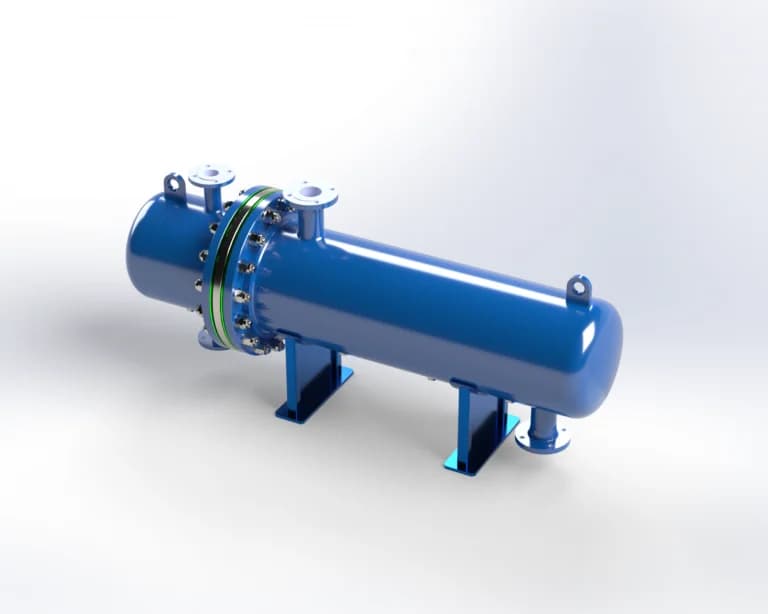
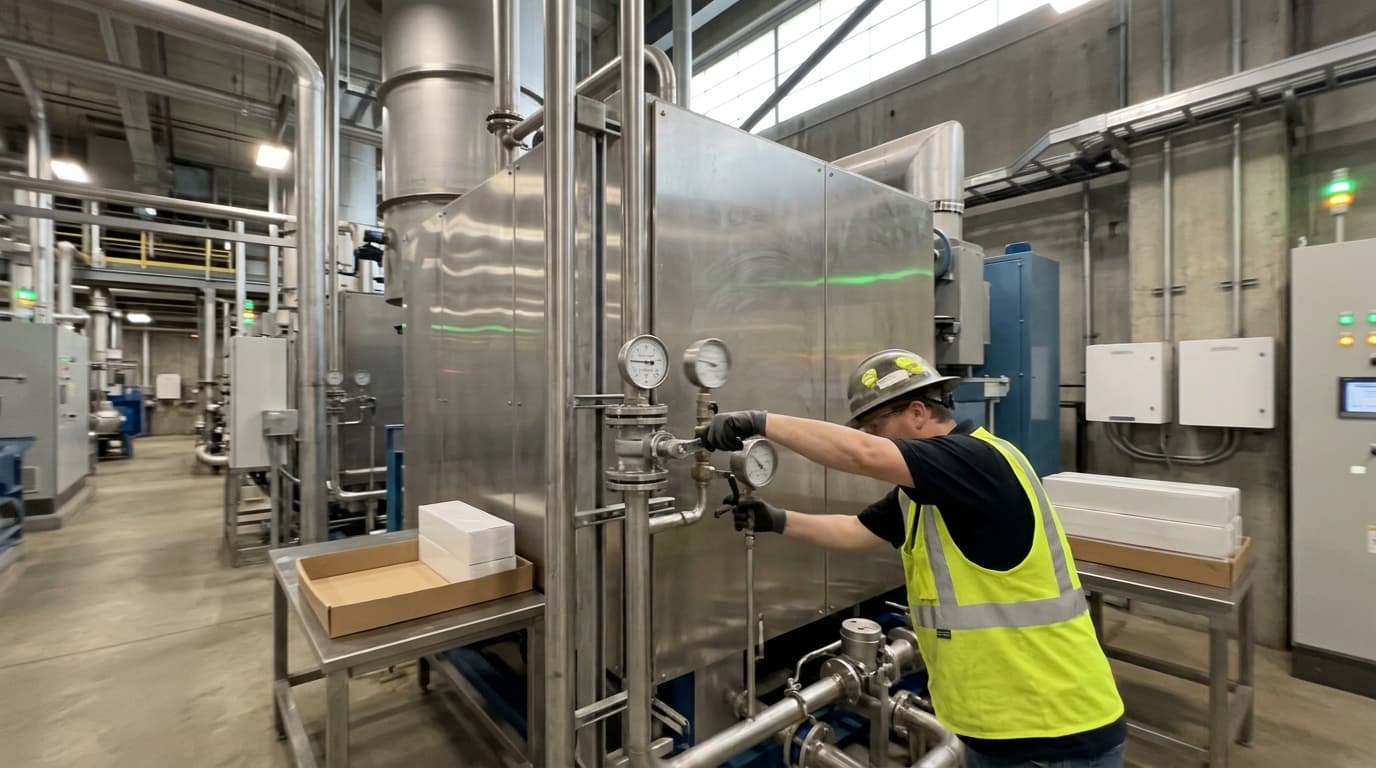
High-capacity plate heat exchanger for crude preheat trains, produced water heat recovery, and refinery process-to-process heat integration at 2,000-3,500 kW.
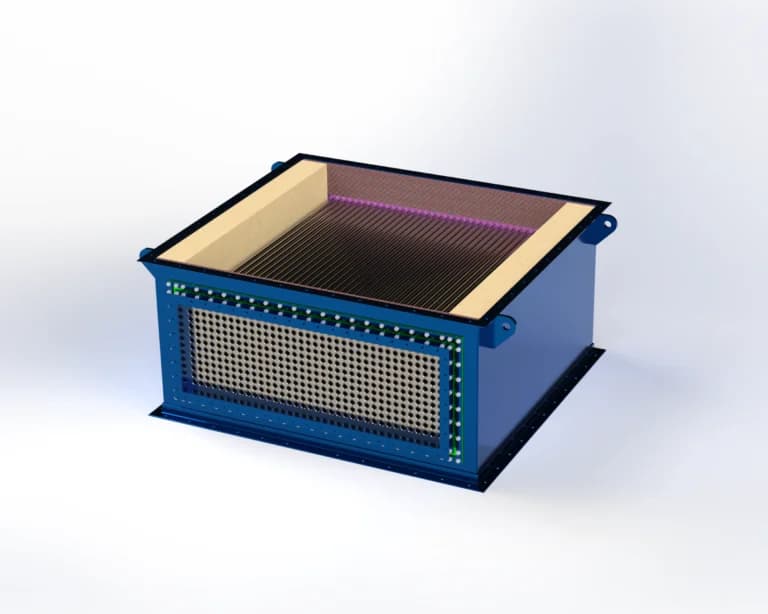
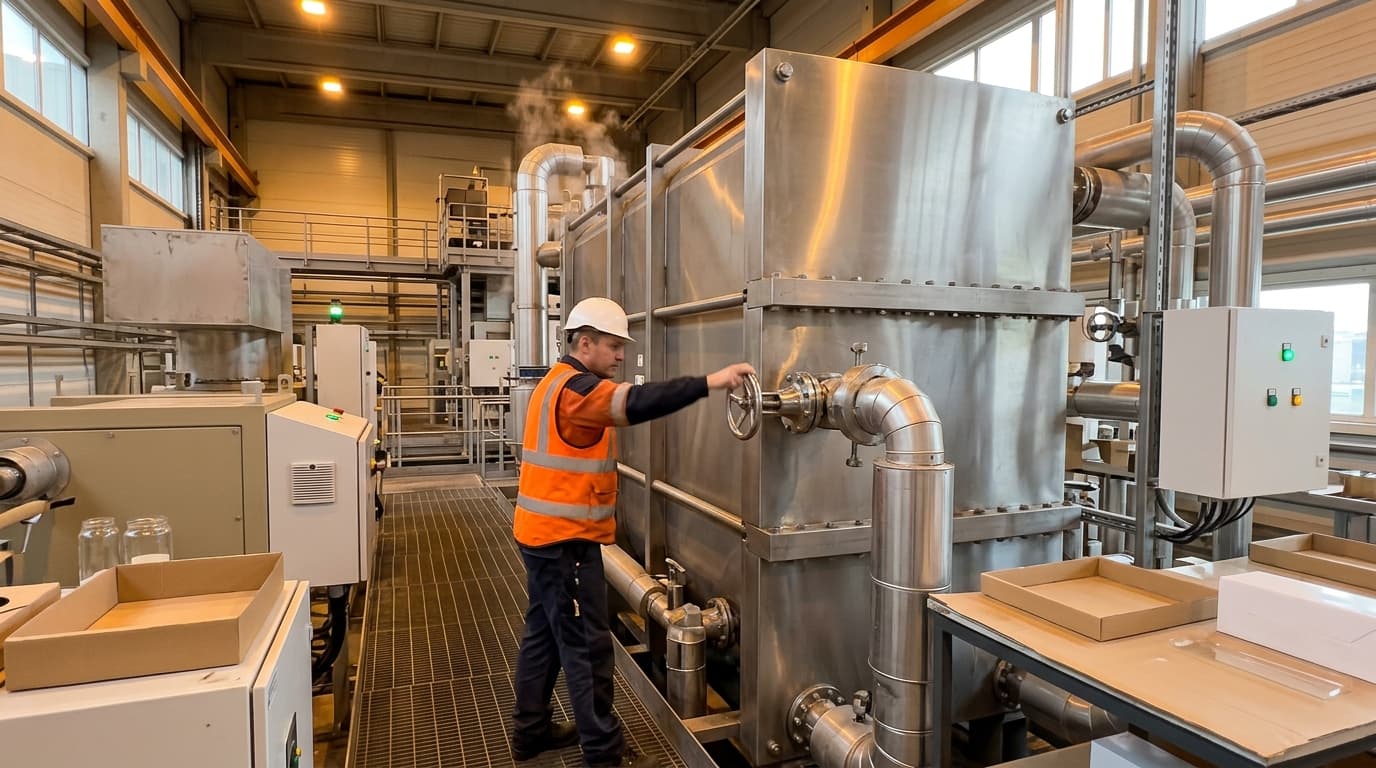
Gas-to-air heat recovery for flare gas preheating, combustion air warming, and facility HVAC in oil and gas installations. Handles high-temperature exhaust streams safely.
Oil & Gas
Applications
Select an application to see how our heat exchangers address your specific oil & gas requirements.
Refineries operate complex heat networks where crude oil preheat trains, distillation column condensers, and product coolers generate significant recoverable thermal energy. Our EcoStream EST shell and tube heat exchangers integrate into crude preheat trains to maximise heat recovery from process streams, reducing fired heater duty by 15–25%. SS 304L construction handles the corrosive crude and product streams, while counterflow design maximises approach temperatures across the 2,000–3,500 kW range.
Counterflow Design
Maximum approach temperature for process integration
Corrosion Resistant
SS 304L handles crude and product streams
ATEX Available
Hazardous area rated on request
Easy Cleaning
Mechanical tube cleaning with removable covers
Built for
Oil & Gas
Key advantages for refinery and petrochemical applications.
Fired Heater Savings
Recovers flue gas heat to preheat boiler feedwater, cutting fired heater fuel consumption by up to 8%.
High-Temp Flue Gas
Shell and tube construction rated for exhaust temperatures above 300 C in furnace and heater applications.
Compact Stack Mount
Vertical or horizontal installation fits tight pipe rack layouts common in refinery plant areas.
Fouling Tolerant
Removable tube bundle allows mechanical cleaning of soot and particulate from heavy fuel oil combustion.
Corrosion Resistant
SS 304L handles acidic condensate from sulphur-bearing flue gases in refinery boiler exhaust.
Fast Payback
Typical 12-18 month ROI on refinery boiler economiser installations at current fuel gas prices.
Built for
Harsh Environments
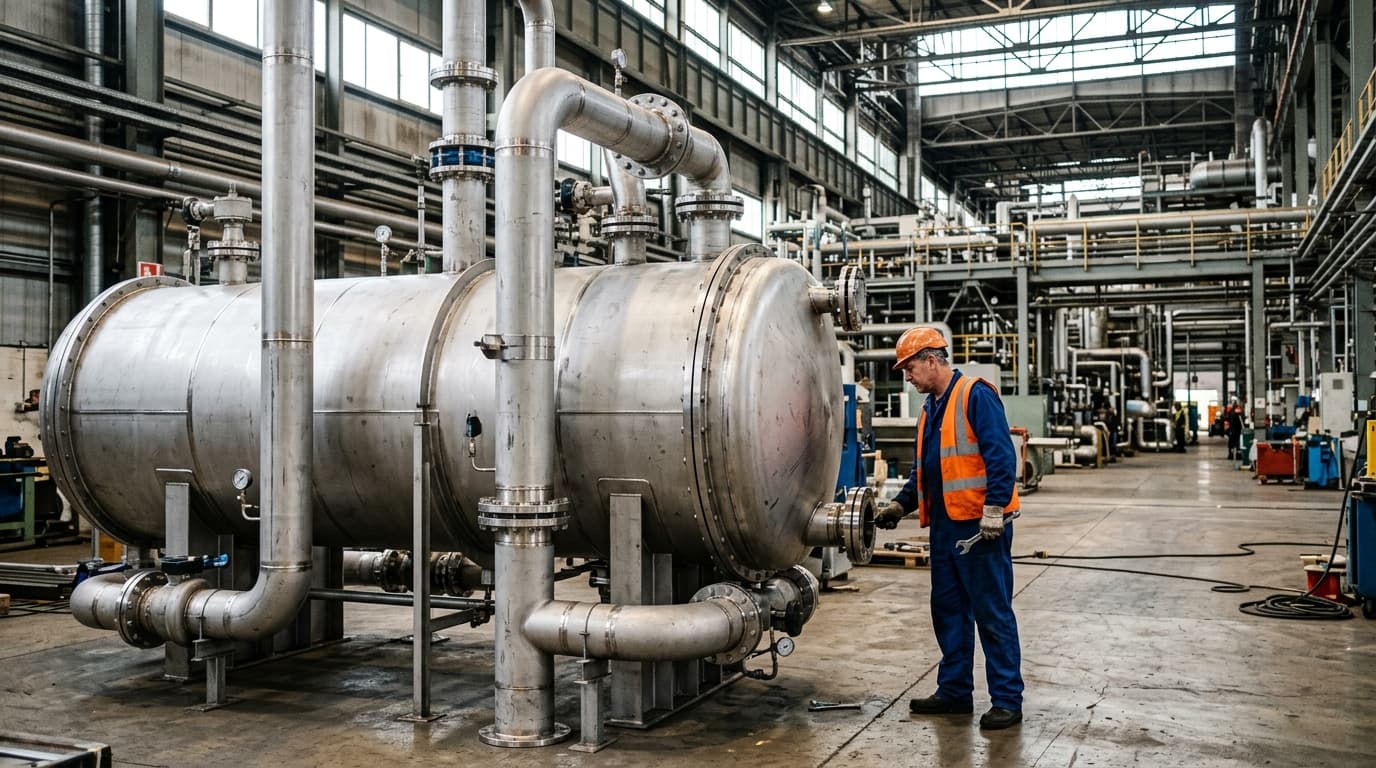
Heavy-duty construction for offshore and onshore O&G applications — rated for high pressure, high temperature, and corrosive fluids.
Every BTU Recovered
Hits Your Bottom Line.
Oil and gas operations generate enormous quantities of waste heat from compressor stations, fired heaters, and process streams. At today's energy prices, recovering even a fraction of this heat delivers significant operational savings. Our shell and tube heat exchangers are purpose-built for O&G conditions — high pressure, corrosive fluids, and extreme temperatures.
Heavy-gauge SS 304L/316L construction rated for high pressure and temperature — engineered for O&G environments.
Recover waste heat from process streams to preheat crude, gas, or produced water — maximising energy utilisation.
Robust construction with 20+ year service life — removable tube bundles for on-site servicing without specialist equipment.
Robust construction with 20+ year service life — removable tube bundles for on-site servicing without specialist equipment.
Related Products
& Services
Complementary equipment and engineering services for your process.


Oil & Gas
FAQs
Common questions about heat recovery for oil and gas applications.
Our EcoStream EST shell and tube exchangers are designed as additional preheat stages in crude distillation unit (CDU) preheat trains. Counterflow configuration maximises approach temperatures against hot product streams. We provide full thermal design analysis using HTRI/HTFS software to optimise placement and sizing within your existing preheat network.
Fouling is a key consideration in refinery heat exchangers. Our shell and tube design allows mechanical cleaning of tube bundles via removable end covers. We design with appropriate fouling factors for crude and product services, and can specify enhanced tube geometries to reduce fouling rates. Typical cleaning intervals are 12–24 months for crude service.
Yes. Our EnerAir EAA air-to-air exchangers recover thermal energy from waste gas streams, while our integration engineering supports flare gas recovery system design. By converting flared energy to usable heat (250–550 kW), we help operators reduce routine flaring and meet regulatory reduction targets. CO₂ savings of 319–702 tonnes/year per unit support environmental reporting.
Standard SS 304L provides good resistance to many refinery fluids. For sour service (H₂S-containing streams), we can specify SS 316L, duplex stainless steels, or materials compliant with NACE MR0175 / ISO 15156 requirements. Contact our engineering team with your process fluid composition, H₂S partial pressure, and operating temperature for specific material recommendations.
We can design to ATEX requirements for installation in hazardous areas typical of refineries and petrochemical plants. Equipment certification, material certificates, and pressure test documentation are provided as standard. We support integration into existing safety instrumented systems (SIS) and comply with relevant process safety standards.
Payback depends on the application and energy prices, but typical refinery heat recovery projects achieve payback in 12–24 months. Crude preheat train integration (reducing fired heater fuel gas) typically returns investment fastest. Flare gas recovery projects combine energy savings with avoided carbon costs for compelling economics.
Ready to
Recover?
Our engineering team has extensive experience in refinery and petrochemical heat recovery. Share your process details.
- Crude preheat train integration
- Petrochemical process recovery
- Flare gas alternatives
- Material compatibility for sour service