Power
Generation
Heat Recovery
Boiler economisers and turbine exhaust heat exchangers for maximum energy recovery.
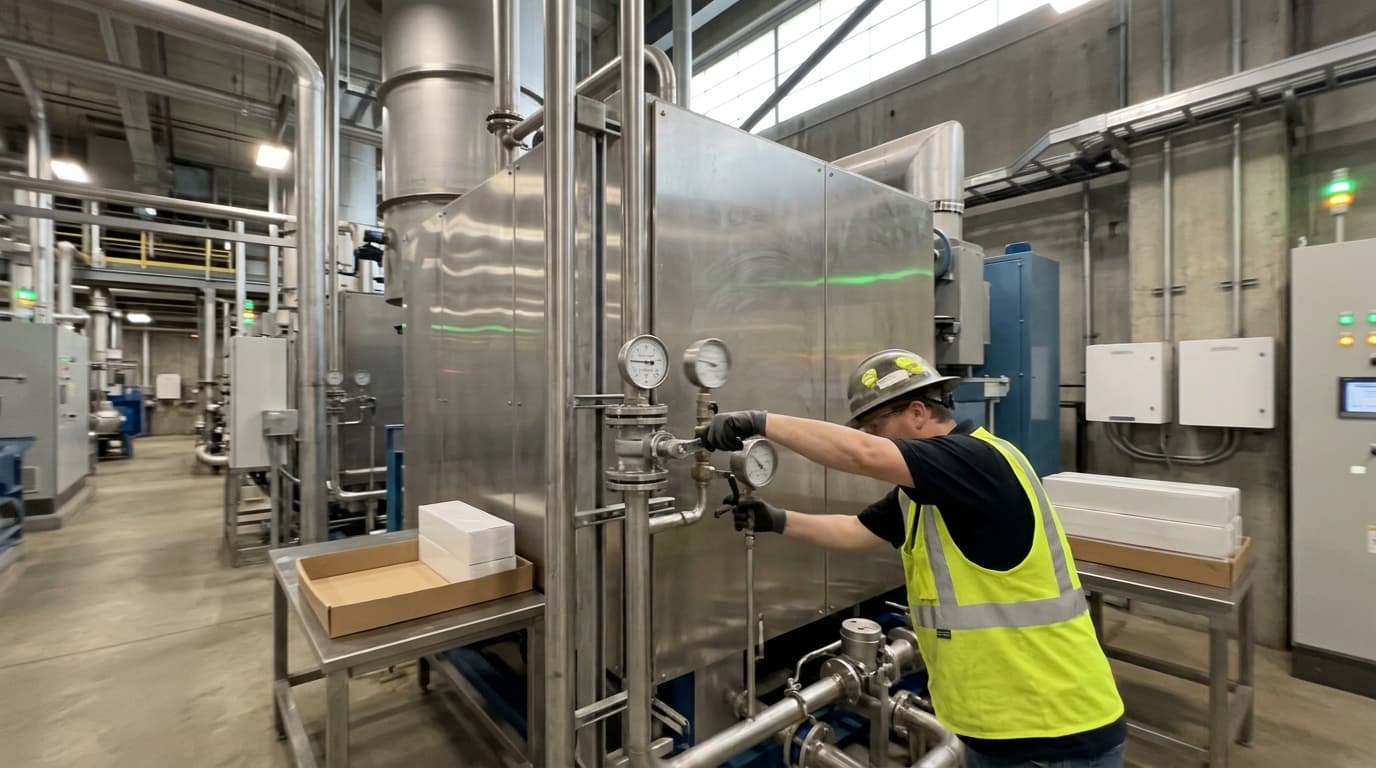
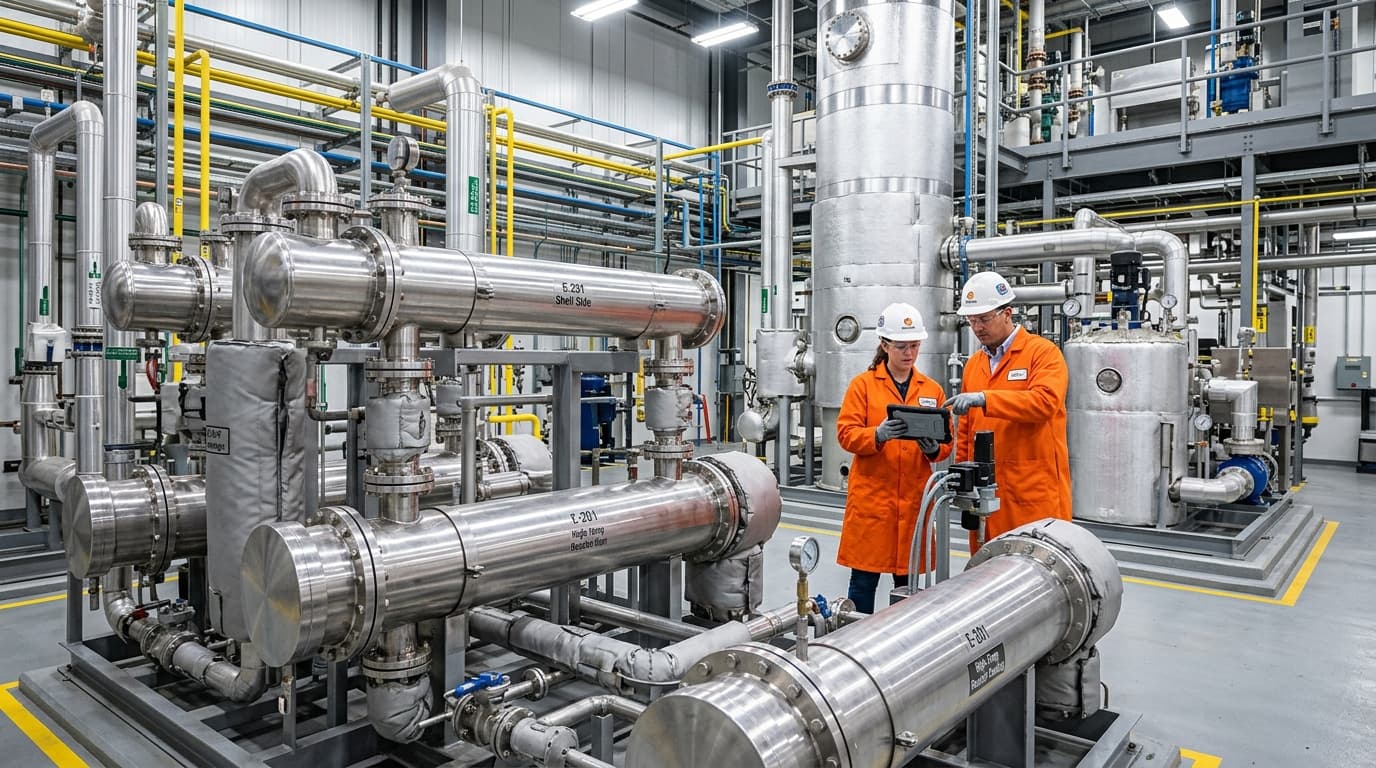
ThermStack TSE and EcoStream EST heat exchangers engineered for power generation — recovering waste heat from boiler flue gases, gas turbine exhaust, and feedwater preheating systems. 445–3,500 kW capacity with SS 304L construction and counterflow design for up to 85% recovery efficiency.
Three Models,
One Solution
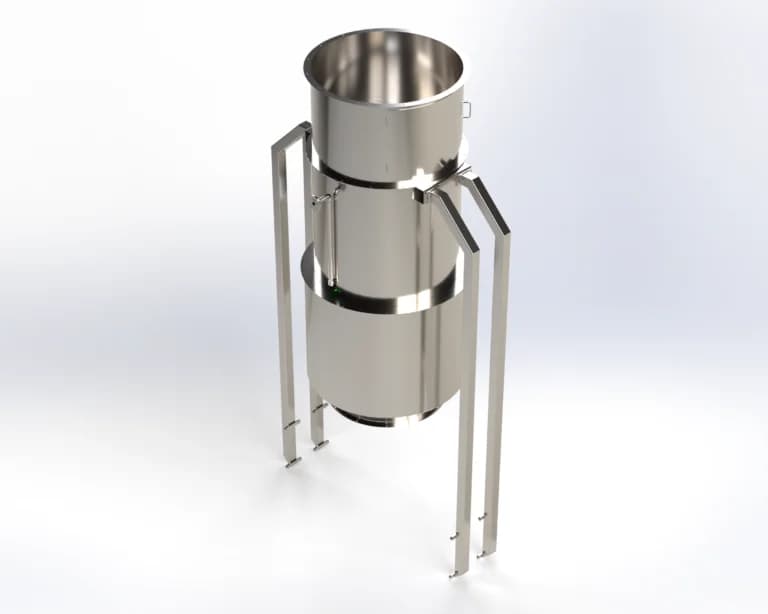
Flue gas economiser for power station boilers — recovers 445-800 kW from stack gases to preheat boiler feedwater, improving overall thermal efficiency by 4-8%.
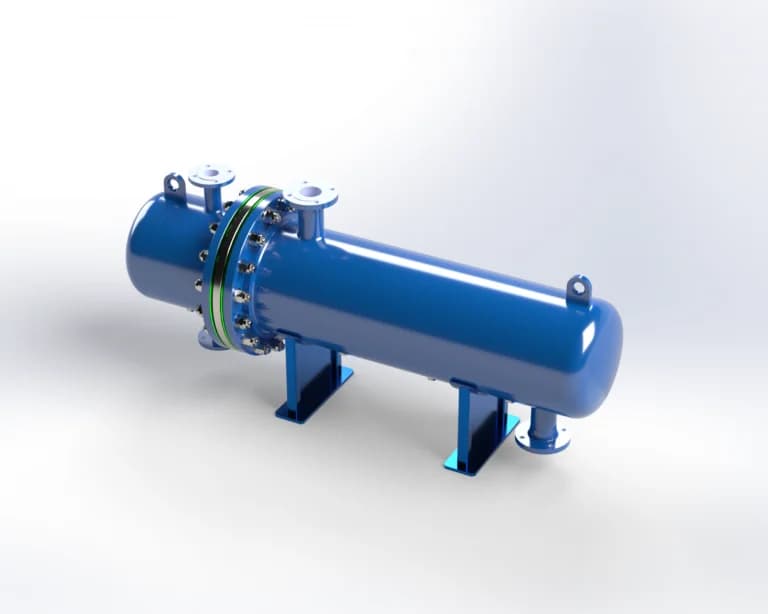
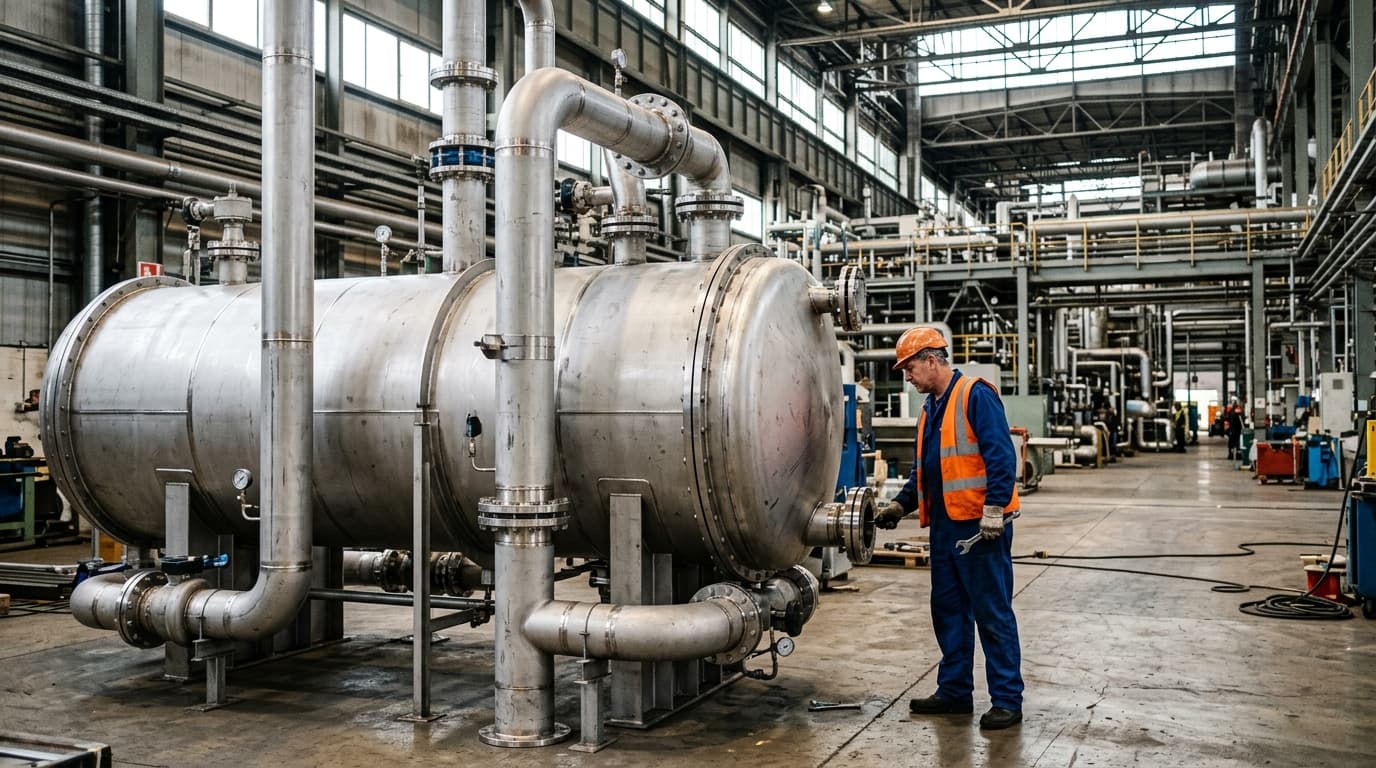
Large-capacity shell & tube heat exchanger for turbine exhaust recovery, CHP configurations, and district heating feed in power generation applications at 2,000-3,500 kW.
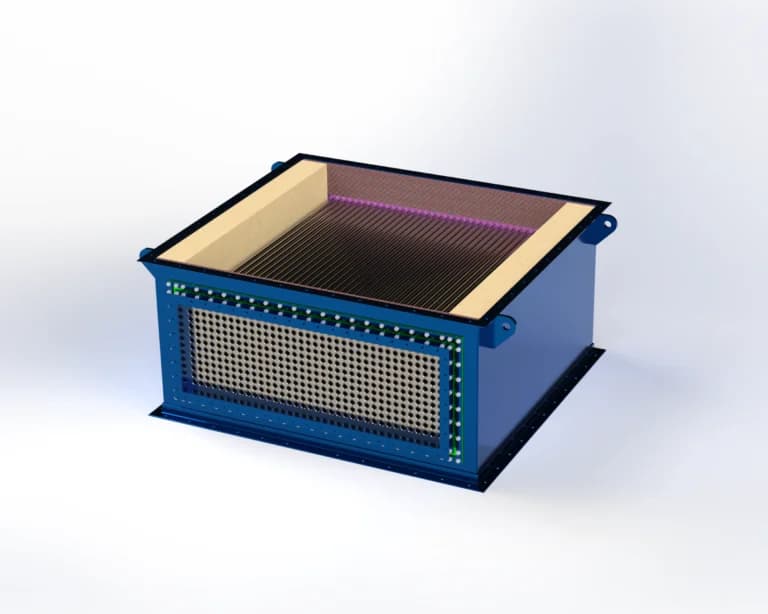
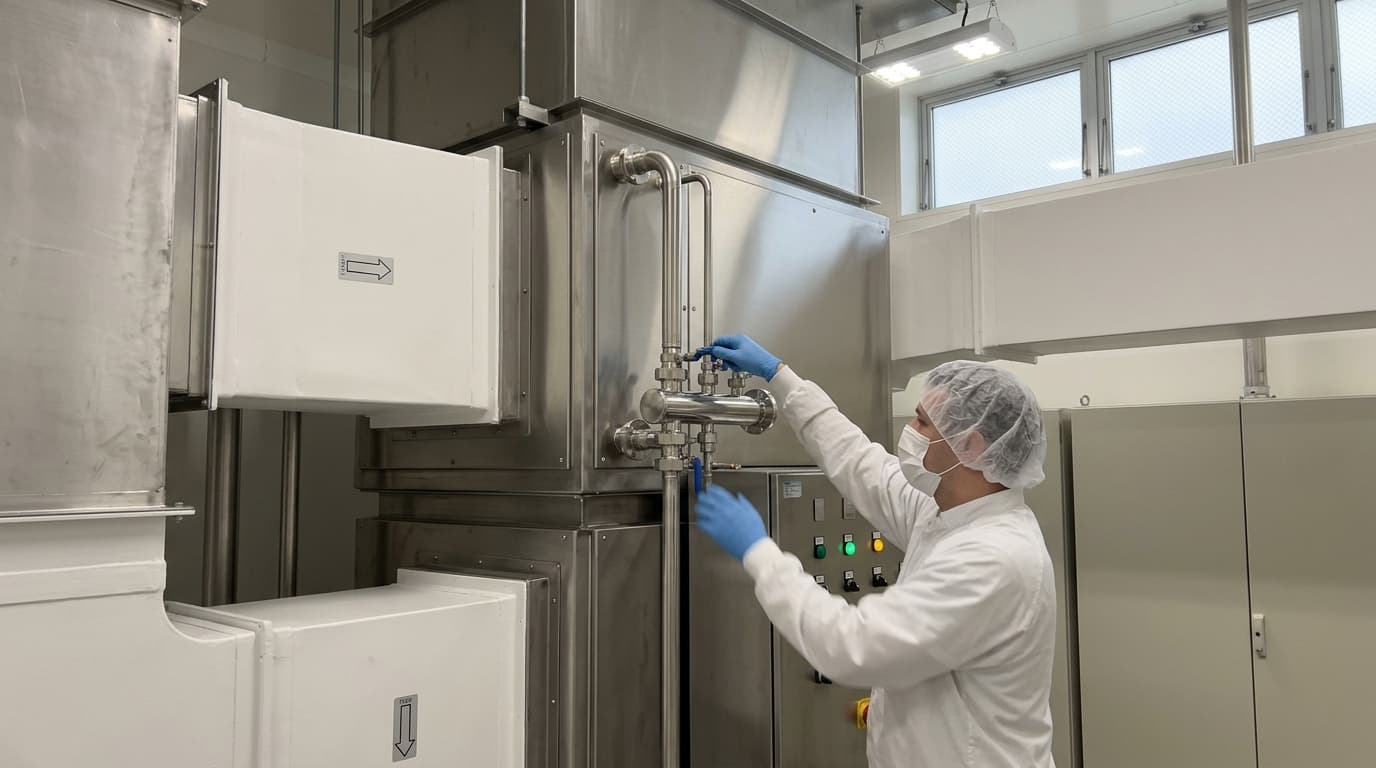
Air-to-air heat recovery from gas turbine exhaust and boiler house ventilation. Preheats combustion air intake to improve burner efficiency and reduce fuel consumption.
Power Generation
Applications
Select an application to see how our heat exchangers address your specific power generation requirements.
Industrial and utility boilers discharge flue gases at 180–350°C, carrying enormous quantities of recoverable thermal energy. Our ThermStack TSE and EcoStream EST heat exchangers are engineered to extract this heat before it reaches the stack — preheating boiler feedwater, combustion air, or process fluids. Shell and tube design with SS 304L construction ensures corrosion resistance against acidic condensates while maximising heat transfer surface area across 445–3,500 kW recovery ratings.
Counterflow Design
Maximum temperature gradient for optimal heat transfer
SS 304L Construction
Corrosion-resistant stainless steel for acidic flue gases
Flexible Mounting
Horizontal or vertical installation options
Easy Maintenance
Removable end covers for tube-side cleaning access
Built for
Power Generation
Key advantages of our heat exchangers for power generation applications.
Feedwater Preheating
Raises boiler feedwater from 15-25°C to 80-95°C using flue gas heat, improving overall boiler efficiency by 4-8%.
Acid Dewpoint Safe
SS 304L construction resists sulphuric acid condensation from high-sulphur fuel flue gases, extending service life in harsh stack environments.
Fast Payback
12-18 month typical ROI through direct fuel savings on boiler gas consumption.
Stack Gas Rated
Engineered for 180-350°C flue gas inlet temperatures common in industrial and utility boiler installations.
Boiler Retrofit
Compact footprint with horizontal or vertical mounting slots into existing boiler houses without structural modification.
Tube-Side Access
Removable end covers allow full tube bundle inspection and cleaning without disconnecting boiler pipework.
Fits Into Your
Boiler House
Compact retrofit design with horizontal or vertical mounting — integrates into existing boiler and turbine infrastructure.
Your Flue Gas Is
Pure Wasted Energy.
Every boiler and gas turbine in your facility is exhausting recoverable thermal energy straight up the stack. At 180–600°C, that flue gas carries enough heat to preheat feedwater, combustion air, or process fluids — cutting fuel consumption by up to 8% and saving thousands in annual gas costs. The ThermStack and EcoStream range captures this energy before it's lost.
Recover waste heat to preheat boiler feedwater — improving overall efficiency by 4–8% and saving thousands annually.
Up to 4,466 tonnes CO₂/year reduction — measurable progress toward net zero commitments.
Retrofit shell and tube design adds recovery capability to existing boilers — no major structural changes required.
Retrofit shell and tube design adds recovery capability to existing boilers — no major structural changes required.
Related Products
& Services
Complementary equipment and engineering services for your process.
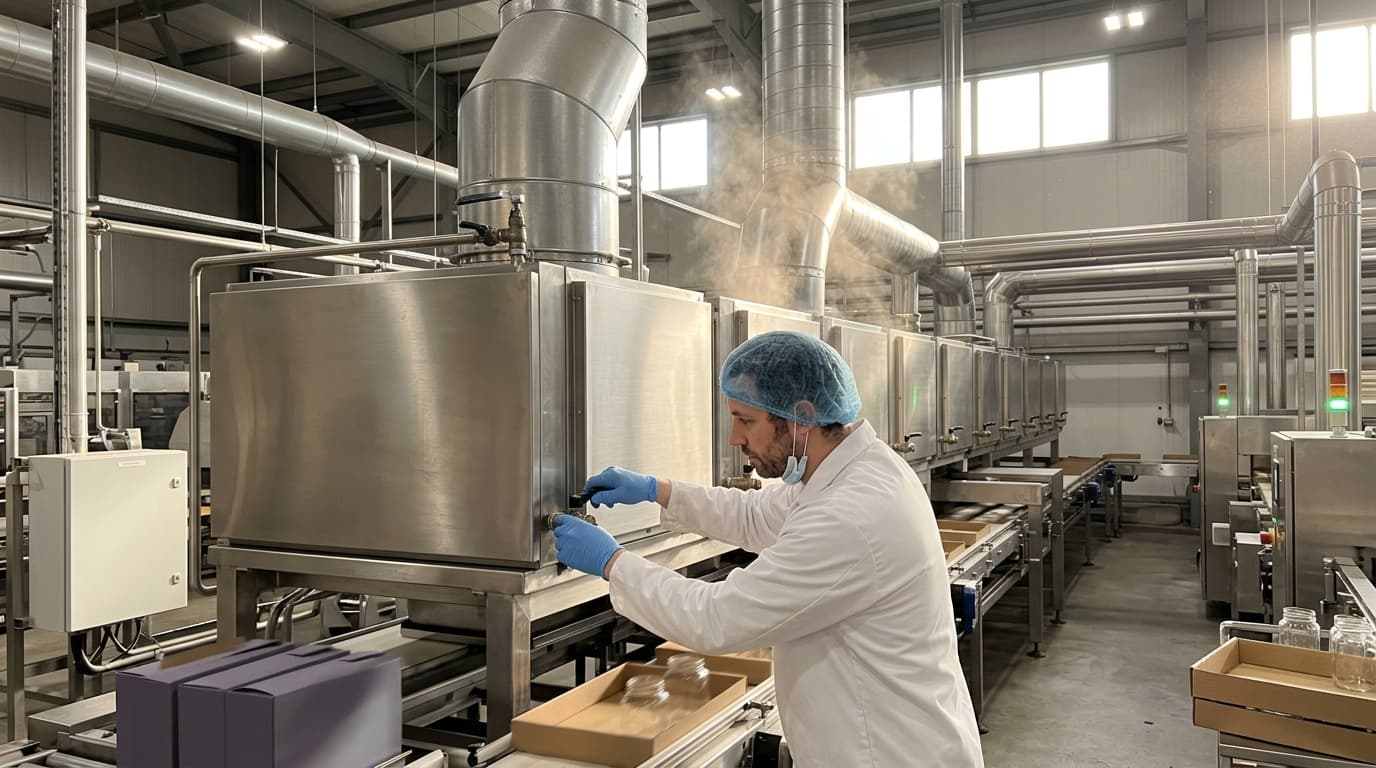
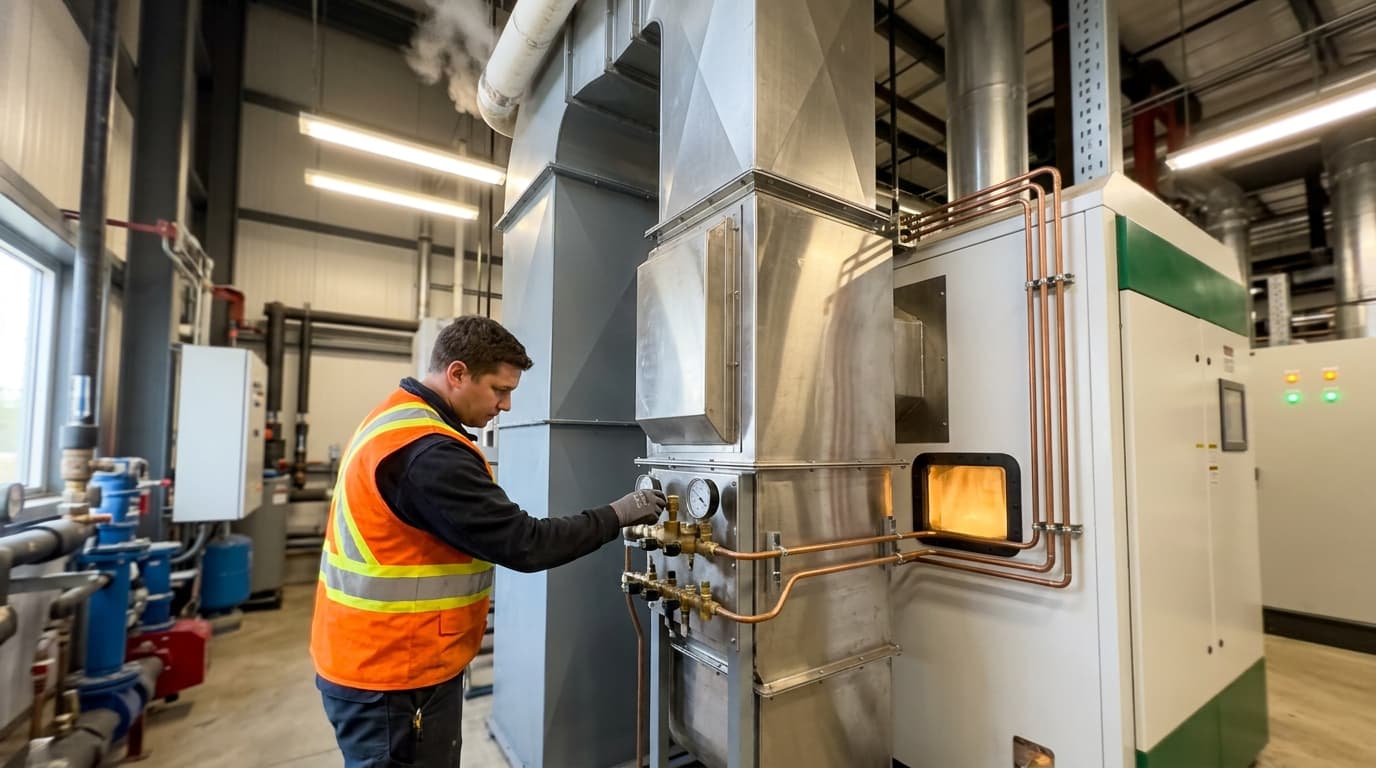
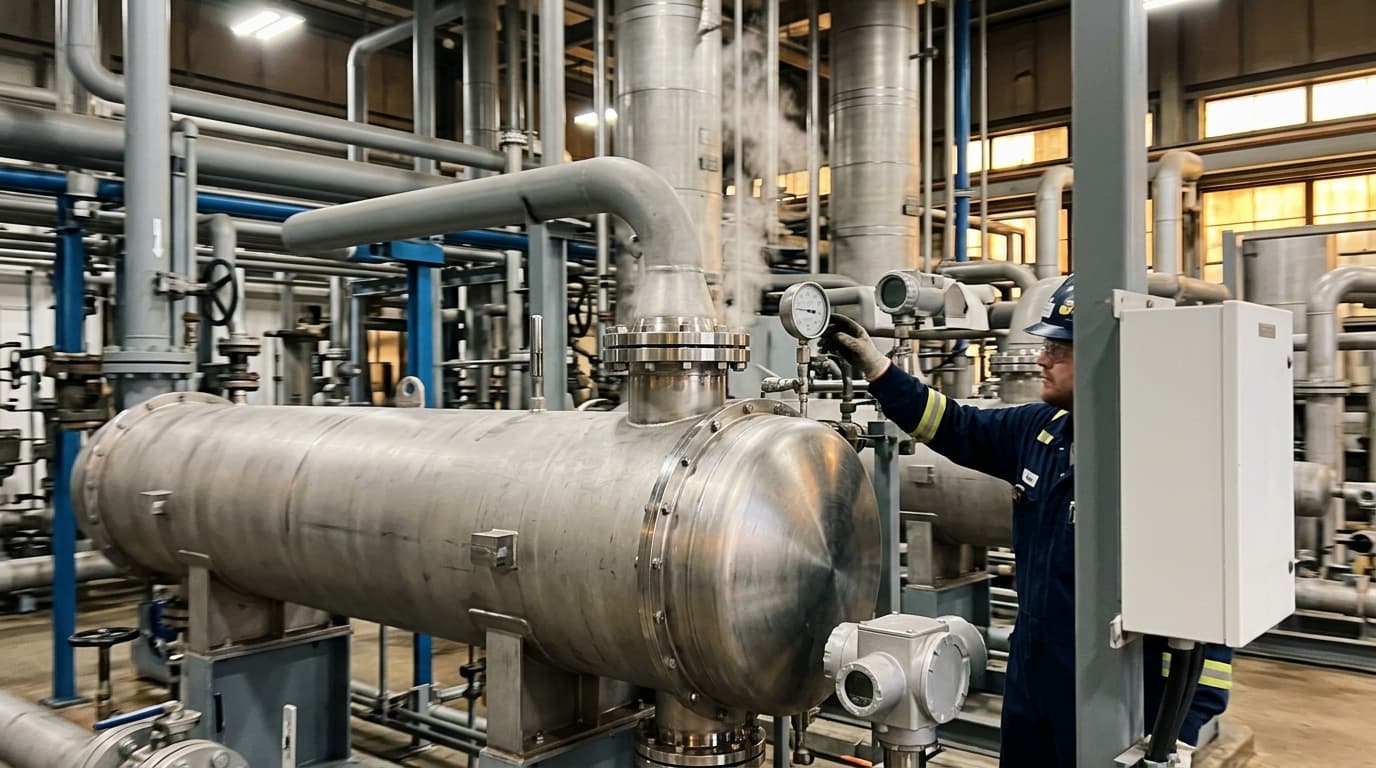
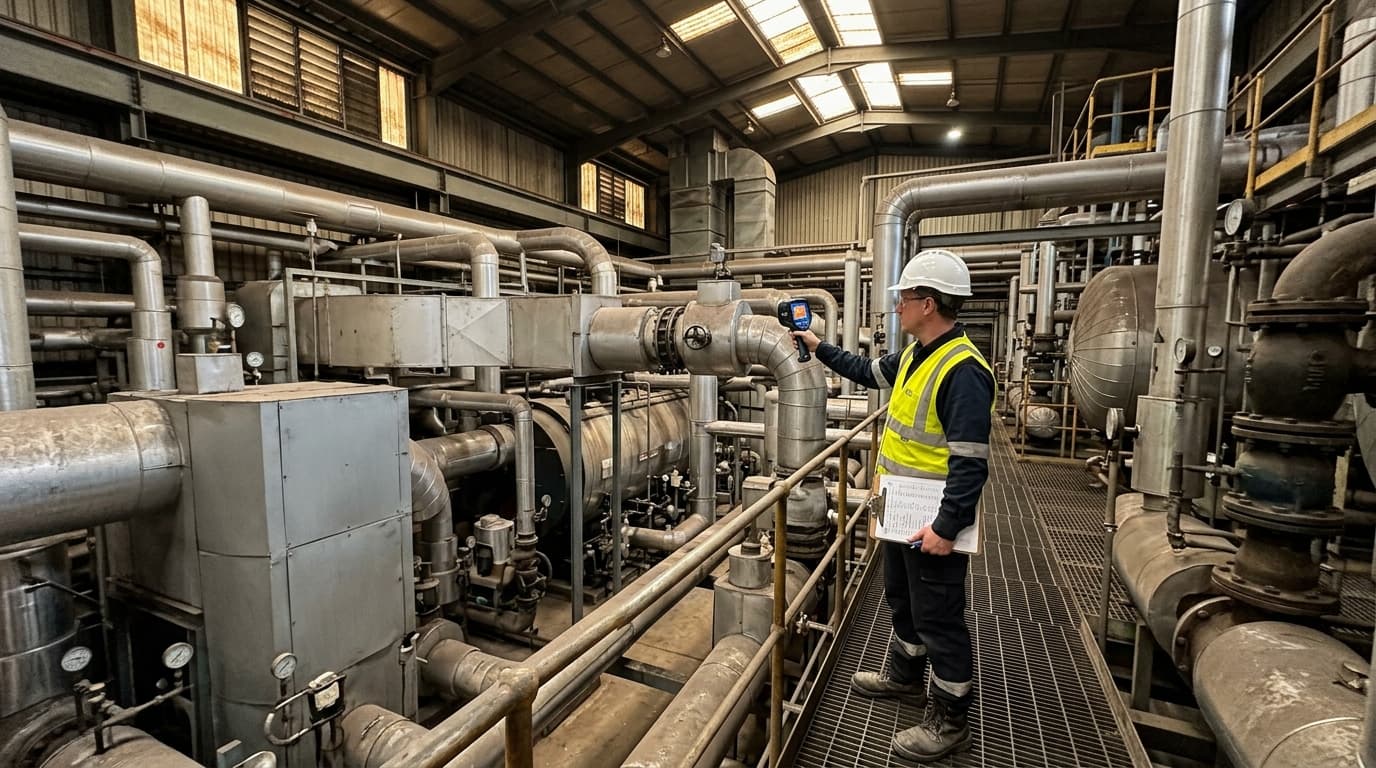

Power
Generation
FAQs
Common questions about heat recovery solutions for power generation applications.
For boiler flue gas to liquid heat recovery, the ThermStack TSE economiser range (445–800 kW) is ideal for smaller installations, while the EcoStream EST shell and tube range (2,000–3,500 kW) suits large-scale utility boilers. Both use counterflow SS 304L construction for maximum efficiency and corrosion resistance against acidic flue gas condensates.
Feedwater preheating typically improves overall boiler efficiency by 4–8%. For a boiler consuming £200,000/year in fuel, this equates to £8,000–£16,000 annual savings. The ThermStack TSE economiser range typically achieves payback in 12–18 months through fuel savings alone, before accounting for additional CO₂ reduction benefits.
Yes. All our heat exchangers are constructed from SS 304L stainless steel, which provides excellent resistance to sulphuric acid condensation — a common issue with high-sulphur fuels. We design to keep the cold-end metal temperature above the acid dewpoint to prevent condensation damage and extend service life.
The EcoStream EST-2000 to EST-3500 range is specifically designed for gas turbine exhaust heat recovery in CHP configurations. Counterflow design handles exhaust temperatures up to 600°C, recovering thermal energy for district heating, process steam, or absorption cooling. Horizontal or vertical mounting provides flexibility for integration into turbine enclosures.
All our heat exchangers are designed for retrofitting into existing systems. Compact footprint with horizontal or vertical mounting options minimises structural modification. Flanged connections match standard pipe sizes. We provide full installation engineering support including thermal design analysis, GA drawings, and pipe routing to ensure seamless integration.
Routine maintenance includes external inspection, tube-side cleaning (accessible via removable end covers on TSE models), and gasket inspection. SS 304L construction minimises fouling and corrosion. Typical inspection intervals are 6–12 months depending on fuel type and operating hours. Individual tube replacement is possible without replacing the entire unit.
Ready to
Recover?
Our engineering team specialises in power generation heat recovery. Tell us about your boiler or turbine, and we'll design the optimal solution.
- Boiler flue gas heat recovery
- Turbine exhaust CHP integration
- Feedwater preheating design
- CO₂ reduction analysis