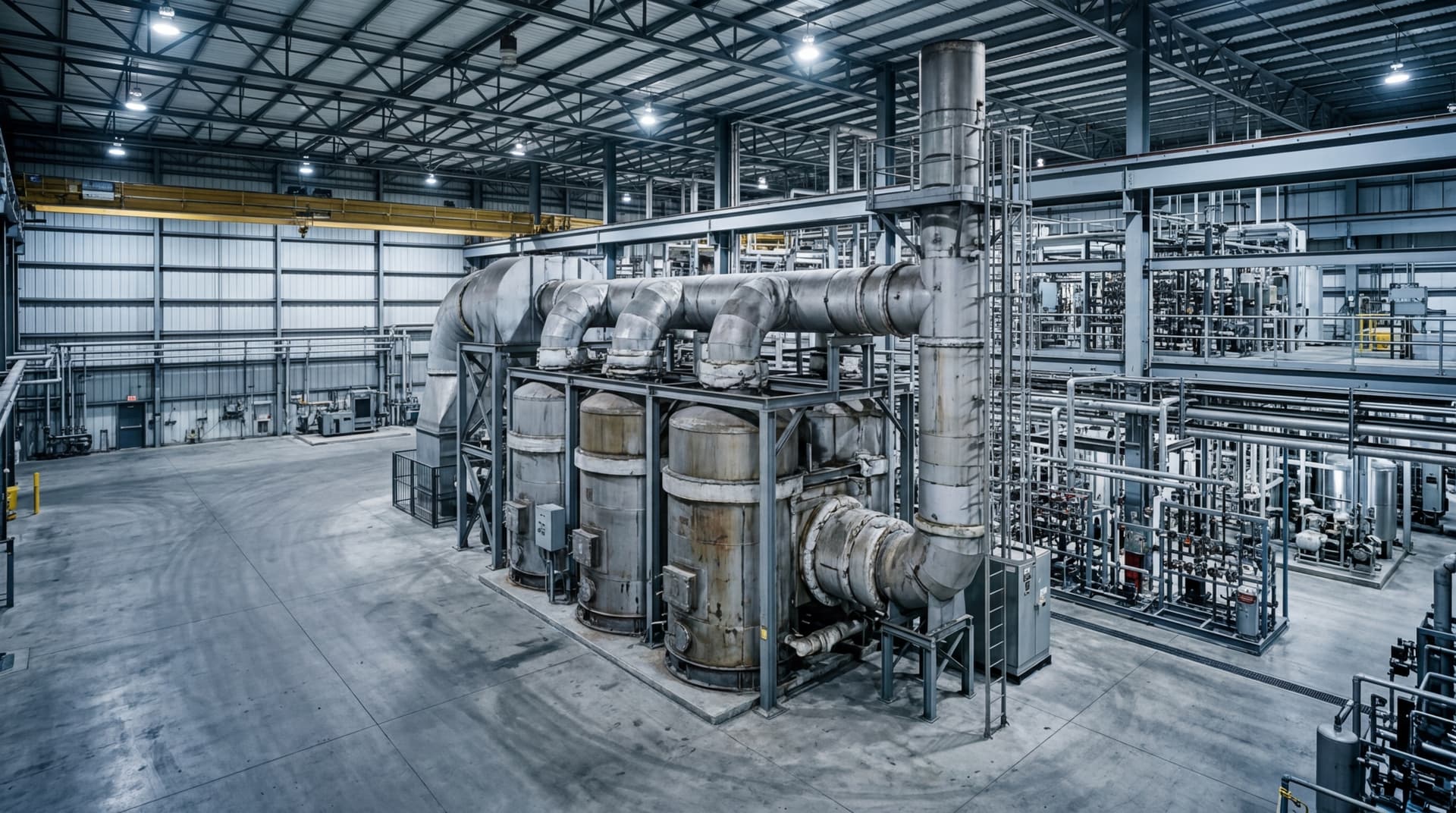
Chemical
Emission Control
Regenerative thermal oxidisers for VOC destruction, solvent recovery off-gas treatment, and multi-source vent control.
Achieve 99% destruction of volatile organic compounds and hazardous air pollutants from reactor vents, distillation columns, and solvent processes — with 98% energy recovery that slashes fuel costs to near-autothermal levels.
Three Models,
One Solution
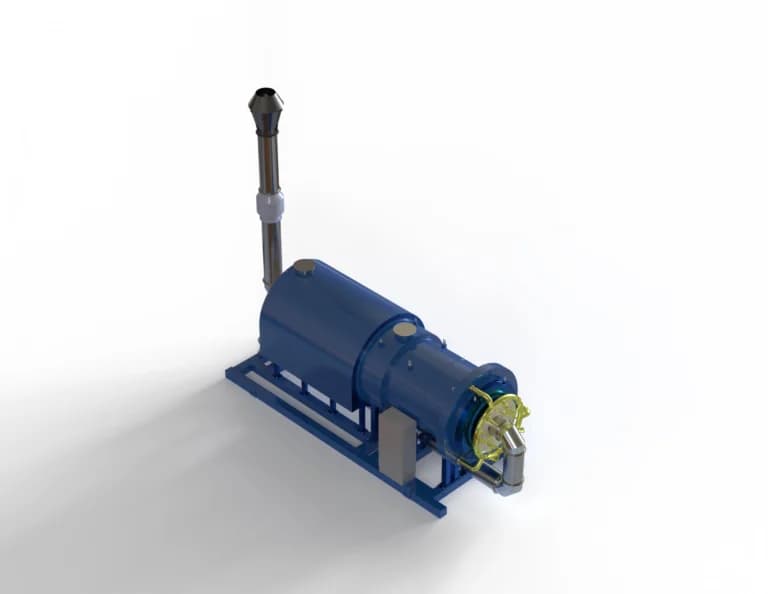
Mid-range thermal oxidiser for VOC abatement — 200 sm³/min volumetric flow with 99% destruction efficiency.
High-capacity thermal oxidiser — 300 sm³/min for medium-scale industrial VOC destruction applications.
Maximum-capacity thermal oxidiser — 500 sm³/min for large-scale industrial VOC abatement requirements.
Chemical Plant
Applications
Select an application to see how OxiTherm thermal oxidisers address your specific chemical manufacturing emission challenges.
Chemical manufacturing generates complex VOC mixtures from reactor vents, distillation columns, and solvent processes. Regulatory limits under the Industrial Emissions Directive and EPA MACT standards demand 99%+ destruction efficiency — anything less triggers enforcement action and production shutdowns. Our OxiTherm regenerative thermal oxidisers achieve 99% VOC destruction at 850–1,100°C with 98% energy recovery through ceramic heat exchange media, reducing fuel consumption to near-autothermal levels on high-concentration streams.
Regenerative Design
Ceramic heat recovery media for 98% efficiency
99% Destruction
Virtually complete VOC and HAP elimination
Smart Controls
Advanced PLC with continuous emissions monitoring
Modular Build
Factory-assembled sections for rapid installation
Built for
Chemical
Manufacturing
Key advantages of OxiTherm regenerative thermal oxidisers for chemical plant emission control.
99% VOC Destruction
Regenerative thermal oxidation at 850–1,100°C destroys virtually all organic compounds — meeting the strictest emission limits under IED, EPA MACT, and local permit conditions.
98% Energy Recovery
Ceramic heat exchange media captures and returns 98% of combustion energy to the incoming gas stream — reducing fuel consumption to near-autothermal operation on concentrated VOC streams.
Multi-Fuel Flexibility
Natural gas, hydrogen, biogas, or biomethane — switch fuel source to match site infrastructure, decarbonisation targets, and energy procurement strategy.
Variable Load Handling
Modulating burners and advanced control systems maintain 99% destruction efficiency across wide variations in flow rate, VOC concentration, and gas composition.
Modular Construction
Factory-assembled modular units ship in transportable sections — minimising on-site construction time, reducing installation costs, and simplifying future capacity expansion.
Regulatory Compliance
Designed to meet IED Best Available Techniques, US EPA MACT standards, and site-specific permit conditions — with continuous emissions monitoring and data logging for audit readiness.
Your Oxidiser
Pays You Back
Built-in heat recovery systems capture waste energy from VOC destruction and redirect it back into your plant — cutting fuel costs and improving process efficiency.
Waste Heat Becomes
Plant Energy.
Every OxiTherm thermal oxidiser generates significant thermal energy during VOC destruction. Instead of venting that heat to atmosphere, our integrated heat recovery systems capture it and redirect it back into your plant — pre-heating process streams, generating steam, heating thermal fluids, or supplementing your existing thermal infrastructure. The oxidiser becomes a net energy contributor rather than just a compliance cost.
Recovered exhaust heat raises incoming air or feed temperatures by 100–160°C — reducing your primary burner fuel consumption by 15–25%.
80–90°C hot water or glycol for reactor jackets, tank trace heating, CIP wash systems, and building heating — displacing dedicated gas-fired water heaters.
Waste heat boiler generates 2–4 bar(g) steam to supplement existing boiler capacity — particularly valuable for distillation, stripping, and reactor heating.
Recovered energy heats thermal oil circuits serving reactor jacketing, evaporator pre-heat, and high-temperature drying — replacing dedicated thermal fluid heaters.
Related Products
& Services
Complementary equipment and engineering services for your process.
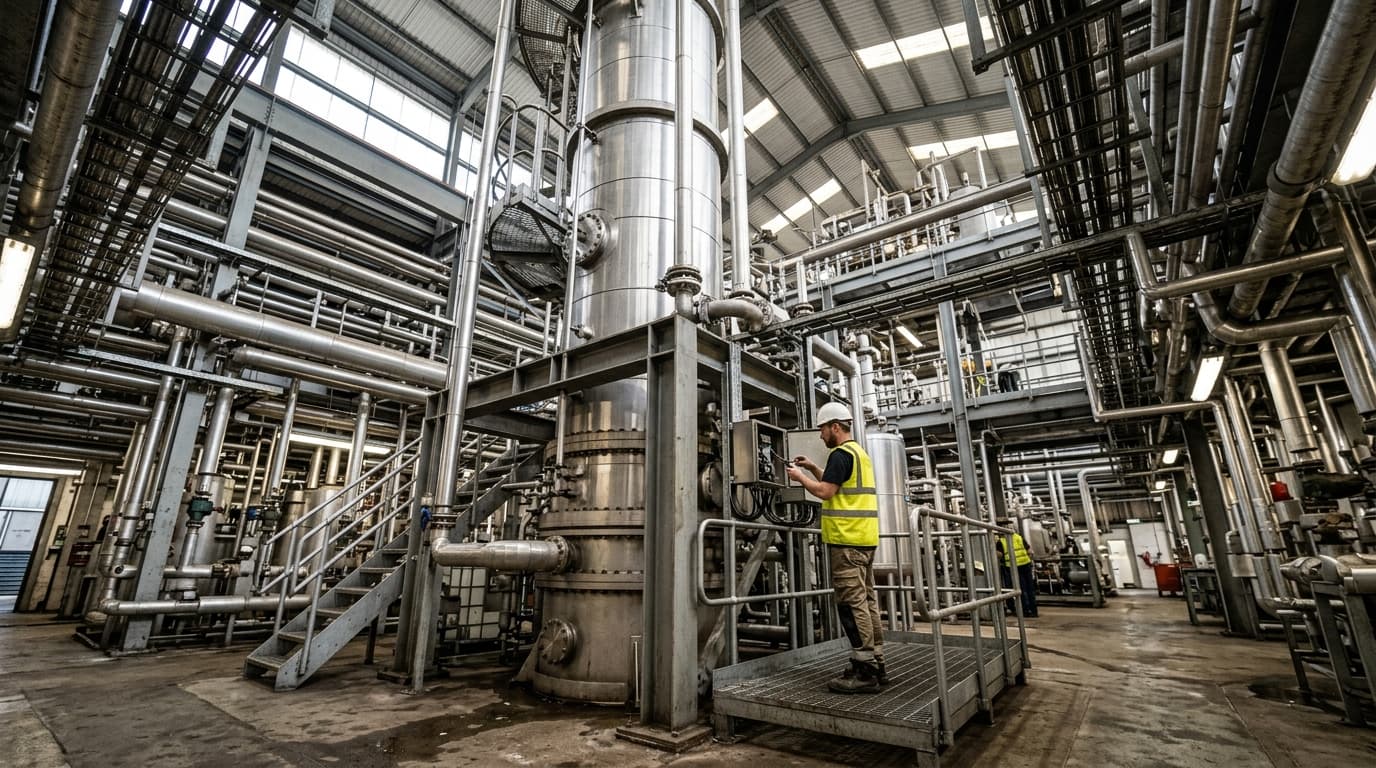



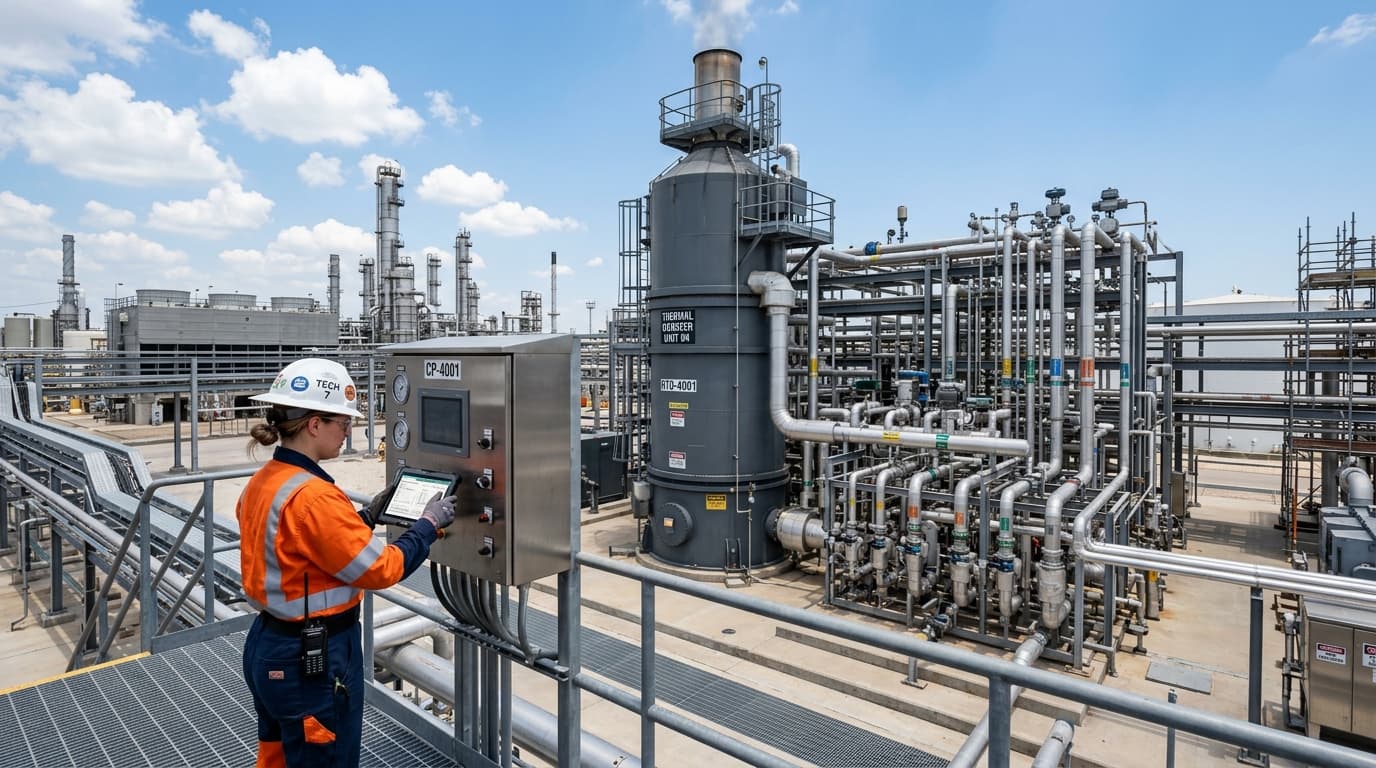
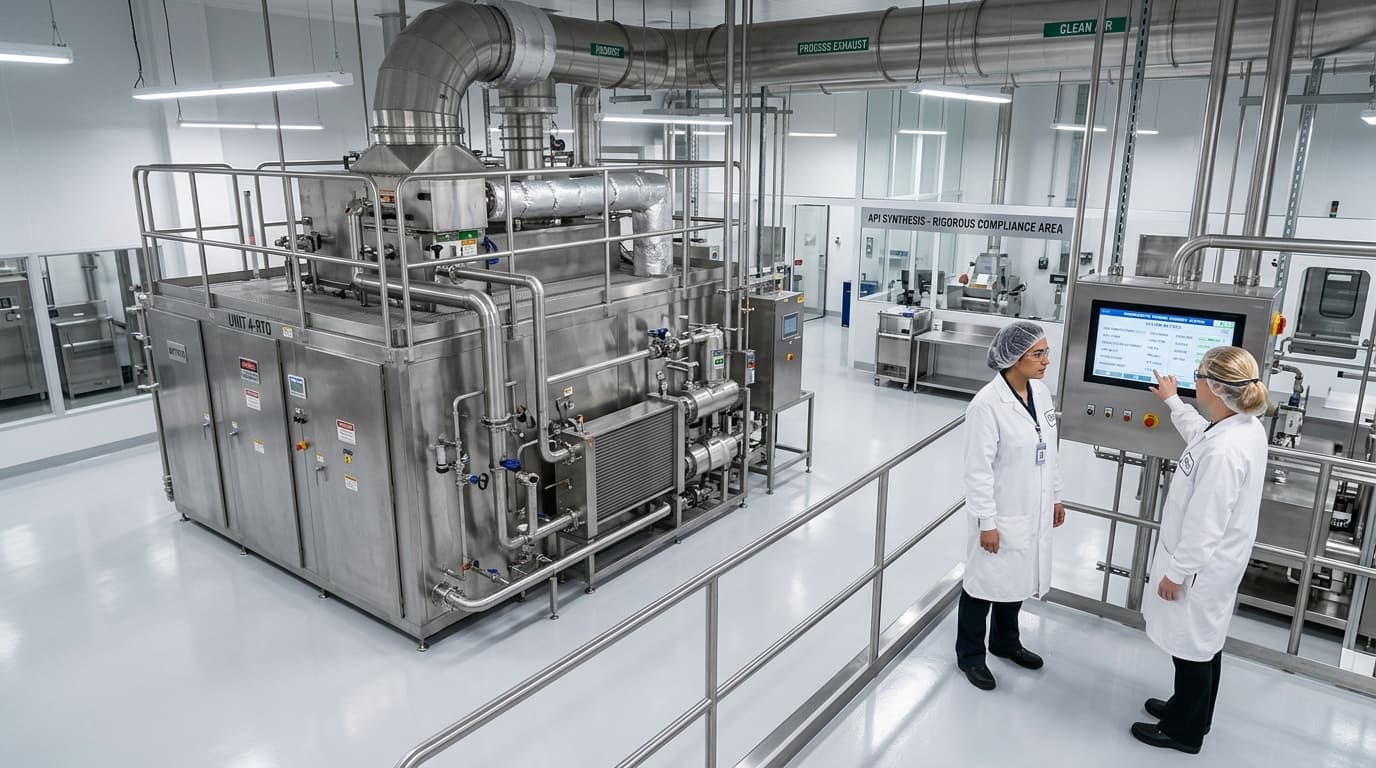
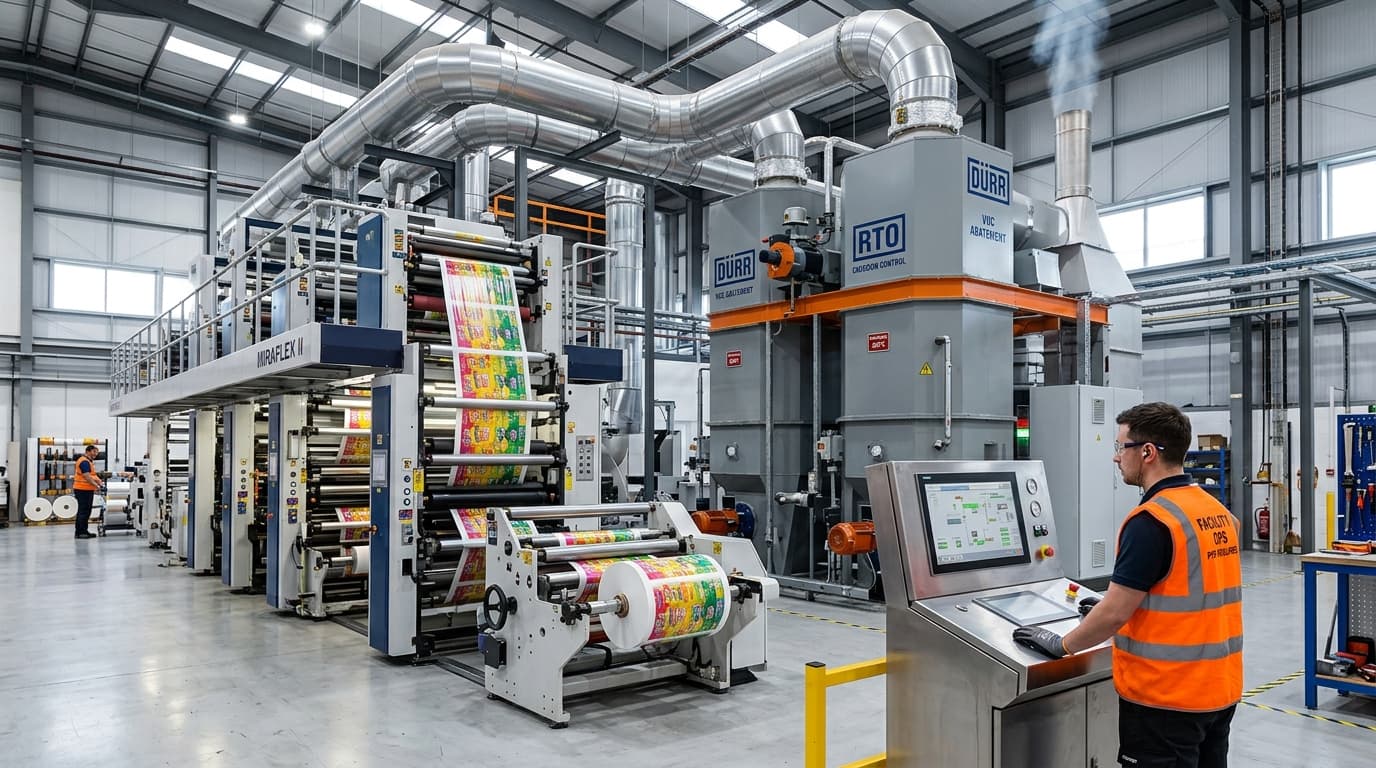


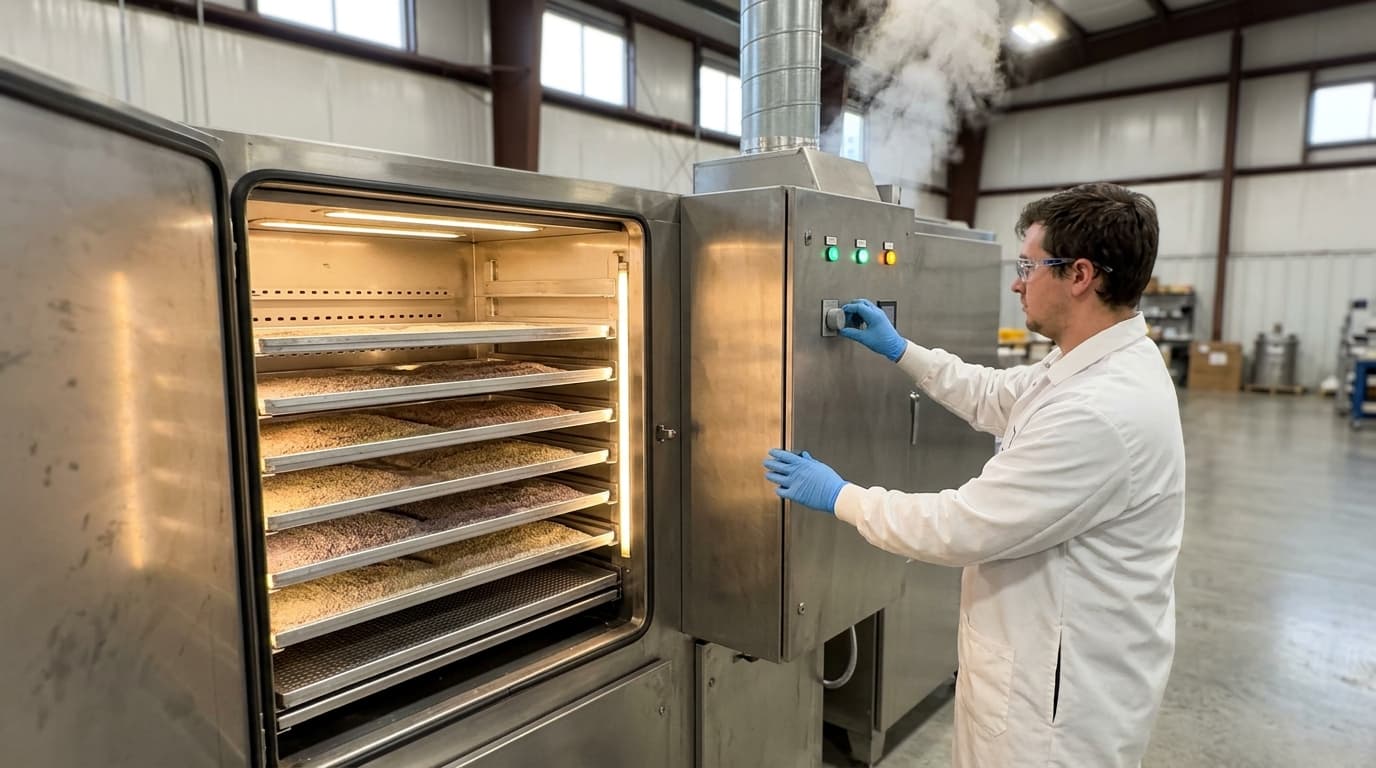
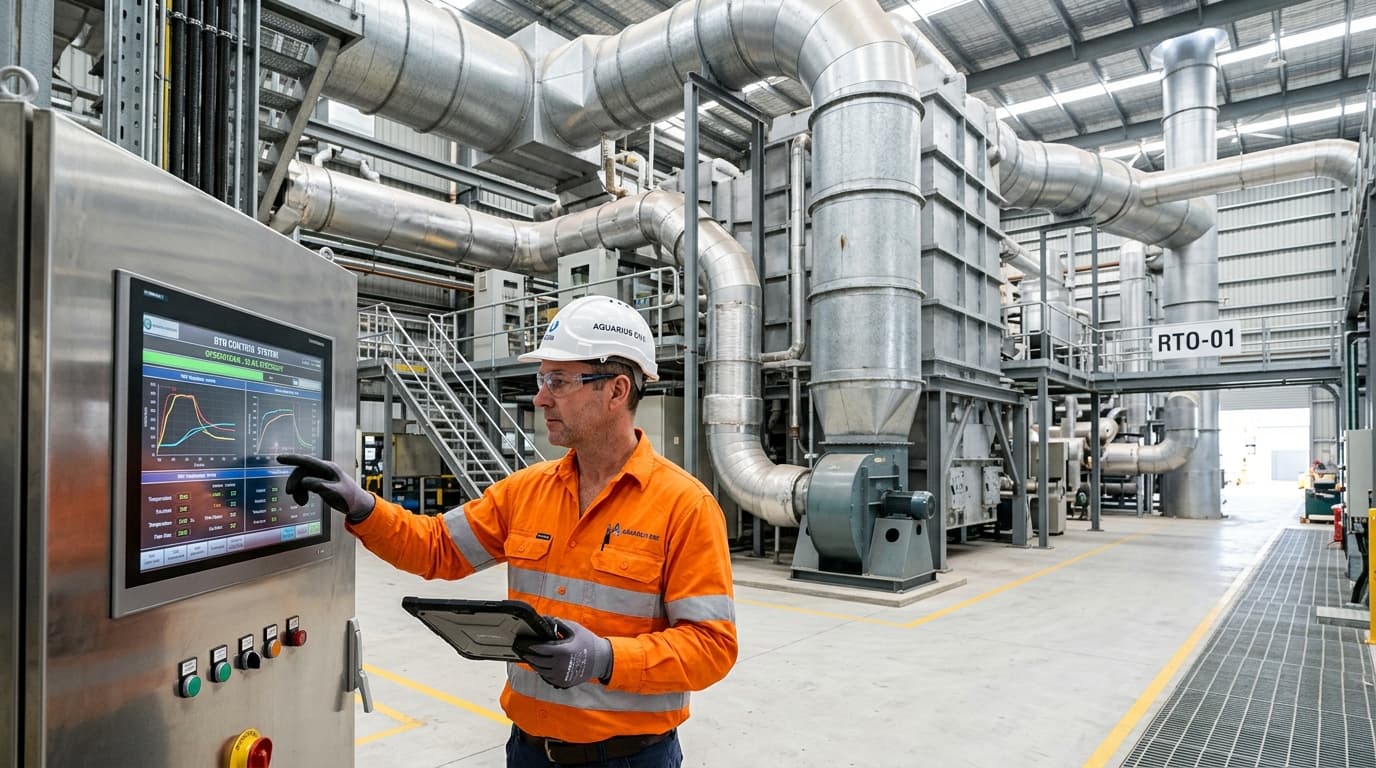
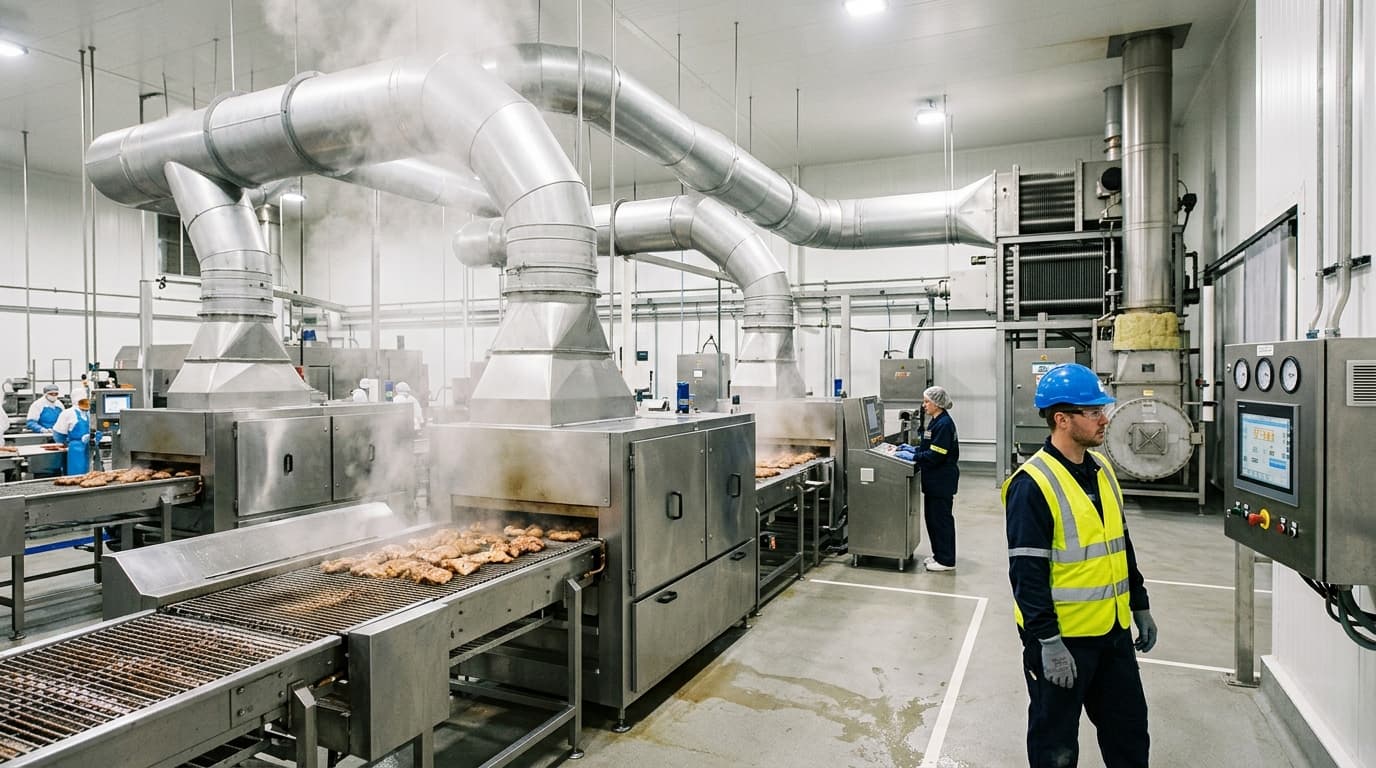
Chemical
Manufacturing
FAQs
Common technical questions about OxiTherm regenerative thermal oxidisers in chemical manufacturing environments.
OxiTherm regenerative thermal oxidisers destroy virtually all volatile organic compounds including aromatic hydrocarbons (benzene, toluene, xylene), chlorinated solvents (DCM, TCE, perchloroethylene), ketones, aldehydes, esters, and complex mixtures from chemical reactor vents. The 850–1,100°C operating temperature and 2.0-second residence time ensure complete oxidation of even the most thermally stable compounds.
The regenerative design uses structured ceramic heat exchange media in multiple beds. Hot purified gas heats the ceramic on exit; incoming contaminated gas absorbs that stored heat on entry. This cycle alternates every 60–120 seconds, recovering 98% of the combustion energy. On concentrated VOC streams (above ~2 g/m³), this can achieve autothermal operation — the heat released by VOC destruction sustains the process without additional fuel.
Yes. Chemical manufacturing often involves batch reactors where VOC concentrations swing from near-zero to peak levels within minutes. The OxiTherm modulating burner system responds in seconds to concentration changes, maintaining combustion chamber temperature and destruction efficiency without the thermal shock or flame instability issues that affect simpler direct-fired systems.
A manifold system collects emission streams from multiple point sources — reactor vents, tank breathing, sample points, loading operations — through dedicated ducting with individual flow control dampers. The combined stream enters the thermal oxidiser at a controlled temperature and flow rate. This centralised approach is far more cost-effective than installing individual abatement systems on each source.
For gas streams containing halogens (chlorine, fluorine, bromine), the OxiTherm system includes acid gas scrubbing on the outlet to neutralise hydrogen halide compounds formed during destruction. Construction materials are specified to resist the specific corrosive species present — including high-alloy stainless steels and specialised refractory linings for chlorinated solvent applications.
Routine maintenance includes burner inspection, ceramic media condition checks, refractory inspection, and valve actuation testing. Typical intervals are 6–12 months for inspection and 5–10 years for ceramic media and refractory replacement. The modular design provides full access to all internal components without confined space entry or major structural disassembly.
Chemical Emission Consultation
Our engineers specialise in chemical plant emission compliance. Tell us about your VOC species, flow rates, concentration ranges, and regulatory permit limits.
- VOC & HAP destruction from reactor vents & distillation
- Solvent recovery off-gas treatment
- Multi-source vent manifold design
- Heat recovery integration for process heating