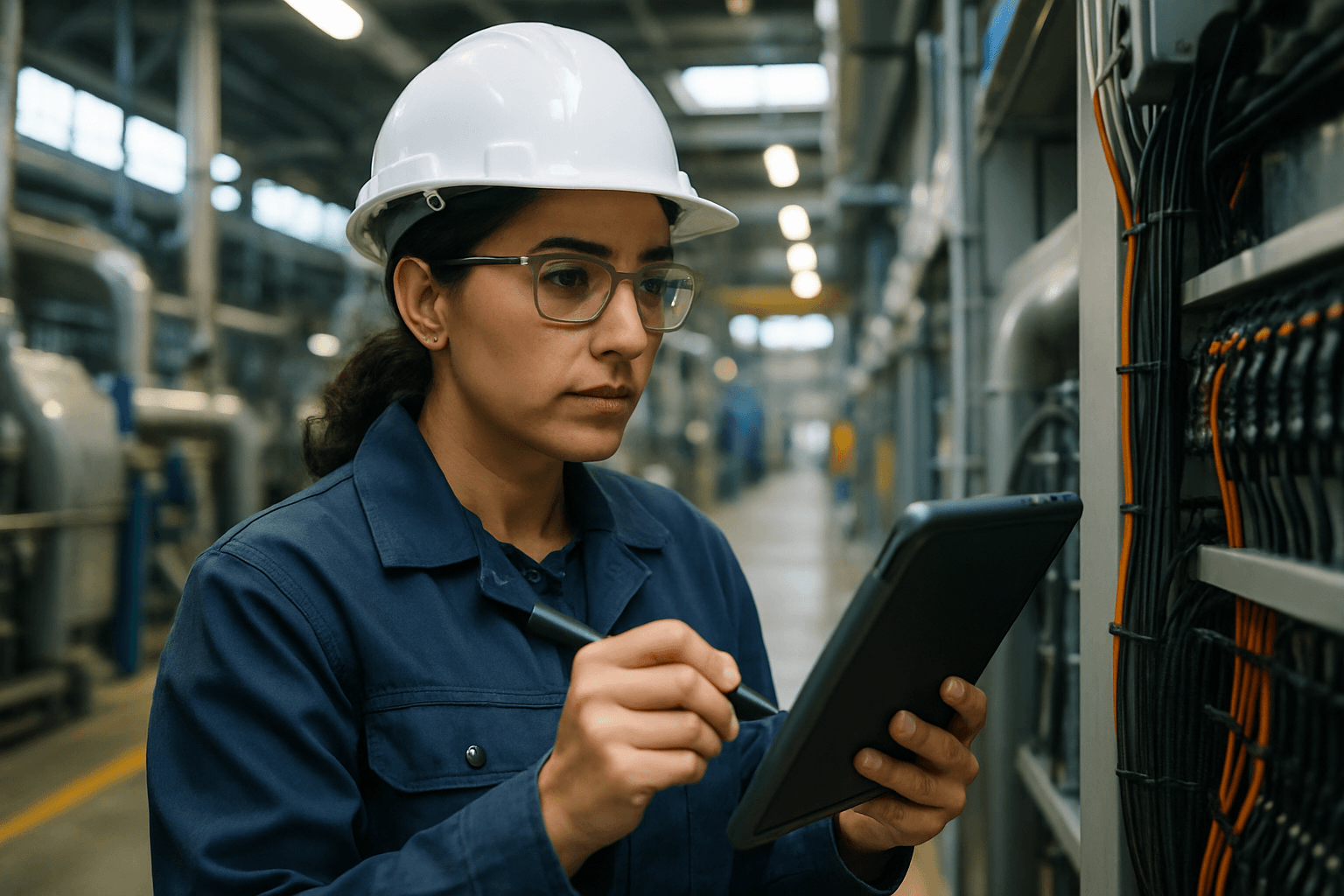
The industrial manufacturing sector, a cornerstone of the global economy, is under increasing pressure to optimize energy consumption, reduce operational costs, and aggressively pursue net-zero energy strategies. Traditional energy auditing, while foundational, is evolving dramatically with the advent of innovative technologies. These advancements are transforming energy management from reactive analysis to proactive, data-driven optimization, playing a crucial role in achieving industrial energy efficiency and significant carbon reduction.
The Imperative for Advanced Industrial Energy Efficiency
Industrial facilities are inherently energy-intensive, with complex machinery and vast operational scales contributing significantly to both operating expenses and greenhouse gas emissions. The global push for sustainability, coupled with fluctuating energy markets and stringent regulatory compliance, makes optimizing energy consumption a strategic imperative rather than an optional endeavor. Modern energy auditing moves beyond historical billing data, employing granular, real-time insights to pinpoint inefficiencies and prioritize investments effectively.
Internet of Things (IoT) and Advanced Sensor Networks
The Internet of Things (IoT) has emerged as a game-changer in industrial energy management by enabling real-time monitoring and control of energy usage across facilities. IoT-empowered smart sensors are crucial for gathering granular, real-time information on energy consumption, equipment performance, and environmental conditions at pivotal points within a manufacturing plant.
Real-time Data Collection and Monitoring
Advanced sensors, including those for temperature, humidity, pressure, flow, and amperage, collect data continuously and transmit it to central systems for analysis. This continuous data stream offers valuable insights into energy use, allowing auditors to identify inefficiencies and opportunities for optimization instantaneously. For instance, sensors can monitor the energy consumption of welding robots or HVAC systems, optimizing their operation or signaling unnecessary activity during downtime.
Predictive Maintenance and Resource Optimization
Beyond simple monitoring, IoT sensors facilitate predictive maintenance by detecting anomalies in equipment performance early, such as excessive vibrations in a pump, thus preventing breakdowns and extending equipment life. This proactive approach reduces unscheduled downtime and lowers costs, contributing to overall energy efficiency. Industrial IoT systems can significantly reduce energy bills, greenhouse gas emissions, and carbon footprint in commercial factories and warehouses.
Artificial Intelligence (AI) and Machine Learning (ML) for Smarter Audits
Artificial Intelligence (AI) and Machine Learning (ML) are revolutionizing industrial energy auditing by transforming raw data into actionable insights and enabling predictive capabilities. By leveraging advanced algorithms and ML techniques, AI helps manufacturers optimize energy use and reduce waste, leading to substantial cost savings and a lower environmental footprint. Industry forecasts suggest AI could reduce energy consumption in manufacturing by up to 20% by 2025.
Predictive Analytics for Energy Demand and Consumption
AI-driven predictive analytics tools analyze historical data, real-time sensor information, and even weather forecasts to anticipate future energy needs and consumption patterns. This allows manufacturers to plan production and procurement more effectively, avoiding shortages and wastage. Predictive analytics can identify inefficiencies and optimize energy use in real-time, resulting in significant energy savings and reduced carbon footprints. They can also predict peak demand periods and identify equipment failures before they occur, recommending energy-saving measures proactively.
Optimized Energy Management and Control
AI can analyze complex energy usage patterns to adjust temperature, lighting, and other energy-consuming devices based on occupancy levels, external weather conditions, and energy prices, reducing consumption without compromising comfort or production. This capability is critical for demand-side response strategies, allowing factories to respond to energy demands in real-time and optimize production schedules based on energy availability. A Siemens report indicates that almost two-thirds of companies are achieving average energy savings of 23% and carbon dioxide reductions averaging 24% through industrial AI for sustainability.
Digital Twins: Virtual Replicas for Holistic Optimization
Digital Twin (DT) technology is emerging as a powerful tool for optimizing energy efficiency and industrial sustainability by creating dynamic, data-driven virtual models of physical systems. These virtual replicas continuously collect real-time data from sensors embedded in machinery, equipment, and processes, providing a comprehensive view of how energy is consumed throughout a manufacturing facility.
Comprehensive Energy Consumption View
In the context of energy management, digital twins offer an unparalleled view of energy flows, allowing facilities to track usage across individual machines on a production line and identify inefficiencies like equipment running during idle periods. They can simulate different production scenarios to evaluate their impact on energy consumption, helping determine the most efficient way to schedule operations to minimize peak energy demand and prevent overloading the electrical grid.
Remote Monitoring and Predictive Modeling
Digital twins enable remote, virtual simulation and optimization of energy consumption, allowing for predictive modeling and highly accurate monitoring without constant on-site audits. This capability is particularly valuable for enhancing energy performance, integrating real-time and historical data within Building Information Modelling (BIM) environments for detailed analyses. DT implementation can lead to energy savings of up to 30%, reduce operational costs, and improve predictive maintenance strategies.
Thermal Imaging for Pinpointing Energy Loss
Thermal imaging cameras are indispensable tools in modern industrial inspections and energy audits, offering unparalleled precision, efficiency, and safety. These non-contact devices detect and measure infrared energy (heat signatures) radiated by objects, converting this data into visual thermal images.
Identifying Heat Loss and Insulation Gaps
Thermal imaging is essential for detecting energy losses caused by inadequate insulation, heat leaks, and inefficient procedures. In manufacturing facilities, they can identify excessive heat loss from boilers, furnaces, or piping systems, enabling businesses to take corrective action like repairing damaged insulation. Similarly, thermal cameras in HVAC systems help identify airflow problems and ductwork leaks, enhancing energy efficiency and lowering utility costs.
Electrical and Equipment Fault Detection
Beyond heat loss, thermal imaging cameras are critical for locating overloaded electrical circuits, identifying hotspots in wiring, breakers, and transformers, and detecting overheated equipment before faults occur. This proactive approach to maintenance improves equipment and worker safety while extending the lifespan of industrial assets.
Drone Technology for Large-Scale Inspections
Drones, or Unmanned Aerial Vehicles (UAVs), are transforming energy audits, especially for large industrial facilities and hard-to-reach areas. Equipped with high-resolution cameras and thermal imaging sensors, drones can quickly and safely inspect infrastructure that would otherwise be dangerous, costly, or time-consuming to assess manually.
Enhanced Safety and Efficiency
One of the most immediate benefits of drones is the dramatic reduction in human exposure to hazardous tasks, such as climbing transmission towers or inspecting flare stacks. Drones can capture detailed visual, thermal, and LiDAR data in a fraction of the time compared to traditional methods, significantly cutting inspection time and operational costs.
Comprehensive Data Capture
Drones provide a comprehensive view of a facility’s energy usage by capturing detailed images and data from multiple angles, allowing auditors to make informed decisions and recommendations. They are effective for pre-audit assessments, identifying potential areas of concern early on, and are also used in the renewable energy sector to identify faulty solar panels or overheated wind turbine components.
The Future of Industrial Energy Auditing
The convergence of these innovative technologies is ushering in a new era of industrial energy auditing. This shift from manual, time-consuming inspections to automated, data-rich, and predictive assessments is crucial for industrial manufacturing as it strives towards net-zero energy strategies and significant carbon reduction. The integration of advanced sensors, AI, digital twins, thermal imaging, and drones provides a holistic and dynamic understanding of energy consumption, empowering businesses to make smarter, more sustainable decisions for a competitive and environmentally responsible future.