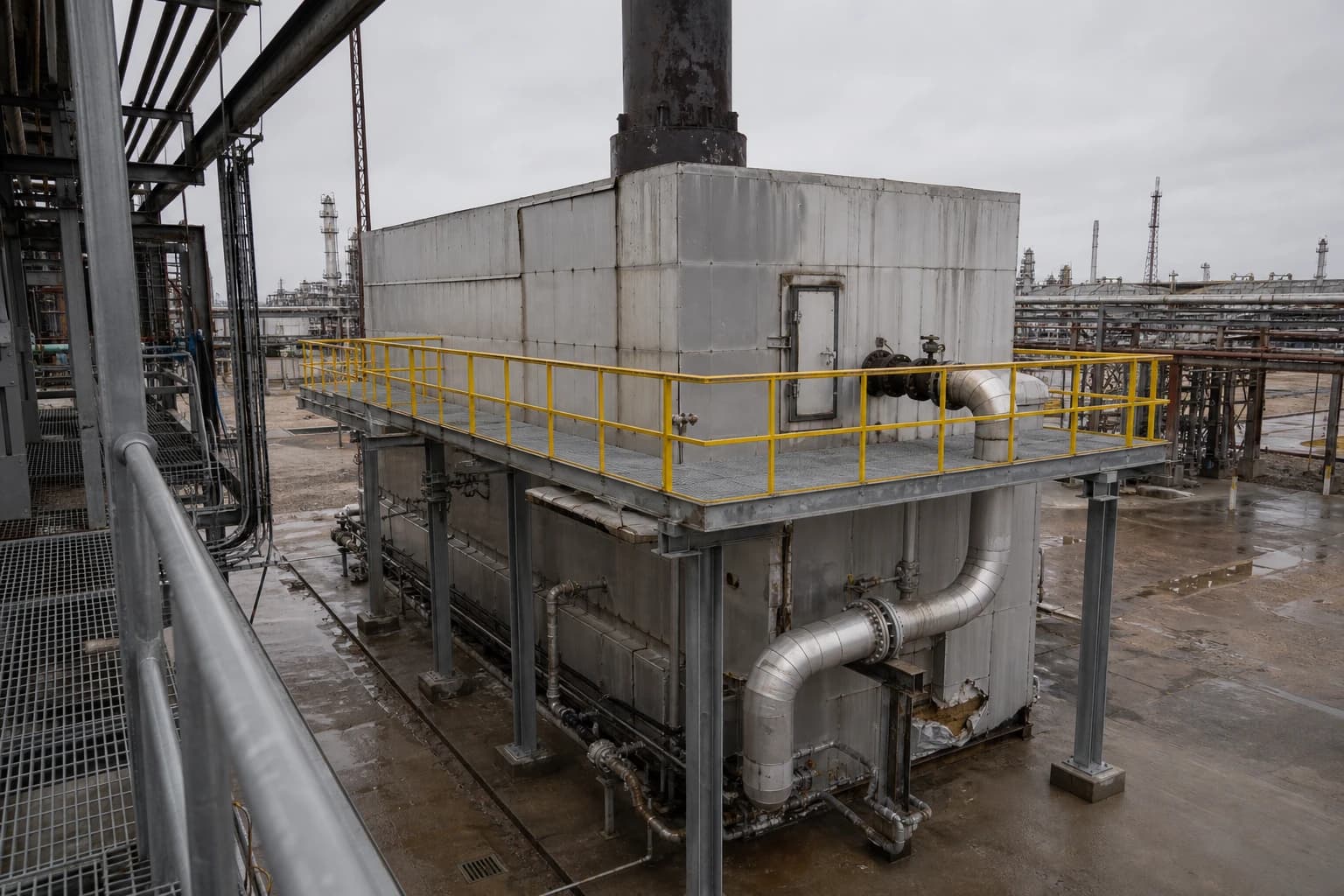
// IMAGE_UNAVAILABLEHeat Exchanger Network Optimisation: The ΔTmin Trade-Off1704[Pinch Analysis]Heat Exchanger Network Optimisation: The ΔTmin Trade-OffCut refinery heating fuel by 8%-25% with heat exchanger network optimisation. Balance ΔTmin, heat recovery, exchanger cost and emissions.// August 31, 2026Open →
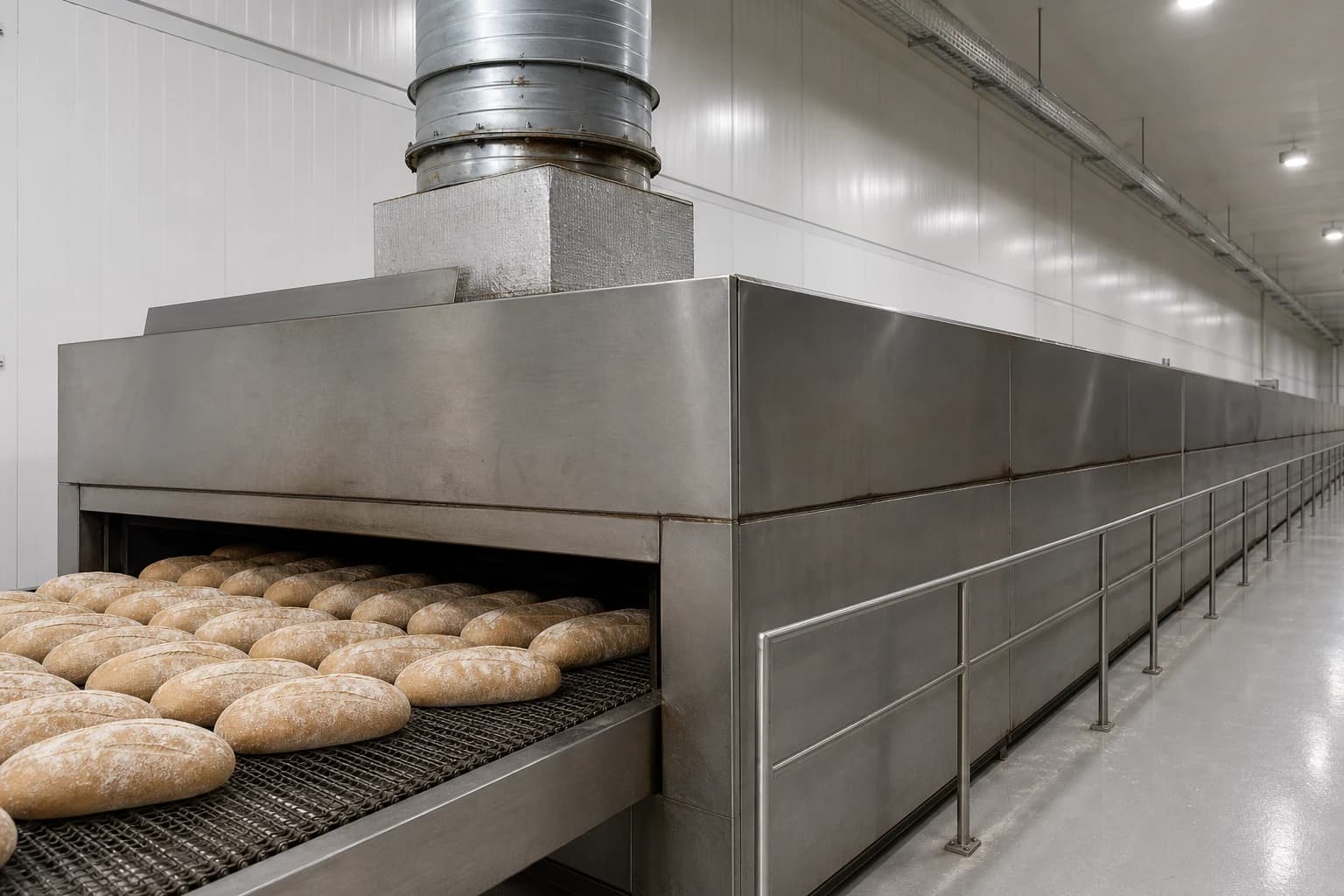
// IMAGE_UNAVAILABLEEnergy Reduction Strategies for Bakeries: Oven Heat Losses1703[Heat & Mass Balance for Food & Beverage]Energy Reduction Strategies for Bakeries: Oven Heat LossesBakery oven energy use ranges from 0.110-2.0 kWh/kg. Measure exhaust, casing and idle heat losses to cut costs and protect bake quality.// August 31, 2026Open →
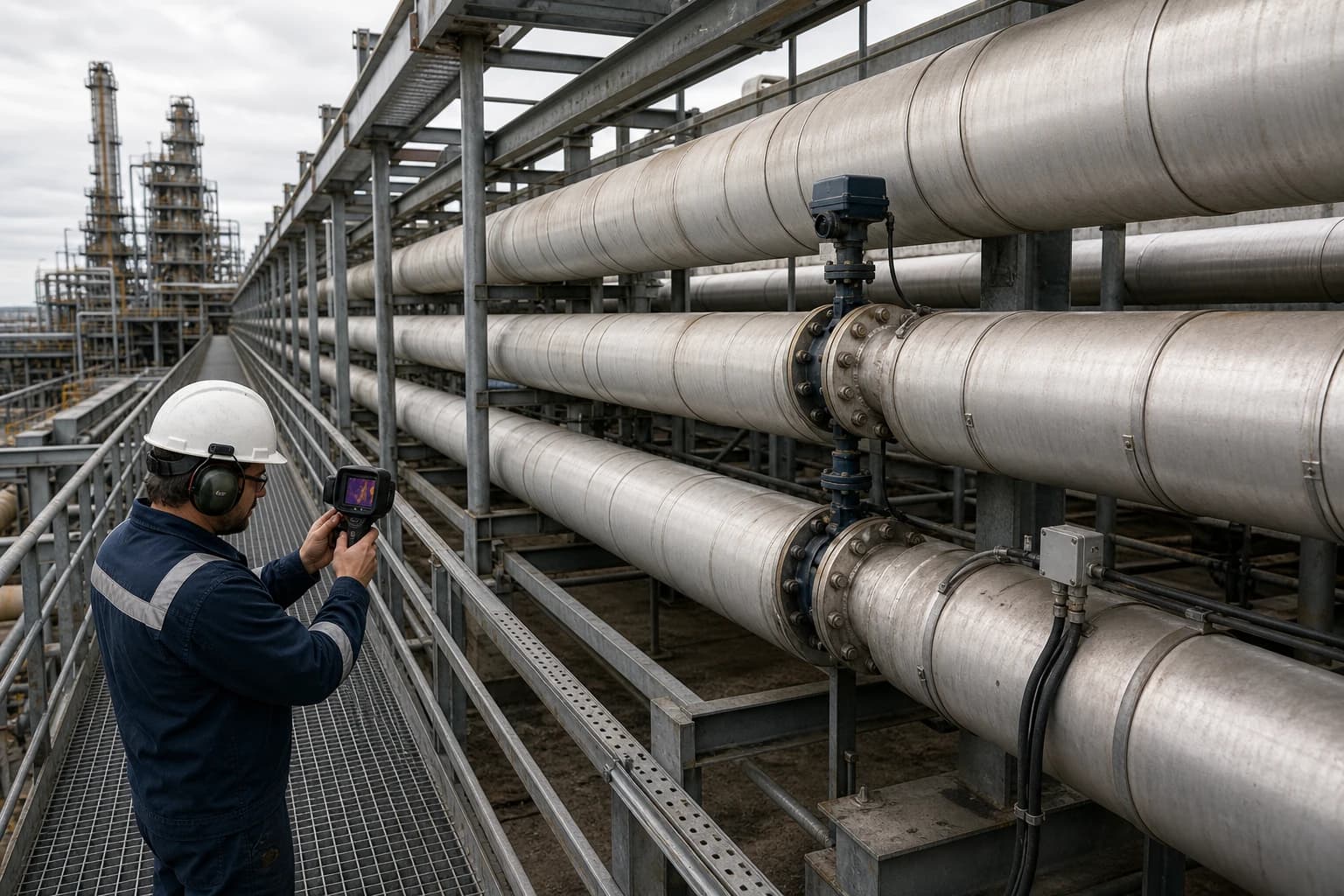
// IMAGE_UNAVAILABLEPinch Analysis Methodology: Two Routes to Heat Targets1702[Heat And Mass Balance]Pinch Analysis Methodology: Two Routes to Heat TargetsPinch analysis methodology compares Composite Curves and Problem Tables to set ΔTmin heat recovery, hot utility and cold utility targets.// August 31, 2026Open →
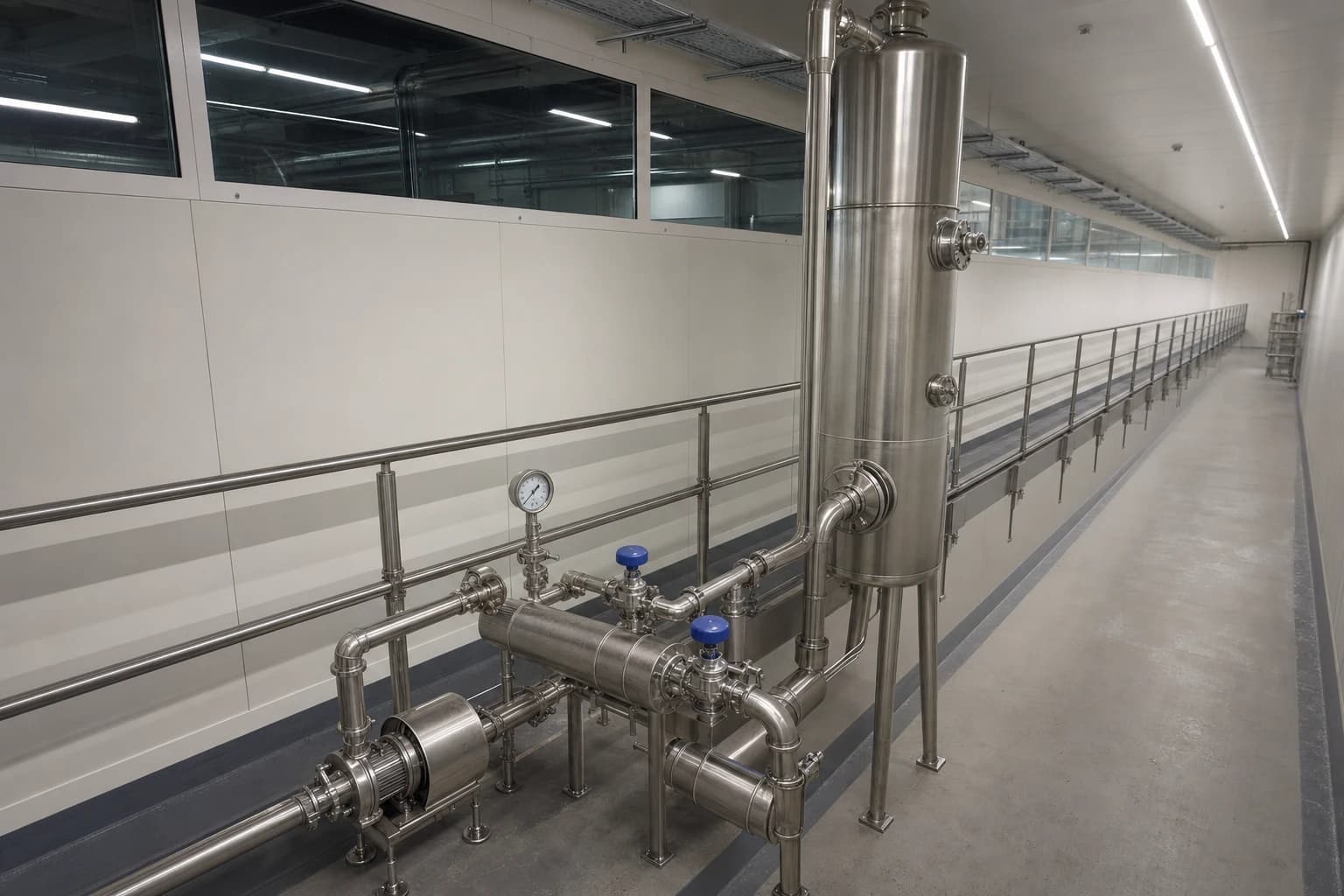
// IMAGE_UNAVAILABLEWhy WFI Heat Recovery Can Cut Clean Utility Energy Waste1701[Energy Audit for Pharmaceutical]Why WFI Heat Recovery Can Cut Clean Utility Energy WasteWFI heat recovery cuts distillation steam and condenser cooling demand while supporting GMP control and continuous circulation above 70°C.// August 28, 2026Open →
// IMAGE_UNAVAILABLEEnergy Intelligence Platform Cuts Food Plant Costs 15-25%1700[Omni Vision for Food & Beverage]Energy Intelligence Platform Cuts Food Plant Costs 15-25%Food plants can cut energy costs 15-25% with an OPC-UA platform linking six utility streams to production KPIs and ISO 50001 reporting.// August 28, 2026Open →
// IMAGE_UNAVAILABLEESOS Compliance Software: Is Your Data Ready for Phase 4?1699[Omni Vision for Environmental Monitoring]ESOS Compliance Software: Is Your Data Ready for Phase 4?Prepare for ESOS Phase 4 by 5 December 2027 with real-time metering and compliance software that delivers traceable, audit-ready energy data.// August 27, 2026Open →