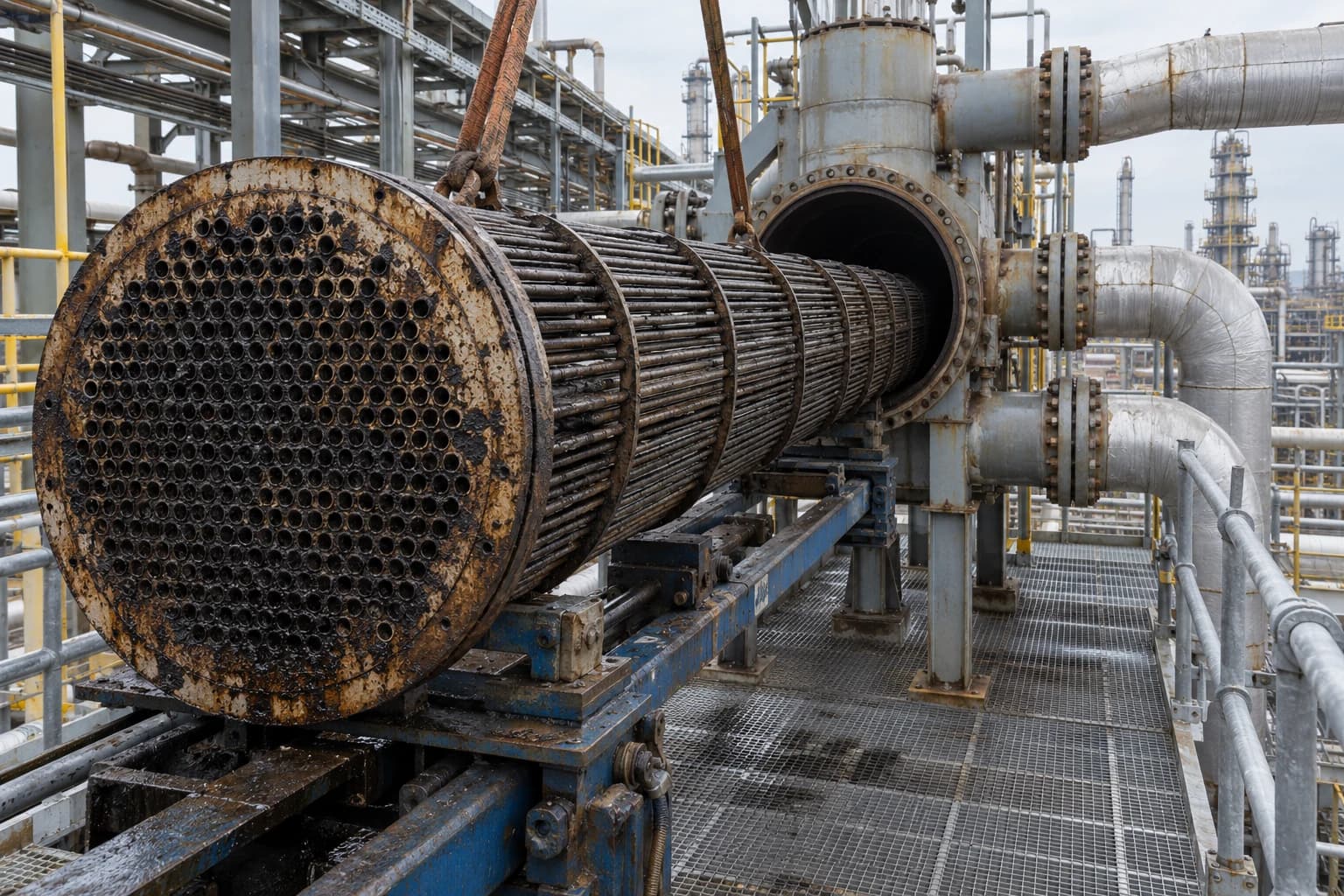
1766How Refinery Pinch Analysis Finds Heat Recovery in CDUsRefinery pinch analysis finds CDU heat recovery opportunities, raising crude preheat temperature while cutting fired heater duty and cooling loads.// September 30, 2026Open →
1735Refinery Debottlenecking: Solving the Network PinchRefinery debottlenecking uses pinch analysis and heat integration to boost throughput, cut heater duty and avoid major plant expansion.// September 16, 2026Open →
1708Why Refineries Use Pinch Analysis to Cut Fuel CostsPinch Analysis helps refineries cut fuel, steam and power costs by recovering process heat, lowering emissions and meeting refinery BAT energy targets.// September 2, 2026Open →
1682Why Crude Preheat Train Optimisation Cuts CDU Fuel UseA 2021 CDU retrofit cut energy use 8% through crude preheat train optimization, reducing refinery fired-heater fuel gas and stack emissions.// August 19, 2026Open →
1657Why Refineries Set a 20-40°C Minimum Approach TemperatureRefineries use a 20-40°C minimum approach temperature to balance fuel savings, exchanger area, fouling risk and crude preheat run lengths.// August 7, 2026Open →
1613CDU Pinch Analysis Cuts Refinery Emissions by up to 25%Cut refinery emissions by up to 25% with CDU pinch analysis. Optimise crude distillation unit preheat trains to lower fuel use and utility costs.// July 23, 2026Open →
1598Comparing Aspen and HTRI Heat Integration SoftwareIdentify refinery preheat train retrofits with payback under 0.75 years. Compare Aspen and HTRI heat integration software for MINLP and Pinch Analysis.// July 16, 2026Open →