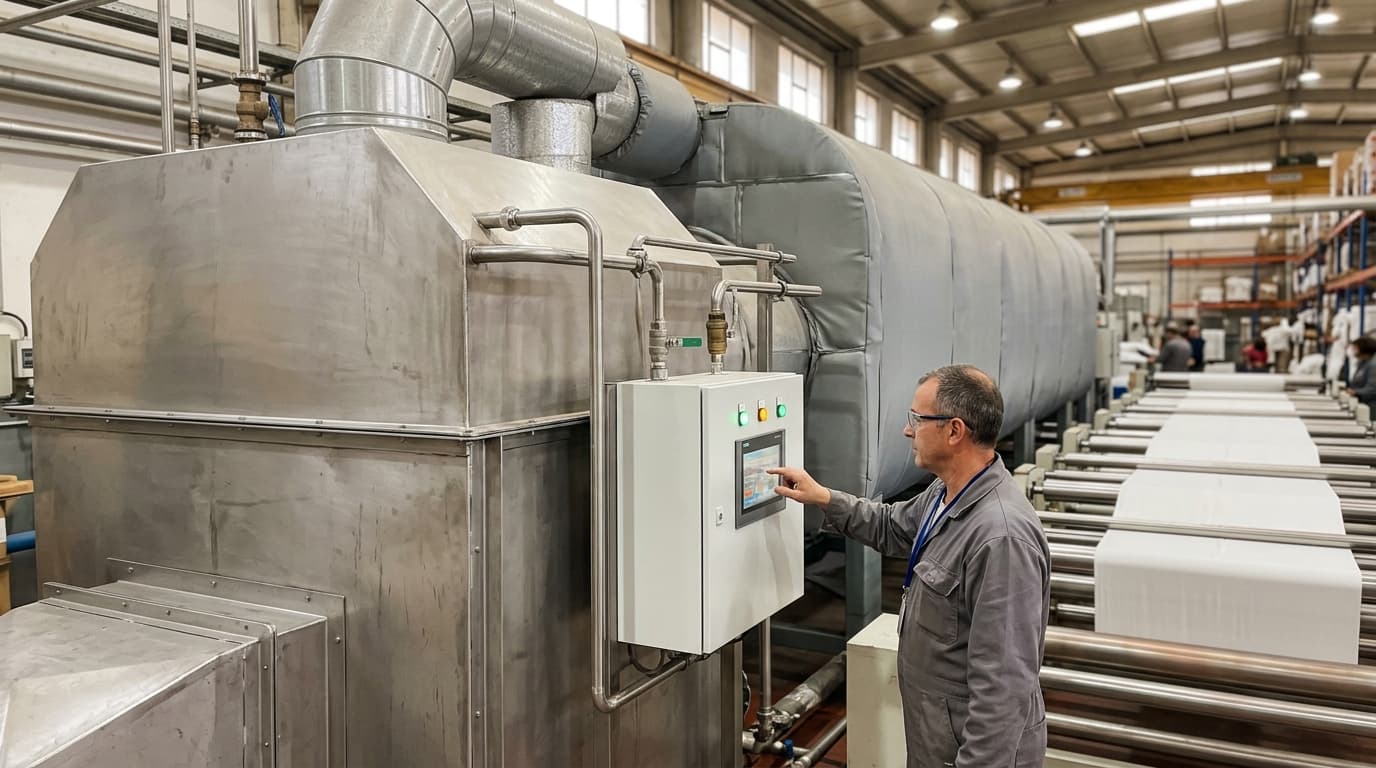
Textile Industry
Process
Heating
Clean, precise heat for cloth drying, yarn processing & industrial laundries.
Indirect process heaters delivering contamination-free thermal energy for the textile industry. From delicate fabric drying tunnels to high-throughput industrial flatwork laundries — reliable, efficient, and fibre-safe.
Two Models,
One Solution
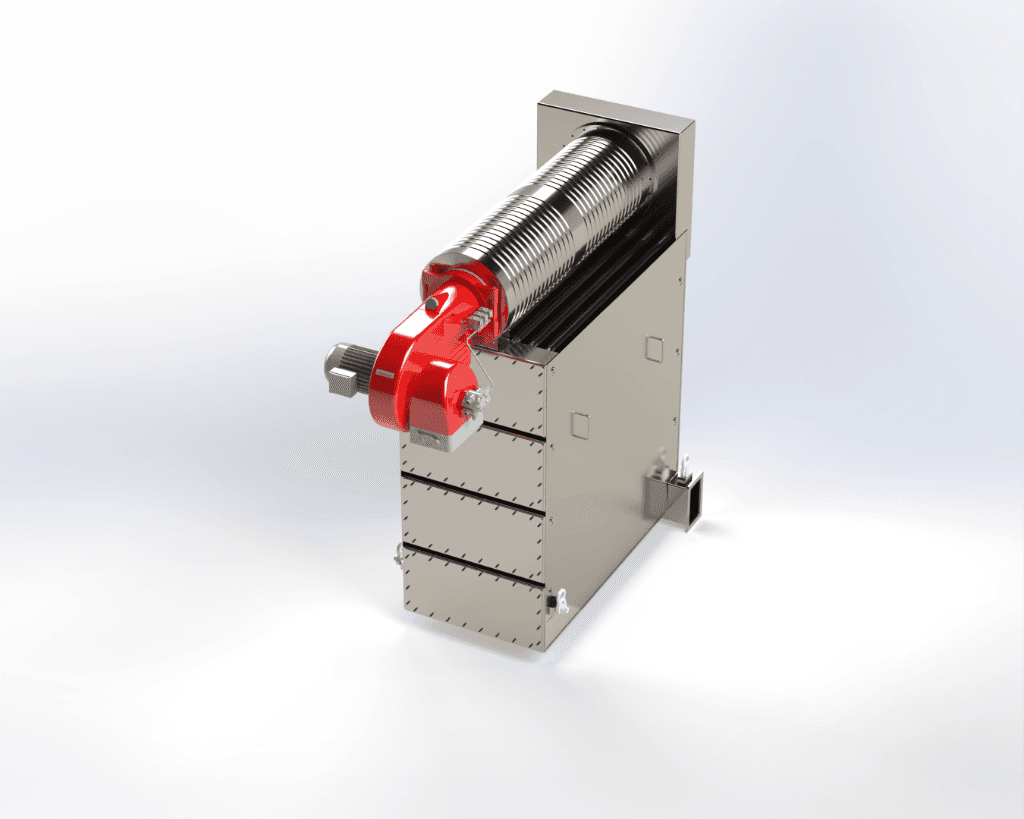
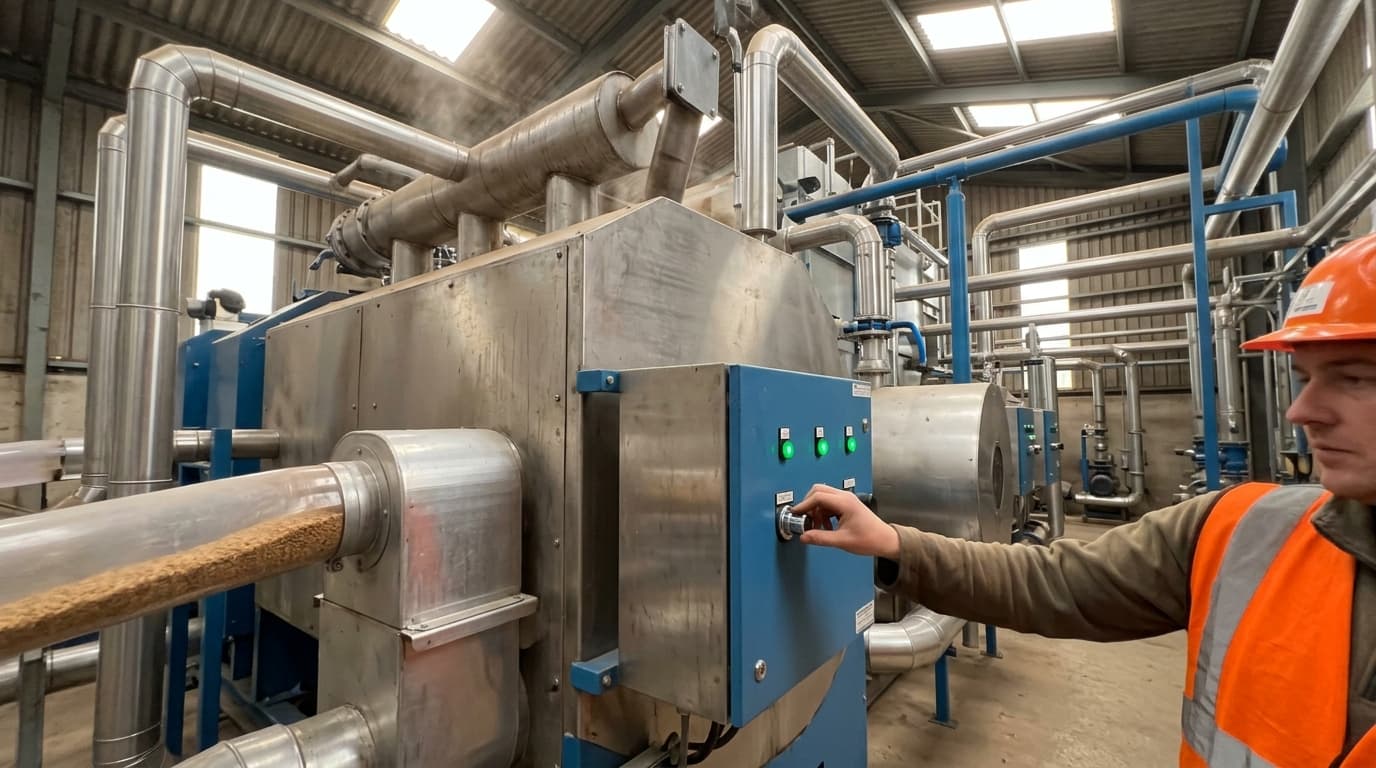
Single-burner indirect process heater for compact installations — 750 to 1,250 kW thermal output.
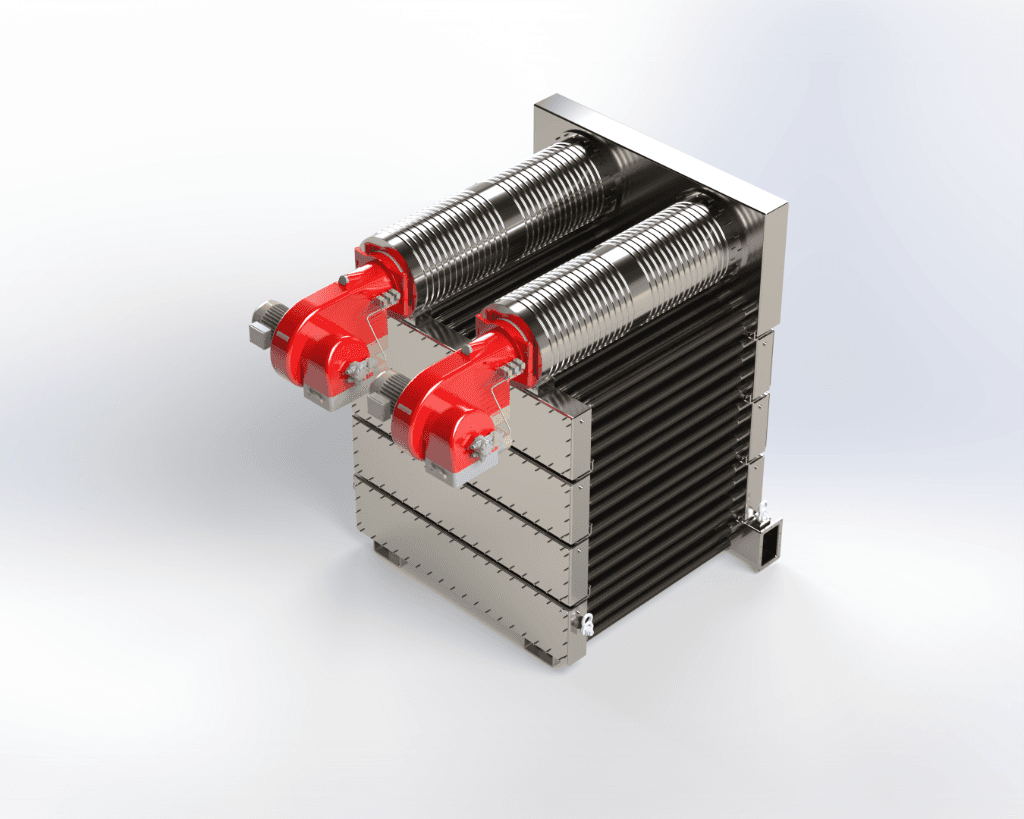
Double-burner indirect process heater for high-capacity applications — 1,500 to 2,500 kW thermal output.
Textile Industry
Applications
Select an application to see how our indirect process heaters meet your specific textile heating challenge.
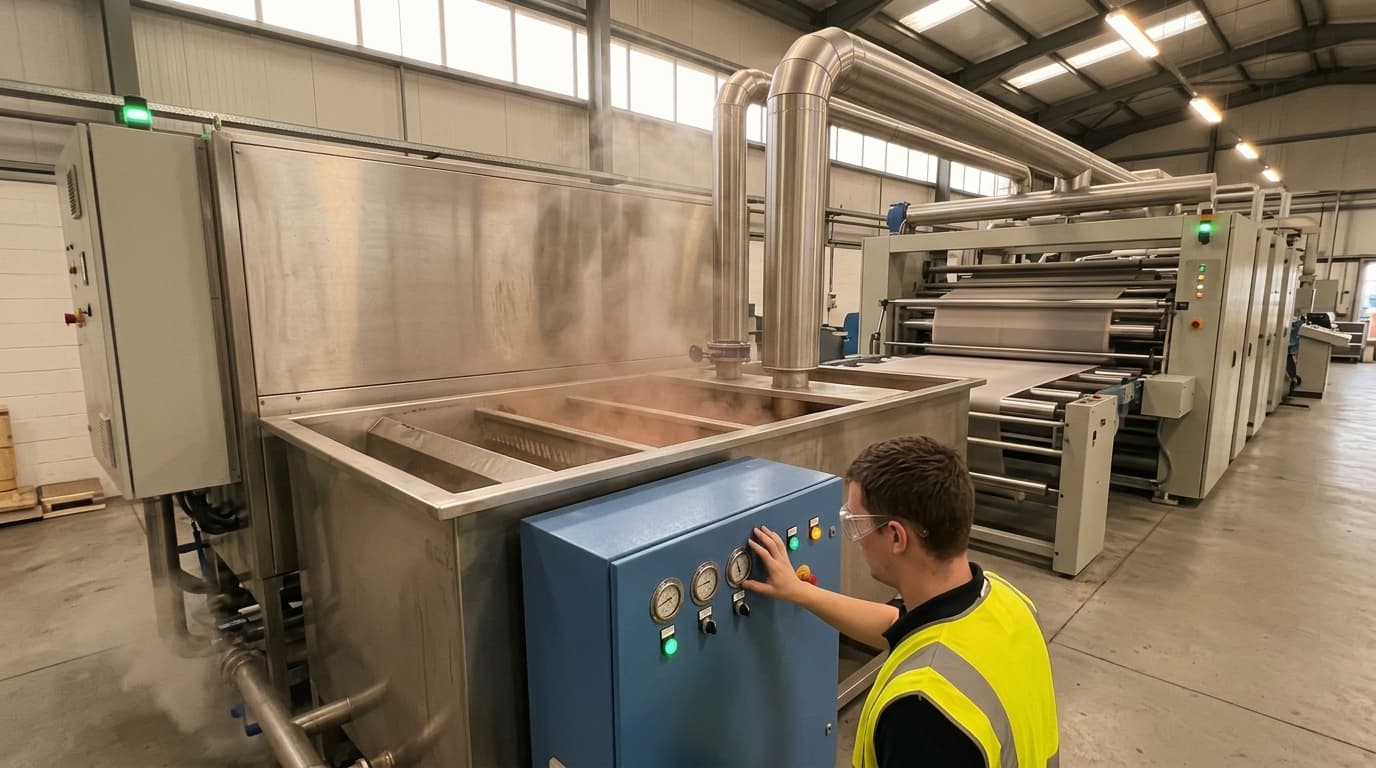
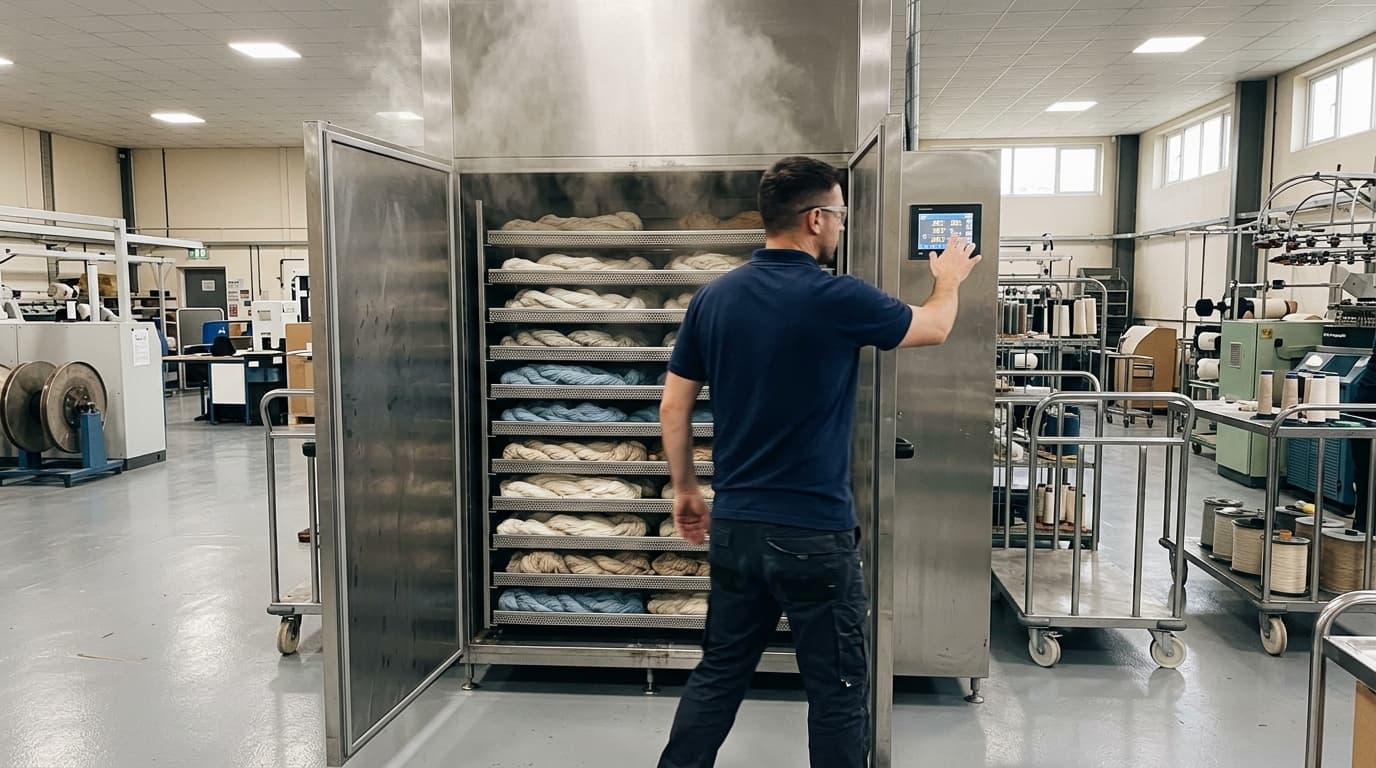
Delicate fabrics and spun yarns demand precise, even heat that removes moisture without causing shrinkage, colour shift, or fibre stress. Our indirect process heaters deliver clean, temperature-controlled hot air across the full drying tunnel width — protecting product quality at every metre per minute.
Indirect Heating
Zero fabric contamination from combustion
Multi-Fuel Ready
Natural gas, LPG, biogas flexibility
Smart Controls
Modulating burners with PLC automation
20+ Year Life
Free-floating tube bundle design
Built for
Textile Industry
Key advantages for high-throughput textile and laundry operations.
Zero Fabric Contamination
Indirect design keeps all combustion gases out of the drying air stream — no soot, no odours, no risk of staining white or light-coloured fabrics.
Lower Energy Cost
80–90% thermal efficiency with optional heat recovery reduces the cost per tonne of processed textile — a major win on high-volume continuous lines.
Multi-Fuel Flexibility
Natural gas, LPG, or biogas — change fuel source without equipment modifications to match the cheapest available supply.
750 kW to 2500 kW Output
Single and double-burner configurations scale from medium-sized dye houses to the largest industrial flatwork laundry operations.
Continuous Production Ready
Designed for 24/7 industrial throughput. ~30 minute cold start and modulating output matches any shift pattern with no warm-up delays.
20+ Year Service Life
Free-floating tube bundle handles continuous thermal cycling without stress cracking — minimal maintenance, maximum uptime.
Built to Fit
Your Operation
Drop-in heat source for your existing drying tunnel or laundry line — no major structural changes, minimal downtime.
Heat the Air.
Not the Fibre.
Never the Brand.
A combustion gas contamination event doesn't just ruin a batch of fabric — it discolours white goods, sets off odour complaints, and ends contracts. EcoHeat indirect heaters keep every combustion byproduct sealed away from your product: clean, uniform, fibre-safe hot air, from cold start to full output in 30 minutes.
Indirect heating delivers combustion-free hot air. No soot, no combustion byproducts — colour stays true and fibre integrity is maintained across every batch.
80–90% thermal efficiency and optional heat recovery significantly reduce cost-per-tonne — a major advantage over steam-based drying systems.
Free-floating tube bundle design handles continuous thermal cycling without cracking. Sub-2-hour service intervals keep your line running on schedule.
Free-floating tube bundle design handles continuous thermal cycling without cracking. Sub-2-hour service intervals keep your line running on schedule.
Related Products
& Services
Complementary equipment and engineering services for your process.
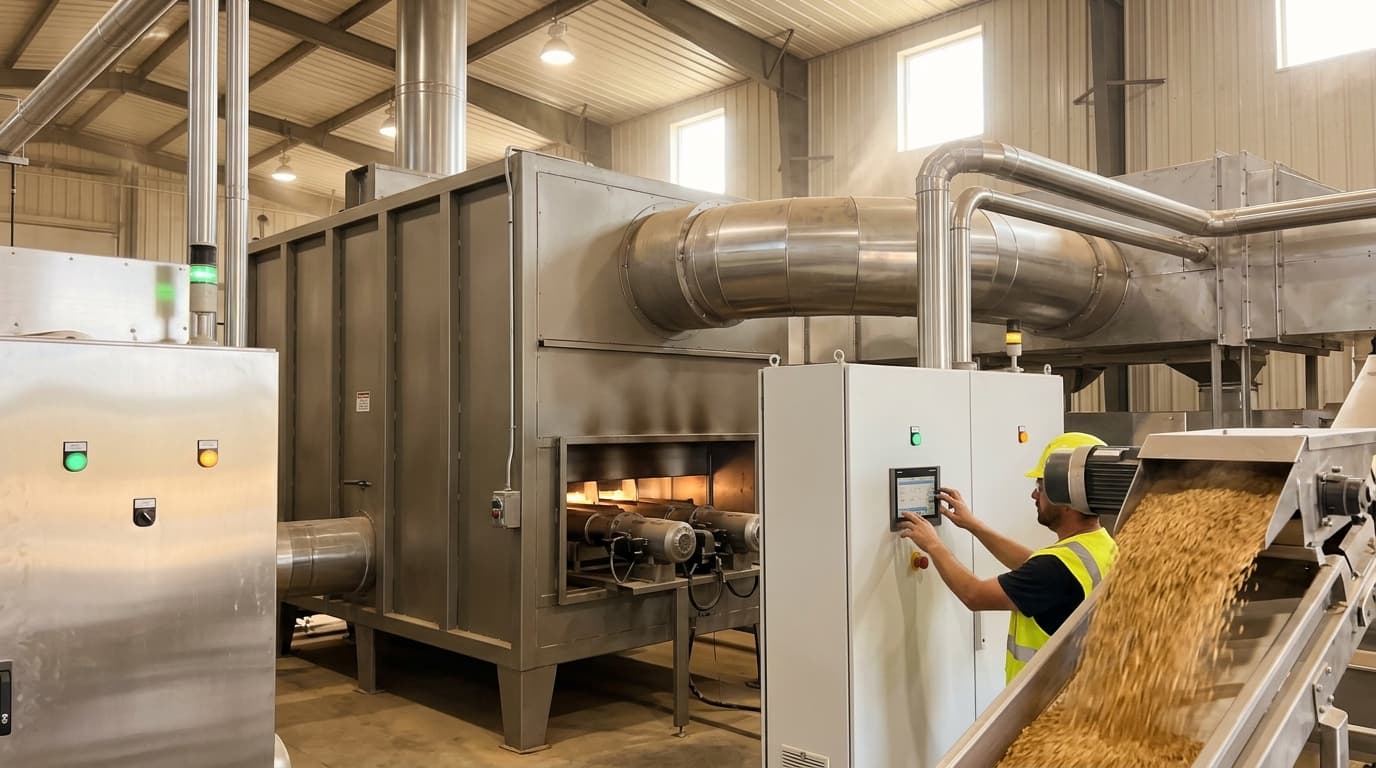
Textile Industry
FAQs
Common questions about indirect process heating for textile drying and industrial laundry applications.
Our indirect process heaters use a heat exchanger to fully separate combustion from the drying air. The air that contacts your fabric or yarn carries zero combustion gases, soot particles, or chemical byproducts. This prevents contamination, discolouration, and unwanted odours — critical for white goods, technical textiles, and finished garments.
Our systems support a wide range from 80°C for delicate synthetics up to 160°C for heavy cotton and workwear drying. Temperature is held within ±2°C across the full drying cross-section, ensuring uniform moisture removal without localised hotspots that cause shrinkage.
Absolutely. The EcoHeat series is engineered for continuous industrial operation. With ~30 minute cold start, modulating burners that respond instantly to load variation, and front-access maintenance panels for sub-2-hour service intervals, your laundry line keeps running regardless of shift pattern.
Our units support natural gas, LPG, and biogas. For most industrial textile sites connected to the gas grid, natural gas is standard. For sites without mains gas, LPG bulk storage provides a reliable alternative. Dual-fuel burners are also available for facilities needing supply redundancy.
The EcoHeat units connect directly to your existing hot-air ducting as a standalone heat source, replacing or supplementing steam or direct-fired burners. Custom inlet/outlet flanges, integration with existing PLC controls, and modular sizing make retrofit projects straightforward — typically completed without major production downtime.
Direct gas-to-air heating via an indirect heater is significantly more efficient than steam — eliminating boiler losses, condensate return costs, and steam distribution losses. Most textile operations switching from steam to indirect hot-air heating recover the investment within 2–4 years, with ongoing savings of 25–40% on thermal energy costs.
Textile Industry
Consultation
Our engineering team specialises in textile thermal solutions. Tell us about your drying or laundry heating requirements.
- Cloth & yarn drying tunnel heating
- Industrial flatwork laundry systems
- Fuel cost & efficiency analysis
- Retrofit & integration planning