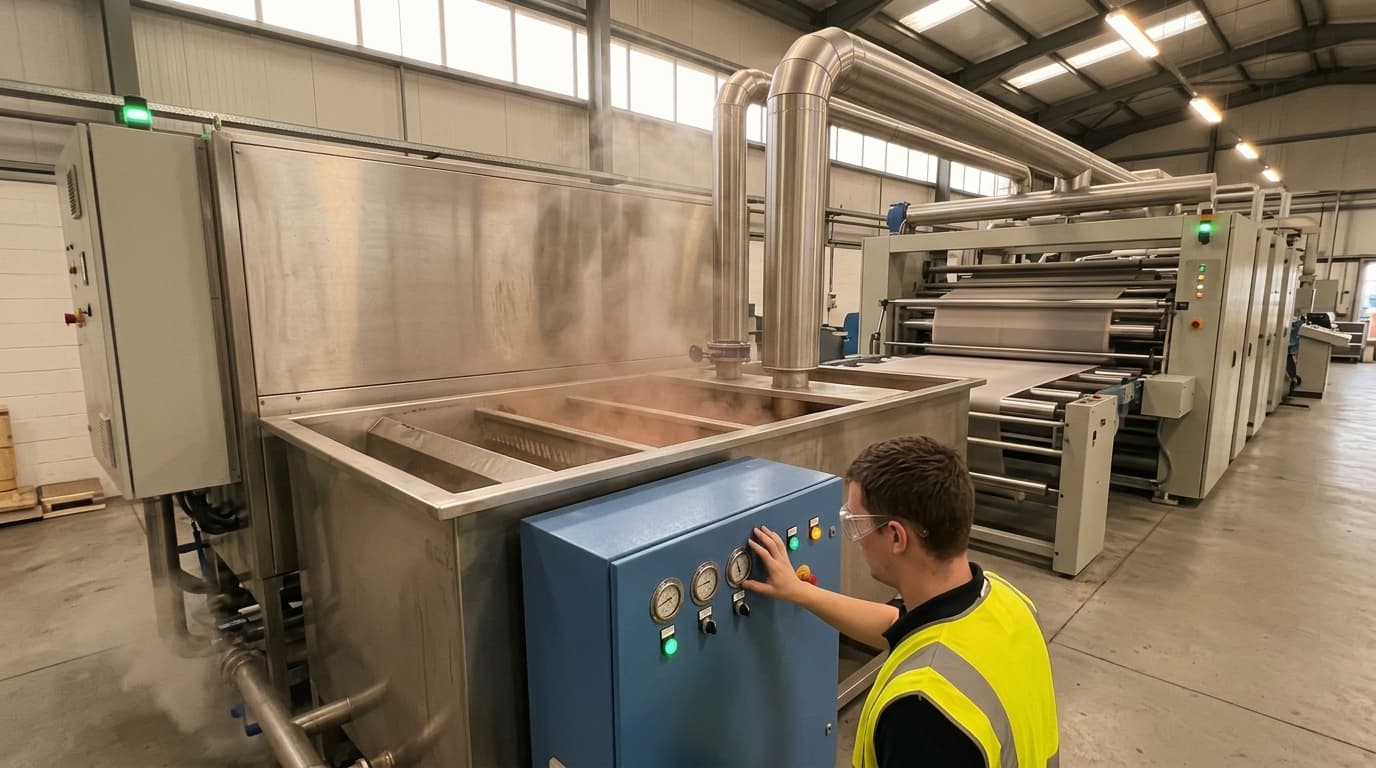
Textile Industry
Condensation
EcoRec condensers for drying exhaust recovery and water recycling in textile production.
Purpose-built EcoRec direct contact condensers for the textile industry. Recover water vapour and latent heat from drying exhaust stacks — reducing water consumption for dye processes, cutting energy costs, and supporting sustainability compliance across textile manufacturing.
Four Models,
One Solution
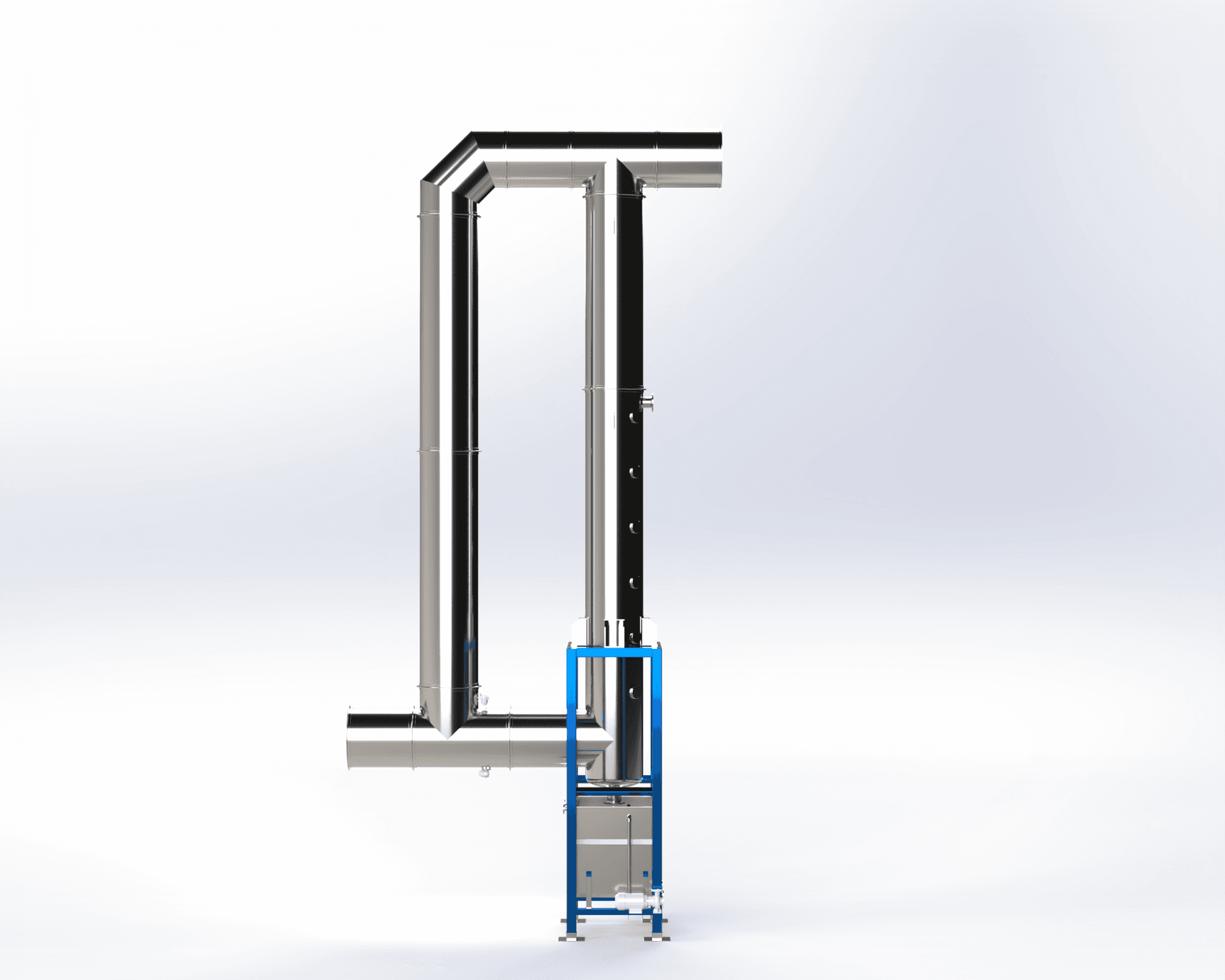
Compact flue gas condenser for heat recovery from boiler exhaust — efficient energy capture at 1,500 kW.
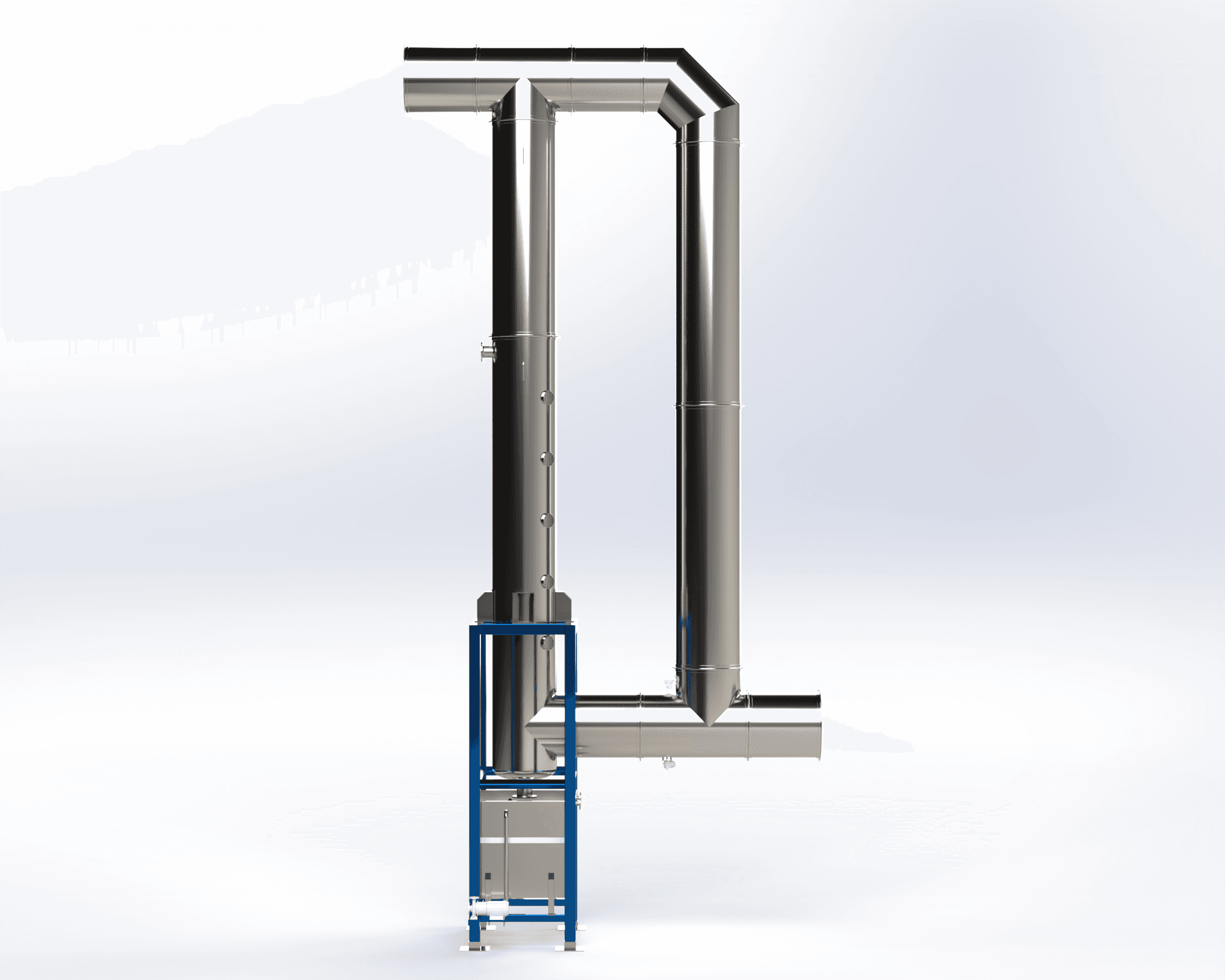
Mid-range flue gas condenser for industrial heat recovery — 2,500 kW capacity.
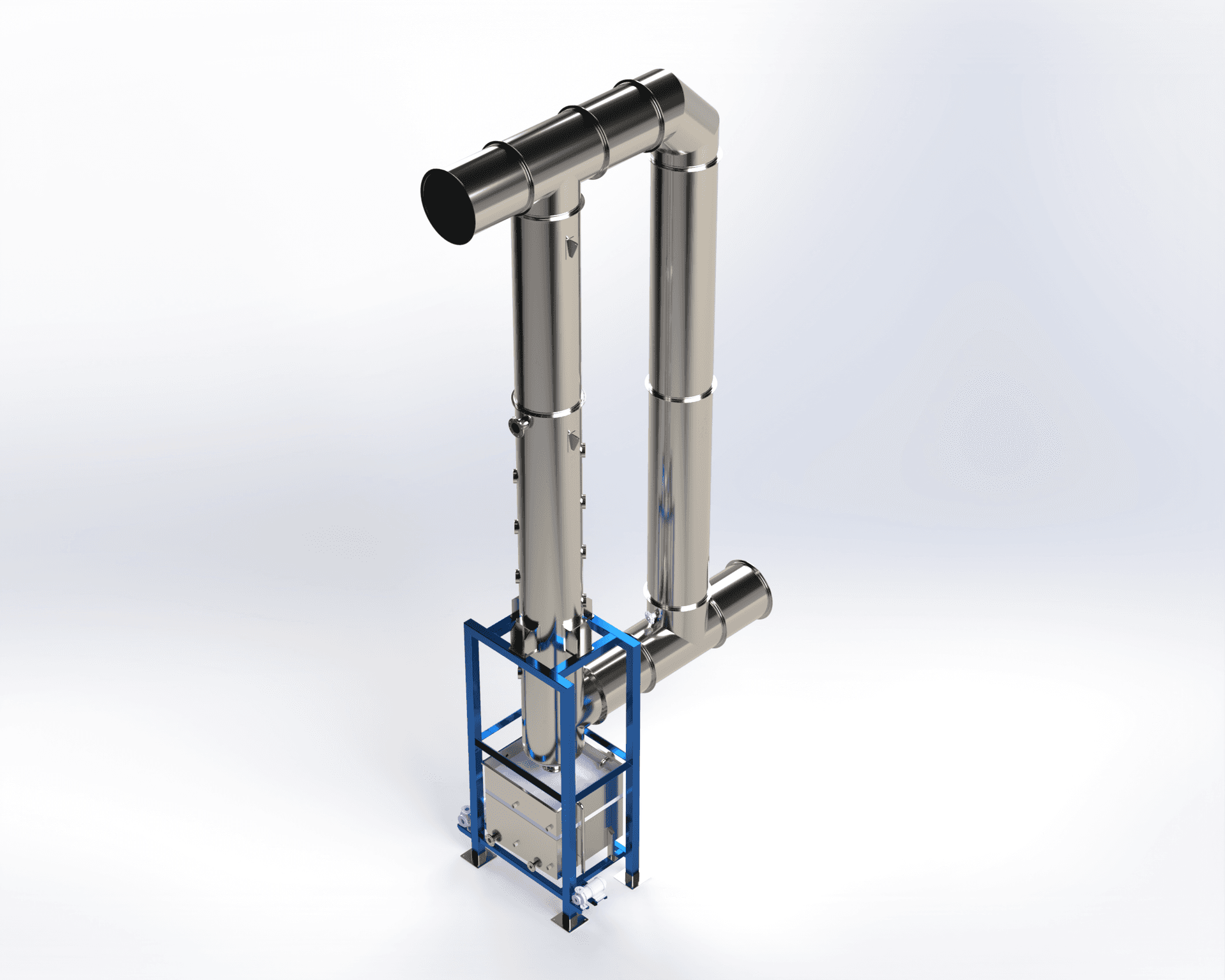
High-capacity flue gas condenser — 3,500 kW for large industrial heat recovery systems.
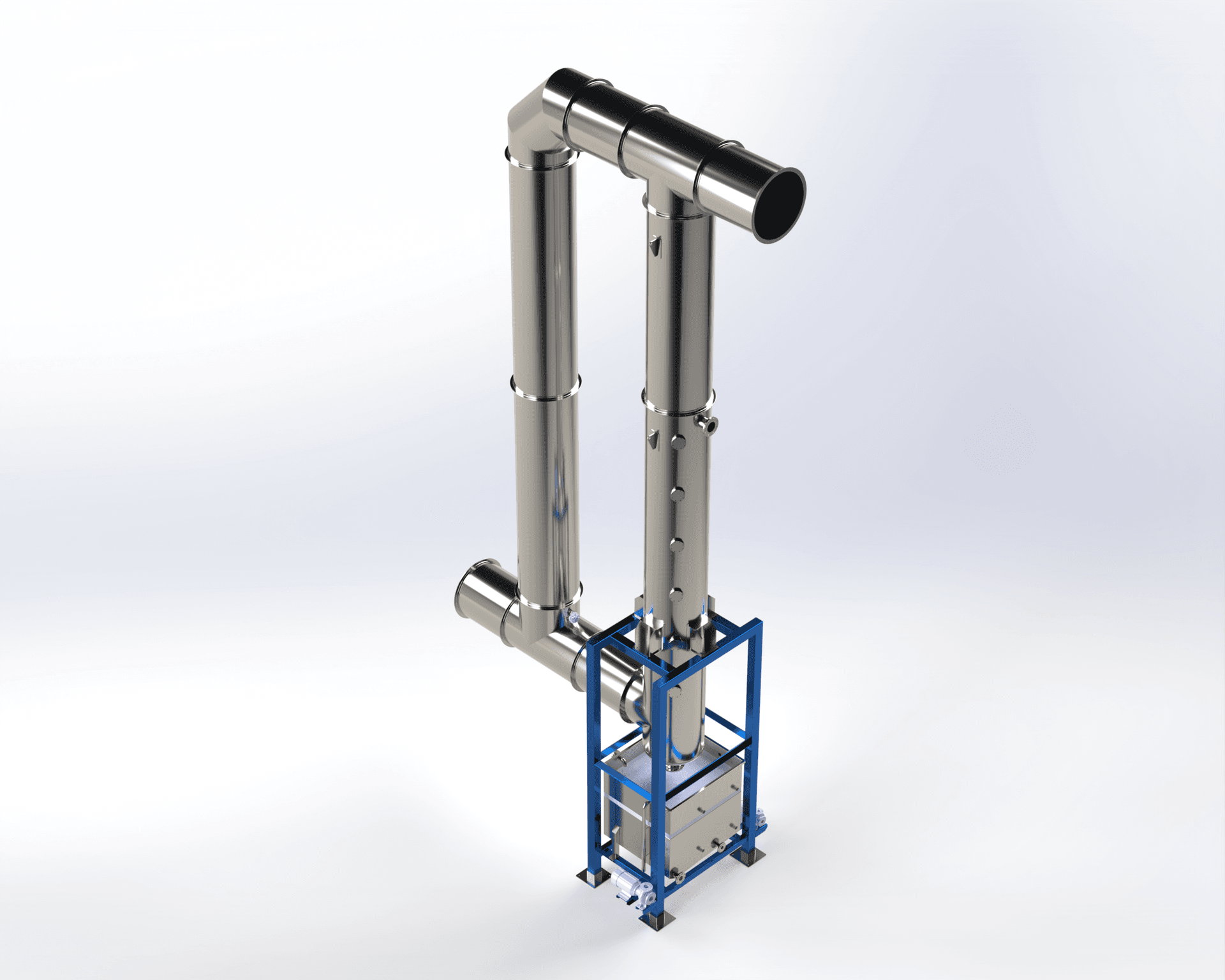
Maximum-capacity condenser for large-scale energy recovery — 5,000 kW for utility and district heating.
Textile Industry
Applications
Select an application to see how EcoRec condensers address your specific water and heat recovery requirements.
Textile stenter frames and dryers exhaust large volumes of hot, moisture-laden air containing recoverable heat energy. EcoRec direct contact condensers capture water vapour from these exhaust streams, recovering latent heat for reuse in process water heating, space heating, or pre-heating combustion air. This reduces gas consumption while eliminating visible plume emissions.
Chemical-Resistant Build
Withstands dye chemicals and finishing agents in exhaust
Self-Draining Design
Advanced weir system prevents fibre and lint buildup
Smart VSD Control
Automated fan speed adjustment for optimal recovery
Sustainability Data
Continuous monitoring for environmental certification support
Built for
Textile Production
Key advantages of EcoRec condensers for textile industry water and heat recovery.
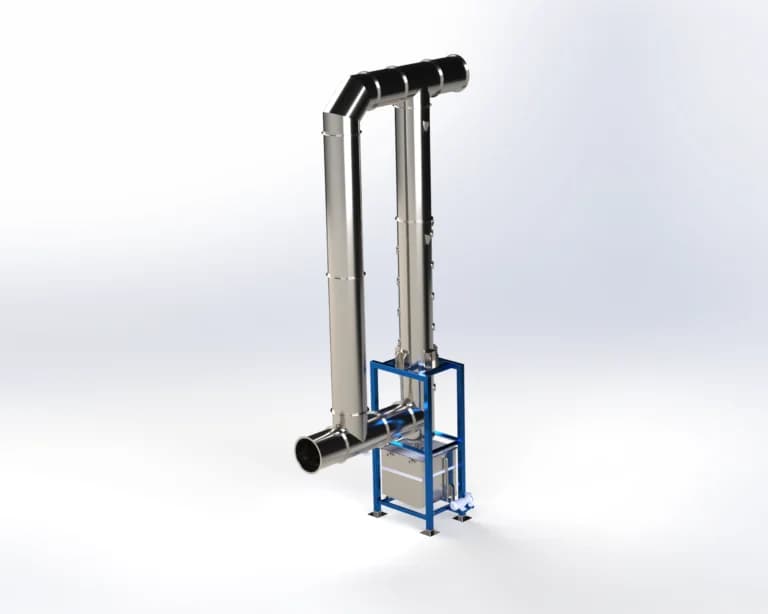
Drying Heat Recovery
Capture latent heat from stenter and dryer exhaust — recover thermal energy for process water heating, reducing gas consumption by up to 30% and eliminating visible plume emissions.
Water Recycling
Reclaim clean water from drying exhaust for reuse in dye preparation and rinsing processes. Significantly reduce freshwater intake and effluent volumes in water-intensive textile operations.
Chemical Resistance
Stainless steel construction withstands dye chemicals, finishing agents, and condensate acidity common in textile exhaust streams — ensuring reliable long-term operation.
Sustainability Compliance
Deliver measurable reductions in water usage, energy consumption, and emissions — supporting OEKO-TEX, ZDHC, ISO 14001, and brand supplier requirements.
Compact Modular Design
Vertical footprint minimises space requirements in textile mills. Modular construction enables phased installation and future capacity expansion.
Smart Monitoring
Real-time data on water recovery, energy savings, and emission reductions — automated reporting for environmental certifications and corporate sustainability commitments.
Your Condenser
Pays You Back
Built-in heat recovery captures waste energy from drying exhaust condensation and redirects it back into your textile facility — cutting gas bills and reducing water consumption.
Dryer Exhaust Becomes
Process Energy.
Textile drying and finishing processes exhaust substantial thermal energy through stenter frames and dryer stacks. Instead of venting that heat to atmosphere, our EcoRec condensers capture it and redirect it — pre-heating dye liquor, warming wash water, or supplementing boiler feed heating.
Recovered heat raises incoming dye bath temperatures — reducing steam consumption for dye preparation and improving colour consistency.
60–85°C hot water generated from waste heat for fabric washing and rinsing — eliminating dedicated gas-fired wash water heaters.
Recovered heat warms combustion air entering stenter frames and dryers — improving thermal efficiency and reducing natural gas consumption.
Low-grade recovered heat feeds into building heating and general hot water systems — reducing winter utility costs across the textile mill.
Related Products
& Services
Complementary equipment and engineering services for your process.
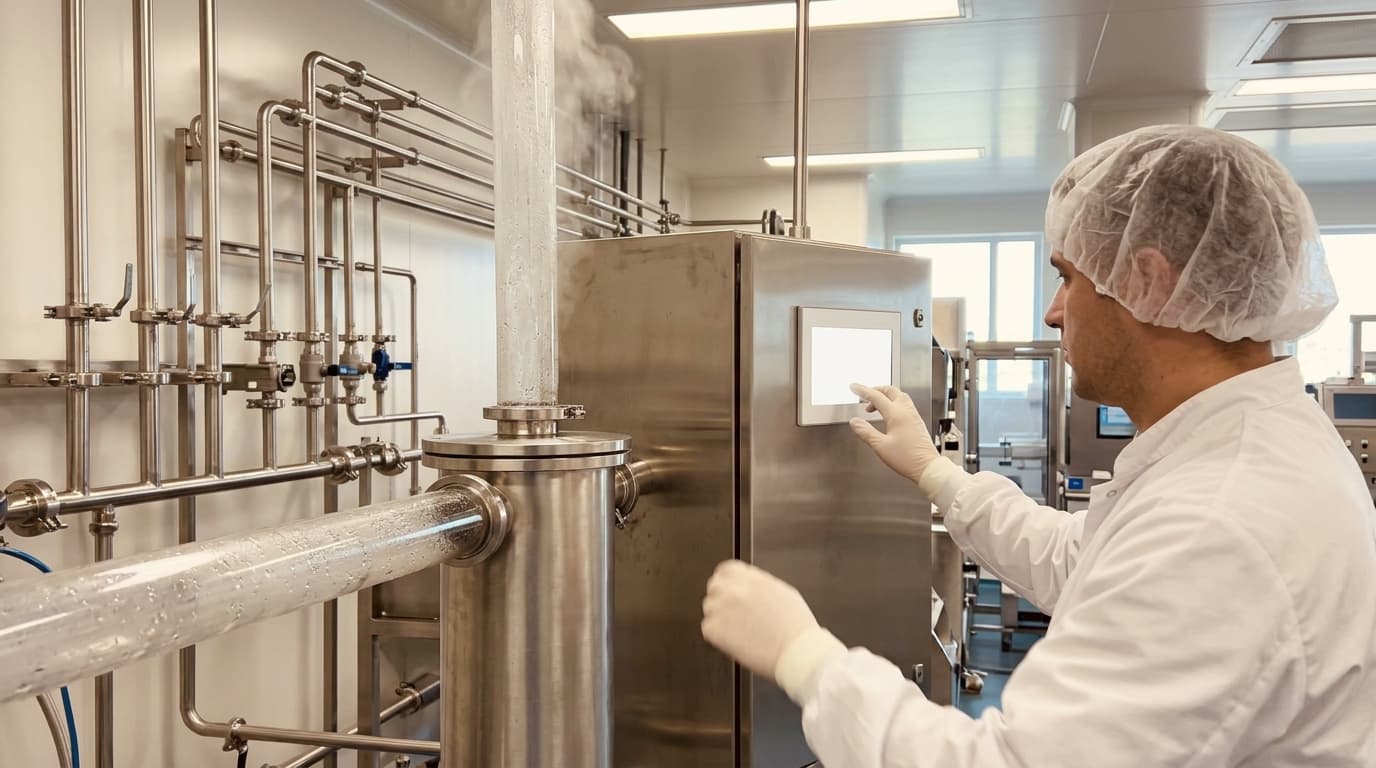
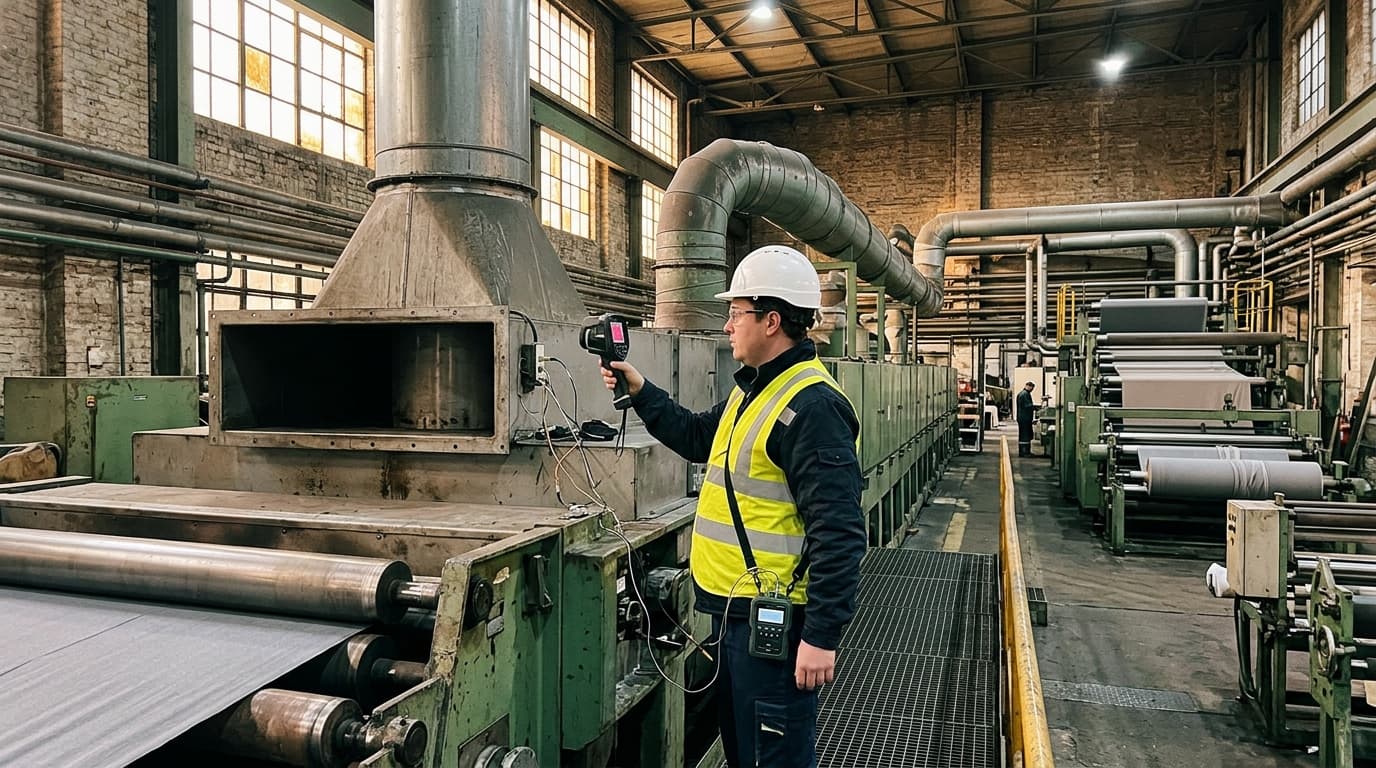

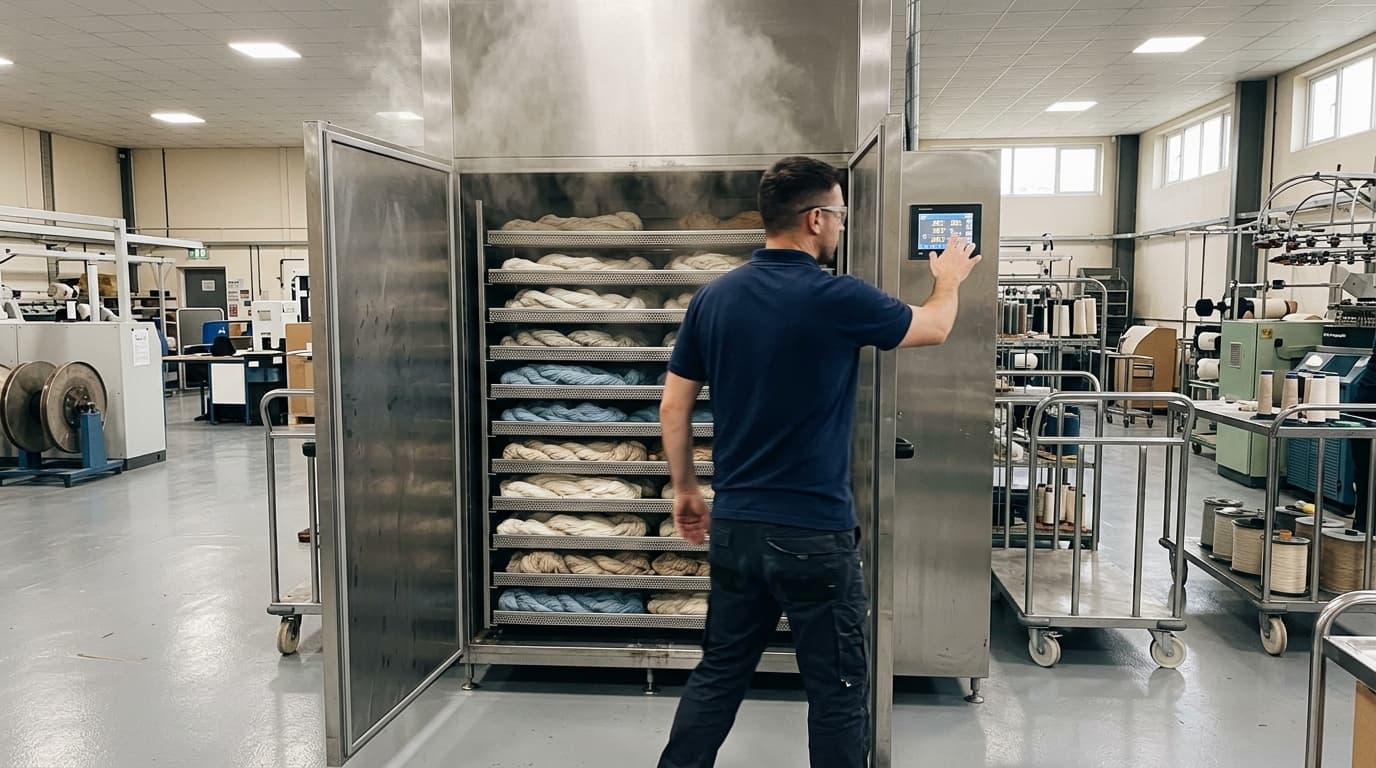
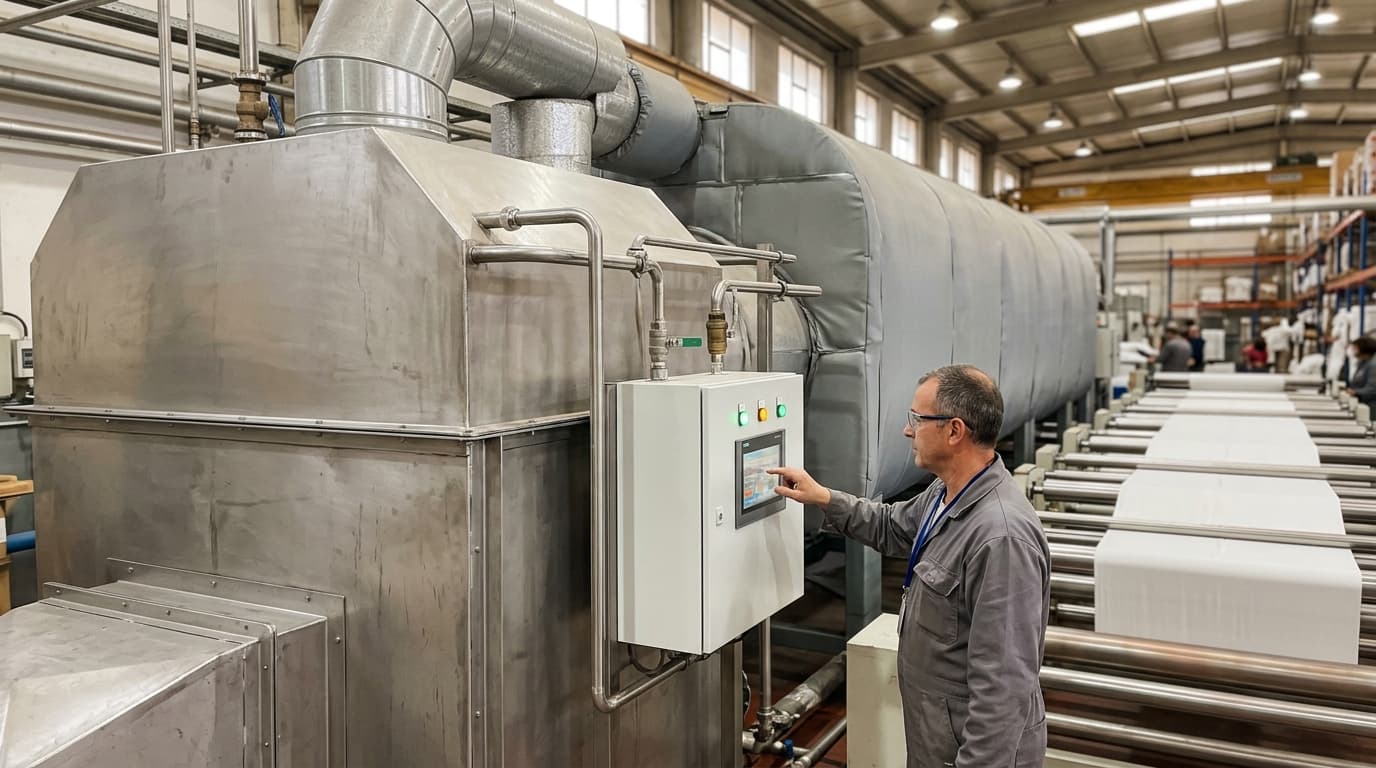
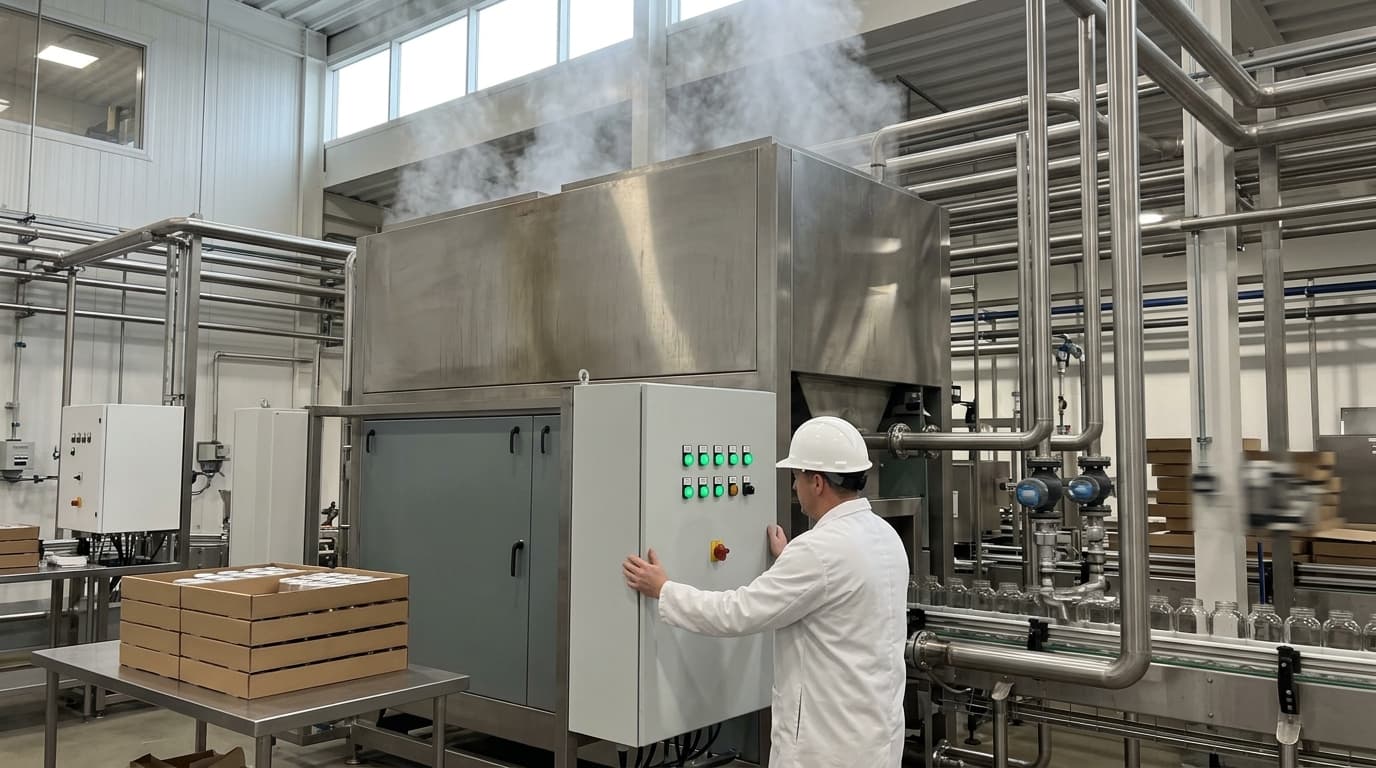
Textile
Industry
FAQs
Common questions about EcoRec condensers for textile industry water and heat recovery.
Yes. EcoRec condensers use stainless steel 316 construction that resists the dye chemicals, finishing agents, and condensate acidity present in textile drying exhaust. The self-draining weir design prevents dye residue buildup, and optional CIP cleaning cycles maintain optimal performance.
Water recovery depends on dryer type, production volume, and exhaust conditions. Typical textile installations recover 70–80% of water vapour from drying exhaust. For a medium-sized dye house, this can equate to significant daily water reclamation for process reuse.
Yes. The smart monitoring system provides continuous data on water recovery volumes, energy savings, and emission reductions — directly supporting OEKO-TEX, ZDHC, ISO 14001, and brand-specific sustainability auditing requirements.
The direct contact condensation process captures lint and fibre particles in the condensate stream. The self-draining weir design removes these effectively. For particularly lint-heavy applications, pre-filtration can be specified upstream of the condenser.
Routine maintenance includes condensate system inspection, spray nozzle checks, and optional CIP cleaning. The self-draining design minimises manual cleaning. Typical intervals are quarterly, with major inspections during planned mill shutdowns.
Most textile installations achieve full payback within 18–24 months through combined water savings, reduced energy costs, and improved sustainability compliance. Mills facing strict water usage restrictions or high effluent costs see faster returns.
Ready to
Recover?
Our engineering team specialises in textile industry condensation. Tell us about your drying exhaust conditions, water recovery needs, and sustainability targets.
- Drying exhaust recovery
- Water recycling for dye processes
- Sustainability compliance
- Environmental certification support