
Textile
Process Evaluation
Textile manufacturing is water and energy intensive, with dyeing, finishing, and drying operations offering significant optimisation potential. Our engineers evaluate dyeing process efficiency, water and energy intensity, and finishing line performance — identifying 20-30% water savings and substantial energy reductions.
Evaluation Challenges
in Textile
Water consumption, energy intensity, and chemical usage drive textile process evaluation needs.
Dyeing Process Optimisation
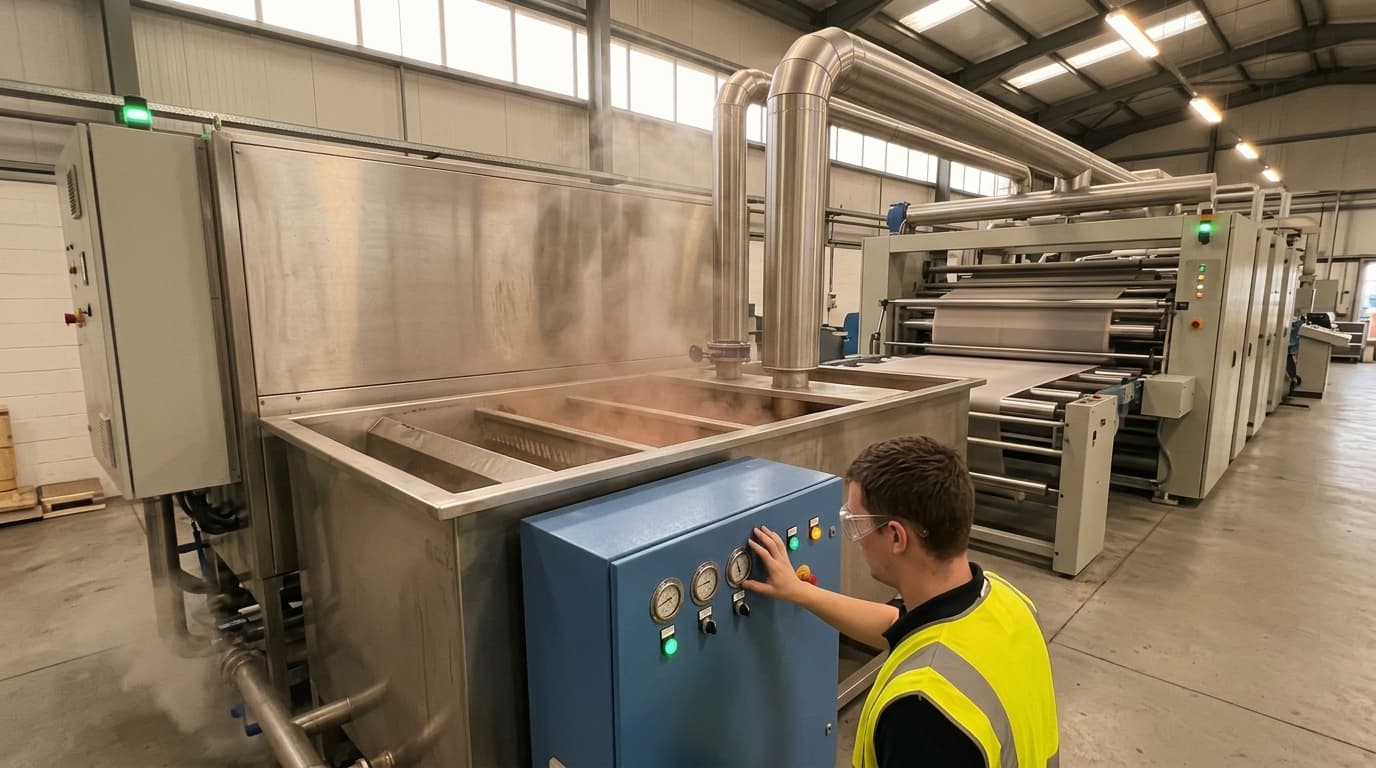
Dyeing is the most water and energy intensive textile process. We evaluate dye bath ratios, temperature profiles, and chemical dosing to identify efficiency improvements.
Water & Energy Intensity
Textile facilities consume large quantities of water and energy per kilogram of product. We benchmark your intensity against best practice and identify reduction pathways.
Finishing Line Efficiency
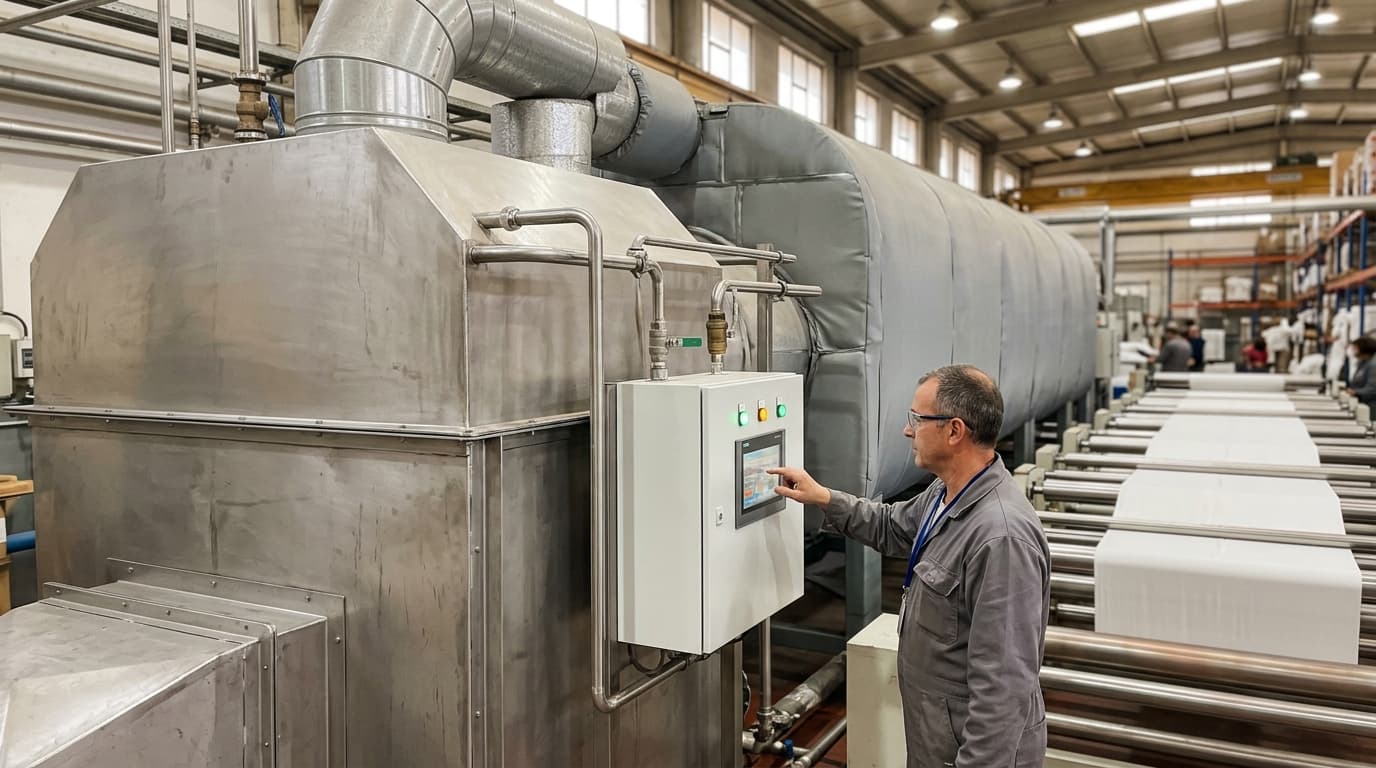
Finishing involves multiple sequential operations. We evaluate each step for energy consumption, throughput constraints, and quality impact to optimise the full line.
Effluent Treatment
Textile effluent requires treatment before discharge. We evaluate treatment efficiency, chemical consumption, and identify opportunities for water recycling.
Our 4-Step
Approach
A structured evaluation methodology adapted for water and energy-intensive textile operations.
Data Collection
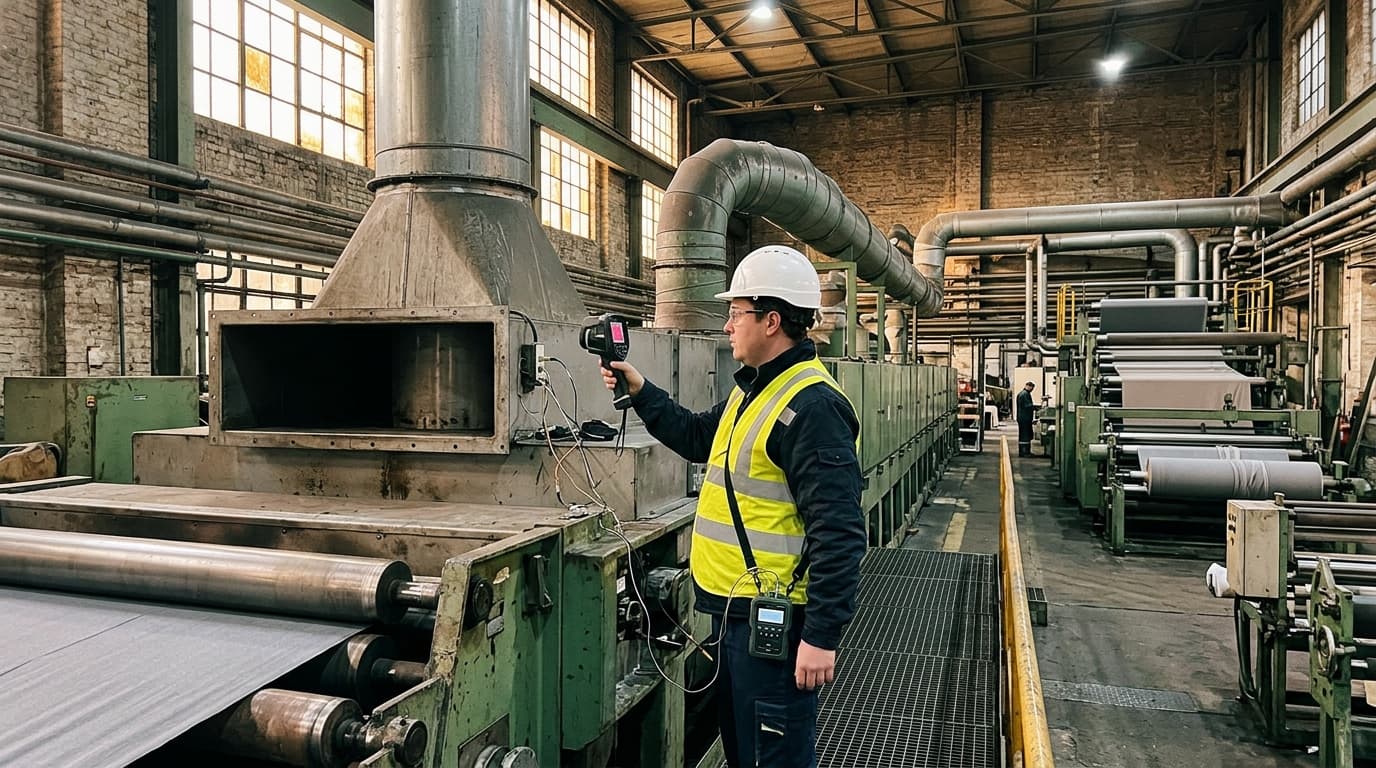
Systematically capture process variables, energy flows, and operational parameters from your existing SCADA, DCS, or historian systems — or deploy tailored instrumentation where gaps exist.
Our engineers map every relevant data stream, from temperature and pressure profiles to throughput rates and utility consumption, ensuring nothing is overlooked. This structured baseline gives us the granularity needed to build accurate mass and energy balances for every unit operation.
In-Depth Analysis
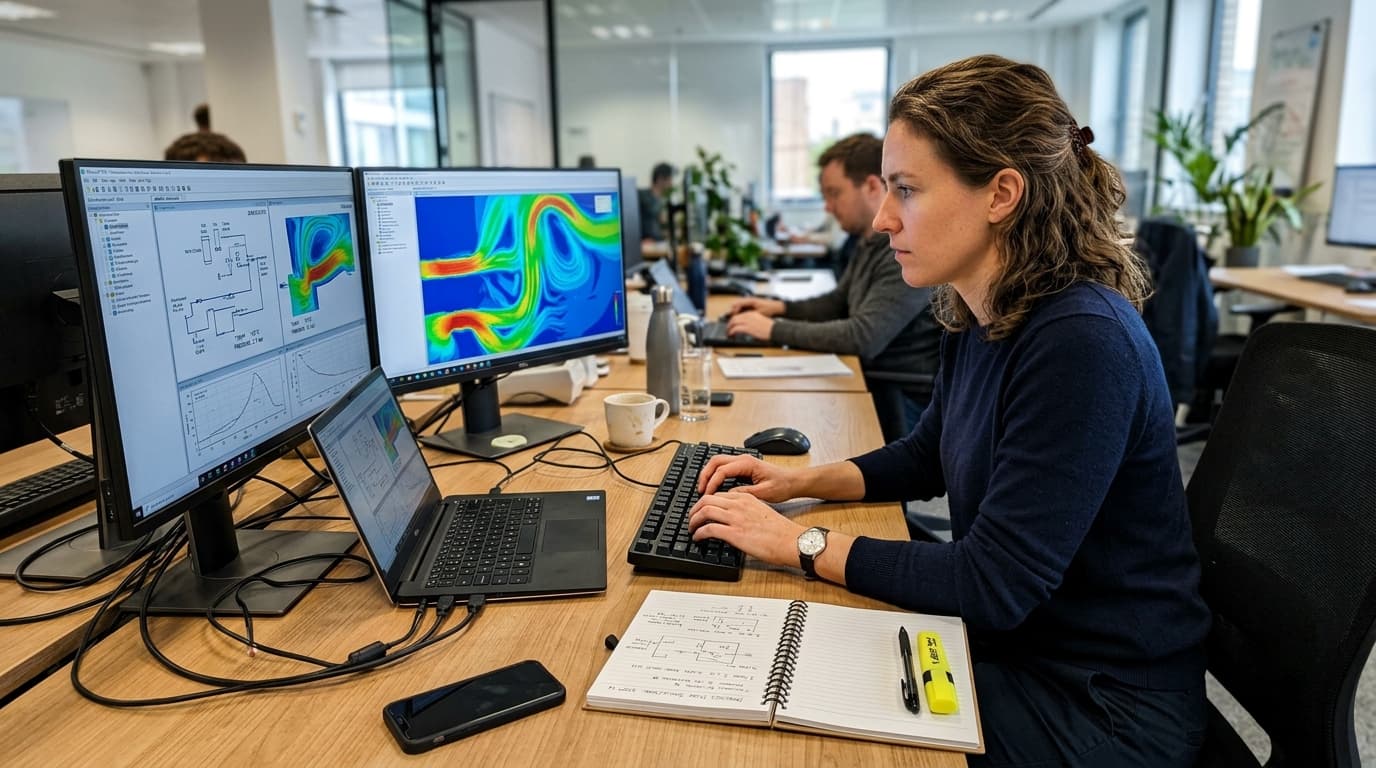
Apply thermodynamic modelling, statistical analysis, and process simulation to benchmark your operations against theoretical and industry-best performance envelopes.
We quantify heat losses, reaction inefficiencies, and utility over-consumption at each process stage, translating raw data into clear performance scorecards. Root-cause analysis isolates the highest-impact bottlenecks so that improvement efforts deliver measurable returns.
Targeted Recommendations
Deliver a prioritised roadmap of engineering interventions — from quick-win operational adjustments to longer-term capital projects — each backed by quantified savings and payback estimates.
Recommendations cover heat recovery upgrades, combustion tuning, raw-material substitution, and control-loop optimisation, among other levers. Every proposal includes expected energy, cost, and emissions impacts so your team can make confident investment decisions.
Theoretical to Practical
Bridge the gap between simulation results and plant-floor reality by guiding pilot trials, commissioning support, and on-site validation of predicted improvements.
We work alongside your operations and maintenance teams to fine-tune setpoints, verify equipment performance, and confirm that projected savings materialise under real operating conditions. Post-implementation monitoring ensures sustained benefits and feeds lessons learned back into future optimisation cycles.
What You
Receive
Process evaluation deliverables for textile manufacturing optimisation.
Dyeing Assessment
Dye bath efficiency analysis with optimised liquor ratios, temperature profiles, and chemical dosing recommendations.
Water Balance Report
Facility-wide water flow mapping with recycling opportunities and consumption reduction strategies.
Energy Audit
Process-by-process energy analysis with heat recovery opportunities and thermal efficiency improvements.
Finishing Line Review
Sequential operation assessment with throughput optimisation and quality improvement recommendations.
Effluent Analysis
Wastewater characterisation with treatment optimisation and water reuse feasibility assessment.
Sustainability Roadmap
Integrated water-energy-chemical improvement plan with phased implementation and ROI projections.
Proven Results in
Textile
Based on process evaluation projects across dyeing, finishing, and wet processing facilities.
Related Products
& Services
Complementary equipment and engineering services for your process.




Textile
Evaluation FAQ
Common questions about process evaluation for textile manufacturing.
Yes. We assess all dyeing technologies including jet, jig, beam, and continuous dyeing. We evaluate liquor ratios, temperature profiles, chemical consumption, and first-pass right rates.
We create a complete water balance for your facility, identifying consumption by process area. We then evaluate recycling opportunities, counter-current washing, and process modifications to reduce intake.
Yes. We evaluate your effluent treatment system efficiency and identify opportunities for improved treatment, reduced chemical usage, and water recycling from treated effluent.
Textile process evaluations typically deliver 12-18 month payback on recommendations. Water and energy savings often provide the fastest returns, with chemical optimisation delivering ongoing cost reductions.
Ready to
Evaluate?
Our textile engineers evaluate your wet processing operations to reduce water, energy, and chemical consumption.
- Targeted process segment assessment
- Textile-specific efficiency analysis
- Data-driven recommendations & implementation