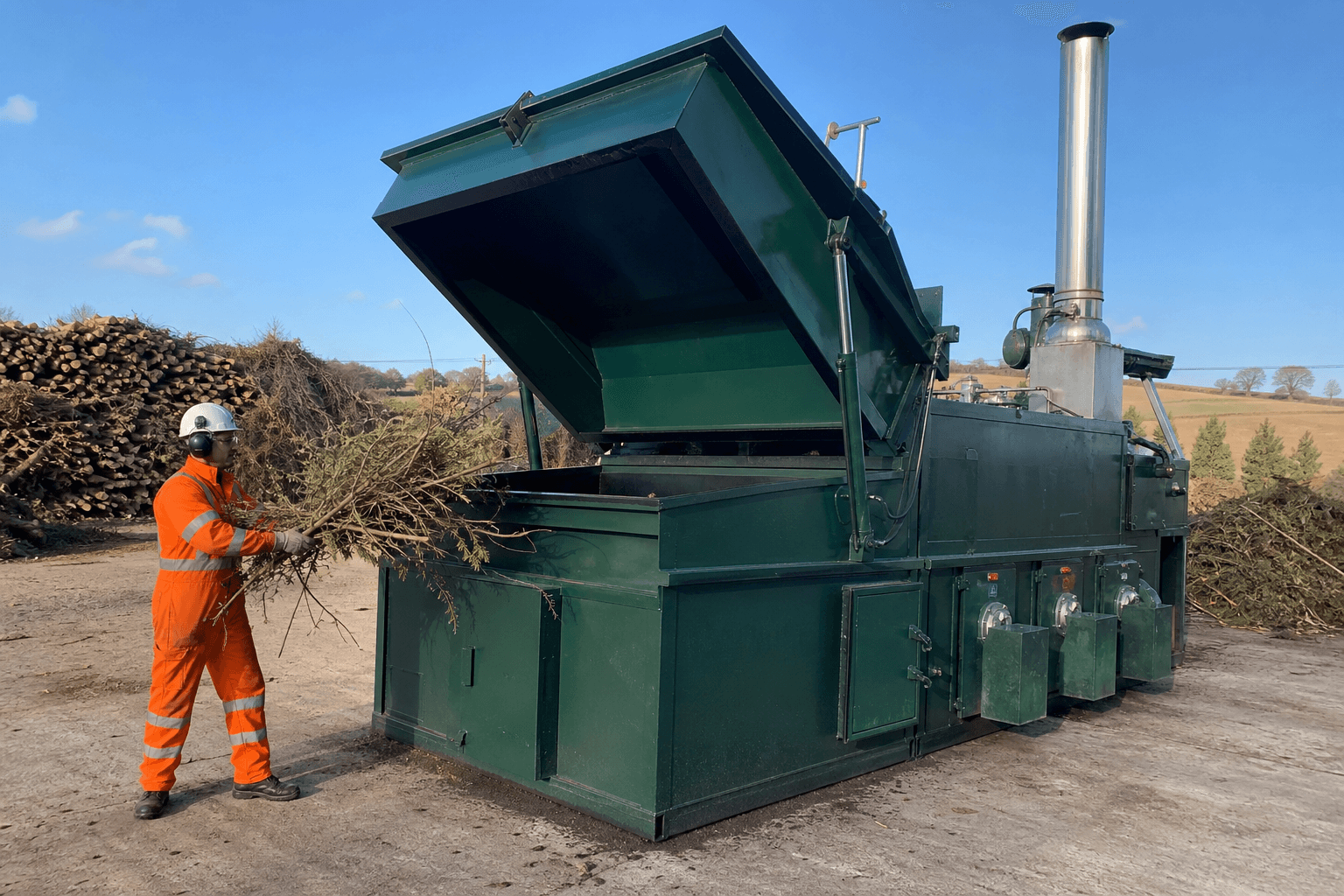
Forestry & Timber Waste Incinerators
Notified timber, infested bark and OPM nests destroyed at the point of felling rather than moved under licence.
Clean timber is a product: it is chipped, milled, burned as fuel or left as habitat. What needs an incinerator is the material a plant health notice says must be destroyed, and the material nobody can safely handle twice — bark carrying beetle, larch under Phytophthora, oak processionary moth nests whose hairs are the hazard. AgriBurn units destroy it at the point of felling.
Three Models,
One Solution
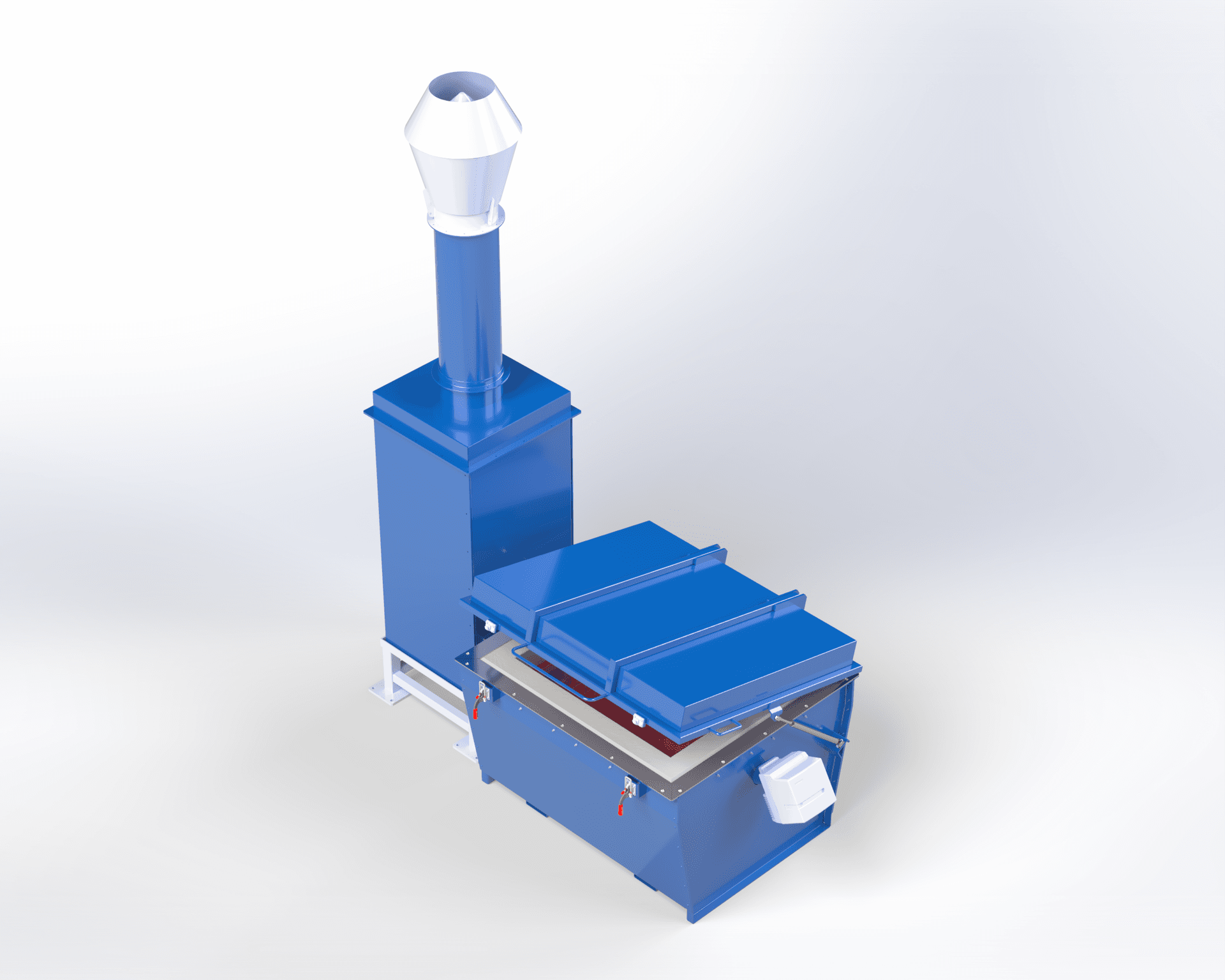
A 350 kg top-loading batch unit for farm and rural sites. Top loading suits bulky, awkward loads — bedding, crop residue, forestry waste — that a front door would fight, and the burn runs unattended once the chamber is charged.
450 kg per charge with a 1350 × 770 × 730 mm chamber. The middle AgriBurn, specified where a single daily burn has to clear a whole day of arisings rather than being run twice.
The largest AgriBurn at 500 kg per charge. Three burners across a 1540 mm chamber keep combustion even across a mixed, high-moisture agricultural load rather than burning a hot core and leaving unburnt edges.
Which Model
Fits Your Volume
Pick a model to see what it clears in a day of forestry & timber waste.
Brash and infested bark are bulky. 350 kg per charge suits a single notified block, or OPM nests destroyed at the point of felling.
The plant health notice is the specification
A statutory plant health notice sets what must be destroyed, in what timescale, and whether the material may move before it is destroyed. Read it before planning the work — the notice outranks any standing site procedure, and closing it out means matching a dated cycle log to the quantity it names.
Environmental permit
Required from the Environment Agency, SEPA or NIEA before the unit runs, with the forestry waste codes named in the application. A notice requiring destruction is not itself an authorisation to burn.
Treated timber is hazardous waste
Creosote and CCA-treated wood must not enter a charge. It requires a plant permitted for hazardous waste, and the failure mode is accidental: old fencing and stakes swept into a brash pile during a clearance. Sort at the stump, not at the door.
Movement inside a demarcated area
Where a demarcated area is in force, timber and bark movements are restricted and may need an authorisation. Destroying on site is the route that avoids the movement rather than documenting it.
Why Burn It
On Site
4 things change on the day this stream stops leaving the site.
The notice is satisfied where the tree fell
A plant health notice normally wants the material dealt with in place. Destroying it on the block answers the notice without an authorisation to move infested timber through clean woodland.
Bark and brash stop being a breeding site
Beetles breed under bark, so a stack awaiting collection is not a neutral holding step. A same-week charge ends the generation instead of hosting it.
OPM hairs are contained, not aerosolised
Chipping or shredding an oak processionary moth nest disperses the urticating hairs that make it a hazard. Sealed handling into a closed chamber is the containment route, and the burn ends the hair as well as the nest.
One load out instead of many
Brash and bark are bulky and low-value: hauling them is paying to move air. What leaves after a burn is 3–5% ash, which changes both the number of movements and what each one is carrying.
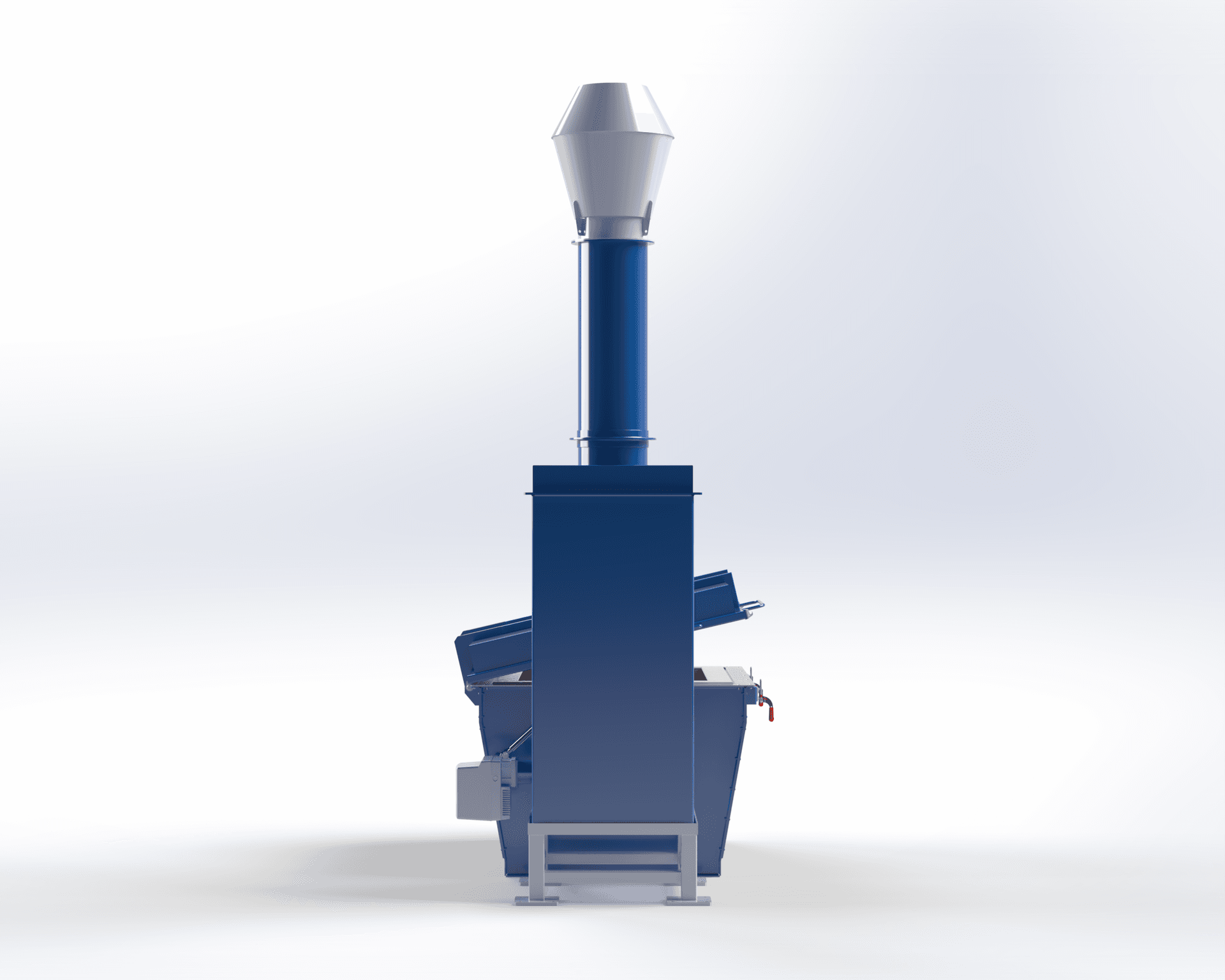
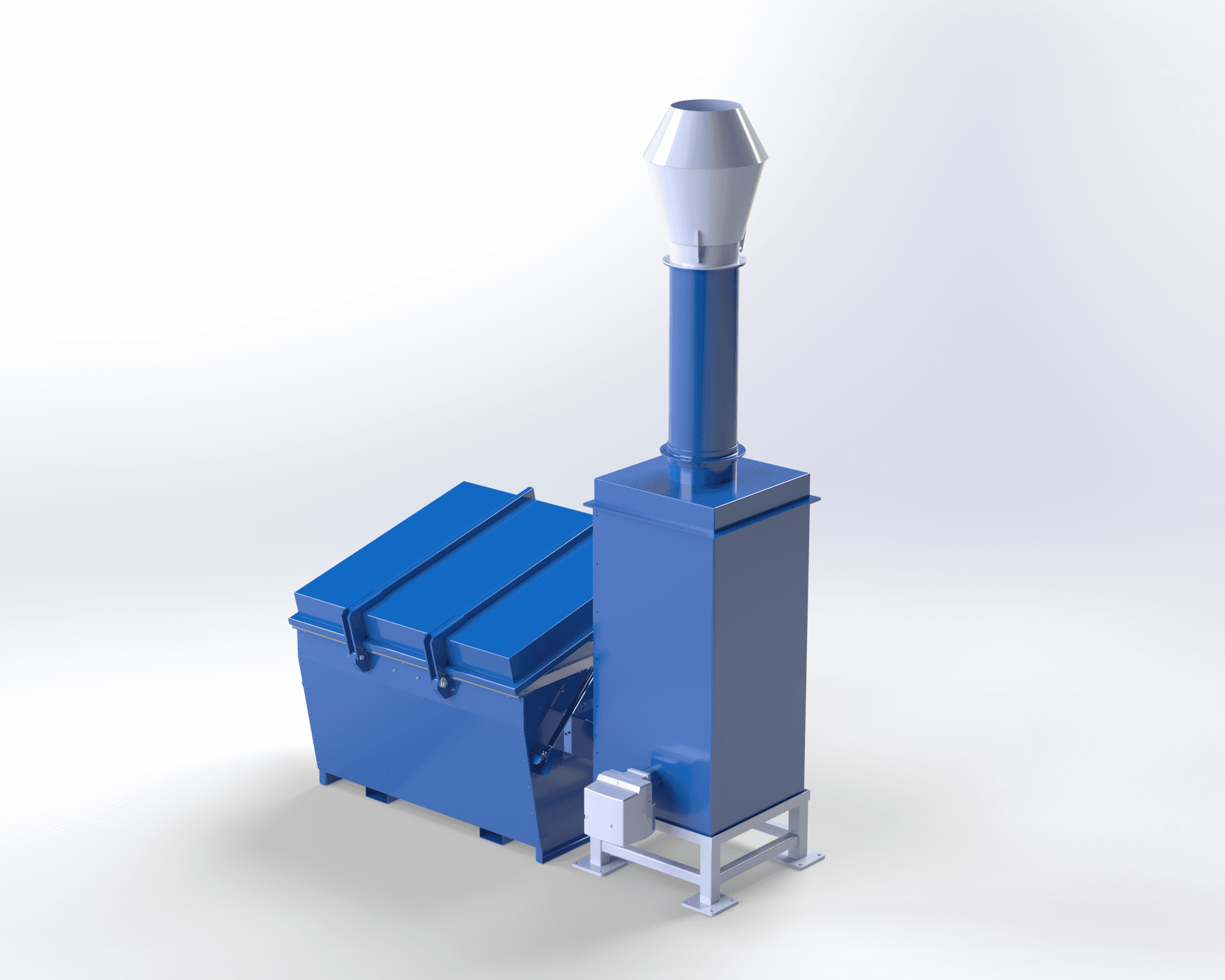
Dual-chamber unit
Primary chamber running 850–1,200°C with a secondary chamber holding flue gas above 850°C for two seconds — the Industrial Emissions Directive condition, met as built rather than as an option. This is the line between incineration and a bonfire, and it is the line the regulator draws too.
Three-burner set and fuel train
All three AgriBurn models carry three burners, configured for natural gas, LPG, diesel, biofuel or hydrogen. On a farm that usually means LPG or diesel, because that is what is already on site — fuel choice is a site decision and the combustion condition is identical whichever is specified.
What Ships
With The Unit
Identical whichever stream it is specified for. The operating procedure changes; the machine does not.
Dual-chamber unit
Primary chamber running 850–1,200°C with a secondary chamber holding flue gas above 850°C for two seconds — the Industrial Emissions Directive condition, met as built rather than as an option. This is the line between incineration and a bonfire, and it is the line the regulator draws too.
Three-burner set and fuel train
All three AgriBurn models carry three burners, configured for natural gas, LPG, diesel, biofuel or hydrogen. On a farm that usually means LPG or diesel, because that is what is already on site — fuel choice is a site decision and the combustion condition is identical whichever is specified.
Top-loading charge door
Bulky, awkward, tangled loads — bedding, brash, root balls, baled residue — are dropped in from above with a loader or grab rather than fed through a front door. Top loading is why these units take farm waste in the shape it actually arrives in.
IP6X control panel
PLC control with cycle logging and chamber thermocouples. Where a plant health notice or a feed withdrawal has to be evidenced, the cycle log is the record that the load reached and held the destruction condition.
Coretex refractory lining
Monolithic castable lining rated for the full temperature range, replaceable in service. Refractory is a wear item on any unit; on a farm unit taking wet, dirty, variable loads it is the item that decides service life.
Stack, dispersion data and commissioning
Stack supplied to the height your site-specific dispersion assessment calls for, with the emissions data the permit application references, plus on-site commissioning and operator training. Rural sites have neighbours and prevailing winds; the assessment is what sets the stack, not a catalogue figure.
How One Burn Runs,
Start To Finish
One charge is one countable event. That is what makes a batch unit auditable and a continuous one not.
One Cycle,
Start To Finish
Adds the notice as the controlling document: what must be destroyed, by when, and what movement is permitted before it is. Bark and brash are bulky, so chamber volume sets the charge.
The statutory plant health notice, not the site plan, sets what must be destroyed, in what timescale and what movement is permitted before destruction. Everything downstream follows from it.
Separate clean timber for its product route, and pull out treated timber, fencing wire and hardware before anything reaches the charge door. Treated wood in a forestry charge is the single most likely compliance failure on this stream.
Brash, bark and root plate are tangled and bulky. Top loading takes them by grab as cut. Expect volume to fill the chamber first: 1.19 m³ on the AGBI-500 takes far less brash by weight than its 500 kg rating suggests.
Primary combustion at 850–1,200°C with flue gas held above 850°C for two seconds. That destroys beetle at every life stage, Phytophthora propagules, fungal spores and OPM hairs alike — there is no life stage that survives the secondary chamber.
3–5% sterile mineral ash. Keep the cycle log against the notice reference so the destruction has a date and a quantity attached when the inspector asks.
What You Can Burn —
And What You Can't
One charge takes the whole stream without pre-sorting. What must never enter it is a short, hard list.
Yes: accepted in a charge
No pre-sorting between these
- Material under a plant health noticeSpruce bark and timber under a bark beetle notice, larch and other hosts under Phytophthora ramorum, and elm under Dutch elm disease controls.
- Oak processionary moth arisingsNests and contaminated arisings, where the hazard to the operator is the hairs as much as the pest itself.
- Infested bark stripped at the landingBark taken off at the landing so the timber can move under the notice and the bark cannot.
- Brash, lop and top from a notified fellingLow density and very bulky: the chamber fills on volume long before the weight rating, so plan this in grab loads.
- Diseased stumps and root plateRoot plate and stump grindings lifted out of a notified block, plus small-diameter and rotten material with no product route.
- Condemned nursery stock and dunnageForestry transplant stock condemned on plant health grounds, and wood packaging or dunnage intercepted at inspection.
No: never charged
Not a permit question — these stay out
- Creosote and CCA preservative-treated timberPoles, sleepers, stakes and fencing treated with creosote or copper-chrome-arsenic are hazardous waste. Arsenic, chromium and copper concentrate in the ash and leave through the stack. This needs a plant permitted for hazardous waste, and it is the most common way a clean forestry load becomes a non-compliant one.
- Painted, varnished and coated woodOld coatings can carry lead and other metals, and modern ones carry halogenated content that changes the permit condition. Coated timber is a graded waste-wood stream with its own outlets.
- Chipboard, MDF and resin-bonded panelFormaldehyde and other resin binders, plus a fine ash that carries their residues. Panel products are a separate waste-wood grade, not forestry arisings.
- Fencing wire, netting, staples and hardwareMetal does not combust: it survives as tangled scrap in the ash and shortens refractory life where it slumps against the lining. Strip it out at the stump.
- Clean, saleable timber and chip-grade roundwoodA commercial point, not a compliance one. If it has a product route — sawlog, chip, firewood, biomass — burning it in a batch incinerator converts a saleable asset into a fuel bill.
- Soil, stone and root-plate spoil in bulkInert mass that absorbs heat, fills the chamber and multiplies the ash-out. Shake the root plate before it goes in.
Can you legally burn forestry & timber waste on site?
Technically, yes: the chamber destroys almost everything on the accepted list at 850–1,200°C, and capability is rarely the constraint. Legally is a separate question. What your site is allowed to burn is set by your environmental permit from the Environment Agency, SEPA or NIEA and the waste codes written into it. The never-charged list is different again: those materials are out of scope for the unit or governed by a direction, and no permit wording brings them back in. Send us the codes you hold, or the ones you expect to apply for, and we will tell you which of this list they cover before anything is specified.
Send us your waste codesHow many charges for 2,500 kg of notified timber waste?
Arithmetic on published model figures, not a customer reference. Your numbers go through the same steps.
How This
Was Worked Out
2,500 kg of notified material ÷ 500 kg per charge = 5 charges on the AGBI-500 across five working days, and 75–125 kg of ash at 3–5% — with no licensed timber movement off the block. Brash and bark are bulky: the AGBI-500's 1.19 m³ chamber fills on volume long before 500 kg of loose brash, so plan in grab loads and expect more charges than a weight calculation alone suggests.
≈ 5
75–125 kg
None
Send your daily or weekly arisings and we will confirm the model, the charge count and the permit route.
Related Products
& Services
Complementary equipment and engineering services for your process.
Sizing and background
- [TOOL]Work out the burn rate for your own arisings
- [TOOL]Size the combustion air and flue gas duty
- [BLOG]Operating agricultural incinerators in compliance with local regulations
- [BLOG]Innovative designs for small-scale agricultural incinerators
- [BLOG]Disposing of agricultural packaging waste
- [BLOG]Integrating vibration analysis for incinerator predictive maintenance
- [BLOG]Advanced gas cleaning for ultra-low emission incinerators
Forestry & timber waste Questions
Answered against the published figures for the models specified for this stream, not a generic range sheet.
Only a narrow slice of it, and the slice is defined by regulation rather than by convenience. Statutory plant health notices require the destruction or treatment of material carrying a listed pest or pathogen: spruce under a bark beetle notice, larch and other hosts under Phytophthora ramorum, elm under Dutch elm disease controls, and material from any demarcated area where movement is restricted. Alongside that sits a hazard case with no pathogen in it at all — oak processionary moth nests, where the urticating hairs make handling the risk. The reason destruction is specified rather than chipping or stacking is that the pest lives in the part nobody wants to move. Bark beetles breed under the bark; chipping to a coarse grade can leave viable material, and a stack of infested bark at a ride side is a breeding site rather than a tidy-up. For OPM, chipping aerosolises exactly the hairs the operation exists to contain. Movement is the other control. Inside a demarcated area, timber and bark can usually only move under specific conditions or an authorisation, and the direction of a notice is normally to deal with the material where it stands. An incinerator on site turns a movement problem into a cycle: the material is destroyed at the point of felling and what leaves the block is 3–5% sterile ash rather than a load under licence. The exclusion on this stream matters as much as the acceptance list. Preservative-treated timber — creosoted poles, CCA-treated stakes and fencing, painted and coated wood — is hazardous waste. Copper, chromium and arsenic do not combust away; they concentrate in the ash and leave through the stack. A forestry clearance is exactly the job where old fencing gets dragged into a brash pile, so the sort happens at the stump, not at the charge door.
2,500 kg of notified material ÷ 500 kg per charge = 5 charges on the AGBI-500 across five working days, and 75–125 kg of ash at 3–5% — with no licensed timber movement off the block. Brash and bark are bulky: the AGBI-500's 1.19 m³ chamber fills on volume long before 500 kg of loose brash, so plan in grab loads and expect more charges than a weight calculation alone suggests.
Yes. Primary combustion at 850–1,200°C followed by two seconds above 850°C in the secondary chamber leaves no life stage — egg, larva, pupa or adult — viable, and nothing survives into the 3–5% mineral ash. That is the difference from chipping, which can leave viable material in coarse fractions and in bark.
Only where the notice permits it and to the grade it specifies. Beetles breed under the bark, so coarse chip and stacked bark can remain viable, and for oak processionary moth chipping actively disperses the urticating hairs that are the hazard. Where the notice says destroy, incineration is the unambiguous answer.
No. Creosote and CCA-treated timber is hazardous waste — arsenic, chromium and copper concentrate in the ash and leave through the stack — and it needs a plant permitted for it. This is the most common failure on this stream because old fencing gets dragged into a brash pile during a clearance. Sort at the stump.
Fewer kilograms than the rating suggests. Loose brash and bark fill the AGBI-500's 1.19 m³ chamber long before 500 kg, so plan the job in grab loads. Dense roundwood offcuts are the opposite case and will reach the weight limit first.
Yes. A plant health notice tells you the material must be destroyed; it is not an authorisation to operate an incinerator. The environmental permit from the Environment Agency, SEPA or NIEA is a separate consent and has to be in place before the unit runs.
The AgriBurn range runs 2.3 to 3.2 tonnes, which is inside normal farm and forestry plant handling, so relocation between sites on the same holding is practical. The permit and the stack dispersion assessment apply to where the unit actually stands, so a new location is a permitting question, not just a haulage one.
Nests go into sealed containment at removal and into the chamber without being opened or shredded. The hazard is the urticating hairs, and any process that breaks the nest up disperses them. The burn destroys nest, larvae and hairs in the same cycle.
It burns, but the early part of the cycle drives off moisture before the load takes, which costs fuel and time. Where the notice timescale allows the material to stand, drier brash burns cheaper — but a notice deadline outranks a fuel saving.
Ready to
Incinerate?
Send the stream, the volume and the site constraints. We will confirm the model, the permit route, and what the specification has to say to satisfy the regulator.
- The notice is satisfied where the tree fell
- Bark and brash stop being a breeding site
- OPM hairs are contained, not aerosolised
- One load out instead of many