Food & Beverage
Heat Loss Audit
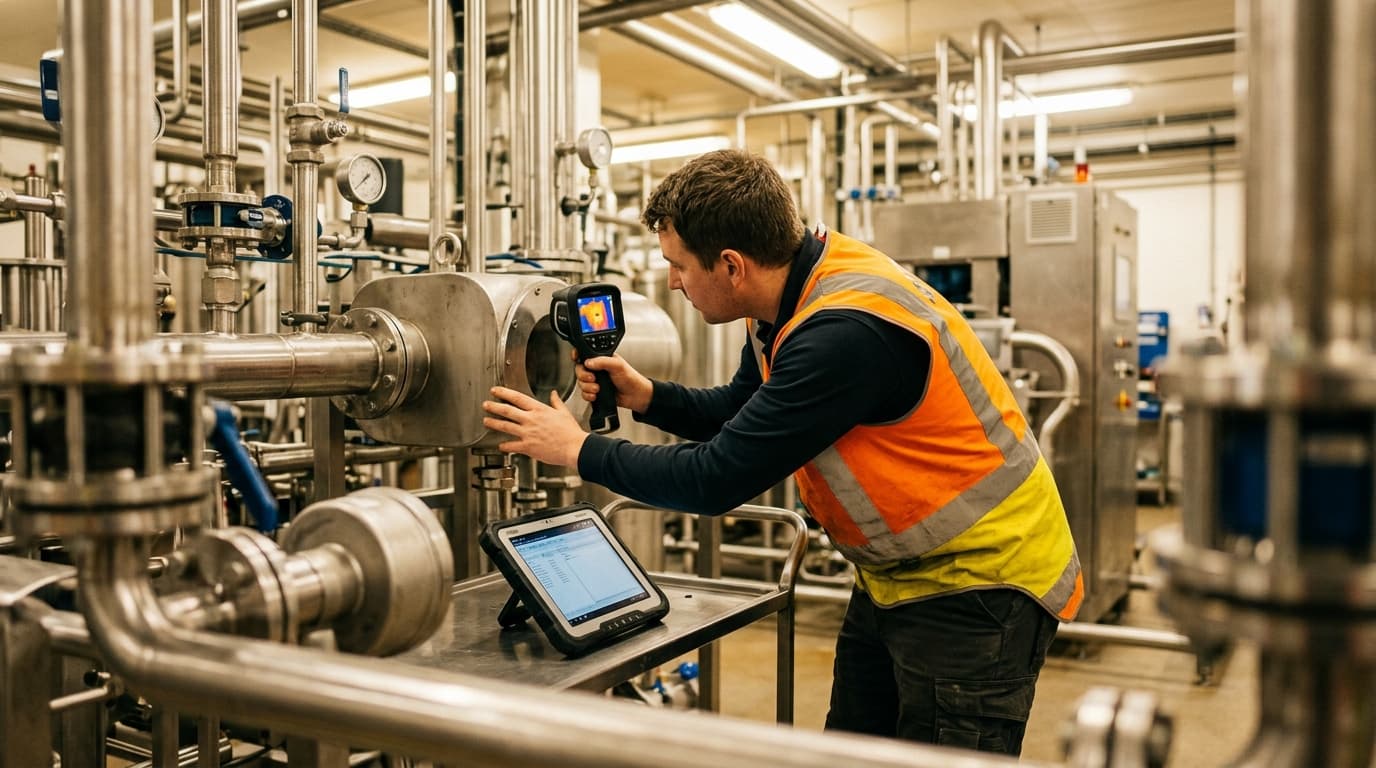
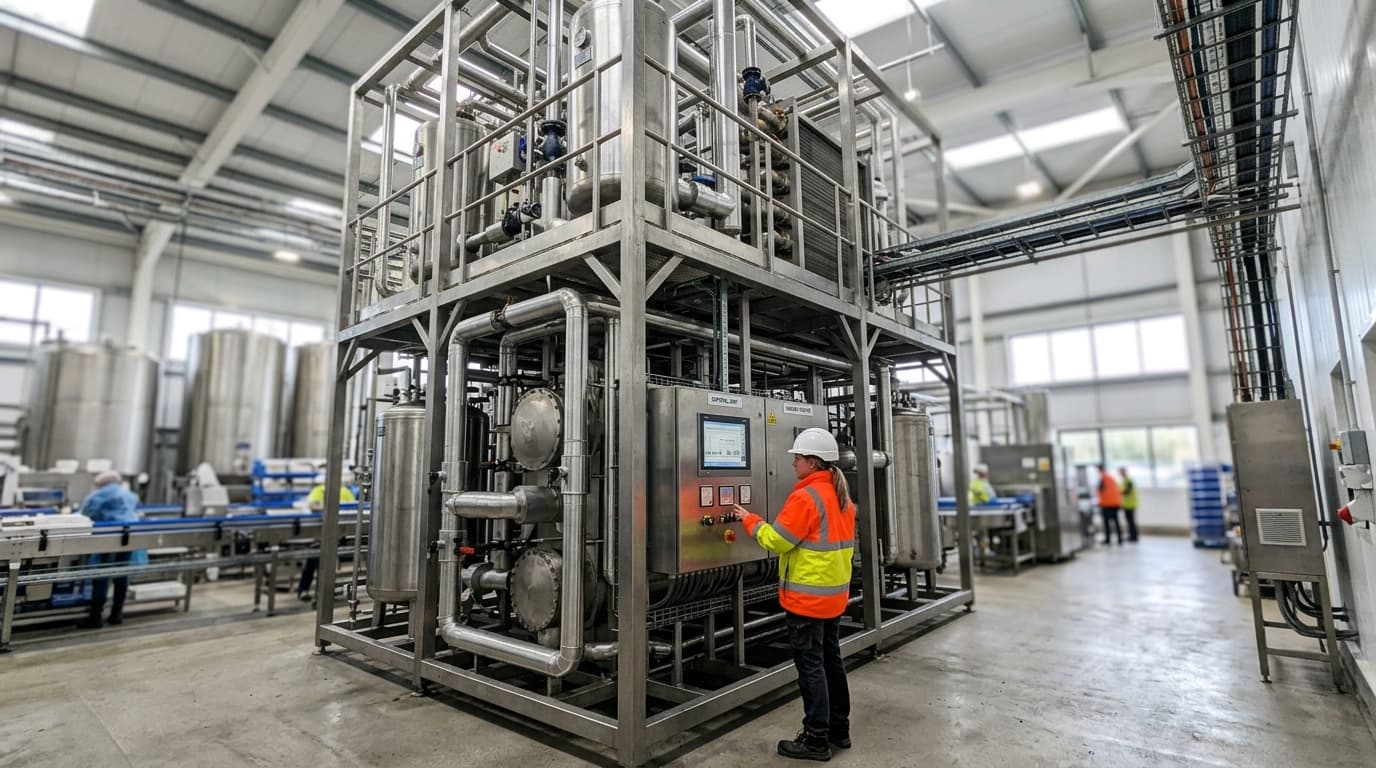
Food and beverage facilities rely on ovens, dryers, steam lines, and cold stores — all major sources of thermal loss. Our specialised heat loss audits for the food sector use advanced infrared and drone-based thermography to pinpoint where your facility is losing heat energy, delivering actionable recommendations to cut costs, improve insulation, and reduce your carbon footprint.
The Heat Loss Challenges
Facing Food Producers
From bakery ovens to cold stores and steam networks, every thermal process holds untapped savings potential.
Oven & Dryer Losses
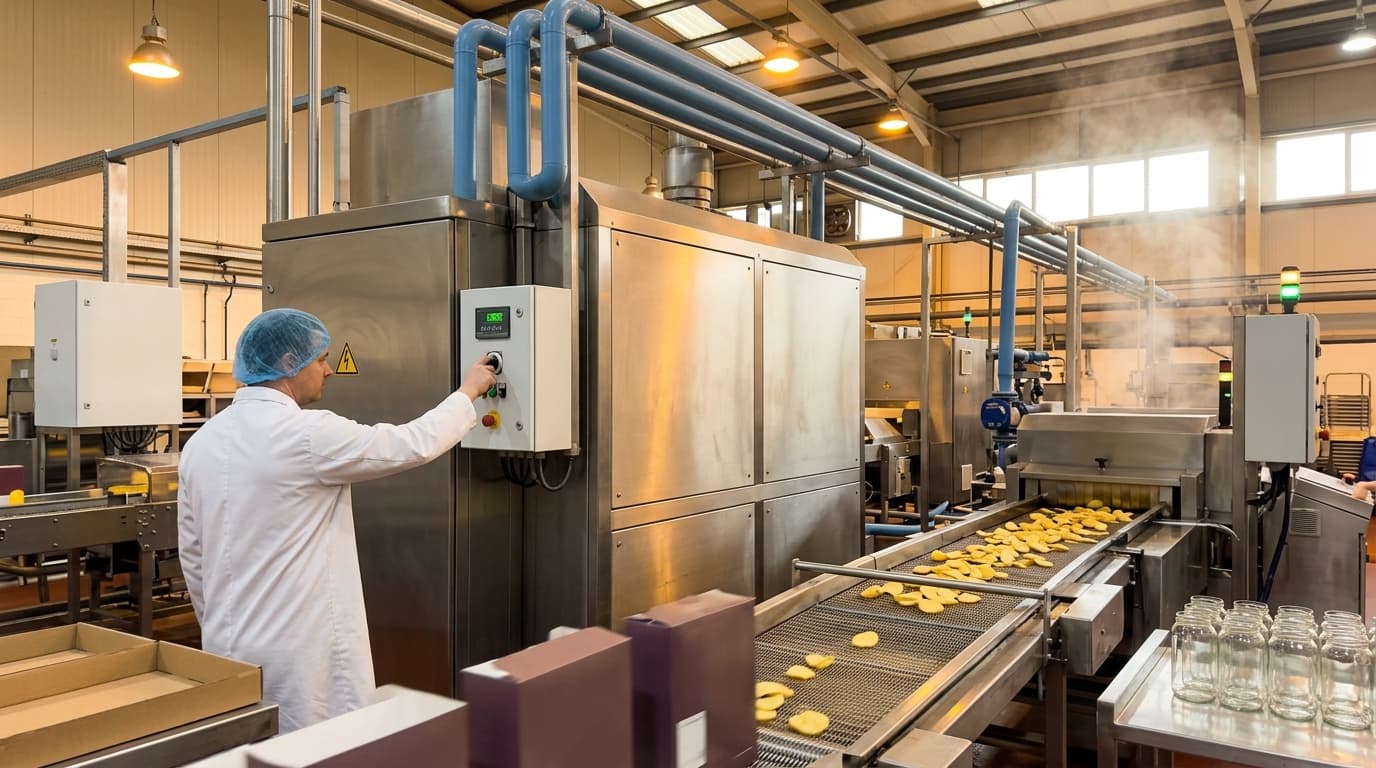
Industrial ovens, tunnel dryers, and fryers lose significant heat through degraded insulation, poor door seals, and exhaust systems — directly impacting energy costs and product quality.
Steam Line Heat Loss
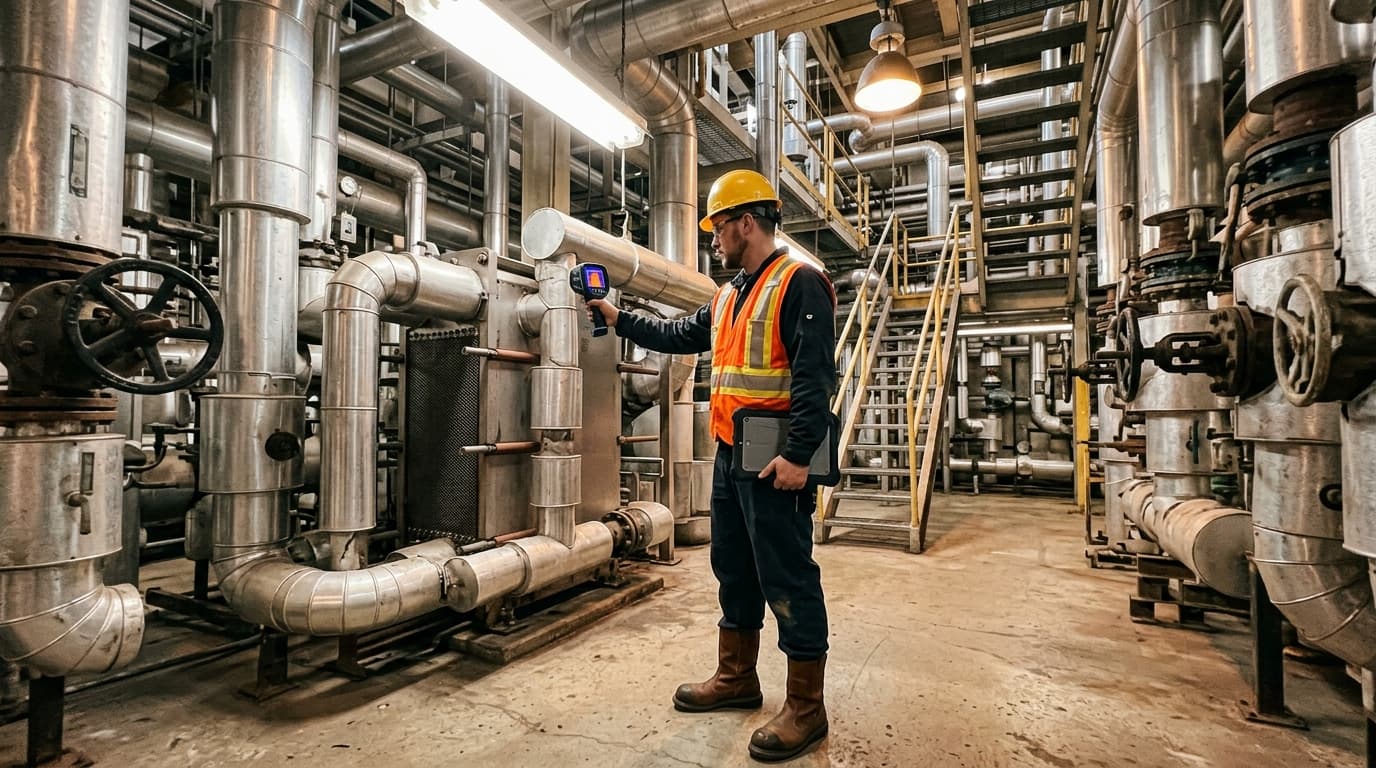
Extensive steam distribution networks for CIP cleaning, pasteurisation, and cooking processes lose energy through uninsulated pipes, failed traps, and poor condensate return.
Cold Store Thermal Leaks
Refrigerated and frozen storage areas suffer from insulation degradation, air infiltration through doors, and thermal bridging — increasing refrigeration energy costs significantly.
Sustainability & Reporting
Retailers and supply chain partners increasingly demand measured carbon reduction and verified sustainability performance from food manufacturers.
Our 4-Stage
Methodology
A structured approach tailored to food and beverage manufacturing environments.
Comprehensive Heat Loss Audit
Thorough evaluation of your facility combining advanced infrared thermography, environmental data logging, and hands-on on-site inspections to pinpoint every source of thermal loss.
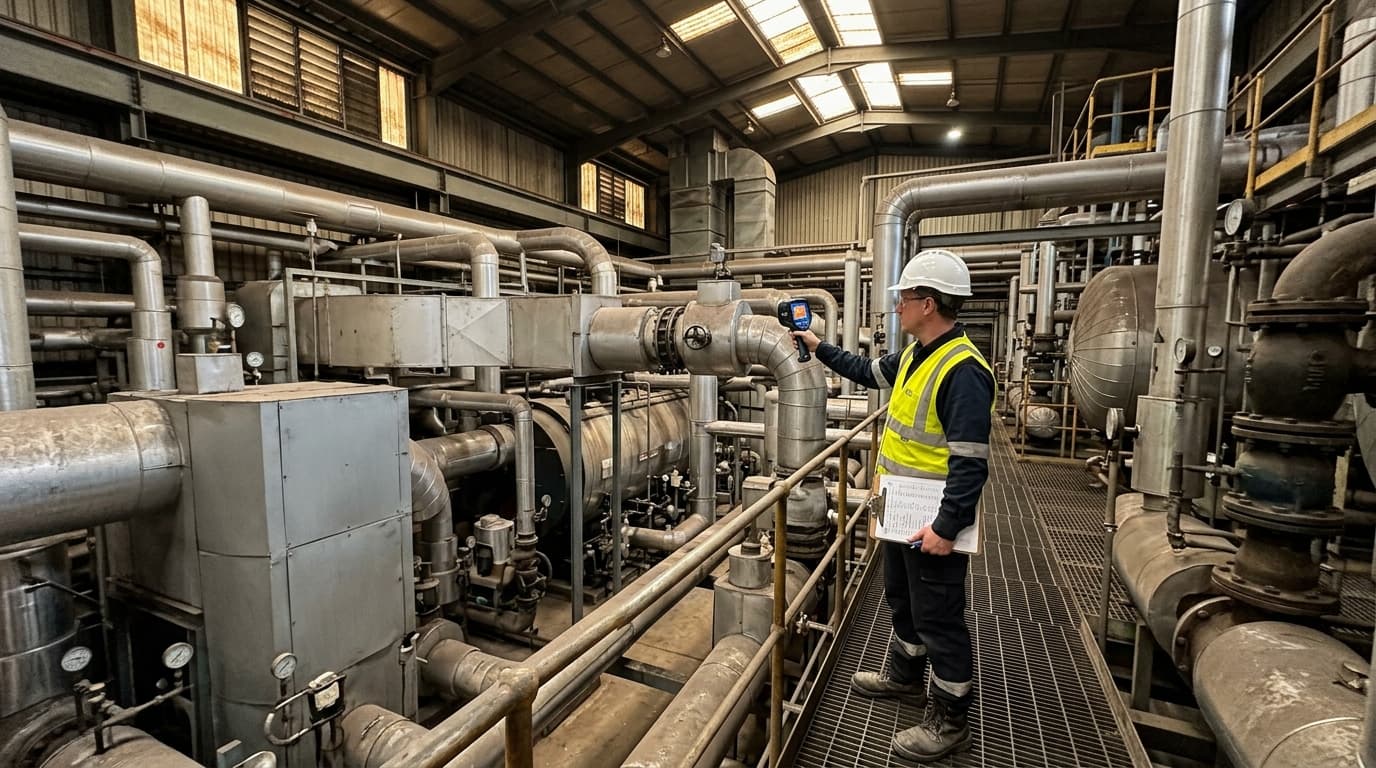
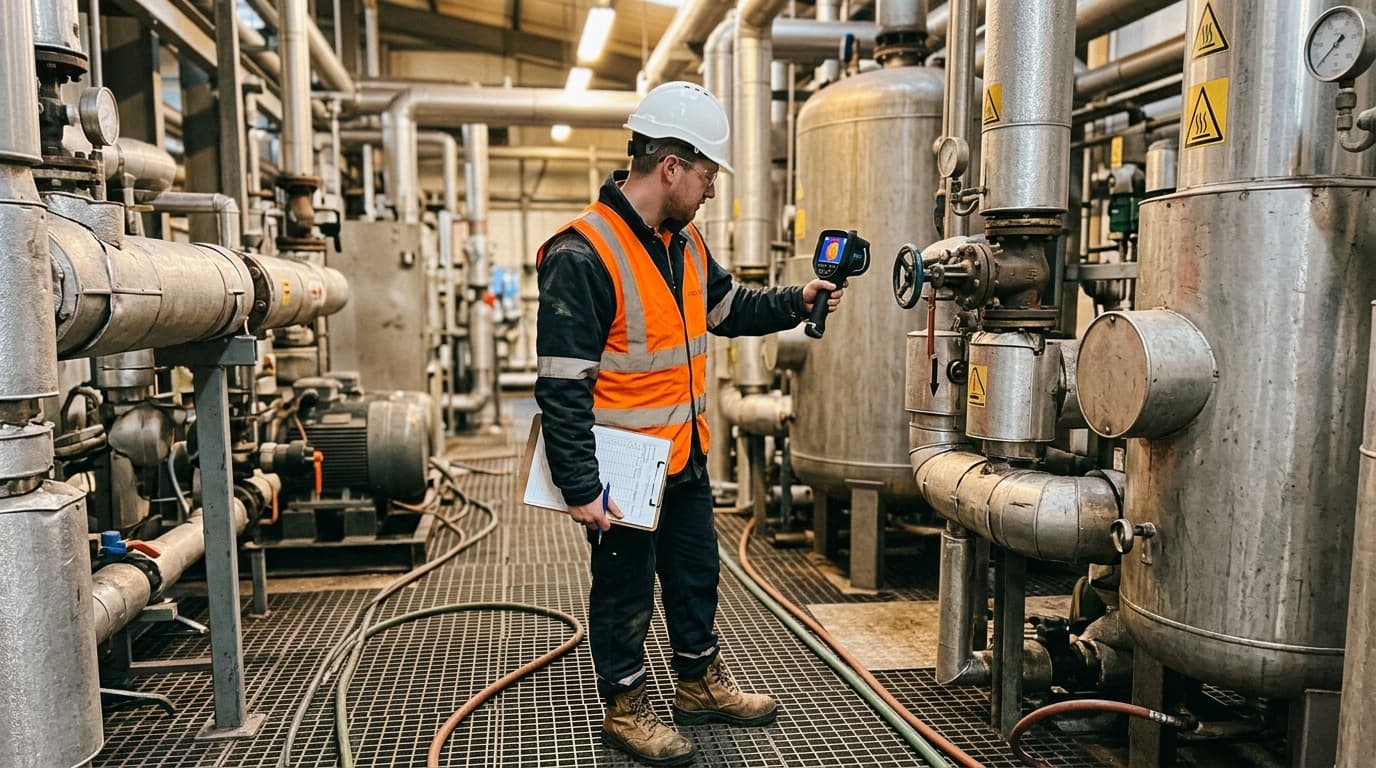
Our engineers deploy drone-based infrared thermography for elevated or hard-to-reach assets such as rooftops, flue stacks, and overhead pipework, while ground-level inspections use calibrated IR cameras to capture surface emissivity variations. The resulting thermal profile is cross-referenced with ambient temperature, wind speed, and process data to quantify real-world heat dissipation rates.
Detailed Reporting & Analysis
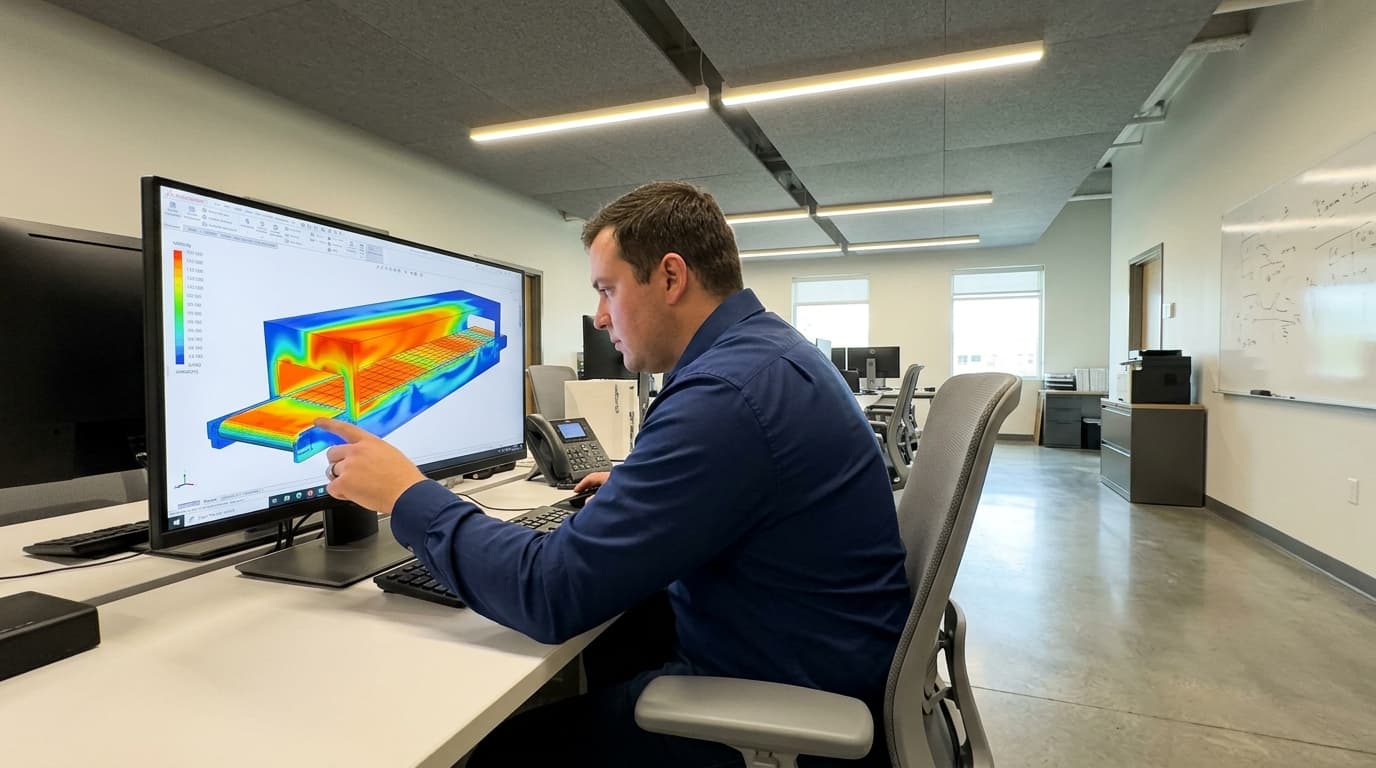
Comprehensive deliverables including annotated thermal images, calibrated heat maps, and quantitative data that clearly highlight priority areas of concern.
Each report includes high-resolution thermograms with temperature gradients, a ranked deficiency register prioritised by energy impact, and projected annual savings in both kWh and cost. Where applicable, we benchmark your facility against industry norms so you can measure performance relative to best practice.
Insulation & Mitigation Solutions
Tailored engineering recommendations covering insulation thickness calculations, material selection, and installation techniques suited to your operating environment.
We specify insulation systems based on operating temperature, pipe diameter, and ambient conditions, selecting from mineral wool, calcium silicate, cellular glass, and flexible elastomeric foams. Every recommendation addresses condensation prevention, safe-to-touch surface temperatures, and corrosion under insulation (CUI) risk, supported by a full cost-benefit analysis that includes projected CO₂ reduction and payback period.
Partnership with AAI Drones
Strategic partnership with AAI Drones delivering drone-based infrared thermography that safely surveys hard-to-reach, elevated, or hazardous areas without scaffolding or shutdowns.
Drone surveys eliminate the need for costly access equipment and reduce on-site safety risk, while covering large roof areas, storage tanks, and elevated pipework in a fraction of the time of conventional methods. High-resolution radiometric sensors capture pixel-level temperature data, enabling our engineers to detect insulation voids, moisture ingress, and thermal bridging with pinpoint accuracy.
What You
Receive
Actionable intelligence, not just a report — everything you need to make investment decisions.
Thermal Survey Report
Comprehensive infrared thermographic survey of ovens, dryers, steam networks, and cold stores with annotated thermal images and heat maps.
Heat Loss Quantification
Precise calculation of heat loss rates across all surveyed assets with comparison to industry benchmarks and best-practice insulation standards.
Oven & Dryer Assessment
Detailed evaluation of oven insulation, door seals, exhaust heat recovery potential, and burner efficiency with specific improvement recommendations.
Cold Store Integrity Report
Identification of thermal leaks, insulation failures, air infiltration points, and thermal bridges in refrigerated and frozen storage areas.
Carbon Reduction Roadmap
Phased plan showing CO₂ reduction trajectory from insulation improvements and heat recovery aligned with Net Zero targets.
ROI & Investment Case
Board-ready financial analysis with NPV, IRR, and payback calculations for each recommended improvement measure.
Proven Results
in Food & Beverage
Based on completed heat loss audits across bakeries, dairies, meat processors, and beverage facilities.
Related Products
& Services
Complementary equipment and engineering services for your process.


Food & Beverage
Audit Questions
Common questions from food and beverage manufacturers about our heat loss audit service.
No. Our infrared thermographic assessment is entirely non-invasive. We work around your production schedules and can perform data logging during normal operations. Any intrusive measurements are scheduled during planned maintenance windows.
Yes. Thermal imaging is highly effective for identifying cold store insulation failures, air infiltration through doors, and thermal bridges. We assess both the external envelope and internal conditions to quantify energy losses.
Yes. Thermal processing equipment is a primary focus. We assess insulation condition, door seals, exhaust heat losses, and surface temperatures to identify significant energy and cost savings opportunities.
Our engineers are experienced in food manufacturing environments and comply with all site hygiene and safety protocols. We carry relevant certifications and work within your existing food safety management systems.
Ready to Reduce
Heat Loss?
Our food & beverage sector specialists are ready to identify thermal savings in your facility.
- Advanced infrared & drone-based thermography
- Food & Beverage-specific thermal benchmarking
- Detailed insulation & CO₂ impact report