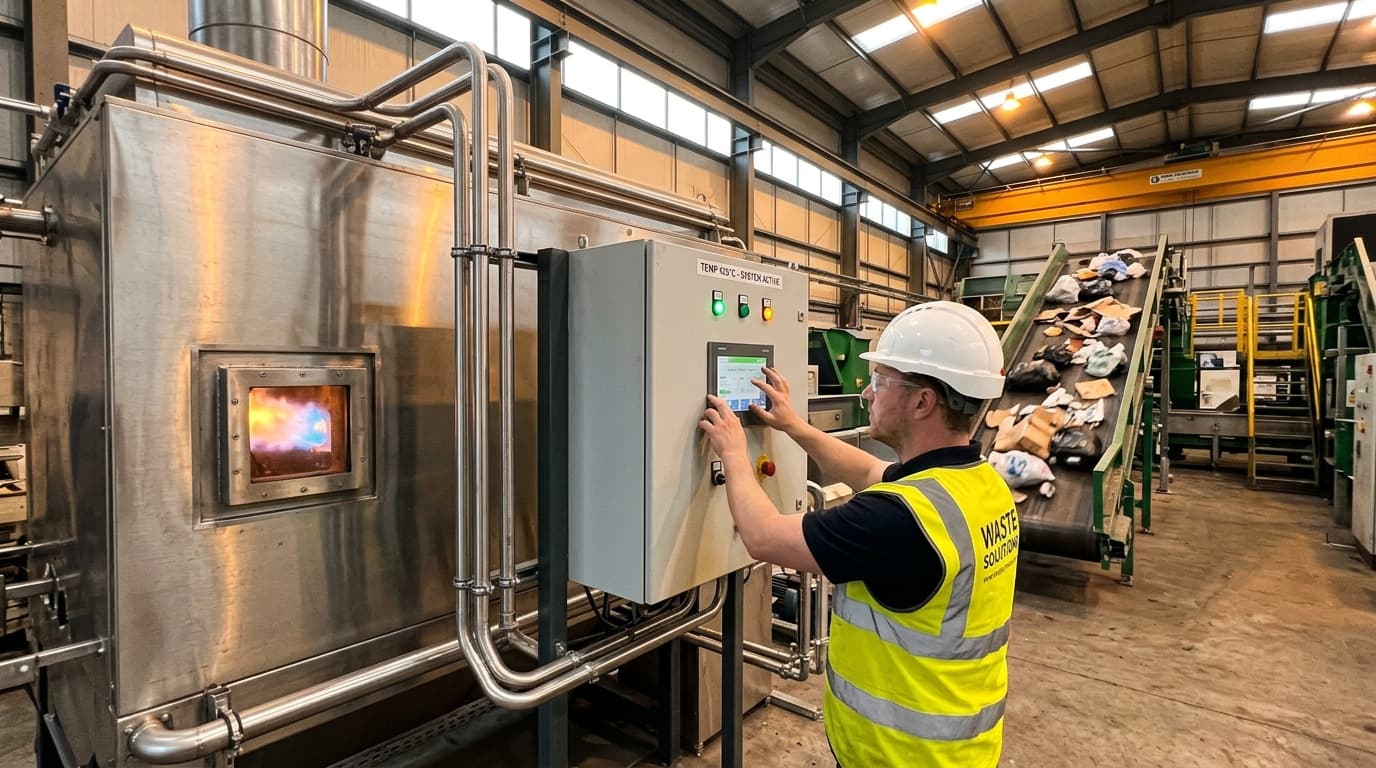
Waste Recycling
Process
Heating
Auxiliary process heating for waste incineration & process destruction.
Reliable auxiliary heat for waste and process incineration systems — maintaining ≥850°C chamber temperatures regardless of waste stream variability. IED-compliant, multi-fuel capable, and built for continuous 24/7 industrial operation.
Two Models,
One Solution
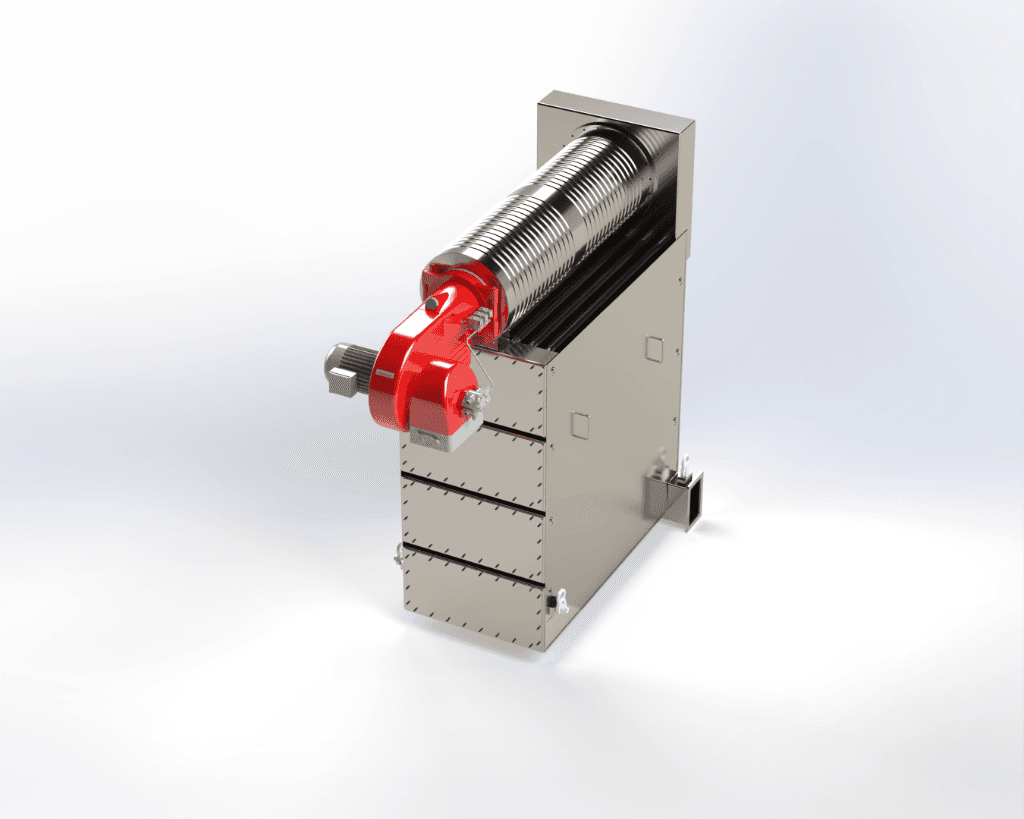
Single-burner indirect process heater for compact installations — 750 to 1,250 kW thermal output.
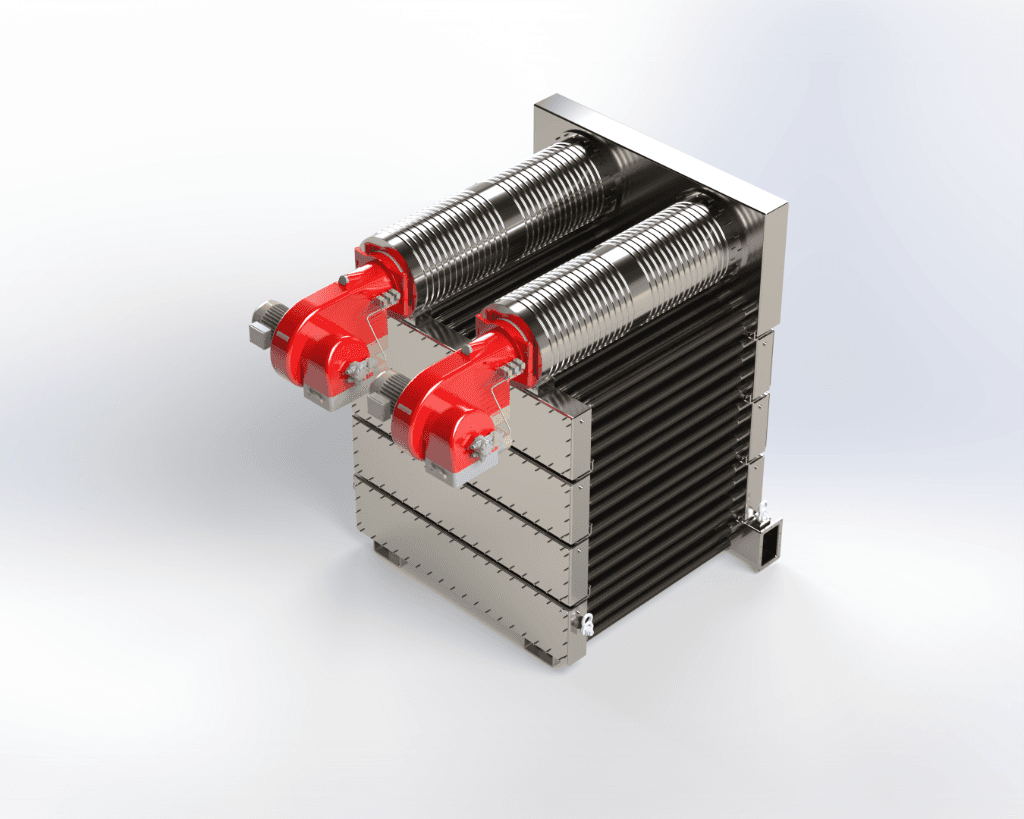
Double-burner indirect process heater for high-capacity applications — 1,500 to 2,500 kW thermal output.
Waste Recycling
Applications
Select an application to see how our auxiliary process heaters support your waste treatment operation.
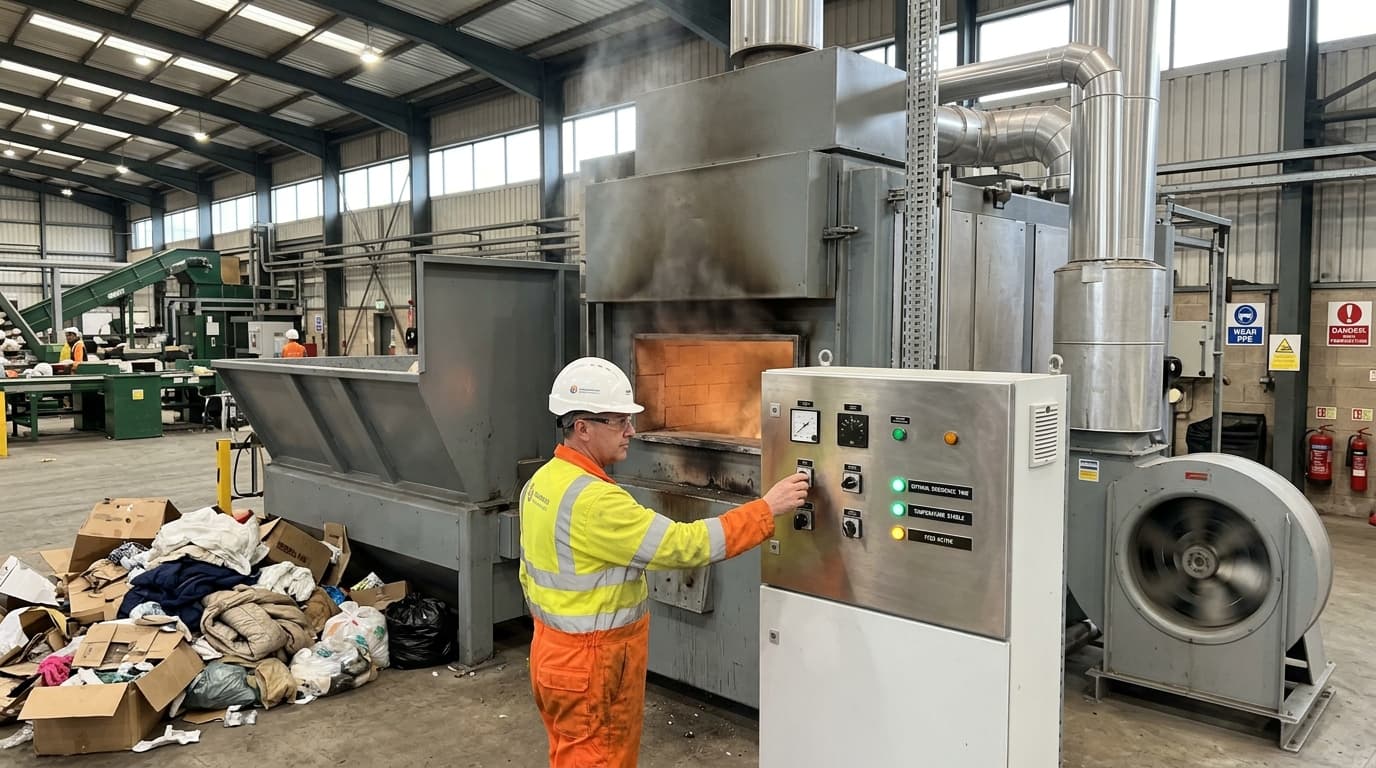
Municipal solid waste (MSW) and industrial waste streams have highly variable calorific values. Our indirect process heaters act as reliable auxiliary heat sources, sustaining primary and secondary combustion chamber temperatures at ≥850°C during low-CV waste periods — ensuring continuous compliance with IED and EN 850 regulatory requirements without manual intervention.
IED Compliant
Maintains ≥850°C regulatory minimum
Multi-Fuel Ready
Natural gas, LPG, biogas, syngas
Smart Controls
Modulating burners with SCADA integration
20+ Year Life
Free-floating tube bundle design
Built for
Waste Recycling
Key advantages for waste incineration and process destruction operations.
Regulatory Compliance Built In
Modulating burners automatically maintain ≥850°C chamber temperature regardless of incoming waste CV variation — avoiding exceedance events that trigger regulatory action.
Continuous 24/7 Operation
Designed for uninterrupted industrial duty. ~30 minute cold start, front-access panels for sub-2-hour service intervals, and free-floating tube bundle for long-term thermal cycling reliability.
No Cross-Contamination
Indirect heating completely isolates the auxiliary combustion from the waste stream — zero risk of flue gas, dioxins, or particulates entering auxiliary air or surrounding systems.
Multi-Fuel Flexibility
Switch between natural gas, LPG, and biogas without hardware changes. Ideal for waste-to-energy sites using recovered syngas as a secondary fuel source.
80–90% Thermal Efficiency
High-efficiency recuperative design minimises auxiliary fuel consumption — reducing operating cost per tonne of waste processed and improving overall plant energy balance.
Proven Industrial Reliability
20+ year service life expectancy. Free-floating tube bundle eliminates thermal stress cracking — the most common failure mode in high-temperature continuous-duty heat exchangers.
Retrofit-Ready
Auxiliary Heat
Connects as a standalone auxiliary heat source to your existing incineration system — no major structural changes, fully integrated with existing PLC/SCADA.
Compliance Gaps Cost More
Than the Auxiliary Fuel.
A single temperature exceedance event can trigger a regulatory stop notice, environmental agency investigation, and costly permit re-application. EcoHeat auxiliary heaters eliminate that risk — modulating automatically to hold ≥850°C regardless of what's in the waste stream, around the clock.
Modulating burner automatically compensates as waste calorific value drops — maintaining minimum regulatory temperature without operator intervention.
Full indirect separation — combustion gases, soot, and waste-stream byproducts never contact the auxiliary air or surrounding plant systems.
Free-floating tube bundle, front-access panels, and sub-2-hour service intervals keep your auxiliary system aligned with planned maintenance windows.
Free-floating tube bundle, front-access panels, and sub-2-hour service intervals keep your auxiliary system aligned with planned maintenance windows.
Related Products
& Services
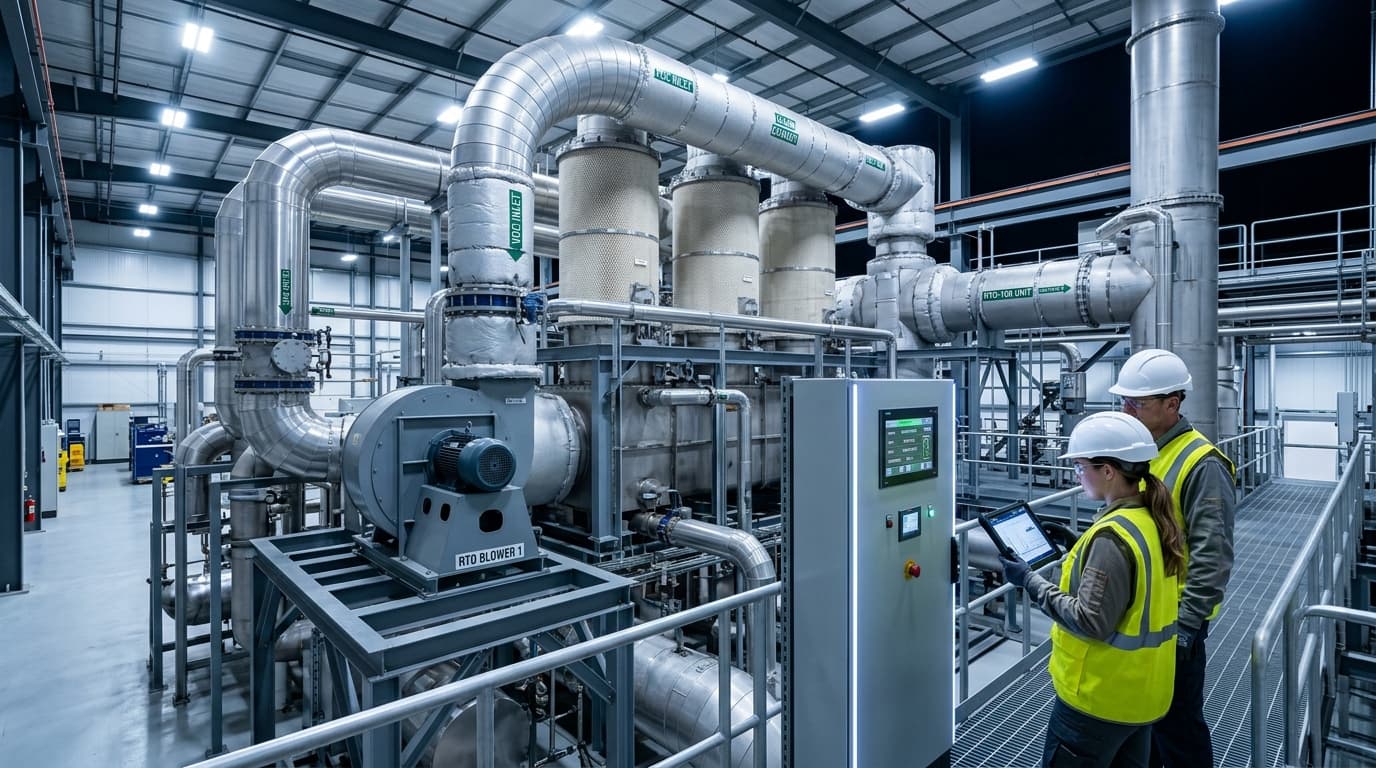
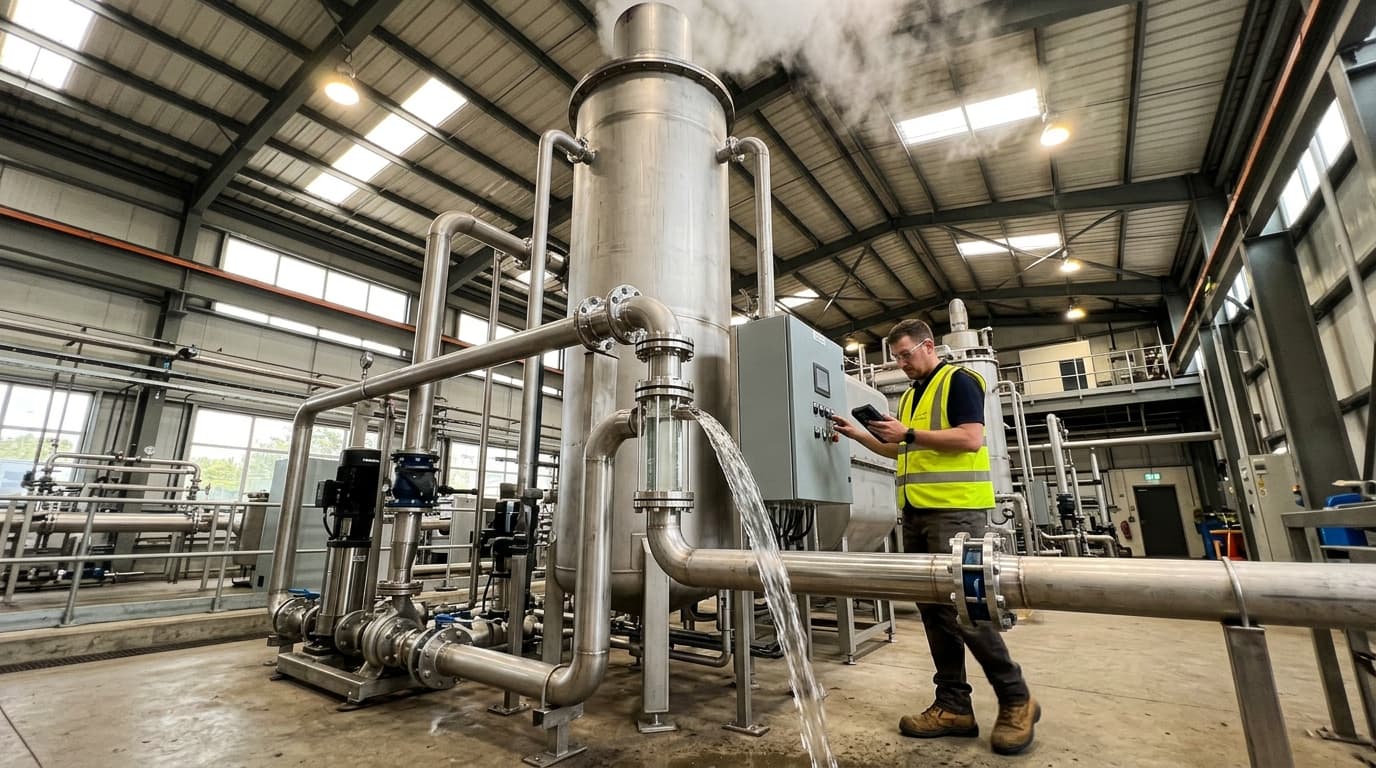
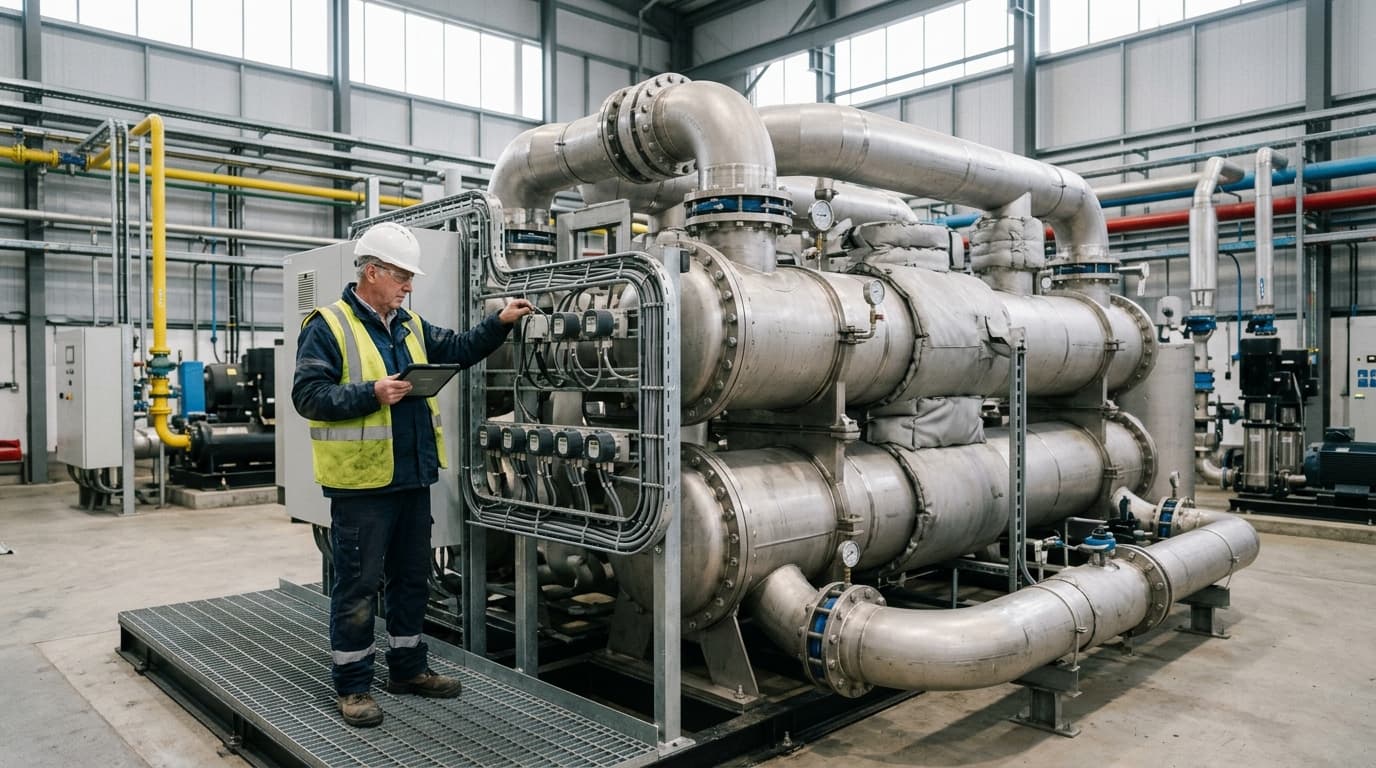
Complementary equipment and engineering services for your process.
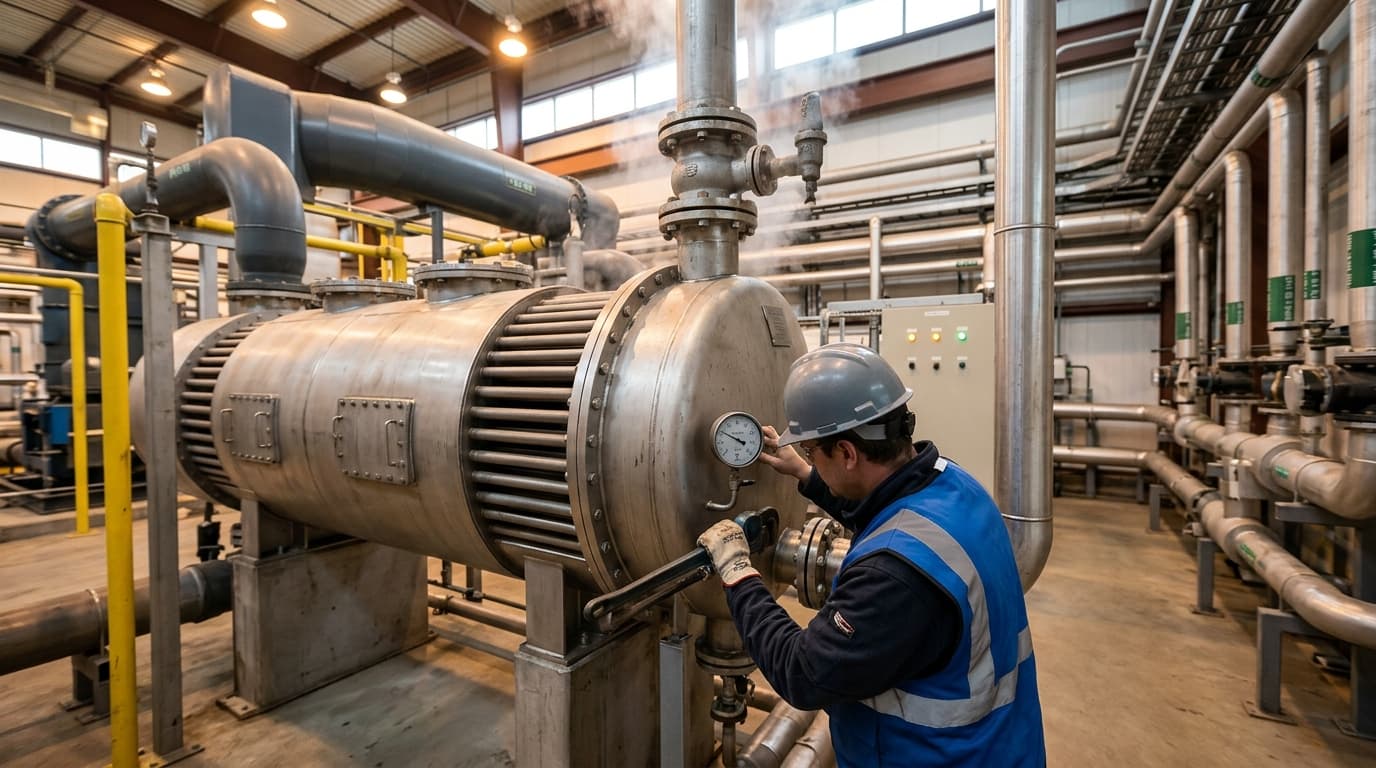
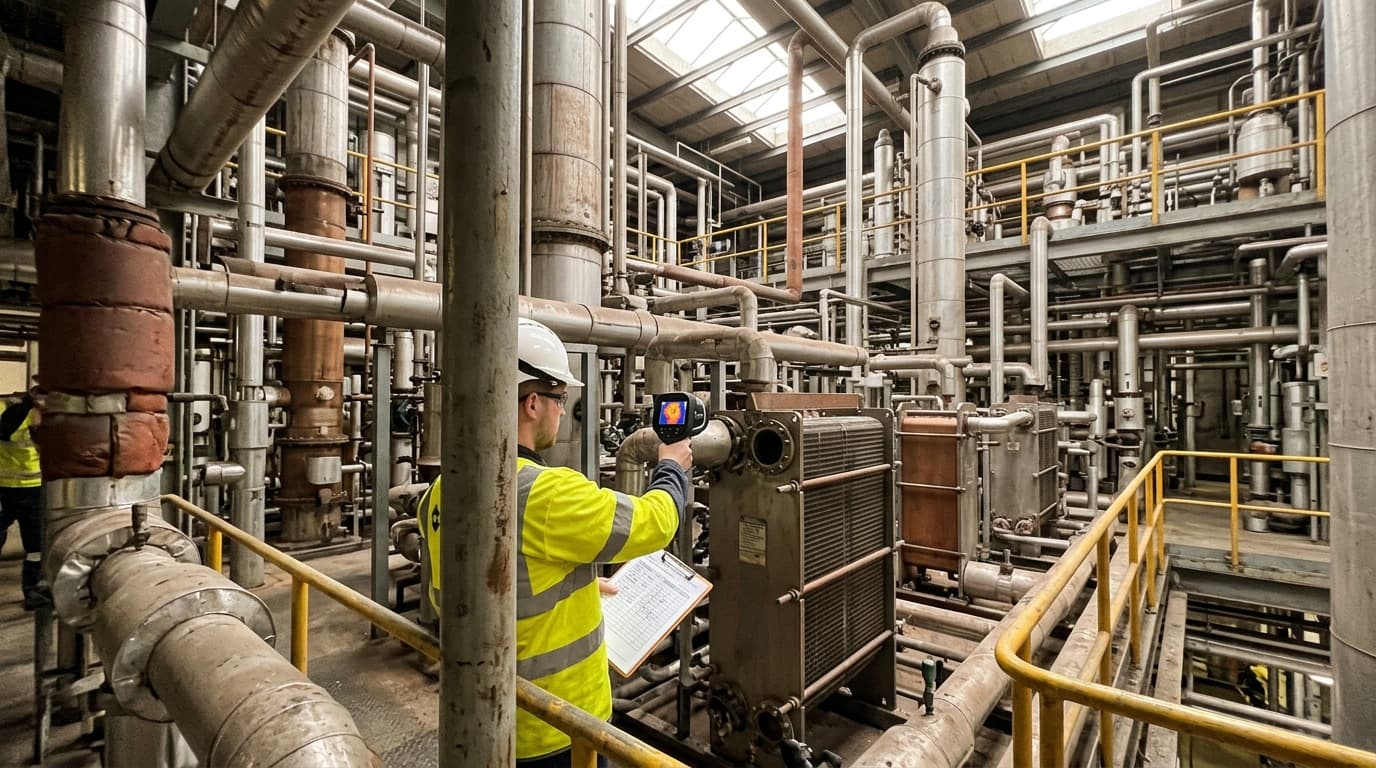
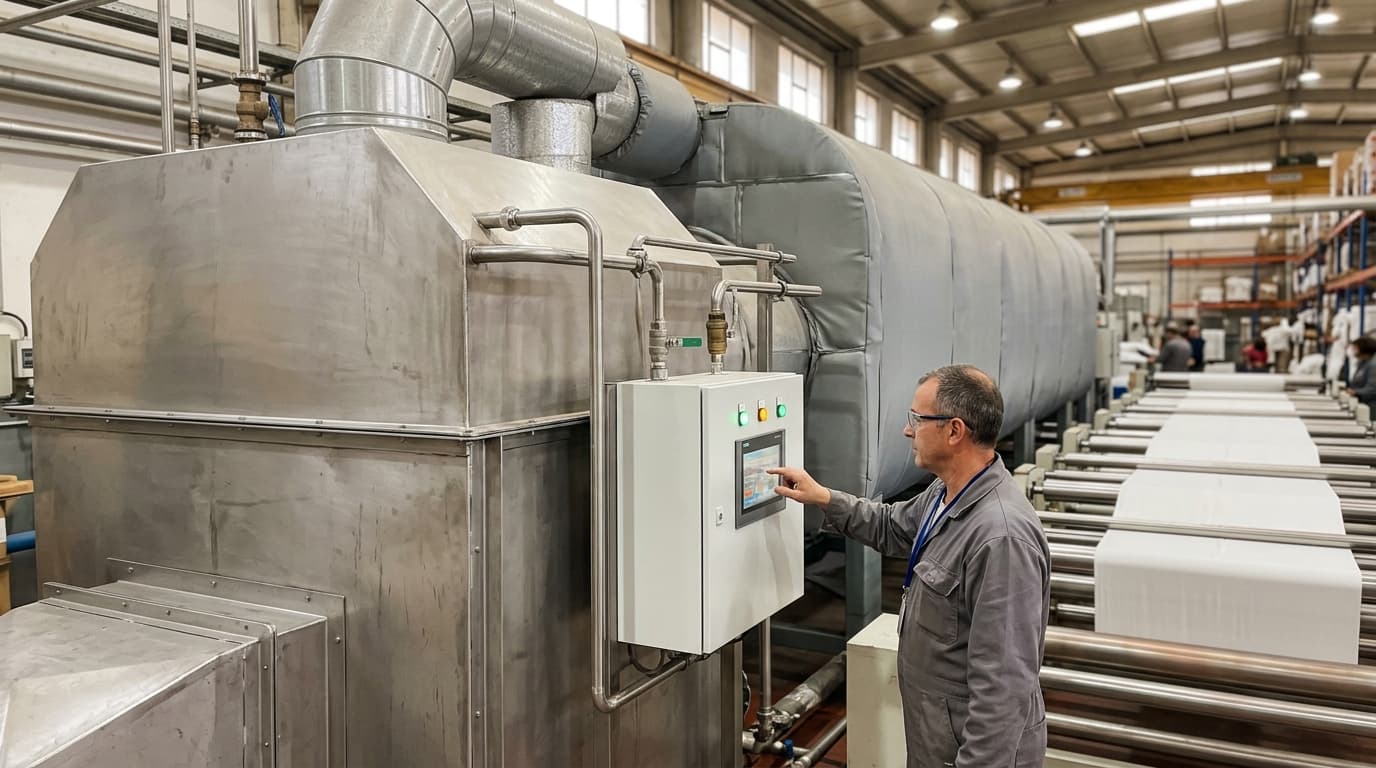
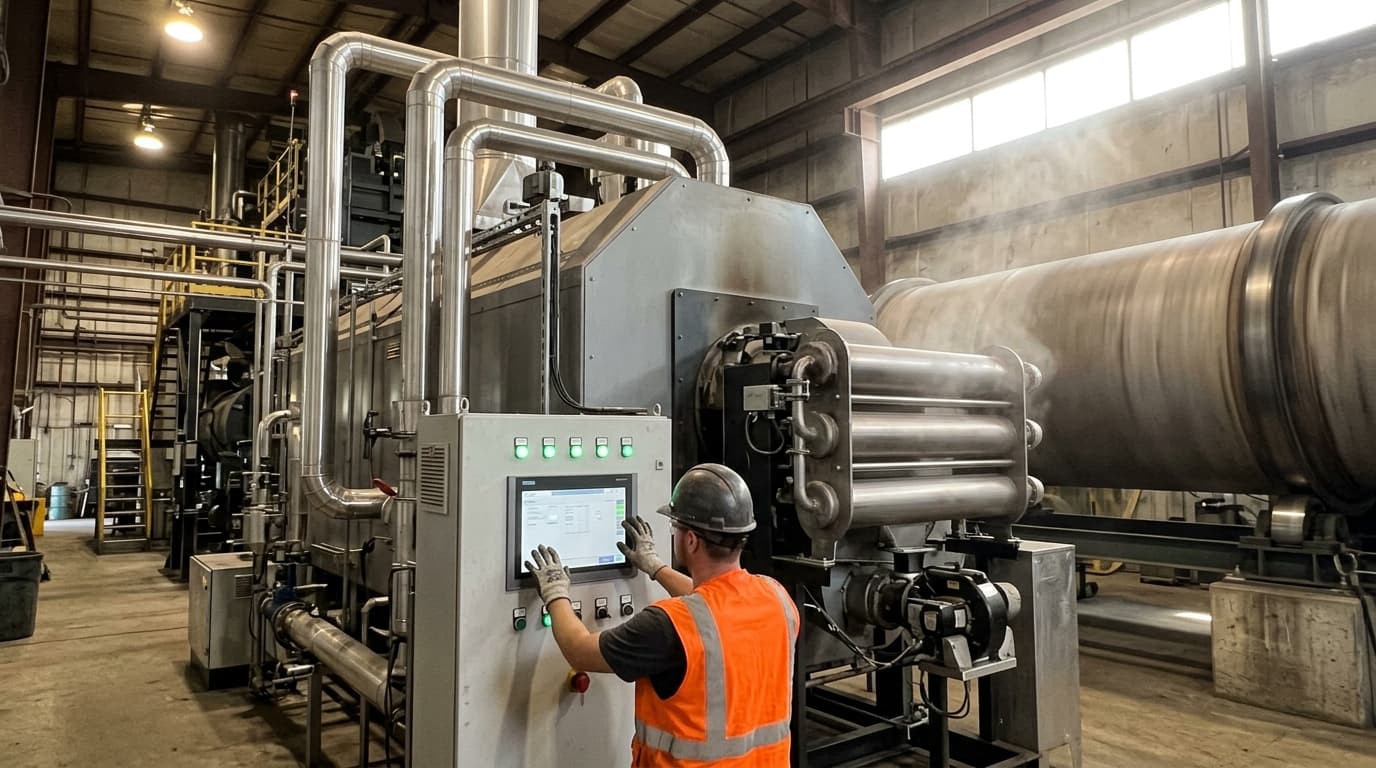
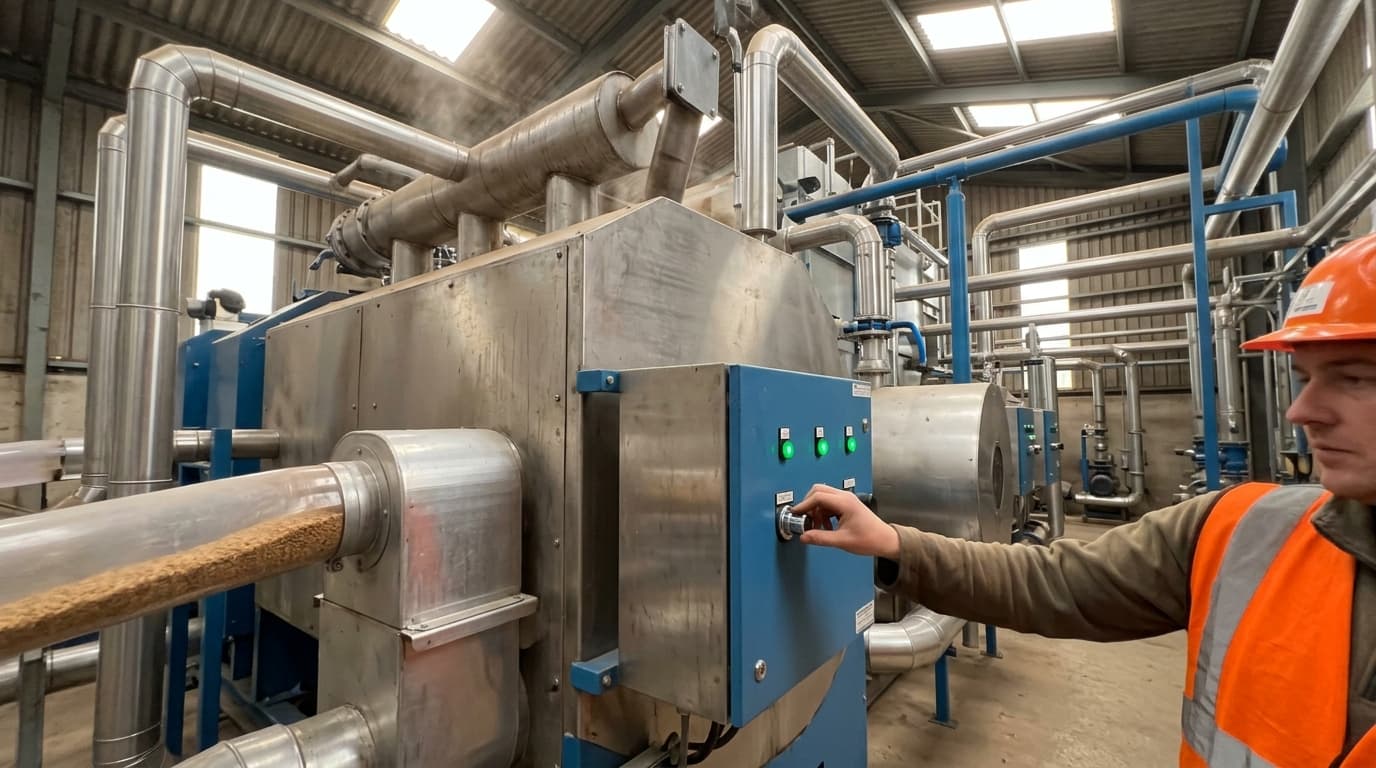
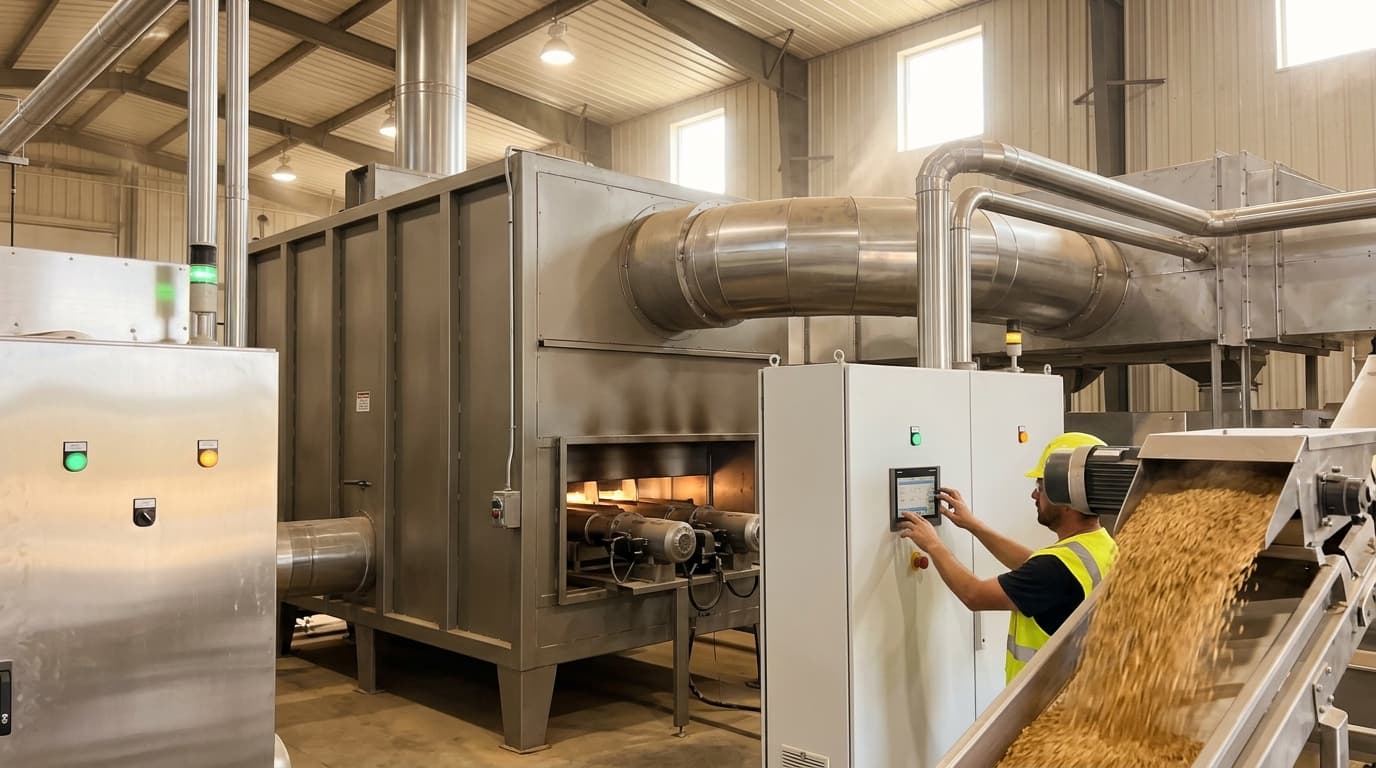
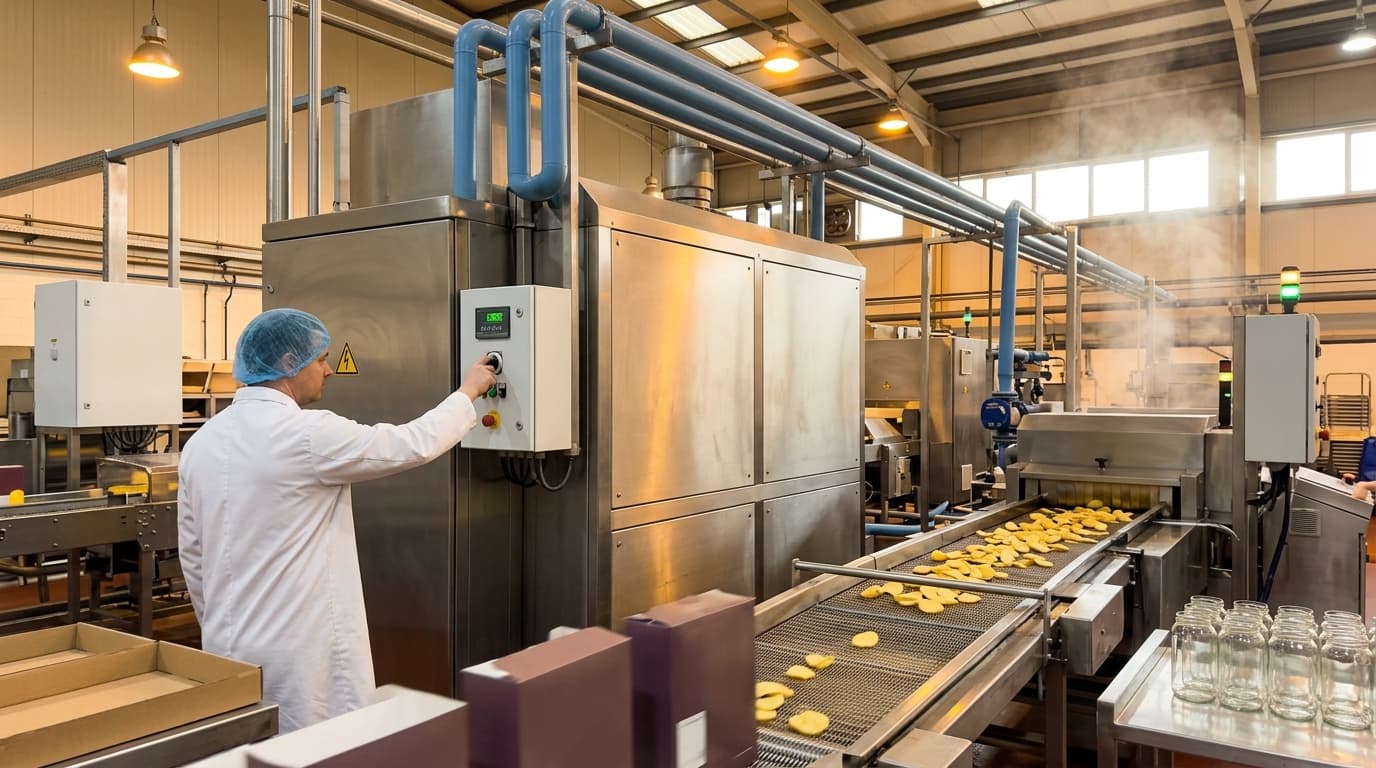
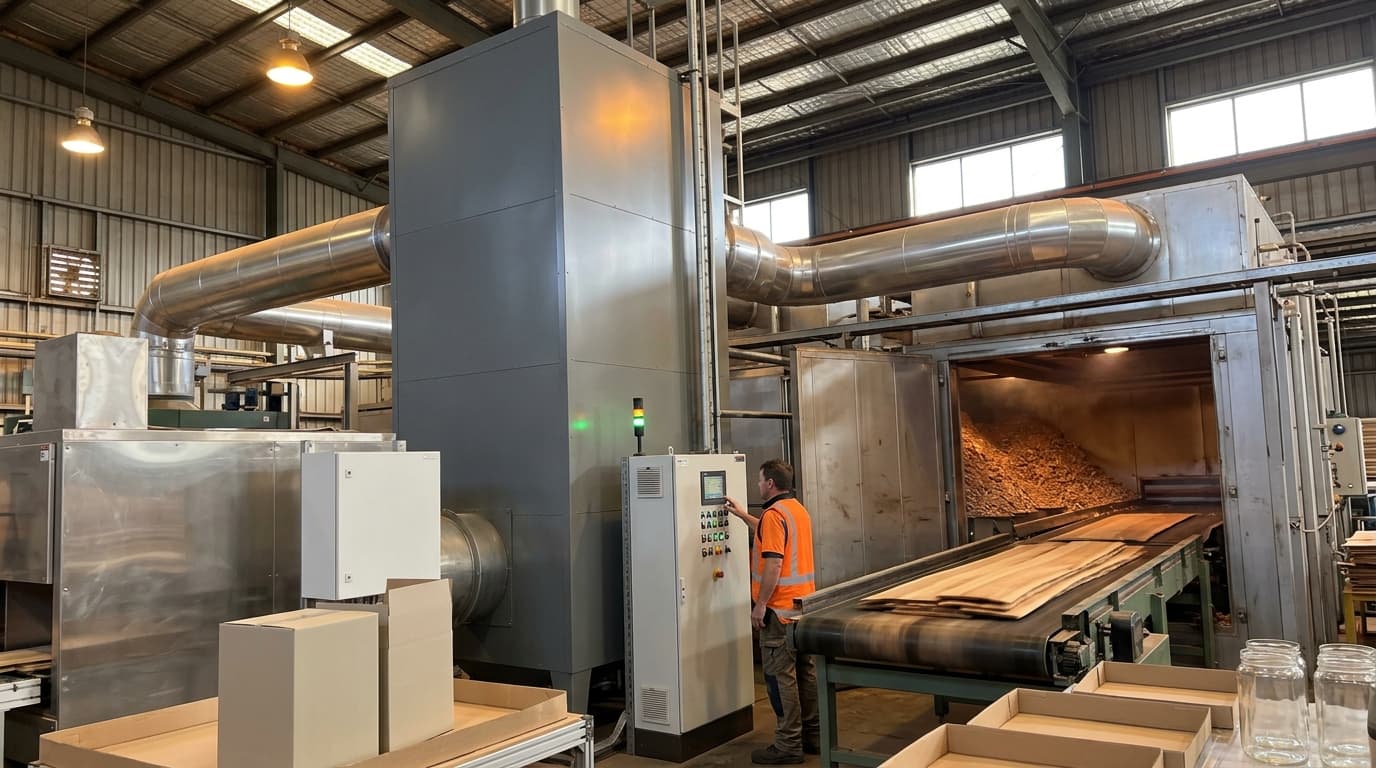
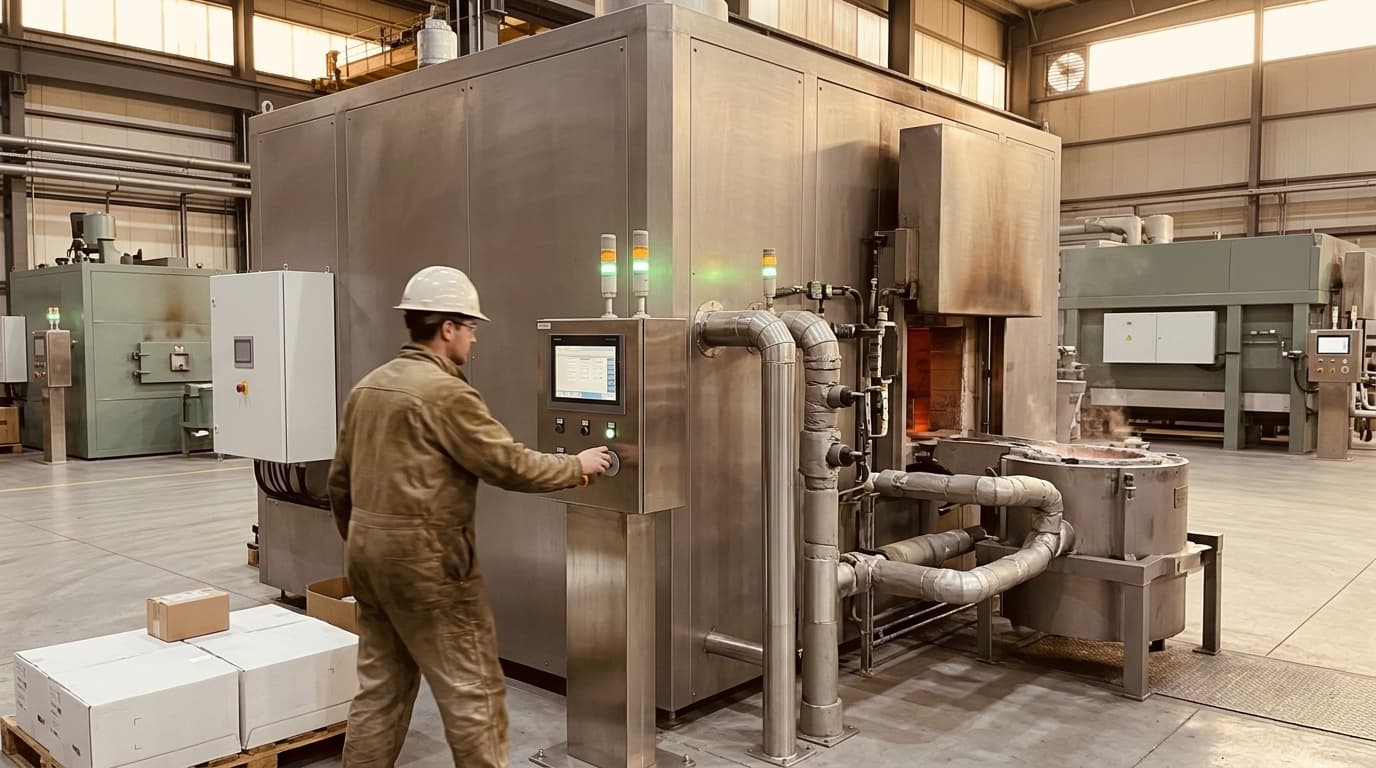
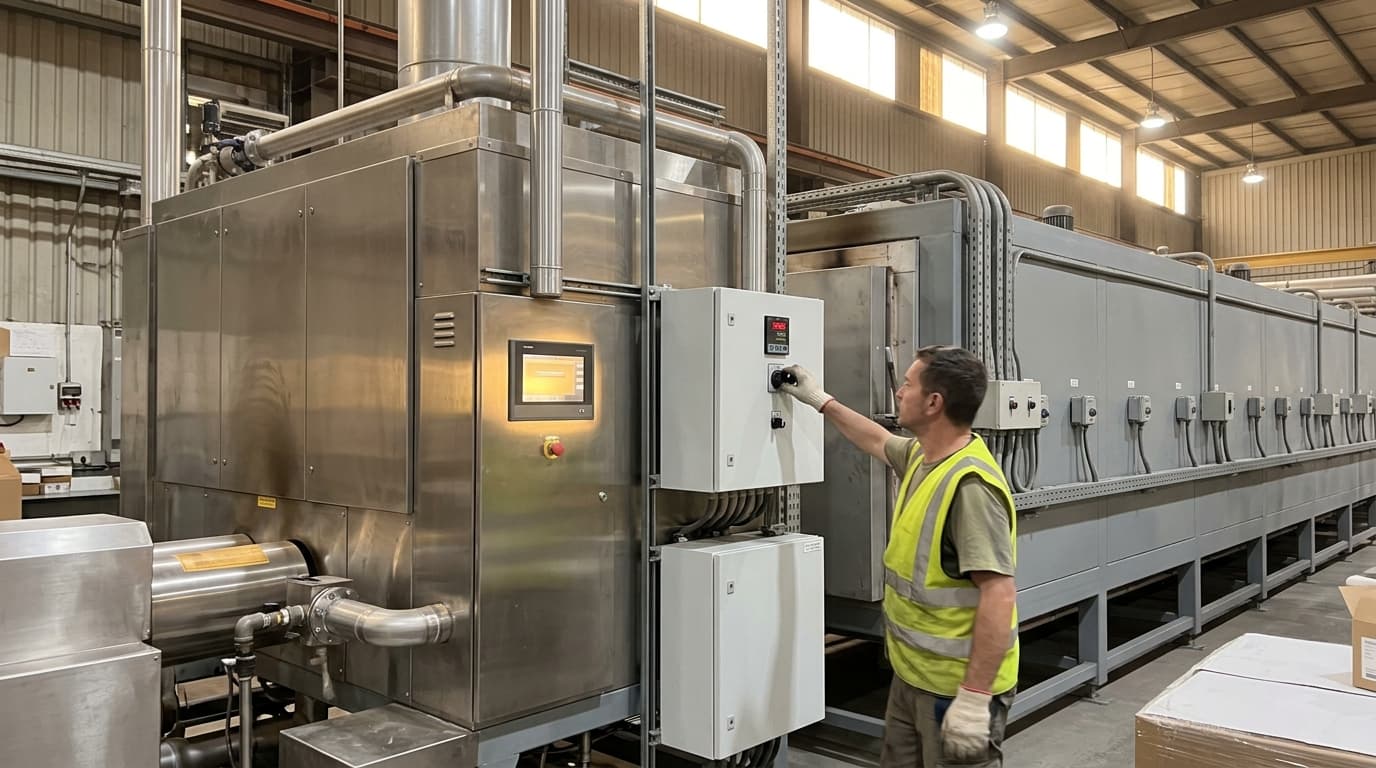
Waste Recycling
FAQs
Common questions about auxiliary process heating for waste incineration and process destruction systems.
In waste incineration, the primary fuel is the waste itself. However, waste calorific value varies constantly depending on moisture content and composition. An indirect process heater acts as a reliable auxiliary heat source — automatically modulating to maintain the minimum regulatory combustion temperature (≥850°C for IED compliance) whenever waste heat output drops. This prevents temperature exceedances and keeps the plant in continuous regulatory compliance.
Standard direct-fired burners inject combustion products directly into the process stream. In waste applications, this risks re-introducing combustion byproducts into auxiliary or secondary air systems. Our indirect heaters use a sealed heat exchanger to fully separate combustion from the process air — the heated air carries zero combustion gases, soot, dioxins, or NOx from the burner side.
Our EcoHeat units can support auxiliary temperatures up to 1200°C, covering the full range required for both municipal (≥850°C IED threshold) and hazardous/chemical waste destruction (typically 1100–1200°C residence temperature). Precise modulating control holds set-point within ±3°C even as waste stream heat output fluctuates.
Yes. Our burners are compatible with natural gas, LPG, and biogas including recovered syngas from gasification or anaerobic digestion. This is particularly valuable for waste-to-energy facilities that want to use their own process gas to fuel the auxiliary system — reducing grid gas consumption and improving overall plant energy efficiency.
The EcoHeat burner modulates automatically based on chamber temperature feedback from your existing PLC or SCADA system. As waste CV drops (e.g. wet waste batches, low-grade MSW), the burner increases output to compensate. When waste provides more heat, the burner turns down. This continuous adjustment maintains a stable chamber temperature without manual control, protecting regulatory compliance 24/7.
Front-access panel design allows burner, tube bundle, and control system inspection without removing the unit from the process line. Routine service intervals are typically under 2 hours. The free-floating tube bundle design eliminates thermal stress cracking — the most common cause of unplanned downtime in high-temperature heat exchanger applications — giving predictable long-term maintenance schedules aligned to planned plant shutdowns.
Waste Recycling
Consultation
Our engineering team specialises in waste thermal solutions. Tell us about your incineration system and compliance requirements.
- Municipal solid waste incineration
- Industrial process incineration
- Hazardous & chemical waste destruction
- IED compliance & auxiliary heat sizing