Waste
Management
Heat Recovery
EfW flue gas recovery, RDF process heat capture, and landfill gas energy utilisation.
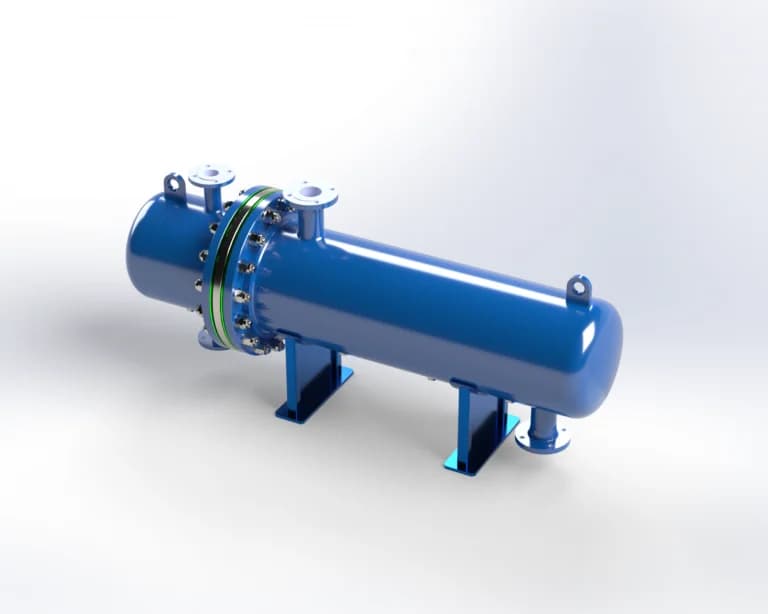
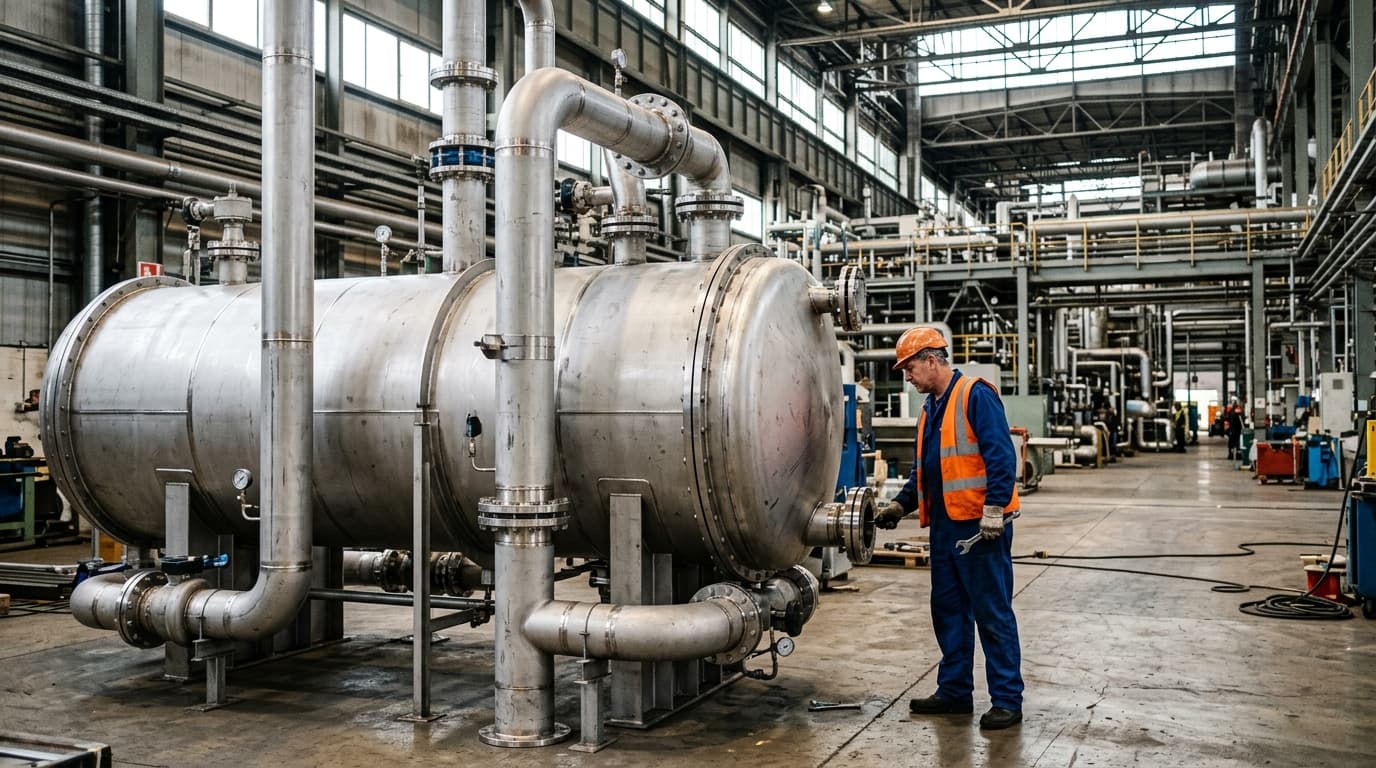
Heat exchangers for waste management — recovering energy from Energy from Waste (EfW) plants, RDF processing, and landfill gas engines. SS 304L construction handles corrosive flue gases with 250–3,500 kW capacity.
Three Models,
One Solution
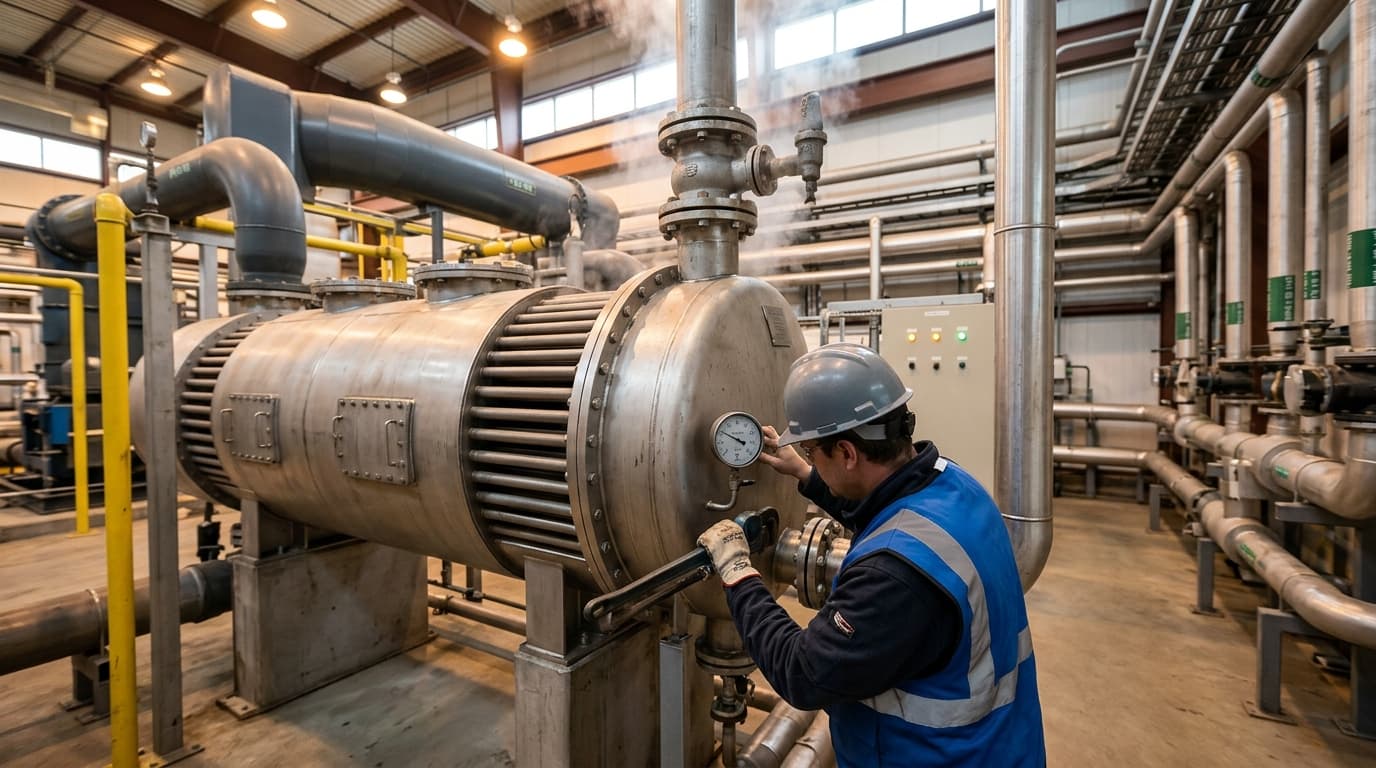
Economiser for Energy-from-Waste boilers — recovers heat from flue gases downstream of APC equipment to preheat feedwater or district heating return water.
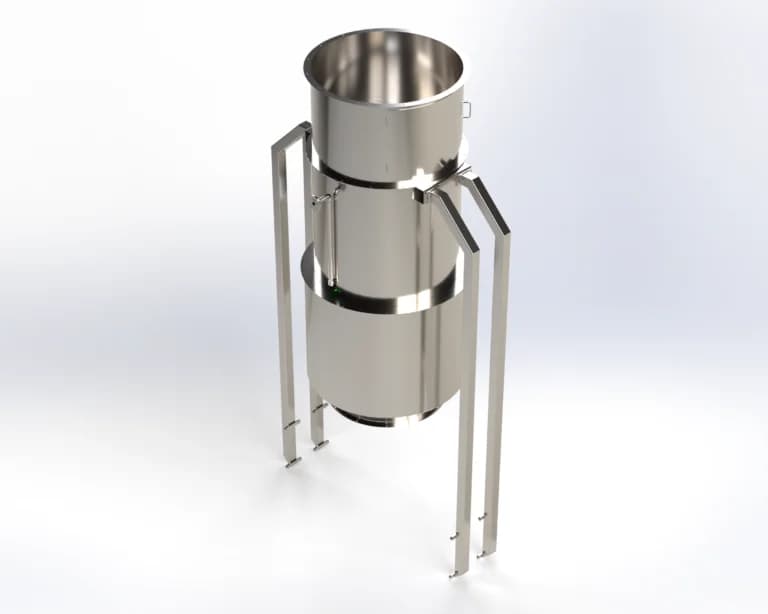
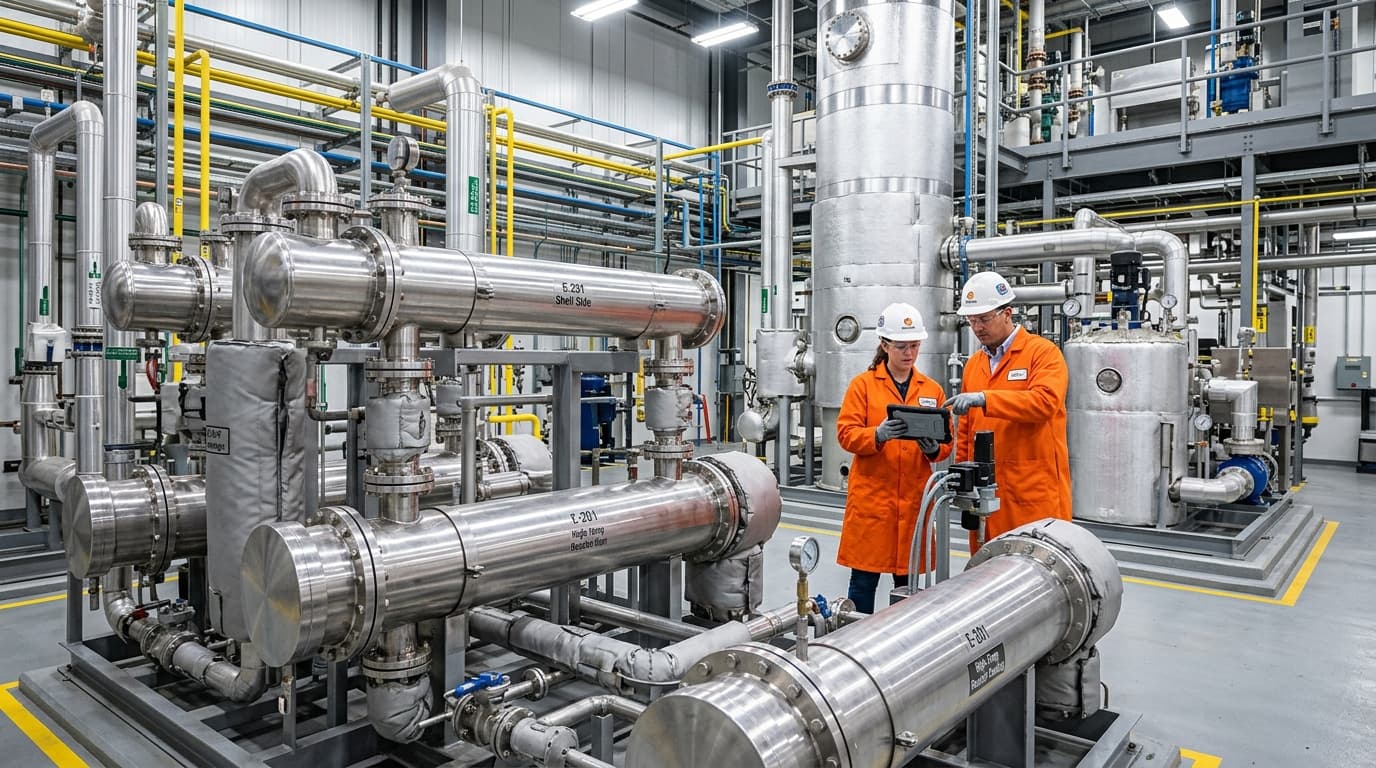
Large-capacity plate heat exchanger for EfW turbine condenser heat recovery, district heating networks, and process water heating at 2,000-3,500 kW capacity.
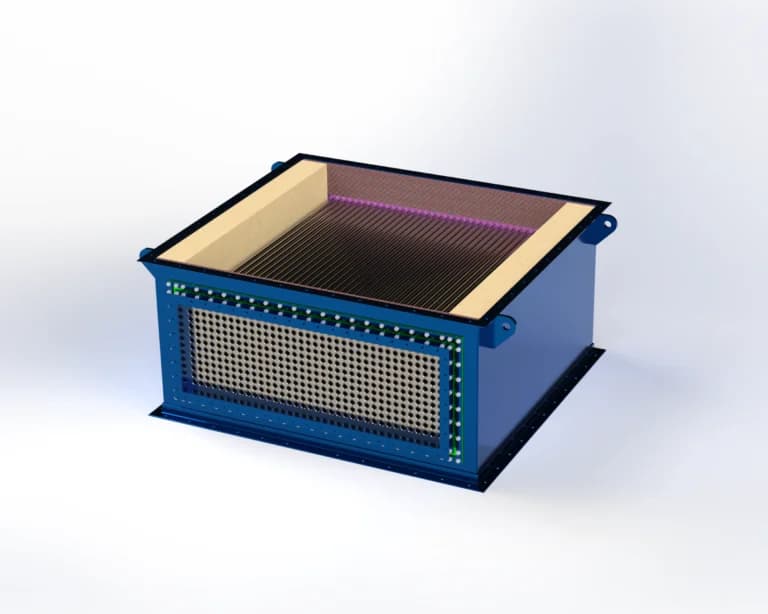
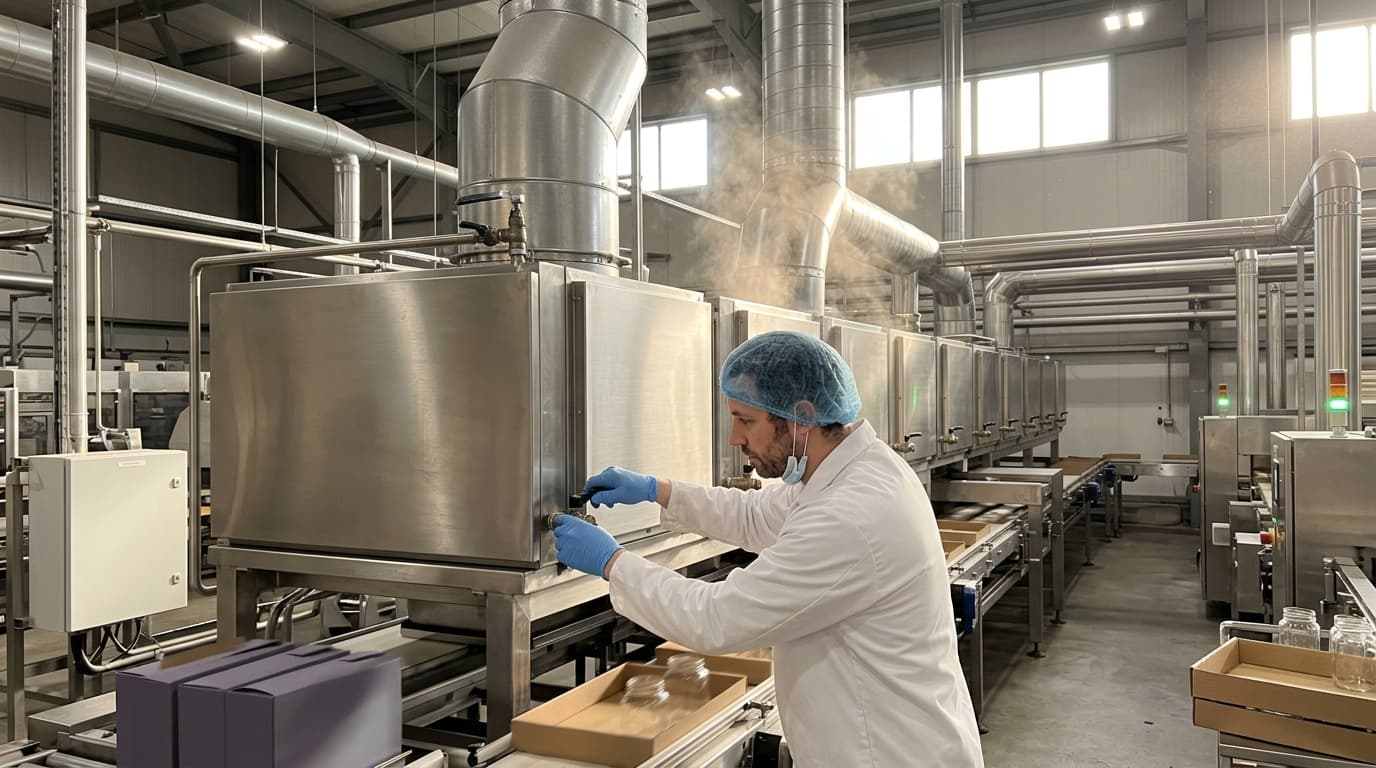
Air-to-air heat recovery from waste processing hall ventilation, MRF extraction systems, and composting facility exhaust. Reduces heating costs while managing odour containment.
Waste Management
Applications
Select an application to explore heat recovery for your waste management facility.
EfW plants discharge flue gases at 180–350°C after air pollution control systems. Our EcoStream EST shell and tube exchangers recover this residual thermal energy for district heating networks, on-site process heating, or boiler feedwater preheating. SS 304L construction handles the corrosive acidic condensates from municipal waste combustion flue gases, while counterflow design maximises approach temperatures.
Acid Resistant
SS 304L handles corrosive waste combustion gases
Post-APC Ready
Designed for gases after pollution control
District Heat
Suitable for district heating network feed
Easy Cleaning
Removable covers for tube access
Built for
Waste Management
Key advantages for waste management heat recovery.
EfW Economising
Recovers residual heat from Energy-from-Waste boiler flue gases downstream of APC systems at 180-350°C.
RDF Kiln Recovery
Captures exhaust heat from RDF combustion kilns for feedwater preheating or on-site process heating.
Acid Gas Resistant
SS 304L construction withstands HCl, HF, and SOx condensates found in post-APC waste combustion gases.
Feedwater Preheating
Raises boiler feedwater temperature using waste flue gas energy, improving overall EfW plant thermal efficiency.
Post-APC Optimised
Designed for installation after air pollution control equipment where gas temperatures and corrosion profiles are predictable.
Rapid Tie-In
Pre-fabricated connections and compact footprint allow installation during planned EfW plant outages with minimal downtime.
Turns Waste Heat
Into Revenue
Engineered for incineration and waste-to-energy exhaust recovery — captures heat from the hottest, most aggressive waste streams.
Your Waste Is
An Energy Source.
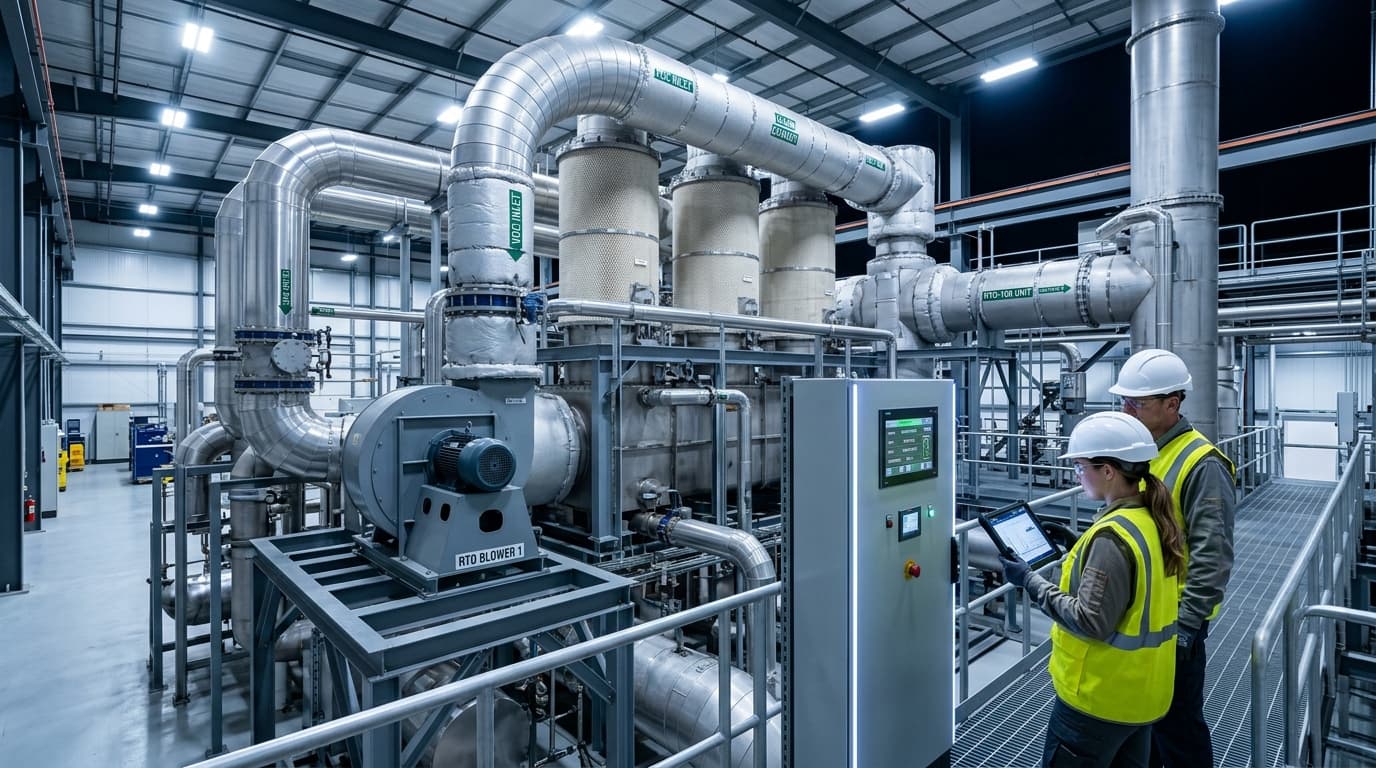
Waste incineration and waste-to-energy facilities generate enormous quantities of recoverable thermal energy. Our shell and tube heat exchangers capture exhaust heat from incineration, gasification, and pyrolysis systems — converting it to hot water, steam, or electrical generation. Turn your disposal cost centre into an energy revenue stream.
Recover waste heat from incinerator exhaust for district heating, steam generation, or electricity production.
SS 304L/316L construction resists the acidic conditions and particulate loading in waste combustion exhaust.
Heat recovery converts waste disposal costs into energy assets — generating revenue from heat or electricity sales.
Heat recovery converts waste disposal costs into energy assets — generating revenue from heat or electricity sales.
Related Products
& Services
Complementary equipment and engineering services for your process.
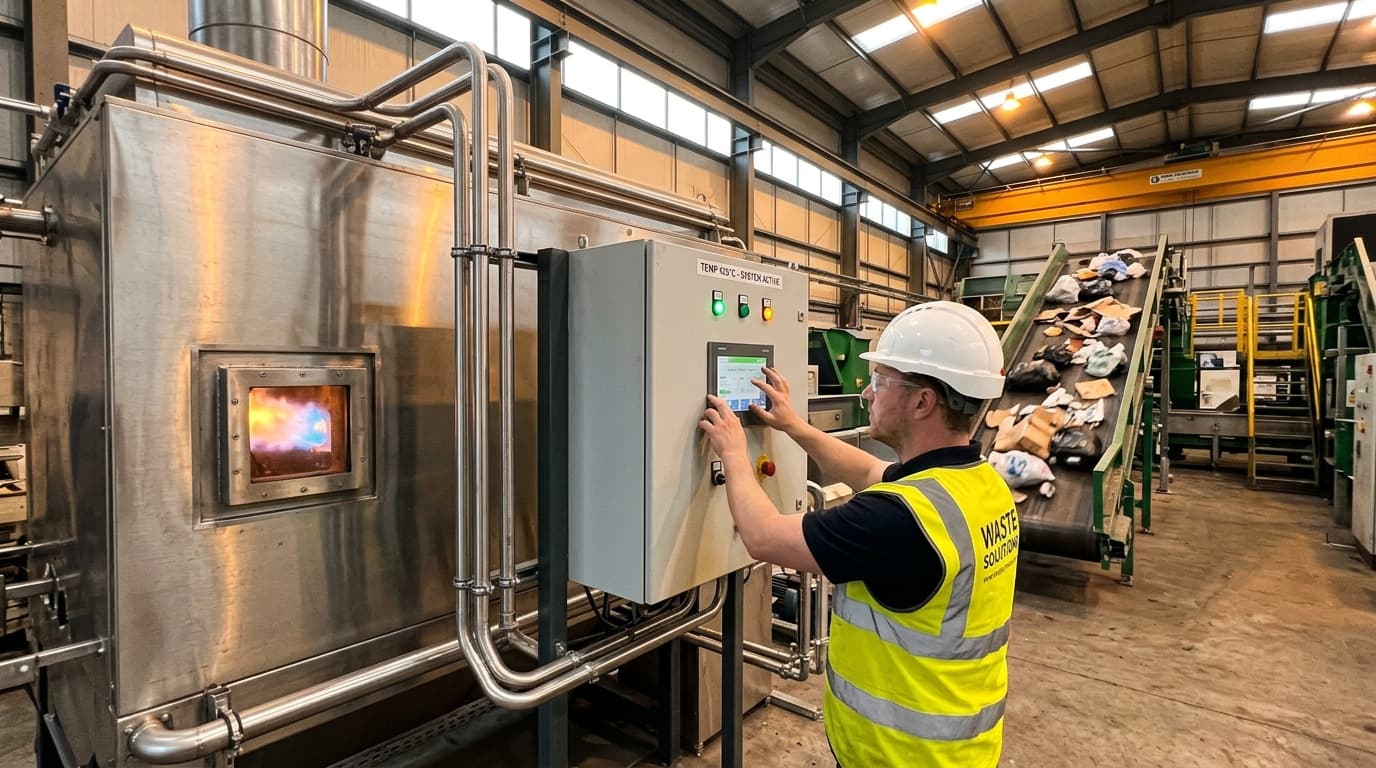
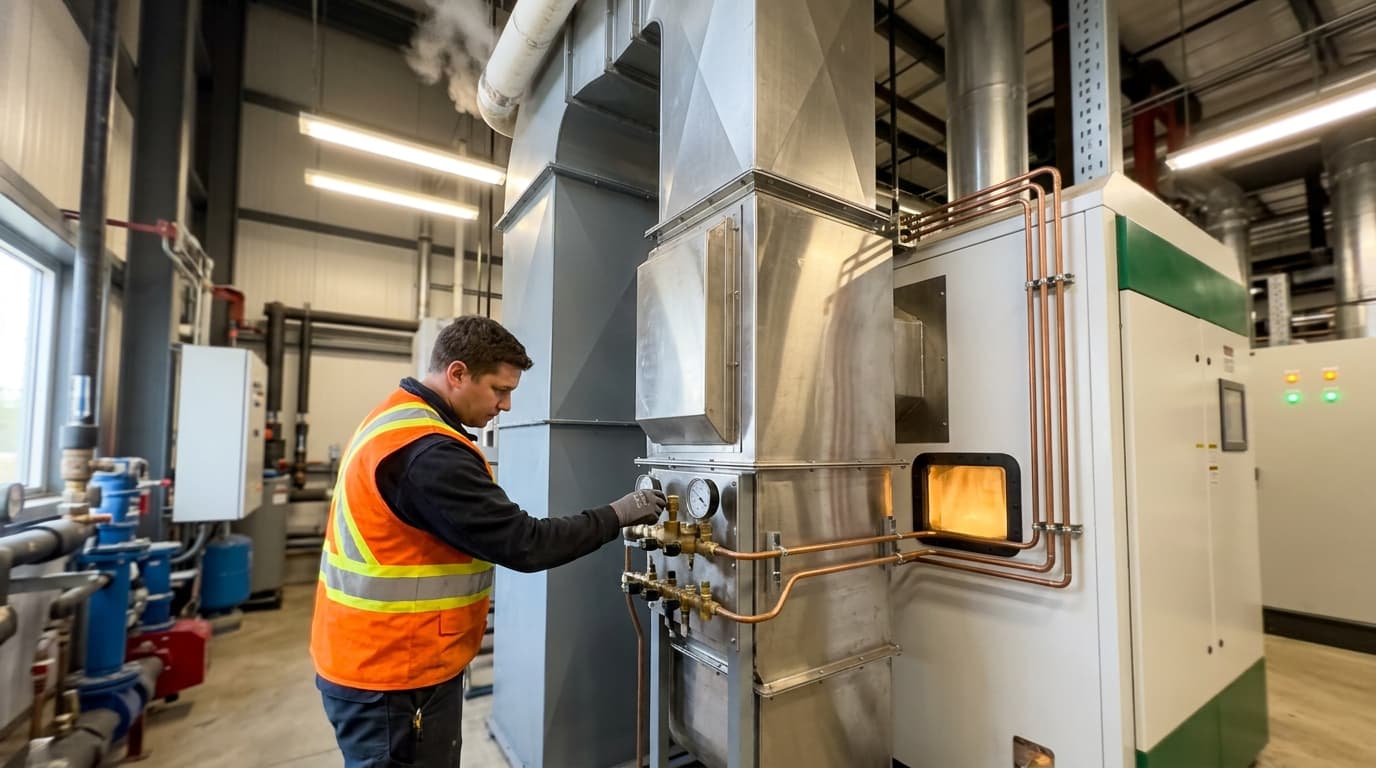
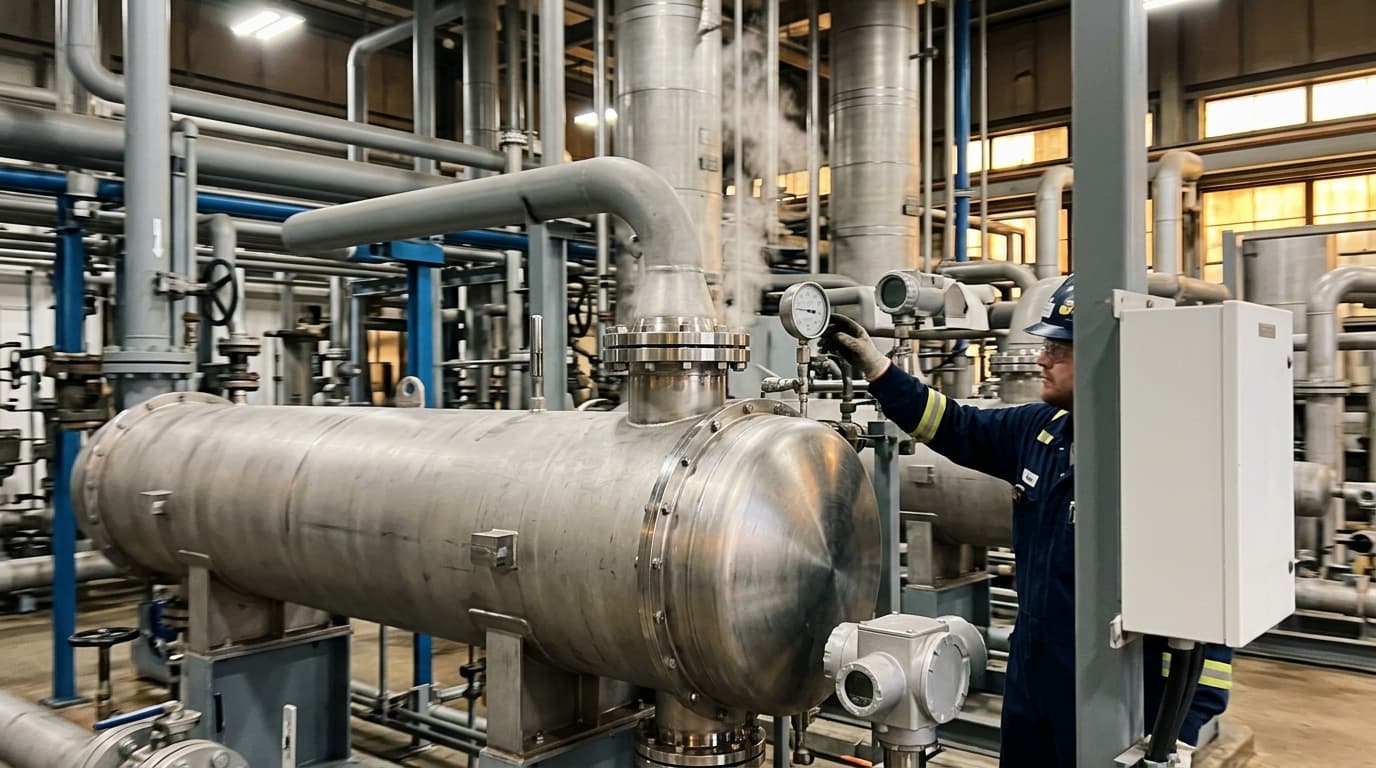
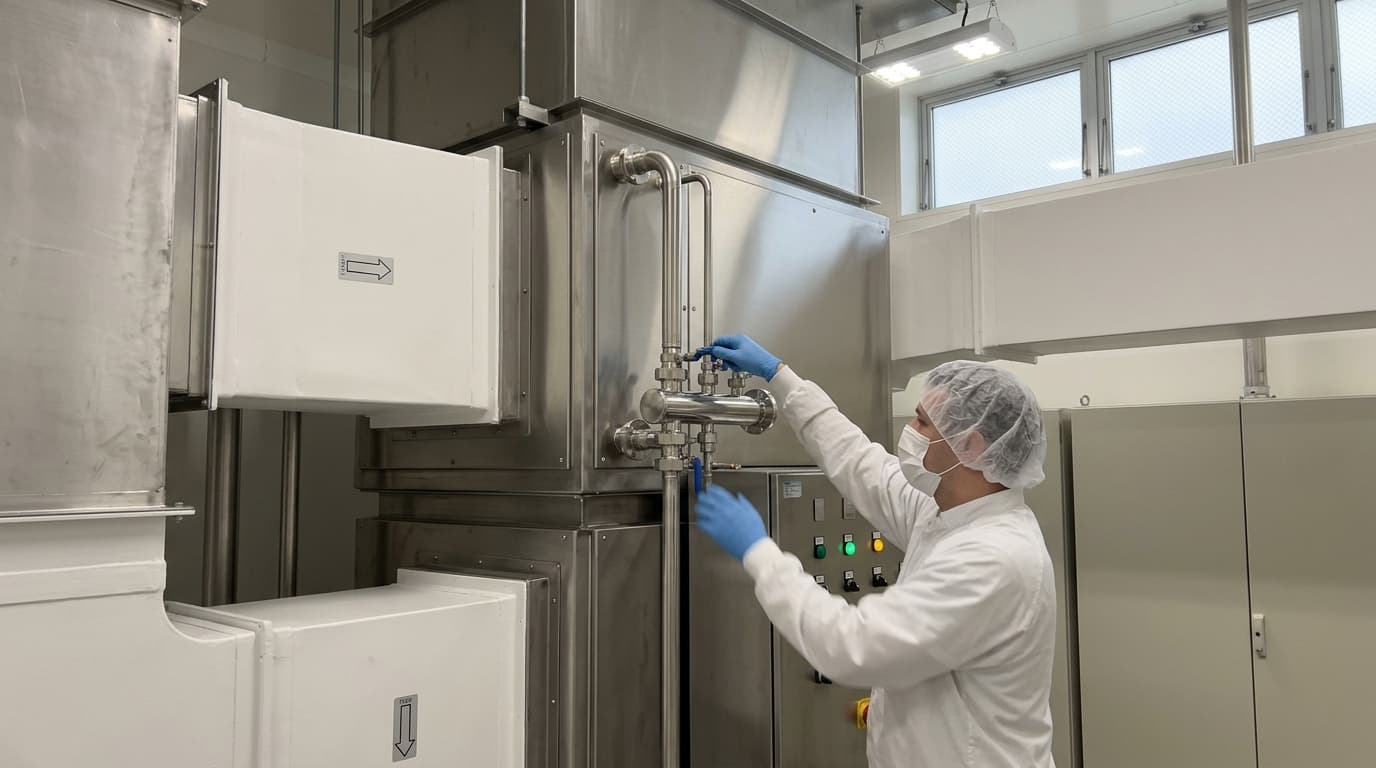
Waste
Management
FAQs
Common questions about heat recovery for waste management operations.
After the air pollution control system, flue gases at 180–350°C pass through our shell and tube heat exchanger. Heat is transferred to water or glycol circuits for district heating, process use, or boiler feedwater preheating. SS 304L construction handles the residual acidity in post-APC gases.
EfW flue gases contain HCl, HF, and SOx which form corrosive condensates. SS 304L provides good resistance when operating above the acid dewpoint. For heavily contaminated gas streams, we can specify SS 316L or higher-grade alloys. We design to maintain cold-end metal temperatures above critical thresholds.
Yes. Our EcoStream EST range is commonly used to feed recovered heat into district heating networks. We design for the specific supply/return temperatures and pressures of the DH network, and can provide full hydraulic integration engineering.
Landfill gas engines exhaust at 400–500°C. Our heat exchangers recover this energy for on-site use (offices, leachate treatment, workshops) or export. We account for trace contaminants from landfill gas combustion in our material selection and design approach.
RDF production involves shredding, screening, and drying stages. Dryer exhaust at 80–150°C is ideal for air-to-air heat recovery using our EnerAir EAA range, preheating incoming drying air and reducing fuel consumption by 15–25%.
EfW applications: 6–12 monthly inspection depending on flue gas conditions. Landfill gas: annual inspection. RDF: 6–12 monthly depending on exhaust cleanliness. Removable end covers provide tube access. We provide maintenance schedules tailored to your specific installation.
Ready to
Recover?
Our engineering team has experience across EfW, landfill gas, and RDF applications. Share your facility details.
- EfW flue gas recovery
- Landfill gas engine heat capture
- RDF process heat recovery
- District heating integration