LBI-500 500 kg pharmaceutical waste incinerator
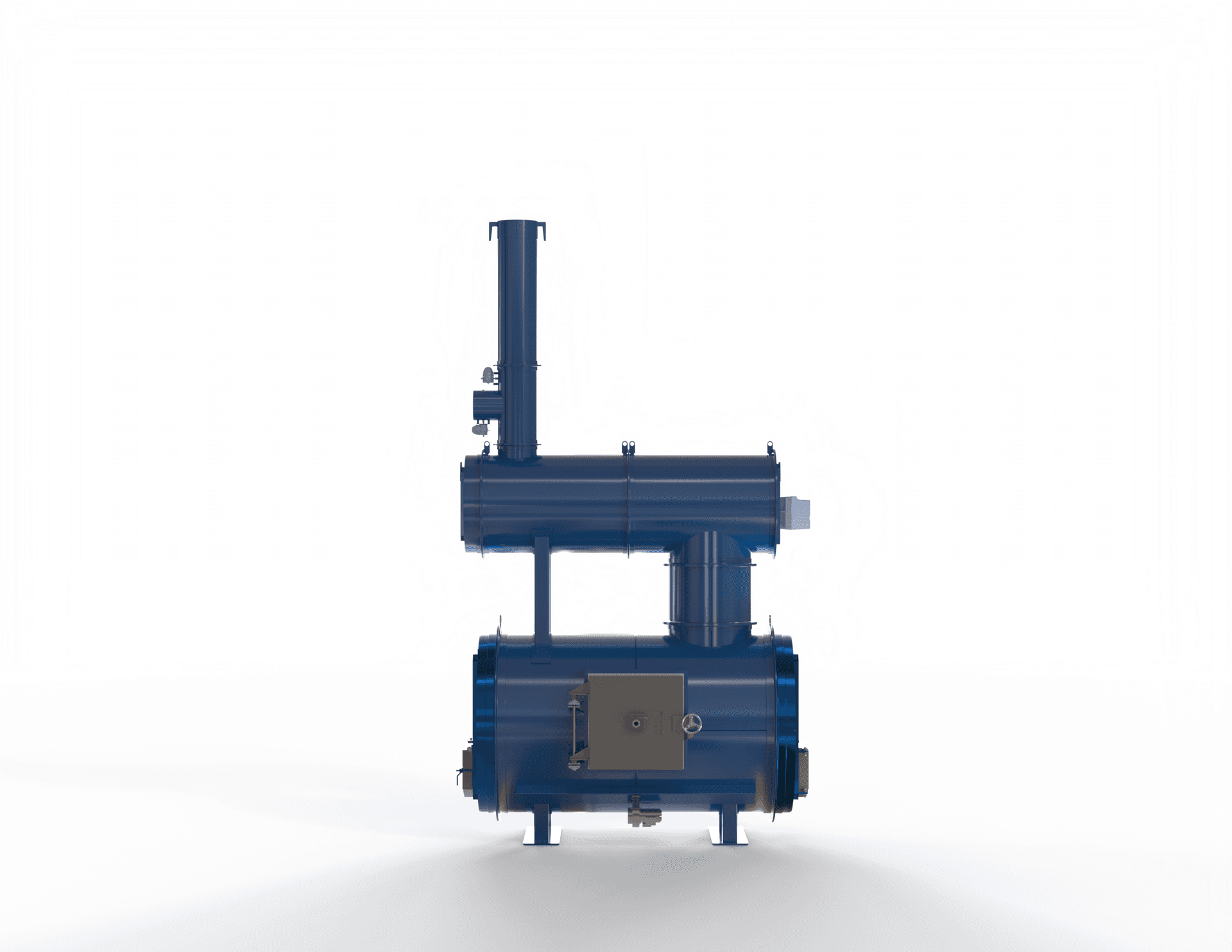
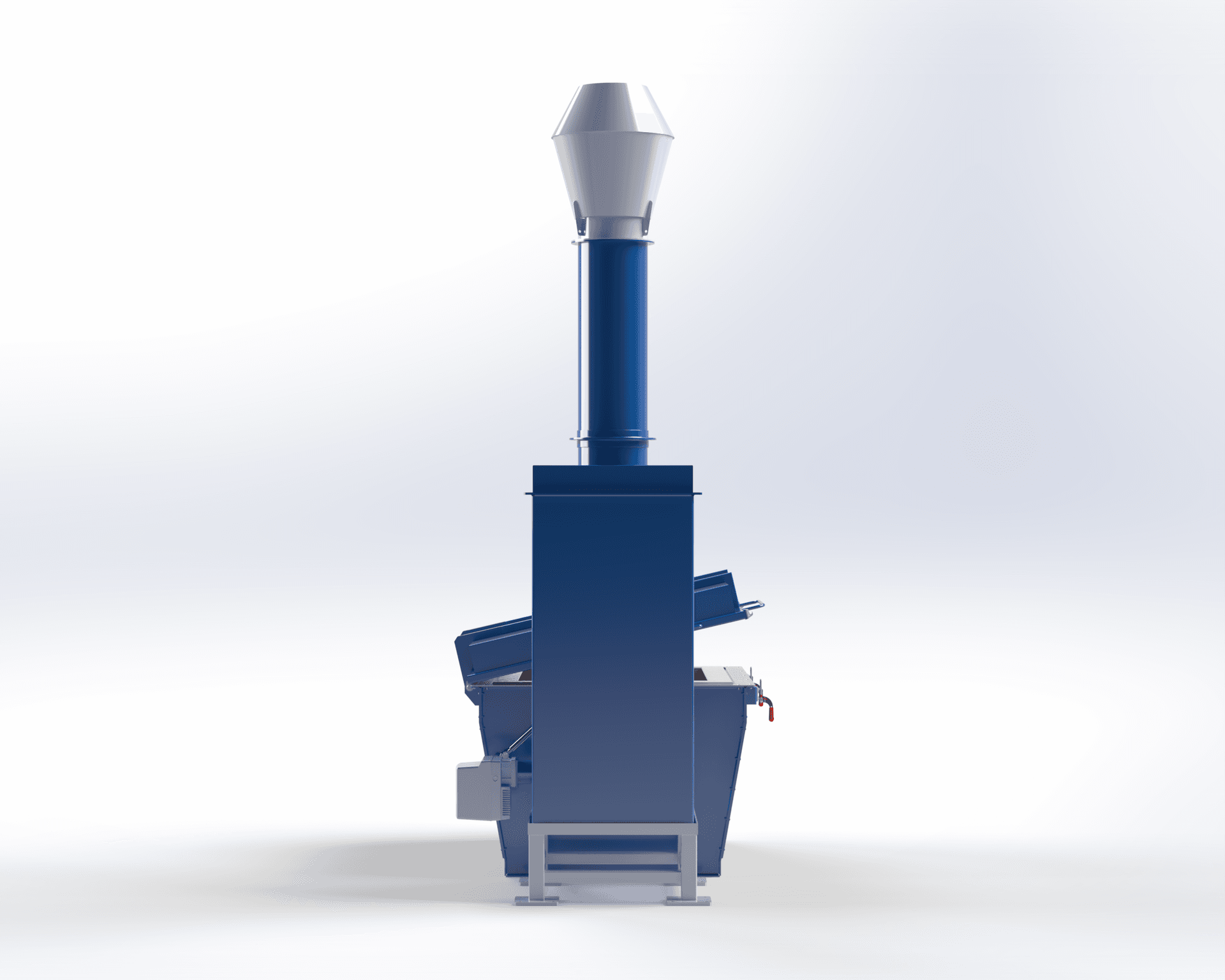
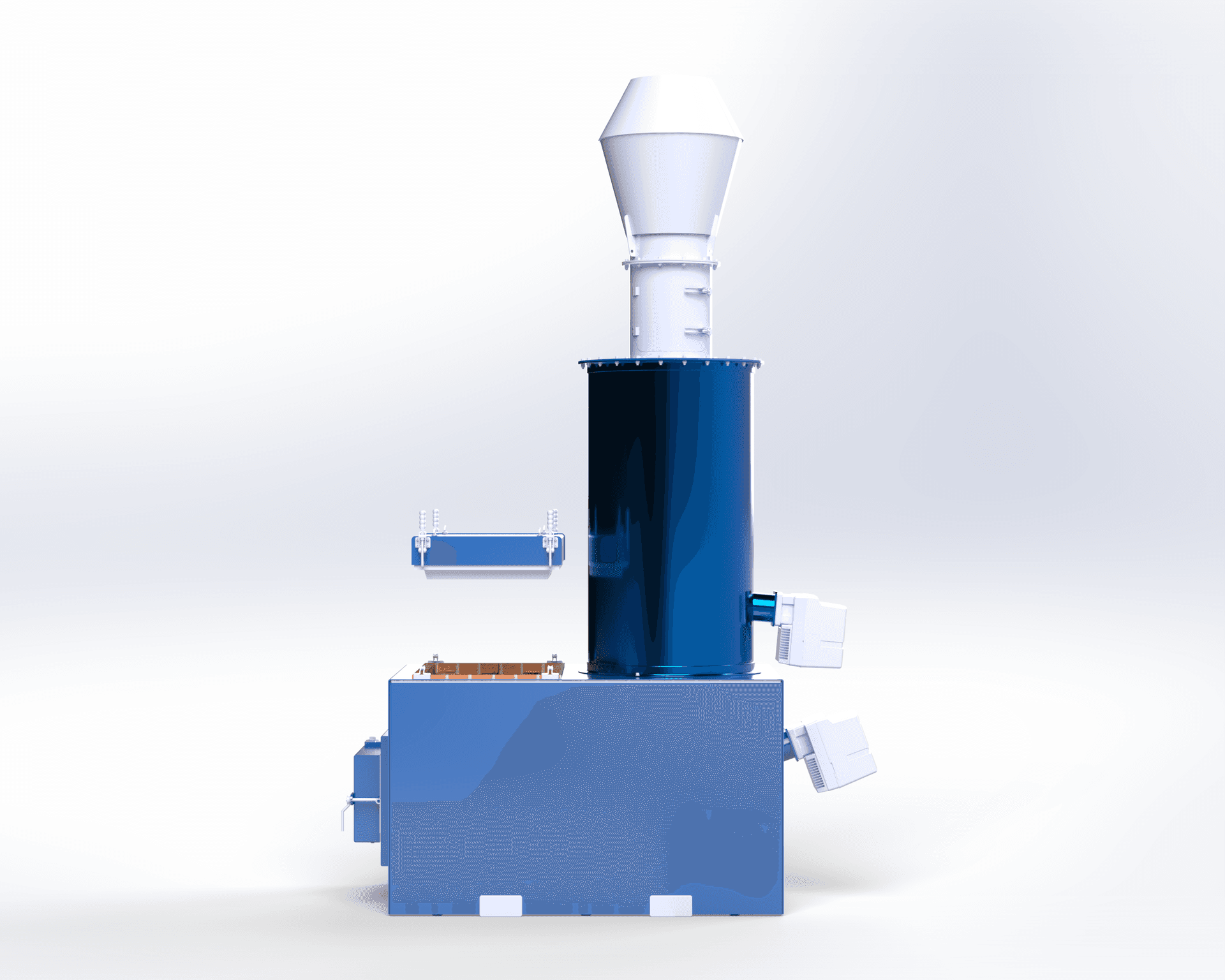
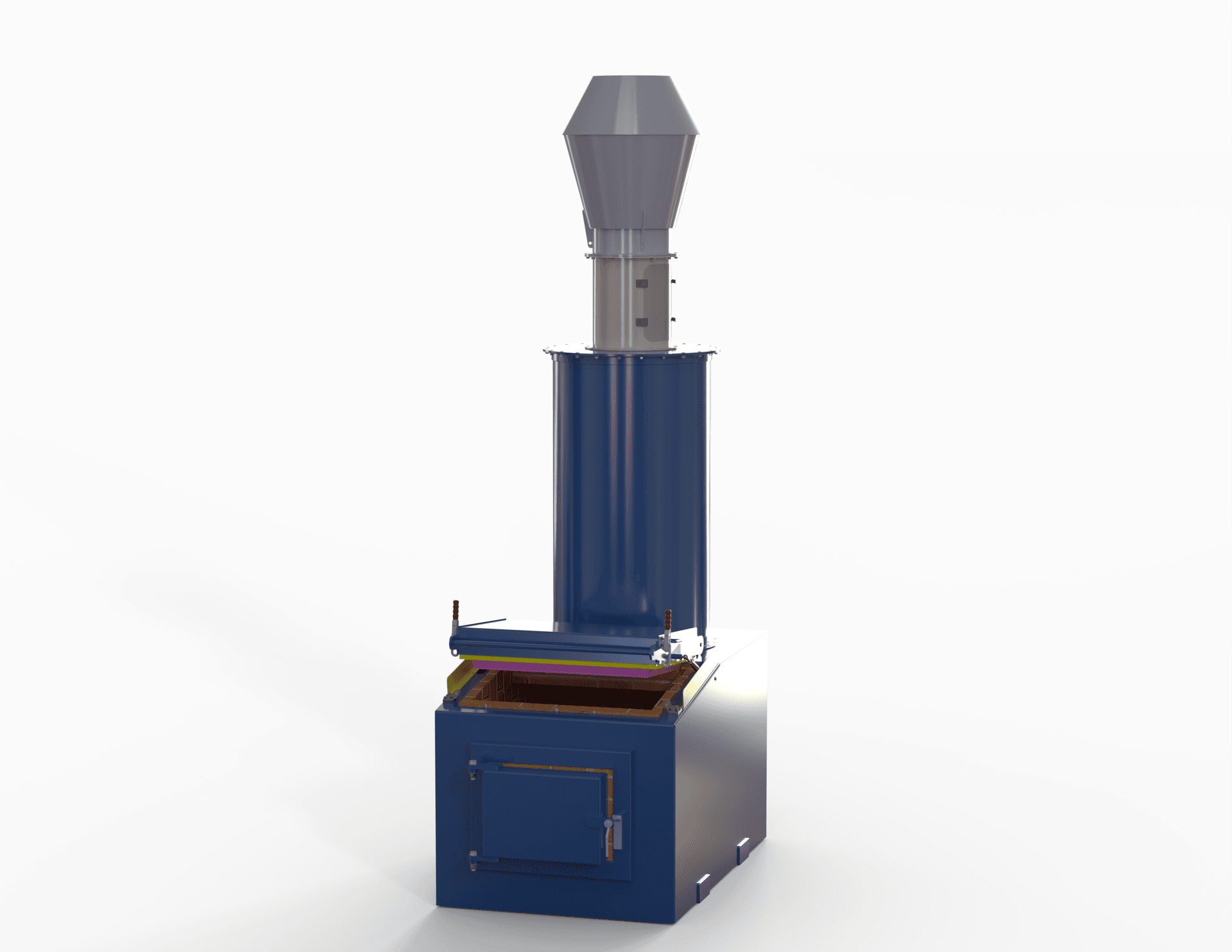
The largest LitBurn, and the one specified where pharmaceutical waste arrives faster than a batch unit could ever clear it: national wholesaler returns, contract destruction, or a plant clearing production rejects alongside its medicinal waste. The 16.2 m³ chamber is the figure to check — this stream is bulky and light, and volume is what runs out first.
- Chamber
- 16.2 m³
- External dimensions
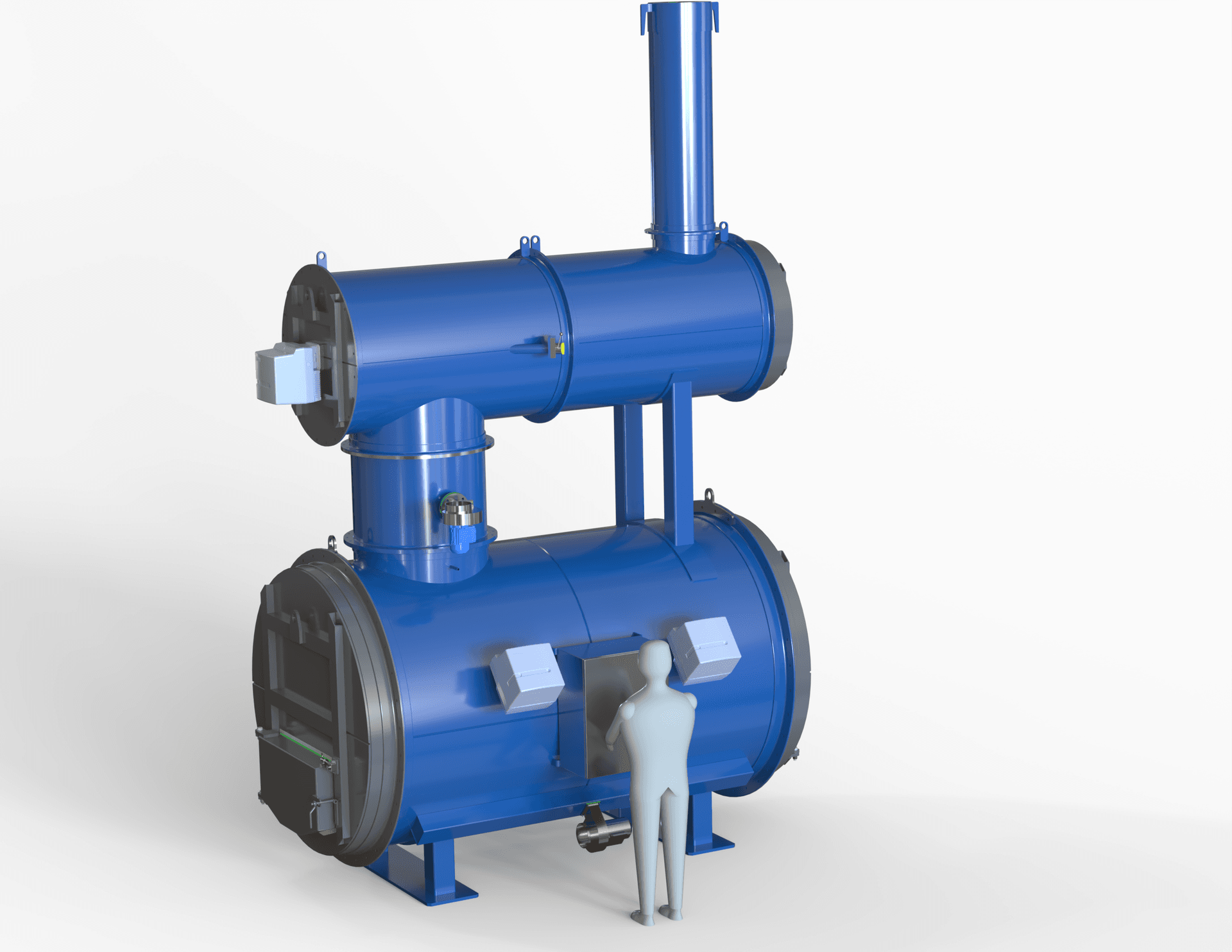
- 4680 × 2530 × 2760 mm
- Burners
- 3
- Loading
- Front (dual door)
- [LOAD]
- 500kg
- [BURN_RATE]
- 500kg/h
- [DUTY]
- Continuous
- [WEIGHT]
- 3.8t
LBI-500 In Full
- Chamber
- 16.2 m³
- External dimensions
- 4680 × 2530 × 2760 mm
- Burners
- 3
- Loading
- Front (dual door)
- Operating temperature
- 850–1,200°C
- Gas retention
- 2.0 s
- Ash residue
- 3–5%
- Heat-up time
- 30 min
- Fuel
- Natural gas / H₂ / diesel / LPG / bio
- Control panel
- IP6X rated PLC
- Refractory
- Coretex lining
- Origin
- United Kingdom
Rated Continuously
Throughput is a function of operating hours, not cycles.
The LBI-500 is specified where destruction is a service rather than a housekeeping task — a contract destruction site, a national wholesaler's returns operation, or a manufacturer clearing line rejects alongside medicinal waste. At 500 kg/h a tonne is gone in two hours, so the sizing question moves off throughput entirely and onto scheduling: how many witnessed slots the site can staff, and how quickly quarantine releases material into them. The 16.2 m³ chamber takes pallet loads whole. Check the footprint before it is specified: at 4,680 × 2,530 × 2,760 mm this unit wants a bay rather than a corner, and the stack still comes out of a site-specific dispersion assessment rather than the model number.
Every unit reaches operating temperature within 30 minutes and holds flue gas above 850°C for two seconds in the secondary chamber — the Industrial Emissions Directive condition. Ash residue is 3–5% of input mass.
Specified for
- Expired & date-lapsed medicinesTablets, capsules, ampoules and creams past their date, destroyed on site against the batch numbers.
- Recalled & defective productRecalled batches, defective product and falsified stock destroyed under a GMP procedure against the recall reconciliation.
- Contaminated primary packagingBlister web, foil, liners, bottles and drums carrying active residue — one stream, no separation, no wash-out.
- R&D laboratory wasteSolvent-wetted consumables, chromatography media, disposable labware, expired reagents and test articles.
- Cytotoxic & cytostatic wasteChemotherapy residues, contaminated consumables and PPE under 18 01 08* — hazardous, segregated, incineration-only.
- Controlled drugs destructionDenatured Schedule 2 stock incinerated on site after witnessed destruction, with a cycle log behind the register entry.
Before you specify
Permit
Burning pharmaceutical waste on site requires an environmental permit from the Environment Agency, SEPA or NIEA, and the waste codes have to be named at application. Medicines other than cytotoxic and cytostatic fall under 18 01 09 or 20 01 32; cytotoxic and cytostatic medicines are hazardous under 18 01 08*; manufacturing residues sit in the 07 05 group. A permit written for general waste does not silently cover any of them.
Stack height
Comes out of a site-specific dispersion assessment, not a standard figure.
Full compliance requirementsWhat throughput does the LBI-500 give a contract destruction site?
Every figure below is derived from published model data, so it can be checked rather than trusted.
- Run pattern
- 2 × 8 h shifts a day
- Cleared per day
- ≈8,000 kg
- Time per tonne
- ≈2 h
- Ash at 3–5%
- 240–400 kg a day
- Chamber volume
- 16.2 m³
- Footprint
- 4,680 × 2,530 mm
The arithmetic
500 kg/h × 16 hours = about 8,000 kg a day across two shifts, or roughly two hours a tonne, leaving 240–400 kg of ash.
What to watch
At this rate the binding constraint is witnessing and reconciliation rather than the unit: every charge still needs a manifest against it, and controlled drugs still need an authorised person present.
Rest Of The Pharmaceutical Range
Same size, other waste types
Related Products
& Services
Complementary equipment and engineering services for your process.
Sizing and background
- [TOOL]Work out the burn rate for your own arisings
- [TOOL]Size the combustion air and flue gas duty
- [BLOG]Integrating vibration analysis for incinerator predictive maintenance
- [BLOG]Advanced gas cleaning for ultra-low emission incinerators
- [BLOG]Evaluating flue gas cleaning systems in industrial incinerators
LBI-500 Questions
Every answer below is derived from this model's published figures, not from a generic range sheet.
The LBI-500 is rated at 500 kg/h continuously, so throughput is a function of how many hours you run it rather than how many cycles you complete. Running it for an eight-hour shift clears roughly 4,000 kg. The 500 kg figure in the model name is the chamber charge, not a daily ceiling.
Continuous. The LBI-500 holds its rated 500 kg/h for as long as it is fed, so you can keep loading through a shift without waiting for a cycle to finish. Fewer, longer burns use less fuel than repeatedly bringing the refractory up from cold.
The LBI-500 is specified for expired & date-lapsed medicines, recalled & defective product, contaminated primary packaging, r&d laboratory waste, cytotoxic & cytostatic waste and controlled drugs destruction. It reaches 850–1,200°C and holds flue gas above 850°C for two seconds in the secondary chamber, which is the Industrial Emissions Directive condition for these streams. Waste containing more than 1% halogenated organic content raises that secondary-chamber minimum to 1,100°C.
The LBI-500 measures 4680 × 2530 × 2760 mm (L × W × H) externally and weighs 3.8 t installed. You need clear working space around it for the front doors to swing and for ash removal, plus a stack whose height comes out of a site-specific dispersion assessment rather than a standard figure.
Yes. Running this unit needs an environmental permit from the Environment Agency in England and Wales, SEPA in Scotland or NIEA in Northern Ireland. The waste codes for pharmaceutical waste have to be named in the application, and a permit written for general waste does not silently cover them. We supply the technical data pack the permit application relies on.
The LBI-500 runs on natural gas, hydrogen, diesel, LPG or biofuel through 3 burners. Being hydrogen-ready matters if you expect to decarbonise the site later: the unit does not need replacing when the fuel supply changes.
Thirty minutes from cold to operating temperature. From there it runs between 850°C and 1,200°C, with a 2.0-second gas retention time in the secondary chamber and a Coretex refractory lining. Control is through an IP6X-rated PLC panel.
Ash residue is 3–5% of input mass, so roughly 95% of what you load stops being a disposal cost. On a 500 kg charge that leaves about 20 kg of ash to remove — the only fraction still attracting gate fees and Landfill Tax.
500 kg/h × 16 hours = about 8,000 kg a day across two shifts, or roughly two hours a tonne, leaving 240–400 kg of ash. At this rate the binding constraint is witnessing and reconciliation rather than the unit: every charge still needs a manifest against it, and controlled drugs still need an authorised person present.
Because the transfer is the part that carries the risk. Once expired stock, a recalled batch or a denatured controlled drug leaves the site it is in someone else's chain of custody, and you are relying on a certificate rather than on having watched it happen. On-site incineration removes the transfer — the material is destroyed where it was quarantined, by staff already inside your quality system, and the certificate is issued against a temperature record you hold.
Yes. The primary chamber runs 850–1,200°C and the secondary holds gas above 850°C for two seconds as standard, rising to 1,100°C where the stream carries more than 1% halogenated organic content. Pharmaceutical charges reach that threshold routinely — PVC and PVdC blister films are the usual reason — so the higher condition should be declared in the permit application rather than treated as an exception.
Yes, and most sites specify it that way. Expired stock, recalled product, contaminated packaging, laboratory waste and denatured controlled drugs all destroy at the same condition, so a single permitted LitBurn covers them provided every stream is named with its waste codes in the application. Cytotoxic and cytostatic waste is the one to check carefully: it is hazardous under 18 01 08* and needs its own permitted scope.
Is the LBI-500 the right size?
Send your waste streams and weekly arisings. We will confirm the model, the permit route for your site, and what the disposal-cost case looks like with fuel and capital included.