
Food & Beverage
Process Optimisation
Food manufacturing lines present unique optimisation opportunities — from baking profiles and packaging throughput to energy consumption per unit. Our engineers identify 18–28% savings through systematic analysis of oven performance, cooling systems, and production line efficiency.
Optimisation Challenges in
Food & Beverage
High energy costs, product consistency demands, and food safety requirements create complex optimisation targets.
Oven & Baking Line Performance
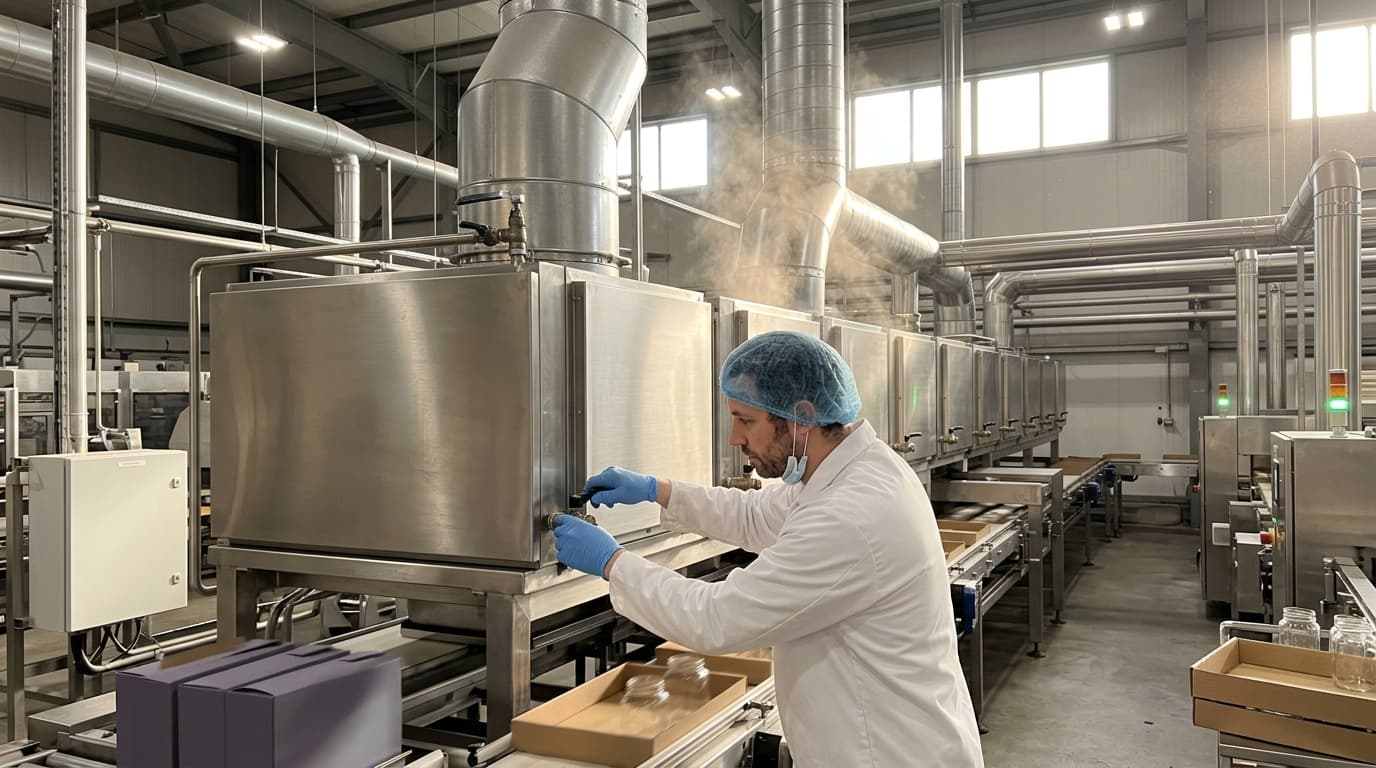
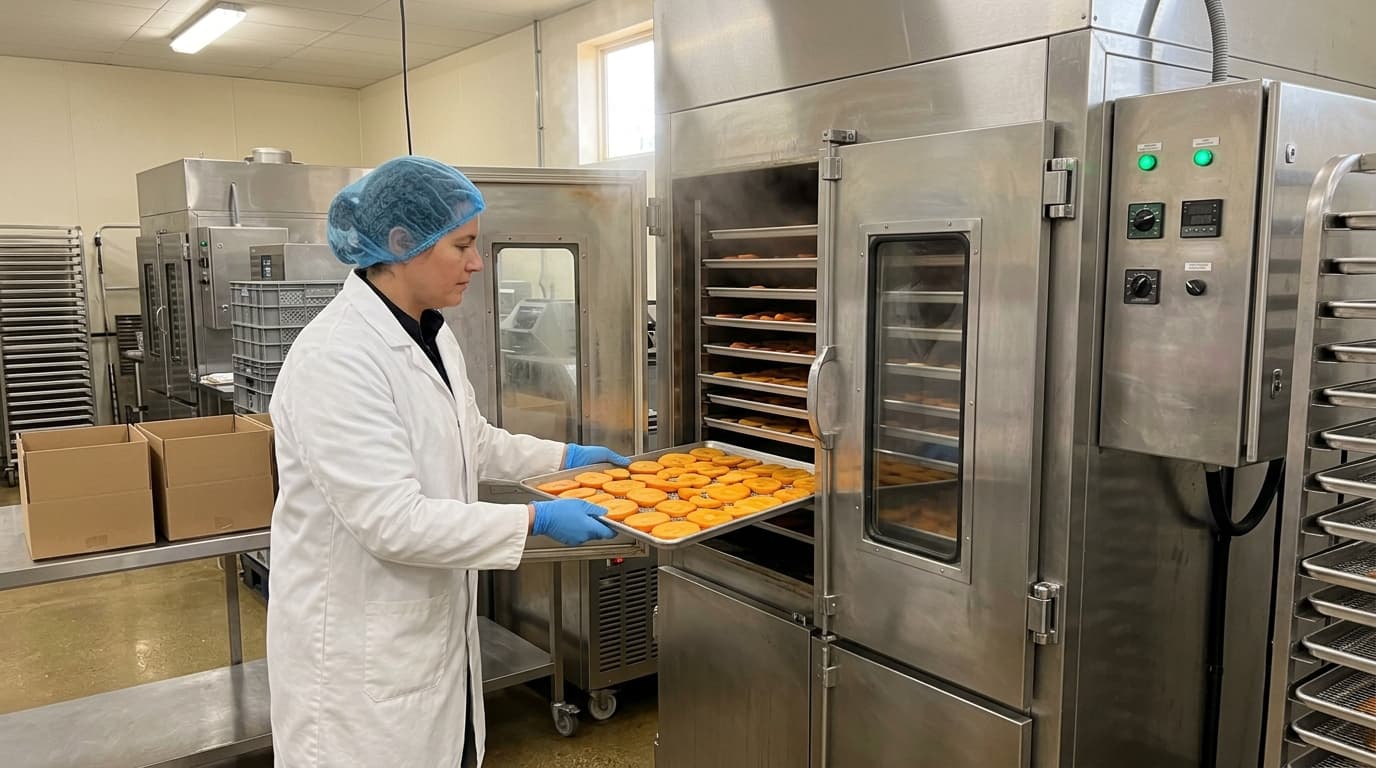
Industrial ovens and baking lines consume significant energy — temperature uniformity, airflow distribution, and heat recovery all present opportunities for substantial efficiency gains.
Packaging Line Throughput
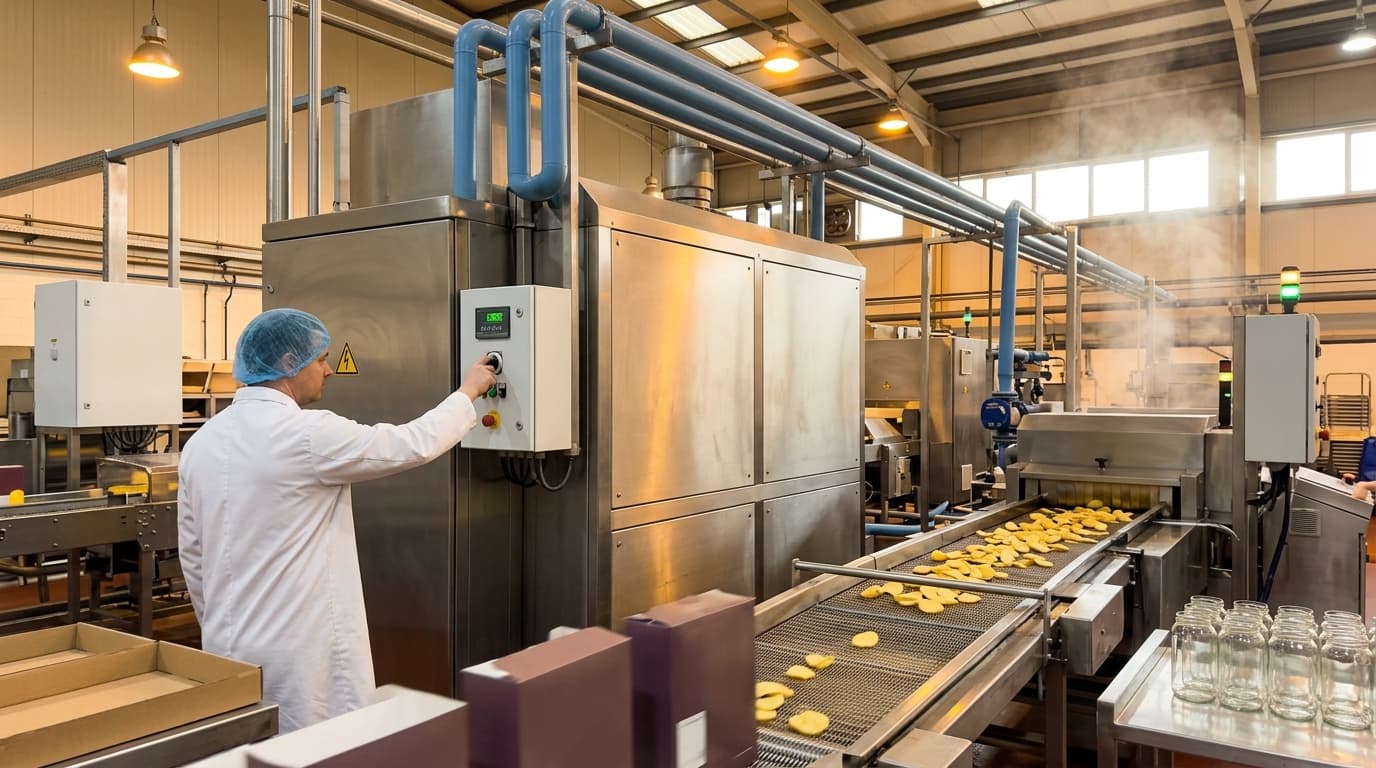
Packaging lines suffer from frequent changeovers, micro-stoppages, and speed losses. Systematic analysis reveals bottlenecks and opportunities for OEE improvement.
Energy Per Unit Benchmarking
Without accurate energy-per-unit data, it's impossible to identify which products, lines, or shifts consume disproportionate energy — making targeted improvements difficult.
Cold Chain & Cooling Efficiency
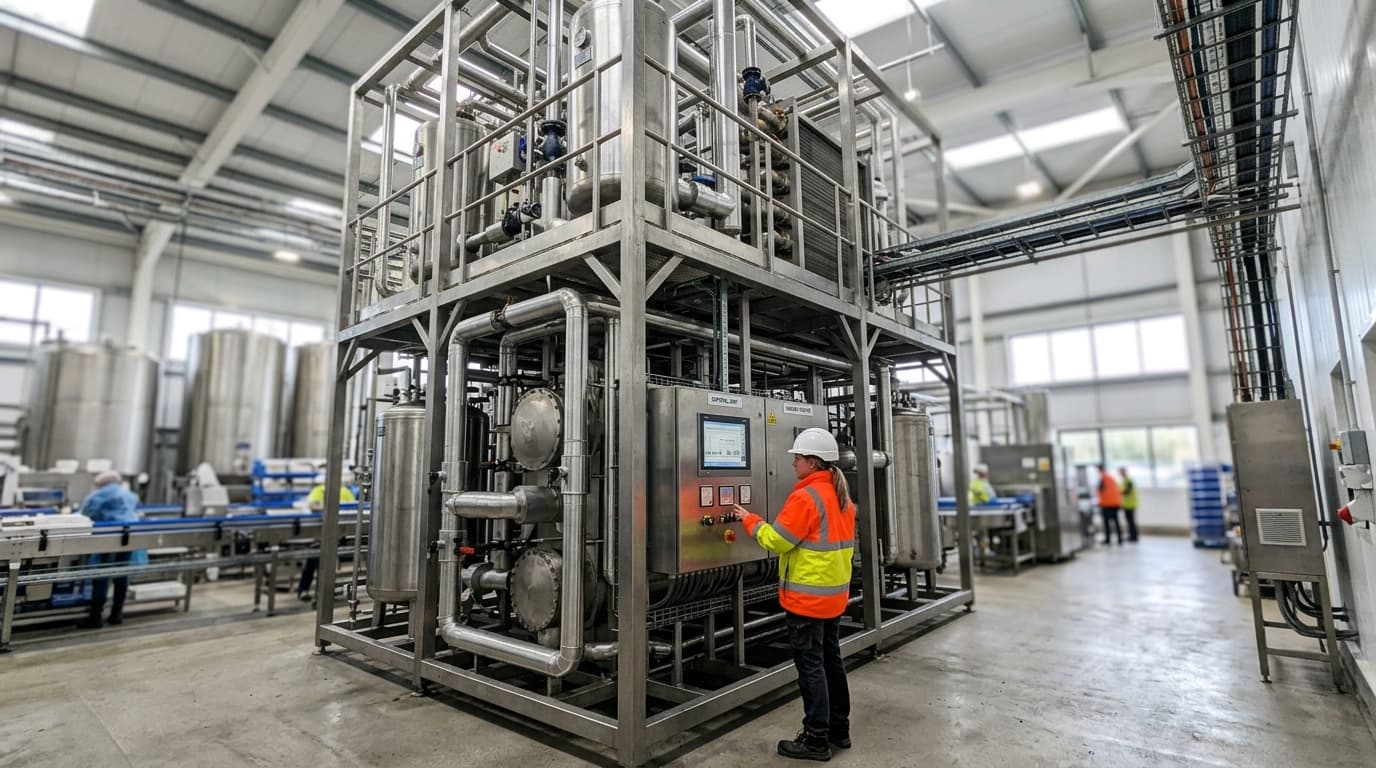
Blast chillers, cold stores, and refrigeration systems are major energy consumers. Optimising defrost cycles, door management, and compressor staging yields significant savings.
Our 8-Step
Methodology
A structured approach from consultation through modelling, implementation, and continuous improvement.
Consultation
In-depth consultation to understand project goals, process requirements, and existing infrastructure through site assessments and stakeholder workshops.
Our team evaluates your current operations, identifies bottlenecks, and maps energy and material flows to establish a clear performance baseline. This collaborative phase ensures every subsequent engineering decision is rooted in a thorough understanding of your commercial priorities and site-specific constraints.
Gathering Requirements
Collect detailed process requirements including operational parameters, energy consumption profiles, throughput targets, and regulatory performance criteria.
Data is sourced from historian logs, instrumentation readings, and operator interviews to build a comprehensive requirements specification. This document captures boundary conditions, safety margins, and acceptance thresholds that govern every downstream modelling and design activity.
Modelling & Simulation
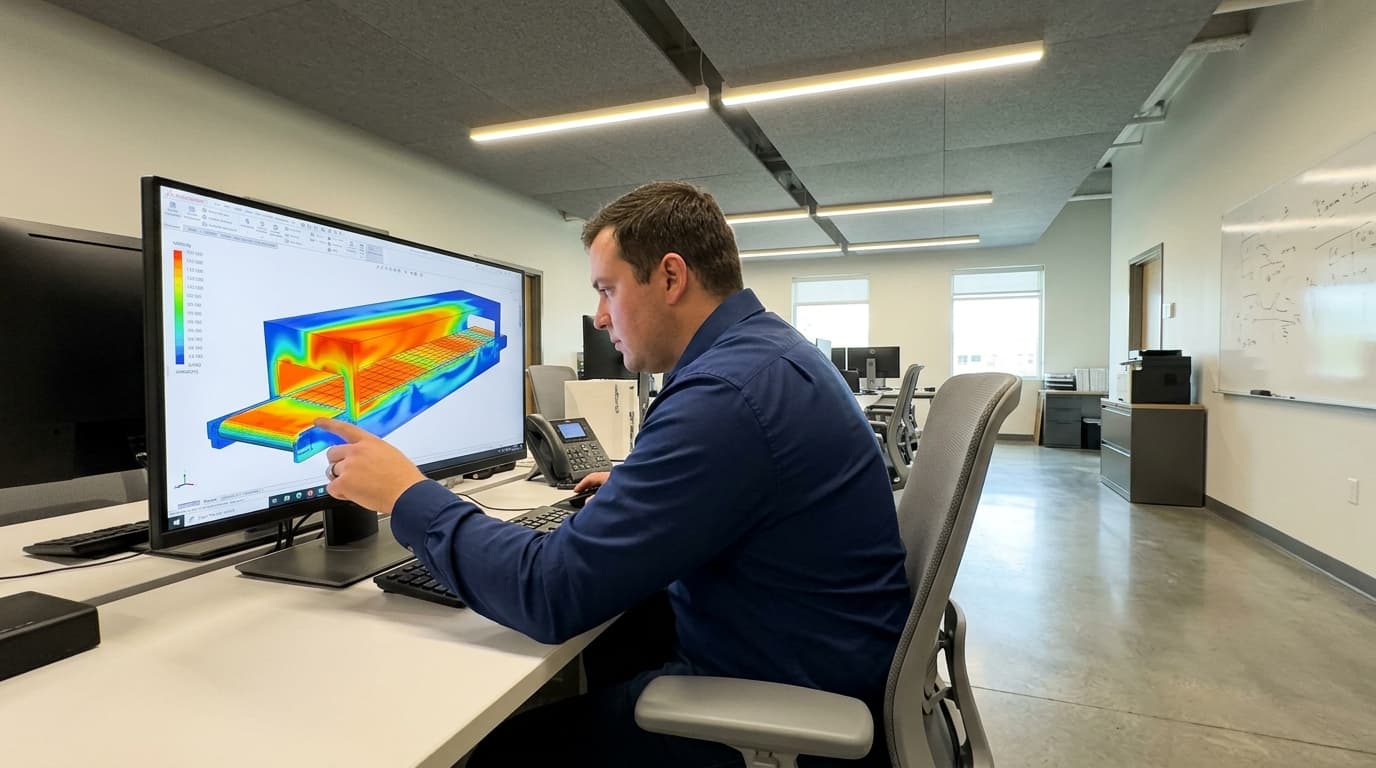
Utilise advanced simulation software to build high-fidelity virtual models of the process, capturing heat transfer, fluid dynamics, and mass balance interactions.
CFD, FEA, and process simulation platforms are used to evaluate multiple design scenarios digitally, predicting performance across the full range of operating conditions. This eliminates the need for costly physical trials and accelerates the path from concept to validated design.
Analysis & Optimisation
Analyse simulation outputs against performance targets to isolate inefficiencies and apply systematic optimisation techniques across the process.
Parametric studies, sensitivity analyses, and algorithmic optimisation methods are used to explore the design space and converge on configurations that maximise yield while reducing energy and raw material consumption. Every improvement is quantified against the original baseline and documented for transparent stakeholder reporting.
Material Selection & Design
Select materials, equipment, and subsystems that satisfy thermal and mechanical performance criteria while balancing cost, durability, and environmental impact.
Each candidate material is evaluated for conductivity, corrosion resistance, lifecycle cost, and compliance with industry standards such as ASME and PED. Heat exchangers, insulation systems, and ancillary components are fully specified with datasheets and integrated into the design package, giving procurement and fabrication teams unambiguous build instructions.
Implementation Support
Provide hands-on engineering support through design finalisation, procurement, fabrication, and on-site construction to ensure the solution is built as designed.
Deliverables include updated P&IDs, general arrangement and detail drawings, bills of materials, and installation method statements. Our engineers work directly with contractors and commissioning teams to resolve interface issues early, preventing costly rework and schedule delays.
Testing & Validation
Conduct rigorous testing and validation campaigns to confirm the optimised process meets all design specifications and contractual KPIs.
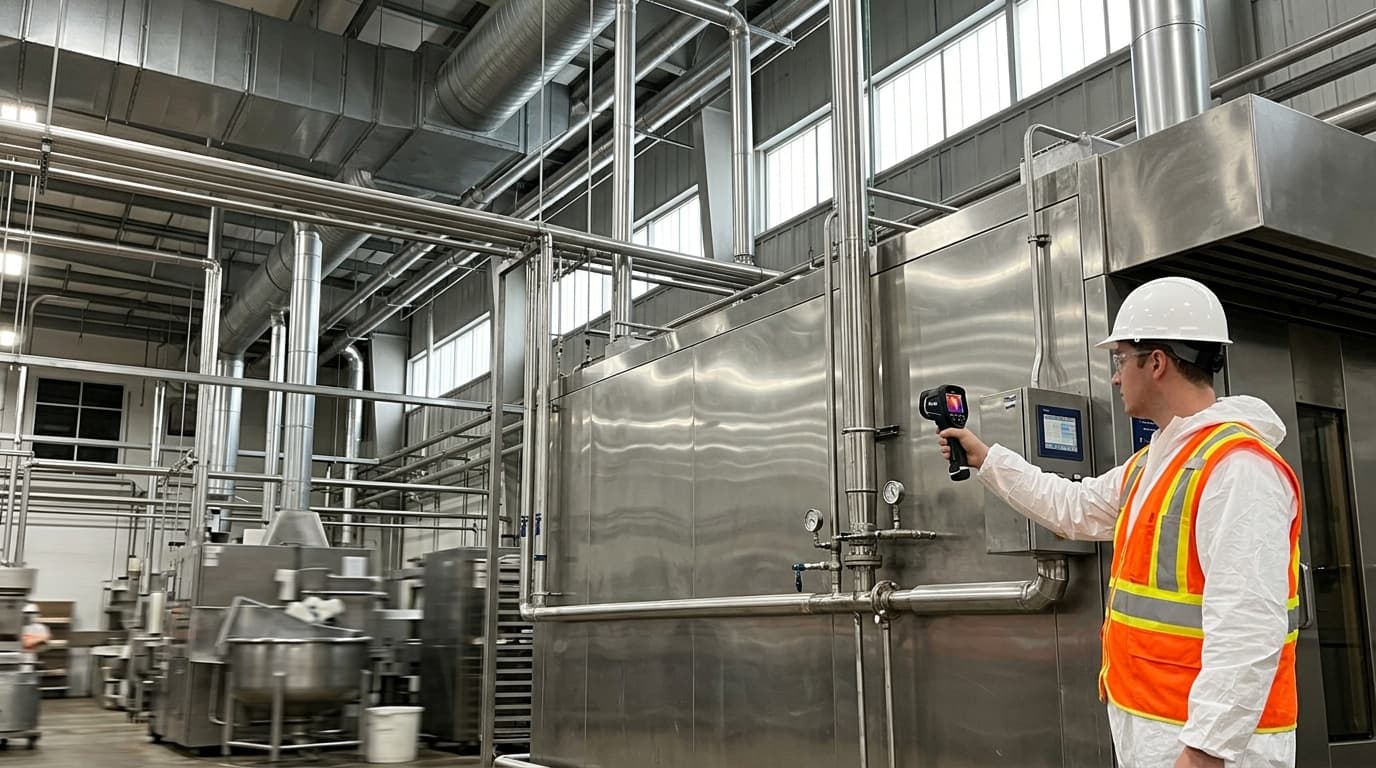
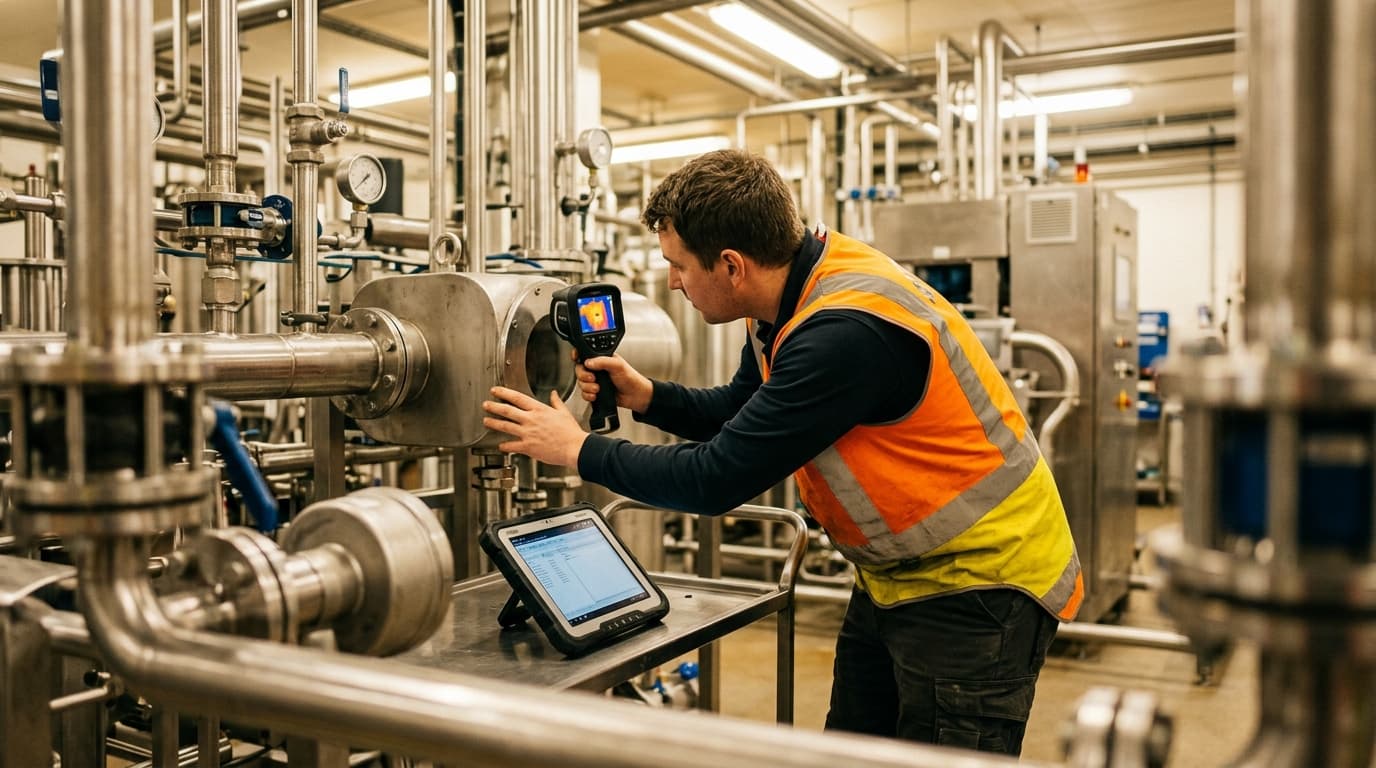
Validation activities include factory acceptance tests, instrumented field trials, and thermal imaging surveys under representative load conditions. Results are benchmarked against simulation predictions, and any deviations are investigated and resolved before formal handover to your operations team.
Continuous Improvement
Deliver ongoing monitoring, data-driven analytics, and optimisation services to sustain peak performance as production demands and operating conditions evolve.
Scheduled process audits, sensor-data trend analysis, and refreshed simulation models detect efficiency degradation or capacity constraints before they affect output. Emerging technologies and process innovations are evaluated and retrofitted where they deliver measurable returns, keeping your operations at the leading edge over the full asset lifecycle.
What You
Receive
Actionable optimisation insights — not just reports.
Oven Performance Audit
Comprehensive thermal profiling of industrial ovens including temperature uniformity, airflow analysis, insulation assessment, and heat recovery potential.
Packaging Line Assessment
OEE analysis across all packaging lines with downtime categorisation, changeover optimisation recommendations, and speed loss identification.
Energy Benchmarking Report
Product-level energy consumption analysis with kWh-per-unit metrics, shift comparisons, and benchmarking against industry best practice.
Cooling System Optimisation
Refrigeration and cold chain efficiency analysis including compressor staging, defrost optimisation, and door management improvements.
Heat Recovery Assessment
Identification of waste heat sources from ovens, fryers, and process equipment with recovery solutions and payback calculations.
Implementation Roadmap
Prioritised improvement plan with quick wins, medium-term projects, and capital investments ranked by ROI and payback period.
Proven Results in
Food & Beverage
Based on process optimisation engagements across bakeries, snack manufacturers, and food processors.
Related Products
& Services
Complementary equipment and engineering services for your process.






Food & Beverage
Optimisation FAQ
Common questions about process optimisation for food & beverage manufacturing.
We use thermal profiling equipment to map temperature distribution throughout the oven, analyse airflow patterns, measure heat losses through insulation, and quantify exhaust energy recovery potential.
Yes. Our data collection and monitoring equipment is installed during planned maintenance windows. Analysis is conducted offline, and recommendations are implemented during scheduled downtime.
Typical food & beverage optimisation projects achieve 18–28% energy savings with payback periods under 18 months. Quick-win improvements often show ROI within 3–6 months.
Yes. All optimisation recommendations are designed to maintain or improve food safety compliance. We understand CCP requirements and ensure changes don't compromise product safety.
Leaner
Production
Our food industry engineers identify efficiency gains across your entire production process.
- Tailored optimisation for food & beverage
- Food & Beverage-specific process analysis
- Continuous improvement & monitoring