Invasive Species & Vegetation Incinerators
Knotweed, hogweed and ragwort arisings destroyed on site — no controlled-waste movement, no viable rhizome left.
Invasive plant material becomes controlled waste the moment it is cut, and moving it is what spreads it. A knotweed rhizome fragment weighing under a gram can establish a new stand. AgriBurn units destroy cut arisings on the site they came from, so there is no licensed haulage, no landfill gate fee and no chance of seeding the route in between.
Three Models,
One Solution
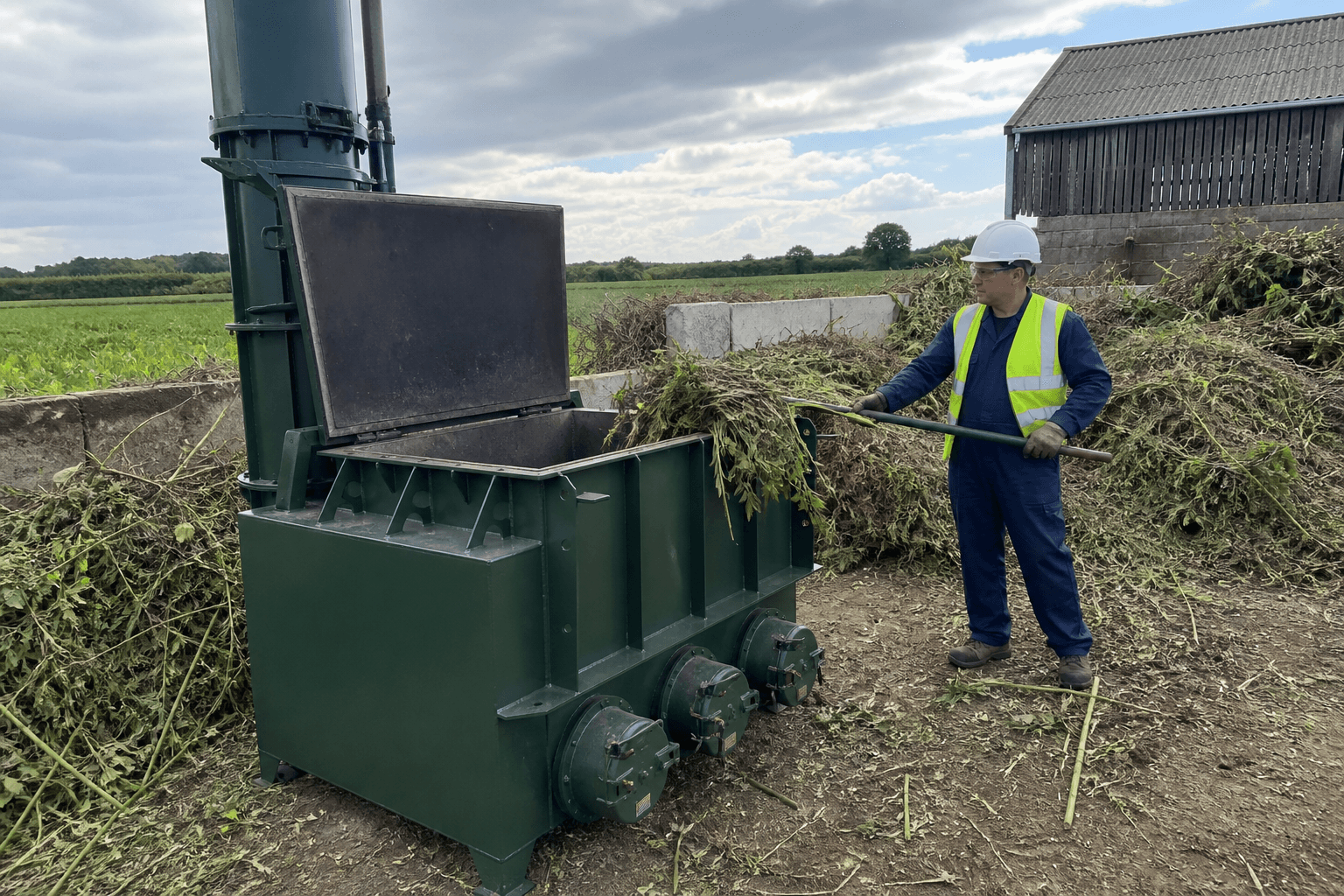
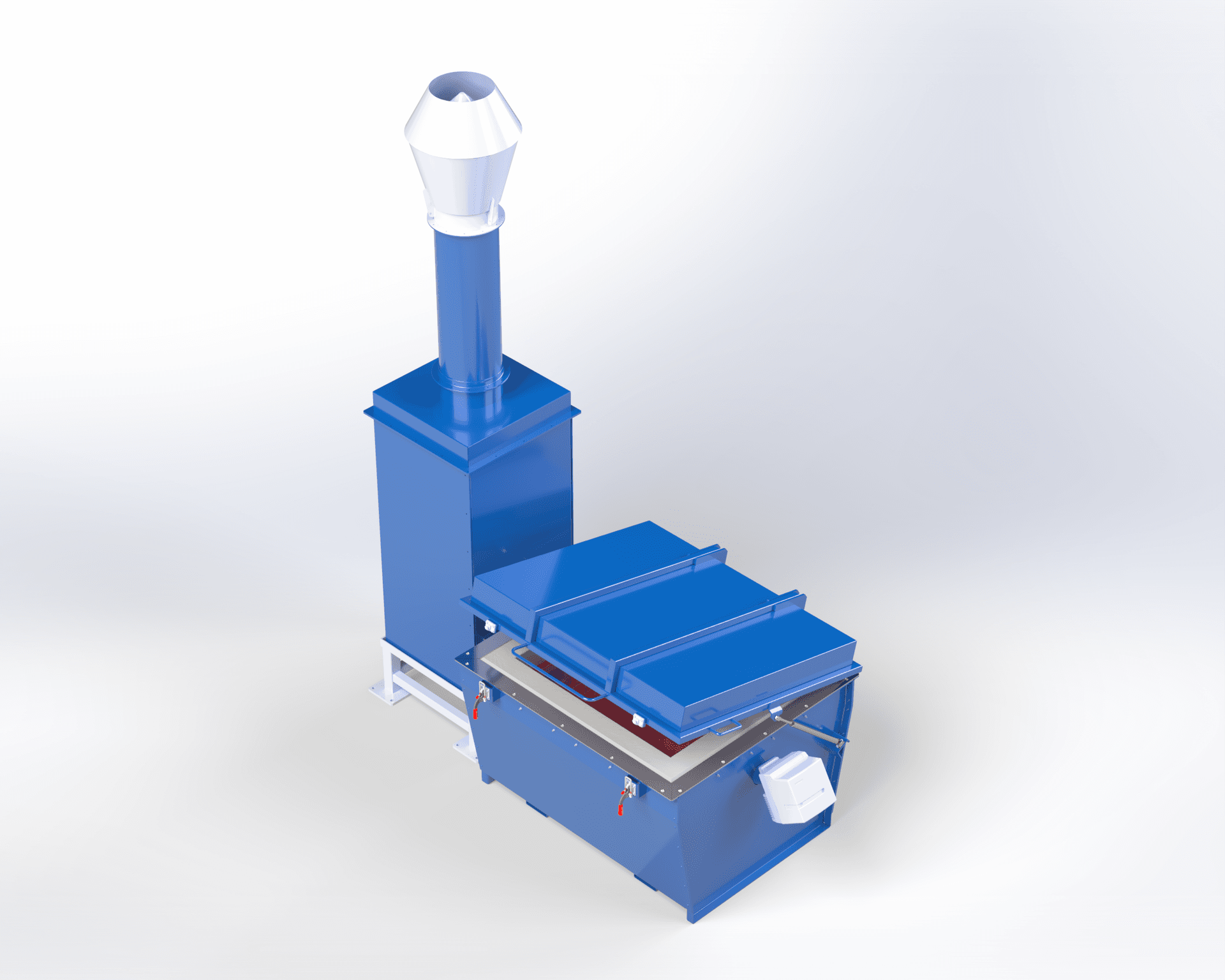
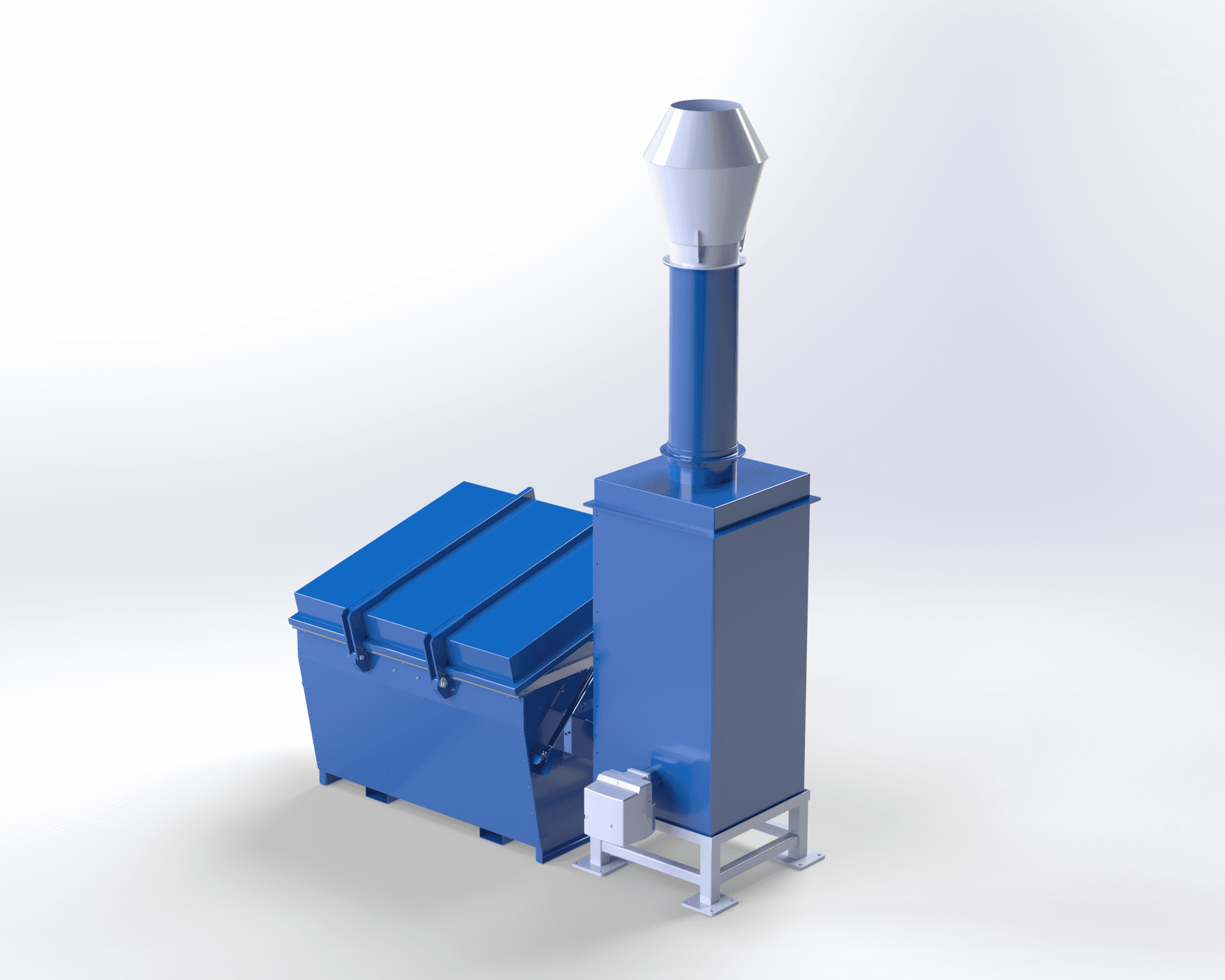
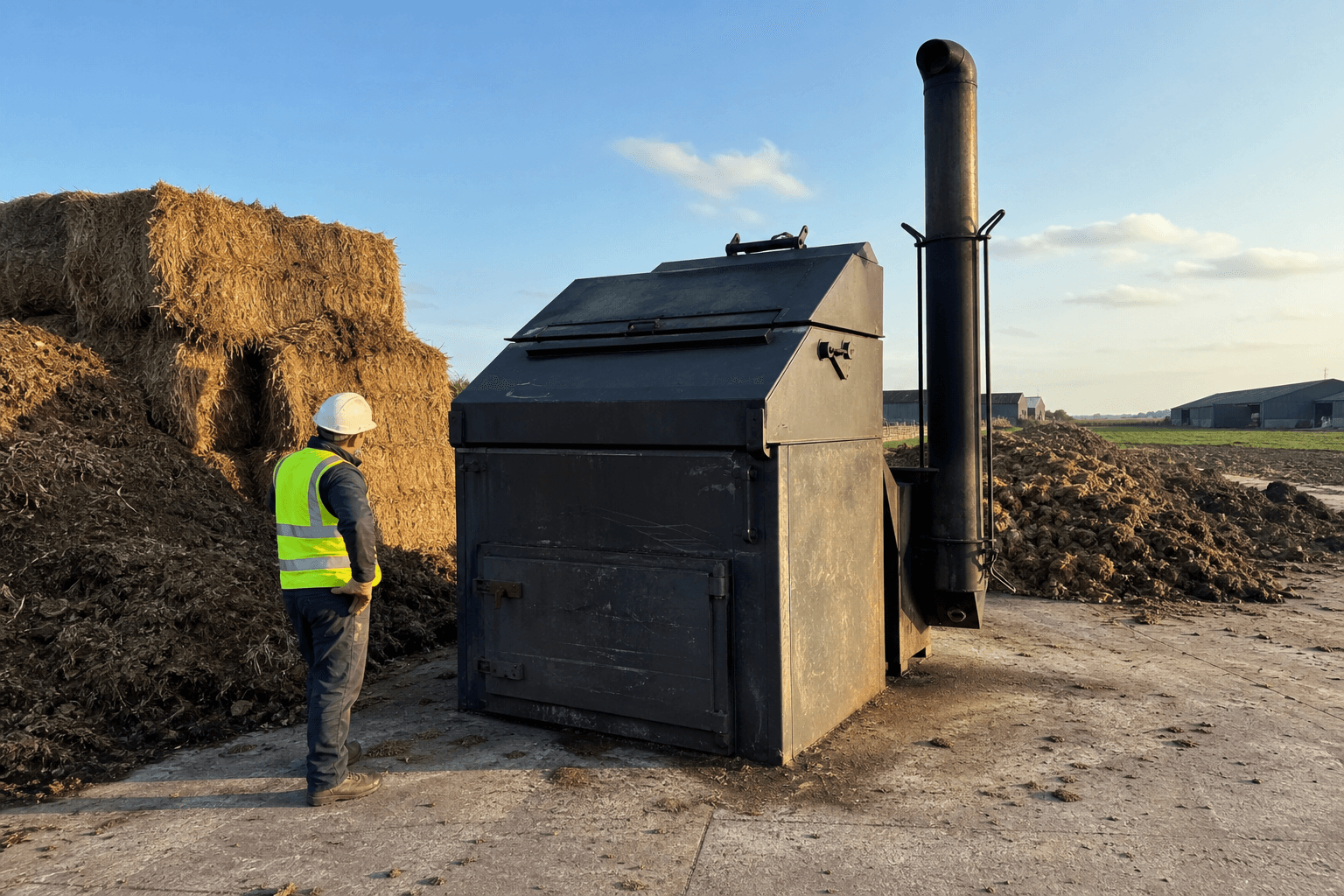
A 350 kg top-loading batch unit for farm and rural sites. Top loading suits bulky, awkward loads — bedding, crop residue, forestry waste — that a front door would fight, and the burn runs unattended once the chamber is charged.
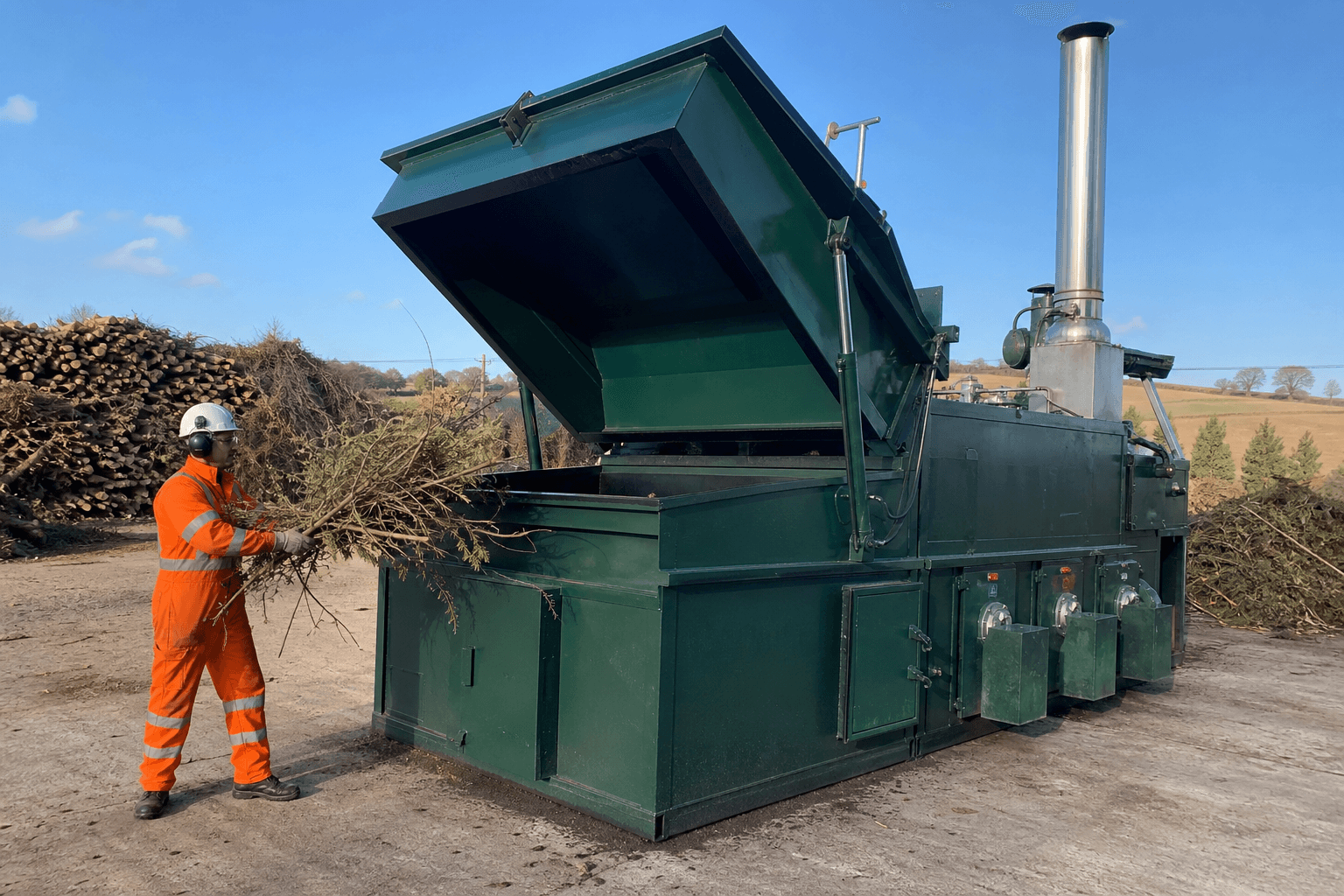
450 kg per charge with a 1350 × 770 × 730 mm chamber. The middle AgriBurn, specified where a single daily burn has to clear a whole day of arisings rather than being run twice.
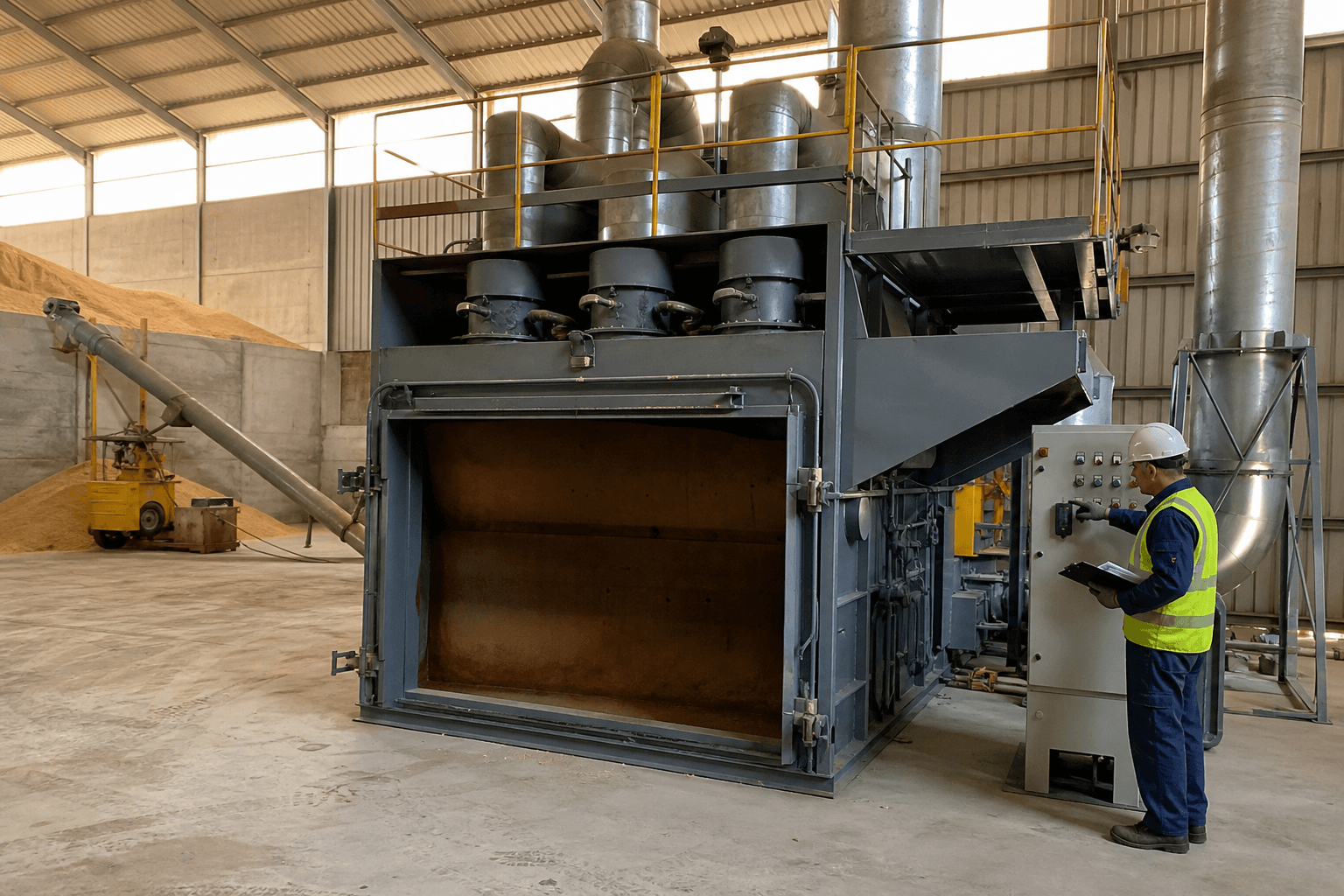
The largest AgriBurn at 500 kg per charge. Three burners across a 1540 mm chamber keep combustion even across a mixed, high-moisture agricultural load rather than burning a hot core and leaving unburnt edges.
Which Model
Fits Your Volume
Pick a model to see what it clears in a day of invasive species & vegetation.
Cut knotweed and hogweed are wet and bulky. A 350 kg charge is a single stand destroyed the same day, so nothing sits waiting for a haulier.
Environmental permit
Required from the Environment Agency, SEPA or NIEA before the unit runs, and the invasive-species waste codes belong in the application. Burning waste on a site without a permit or a registered exemption is an offence regardless of what the material is.
Spread offences under wildlife law
It is an offence under the Wildlife and Countryside Act to plant or otherwise cause listed invasive species to grow in the wild. That risk sits in the handling — dragging, chipping, stockpiling, transporting — far more than in the destruction, which is why shortening the gap between cutting and burning is the control that matters.
Movement needs a carrier and a destination
Cut invasive arisings and contaminated soil are controlled waste: off-site movement needs a registered carrier and a facility permitted to accept them. On-site destruction is the route that removes the movement rather than documenting it.
Duty of care on the ash
Ash still needs a transfer note if it leaves the site, but it carries no viable rhizome, seed or node. That is the difference between residue and a material that can start the problem again where it is tipped.
Why Burn It
On Site
4 things change on the day this stream stops leaving the site.
Nothing viable survives the cycle
A knotweed rhizome fragment under a gram is enough to start a new stand, which is why chipping and composting fail. At 850°C held for two seconds, rhizome, crown, seed and stem all leave as flue gas and sterile ash.
No controlled-waste movement
Cut invasive arisings and contaminated soil need a licensed carrier and a permitted destination, and the haulage and gate fees are usually the largest line in a clearance. Destroying on the site of production removes all of it.
Same-day burn beats a stockpile
Material waiting for a collection is material establishing where it stands. A unit on site turns cutting and destruction into the same day's work rather than two jobs separated by a haulier's schedule.
The clearance gets a date
Management plans, mortgage conditions and development consents ask when the material was destroyed. A dated cycle log against a permitted unit answers that in one line.
Dual-chamber unit
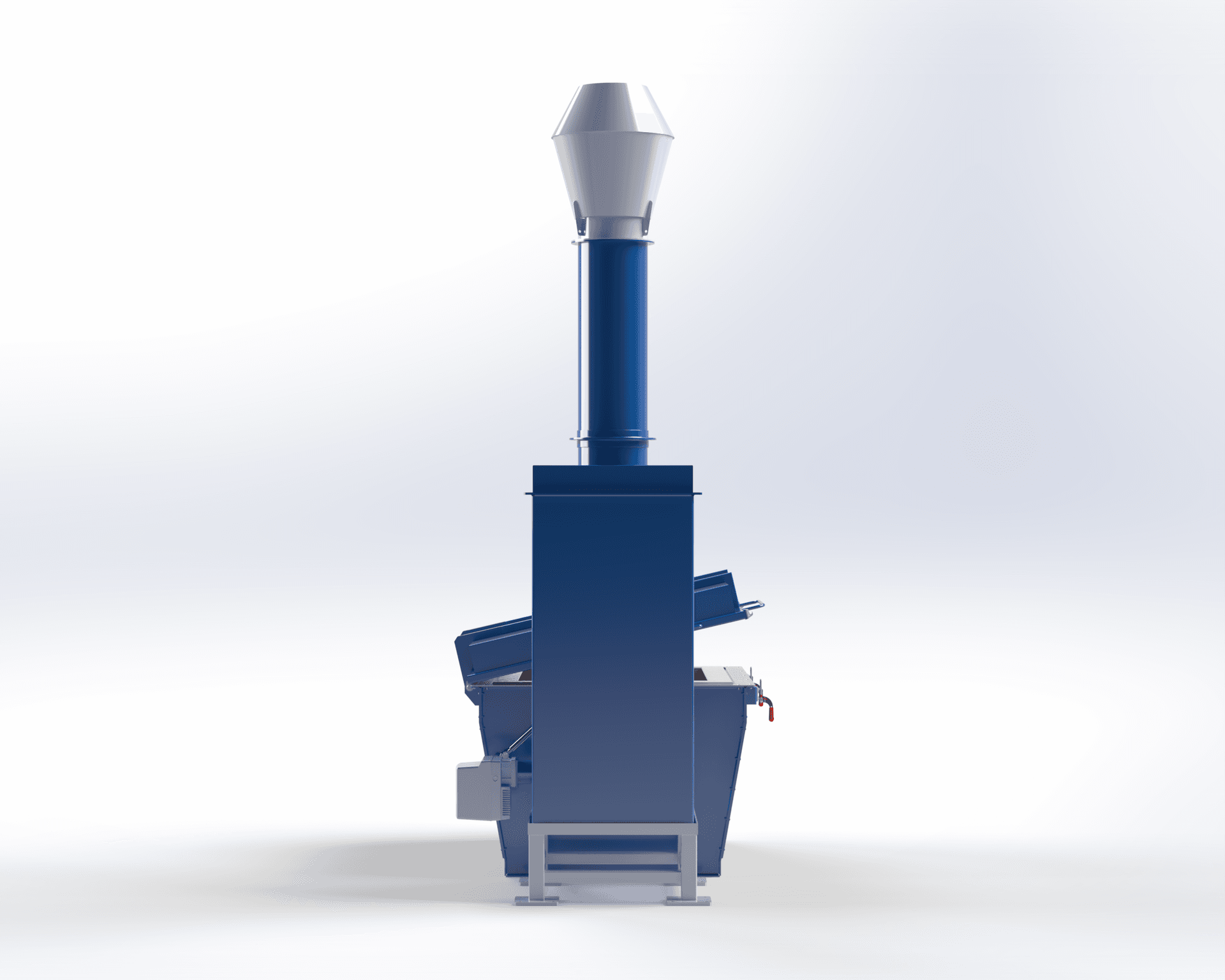
Primary chamber running 850–1,200°C with a secondary chamber holding flue gas above 850°C for two seconds — the Industrial Emissions Directive condition, met as built rather than as an option. This is the line between incineration and a bonfire, and it is the line the regulator draws too.
Three-burner set and fuel train
All three AgriBurn models carry three burners, configured for natural gas, LPG, diesel, biofuel or hydrogen. On a farm that usually means LPG or diesel, because that is what is already on site — fuel choice is a site decision and the combustion condition is identical whichever is specified.
What Ships
With The Unit
Identical whichever stream it is specified for. The operating procedure changes; the machine does not.
Dual-chamber unit
Primary chamber running 850–1,200°C with a secondary chamber holding flue gas above 850°C for two seconds — the Industrial Emissions Directive condition, met as built rather than as an option. This is the line between incineration and a bonfire, and it is the line the regulator draws too.
Three-burner set and fuel train
All three AgriBurn models carry three burners, configured for natural gas, LPG, diesel, biofuel or hydrogen. On a farm that usually means LPG or diesel, because that is what is already on site — fuel choice is a site decision and the combustion condition is identical whichever is specified.
Top-loading charge door
Bulky, awkward, tangled loads — bedding, brash, root balls, baled residue — are dropped in from above with a loader or grab rather than fed through a front door. Top loading is why these units take farm waste in the shape it actually arrives in.
IP6X control panel
PLC control with cycle logging and chamber thermocouples. Where a plant health notice or a feed withdrawal has to be evidenced, the cycle log is the record that the load reached and held the destruction condition.
Coretex refractory lining
Monolithic castable lining rated for the full temperature range, replaceable in service. Refractory is a wear item on any unit; on a farm unit taking wet, dirty, variable loads it is the item that decides service life.
Stack, dispersion data and commissioning
Stack supplied to the height your site-specific dispersion assessment calls for, with the emissions data the permit application references, plus on-site commissioning and operator training. Rural sites have neighbours and prevailing winds; the assessment is what sets the stack, not a catalogue figure.
How One Burn Runs,
Start To Finish
One charge is one countable event. That is what makes a batch unit auditable and a continuous one not.
One Cycle,
Start To Finish
Adds handling and PPE rules for the species in the charge, and a same-day burn so cut material never sits waiting for a haulier. Green vegetation is wet, so allow fuel and cycle time for moisture.
Arisings go straight into a contained load at the point of cutting rather than being dragged across clean ground. For giant hogweed, add sap PPE — the phototoxic reaction is a handling hazard long before the material reaches the chamber.
Cut material is at its most mobile in the gap between cutting and destruction. Shortening that gap to hours is the single most effective control on this stream.
Stems, crowns and root balls are tangled and awkward. Top loading takes them as cut, with a grab or loader, rather than requiring them to be reduced first — and reducing them is exactly what spreads the fragments.
Green vegetation carries a lot of water. The early part of the cycle drives it off before the material burns, so a green charge costs more fuel and more time than a dry one. Standing the load to dry helps, but only where it can be contained while it does.
3–5% sterile mineral ash. Close the cycle log against the clearance or the management plan so the destruction has a date attached to it.
What You Can Burn —
And What You Can't
One charge takes the whole stream without pre-sorting. What must never enter it is a short, hard list.
Yes: accepted in a charge
No pre-sorting between these
- Japanese knotweed, whole plantStems, crowns and rhizome, plus the sweepings and screenings from an excavation. Rhizome is the fragment that regenerates, which is why it goes in a charge rather than a skip.
- Giant hogweed and Himalayan balsamStems, flower heads, seed and whole plants. The seed is the reason these are burnt rather than composted — a heap does not reliably kill it.
- Rhododendron ponticumCut material and root plate, including the root balls and crowns lifted by mechanical grubbing.
- Invasive aquatic vegetationNew Zealand pigmyweed and comparable species cleared from a watercourse or pond, where a fragment carried on kit starts the next infestation.
- Ragwort under a control obligationPulled or cut material where an injurious weeds obligation makes destruction the endpoint rather than removal.
- Notified scrub and clearance arisingsBracken and scrub from bio-secure or notified clearance, and vegetation cleared under a development or management-plan condition.
No: never charged
Not a permit question — these stay out
- Bulk contaminated soilSoil does not burn. A knotweed excavation produces far more soil than plant material, and it absorbs the heat, fills the chamber and multiplies the ash. Soil has its own routes — on-site burial under the relevant permission, screening, or a permitted facility — and the incinerator handles the plant fraction.
- Herbicide concentrate and part-used containersAgrochemicals are hazardous waste with a dedicated route. Sprayed vegetation is fine once it is dry; the chemical itself and its packaging are not.
- Geotextile membrane, root barrier and sheetingPolymer membrane melts rather than burns and can carry halogenated content that raises the secondary-chamber requirement to 1,100°C. Strip it out and route it as plastic waste.
- Fencing, stakes and treated timber pulled with the clearanceCreosote and CCA-treated wood release arsenic, chromium and copper on combustion and are hazardous waste. A clearance job is exactly where treated timber gets swept into a green load by accident.
- Rubble, stone and hardcoreInert mass that occupies chamber volume, takes heat out of the burn and ends up in the ash. Separate it at the stand rather than at the charge door.
- Waste brought in from other sitesThis changes what the permit has to say — accepting third-party waste is a different activity from destroying your own arisings. Where a contractor wants to bring material in, the permit has to cover it before the first load arrives.
Can you legally burn invasive species & vegetation on site?
Technically, yes: the chamber destroys almost everything on the accepted list at 850–1,200°C, and capability is rarely the constraint. Legally is a separate question. What your site is allowed to burn is set by your environmental permit from the Environment Agency, SEPA or NIEA and the waste codes written into it. The never-charged list is different again: those materials are out of scope for the unit or governed by a direction, and no permit wording brings them back in. Send us the codes you hold, or the ones you expect to apply for, and we will tell you which of this list they cover before anything is specified.
Send us your waste codesWhat size incinerator for 1,800 kg of knotweed arisings?
Arithmetic on published model figures, not a customer reference. Your numbers go through the same steps.
How This
Was Worked Out
1,800 kg of cut arisings ÷ 450 kg per charge = 4 charges on the AGBI-450, one a day, and 54–90 kg of ash at 3–5% — with no licensed carrier movement of controlled material off the site. Green arisings are wet and bulky, so expect the chamber volume — 0.76 m³ on the AGBI-450 — to fill before the weight rating on freshly cut stem, and add fuel for driving off moisture.
≈ 4
54–90 kg
None
Send your daily or weekly arisings and we will confirm the model, the charge count and the permit route.
Related Products
& Services
Complementary equipment and engineering services for your process.
Sizing and background
- [TOOL]Work out the burn rate for your own arisings
- [TOOL]Size the combustion air and flue gas duty
- [BLOG]Operating agricultural incinerators in compliance with local regulations
- [BLOG]Innovative designs for small-scale agricultural incinerators
- [BLOG]Disposing of agricultural packaging waste
- [BLOG]Integrating vibration analysis for incinerator predictive maintenance
- [BLOG]Advanced gas cleaning for ultra-low emission incinerators
Invasive species & vegetation Questions
Answered against the published figures for the models specified for this stream, not a generic range sheet.
Invasive species waste is the cut, dug or scraped material from a stand of a plant whose spread is controlled by law — Japanese knotweed and its hybrids, giant hogweed, Himalayan balsam, rhododendron ponticum, New Zealand pigmyweed — together with the ragwort and other injurious weeds a holding is expected to control. Under the Wildlife and Countryside Act it is an offence to plant or otherwise cause these species to grow in the wild, and once cut, the arisings are controlled waste under environmental protection law. The problem with this stream is regeneration, not volume. Japanese knotweed regrows from rhizome fragments of well under a gram; Himalayan balsam sets thousands of seeds per plant; pigmyweed re-establishes from a single node. Chipping spreads it. Composting keeps it viable. Stockpiling it in a corner of the yard for collection creates a new stand under the pile. Every intermediate step between cutting and destroying is a chance for the material to do the one thing it is good at. Moving it is the other cost. Knotweed-contaminated arisings and soil going off site need a licensed carrier and a facility permitted to take them, and the gate fees on contaminated soil in particular are what make a clearance expensive. Burning on the site of production removes the movement, the carrier, the gate fee and the risk of the material seeding along the route. Combustion at 850–1,200°C with two-second retention above 850°C destroys rhizome, crown, stem, seed and root fragment together. There is nothing viable in 3–5% mineral ash. Where a management plan or a development condition requires evidence, the cycle log dates the destruction against the clearance.
1,800 kg of cut arisings ÷ 450 kg per charge = 4 charges on the AGBI-450, one a day, and 54–90 kg of ash at 3–5% — with no licensed carrier movement of controlled material off the site. Green arisings are wet and bulky, so expect the chamber volume — 0.76 m³ on the AGBI-450 — to fill before the weight rating on freshly cut stem, and add fuel for driving off moisture.
Yes. Rhizome, crown, stem and root fragment are all destroyed by primary combustion at 850–1,200°C with two-second retention above 850°C in the secondary chamber. Nothing viable survives into the 3–5% mineral ash — which is the point, given that a fragment weighing under a gram is enough to establish a new stand.
In a permitted incinerator, yes — you need an environmental permit from the Environment Agency, SEPA or NIEA covering the activity and the waste codes. What you cannot do is burn it as an unpermitted fire, and you should not chip, compost or stockpile it, because those are the steps that spread it.
You can, and it needs a registered carrier and a facility permitted to accept it. The cost is haulage plus gate fees, and the risk is the journey — contaminated material has to be loaded, moved and tipped without shedding fragments. On-site destruction removes all four.
No, not in bulk. Soil does not combust: it soaks up the heat the charge needs, fills the chamber with inert mass and multiplies the ash you rake out. The incinerator handles the plant fraction; soil has its own routes, including on-site burial under the relevant permission or a permitted facility.
Freshly cut green material burns, but the first part of the cycle is spent driving off moisture, so it costs more fuel and more time than dry material. If the load can be stood and dried while contained, do it. If containing it while it dries is not practical, burn it green — same-day destruction beats a drying stockpile.
The sap is phototoxic and causes severe burns on exposure to sunlight, so handling needs full skin and eye protection from cutting through to charging. The hazard is in the handling; once the charge door is closed the material is no different from any other vegetation.
Only if the permit says so. Accepting third-party waste is a different activity from destroying your own arisings, and it has to be covered before the first load arrives rather than afterwards.
One charge a day is the realistic figure — a full 500 kg charge runs past a single eight-hour shift — so an AGBI-500 clears around 2.5 tonnes of arisings in a five-day week. On green vegetation, expect the chamber volume rather than the weight rating to set the charge size.
Ready to
Incinerate?
Send the stream, the volume and the site constraints. We will confirm the model, the permit route, and what the specification has to say to satisfy the regulator.
- Nothing viable survives the cycle
- No controlled-waste movement
- Same-day burn beats a stockpile
- The clearance gets a date