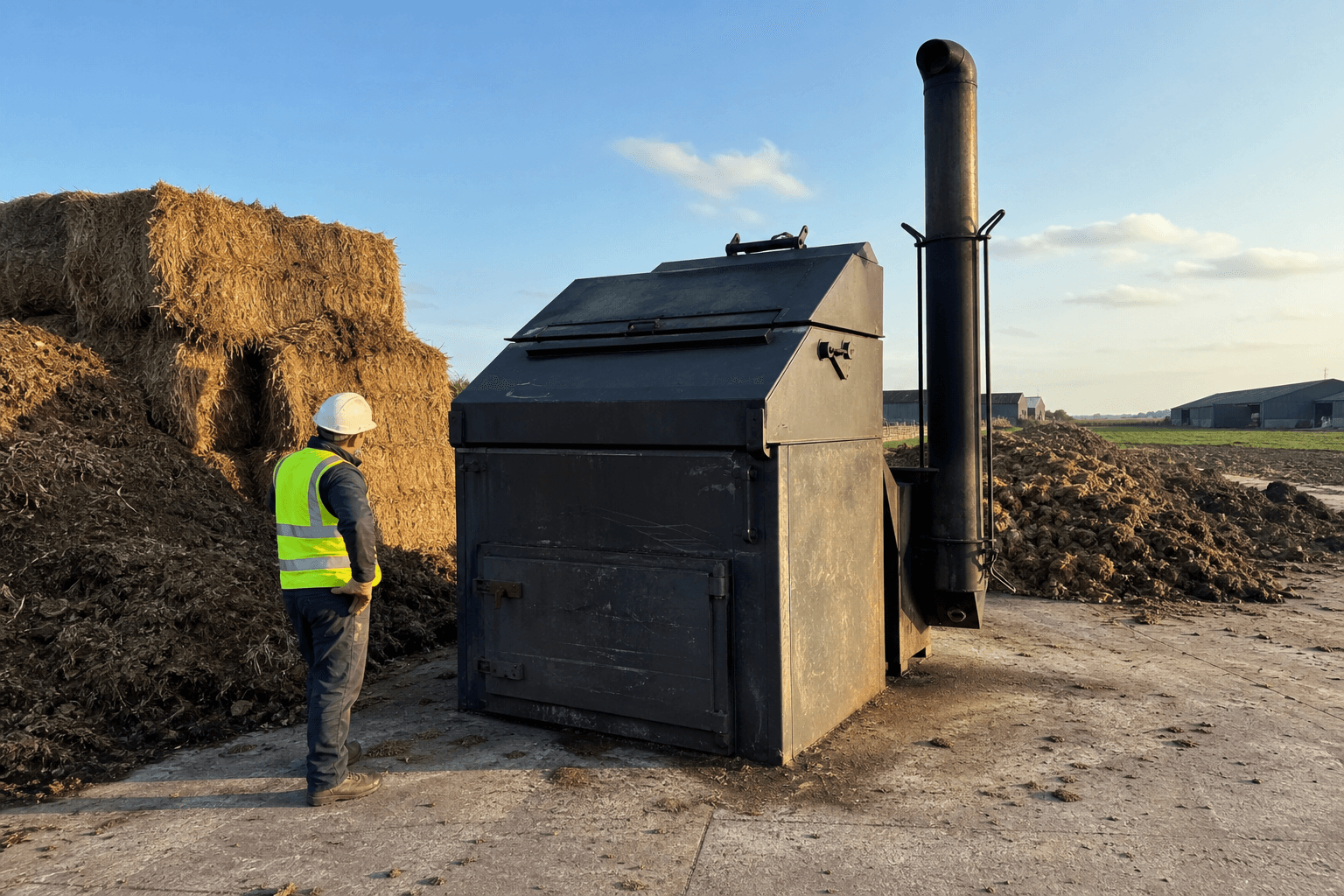
Crop Residue & Plant Waste Incinerators
Diseased and notified crop material destroyed on the holding, at a condition a field fire cannot hold.
Most crop residue is chopped, baled or ploughed in. The fraction that reaches an incinerator is the fraction that has to be destroyed rather than returned: a crop under a plant health notice, a glasshouse batch carrying a soil-borne pathogen, produce rejected at the pack-house with no feed or anaerobic-digestion outlet. AgriBurn units destroy it at a condition that kills pathogen and viable seed together.
Three Models,
One Solution
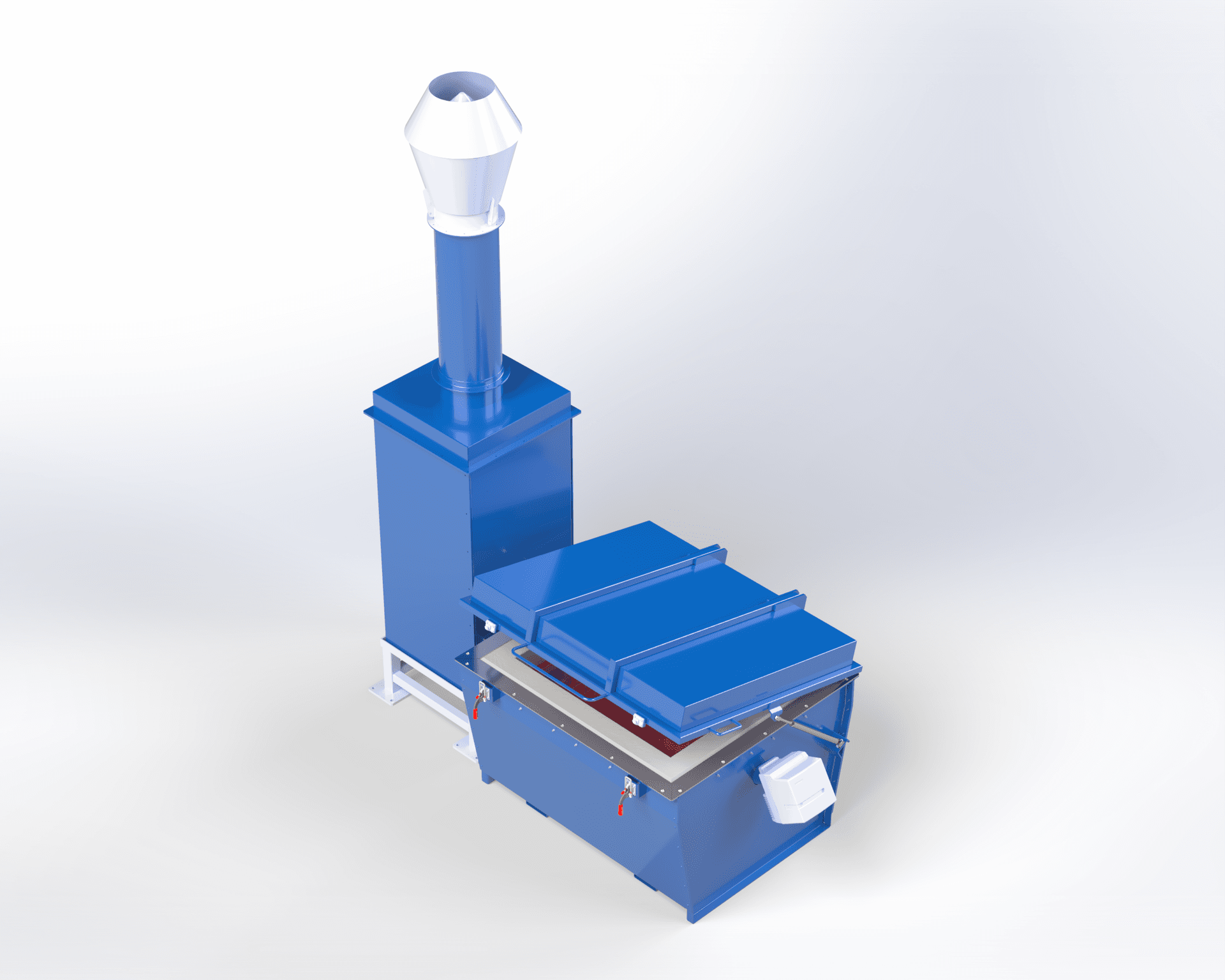
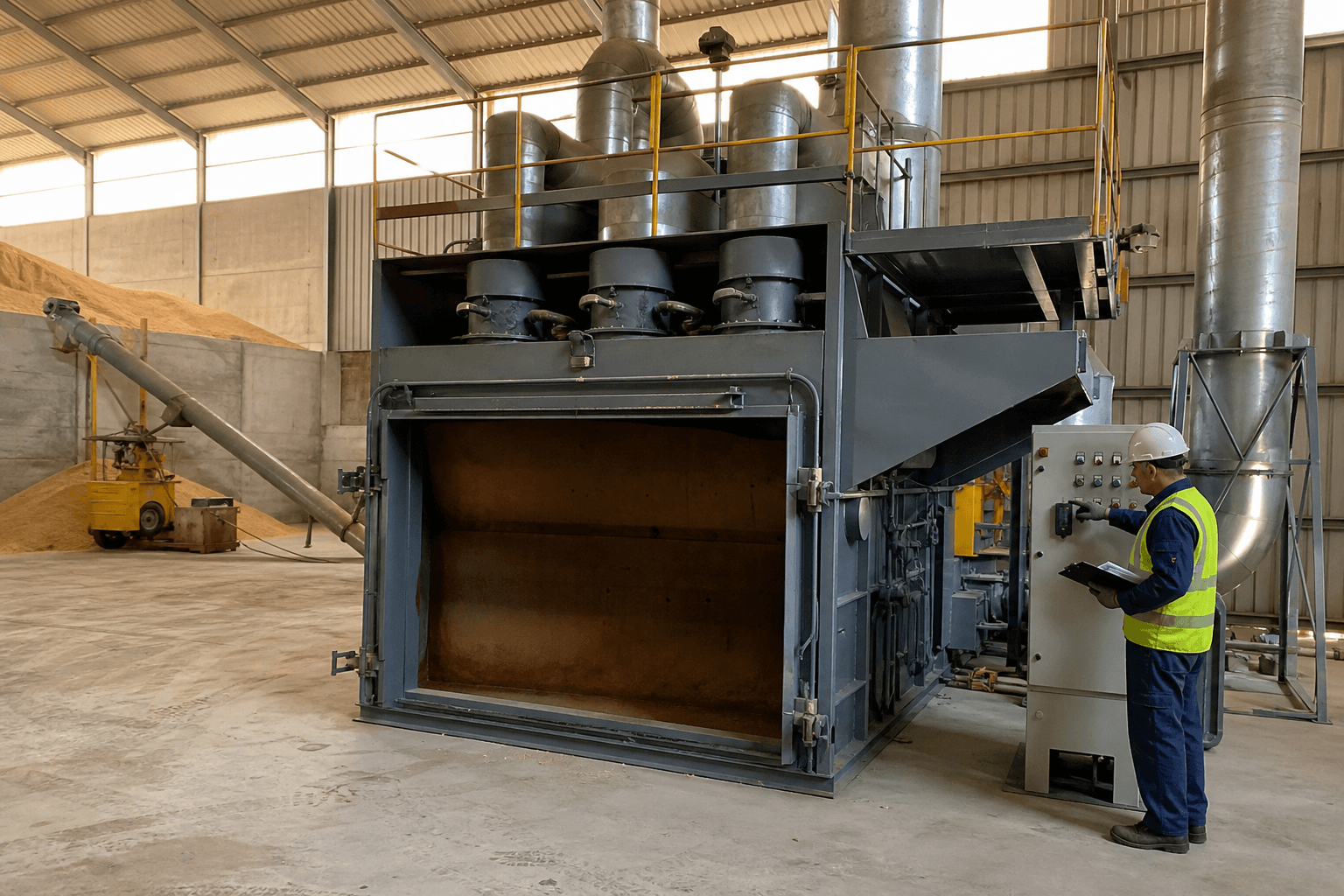
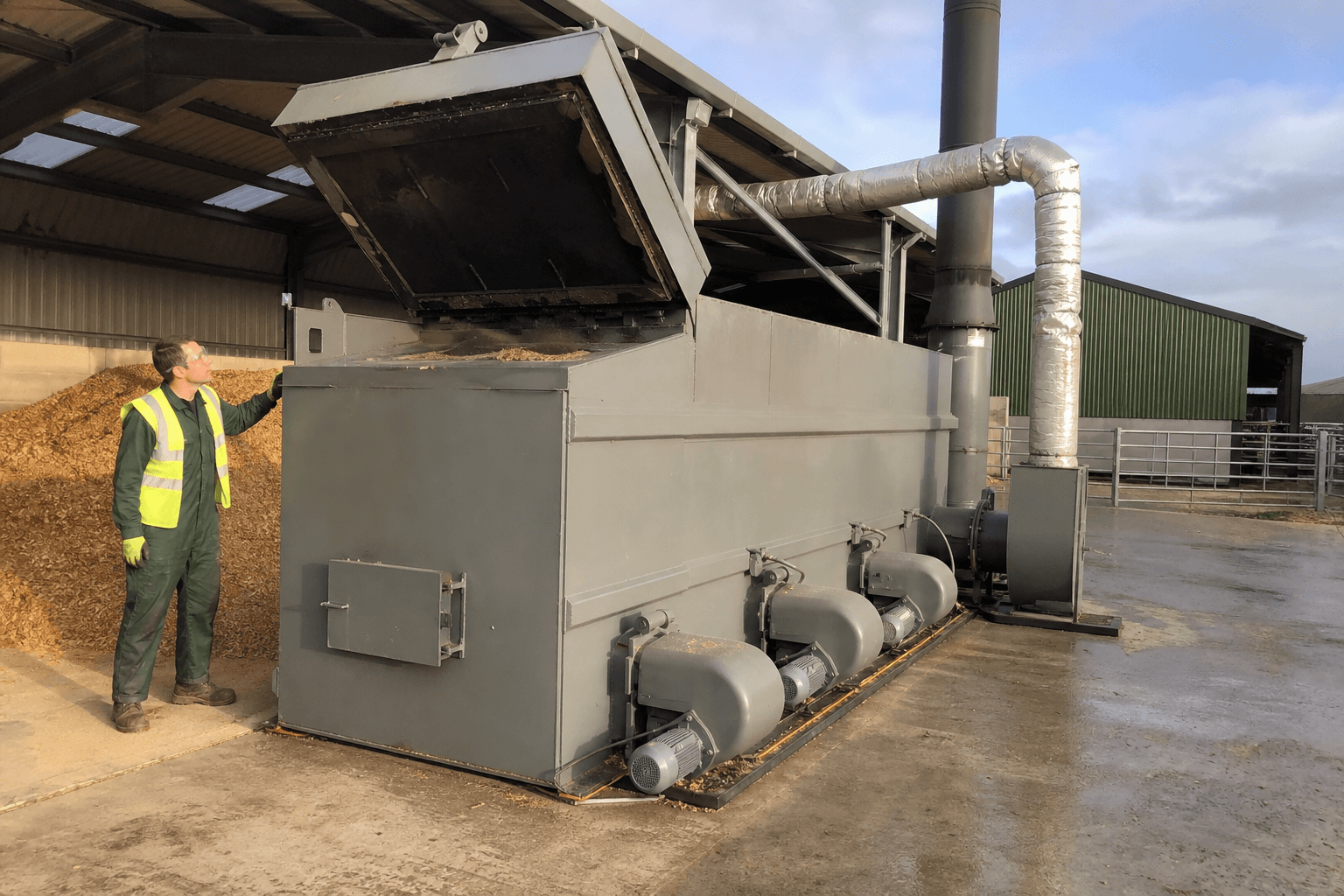
A 350 kg top-loading batch unit for farm and rural sites. Top loading suits bulky, awkward loads — bedding, crop residue, forestry waste — that a front door would fight, and the burn runs unattended once the chamber is charged.
450 kg per charge with a 1350 × 770 × 730 mm chamber. The middle AgriBurn, specified where a single daily burn has to clear a whole day of arisings rather than being run twice.
The largest AgriBurn at 500 kg per charge. Three burners across a 1540 mm chamber keep combustion even across a mixed, high-moisture agricultural load rather than burning a hot core and leaving unburnt edges.
Which Model
Fits Your Volume
Pick a model to see what it clears in a day of crop residue & plant waste.
Baled and bulky residue fills the chamber on volume: 350 kg is a smallholding or a single notified block cleared in one charge, logged against the notice.
Environmental permit
Required from the Environment Agency, SEPA or NIEA. A holding burning its own crop residue in an incinerator is an operator with the same monitoring and record-keeping duties as any other, and the waste codes for the material going in belong in the application rather than in a later conversation with the inspector.
Open burning is separately restricted
The Crop Residues (Burning) Regulations restrict burning cereal straw and stubble in the open, with narrow exemptions including disease control. A permitted incinerator sidesteps that argument entirely: it is a controlled process with a recorded condition, not a fire in a field.
Plant health notices set their own terms
Where destruction is required by a statutory notice, the notice specifies what destruction means and who has to be satisfied. Keep the cycle log against the notice reference — the pairing of dated log and notice is what closes it out.
Duty of care on the ash
Ash is still waste and needs a transfer note if it leaves the holding. What has changed is that it carries no viable seed, spore or pathogen, so it is inert residue rather than a material that spreads what it touches.
Why Burn It
On Site
4 things change on the day this stream stops leaving the site.
The pathogen does not come back
Incorporating residue returns whatever was in the crop to the field it came from. Combustion is the only routine on-farm route that ends the cycle rather than continuing it, because there is no viable material left in the ash to return.
Nothing crosses the boundary
Moving diseased material off the holding needs a description, a carrier and often a licence, and it is the movement itself that spreads a plant health problem. Destroying it where it was grown removes both the paperwork and the risk.
A notice gets a record, not an account
Where a plant health notice requires destruction, the inspector wants evidence. A dated cycle log against a permitted unit answers that; a description of a field fire and a photograph of a burnt patch is a weaker answer.
Rejected produce stops being a haulage problem
Condemned produce has no market and a short window before it becomes a nuisance and a vermin issue. One scheduled charge clears it on the day it is rejected, rather than waiting on a collection that has to be arranged and paid for.
Dual-chamber unit
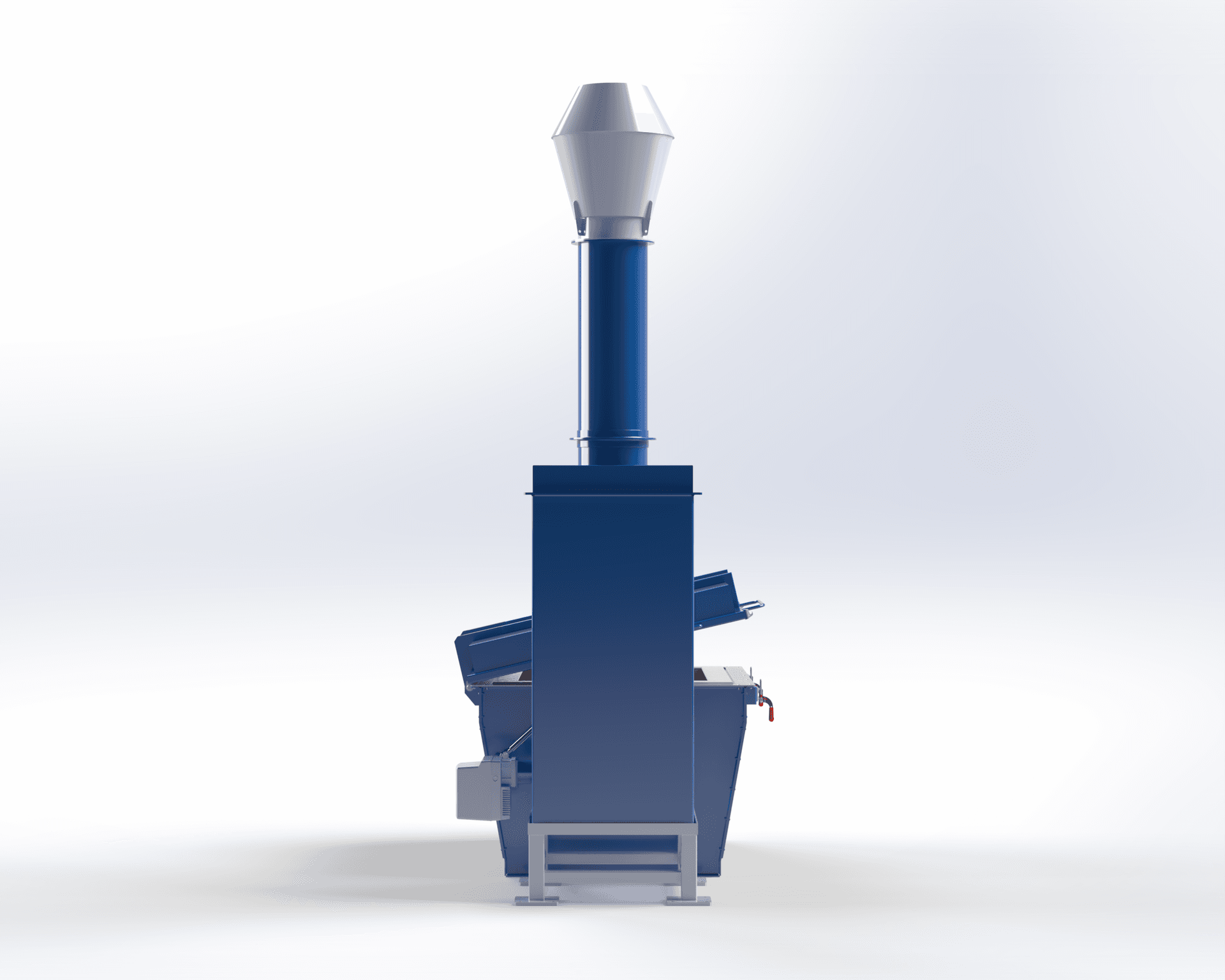
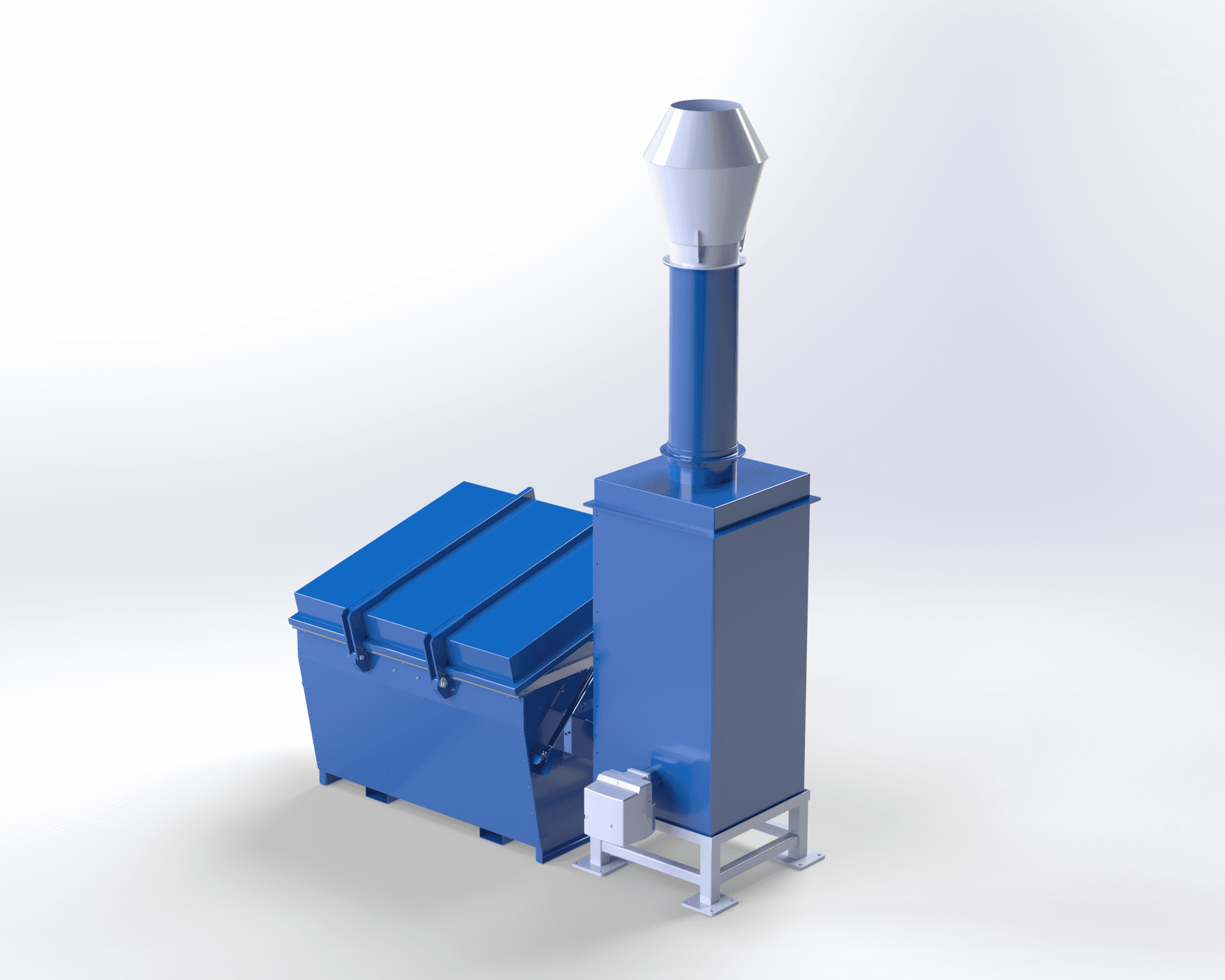
Primary chamber running 850–1,200°C with a secondary chamber holding flue gas above 850°C for two seconds — the Industrial Emissions Directive condition, met as built rather than as an option. This is the line between incineration and a bonfire, and it is the line the regulator draws too.
Three-burner set and fuel train
All three AgriBurn models carry three burners, configured for natural gas, LPG, diesel, biofuel or hydrogen. On a farm that usually means LPG or diesel, because that is what is already on site — fuel choice is a site decision and the combustion condition is identical whichever is specified.
What Ships
With The Unit
Identical whichever stream it is specified for. The operating procedure changes; the machine does not.
Dual-chamber unit
Primary chamber running 850–1,200°C with a secondary chamber holding flue gas above 850°C for two seconds — the Industrial Emissions Directive condition, met as built rather than as an option. This is the line between incineration and a bonfire, and it is the line the regulator draws too.
Three-burner set and fuel train
All three AgriBurn models carry three burners, configured for natural gas, LPG, diesel, biofuel or hydrogen. On a farm that usually means LPG or diesel, because that is what is already on site — fuel choice is a site decision and the combustion condition is identical whichever is specified.
Top-loading charge door
Bulky, awkward, tangled loads — bedding, brash, root balls, baled residue — are dropped in from above with a loader or grab rather than fed through a front door. Top loading is why these units take farm waste in the shape it actually arrives in.
IP6X control panel
PLC control with cycle logging and chamber thermocouples. Where a plant health notice or a feed withdrawal has to be evidenced, the cycle log is the record that the load reached and held the destruction condition.
Coretex refractory lining
Monolithic castable lining rated for the full temperature range, replaceable in service. Refractory is a wear item on any unit; on a farm unit taking wet, dirty, variable loads it is the item that decides service life.
Stack, dispersion data and commissioning
Stack supplied to the height your site-specific dispersion assessment calls for, with the emissions data the permit application references, plus on-site commissioning and operator training. Rural sites have neighbours and prevailing winds; the assessment is what sets the stack, not a catalogue figure.
How One Burn Runs,
Start To Finish
One charge is one countable event. That is what makes a batch unit auditable and a continuous one not.
One Cycle,
Start To Finish
Adds a check on whether the load is under a plant health notice, and a cycle log kept against that notice. Volume, not weight, sets the charge size on baled or bulky residue.
Establish whether the load sits under a plant health notice, a pack-house rejection or a voluntary decision. The answer decides what record you keep and what the permit has to say about the waste codes going in.
Wet produce and freshly cut residue burn slower and cost more fuel. Where the material can stand under cover for a few days first, it does — moisture is the single biggest variable in cycle cost on this stream.
Bales, root balls and loose residue go in from above with a loader or grab. Watch the volume rather than the rating: an AGBI-500's 1.19 m³ chamber fills with baled straw at around 140 kg, well short of its 500 kg capacity.
Primary combustion at 850–1,200°C, with flue gas held above 850°C for two seconds in the secondary chamber. That is the pass condition for fungal spores, bacterial and viral pathogens, nematode cysts and viable seed alike.
3–5% mineral ash, sterile, raked out once cool. Close the cycle log against the notice or the rejection docket so the record and the material match.
What You Can Burn —
And What You Can't
One charge takes the whole stream without pre-sorting. What must never enter it is a short, hard list.
Yes: accepted in a charge
No pre-sorting between these
- Crop under a statutory plant health noticeResidue from a crop the inspector has notified, where destruction on the holding is the point of the notice rather than one option among several.
- Diseased glasshouse and nursery wastePlant waste carrying soil-borne disease, spent growing media and blocks, and plant debris from a nursery clear-down between crops.
- Rotting roots, tubers and bulbsRoot, tuber and bulb waste carrying rots, with rejected produce that has no feed, compost or digestion outlet left open to it.
- Orchard and fruit clear-upDiseased fruit and drops where the specified endpoint is destruction rather than incorporation into the ground.
- Seed screenings and trial plotsGrain screenings carrying viable weed seed, and crop trial plots destroyed to stop carry-over into the following season.
- Contaminated straw, haulm and bio-secure materialStraw and haulm where incorporation is ruled out, plus plant material cleared from a quarantine or bio-secure growing area.
No: never charged
Not a permit question — these stay out
- Silage wrap, netting, bale twine and crop coversFarm plastics have a collection and recycling route and belong in it. Polymer film also carries halogenated content that changes the permit condition, and it melts rather than burns cleanly in a charge sized for plant material.
- Empty agrochemical containers and pesticide residuesThese have their own regulated disposal route and are hazardous waste. Triple-rinsed containers go back through the supply scheme; concentrate and residue go to a licensed hazardous waste contractor, not into a farm charge.
- Preservative-treated timber from stakes, posts and framesCreosote and CCA-treated wood release arsenic, chromium and copper on combustion. It is hazardous waste and needs a plant permitted for it — pulling a few old stakes into a residue charge is exactly how a clean load becomes a non-compliant one.
- Soil and growing media in bulkSoil does not combust. It absorbs the heat the charge is supposed to be putting into the material, fills the chamber with inert mass and multiplies the ash-out. Shake it out before loading.
- Pressurised containers and aerosolsSealed vessels rupture under heat, whatever is in them. Depressurise and route separately.
- Routine straw, stubble and clean residue with a working routeNot a compliance point, a commercial one. If it can be baled, sold, fed or incorporated, burning it converts an asset into a fuel bill. This unit is for the fraction whose routes are closed.
Can you legally burn crop residue & plant waste on site?
Technically, yes: the chamber destroys almost everything on the accepted list at 850–1,200°C, and capability is rarely the constraint. Legally is a separate question. What your site is allowed to burn is set by your environmental permit from the Environment Agency, SEPA or NIEA and the waste codes written into it. The never-charged list is different again: those materials are out of scope for the unit or governed by a direction, and no permit wording brings them back in. Send us the codes you hold, or the ones you expect to apply for, and we will tell you which of this list they cover before anything is specified.
Send us your waste codesHow many charges to clear 4,200 kg of crop residue?
Arithmetic on published model figures, not a customer reference. Your numbers go through the same steps.
How This
Was Worked Out
4,200 kg ÷ 500 kg per charge = 9 charges on the AGBI-500, one a day, and 126–210 kg of ash at 3–5% — with nothing leaving the holding while the notice is in force. Substitute your own: charges = mass ÷ capacity, ash = mass × 3–5%, one charge a day. Where the residue is baled or bulky, check the chamber volume first — 1.19 m³ on the AGBI-500 fills before the weight rating does.
≈ 9
126–210 kg
None
Send your daily or weekly arisings and we will confirm the model, the charge count and the permit route.
Related Products
& Services
Complementary equipment and engineering services for your process.
Sizing and background
- [TOOL]Work out the burn rate for your own arisings
- [TOOL]Size the combustion air and flue gas duty
- [BLOG]Operating agricultural incinerators in compliance with local regulations
- [BLOG]Innovative designs for small-scale agricultural incinerators
- [BLOG]Disposing of agricultural packaging waste
- [BLOG]Integrating vibration analysis for incinerator predictive maintenance
- [BLOG]Advanced gas cleaning for ultra-low emission incinerators
Crop residue & plant waste Questions
Answered against the published figures for the models specified for this stream, not a generic range sheet.
Crop residue waste, for incineration purposes, is plant material from a growing or packing operation that cannot go back to the land or into a feed, compost or digestion route. That covers residue from a crop found to be carrying a notifiable pathogen, glasshouse and polytunnel waste where a soil-borne disease has been identified, rejected produce with no onward market, root and tuber waste carrying rots, and the spent growing media and plant debris a nursery clears between cycles. The reason this material is a problem is that its normal routes are all recirculating ones. Chopping and incorporating returns the pathogen to the field. Composting on the holding rarely reaches a temperature that reliably kills a soil-borne organism throughout the heap. Anaerobic digestion has an inlet specification, and a rotten or contaminated load fails it. When each of those routes is closed, the material accumulates in a corner of the yard and does exactly what everyone was trying to prevent. Destruction runs at 850–1,200°C in the primary chamber with flue gas held above 850°C for two seconds in the secondary. That condition destroys fungal spores, bacterial and viral plant pathogens, nematode cysts and viable seed in the same cycle. It is also the condition an open fire cannot hold: a field fire runs hot in the middle, cool at the edges, and lofts exactly the light material — chaff, husk, dry leaf — you least want carried downwind. Where destruction is required by a statutory plant health notice, the notice is the driver rather than the tidy-up. A permitted incinerator with a cycle log gives a dated record that the material reached and held the destruction condition on the holding. That record is far easier to produce at inspection than an account of a bonfire.
4,200 kg ÷ 500 kg per charge = 9 charges on the AGBI-500, one a day, and 126–210 kg of ash at 3–5% — with nothing leaving the holding while the notice is in force. Substitute your own: charges = mass ÷ capacity, ash = mass × 3–5%, one charge a day. Where the residue is baled or bulky, check the chamber volume first — 1.19 m³ on the AGBI-500 fills before the weight rating does.
Generally no. The Crop Residues (Burning) Regulations restrict burning cereal straw and stubble in the open, with narrow exemptions such as disease control, and burning waste outside a permit or registered exemption is an offence in its own right. An open fire also cannot hold 850°C for two seconds, which is the condition that actually destroys pathogens and viable seed.
Yes. Primary combustion at 850–1,200°C with two-second retention above 850°C in the secondary chamber destroys fungal spores, bacterial and viral plant pathogens, nematode cysts and viable seed in the same cycle. What comes out is sterile mineral ash at 3–5% of input mass.
Check the volume before the weight. The AGBI-350 chamber is 0.48 m³, the AGBI-450 is 0.76 m³ and the AGBI-500 is 1.19 m³. Dense wet produce reaches the weight rating first; baled or loose residue at roughly 120 kg/m³ fills the chamber at a fraction of it. Whichever limit comes first is the one that sizes your charge.
It can, but it costs fuel and cycle time — the first part of the burn drives off moisture before the material combusts. Where the load can stand under cover for a few days first, it burns cheaper and faster. This is a cost question, not a compliance one.
Normally yes, and it is often the preferred answer because the material never moves. The notice itself specifies what destruction means, so read it first — but a permitted dual-chamber unit with a dated cycle log is a stronger evidence trail than any account of a field fire.
No. Farm plastics have a collection and recycling route and belong in it, and polymer film carries halogenated content that raises the secondary-chamber requirement to 1,100°C and has to be declared on the permit. Keep plastics out of a plant-material charge.
Shake it out. Soil does not combust, absorbs heat the charge needs, fills the chamber with inert mass and multiplies the ash you rake out afterwards. A little clinging soil is unavoidable; bulk soil turns a 500 kg charge into a much smaller one.
Roughly eight to eleven hours for a full charge, depending on the model and confirmed at commissioning. These are batch units burning at under 50 kg/h, and that cycle is measured from first load to complete burn-down, taking in heat-up, burn, cool-down and ash removal. Plan a clearance in charges and days rather than in kilograms per hour.
Ready to
Incinerate?
Send the stream, the volume and the site constraints. We will confirm the model, the permit route, and what the specification has to say to satisfy the regulator.
- The pathogen does not come back
- Nothing crosses the boundary
- A notice gets a record, not an account
- Rejected produce stops being a haulage problem