
Chemical Processing
Energy Audit
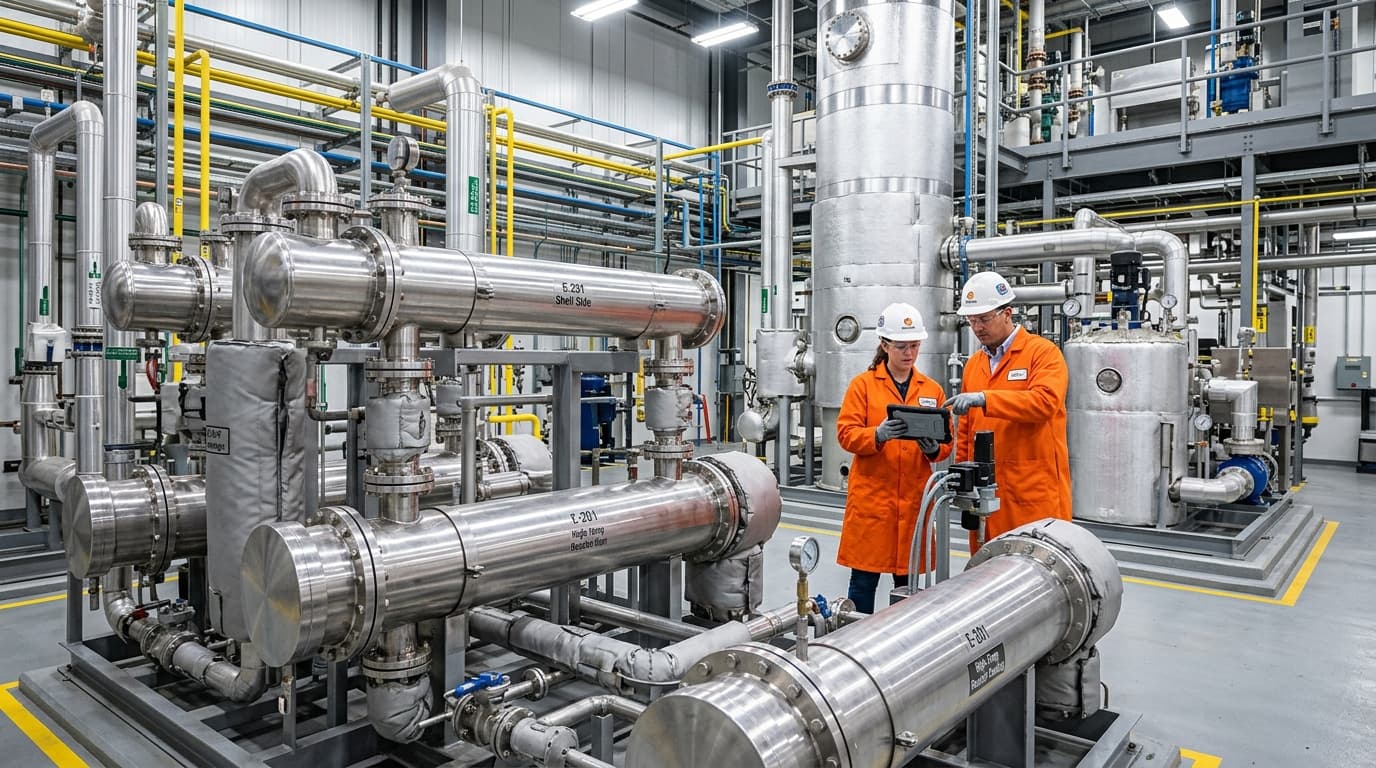
Chemical plants are among the most energy-intensive facilities in any industrial portfolio. With process heating, distillation, compression, and cooling all consuming significant energy, our audits identify high-value optimisation opportunities while respecting ATEX, SIL, and process safety requirements.
Energy Challenges in
Chemical Processing
Complex processes, hazardous environments, and tight margins demand precision optimisation.
Process Heat Intensity
Reactors, distillation columns, and dryers consume enormous thermal energy. Optimising heat integration and recovery across interconnected processes requires deep engineering analysis.
Energy-Emissions Nexus
Tightening environmental regulations on VOCs, NOx, and CO₂ mean energy efficiency improvements must also address emission reduction targets simultaneously.
Safety-Constrained Modifications
ATEX zones, SIL-rated systems, and hazardous area classifications add complexity and cost to any energy efficiency modification programme.
Commodity Price Pressure
Variable feedstock and energy prices compress margins, making operational cost reduction through energy optimisation essential for competitiveness.
Our 7-Step
Methodology
Adapted for chemical processing with process safety and ATEX awareness throughout.
Initial Consultation
Understand your facility's operations, production workflows, energy usage patterns, and strategic efficiency goals through a structured discovery session with key stakeholders.
We review historical utility bills, existing metering infrastructure, and any prior efficiency initiatives to establish a comprehensive energy baseline. This initial scoping phase defines audit boundaries, agrees on key performance indicators, and aligns the project timeline with your operational calendar.
On-Site Assessment
Conduct a thorough walk-through of your entire facility, inspecting all energy-consuming systems including HVAC, compressed air, steam generation, lighting, and motor-driven equipment.
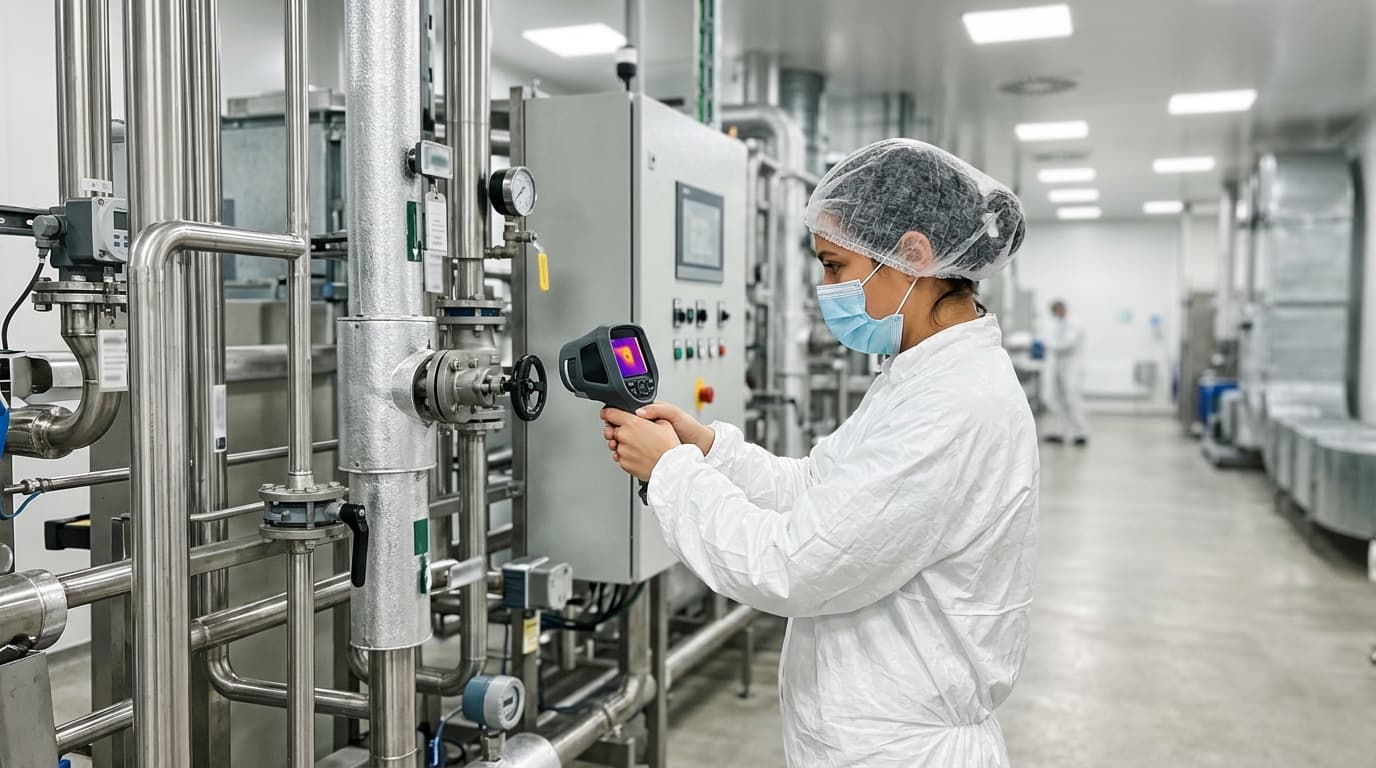
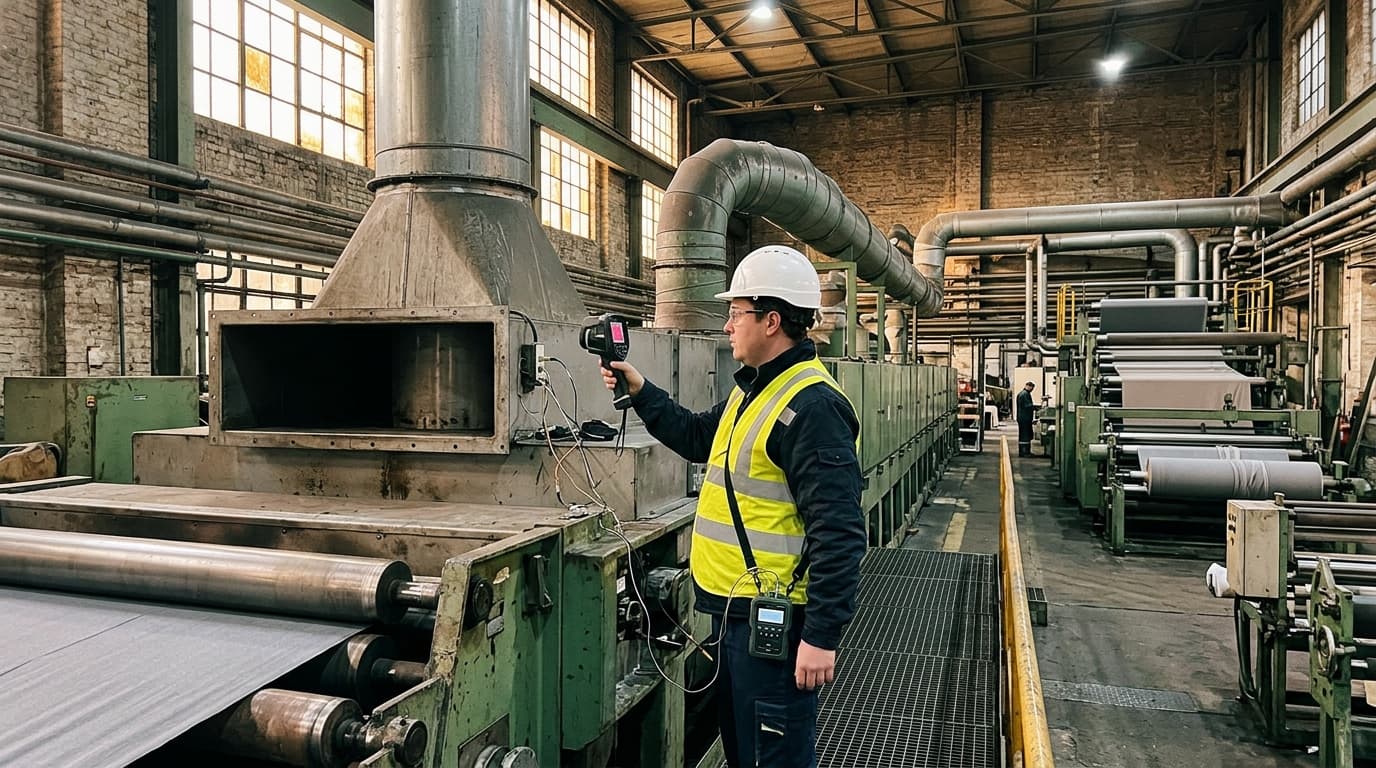
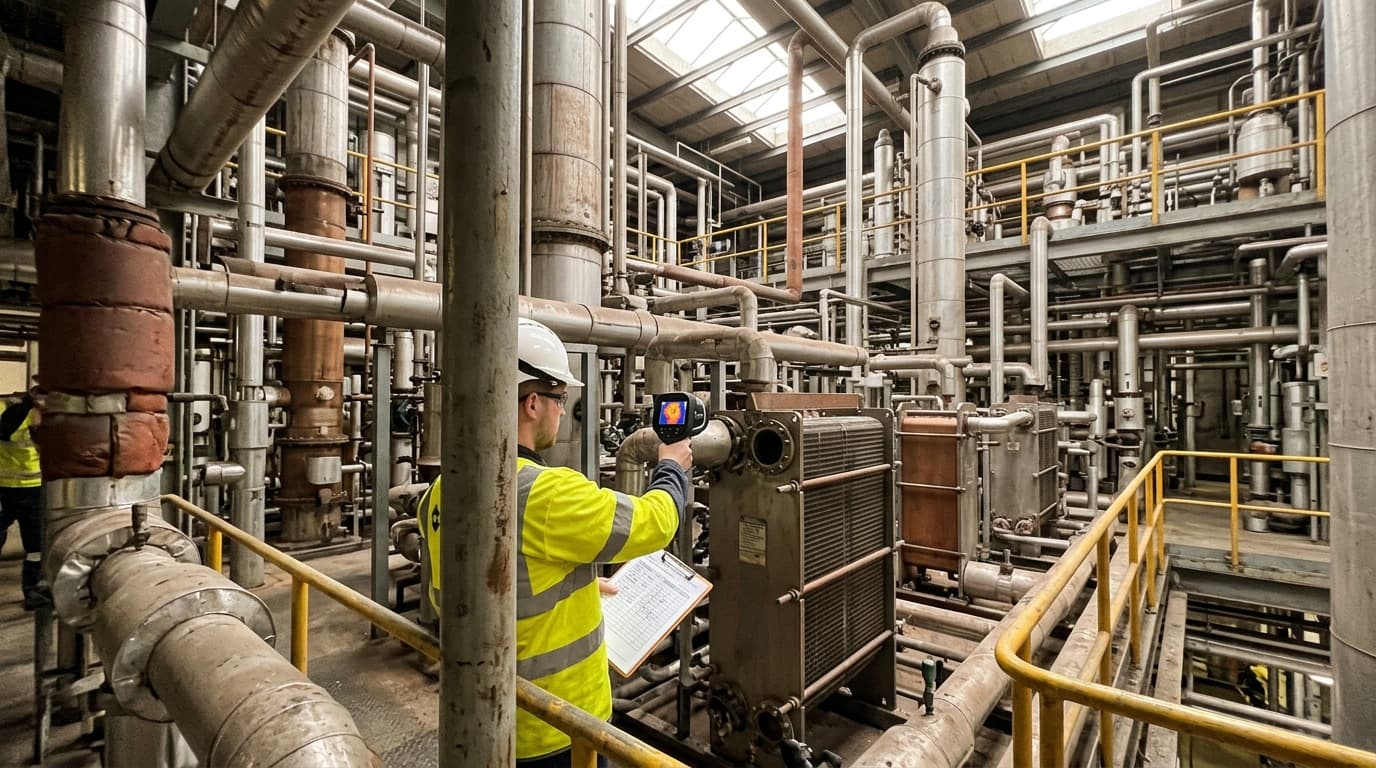
Our engineers deploy portable instrumentation such as power analysers, ultrasonic leak detectors, and thermal imaging cameras to capture real-time performance data. We map energy flows from point of supply through distribution to end-use, documenting equipment nameplate ratings, operating hours, and load profiles across each production shift.
Data Analysis
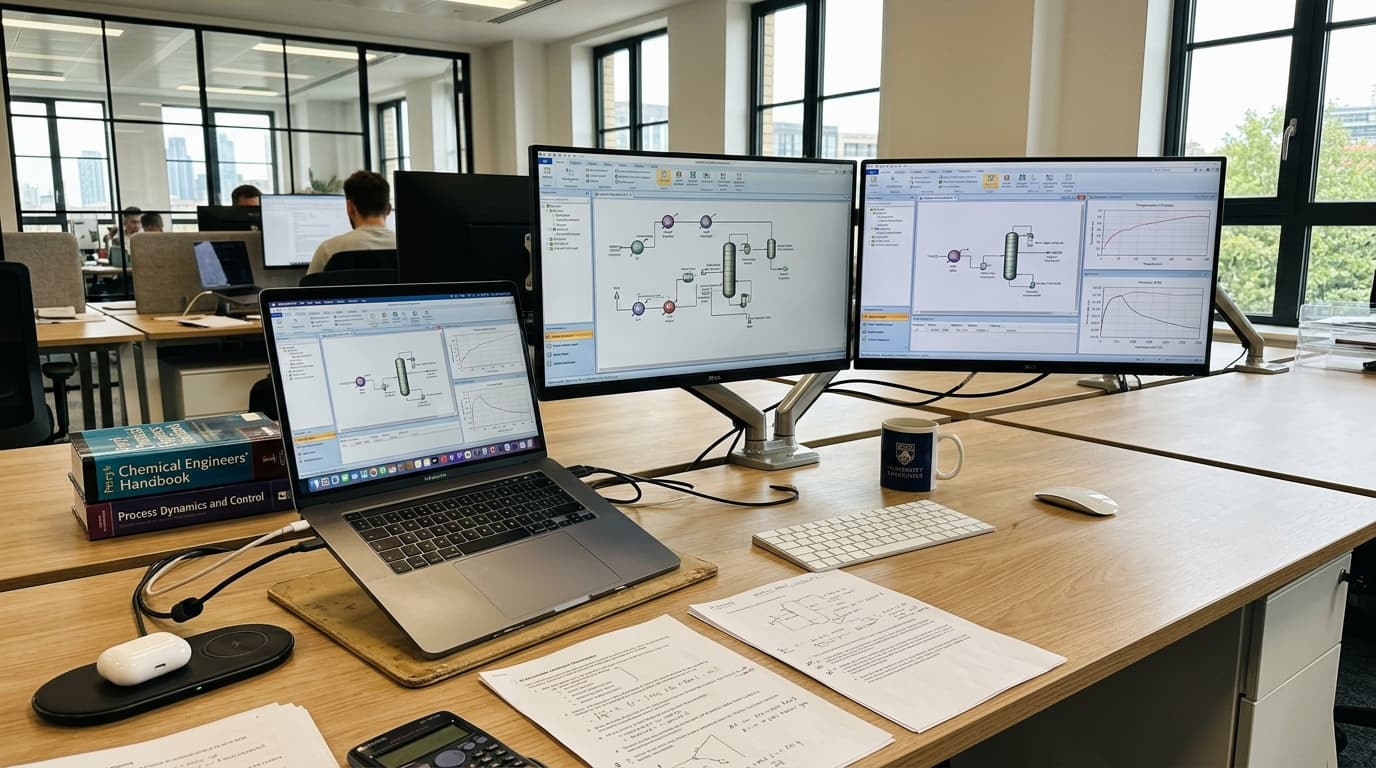
Apply advanced analytical tools including energy modelling software, regression analysis, and thermal simulation to identify consumption patterns, inefficiencies, and high-impact improvement areas.
We benchmark your facility against sector-specific standards and best-available-technology references, quantifying losses across each subsystem. Power quality analysis, load duration curves, and process heat balances reveal where energy is wasted, enabling us to prioritise interventions with the greatest savings potential.
Identifying Opportunities
Develop a prioritised register of tailored energy conservation measures, each accompanied by detailed cost-benefit analysis, projected payback periods, and estimated carbon reduction.
Recommendations span quick wins such as insulation upgrades, compressed air leak repair, and lighting retrofits alongside strategic investments like waste heat recovery, variable-speed drive installations, and process redesign. Each measure is ranked by net present value, implementation complexity, and alignment with your capital planning cycle.
Report Preparation
Compile a comprehensive audit report that outlines all findings, prioritised recommendations, and a phased strategic implementation roadmap tailored to your operational constraints.
The deliverable includes an executive summary for decision-makers, detailed technical appendices with measurement data and calculations, and a financial model projecting annual savings, cumulative ROI, and carbon reduction trajectories. Where applicable, we identify grant and incentive programmes that can offset implementation costs.
Implementation Support
Provide hands-on engineering support throughout the implementation phase, from detailed design and specification writing to vendor selection and procurement oversight.
Our team coordinates with contractors and equipment suppliers to ensure each measure is installed to specification, commissioned correctly, and validated against projected performance targets. We schedule works around production cycles to minimise downtime and provide on-site supervision during critical installation milestones.
Ongoing Monitoring
Establish a measurement and verification framework to continuously monitor energy performance and confirm that implemented measures deliver the projected savings.
We deploy sub-metering, automated dashboards, and periodic performance reviews aligned with IPMVP protocols to track KPIs in real time. As your operations evolve, ongoing analysis uncovers new optimisation opportunities and ensures energy performance remains on a trajectory of continuous improvement.
What You
Receive
Engineering-grade analysis with safety-compliant recommendations for board-level investment decisions.
Energy & Mass Balance
Comprehensive process energy mapping and mass balance analysis identifying all heat sources, sinks, and recovery opportunities.
Pinch Analysis
Systematic heat integration study to minimise utility consumption and identify optimal heat exchanger network configurations.
Fired Heater Assessment
Combustion efficiency analysis, excess air optimisation, and flue gas heat recovery recommendations for all fired equipment.
Compressed Air & Utilities
Assessment of compressed air, nitrogen, cooling water, and steam distribution systems for leak reduction and efficiency gains.
Emission Reduction Plan
Integrated energy-emissions improvement plan showing how efficiency gains support environmental compliance targets.
ROI & Investment Case
Detailed financial analysis with project-level IRR, NPV, and payback for capital approval and funding applications.
Proven Results in
Chemical Plants
Based on completed audits across specialty chemicals, polymers, and bulk chemical facilities.
Related Products
& Services
Complementary equipment and engineering services for your process.


Chemical Processing
Audit Questions
Common questions from chemical manufacturers about our energy audit service.
Yes. Our engineers are experienced in hazardous area operations and hold relevant ATEX/DSEAR training. We use intrinsically safe monitoring equipment and follow your site permit-to-work systems.
Yes. For complex chemical processes, we conduct pinch analysis as part of our audit to identify optimal heat integration opportunities and minimise external utility consumption — often revealing significant thermal energy recovery potential.
We scope our data collection and analysis to cover both steady-state continuous operation and batch cycle variations. This ensures our recommendations deliver savings across all operating modes and production campaigns.
Absolutely. Our integrated energy-emissions analysis shows exactly how efficiency improvements contribute to meeting your environmental permit conditions and corporate carbon reduction commitments.
Ready to Reduce
Process Energy?
Our chemical sector specialists bring deep process engineering and safety expertise.
- Comprehensive facility energy assessment
- Chemical Processing-specific benchmarking
- Detailed ROI analysis & implementation roadmap