
Research &
Development
From hypothesis to production-ready solution — systematic, data-driven, de-risked.
EnerTherm Engineering's R&D services combine statistical experimentation, computational simulation, and physical prototyping to solve complex thermal and process engineering challenges. Whether you need to optimise an existing process, validate a new concept, or develop a product from scratch, our integrated approach delivers answers faster and with less risk.
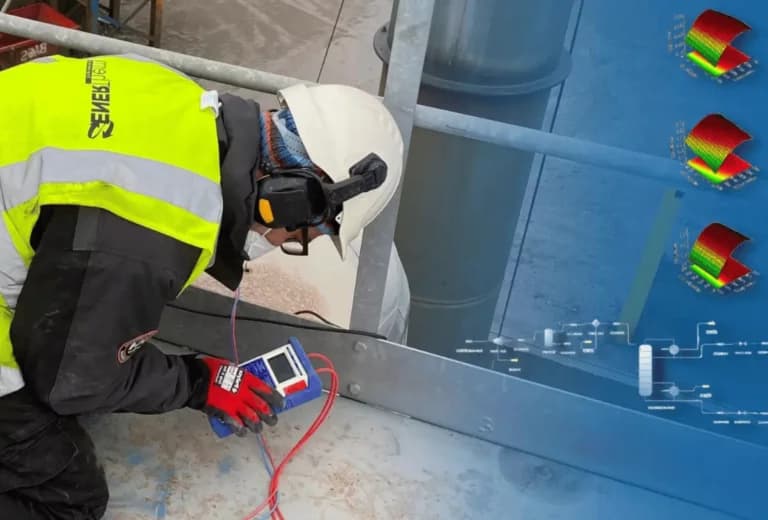
Engineering Innovation
Through Rigorous R&D
Industrial R&D is not trial and error — it is a disciplined process of hypothesis, experimentation, analysis, and validation. EnerTherm Engineering brings this rigour to thermal and process engineering challenges across every industry we serve.
Our R&D capability spans three integrated services — Design of Experiments, Feasibility Studies, and Design Prototyping — each backed by advanced simulation tools, statistical methods, and decades of industrial experience. Together, they form a complete pipeline from initial concept validation through to production-ready design.
Fewer experiments needed vs. OFAT methods through statistical DOE
Reduction in physical test cycles through simulation-led prototyping
Development cost savings through integrated R&D methodology
Our R&D
Capabilities
Three integrated services covering the full R&D lifecycle — from concept to production.
Design of Experiments
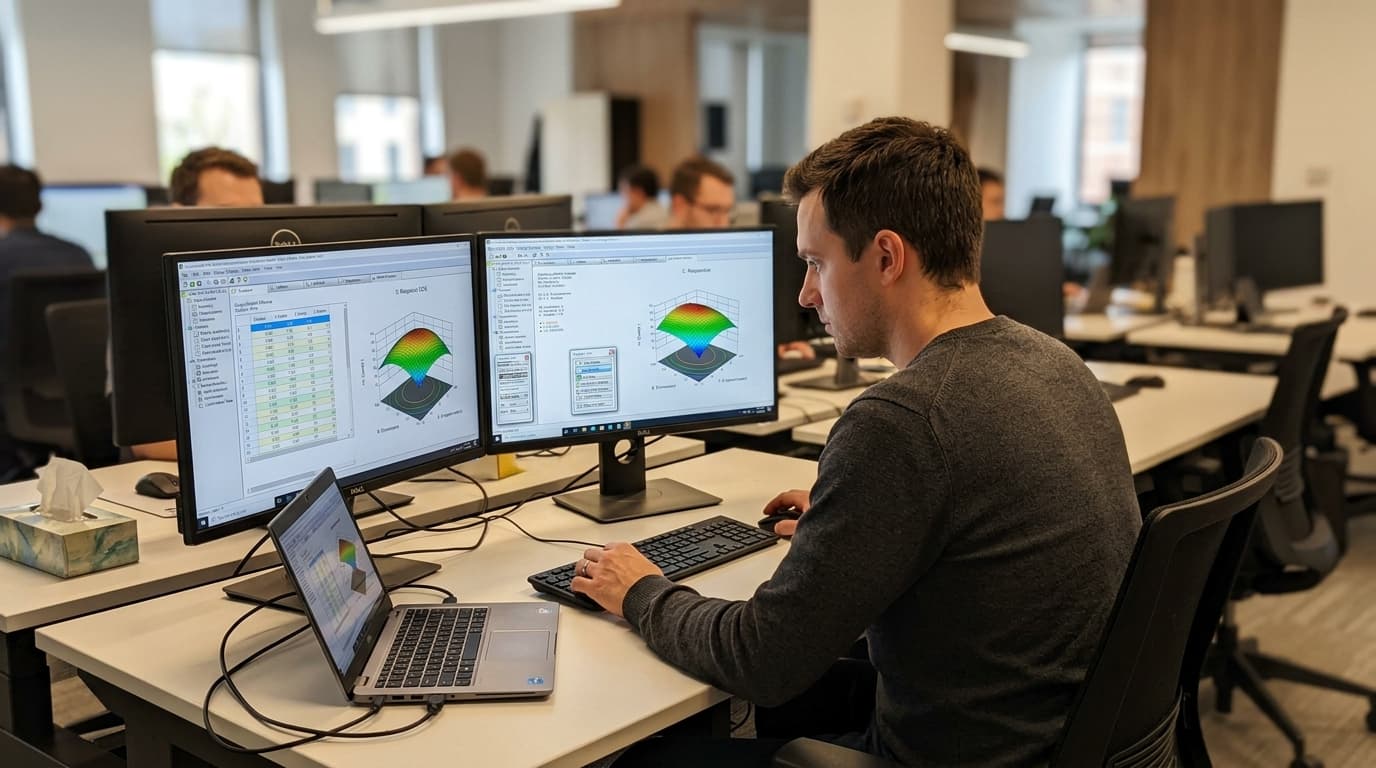
Structured statistical methodology to systematically explore and optimise the factors influencing your processes — reducing experiments by 60-80% compared to one-factor-at-a-time testing.
- ·Factorial & Response Surface Designs
- ·AI/ML Predictive Modelling
- ·Multi-Variable Optimisation
Feasibility Study
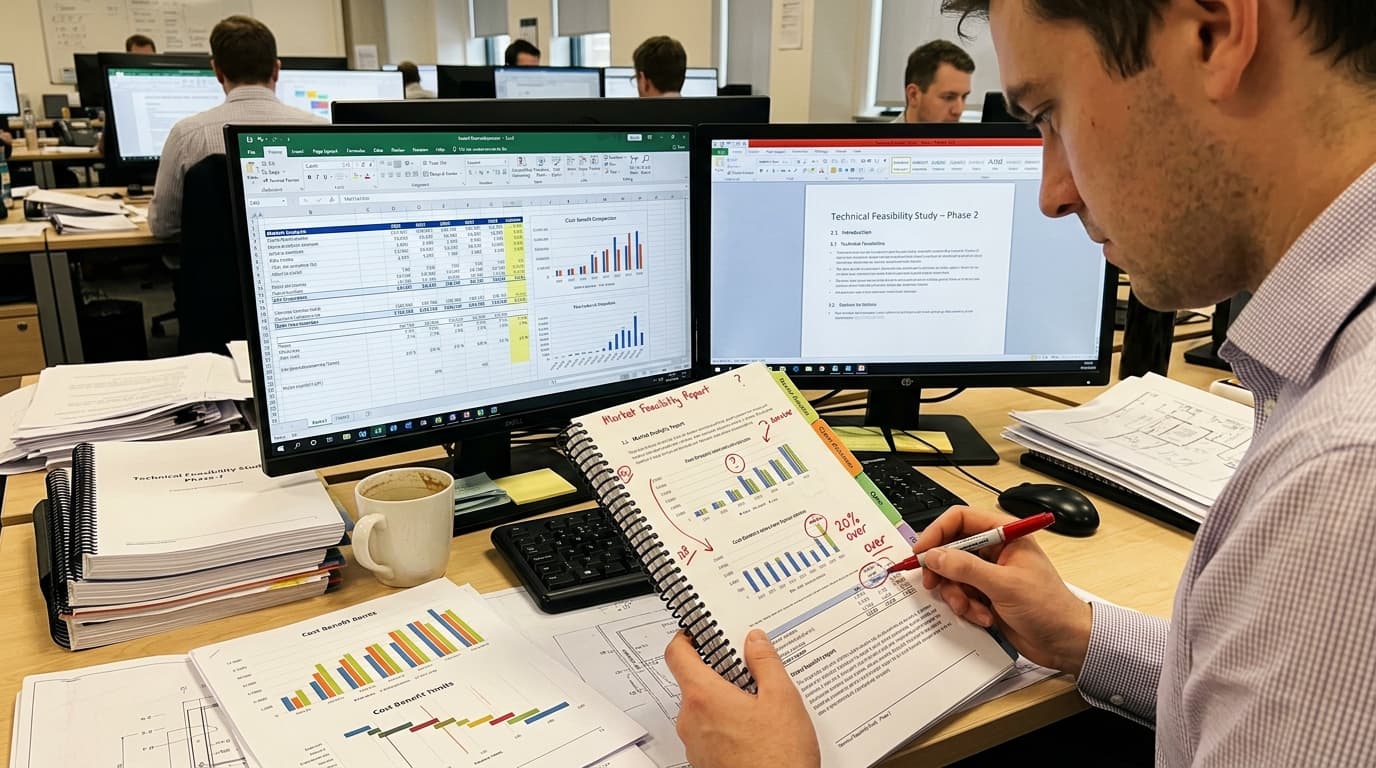
Comprehensive viability assessment covering technical, financial, and regulatory dimensions — providing the evidence base to justify capital investment or pivot before costs escalate.
- ·Technical & Financial Analysis
- ·Risk Assessment & Mitigation
- ·ROI & Payback Modelling
Design Prototyping
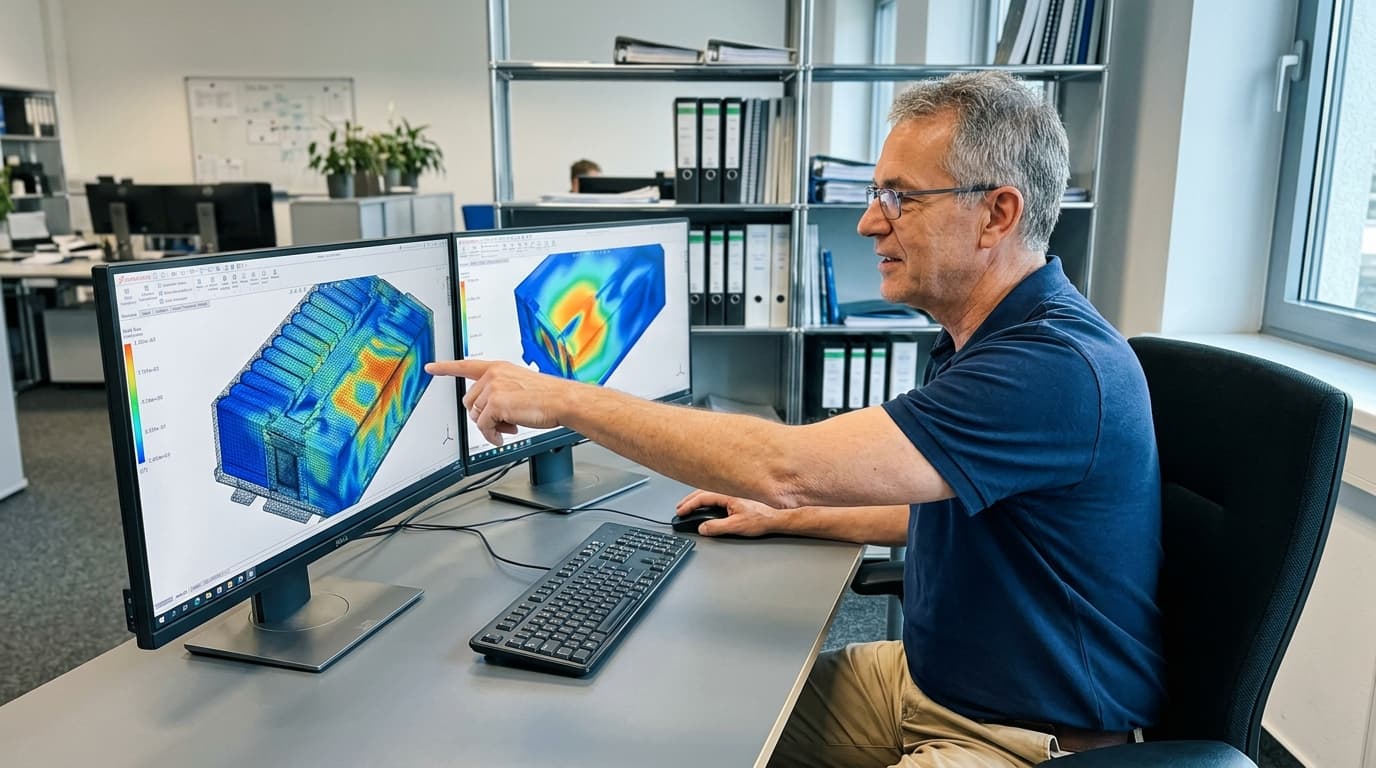
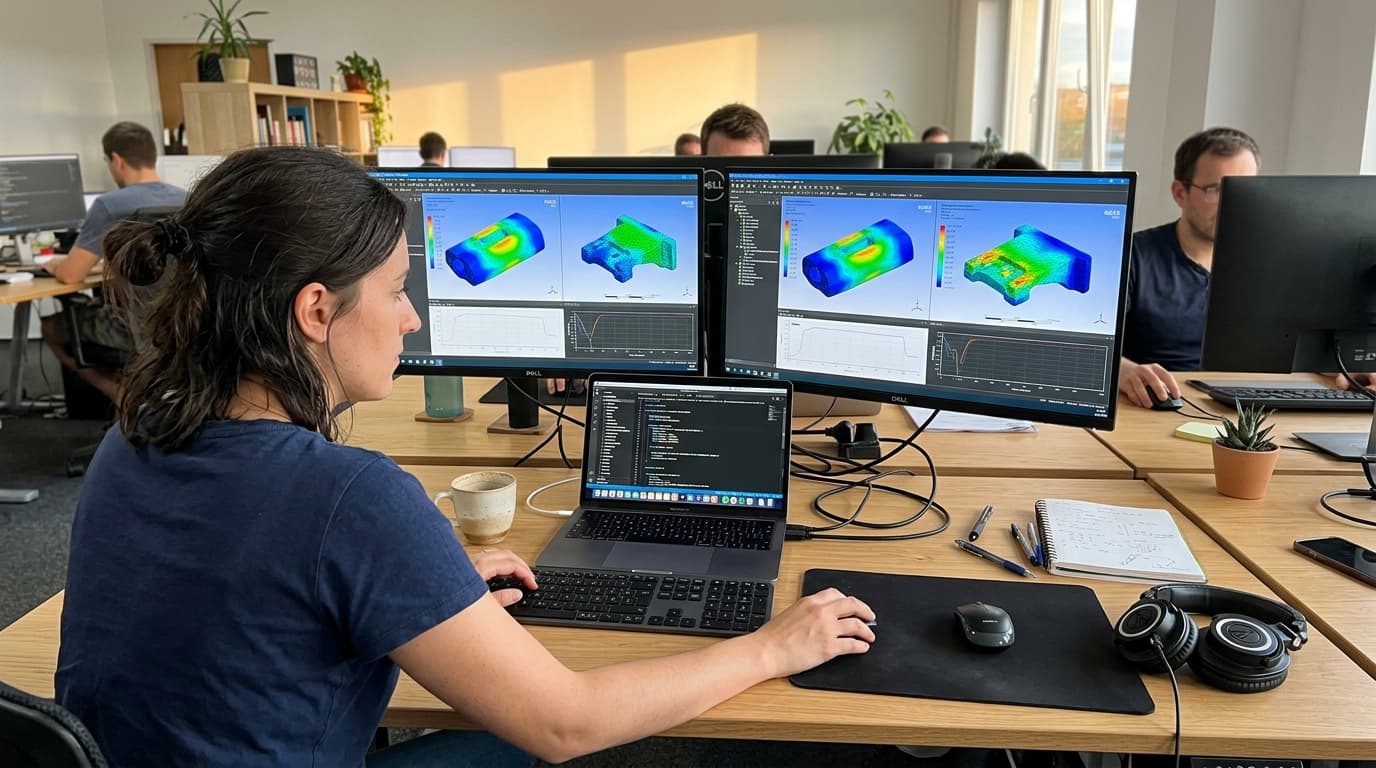
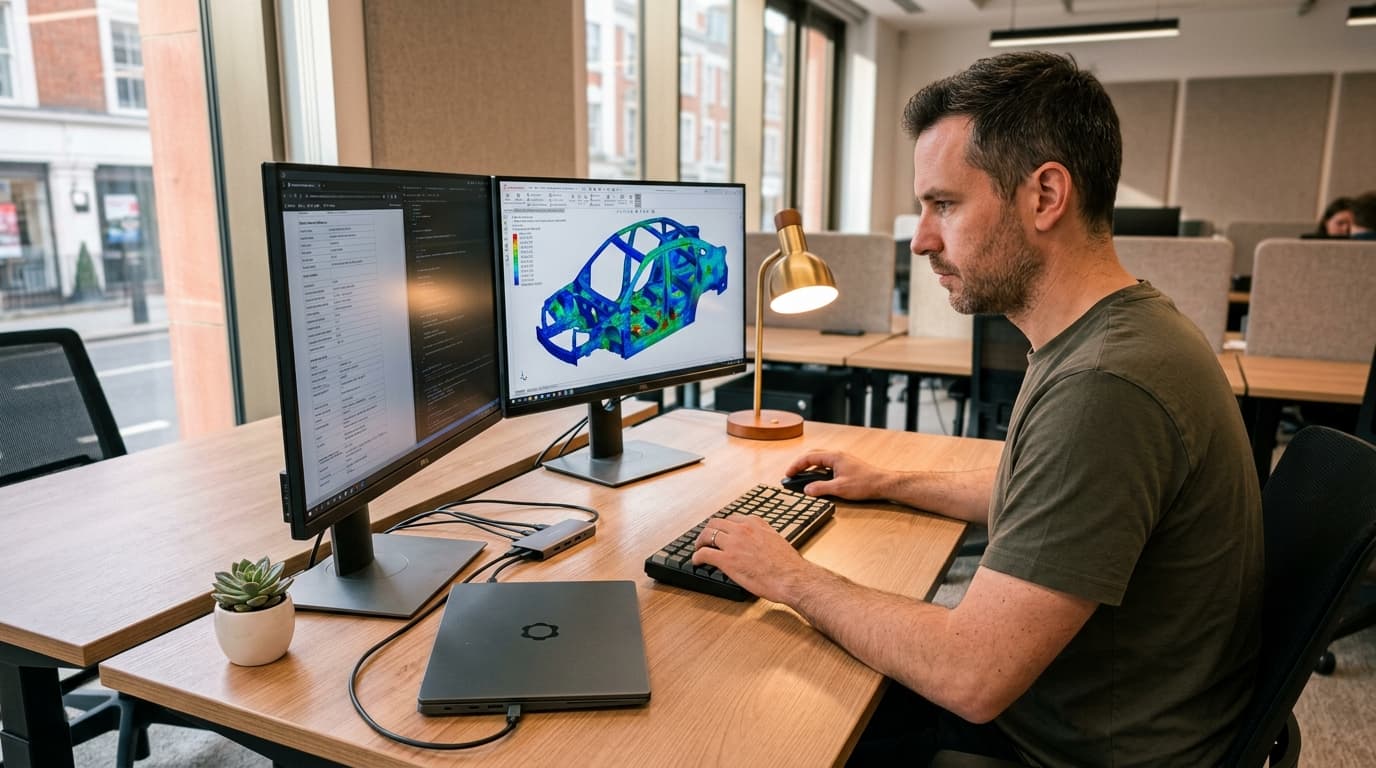
Rapid iterative prototyping combining CFD/FEA simulation with physical testing — validating designs in controlled environments before committing to full-scale production.
- ·Virtual & Physical Prototyping
- ·Simulation-Led Design
- ·Production-Ready Documentation
Industry-Specific
R&D Solutions
Tailored research and development for your sector — every industry has unique challenges to solve.
Automotive
- ·Powertrain thermal management
- ·Manufacturing process DOE
- ·EV battery cooling R&D
Chemical Processing
- ·Reaction yield optimisation
- ·Scale-up feasibility studies
- ·Pilot plant prototyping
Food & Beverage
- ·Thermal process optimisation
- ·New product development DOE
- ·Energy reduction R&D
Pharmaceutical
- ·QbD design space definition
- ·Lyophilisation cycle DOE
- ·Process validation prototyping
Energy & Power
- ·Combustion optimisation
- ·Heat recovery feasibility
- ·Renewable integration R&D
Aerospace
- ·Thermal management systems
- ·Additive manufacturing DOE
- ·Certification-ready prototyping
Our 6-Step
R&D Framework
A systematic methodology from discovery and experimental design through simulation, prototyping, and production-ready validation.
Discovery & Scoping
Collaborate with stakeholders to define research objectives, success criteria, and the technical boundaries of the investigation.
Through structured workshops and technical reviews, we translate business challenges into research questions with quantifiable targets. We identify existing knowledge gaps, review prior art and published literature, and define the experimental or analytical approach that will yield actionable answers within budget and timeline constraints.
Experimental Design
Plan rigorous experiments using statistical methods to maximise information gained per test run while minimising cost and time.
We apply Design of Experiments (DOE) methodology — factorial, fractional factorial, and response surface designs — to systematically explore the design space. Each experiment is planned with randomisation, replication, and blocking strategies that ensure statistically valid conclusions and protect against systematic bias.
Simulation & Modelling
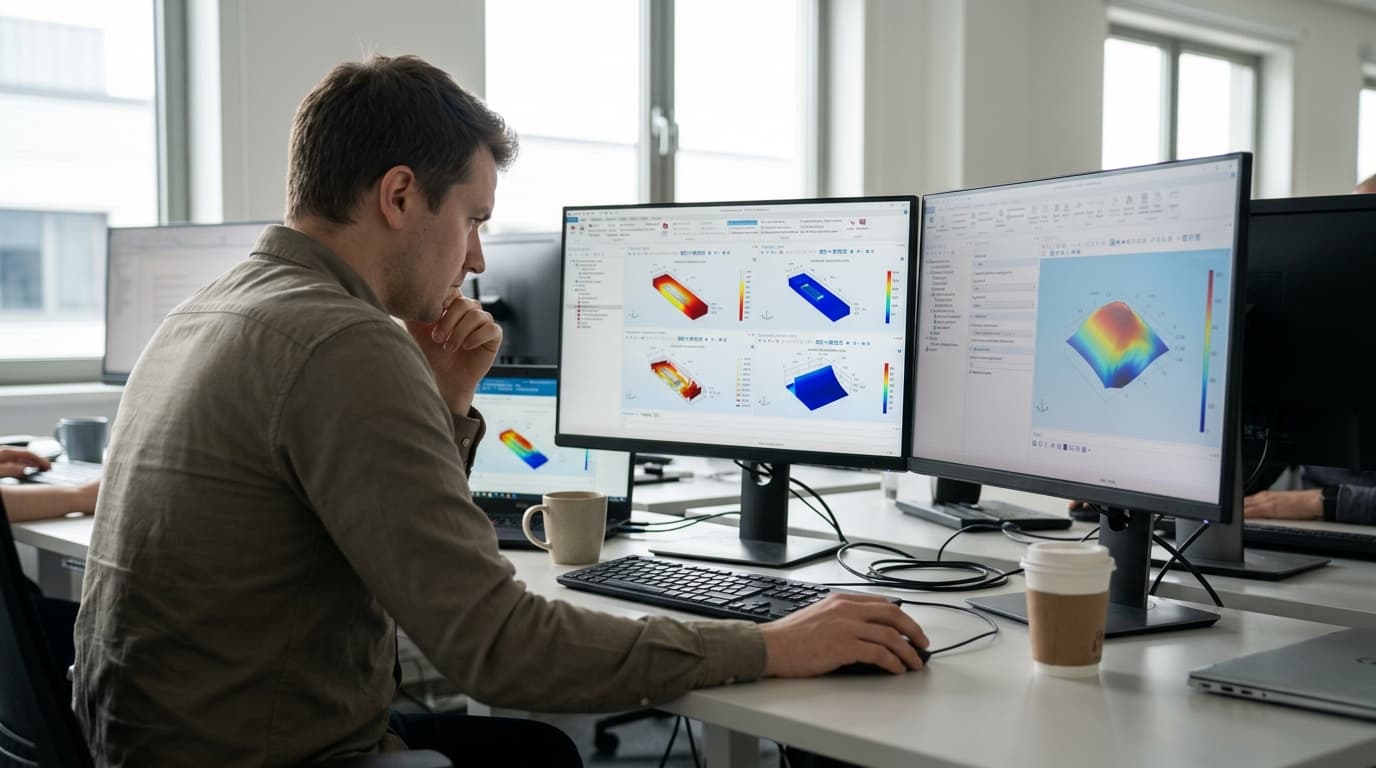
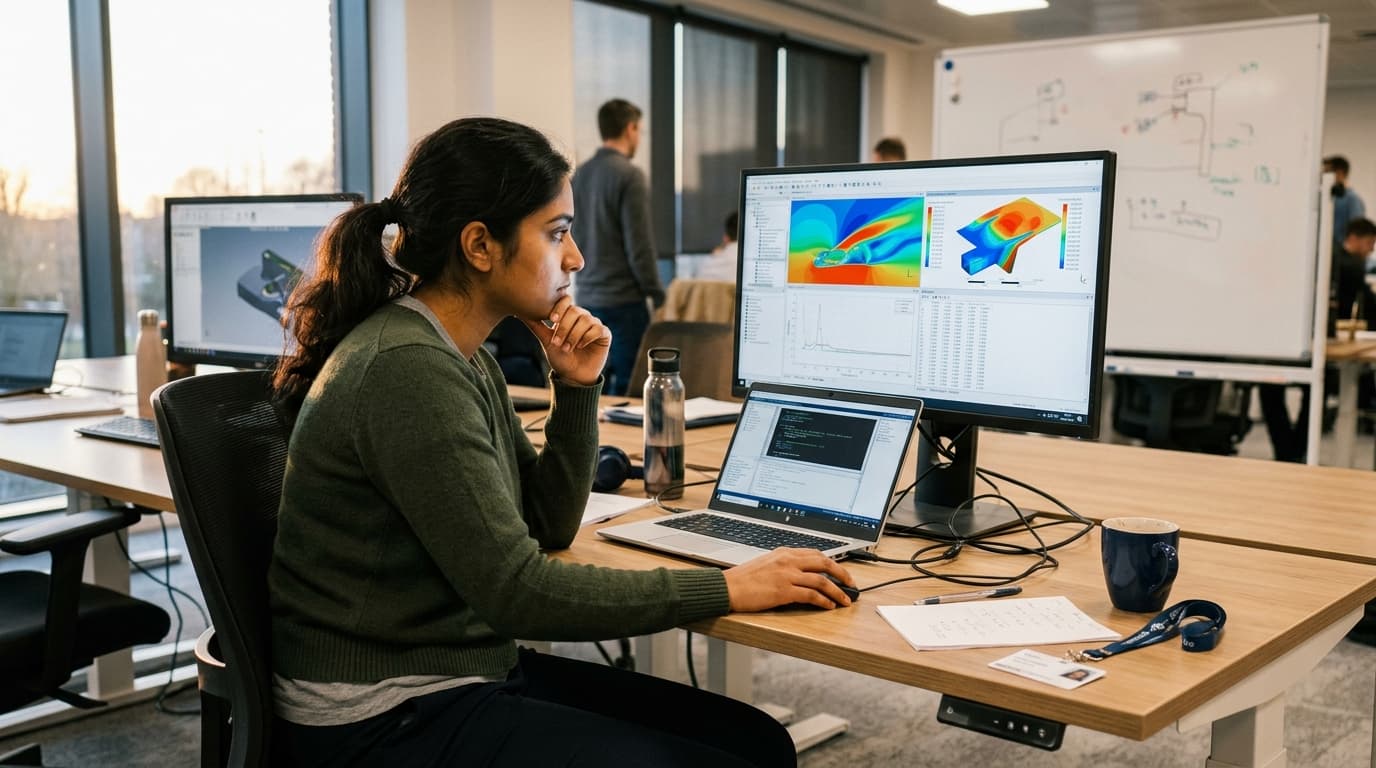
Deploy CFD, FEA, and thermodynamic models to predict performance and narrow the experimental matrix before physical testing.
High-fidelity simulations sweep critical process variables — temperature, pressure, flow rate, geometry — to identify the most promising design candidates. Virtual prototyping typically reduces physical test cycles by 40-60%, saving significant material and time costs while accelerating the path to a validated solution.
Prototyping & Testing
Build and test physical prototypes under controlled conditions, benchmarking real-world results against simulation predictions.
Each prototype undergoes structured test protocols measuring thermal performance, mechanical integrity, and process efficiency across a matrix of operating conditions. Deviations between simulated and measured performance are systematically analysed, feeding directly into targeted design refinements.
Analysis & Optimisation
Consolidate simulation, sensor data, and test observations to validate assumptions and optimise the final design.
Statistical analysis, AI/ML pattern recognition, and response surface methodology are applied to extract actionable insights from the data. Multi-objective optimisation balances competing performance targets — cost vs. efficiency, weight vs. durability — to converge on the best overall solution.
Validation & Scale-Up
Confirm results through confirmation runs, produce production-ready documentation, and support the transition from R&D to industrial deployment.
Final validation ensures performance meets all agreed criteria under realistic operating conditions. We deliver complete technical packages — process specifications, CAD models, control guidelines, and risk assessments — so the solution transitions seamlessly from laboratory or pilot scale to full production.
Why Invest In
R&D Services?
Reduce risk, accelerate innovation, and build competitive advantage through structured research and development.
De-Risk Capital Investment
- Validate technical feasibility before committing to large-scale expenditure
- Identify showstoppers early when changes are cheap, not after fabrication
Data-Driven Decision Making
- Replace guesswork with statistically rigorous experimental evidence
- Quantify the impact of every process variable on quality and yield
Accelerated Innovation
- Combine simulation and physical testing to shorten development cycles by 40-60%
- Bring new products and processes to market faster than competitors
Optimised Performance
- Find optimal operating conditions through systematic multi-variable analysis
- Unlock efficiency gains that one-factor-at-a-time testing misses entirely
Intellectual Property
- Generate proprietary process knowledge and defensible technical data
- Build competitive advantage through deep understanding of your process science
End-to-End Capability
- From concept feasibility through prototyping to production-ready documentation
- One partner covering DOE, simulation, prototyping, and scale-up
Related Products
& Services
Complementary equipment and engineering services for your process.



Frequently Asked Questions
Common questions about EnerTherm Engineering's research and development services, methodology, and deliverables.
EnerTherm Engineering provides three core R&D services: Design of Experiments (DOE) for statistical process optimisation, Feasibility Studies for technical and financial viability assessment, and Design Prototyping for iterative development combining simulation with physical testing. These services can be engaged individually or as an integrated R&D programme.
Our R&D services serve automotive, aerospace, chemical processing, food and beverage, pharmaceutical, energy production, semiconductor, and general manufacturing sectors. Any industry where thermal processes, heat transfer, or energy efficiency are critical to product quality or operational performance can benefit from structured R&D.
We combine statistical experimental design with computational simulation (CFD, FEA) and physical prototyping to validate every assumption with data before committing to full-scale investment. This three-pronged approach typically reduces development costs by 30-50% and eliminates costly surprises during production scale-up.
Timelines vary by scope: a focused Design of Experiments programme typically runs 4-8 weeks, a feasibility study 4-12 weeks, and a full prototyping cycle 8-16 weeks. Integrated R&D programmes combining all three phases are scoped individually based on complexity and objectives.
Yes — our R&D services integrate seamlessly with process modelling, thermal design simulation, and equipment design services. Many clients begin with a feasibility study, progress through DOE to optimise process parameters, then move to prototyping and finally full-scale equipment design and project delivery.
Depending on the service, deliverables include statistical analysis reports, response surface models, feasibility assessment documents with financial projections, prototype test data, CAD models, process specifications, and production-ready technical packages. All deliverables include clear recommendations and next-step roadmaps.
Ready to
Innovate?
Our engineering team is ready to apply structured R&D methodology to your thermal and process engineering challenges — from initial feasibility through to production-ready solutions.
- Statistical Design of Experiments (DOE)
- Feasibility assessment with financial projections
- Simulation-led prototyping and validation