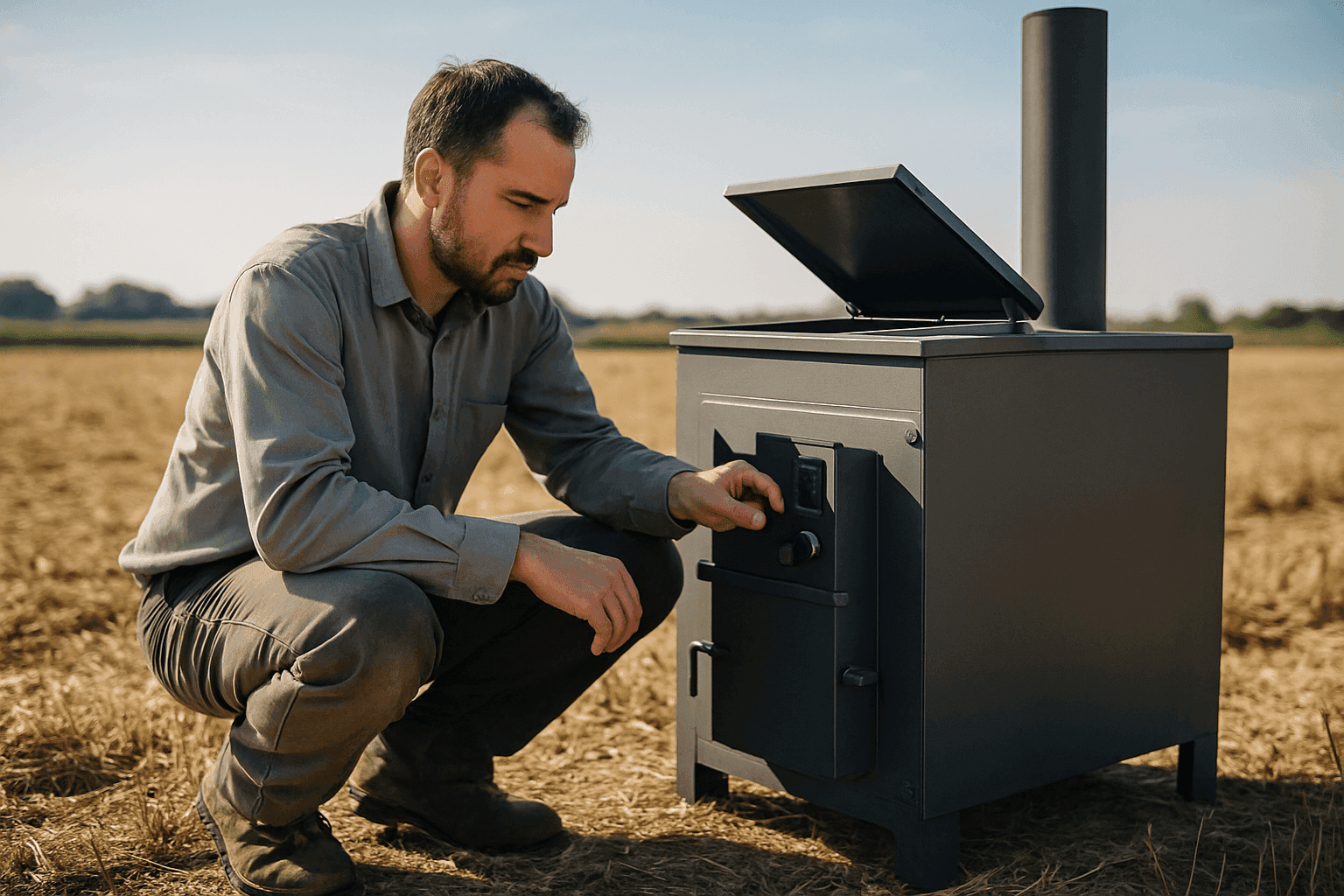
Innovative Designs for Small-Scale Agricultural Incinerators
Agricultural waste, encompassing everything from crop residues and husks to animal manure and fallen livestock, presents a significant management challenge for farms worldwide. Traditional disposal methods, such as open burning and landfilling, contribute to air pollution, greenhouse gas emissions, and the spread of disease. However, innovative small-scale agricultural incinerators are emerging as a sustainable and efficient solution, transforming waste into a valuable resource while addressing environmental concerns.
These advanced systems are designed to offer farms, particularly smaller operations, an on-site, cost-effective, and environmentally responsible way to manage diverse waste streams. By leveraging controlled combustion and waste-to-energy technologies, they reduce waste volume, mitigate pollution, and in many cases, generate usable energy or beneficial byproducts like biochar.
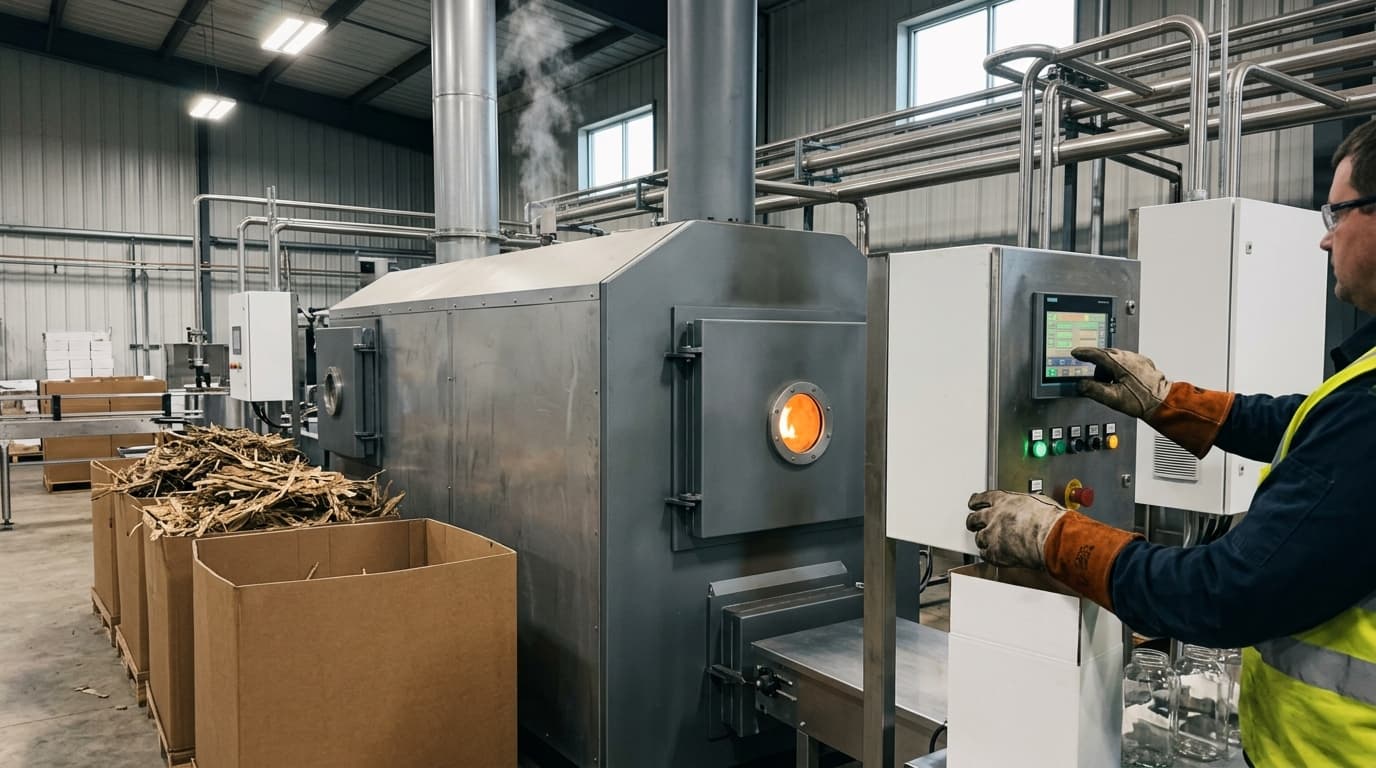
Complete incineration systems for general, agricultural, pharmaceutical, healthcare, and military waste — from under 50kg/h batch to 500kg/h continuous.
The Growing Need for Sustainable Agricultural Waste Management
The sheer volume and diverse nature of agricultural waste necessitate effective management strategies. Improper disposal can lead to a host of problems, including:
- Air Pollution: Open field burning releases significant quantities of soot, particulate matter, volatile organic compounds, and greenhouse gases, impacting local air quality and public health.
- Greenhouse Gas Emissions: Decomposing organic waste, especially manure, releases methane, a potent greenhouse gas. Efficient waste management systems can capture or prevent these emissions.
- Disease Spread and Biosecurity Risks: Improper disposal of animal carcasses and contaminated materials can lead to the spread of pathogens, posing serious biosecurity threats to farms. On-site incineration offers a secure and rapid disposal method.
- Soil and Water Contamination: Leachate from waste piles can contaminate surrounding soil and water sources.
Small-scale incinerators offer a localized solution, reducing the need for costly transportation and external waste management services, thereby lowering operational expenses for farmers.
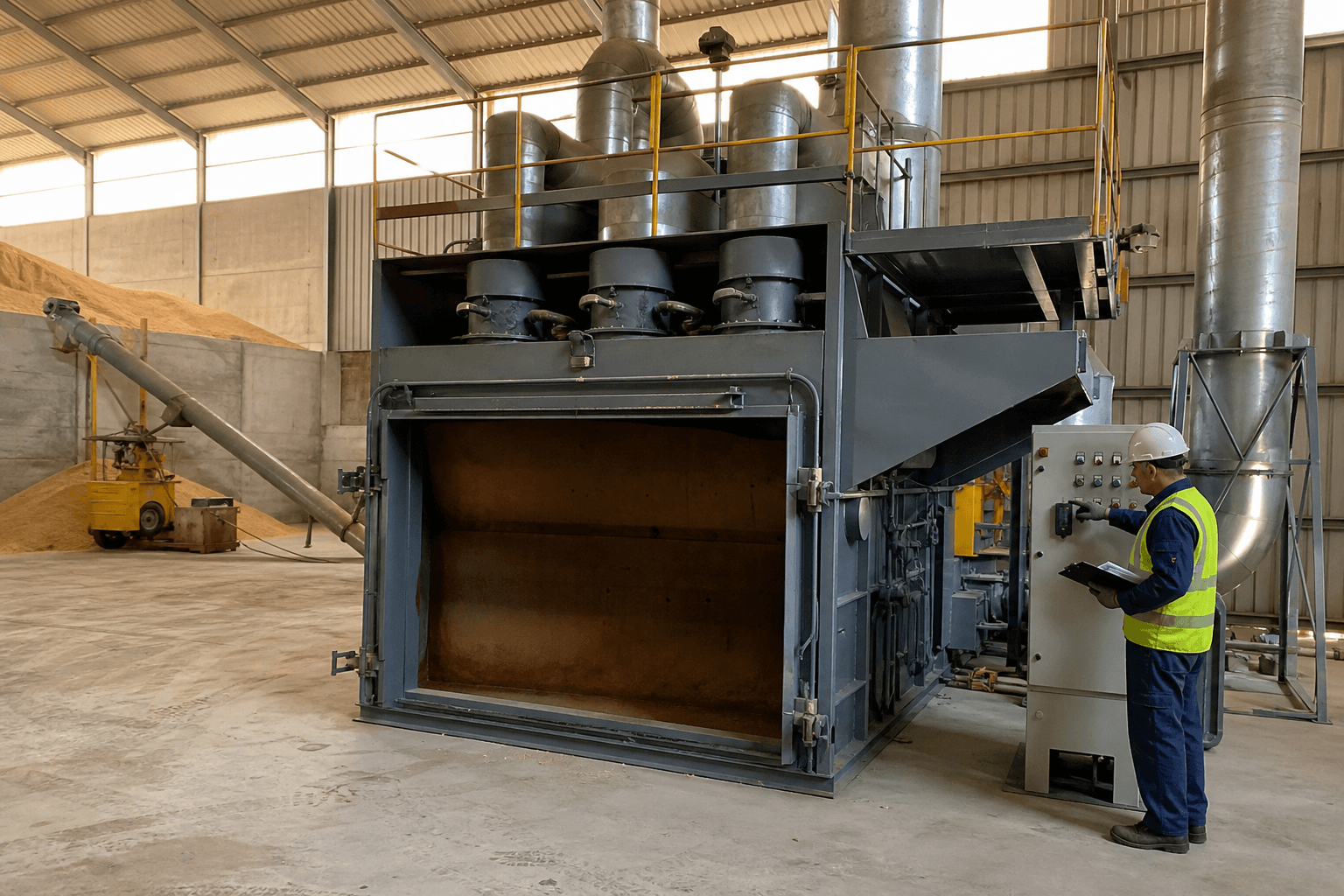
The LitBurn, AgriBurn, AmoBurn, and AniBurn ranges cover every waste disposal need with dual-chamber combustion and scrubbing options.
Key Innovations in Small-Scale Incinerator Design
Modern small-scale agricultural incinerators incorporate advanced technologies to ensure high efficiency, reduced emissions, and versatile functionality.
Advanced Combustion Technologies
The core of innovative incinerators lies in their combustion processes.
- Dual-Chamber Systems: Many advanced small incinerators feature dual-chamber systems. The primary chamber handles initial combustion, while a secondary chamber re-burns flue gases at higher temperatures (often above 850°C for animal waste) for a specified retention time, ensuring more complete combustion and minimizing smoke and odors. This design significantly reduces harmful emissions and ensures compliance with environmental standards.
- Pyrolysis and Gasification Integration: Some designs integrate pyrolysis and gasification technologies. Pyrolysis involves heating organic matter in the absence of oxygen to produce biochar, bio-oil, and syngas. Gasification converts solid biomass into synthetic gas (syngas) that can be used for heating or electricity generation. These processes offer cleaner energy production with fewer contaminants compared to direct combustion.
- Controlled Air and Temperature Management: Sophisticated control systems monitor and regulate temperature and oxygen levels within the combustion chambers. This optimizes the burning process, maximizing destruction efficiency and minimizing pollutant formation. Automated control panels with real-time temperature monitoring and safety alerts enhance user-friendliness and safety.
- Catalytic Additives: Research is exploring the use of catalytic additives to improve the combustion process and reduce emissions, particularly nitrogen oxides (NOₓ).
Waste-to-Energy (WtE) and Resource Recovery
Beyond mere disposal, many innovative small-scale incinerators are designed as waste-to-energy (WtE) systems, turning waste into valuable resources.
- Heat and Electricity Generation: By capturing the heat generated during combustion, these systems can produce hot water, steam, or even electricity. This can be used for on-farm operations like heating greenhouses, powering irrigation pumps, or charging agricultural machinery, reducing reliance on fossil fuels and lowering energy costs.
- Biochar Production: Pyrolysis-based systems yield biochar, a carbon-rich solid that can be returned to the soil. Biochar improves soil health, fertility, moisture retention, and sequesters carbon, enhancing crop yields and reducing the need for synthetic fertilizers.
- Nutrient-Rich Digestate: In systems incorporating anaerobic digestion (often alongside or instead of incineration for wet organic waste like manure), the process produces biogas for energy and a nutrient-rich digestate that acts as an excellent bio-fertilizer, further enhancing soil quality.
Portability and Modular Design
To meet the diverse needs of small and dispersed agricultural operations, portability and modularity are becoming increasingly important features.
- Trailer-Mounted Units: Mobile incinerators mounted on trailers can be easily relocated across large farms or transported between different sites, offering flexibility for seasonal or emergency waste disposal.
- Containerized Solutions: Some incinerators are housed within standard shipping containers, allowing for rapid deployment and easy relocation with minimal infrastructure investment.
- Compact and Lightweight Construction: Designs prioritize compact footprints and lightweight materials, making them suitable for areas with limited space and easier to move as needed.
User-Friendly and Environmentally Compliant Features
Modern designs emphasize ease of use, durability, and strict environmental adherence.
- Automated Controls: Features like automated ignition, real-time monitoring, and pre-configured programs simplify operation, allowing farmers to set the timer and focus on other tasks.
- Durable Construction: Incinerators are built with robust materials like galvanized steel and multi-layered refractory linings capable of withstanding extreme temperatures and harsh agricultural environments, ensuring a long service life.
- Emission Control Technologies: Beyond dual chambers, some units incorporate advanced air emissions control, such as catalytic converters, to minimize pollutants like dioxins and heavy metals, ensuring operations are eco-friendly and meet stringent environmental regulations. Many models are DEFRA approved and comply with international animal by-product regulations.
Challenges and Future Directions
Despite the advancements, challenges remain in the widespread adoption of small-scale agricultural incinerators.
- High Upfront Investment: The initial capital expenditure for advanced incinerators can be a significant hurdle for many small-scale farmers. Government incentives and financing schemes, such as Australia's Small-scale Renewable Energy Scheme, can help mitigate this.
- Varying Waste Properties: Agricultural waste is highly diverse in terms of moisture content, density, and calorific value, which can affect combustion efficiency and emissions. Future designs need to be even more adaptable to these variations.
- Ash Management: While incineration significantly reduces waste volume, the resulting ash can still contain toxic substances and heavy metals, requiring careful and safe disposal. Biochar from pyrolysis, however, offers a beneficial soil amendment.
- Regulatory Compliance: Navigating environmental regulations can be complex, particularly for smaller operations. Manufacturers are increasingly partnering with environmental agencies to ensure compliance and integrate responsible technologies.
The future of small-scale agricultural incinerators is promising, with ongoing research focusing on boosting efficiency, increasing conversion rates, and developing even more cost-effective solutions. The trend towards localized, decentralized energy solutions and circular economy principles positions these innovative designs as a critical component of sustainable agriculture, transforming waste from a burden into a valuable asset.
