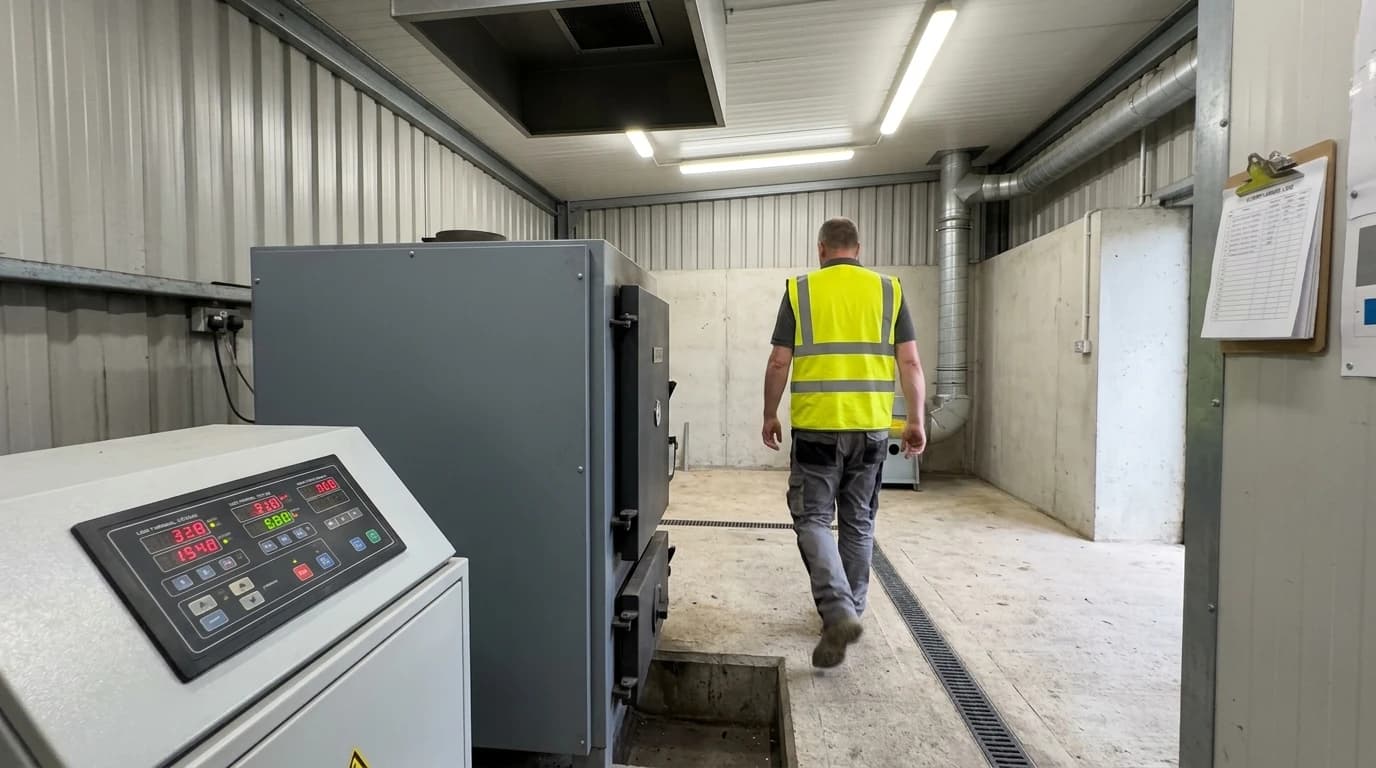
Navigating UK Farm Waste Incineration: Legal Compliance Tactics
How to meet APHA standards and IED regulations while managing animal by-products efficiently.
Incinerating fallen stock or agricultural waste without the correct permits carries the risk of an unlimited fine or up to two years in prison under UK environmental law. Agricultural estate owners and farm operations managers face intense scrutiny from multiple regulatory bodies. Disposing of organic matter requires precise thermal control and strict administrative adherence. The legal framework dictates everything from minimum combustion temperatures to ash disposal methods.
Agricultural Waste Incineration: The Regulatory Burden
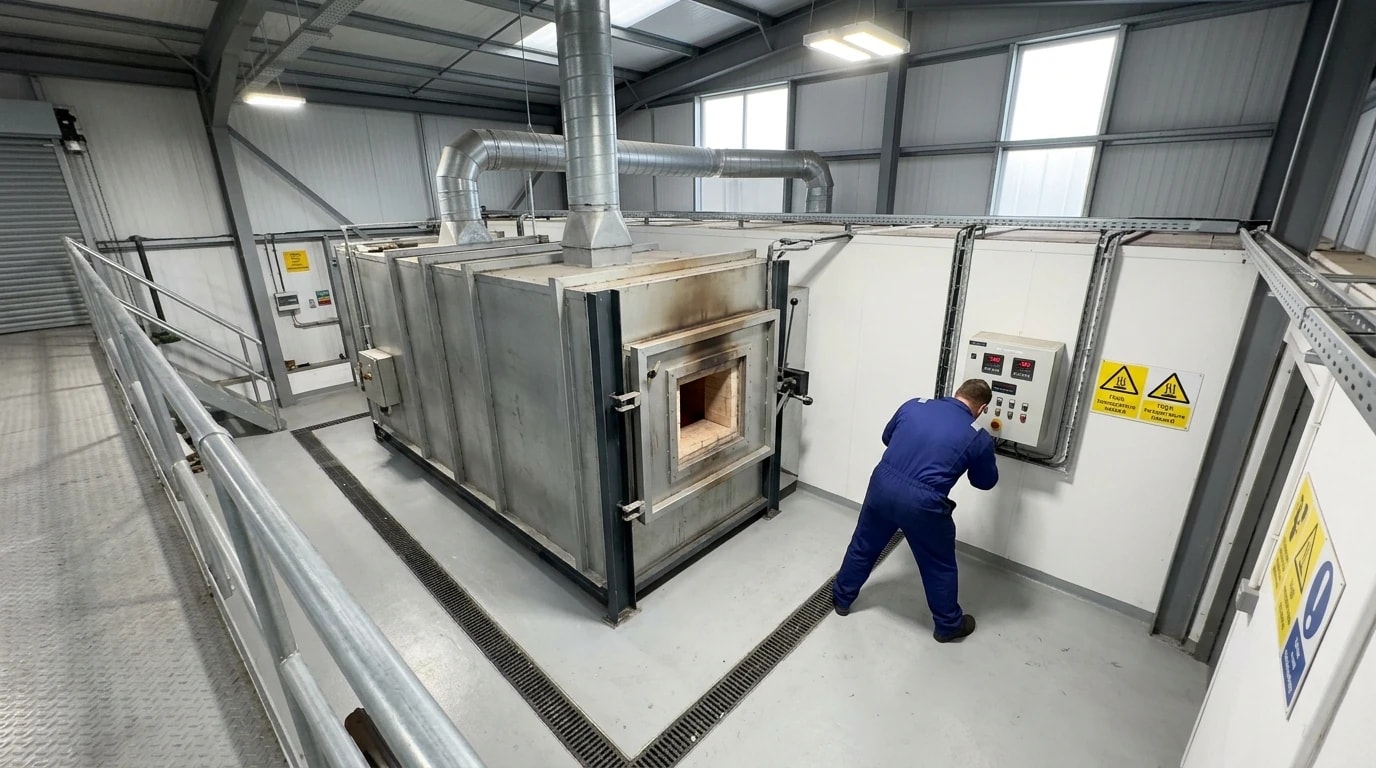
Farm waste disposal rules in the UK mandate a strict separation between general waste and animal by-products (ABPs). Operators cannot simply burn organic waste in an open field or a standard burn bin. The burning of fallen stock is illegal except in very specific, designated remote areas or during government-declared disease outbreaks. Instead, processing facilities and farms must use controlled thermal destruction.
Two distinct tiers of legislation govern these thermal processes. The first is animal health legislation, designed to prevent the spread of pathogens. The second involves environmental permitting, which controls air quality and pollution emissions. Facilities must satisfy both streams simultaneously. A non-compliant incinerator risks immediate shutdown by the Environment Agency or local authorities.
Compliance demands significant engineering precision. Industrial thermal solutions must achieve exact gas residence times and temperatures. Operators face complex administrative protocols to prove their machinery meets these statutory targets. Ignorance of the specific capacity thresholds often leads to severe enforcement actions.
Regulatory Bodies and Enforcement
Several agencies manage different aspects of farm waste incineration. The Animal and Plant Health Agency (APHA) handles the biological risk of animal by-products. The Environment Agency (EA) oversees larger environmental permits in England, while local authorities manage smaller installations. Fines for non-compliance are strictly enforced, making rigorous record-keeping a legal necessity rather than an administrative option.
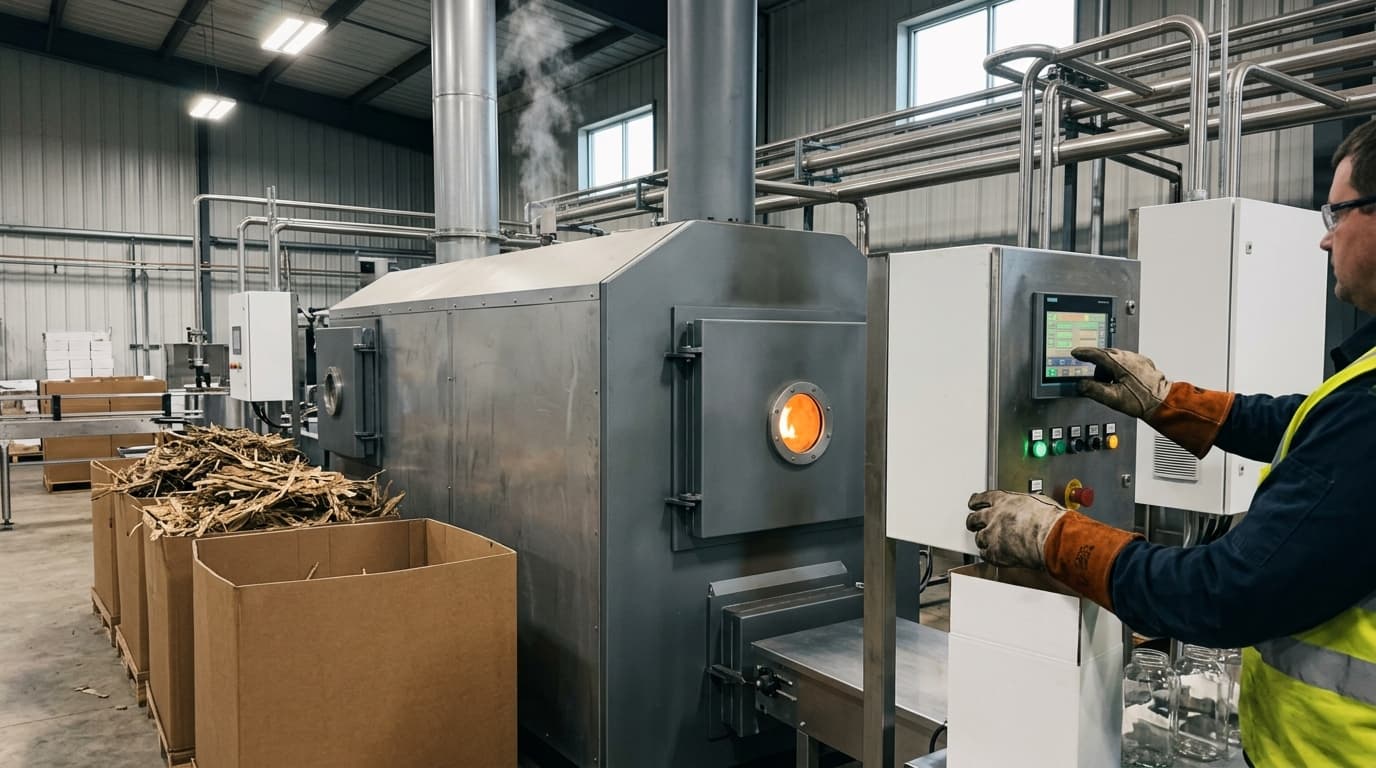
Complete incineration systems for general, agricultural, pharmaceutical, healthcare, and military waste — from under 50kg/h batch to 500kg/h continuous.
Animal By-Products (Enforcement) (England) Regulations 2013
The Animal By-Products (Enforcement) (England) Regulations 2013 form the backbone of biological waste control in England. This legislation strictly categorises waste and defines the precise operational conditions required for lawful thermal destruction.
Categorisation of Waste
The regulations divide animal by-products into three categories based on biological risk. Category 1 materials present the highest risk, including specified risk material (SRM) linked to transmissible spongiform encephalopathies (TSEs) like BSE. Category 2 includes fallen stock, manure, and digestive tract content. Category 3 comprises lower-risk materials, such as surplus food, raw meat, and packaging contaminated with animal products.
Each category requires specific handling protocols. Facilities incinerating Category 1 or Category 2 materials face the strictest biosecurity measures. Mixed loads are treated according to the rules of the highest-risk category present in the batch.
The 850°C and 2-Second Rule
The most critical engineering requirement within the regulations dictates the performance of the combustion chamber. Any incinerator processing ABPs must raise the temperature of the resultant exhaust gas to 850°C for a minimum of 2 seconds. Alternatively, systems can run at 1100°C for 0.2 seconds.
This parameter ensures the complete thermal destruction of pathogens. Process engineers often use secondary combustion chambers equipped with afterburners to guarantee this gas residence time. Thermocouples must continuously measure and record the gas temperature precisely at the point where the two-second residence time is achieved.
Record-Keeping and Manufacturer Declarations
Operators must maintain comprehensive logs of all incineration activities. Records must document the quantity and description of the waste, the exact date of incineration, and the continuous temperature logs. The legislation mandates that facilities retain these temperature records for two years.
Furthermore, the installation must possess a valid manufacturer's declaration. This document certifies that the specific make and model can achieve the required heat standards under the most unfavourable operating conditions. Thermal design teams typically select equipment that guarantees this compliance straight from the factory.
Securing APHA Approval for On-Farm Incinerators
You cannot legally burn animal carcasses or parts without specific approval from the Animal and Plant Health Agency (APHA). The approval process hinges primarily on the throughput capacity of the incineration equipment.
Low Capacity vs High Capacity Installations
APHA classifies incinerators based on their maximum processing rate. Low capacity incinerators process strictly less than 50kg of material per hour. Sites can operate multiple low-capacity units, provided it is mechanically impossible to exceed the 50kg per hour limit collectively.
High capacity incinerators process more than 50kg per hour. These larger units trigger much more rigorous environmental permitting alongside the APHA approval. High capacity installations require auxiliary burners that automatically ignite if the temperature in the secondary chamber drops below the 850°C threshold.
Application and Veterinary Inspection Protocols
The application procedure involves submitting a detailed operational plan. Facilities must document their physical layout, highlighting strict biosecurity separation between the incineration area, clean feed storage, and live animal housing.
A government veterinarian assesses the initial application. Following this paper review, inspectors conduct a physical site visit to verify structural compliance. They inspect the leak-proof storage containers used for holding waste prior to burning and evaluate the designated cleaning areas for vehicles and bins. Only after passing this physical inspection does the site receive its unique APHA approval number.
Environmental Permitting: SWIPs and Part A1 Permits
When a facility burns waste beyond pure animal carcasses—such as general farm waste, plastics, or mixed agricultural output—environmental legislation supersedes basic APHA rules. The Environmental Permitting (England and Wales) Regulations 2016 establish the framework for air quality control.
Defining Small Waste Incineration Plants (SWIPs)
A Small Waste Incineration Plant (SWIP) represents a specific legal classification for mid-sized operations. Under Schedule 13A of the environmental permitting regulations, a SWIP is defined as a plant processing non-hazardous waste at a rate of less than or equal to 3 tonnes per hour. For hazardous waste, the limit drops to less than or equal to 10 tonnes per day.
SWIPs fall under the scope of Chapter IV of the Industrial Emissions Directive (IED). Local authorities issue SWIP permits rather than the Environment Agency. Operators of SWIPs must adhere to strict emission limit values for particulates, heavy metals, and acidic gases. Regular emissions testing is a statutory requirement to maintain the permit.
When Full Part A1 Permits Apply
Operations exceeding the SWIP capacity thresholds enter the most stringent regulatory tier. Processing more than 3 tonnes per hour of non-hazardous waste demands a full Part A1 environmental permit. The Environment Agency acts as the sole regulator for these large-scale facilities.
Part A1 permits require the implementation of Best Available Techniques (BAT) to minimise environmental impact. The application process for a Part A1 permit is exhaustive, requiring atmospheric dispersion modelling, detailed noise assessments, and comprehensive environmental impact statements. Large-scale food processing facilities often trigger these requirements due to their sheer volume of organic waste output.
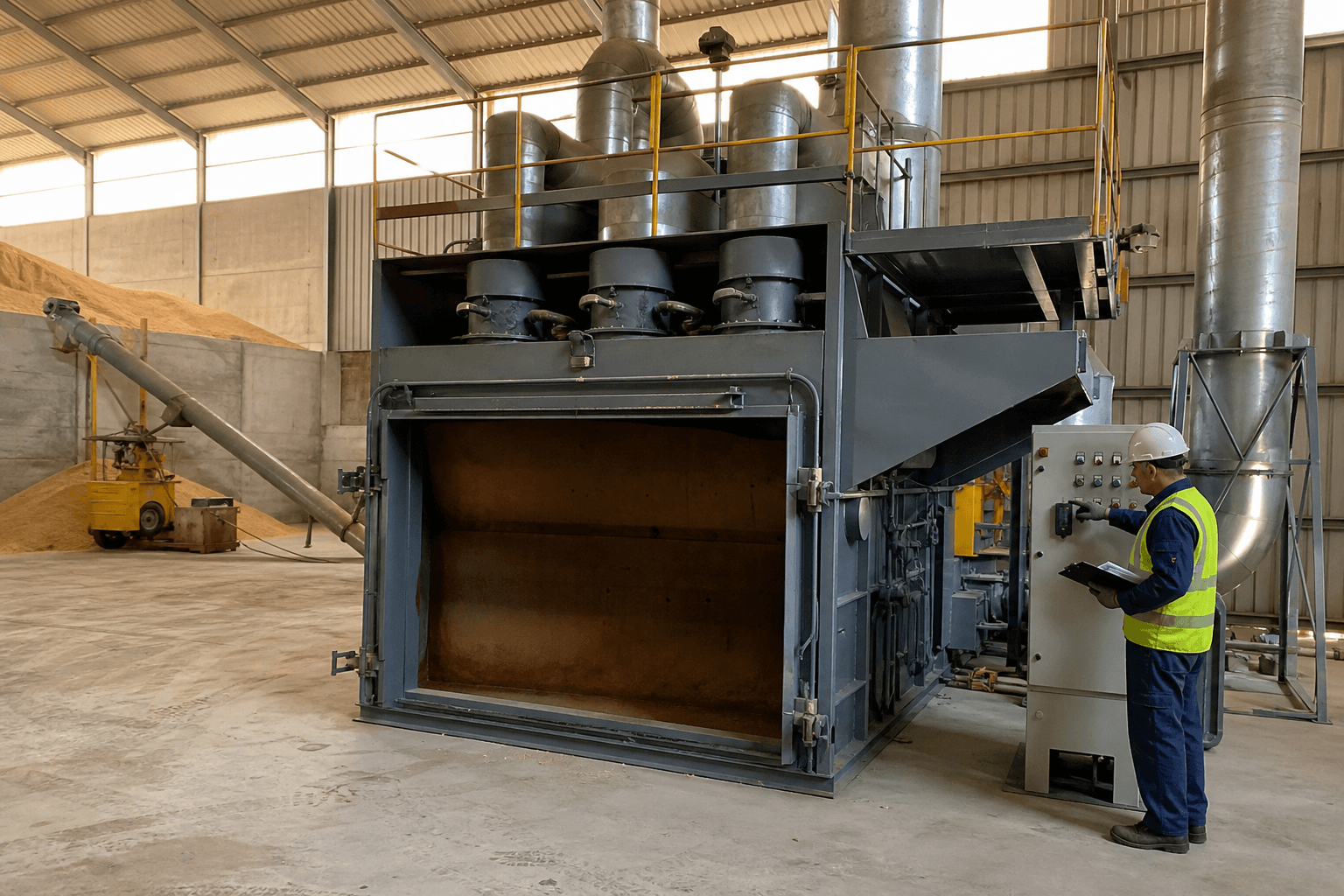
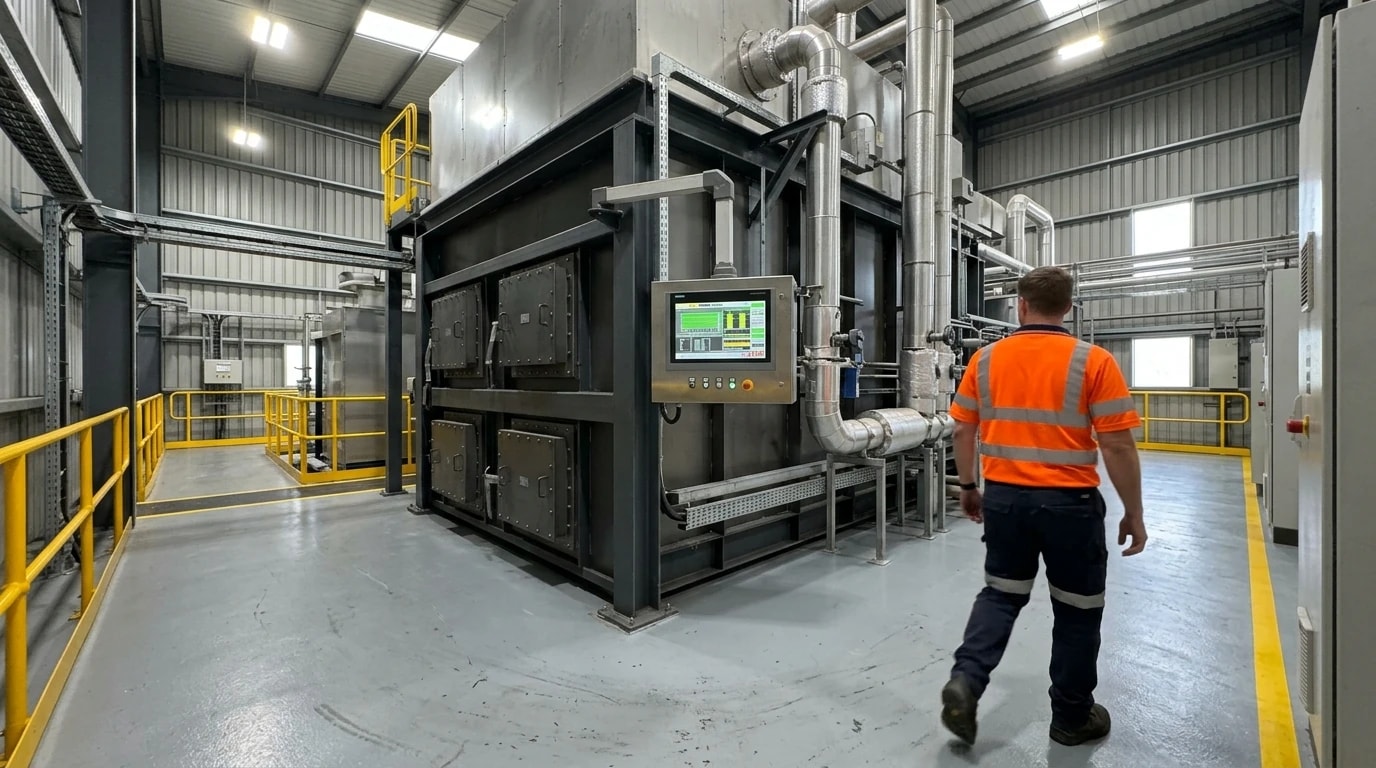
The LitBurn, AgriBurn, AmoBurn, and AniBurn ranges cover every waste disposal need with dual-chamber combustion and scrubbing options.
Engineering Requirements for Thermal Treatment Systems
Legal compliance directly dictates the physical engineering of the incineration unit. A basic burn bin fails immediately. Modern farm waste incinerators are highly engineered thermal processing units.
Primary and Secondary Combustion Chambers
The system architecture invariably relies on a dual-chamber design. The primary chamber handles the initial solid-phase combustion of the waste mass. Burners and controlled air injection facilitate this primary breakdown.
The resulting smoke and volatile gases transfer into a secondary chamber. Here, the system must perform the legally mandated thermal destruction. Air is introduced alongside secondary afterburners to ensure complete oxidation of the gases before they reach the exhaust stack.
Hot Face Refractories and Emissions Monitoring
Operating consistently at 850°C places immense thermal stress on the equipment. Industrial professionals widely regard high-alumina hot face refractories as essential for withstanding these extreme environments. These refractory linings expand and contract during thermal cycling, resisting the corrosive gases produced by burning organic material.
Continuous emissions monitoring systems (CEMS) measure the output gases. Regulators require exact data on carbon monoxide, nitrogen oxides, and particulate matter. The dry ash generated in the primary chamber must also be managed correctly. Operators cannot remove ash until combustion is completely finished, and transport requires closed containers to prevent dispersal into the environment.
Formulating Legal Compliance Tactics for Large Facilities
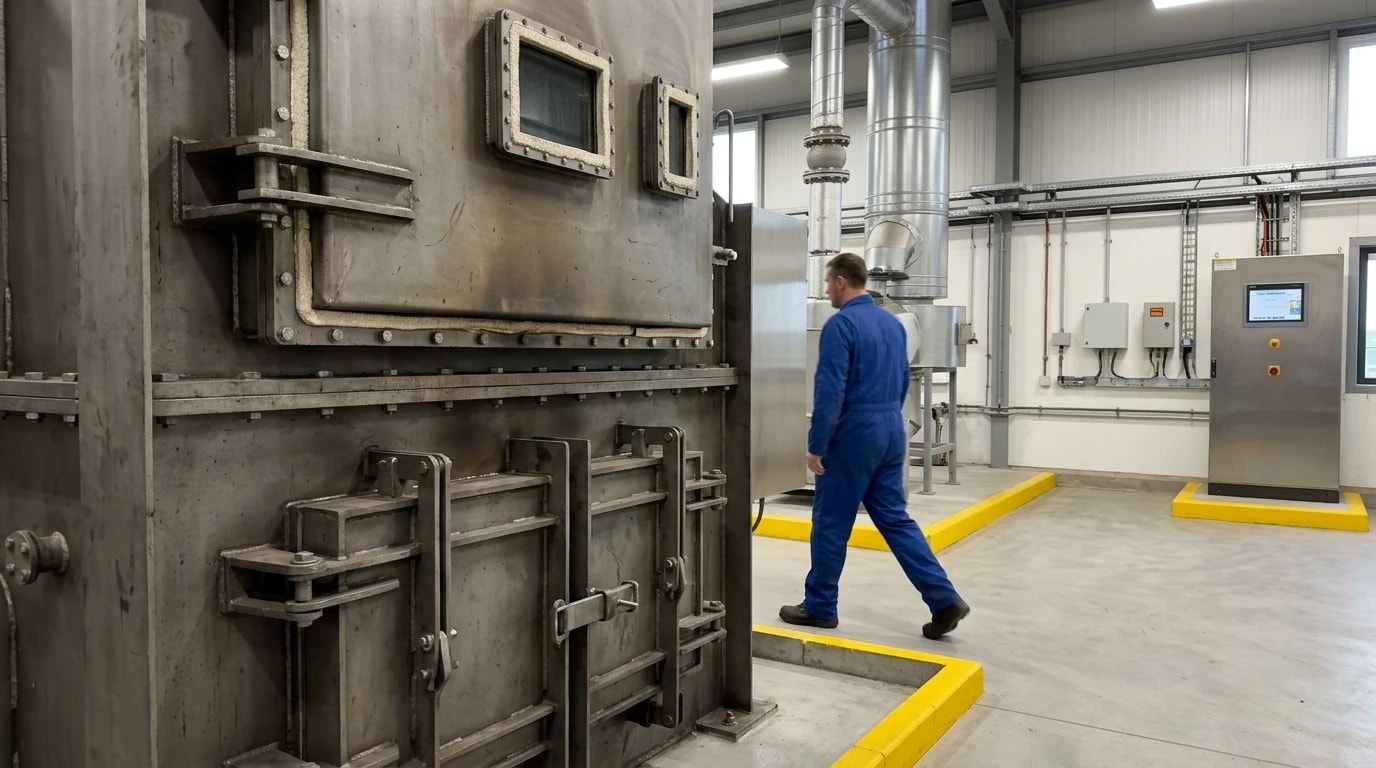
Managing waste at scale demands a structured, defensive strategy. Relying on ad-hoc waste burning invites immediate regulatory censure. Large agricultural estates and food processing facilities must implement proactive compliance programmes.
Operational Audits and Baseline Assessments
The first step in securing compliance involves a comprehensive operational audit. Facilities must calculate their precise hourly waste generation rate. This data dictates whether the site requires a low-capacity APHA approval, a SWIP permit, or a Part A1 permit.
Mistaking the hourly throughput is a common and costly error. Estimating a 45kg/hr burn rate when the actual output peaks at 60kg/hr immediately invalidates a low-capacity permit. Baseline assessments must measure peak generation rather than average output to ensure continuous legal operation.
Waste Segregation Strategies
Segregating waste streams reduces the regulatory burden. Mixing general agricultural waste with Category 1 animal by-products instantly elevates the entire batch to the strictest compliance tier.
Many consultancies evaluate facility layouts to optimise waste flow. Installing physical barriers between waste streams prevents cross-contamination. Dedicated, colour-coded, leak-proof bins should transport material directly from the point of generation to the thermal processing area. This precise segregation allows facilities to utilise smaller, less complex incinerators for specific high-risk waste while diverting other materials to alternative disposal routes.
Devolved Regulations: Scotland, Wales, and Northern Ireland
While the fundamental requirements stem from UK-wide interpretations of the IED and EU Animal By-Products regulations, devolved administrations enforce their own specific legal instruments.
Navigating SEPA, NRW, and DAERA Requirements
In Scotland, the Scottish Environment Protection Agency (SEPA) acts as the primary regulator, enforcing the Animal By-Products (Enforcement) (Scotland) Regulations 2013. Operators in Wales must satisfy Natural Resources Wales (NRW) under the Animal By-Products (Enforcement) (Wales) Regulations 2014. Northern Ireland delegates these powers to the Department of Agriculture, Environment and Rural Affairs (DAERA).
While the core engineering requirement of 850°C for 2 seconds remains uniform across the UK, the administrative fees, application forms, and inspection schedules vary by jurisdiction. Facility managers operating sites across regional borders must adapt their administrative programmes to suit the local competent authority.
Advanced Thermal Solutions for Modern Agriculture
Meeting these stringent farm waste disposal rules requires industrial-grade machinery. Farm operations managers cannot afford equipment failure when dealing with biologically sensitive waste.
EnerTherm Engineering designs and manufactures custom-engineered dehydrators, incinerators, and process heaters specifically tailored for agricultural applications. These thermal solutions provide the precise temperature control, automated data logging, and durable refractory construction necessary to maintain continuous legal compliance. Whether managing product moisture reduction or executing the thermal treatment of animal by-products, integrating purpose-built engineering ensures your waste management programme remains efficient, lawful, and environmentally secure.
This article reflects the independent analysis and editorial opinion of EnerTherm Engineering. Product names, trademarks, and brands mentioned belong to their respective owners. EnerTherm Engineering is not affiliated with, endorsed by, or a licensee of any third-party software or product mentioned unless explicitly stated.

Managing Director — EnerTherm Engineering
Dr. François Pierrel is Managing Director of EnerTherm Engineering with over two decades of expertise in thermal design, heat transfer, and industrial energy optimisation. He holds a PhD in Heat Transfer from Cranfield University and a Post-Doctorate from Heriot-Watt University.
