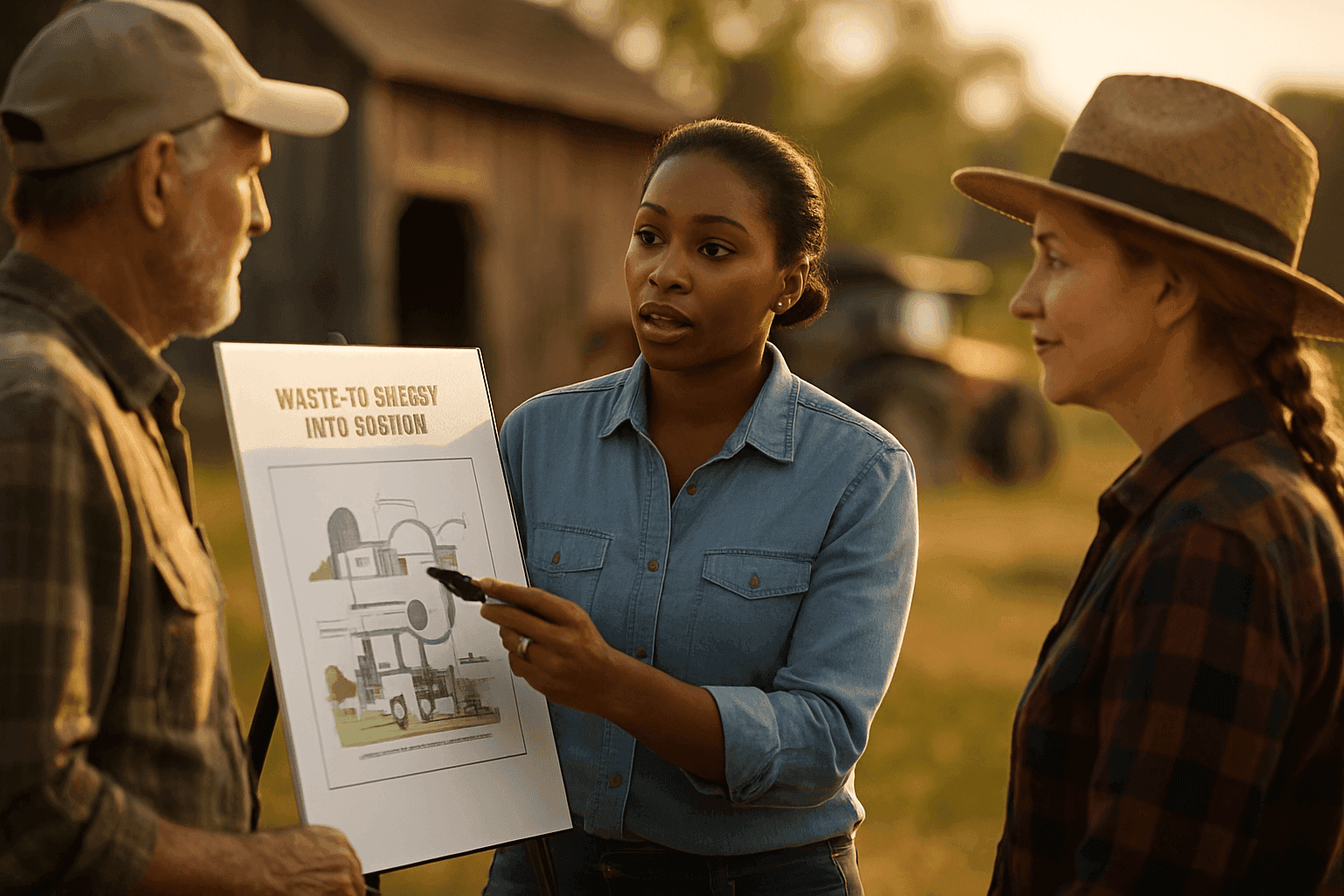
Best Practices for Community Outreach in Agricultural Waste Management Initiatives
The burgeoning challenge of agricultural waste management necessitates innovative solutions, particularly in areas like combustion engineering, incineration, and waste-to-energy (WtE) systems. However, the success of such initiatives hinges critically on effective community outreach and engagement. Without robust public participation and a clear understanding of the benefits and safeguards, even the most promising projects can face significant opposition, often rooted in concerns about health, environmental impact, and property values.
This article outlines best practices for community outreach, focusing on fostering trust, transparency, and collaboration with local communities, especially when implementing advanced agricultural waste management solutions like incineration and waste-to-energy (WtE) systems.
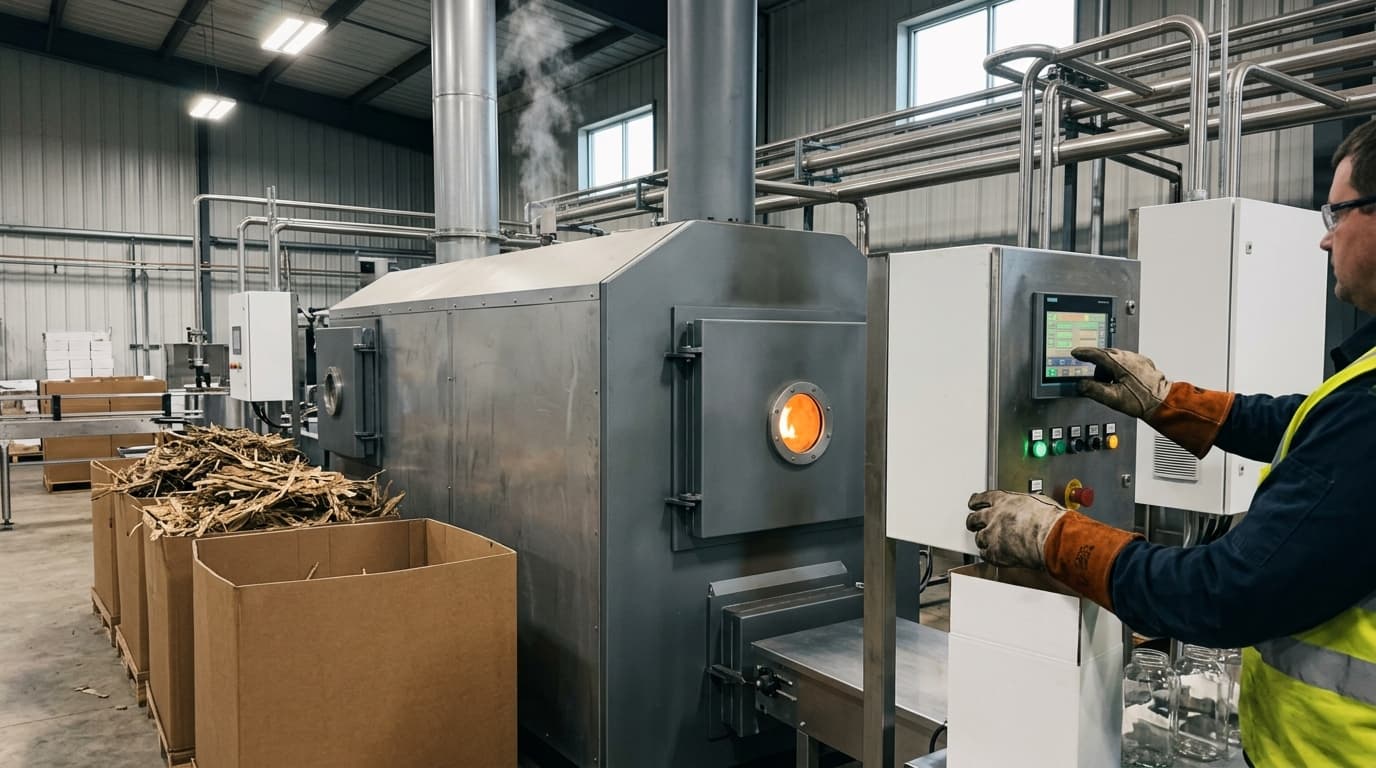
Complete incineration systems for general, agricultural, pharmaceutical, healthcare, and military waste — from under 50kg/h batch to 500kg/h continuous.
Understanding the Landscape: Challenges and Opportunities
Agricultural waste, ranging from crop residues and animal manure to processing byproducts, presents both an environmental burden and a potential resource. Traditional disposal methods can lead to pollution and resource depletion. Emerging technologies, such as incineration and WtE systems, offer pathways to convert this waste into valuable energy, reduce landfill volume, and decrease greenhouse gas emissions. Waste-to-energy facilities, for instance, can reduce waste volume by up to 90% and generate renewable energy.
Despite these benefits, projects involving the thermal treatment of waste often encounter public skepticism. This “Not In My Backyard” (NIMBY) effect is a significant hurdle, as communities may support waste treatment in principle but oppose facilities near their homes due to perceived risks to health, property values, and the environment. Concerns often include emissions of pollutants, potential health impacts, and effects on local agriculture and tourism.
Effective community engagement is vital to bridge the gap between expert assessment of low risks and the public's perception of high risks.
Foundational Principles for Effective Outreach
Successful community outreach for agricultural waste management initiatives is built upon several core principles:
Prioritize Transparency and Honesty
Open and honest communication is paramount. Providing clear, factual, and accessible information about the project's purpose, technologies, potential impacts (both positive and negative), and proposed mitigation measures is crucial. Transparency in waste management processes, including where waste is taken and how it is processed, increases community trust.
Foster Two-Way Communication and Active Listening
Engagement should not be a one-way street. Create platforms for genuine dialogue where community members can voice concerns, ask questions, and offer input. Actively listen to their viewpoints, ensure all perspectives are heard, and find common ground. This collaborative approach can lead to more effective and sustainable solutions.
Build Trust and Relationships
Trust is the cornerstone of successful engagement. This involves consistently demonstrating integrity, following through on commitments, and showing respect for community values and concerns. Collaborating with trusted local partners and community organizations can amplify outreach efforts and enhance credibility.
Define Sustainability Collectively
Sustainability can mean different things to different people. Engaging stakeholders early to collectively define what sustainability looks like for their specific community, project, and region helps align expectations and guides practices.
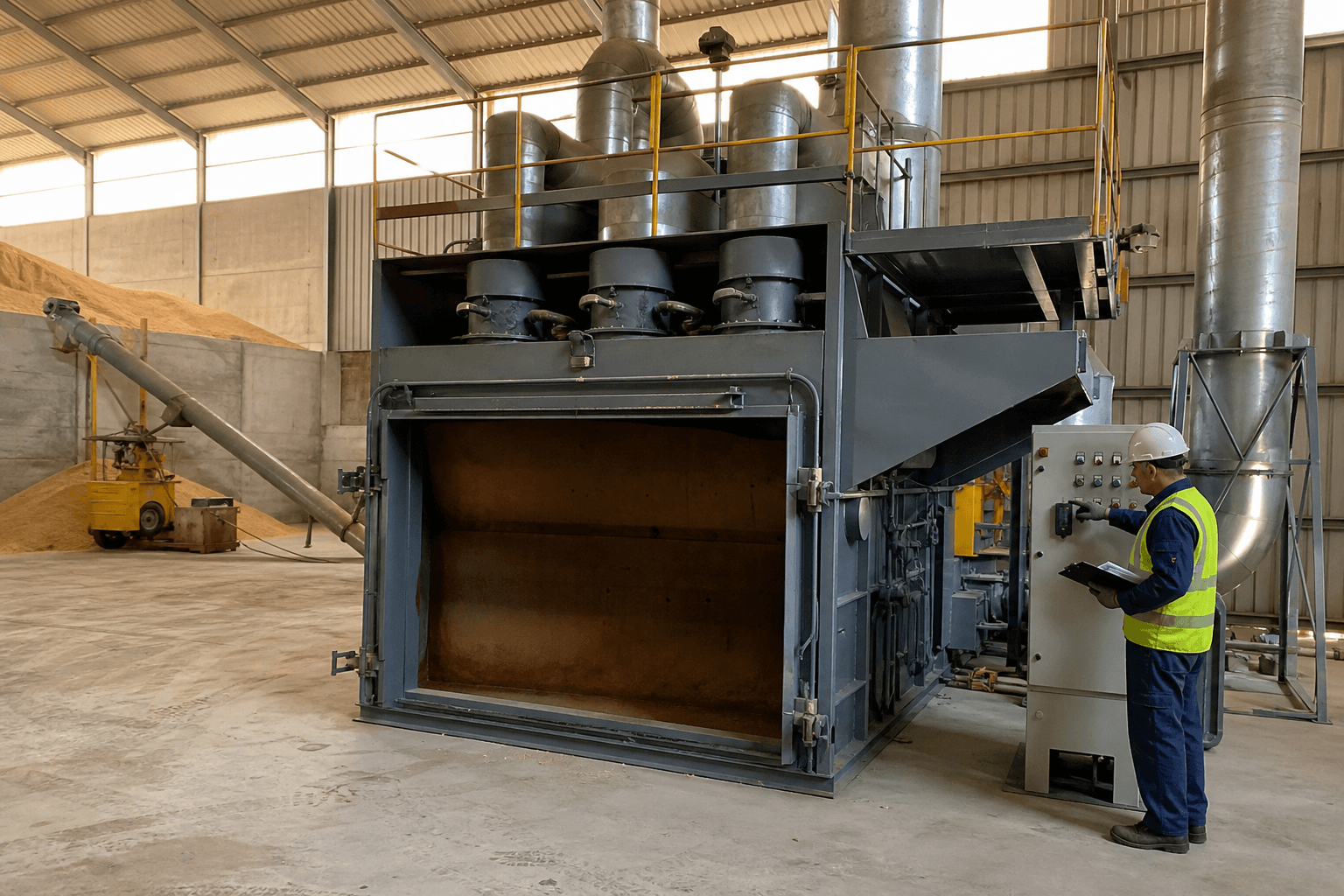
The LitBurn, AgriBurn, AmoBurn, and AniBurn ranges cover every waste disposal need with dual-chamber combustion and scrubbing options.
Strategic Phases of Community Outreach
Effective community outreach is an ongoing process that should be integrated throughout the project lifecycle, from conception to operation.
Phase 1: Early Identification and Assessment
Identify All Stakeholders: Go beyond obvious groups to include farmers, landowners, agricultural businesses, local residents (especially those living near proposed sites), environmental groups, community leaders, indigenous communities, local government officials, public health authorities, and relevant NGOs. Vulnerable groups, such as rural residents, older populations, and those with lower income or education, may require tailored approaches to facilitate their participation.
Understand Audience Needs and Concerns: Research how different segments of the community receive information, their existing knowledge levels, and their primary concerns. Surveys, polls, interviews, and focus groups can help gather this crucial data. For waste-to-energy projects, understanding the public's perception of both benefits and risks is essential.
Assess Potential Impacts (Environmental, Social, Economic): Conduct thorough environmental impact assessments and also consider social, economic, and even psychological impacts on the community. These assessments should be transparently shared. Acknowledge that waste incineration plants can affect local agriculture, tourism, and property values, while also providing jobs and improved waste treatment.
Phase 2: Information Dissemination and Education
Develop Clear, Accessible Communication Materials: Use plain language, avoid jargon, and provide information in multiple formats and languages relevant to the community. Fact sheets, infographics, videos, websites, and social media campaigns are effective tools. Visual aids can simplify complex topics like waste segregation.
Educate on Benefits and Risks: Clearly articulate the benefits of agricultural waste management initiatives, such as reducing landfill waste, generating renewable energy, creating jobs, and improving local economies. Simultaneously, provide evidence-based information on the real risks, differentiating them from perceived risks, especially concerning emissions and health impacts from WtE facilities.
Leverage Diverse Channels:
- Community Meetings and Workshops: Organize regular, well-facilitated meetings with clear agendas and opportunities for public comment. Provide on-site childcare or participation stipends (e.g., gift cards) to reduce barriers to attendance.
- Local Media: Utilize local newspapers, radio programs, and television to share project details, benefits, and address concerns.
- Digital Platforms: Employ websites, email newsletters, and social media for updates, sharing success stories, and collecting feedback.
- Partnerships: Collaborate with schools, businesses, religious institutions, local leaders, and NGOs to disseminate information and engage youth.
Phase 3: Participatory Planning and Decision-Making
Involve Community in Design and Oversight: Empower communities by involving them in decision-making processes, creating a sense of ownership and accountability. This could include establishing community-led waste management committees or advisory boards.
Solicit Feedback Continuously: Implement formal feedback mechanisms and grievance redress systems. Ensure enough time and resources are provided for stakeholders to give informed feedback. Use surveys and other metrics to track participation rates and satisfaction.
Address Competing Views and Concerns: Acknowledge and address “not in my backyard” (NIMBY) sentiments directly. Facilitate discussions to reconcile differing viewpoints, potentially involving stakeholders in coming to a final decision. Transparent compensation or community benefit funds can help address perceived injustices or negative impacts. For example, a bioenergy facility in Ipswich, Australia, established a community fund from facility payments to support local projects.
Post-Implementation Engagement
Monitor and Report Outcomes: Regularly share data on project performance, environmental monitoring results, and how community input has been incorporated. This reinforces transparency and accountability.
Celebrate Successes: Highlight positive impacts, such as reduced waste, energy generation, and community benefits, to maintain engagement and foster long-term support for sustainable practices.
By systematically applying these best practices for community outreach, agricultural waste management initiatives, including cutting-edge incineration and waste-to-energy systems, can build the public trust and support necessary for successful, sustainable implementation.
