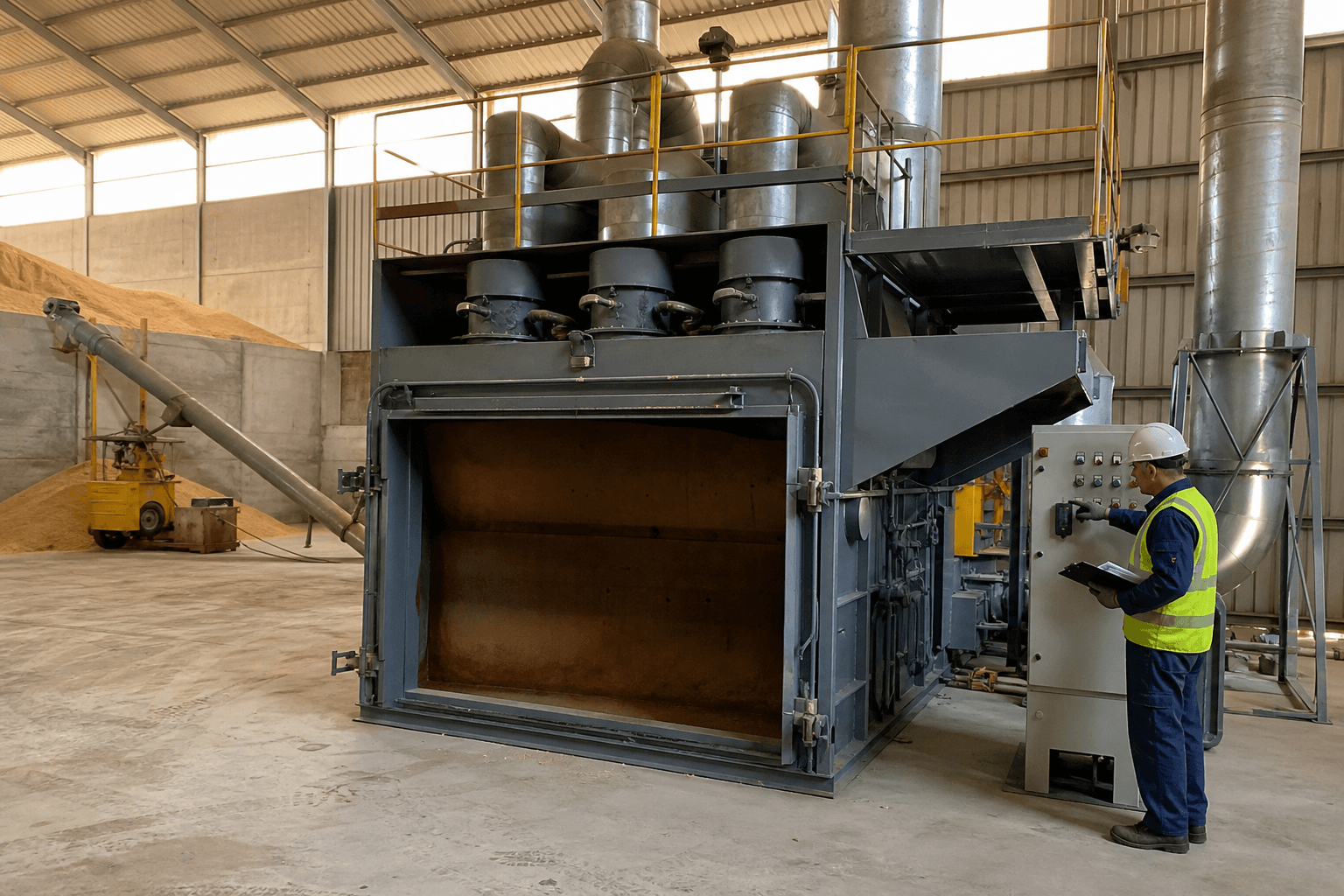
Contaminated Feed & Grain Incinerators
Condemned grain and feed destroyed on the holding, with a record that it never re-entered the chain.
A feed load condemned on a mycotoxin result cannot be fed, sold or given away, and the one thing feed law will not tolerate is it quietly finding its way back into the chain. AgriBurn units destroy condemned grain and feed on the holding, with a dated cycle log that says what was destroyed and when.
Three Models,
One Solution
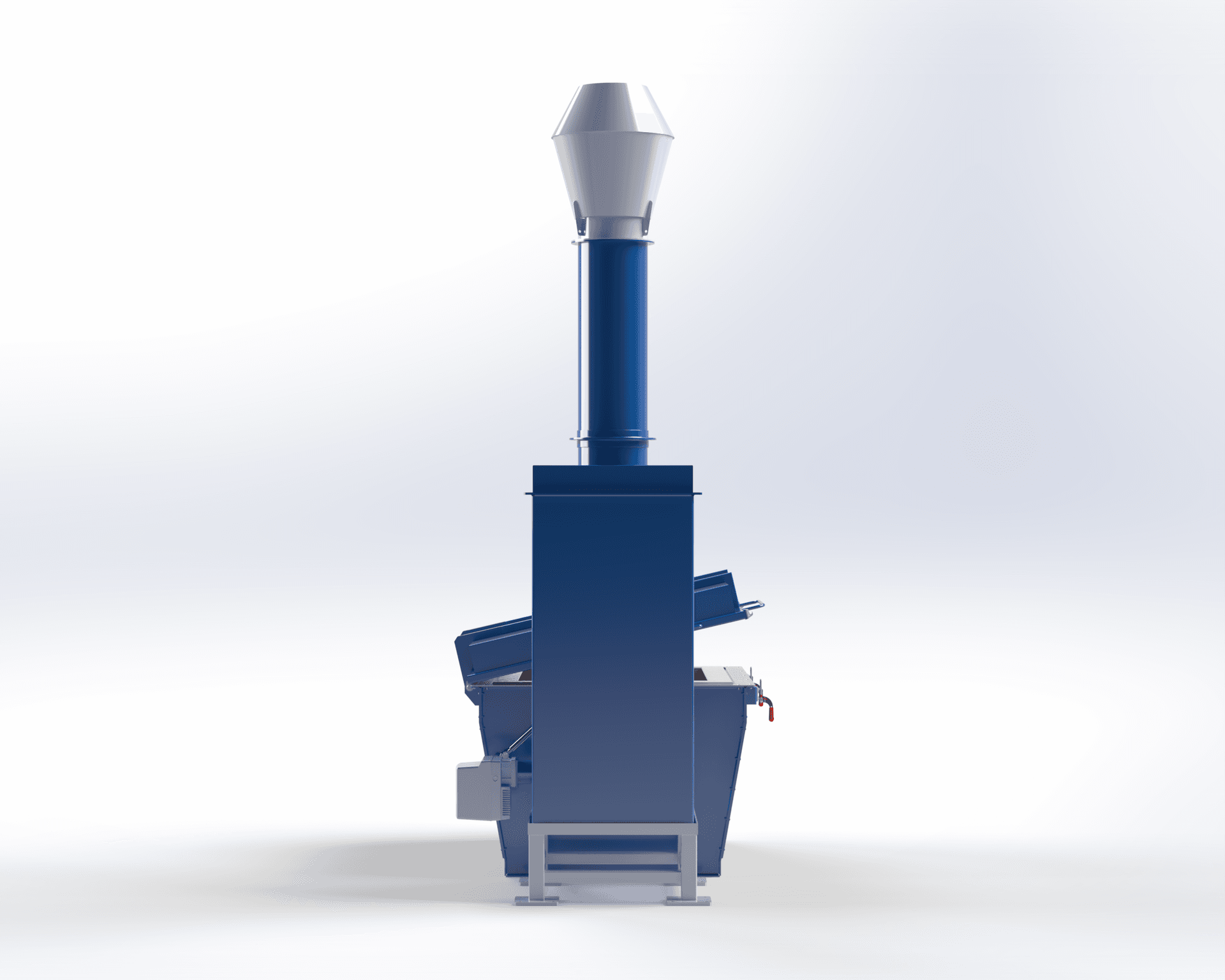
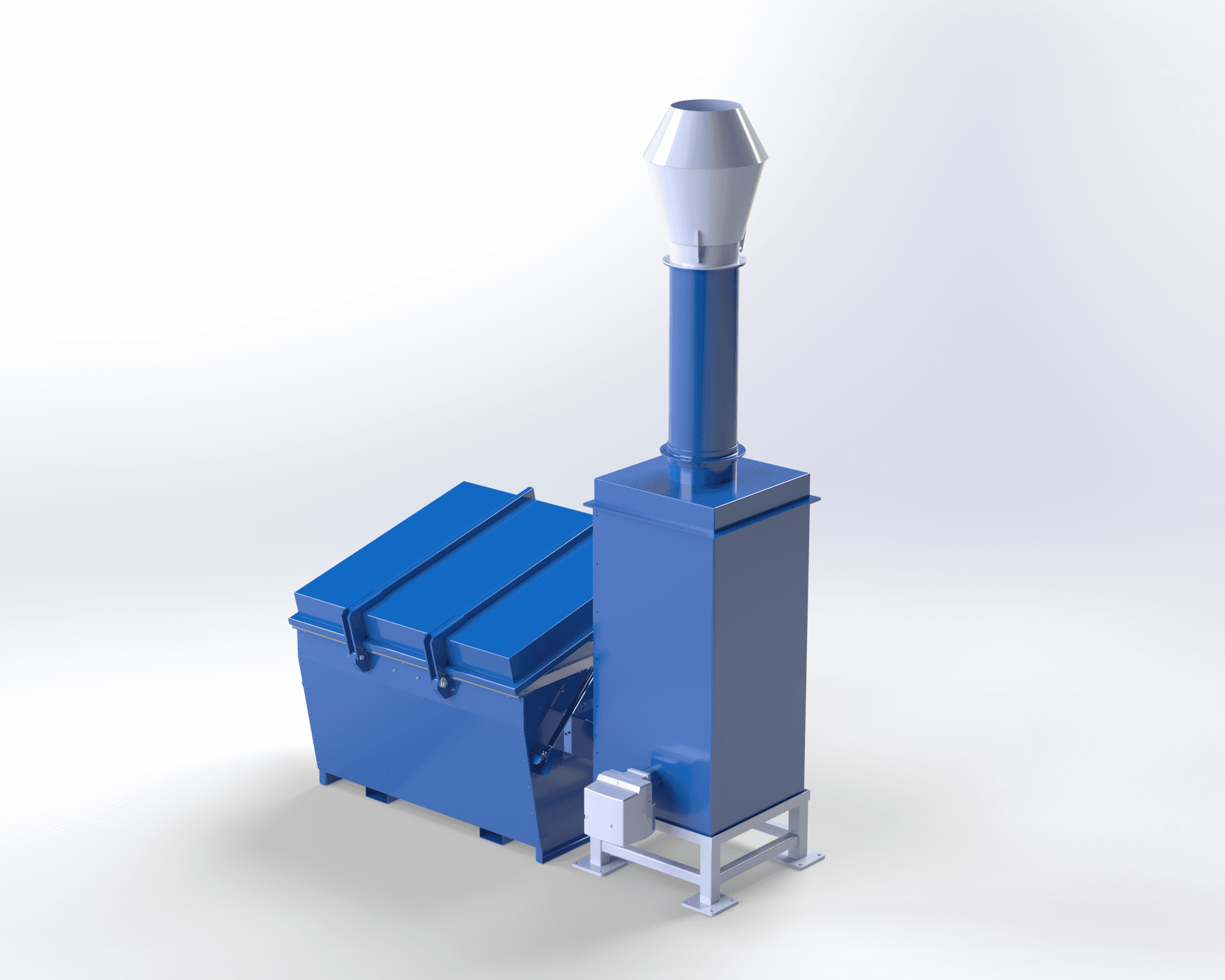
A 350 kg top-loading batch unit for farm and rural sites. Top loading suits bulky, awkward loads — bedding, crop residue, forestry waste — that a front door would fight, and the burn runs unattended once the chamber is charged.
450 kg per charge with a 1350 × 770 × 730 mm chamber. The middle AgriBurn, specified where a single daily burn has to clear a whole day of arisings rather than being run twice.
The largest AgriBurn at 500 kg per charge. Three burners across a 1540 mm chamber keep combustion even across a mixed, high-moisture agricultural load rather than burning a hot core and leaving unburnt edges.
Which Model
Fits Your Volume
Pick a model to see what it clears in a day of contaminated feed & grain.
Grain is dense — the 350 kg rating is reached with the chamber part-full, so this unit clears a condemned batch without a bulky load ever forming.
Feed law requires withdrawal and a record
Unsafe feed must be withdrawn and must not be placed on the market. What an auditor or inspector actually asks for is the end point: a dated cycle log matched to the quantity condemned turns a withdrawal decision into a documented destruction.
Environmental permit
Required from the Environment Agency, SEPA or NIEA before the unit runs, with the feed waste codes named in the application. Destroying your own condemned feed is still an incineration activity.
Animal by-products in the blend
Feed containing processed animal protein or other animal-derived material is an animal by-product, and incinerating it needs APHA approval alongside the permit. Read the blend specification rather than assuming a cereal-based ration is plant-only.
Dressed seed may be hazardous waste
Seed treatments are pesticides, and depending on the active substance, dressed seed is hazardous waste needing a plant permitted for it. Check the dressing before a surplus seed lot is treated as ordinary condemned grain.
Why Burn It
On Site
4 things change on the day this stream stops leaving the site.
The withdrawal gets an end point
Feed law requires unsafe feed to be withdrawn and kept out of the market. A dated cycle log against a quantity is what turns 'withdrawn' from a stated intention into a recorded fact for an auditor or an inspector.
No ambiguity in a corner of the yard
A condemned batch in a bin is a batch that might be fed on a bad day. Destroying it removes the option and the argument, which is worth more than the notional value of the load.
Mycotoxin does not go back to the field
Spreading contaminated grain returns fungal material to the soil that grew it. Combustion ends the batch rather than recycling it into next season's crop.
Same-day, on-farm, no haulier description
A condemned load has no market and a haulier still wants a description before they lift it. Destroying it where it stands avoids negotiating both.
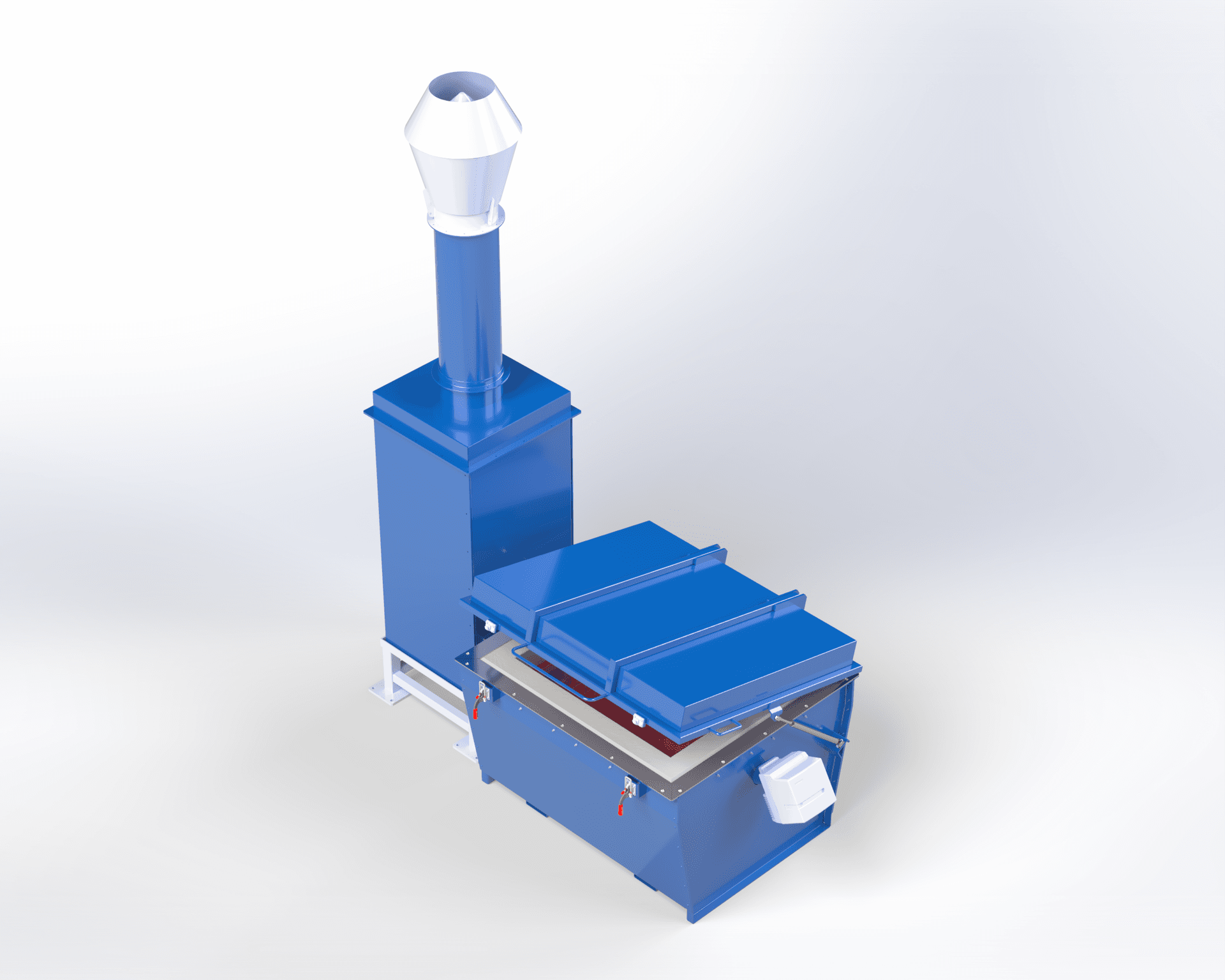
Dual-chamber unit
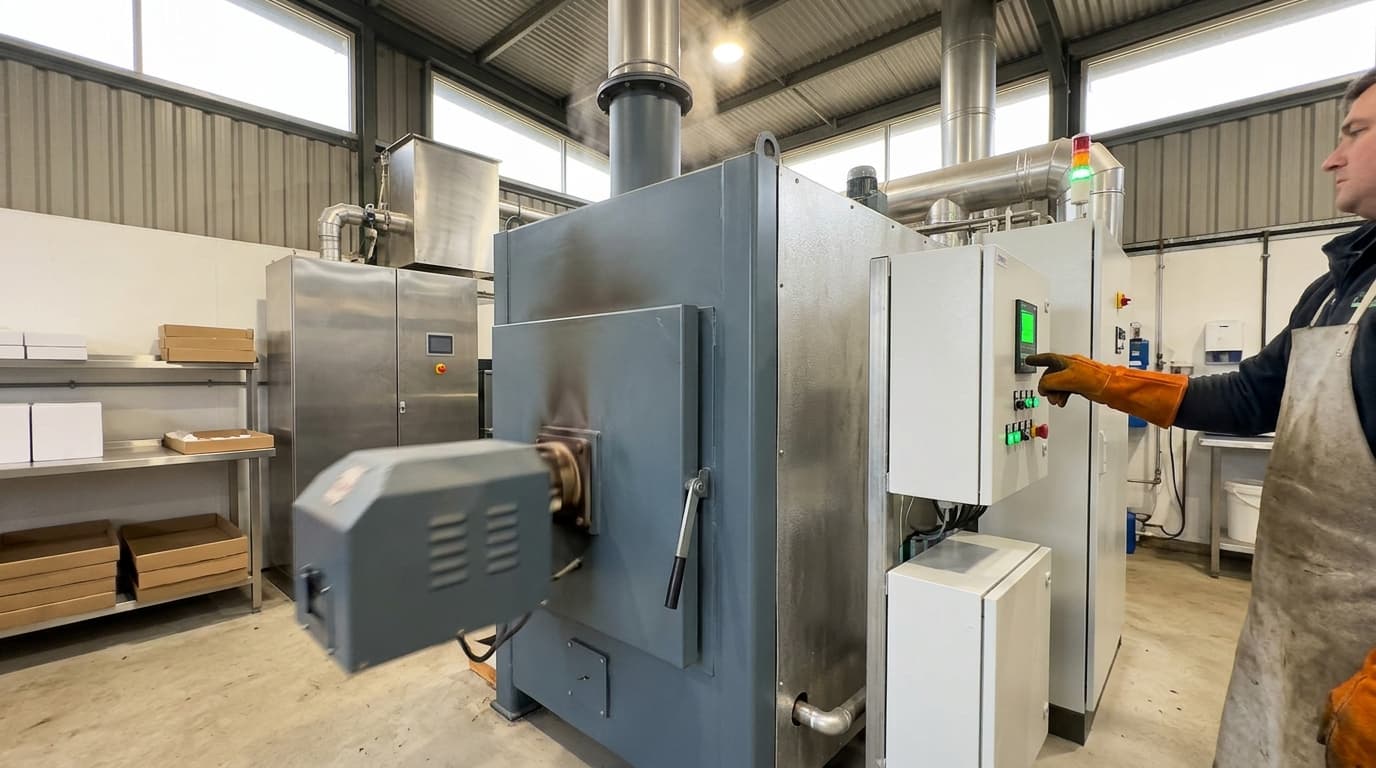
Primary chamber running 850–1,200°C with a secondary chamber holding flue gas above 850°C for two seconds — the Industrial Emissions Directive condition, met as built rather than as an option. This is the line between incineration and a bonfire, and it is the line the regulator draws too.
Three-burner set and fuel train
All three AgriBurn models carry three burners, configured for natural gas, LPG, diesel, biofuel or hydrogen. On a farm that usually means LPG or diesel, because that is what is already on site — fuel choice is a site decision and the combustion condition is identical whichever is specified.
What Ships
With The Unit
Identical whichever stream it is specified for. The operating procedure changes; the machine does not.
Dual-chamber unit
Primary chamber running 850–1,200°C with a secondary chamber holding flue gas above 850°C for two seconds — the Industrial Emissions Directive condition, met as built rather than as an option. This is the line between incineration and a bonfire, and it is the line the regulator draws too.
Three-burner set and fuel train
All three AgriBurn models carry three burners, configured for natural gas, LPG, diesel, biofuel or hydrogen. On a farm that usually means LPG or diesel, because that is what is already on site — fuel choice is a site decision and the combustion condition is identical whichever is specified.
Top-loading charge door
Bulky, awkward, tangled loads — bedding, brash, root balls, baled residue — are dropped in from above with a loader or grab rather than fed through a front door. Top loading is why these units take farm waste in the shape it actually arrives in.
IP6X control panel
PLC control with cycle logging and chamber thermocouples. Where a plant health notice or a feed withdrawal has to be evidenced, the cycle log is the record that the load reached and held the destruction condition.
Coretex refractory lining
Monolithic castable lining rated for the full temperature range, replaceable in service. Refractory is a wear item on any unit; on a farm unit taking wet, dirty, variable loads it is the item that decides service life.
Stack, dispersion data and commissioning
Stack supplied to the height your site-specific dispersion assessment calls for, with the emissions data the permit application references, plus on-site commissioning and operator training. Rural sites have neighbours and prevailing winds; the assessment is what sets the stack, not a catalogue figure.
How One Burn Runs,
Start To Finish
One charge is one countable event. That is what makes a batch unit auditable and a continuous one not.
One Cycle,
Start To Finish
Adds the withdrawal record: what was condemned, on what result, and the cycle log that closes it. Grain is dense, so the weight rating is reached with the chamber part-full.
Write down what the batch is, the quantity, and the result or observation it was condemned on. The disposal record is only useful if it is tied to the withdrawal decision it closes.
Feed containing processed animal protein or other animal-derived material is an animal by-product and needs the plant APHA-approved. Treated or dressed seed may be hazardous waste depending on the dressing. Both checks happen before the first charge, not after.
Grain is dense — around 750 kg per cubic metre — so it reaches the weight rating with the chamber part-full. This is the one agricultural stream where the published kilogram capacity is the binding limit rather than the chamber size.
Primary combustion at 850–1,200°C, flue gas held above 850°C for two seconds in the secondary chamber. Fungal material, mycotoxin-bearing grain and bacterial load are destroyed in the same cycle.
3–5% mineral ash. Match the cycle log to the withdrawal record so the quantity condemned and the quantity destroyed are the same number in the same file.
What You Can Burn —
And What You Can't
One charge takes the whole stream without pre-sorting. What must never enter it is a short, hard list.
Yes: accepted in a charge
No pre-sorting between these
- Grain over the mycotoxin limitsAflatoxin, ochratoxin, DON and zearalenone failures, plus cereal loads condemned on ergot sclerotia content.
- Salmonella-positive feedFeed and feed ingredients that have tested positive, where the endpoint has to be destruction rather than dilution back into a ration.
- Water- and heat-damaged cropFlood-damaged and water-ingress grain, and heated, caked or mould-damaged stored crop pulled out of a bin.
- Feed contaminated by verminLoads spoiled by rodents, birds or their droppings — a rejection that usually arrives with no warning and no onward route.
- Out-of-life compound feed and blendsCompound feed, blends, spoiled total mixed ration and out-of-spec batches with no remaining feed outlet.
- Spoiled forage and batch residuesMouldy haylage and silage in bagged or small-bale quantities, with the screenings, dust and floor sweepings from the condemned batch.
No: never charged
Not a permit question — these stay out
- Feed containing processed animal protein, unless the plant is APHA-approvedAnimal-derived feed material is an animal by-product and its incineration requires approval under the retained ABP Regulation in addition to the environmental permit. Check the specification of the blend before assuming it is a plant-only load.
- Treated and dressed seed with a hazardous dressingSeed dressings are pesticides. Depending on the active, the dressed seed is hazardous waste requiring a plant permitted for it. Surplus dressed seed is a genuine disposal problem, but the dressing decides the route, not the seed.
- Feed in bulk bags and packagingWoven polypropylene bags and film melt rather than burn, can carry halogenated content that raises the secondary-chamber requirement to 1,100°C, and foul the chamber. Empty the feed out; the bags go to the plastics route.
- Liquid feed, molasses and liquid supplementsLiquid cannot be charged into a batch chamber. Molasses in particular will run rather than burn and coats the lining.
- Silage in clamp or wrapped-bale quantitiesA scale point rather than a rule. Tonnes of wet silage is not a batch-incinerator job, and the wrap is a separate exclusion in itself. Small quantities of spoiled bagged forage are a different matter.
- Feed that still has a legitimate routeIf a load is safe but off-specification, it may still have a use — a different species, a different ration, anaerobic digestion. Destroying saleable or usable feed is a cost, not a compliance step. This unit is for the condemned fraction.
Can you legally burn contaminated feed & grain on site?
Technically, yes: the chamber destroys almost everything on the accepted list at 850–1,200°C, and capability is rarely the constraint. Legally is a separate question. What your site is allowed to burn is set by your environmental permit from the Environment Agency, SEPA or NIEA and the waste codes written into it, plus APHA approval, because animal by-products are regulated under their own rules. The never-charged list is different again: those materials are out of scope for the unit or governed by a direction, and no permit wording brings them back in. Send us the codes you hold, or the ones you expect to apply for, and we will tell you which of this list they cover before anything is specified.
Send us your waste codesWhat size incinerator for 1,400 kg of condemned grain?
Arithmetic on published model figures, not a customer reference. Your numbers go through the same steps.
How This
Was Worked Out
1,400 kg of condemned grain ÷ 450 kg per charge = 4 charges on the AGBI-450 across four working days, and 42–70 kg of ash at 3–5% — with no onward feed movement to account for. Grain at roughly 750 kg/m³ reaches the AGBI-450's 450 kg rating in about 0.6 m³ of its 0.76 m³ chamber, so on this stream the weight rating binds first — the opposite of bedding and brash.
≈ 4
42–70 kg
None
Send your daily or weekly arisings and we will confirm the model, the charge count and the permit route.
Related Products
& Services
Complementary equipment and engineering services for your process.
Sizing and background
- [TOOL]Work out the burn rate for your own arisings
- [TOOL]Size the combustion air and flue gas duty
- [BLOG]Operating agricultural incinerators in compliance with local regulations
- [BLOG]Innovative designs for small-scale agricultural incinerators
- [BLOG]Disposing of agricultural packaging waste
- [BLOG]Integrating vibration analysis for incinerator predictive maintenance
- [BLOG]Advanced gas cleaning for ultra-low emission incinerators
Contaminated feed & grain Questions
Answered against the published figures for the models specified for this stream, not a generic range sheet.
Condemned feed is any feed material that has been determined unsafe or unfit and therefore cannot be placed on the market or fed. In practice that means grain over the mycotoxin limits — aflatoxin, ochratoxin, DON, zearalenone — ergot sclerotia above the permitted level, a salmonella-positive batch, feed contaminated by rodents or birds, flood-damaged grain, badly heated or mould-damaged stored crop, and any load contaminated by a substance with no place in the feed chain. Feed law is unambiguous on the obligation: unsafe feed must be withdrawn and must not be placed on the market. The difficulty is never identifying the load; it is proving the ending. A condemned batch sitting in a bin or a heap in the corner of a yard has an ambiguous future, and both the assurance scheme auditor and the feed authority read that ambiguity the same way. The commercial routes are limited by definition. It cannot be sold, and cannot be given away as it stands. Anaerobic digestion will take some material but has an inlet specification a badly contaminated load will fail. Spreading a mycotoxin-laden crop returns fungal material to the field, and spreading a salmonella-positive load returns an organism to grazing. Each route that closes leaves the same question: what is the recorded end point? Incineration answers it. Combustion at 850–1,200°C with two-second retention above 850°C destroys the fungal material, the bacterial load and the grain together, and the cycle log gives the withdrawal a date and a quantity. Two cautions define the edges of this stream: feed containing processed animal protein or other animal-derived material is an animal by-product and needs APHA approval alongside the permit, and treated or dressed seed may be hazardous waste depending on the dressing, in which case it needs a plant permitted for it.
1,400 kg of condemned grain ÷ 450 kg per charge = 4 charges on the AGBI-450 across four working days, and 42–70 kg of ash at 3–5% — with no onward feed movement to account for. Grain at roughly 750 kg/m³ reaches the AGBI-450's 450 kg rating in about 0.6 m³ of its 0.76 m³ chamber, so on this stream the weight rating binds first — the opposite of bedding and brash.
It is usually the wrong answer and sometimes an unlawful one. Spreading a mycotoxin-laden crop returns fungal material to the soil that grew it, and spreading a salmonella-positive load returns an organism to grazing. Where the batch has been condemned as unsafe feed, the obligation is to keep it out of the chain, and a recorded destruction is the clearest way to show that.
The pairing that matters is the withdrawal record — what was condemned, how much, and on what result — matched to a dated cycle log showing the same quantity destroyed. One without the other leaves the batch with an ambiguous ending, and ambiguity is what gets written up.
Less volume than you would expect, because grain is dense at roughly 750 kg per cubic metre. An AGBI-450 reaches its 450 kg rating in about 0.6 m³ of its 0.76 m³ chamber. On this stream the kilogram rating is the binding limit, unlike bedding and brash where the chamber fills first.
Yes. Mycotoxins are organic compounds and the fungal material producing them is organic matter; primary combustion at 850–1,200°C followed by two seconds above 850°C destroys both. What remains is 3–5% mineral ash.
Only if the plant is APHA-approved. Feed containing processed animal protein or other animal-derived material is an animal by-product under the retained ABP Regulation, so it needs that approval in addition to the environmental permit. Check the blend specification rather than assuming a cereal ration is plant-only.
Check the dressing first. Seed treatments are pesticides, and depending on the active substance the dressed seed is hazardous waste that needs a plant permitted for it. Undressed surplus seed is ordinary condemned grain; dressed seed is a different disposal question with a different answer.
Yes. Woven polypropylene bags and film melt rather than burn, can carry halogenated content that raises the secondary-chamber requirement to 1,100°C, and foul the chamber. Empty the feed out and send the bags to the plastics route.
That depends on what the alternative costs in argument. For a farm that already has a permitted unit for other streams, a condemned batch is one scheduled charge and a line in a log. Buying a unit for a single batch is not the case — the case is a holding with several of these streams running through one machine.
Ready to
Incinerate?
Send the stream, the volume and the site constraints. We will confirm the model, the permit route, and what the specification has to say to satisfy the regulator.
- The withdrawal gets an end point
- No ambiguity in a corner of the yard
- Mycotoxin does not go back to the field
- Same-day, on-farm, no haulier description