Printing &
Packaging
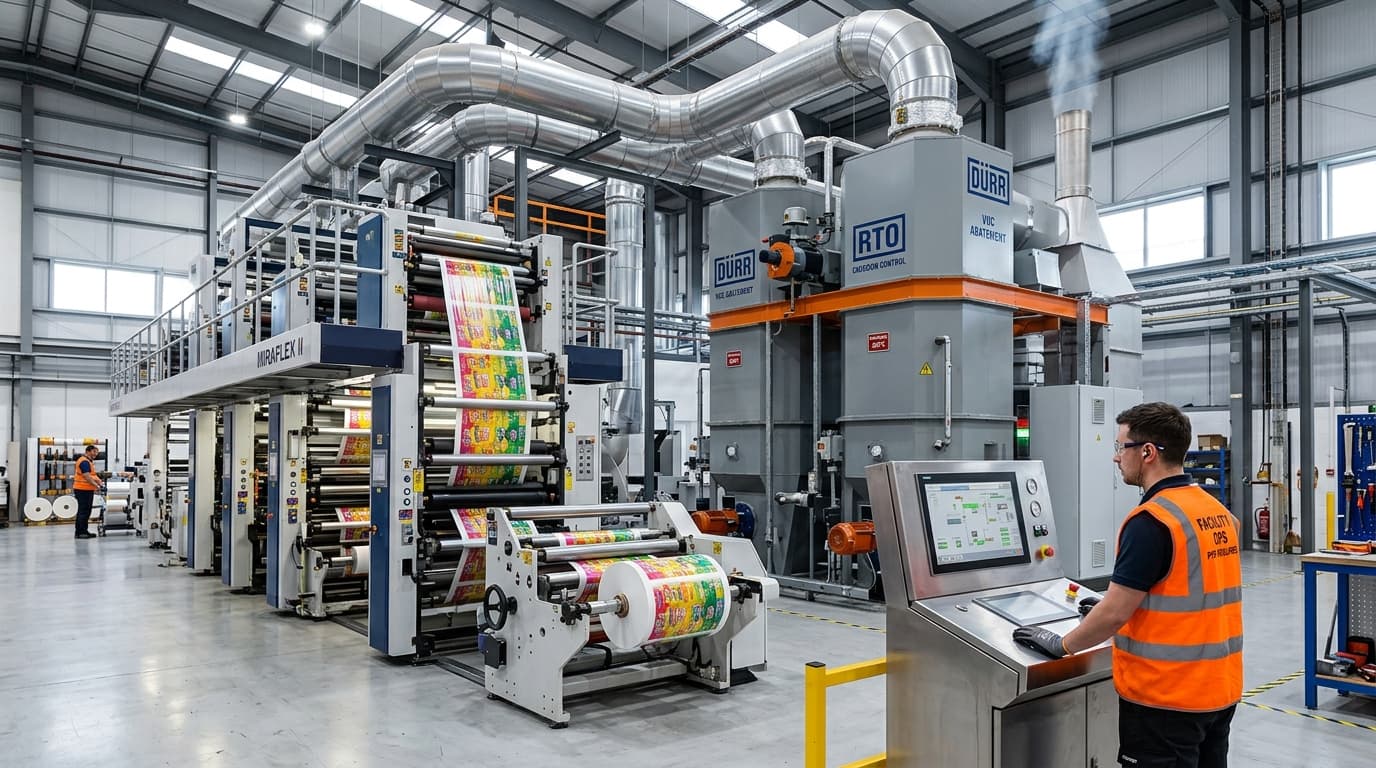
Regenerative thermal oxidisers for flexographic, gravure, and lamination solvent abatement.
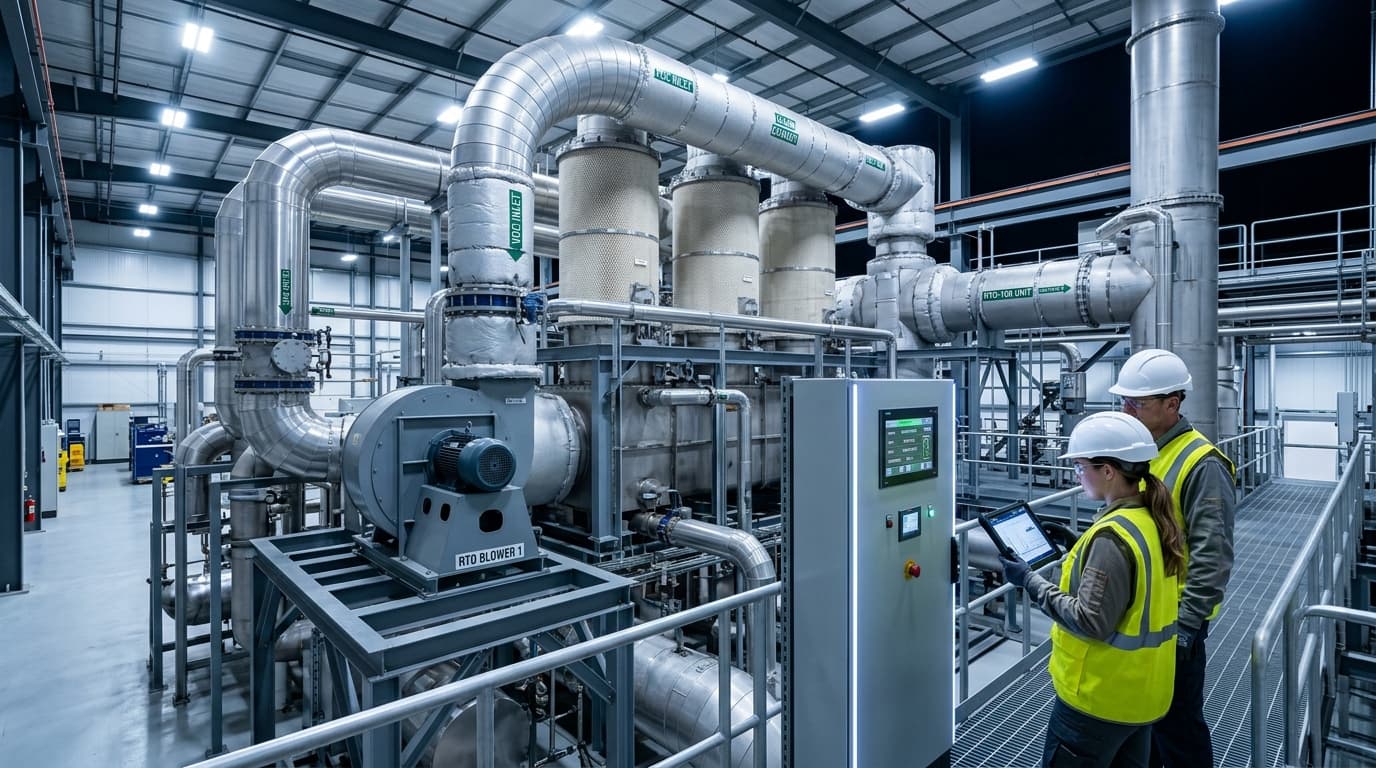
Purpose-built OxiTherm thermal oxidisers for the printing and packaging industry. 99% destruction of ethyl acetate, ethanol, MEK, IPA, and toluene emissions from presses, dryers, and laminators — with 98% energy recovery that enables autothermal operation on solvent-rich exhaust.
Three Models,
One Solution
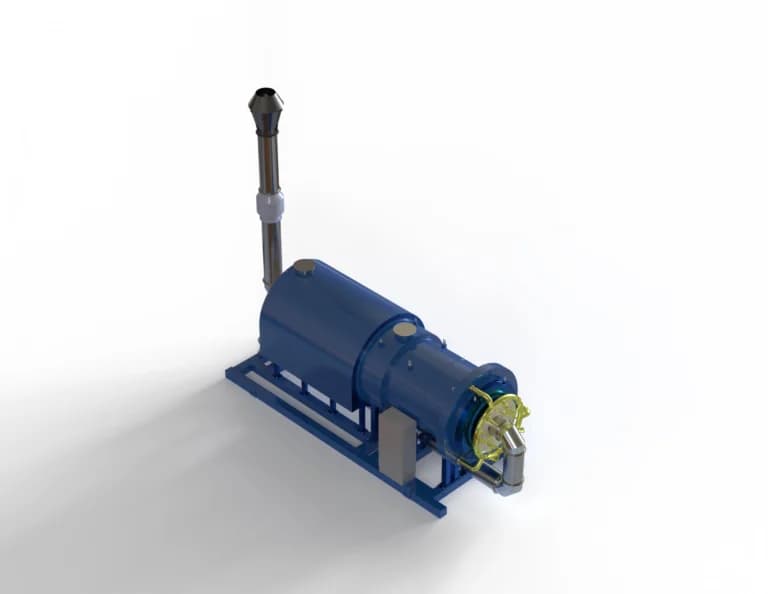
Mid-range thermal oxidiser for VOC abatement — 200 sm³/min volumetric flow with 99% destruction efficiency.
High-capacity thermal oxidiser — 300 sm³/min for medium-scale industrial VOC destruction applications.
Maximum-capacity thermal oxidiser — 500 sm³/min for large-scale industrial VOC abatement requirements.
Printing & Packaging
Applications
Select an application to see how OxiTherm thermal oxidisers address your specific printing and packaging emission challenges.
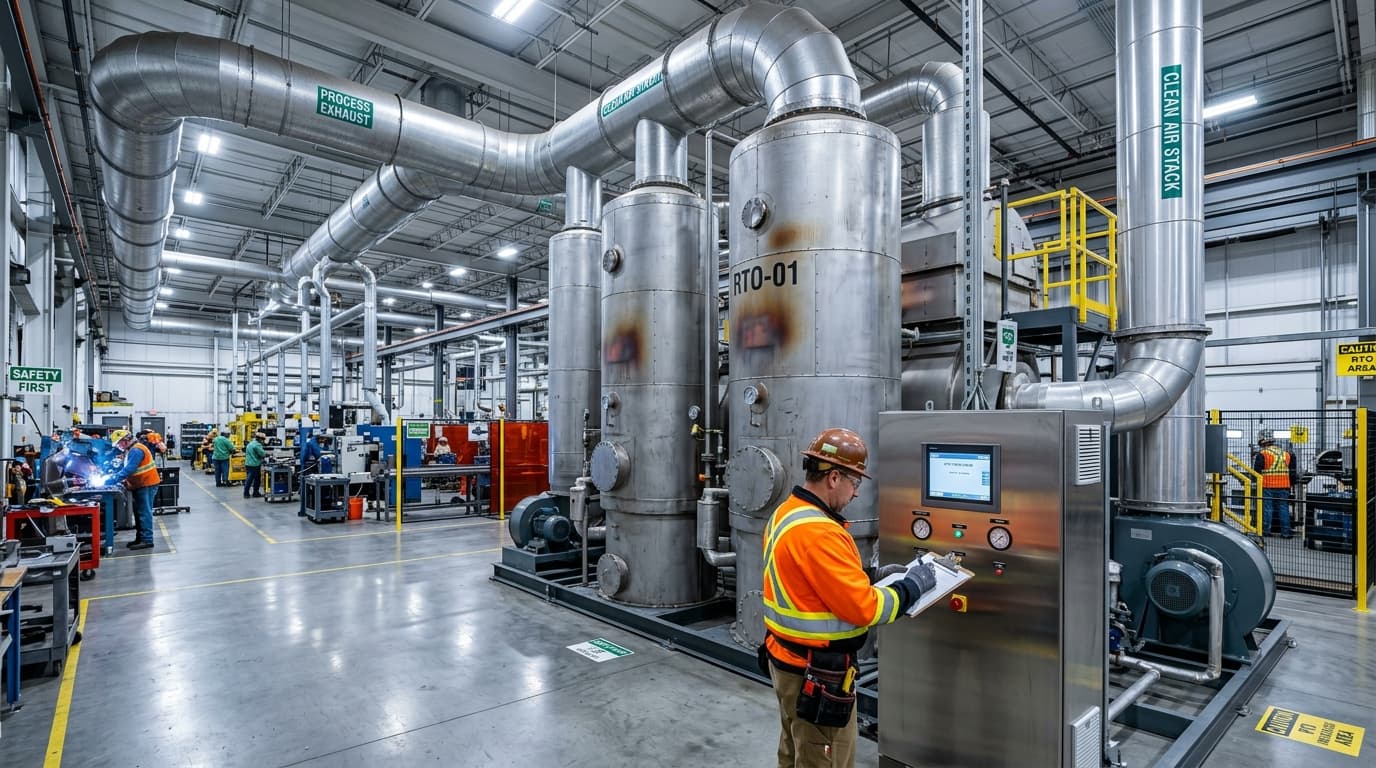
Flexographic printing generates solvent vapours from ink drying systems — ethyl acetate, ethanol, IPA, and n-propyl acetate are the dominant species from solvent-based inks, while water-based flexo inks release glycol ethers and residual co-solvents. High-speed, multi-colour presses produce large air volumes with moderate solvent concentrations that vary with print speed, ink coverage, and substrate type. Our OxiTherm regenerative thermal oxidisers destroy 99% of flexographic emissions with 98% energy recovery — enabling autothermal operation on solvent-rich runs.
Autothermal
Zero fuel cost on solvent-rich printing runs
Multi-Press
Centralised system serves multiple press lines
SED Compliant
Meets Solvent Emissions Directive mass balance
Dryer Heat Return
Recovered energy fed back to press dryer tunnels
Built for
Print &
Packaging
Key advantages of OxiTherm regenerative thermal oxidisers for printing and packaging solvent emission control.
99%+ Solvent Destruction
Regenerative thermal oxidation at 850–1,100°C destroys all printing solvents — ethyl acetate, ethanol, MEK, IPA, toluene — meeting the strictest SED, IED, and EPA emission limits.
Autothermal Operation
On solvent-rich gravure and flexo runs, the heat released by destroying the solvents sustains the combustion temperature — eliminating supplementary fuel costs during production.
Multi-Press Centralisation
Single OxiTherm system serves multiple press lines, coaters, and laminators — intelligent VFD draft control adjusts to whatever combination of machines is running.
98% Energy Recovery
Ceramic heat exchange media captures combustion energy — recovered heat is returned to press dryer tunnels, reducing gas consumption and shortening drying times.
SED Mass Balance
99% destruction efficiency satisfies Solvent Emissions Directive mass balance requirements — eliminating the need for complex fugitive emission management programmes.
Variable Load Response
Modulating burners adjust in under 5 seconds to changing solvent loads during speed changes, ink changeovers, and substrate switches — maintaining destruction efficiency.
Your Ink Solvents
Heat Your Dryers
Printing presses run energy-intensive dryer tunnels between every colour station. OxiTherm systems capture the heat from destroying your solvents and pipe it straight back to those dryers — reducing gas consumption and boosting print speed.
Dryer Energy From
Solvent Destruction.
Printing and packaging plants consume vast amounts of natural gas for inter-colour dryers, final dryers, and lamination curing tunnels. The OxiTherm doesn't just destroy your solvents — it captures 98% of that combustion energy and feeds it directly back into the dryer systems that are already consuming your gas budget.
Clean hot air at 120–180°C is ducted directly from the oxidiser exhaust to the inter-colour dryer tunnels on your flexographic or gravure press line — reducing individual dryer burner firing rates by 40–60%.
The final dryer tunnel and curing oven receive supplementary hot air from the oxidiser — enabling higher line speeds without increasing gas consumption.
Dry-bond and extrusion lamination tunnels require precisely controlled temperatures. Recovered heat provides a stable, clean thermal source that reduces gas-fired oven running costs.
In cooler months, surplus recovered heat tempers the large volumes of fresh make-up air entering the pressroom — maintaining comfortable working conditions without dedicated space heaters.
Related Products
& Services
Complementary equipment and engineering services for your process.

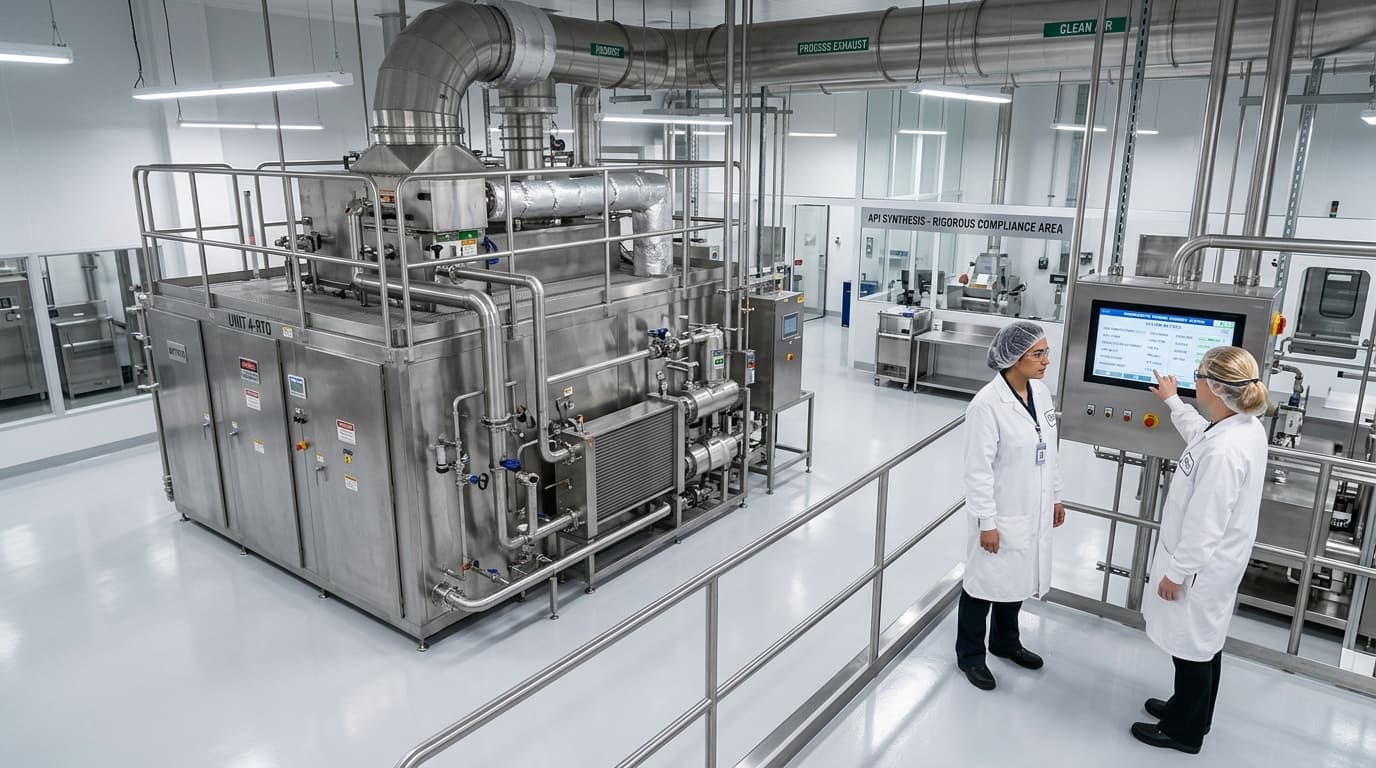
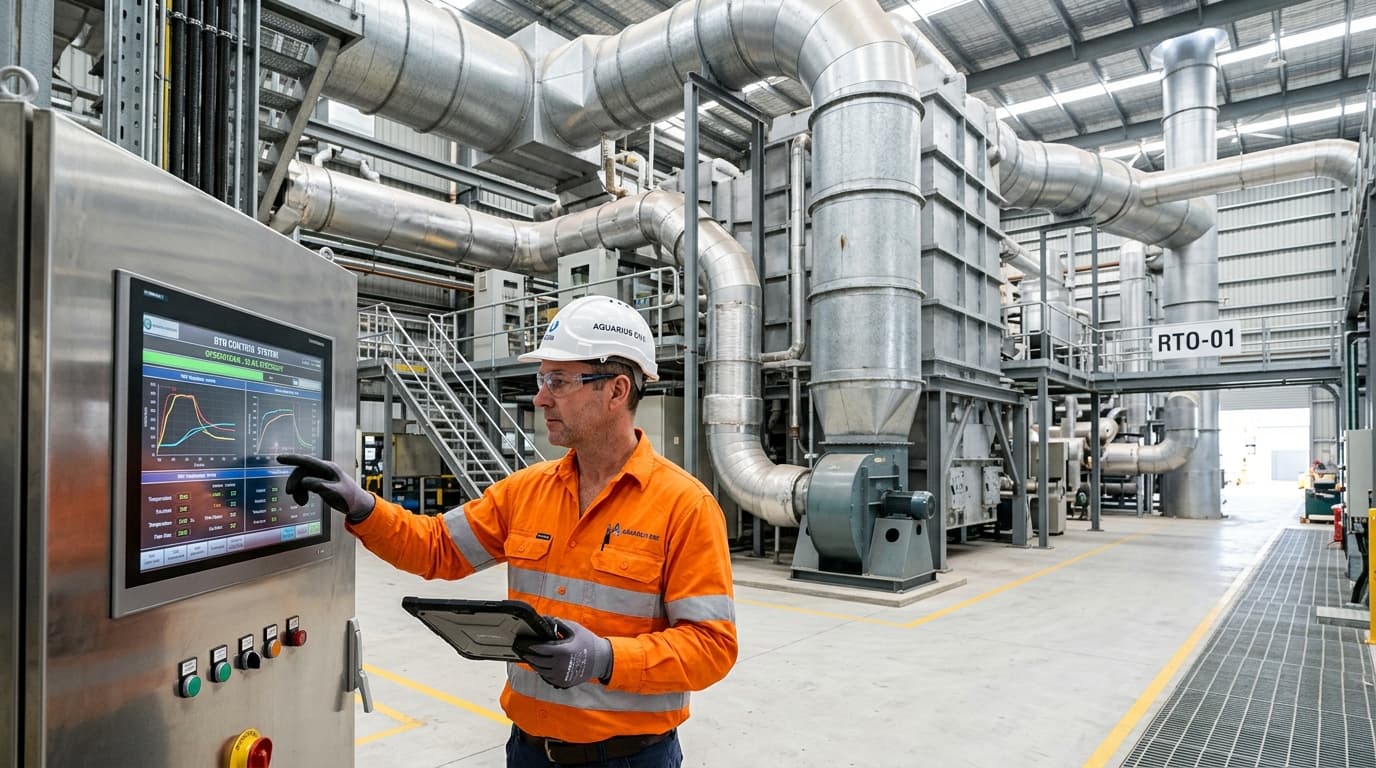
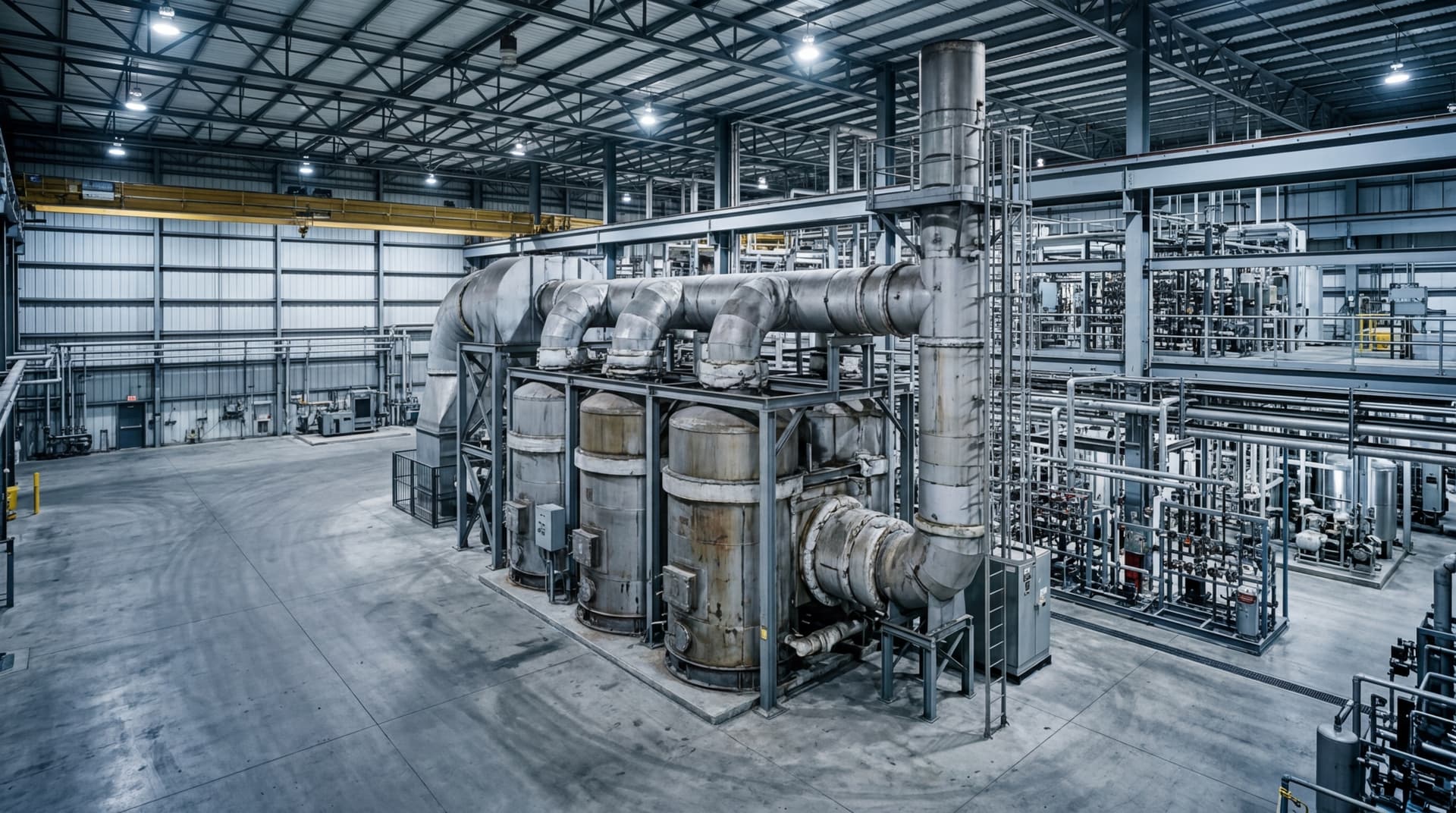
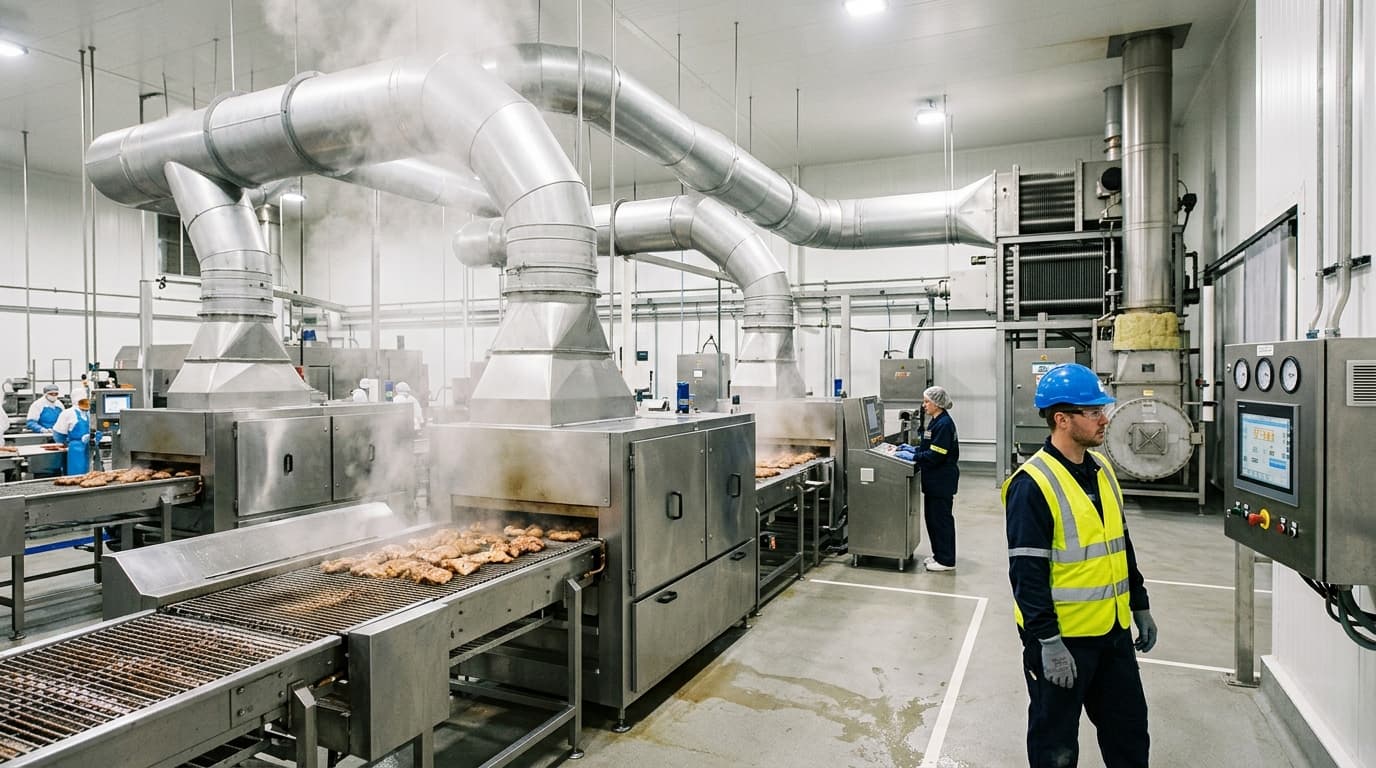
Printing &
Packaging
FAQs
Common questions about regenerative thermal oxidisers for printing and packaging solvent emission control.
In most cases, yes. Gravure and rotogravure presses use high-solvent-content inks (typically toluene or ethyl acetate based) that generate concentrated exhaust streams well above the autothermal threshold. At full production speed, the OxiTherm oxidises these solvents without any supplementary fuel — the heat released by the solvent destruction sustains the 850–1,100°C combustion temperature. During slower runs or ink changes, the modulating burner compensates automatically.
Yes. This is the most cost-effective approach. A centralised OxiTherm system connects to multiple press exhaust hoods through an engineered duct network. Variable frequency drives (VFDs) automatically adjust the extraction draft based on which presses are operational, maintaining the correct capture velocity at each press while avoiding unnecessary energy waste when lines are idle.
The OxiTherm's modulating burner system adjusts continuously to changes in solvent concentration. When switching from a high-solvent gravure ink to a low-solvent water-based flexo ink, the burner increases firing to maintain chamber temperature. When switching back, it reduces firing as the solvent load provides the required heat. This happens automatically with no operator intervention.
Yes. The 99%+ destruction efficiency of the OxiTherm satisfies SED Article 5(3) requirements for abatement of channelled emissions. Combined with the near-zero fugitive emissions achieved through enclosed press designs, the total solvent emission falls well within the SED emission limit values — eliminating the need for complex solvent management plans.
Absolutely. This is the highest-value heat recovery application in printing. Clean hot air (120–180°C) is ducted directly from the oxidiser exhaust into your inter-colour and final dryer tunnels, reducing individual dryer burner gas consumption by 40–60%. Some plants achieve complete displacement of dryer tunnel burners during peak production runs.
High-speed printing generates fine ink mist and paper/film dust. We install multi-stage filtration upstream of the RTO — typically a combination of impingement baffles, mesh filters, and pocket pre-filters. This removes particulate before it can reach the ceramic heat exchange media. Filter changeout is straightforward and typically aligned with your press maintenance schedules.
Printing & Packaging Consultation
Our engineers specialise in printing and packaging emission compliance. Tell us about your press types, solvent consumption, and dryer energy costs.
- Flexographic & gravure solvent abatement
- Multi-press centralised extraction
- Dryer tunnel heat recovery
- SED mass balance compliance