Agricultural Incinerators: A Comprehensive Look at Disposing of Packaging Waste
The sheer volume of waste generated by modern farming presents a significant environmental and logistical challenge. Beyond organic crop residues and animal by-products, farms contend with substantial amounts of packaging materials used for everything from pesticides and fertilisers to seeds and processed goods. Historically, much of this waste has been poorly managed, leading to soil and water contamination. In this context, modern agricultural incinerators have emerged as a controlled solution, offering a means to rapidly reduce the volume and mitigate the hazards of agricultural packaging waste, though their application requires careful consideration of environmental impacts and regulatory compliance.
The Ubiquitous Challenge of Agricultural Packaging Waste
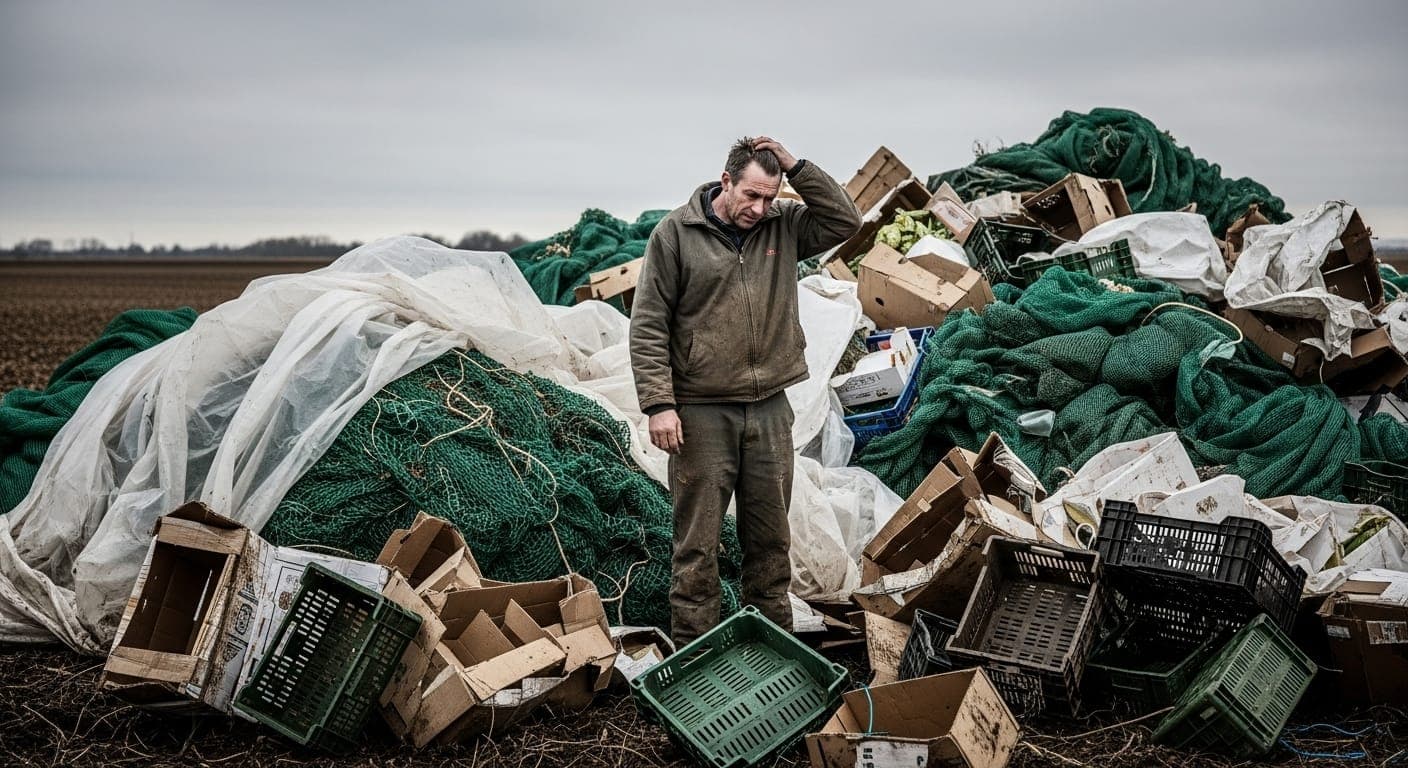
Agricultural operations generate a diverse array of packaging waste. This includes plastic films like bale wrap and twine, high-density polyethylene (HDPE) drums and pails, paper bags for seeds or feed, and corrugated boxes for transporting produce.
Additionally, pesticide containers, mouldy grains, and contaminated packaging from food processing facilities pose particular challenges due to potential chemical residues and biosecurity risks. The global reliance on plastics in agriculture has led to a growing volume of plastic waste, much of which is single-use and difficult to recycle due to high soil contamination rates.
Improper disposal methods, such as open burning or uncontrolled landfilling, contribute to air pollution, greenhouse gas emissions, and the accumulation of non-degradable materials in the environment.
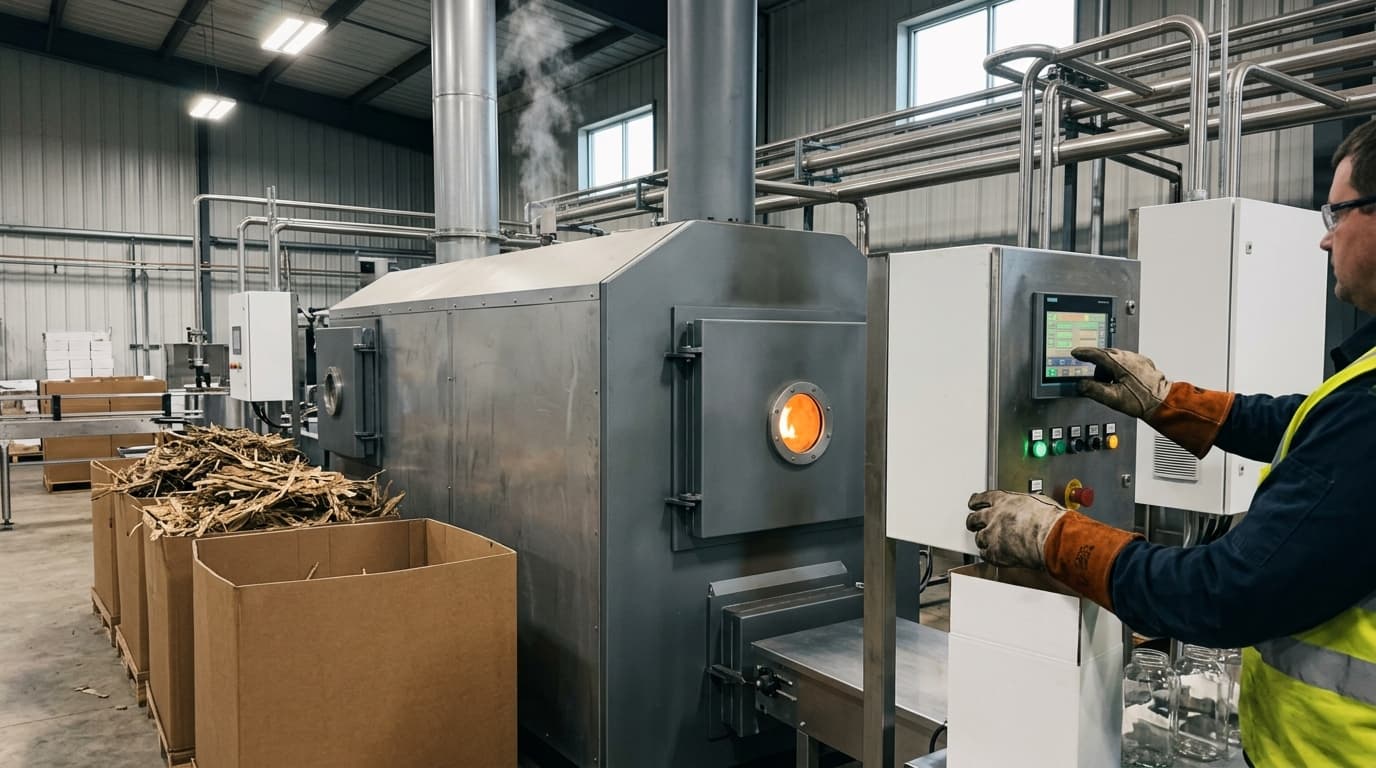
Complete incineration systems for general, agricultural, pharmaceutical, healthcare, and military waste — from under 50kg/h batch to 500kg/h continuous.
Controlled Combustion: A Waste Management Tool
Agricultural incinerators are specifically designed thermal treatment systems that burn agricultural waste at high temperatures under controlled conditions. Unlike uncontrolled open burning, which is illegal in many jurisdictions and highly polluting, modern incinerators aim to minimise harmful emissions through advanced combustion technologies. They offer an on-site solution for waste disposal, particularly in remote agricultural areas where traditional municipal waste management infrastructure may be limited or economically non-viable.
How Agricultural Incinerators Work
Modern agricultural incinerators typically feature dual-chamber designs to ensure complete thermal destruction of organic compounds.
- Primary Combustion Chamber: This chamber operates at temperatures often ranging from 850°C to 950°C for solid and semi-solid waste. It volatilises the waste through restricted air distribution (starved-air incineration) or excess air combustion.
- Secondary Combustion Chamber: Maintaining temperatures of 1100°C or higher with a gas retention time of at least two seconds, this chamber is crucial for the complete oxidation of volatile organic compounds (VOCs), gases, and the destruction of persistent chemical residues.
These systems incorporate automatic PLC controls, continuous temperature monitoring, secondary air injection, and heavy-duty refractory linings for thermal efficiency and durability. Some advanced units also include optional flue-gas scrubbers and ceramic filter systems to neutralise acidic components and capture fine particulates, especially when performing agricultural incineration of waste contaminated with pesticide residues.
Benefits of On-Site Agricultural Incineration
Implementing a purpose-built agricultural incinerator on-site offers several measurable benefits for farms and agricultural processing facilities.
Enhancing Biosecurity and Preventing Contamination
A primary advantage of incineration, particularly for waste like animal by-products, contaminated feed, and crop packaging, is the rapid destruction of pathogens and chemical residues. High-temperature combustion eliminates harmful microorganisms, viruses, and fungal spores. This reduces the risk of disease transmission, which is vital for maintaining farm biosecurity and preventing cross-contamination in food storage and animal housing areas. This controlled process ensures that hazardous materials are neutralised on-site, safeguarding animal health and public safety without the risk of spreading pathogens during transport.
Significant Volume Reduction
Incineration dramatically reduces the volume of waste material, often turning bulky solid waste into sterile ash. Typically, professional-grade incinerators achieve a 90% to 95% reduction in total volume and up to a 70% to 80% reduction in mass. This significantly minimises on-site storage requirements and reduces the logistical costs associated with transporting large, loose volumes of plastic and cardboard packaging to distant waste facilities. The remaining bottom ash, which is routinely removed, must be managed according to local regulations; while clean ash from untreated packaging can sometimes be spread on land, residues from hazardous pesticide containers require special disposal.
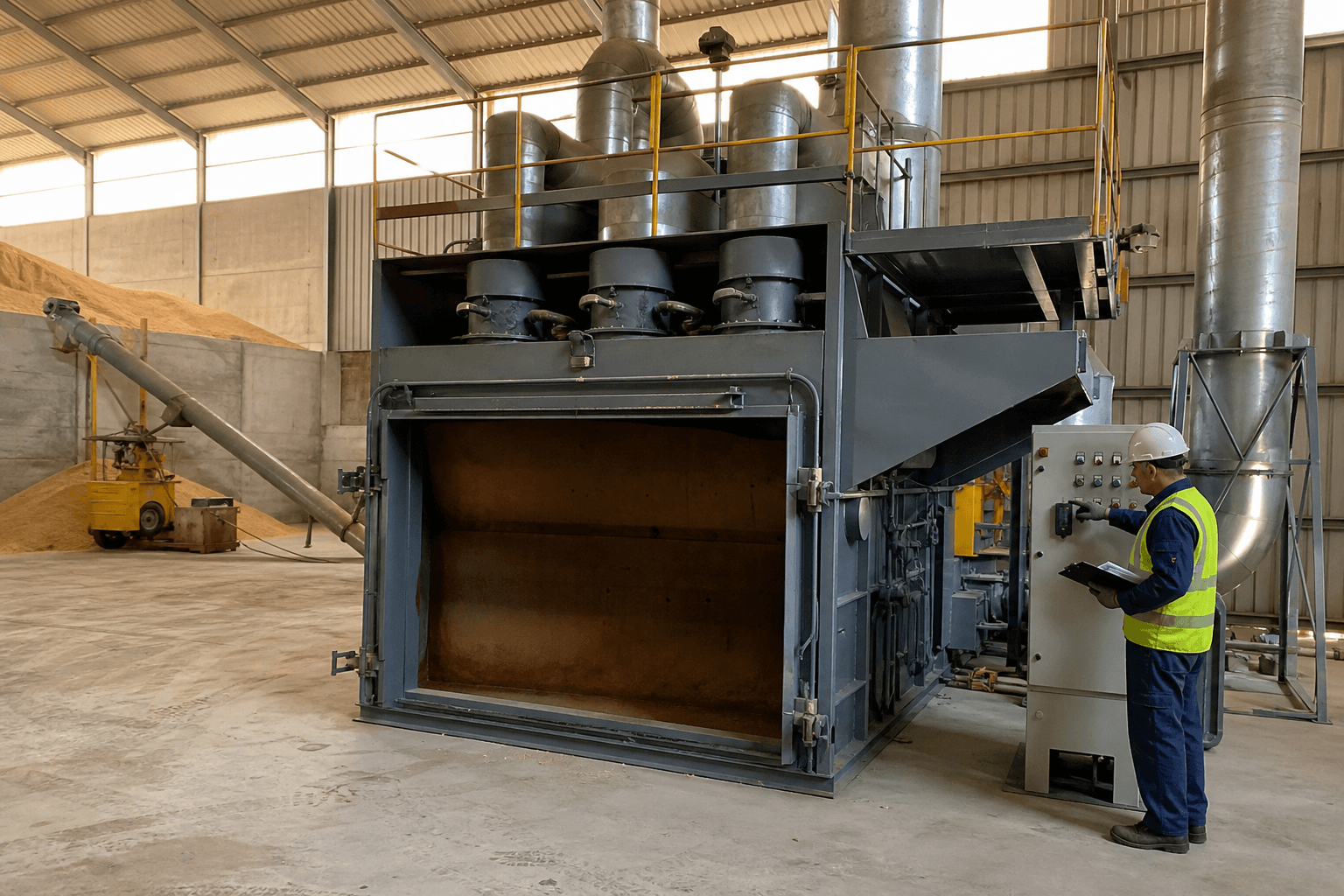
The LitBurn, AgriBurn, AmoBurn, and AniBurn ranges cover every waste disposal need with dual-chamber combustion and scrubbing options.
Environmental Considerations and Regulatory Landscape
While offering practical benefits, the use of agricultural incinerators for packaging waste must be carefully managed to mitigate potential environmental drawbacks and comply with clean air legislation.
Navigating Emissions and Air Quality
Burning plastic-based agricultural packaging, even in controlled incinerators, can release harmful chemicals and greenhouse gases into the atmosphere if the system is poorly operated. Open burning, by contrast, is a massive source of pollutants including dioxins, furans, fine particulate matter (PM2.5 and PM10), sulfur dioxide, nitrogen oxides, carbon monoxide, and volatile organic compounds.
Modern, well-engineered incineration units prevent the formation of these compounds by ensuring high secondary chamber temperatures and adequate turbulence. Studies have shown that emissions from modern, well-regulated agricultural incineration plants do not significantly affect the soil, milk, or crop quality of nearby farms. Nevertheless, environmental safety depends heavily on the incinerator's design, operational standards, fuel selection, and strict adherence to correct operating procedures.
Regulatory Compliance and Duty of Care
Agricultural waste management is subject to various legal requirements that differ by jurisdiction. In the United Kingdom, for instance, farmers have a legal "duty of care" to ensure all waste is stored, transported, and disposed of safely and legally without causing environmental harm.
The agricultural waste duty of care typically includes several core responsibilities:
- Secure storage: Packaging materials must be kept in secure storage to prevent contamination or leakage before processing.
- No open burning: Open burning of plastics or chemical containers is strictly prohibited.
- Equipment registration: Incinerator equipment must be registered with the relevant authorities or run under specific permitted exemptions.
- Safe containment: All residual ash must be safely contained and disposed of via certified routes.
Farms must secure the necessary permits or register specific exemptions for incinerator operation. Under the UK's Environmental Permitting Regulations, operators of small waste incineration plants (SWIPs) must hold an environmental permit, while smaller agricultural burners may operate under specific registered exemptions (such as the U4 waste exemption for burning certain agricultural wastes) provided they meet strict capacity limits.
Regulations typically dictate permissible waste types, emission limits, fuel specifications, and the proper testing of ash. The EU's Industrial Emissions Directive (IED), which succeeded the Waste Incineration Directive (WID), sets stringent standards for the co-incineration and dedicated thermal treatment of hazardous and non-hazardous agricultural wastes.
Waste-to-Energy Opportunities in Agriculture
Beyond simple waste disposal, some agricultural incinerators can be integrated into waste-to-energy (WtE) systems. This approach converts packaging and dry biomass waste into usable forms of thermal or electrical energy, contributing to both farm-level waste management and sustainable energy self-sufficiency.
Direct combustion is the most common WtE method, where burning waste generates heat to produce steam or hot water, which can be channelled directly into space heating for livestock housing, grain drying, or greenhouse climate control. Cogeneration systems, which produce both heat and power (CHP), can achieve high efficiencies.
The thermal efficiency (ηth) of an agricultural waste-to-energy recovery system can be estimated using the following thermodynamic relationship:
ηth=m×LHVQrecovered×100where:
- ηth is the thermal recovery efficiency of the system (expressed as a percentage, %).
- Qrecovered is the total usable heat energy recovered by the heat exchanger or boiler (MJ).
- m is the mass flow rate of the agricultural packaging and waste mixture fed into the primary chamber (kg/s).
- LHV is the lower heating value of the specific waste feedstock mixture (MJ/kg).
Other emerging thermal technologies, such as small-scale gasification and pyrolysis, convert organic packaging materials and agricultural residues into synthetic gas (syngas) or bio-oil, offering cleaner-burning alternative energy sources that can power on-farm machinery or generators.
The Future of Agricultural Waste Management
The management of packaging waste from agricultural products is a complex challenge requiring a multi-faceted approach. While controlled agricultural incineration provides an efficient, biosecure, and immediate method for volume reduction and pathogen control, it must be implemented with strict adherence to environmental regulations, correct thermal operational parameters, and proper ash management practices.
Moving forward, the agricultural sector will likely rely on a balanced strategy: combining high-efficiency incineration technologies—especially those equipped with heat recovery and waste-to-energy systems—with a concerted effort to reduce total packaging volume, enhance regional agricultural plastic recycling programmes, and adopt innovative, biodegradable alternatives. This integrated strategy will be crucial for transforming agricultural waste from an expensive environmental burden into a valuable resource within a circular economy.
