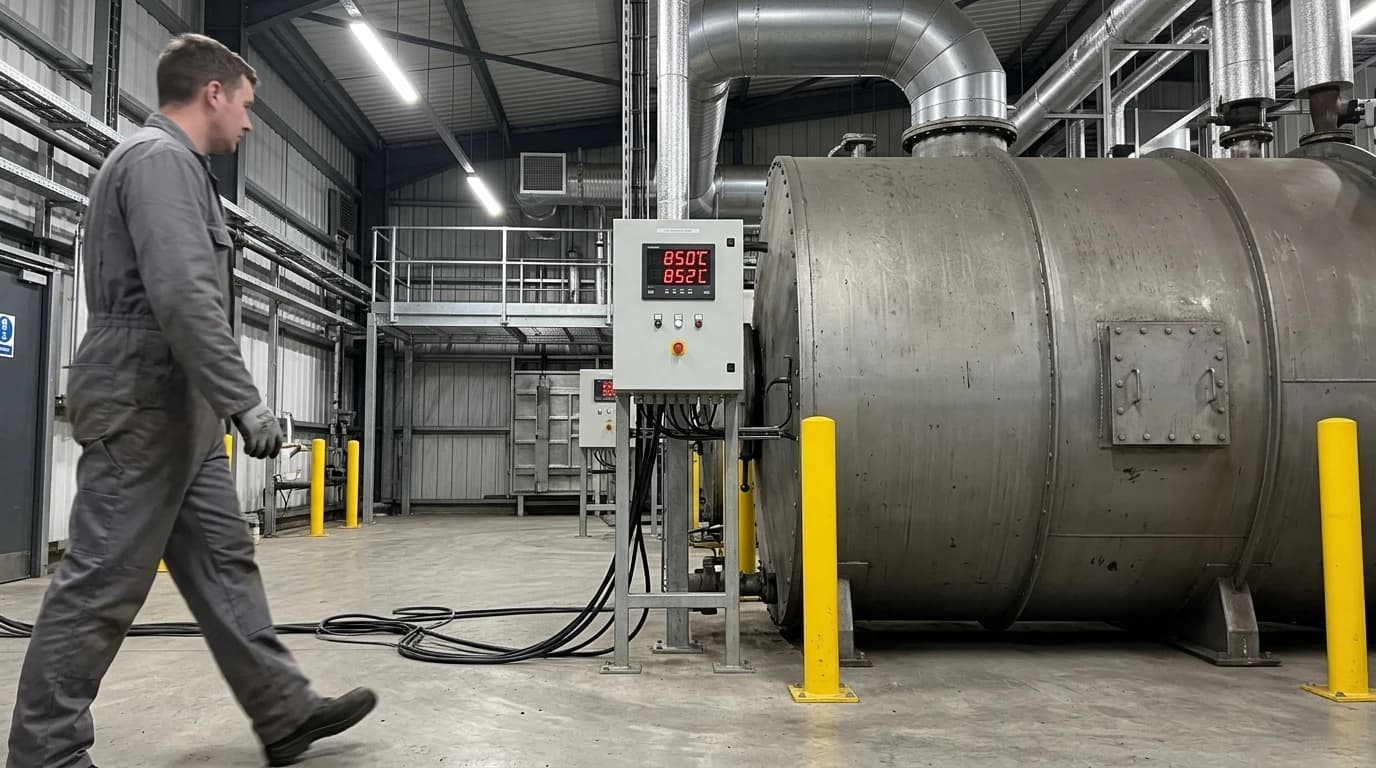
Optimising Animal Carcass Incinerators for UK Bio-security
Technical strategies for meeting 850°C thermal thresholds and ABP regulatory compliance.
An animal carcass incinerator is a specialised thermal destruction device designed to safely combust animal by-products (ABPs) to ash, eliminating pathogens and ensuring strict bio-security compliance. In the agricultural and waste management sectors, the proper thermal destruction of fallen stock is not merely a matter of site cleanliness; it is a legally mandated bio-security requirement designed to prevent the outbreak and transmission of catastrophic agricultural diseases.
Agricultural supply chains face persistent threats from highly transmissible pathogens, including Avian Influenza (bird flu) and African Swine Fever. Relying on external collection services to transport fallen stock introduces severe cross-contamination risks, as collection vehicles move between multiple farm units, abattoirs, and rendering plants. On-site thermal oxidation eliminates the need for prolonged storage of decaying organic matter and severs the chain of transmission.
This article details the technical specifications, thermodynamics, and strict regulatory frameworks that dictate how farm operations managers, abattoir site leads, and veterinary facility administrators must operate animal carcass incinerators within the United Kingdom.
UK Animal By-Product Regulations and Enforcement Frameworks
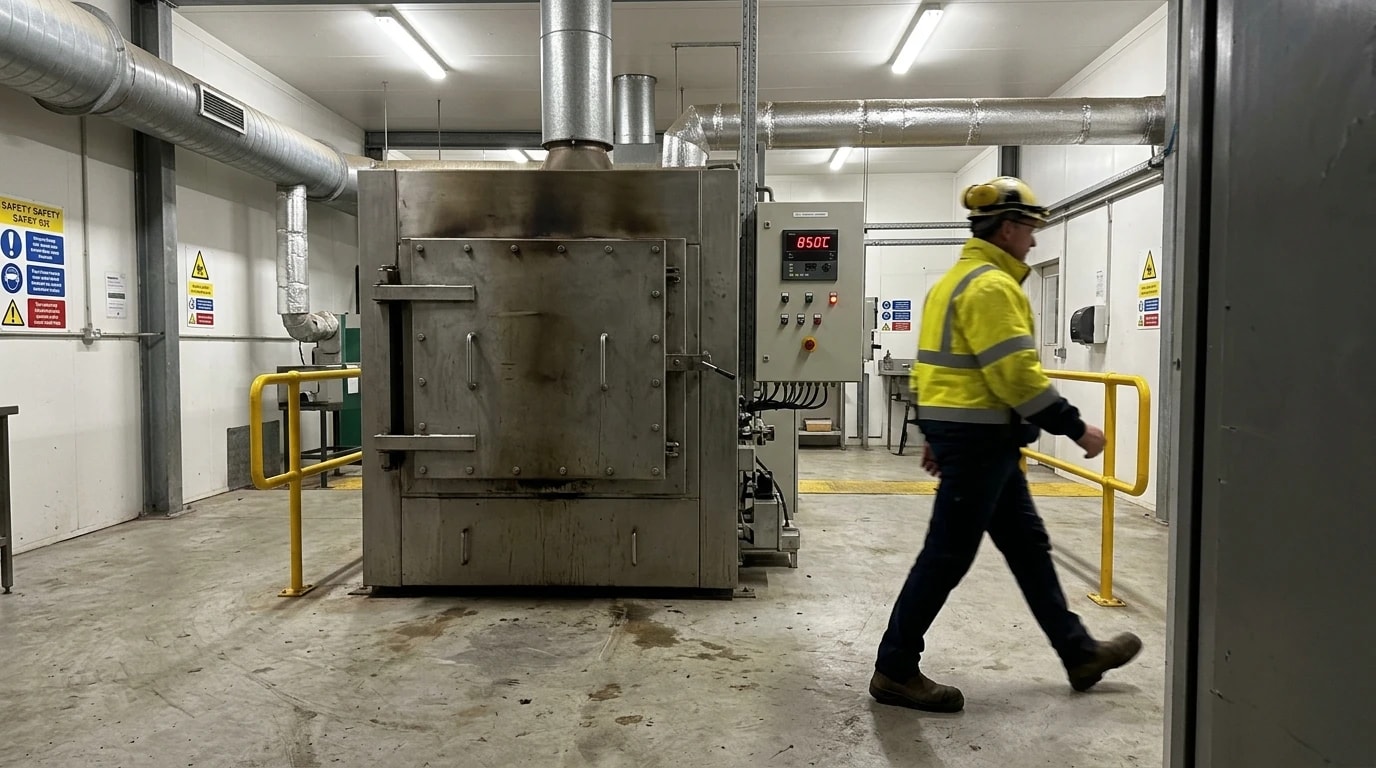
The primary legislative instruments controlling the disposal of fallen stock in the UK are the Animal By-Products (Enforcement) (England) Regulations 2013 and the retained EU Regulation 1069/2009. These regulations dictate that animal by-products must be categorised and disposed of via approved routes to protect public and animal health.
Categorisation of Agricultural Waste
Under the regulatory framework, agricultural and veterinary facilities must separate material into three specific risk profiles:
- Category 1: High-risk material, including specified risk material (SRM) associated with Transmissible Spongiform Encephalopathies (e.g., BSE), and animals suspected of carrying severe notifiable diseases.
- Category 2: Fallen stock (animals that die on the farm rather than being slaughtered for human consumption), manure, and digestive tract contents.
- Category 3: Material previously fit for human consumption but rejected for commercial reasons, or parts of slaughtered animals not intended for human consumption.
Open burning or unapproved burial of these materials is strictly prohibited under UK law, except in highly specific, APHA-authorised disease outbreak scenarios. Site operators must instead utilise approved disposal methods, with on-site incineration proving to be the most bio-secure option for isolated farm units and major abattoirs.
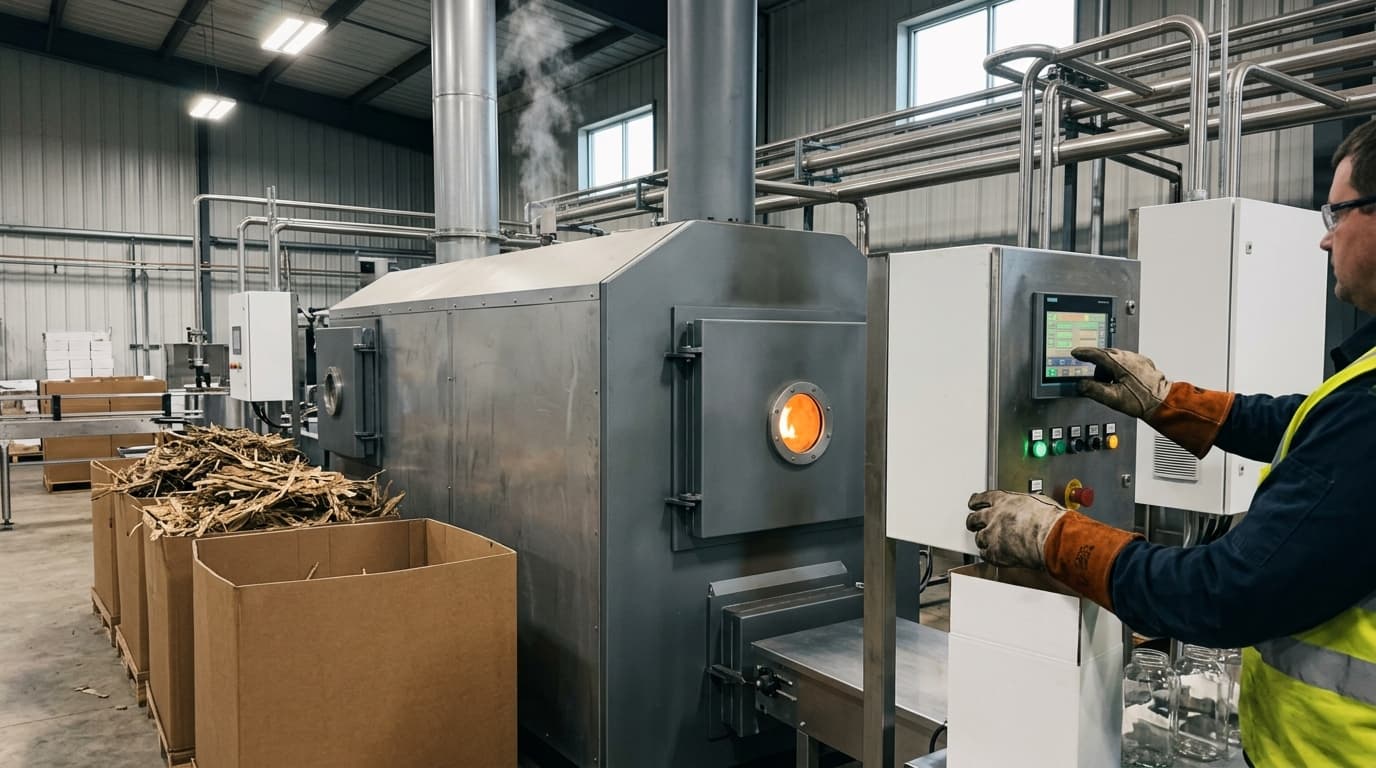
Complete incineration systems for general, agricultural, pharmaceutical, healthcare, and military waste — from under 50kg/h batch to 500kg/h continuous.
Technical Compliance and Capacity Thresholds
The regulatory burden placed upon a facility depends entirely on the throughput capacity of the installed thermal equipment. The Department for Environment, Food and Rural Affairs (DEFRA) and the Animal and Plant Health Agency (APHA) monitor compliance, dividing equipment into two distinct regulatory classes.
Low-Capacity Incinerators (Under 50kg/hr)
Facilities operating equipment that processes less than 50kg per hour fall under the 'low capacity' classification. Farm managers must apply for formal APHA approval using the ABPR2 application form.
When low-capacity units are used exclusively for whole animal carcasses, they are generally exempt from the more arduous requirements of the Industrial Emissions Directive (IED), provided they do not co-incinerate other waste streams (such as general farm plastics or municipal waste). An APHA veterinary inspector will evaluate the site's structural suitability, loading procedures, and record-keeping practices before granting operational approval.
High-Capacity Incinerators (Over 50kg/hr)
For busy slaughterhouses, mass-scale poultry units, and commercial pet cremation businesses, thermal capacity often exceeds the 50kg/hr threshold. These high-capacity units trigger significantly greater regulatory oversight.
Operators of high-capacity units must secure an Environmental Permit from their Local Authority or the Environment Agency (under the Environmental Permitting Regulations 2016), alongside standard APHA registration. Equipment processing between 50kg/hr and 1,000kg/hr (less than 10 tonnes per day) requires specific local pollution prevention controls (LAPPC) and continuous emission monitoring systems to prove compliance with stringent air quality targets.
The Thermodynamics of Pathogen Destruction
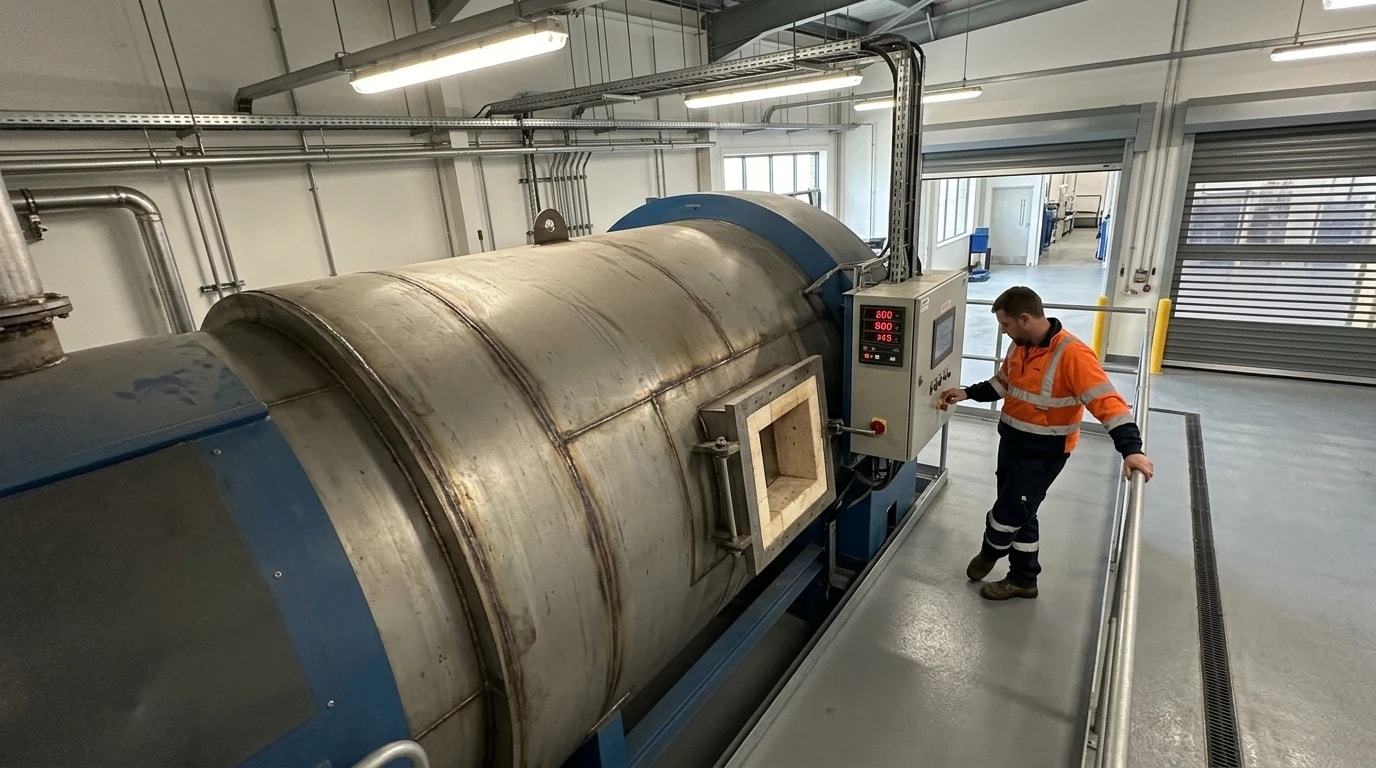
To guarantee the total eradication of bacterial, viral, and prion-based pathogens, agricultural incinerators must adhere to exact thermodynamic parameters. Process engineers evaluate these systems based on their ability to maintain specific thermal retention times.
Achieving Required Exhaust Gas Temperatures
The technical benchmark for animal carcass incinerators is outlined in Annex III, Chapter I of the retained EU Regulation 142/2011. This legislation mandates that the gases resulting from the incineration process must be raised to a minimum temperature of 850°C for at least 2 seconds.
Alternatively, if the waste stream contains more than 1% halogenated organic substances (expressed as chlorine), the exhaust gas temperature must reach 1100°C for 0.2 seconds. For standard fallen stock and category 2 animal by-products, the 850°C/2s rule is the industry standard.
Secondary Combustion Chamber Engineering
Achieving the required 850°C retention time is mechanically impossible in a single-chamber device. Therefore, compliance relies on advanced secondary combustion chamber (afterburner) design.
The primary chamber is engineered to dry, volatilise, and partially combust the solid organic mass, reducing the carcass to a sterile ash. This primary stage operates in a controlled, often oxygen-starved (sub-stoichiometric) environment to prevent the rapid release of particulate matter.
The resulting volatile gases are then drawn into the secondary chamber. Here, secondary burners inject a highly turbulent, oxygen-rich flame. The internal geometry of the secondary chamber is mathematically calculated to ensure that every gas molecule remains inside this high-heat zone for a minimum of 2 seconds. This sustained thermal oxidation completely breaks down complex organic compounds, effectively destroying odours, volatile organic compounds (VOCs), and preventing the formation of toxic dioxins and furans.
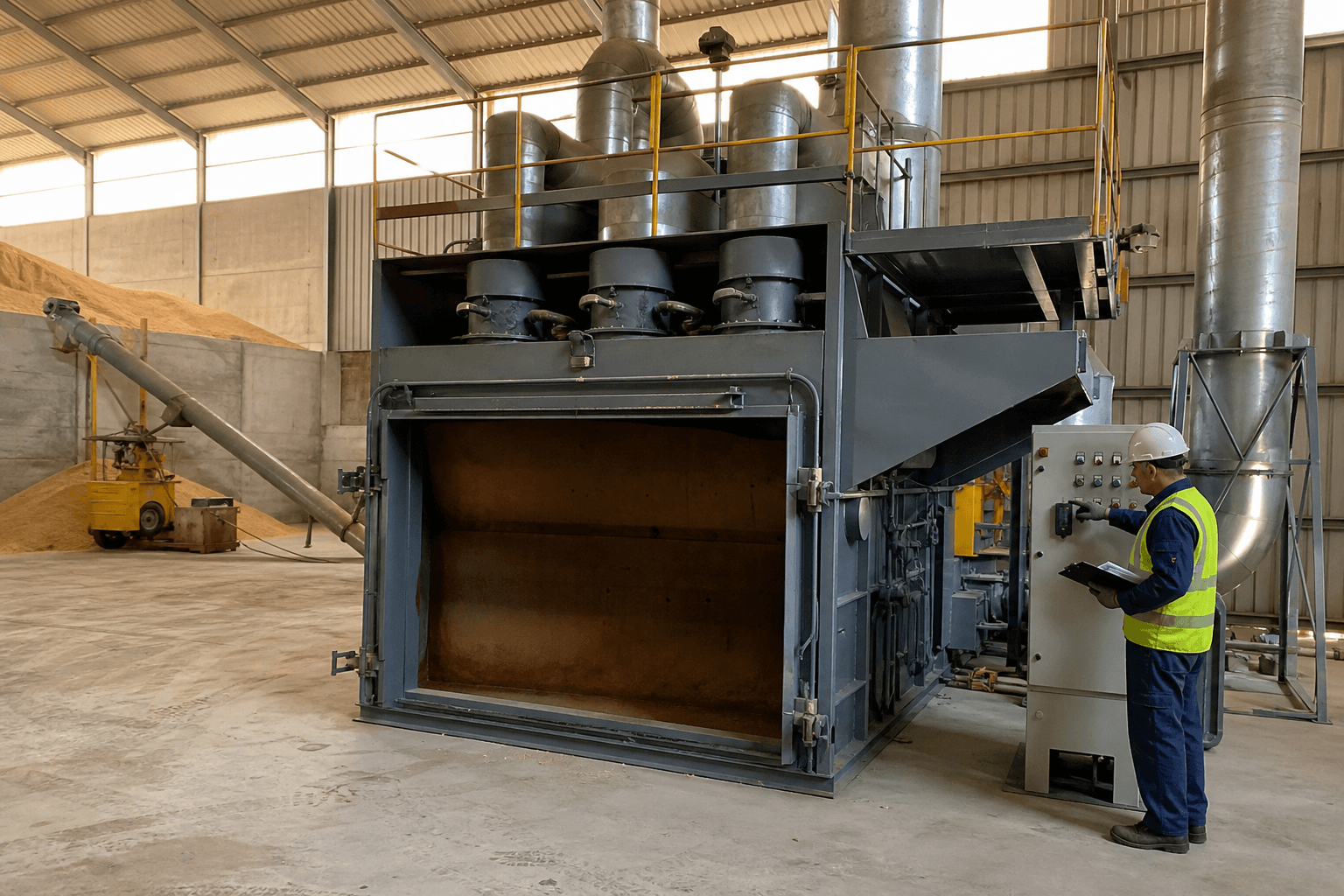
The LitBurn, AgriBurn, AmoBurn, and AniBurn ranges cover every waste disposal need with dual-chamber combustion and scrubbing options.
Fuel Efficiency and Refractory Dynamics
Thermal disposal is an energy-intensive process. Fuel efficiency and structural longevity are highly dependent on the quality of the refractory lining and the precision of the burner control systems.
Advanced Refractory Linings
The internal combustion chambers are lined with heavy-duty refractory materials designed to withstand extreme thermal shock and chemical attack from alkaline ash. High-alumina castable refractories and insulating firebricks are layered to retain heat within the core. Efficient refractory insulation reduces thermal loss to the outer steel casing, ensuring that the burners consume less fuel (diesel, kerosene, or LPG) to maintain the critical 850°C baseline.
Industry professionals widely regard the integrity of the refractory lining as the primary indicator of an incinerator's operational lifespan. Degraded refractories allow heat to escape, forcing the burners to overcompensate, thereby driving up fuel costs and increasing the risk of temperature drops below legal compliance thresholds.
Air-to-Fuel Ratio and Loading Behaviours
Proper loading procedures directly dictate combustion efficiency. Overloading the primary chamber physically chokes the oxygen supply, resulting in incomplete combustion, excessive smoke, and elevated particulate emissions. Farm site leads typically specify batch-loading protocols tailored to the specific volumetric capacity of their equipment.
Automated modulating burners analyse the chamber temperature via heavy-duty thermocouples. If the calorific value of the carcass provides sufficient thermal energy, the primary burners will automatically modulate down or shut off entirely, allowing the fat and organic matter to sustain the burn. This self-sustaining combustion phase drastically reduces auxiliary fuel consumption.
Operational Best Practices and Ash Management
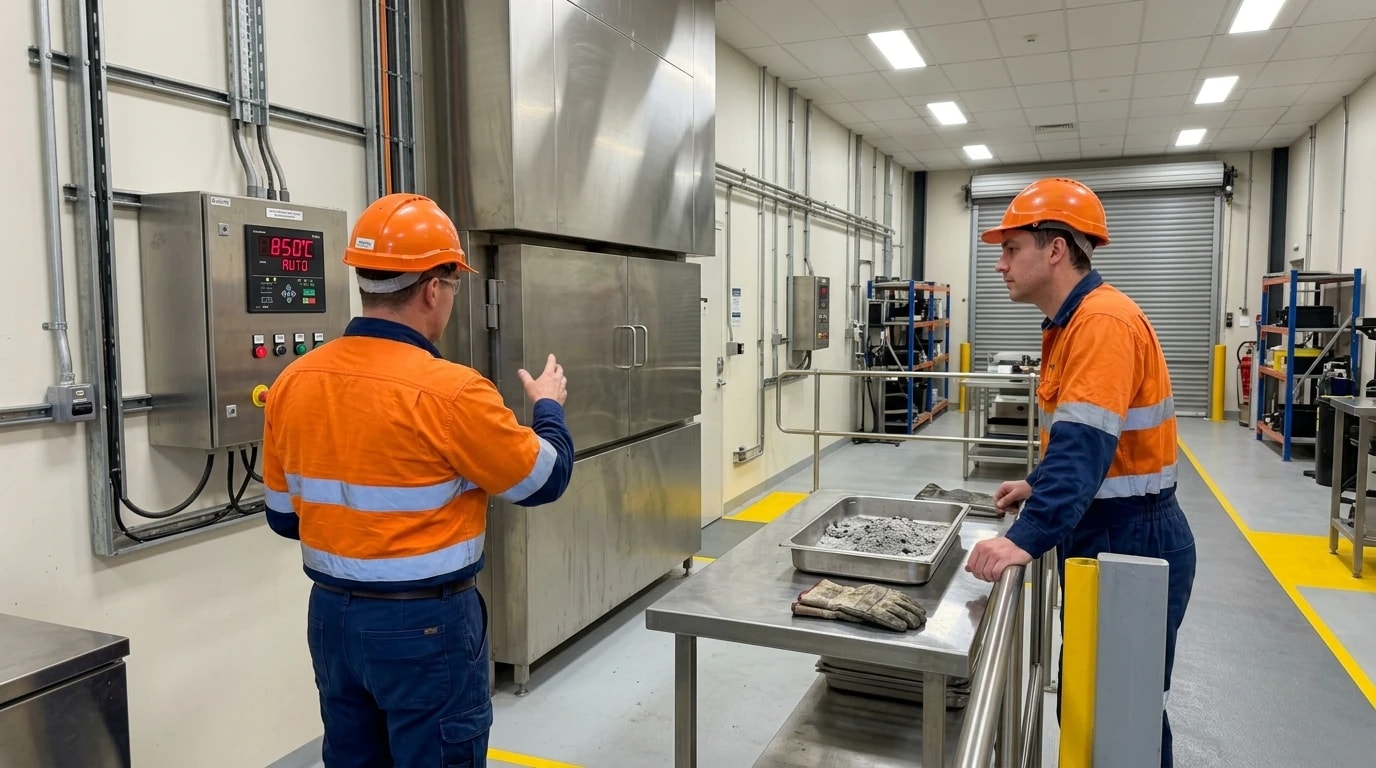
Successfully operating an animal carcass incinerator requires rigorous adherence to maintenance schedules and accurate record-keeping. The APHA conducts regular audits to ensure facilities maintain compliance long after the initial commissioning phase.
Managing By-Product Ash
A highly optimised incineration cycle will reduce the overall mass of an animal carcass by up to 97%. The resulting material is a sterile, calcined white or light grey ash containing no organic compounds. Under the Animal By-Products (Enforcement) (England) Regulations 2013, this ash must be disposed of via authorised commercial waste routes or approved landfill sites.
Operators must allow the primary chamber to cool adequately before de-ashing to prevent thermal injury and avoid disrupting the refractory lining. Wetting the ash prior to extraction is a common practice to suppress airborne particulate matter during handling.
Mandatory Record-Keeping
Strict documentation is a non-negotiable aspect of bio-security. Abattoir managers and farm operators must log specific data points for every burn cycle, including:
- The date and time of the incineration.
- The category and exact weight of the animal by-products processed.
- Continuous temperature printouts or digital data logs proving the secondary chamber maintained 850°C for the duration of the cycle.
- Records of ash disposal routes and commercial collection receipts.
Failure to produce these records during a regulatory inspection can result in immediate withdrawal of APHA approval and severe financial penalties.
Engineered Solutions from EnerTherm Engineering
At EnerTherm Engineering, we design and manufacture advanced thermal processing equipment directly targeted at the high-stakes requirements of the agricultural and veterinary sectors. Our thermal engineering teams understand that maintaining uninterrupted bio-security protocols requires reliable, heavy-duty machinery capable of achieving exact thermodynamic tolerances.
We detail our specialised animal disposal incinerators specifically to meet the 850°C for 2 seconds mandate. Our systems utilise automated, modulating burner technology and high-density, castable refractory linings to ensure maximum thermal retention and minimal fuel consumption. By engineering the exact internal volume and turbulent airflow metrics of our secondary chambers, we guarantee that our clients achieve full thermal oxidation of volatile gases, protecting local air quality and ensuring complete pathogen destruction.
Beyond bio-secure waste destruction, EnerTherm Engineering also applies advanced thermodynamics to the earlier stages of the agricultural supply chain. We manufacture high-efficiency dehydrators tailored for pet food and animal feed manufacturing applications. These industrial drying systems precisely extract moisture from protein and organic streams, establishing the optimal water activity levels required for safe, long-term feed storage and commercial distribution.
Whether processing organic material for high-value animal nutrition or safely destroying high-risk fallen stock to protect national bio-security, precision thermal engineering remains the absolute foundation of agricultural safety. Implementing technically compliant, highly efficient thermal solutions allows modern farm operations to permanently neutralise biological threats while controlling operational costs and adhering to stringent UK environmental law.
This article reflects the independent analysis and editorial opinion of EnerTherm Engineering. Product names, trademarks, and brands mentioned belong to their respective owners. EnerTherm Engineering is not affiliated with, endorsed by, or a licensee of any third-party software or product mentioned unless explicitly stated.

Managing Director — EnerTherm Engineering
Dr. François Pierrel is Managing Director of EnerTherm Engineering with over two decades of expertise in thermal design, heat transfer, and industrial energy optimisation. He holds a PhD in Heat Transfer from Cranfield University and a Post-Doctorate from Heriot-Watt University.
