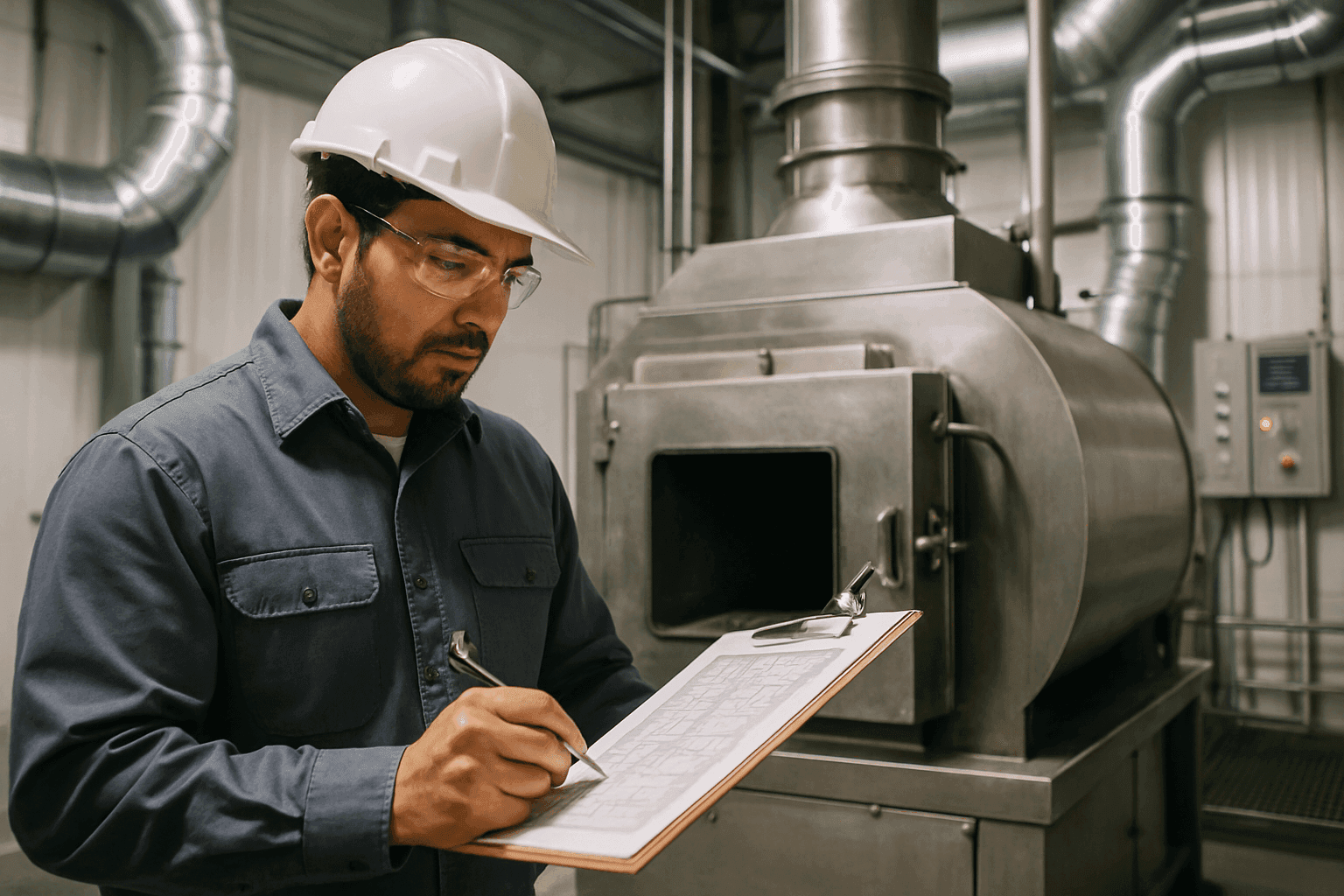
Decoding the Long-Term Operational Costs of Animal Carcass Incinerators
Effective disposal of animal carcasses is a critical aspect of waste management, animal processing, and biosecurity, particularly in agricultural settings, veterinary clinics, and research facilities. While incineration offers a highly effective and biosecure method for reducing organic waste to ash, understanding its long-term operational costs is essential for sustainable and economically viable implementation. These costs extend far beyond the initial purchase and installation, encompassing a range of ongoing expenses that can significantly impact a facility's budget.
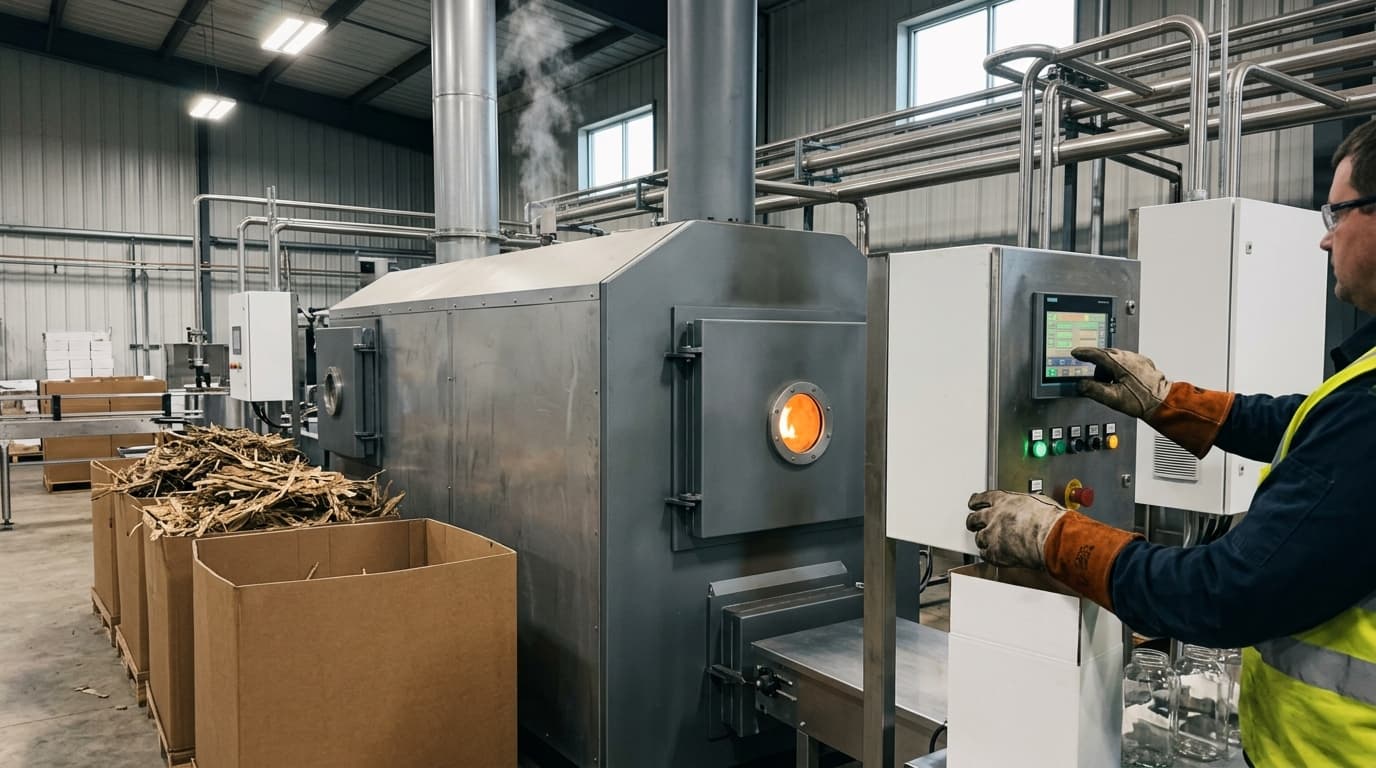
Complete incineration systems for general, agricultural, pharmaceutical, healthcare, and military waste — from under 50kg/h batch to 500kg/h continuous.
Key Components of Long-Term Operational Costs
The operational expenses of animal carcass incinerators are multifaceted, involving several direct and indirect costs that accumulate over the lifetime of the equipment.
Fuel Consumption
Fuel is often the most substantial ongoing expense in animal carcass incineration. The amount of fuel consumed depends on several factors, including the incinerator's efficiency, the type of fuel used (e.g., liquefied petroleum gas (LPG), natural gas, diesel, or even alternative fuels like wood chips/sawdust), local fuel prices, the size of each load, and the required operating temperature. Modern units typically operate between 800–1200°C (1400–2200°F) to ensure complete combustion.
Incinerators require fuel for initial preheating and then intermittently to maintain optimal temperatures during the burn cycle. For instance, a decentralised incineration facility processing animal by-products (ABPs) reported LPG consumption stabilising at approximately 3 kg per tonne of ABP, with higher consumption during shorter incineration cycles. Some manufacturers claim up to 40% greater efficiency in high-quality units with proper refractory lining and dual-chamber technology, leading to substantial fuel savings.
Fuel use should be assessed over complete operating cycles rather than from burner rating alone. Wet loads, cold starts, undersized loads, frequent door opening and incomplete preheating can all increase consumption. Keeping a simple record of carcass weight, fuel used, cycle duration and final ash condition helps operators identify changes in efficiency before they become expensive.
Maintenance and Repairs
Regular maintenance is crucial for ensuring the incinerator functions properly, efficiently, and for an extended lifespan, which can typically range from 5 to 30 years depending on the model and care. These costs include routine check-ups, replacement of parts, and specialised repairs. Key maintenance areas involve:
- Refractory lining: The specialised fire brick and cement walls of the combustion chambers that withstand extreme temperatures. Repair and refurbishment of this lining are vital for heat retention and efficiency.
- Burner maintenance: Ensuring burners operate optimally for complete combustion.
- Door seals: Maintaining integrity to prevent heat loss and emissions.
- Grate replacement: As components wear over time.
Many facilities opt for annual service contracts, which can range from $2,000 to $10,000 for preventive maintenance and technical support, offering cost efficiency over ad-hoc service calls and minimising downtime. Without proper maintenance, an incinerator's lifespan can be significantly shortened.
Advanced Refractory Lining in Animal Incinerators
An advanced refractory lining animal incinerator is designed to retain heat within the primary and secondary chambers while protecting the steel shell from sustained thermal stress. The refractory system is not simply an internal surface: it has a direct effect on fuel demand, burn consistency, maintenance intervals, emissions control and the service life of the incinerator.
In a well-designed unit, dense hot-face refractory is selected for areas exposed to flame, abrasion and high temperatures, while insulating refractory or backing material reduces heat transfer through the chamber wall. Refractory bricks, castable refractory and ceramic-fibre insulation may all be used, depending on the chamber design and duty cycle. The appropriate combination must match the fuel, load type, operating temperatures and expected frequency of use.
For animal carcass incineration, an advanced lining should be evaluated for the following characteristics:
- Temperature resistance: The lining must tolerate normal operating temperatures and repeated high-temperature exposure without softening, cracking or excessive shrinkage.
- Thermal-shock resistance: Repeated heating and cooling cycles can damage unsuitable materials. Resistance to thermal shock is particularly important where the unit operates intermittently.
- Abrasion and chemical resistance: Ash, bone fragments, salts and combustion residues can wear or attack the hot-face lining over time.
- Low heat loss: Effective insulation helps maintain chamber temperature, reducing burner cycling and external shell temperatures.
- Correct expansion provision: Refractory materials expand when heated. Proper joints, anchoring and installation details help prevent spalling and structural cracking.
- Serviceability: Designs that allow targeted repair of high-wear zones can reduce downtime and avoid unnecessary full relines.
Advanced refractory lining can carry a higher initial cost, but it may reduce total operating costs when it maintains combustion temperature with less auxiliary fuel and delays major chamber repair. It should therefore be considered as part of lifecycle cost analysis, alongside burner efficiency, chamber volume, control systems and local fuel prices.
Inspecting and Maintaining Refractory Linings
Refractory inspections should form part of routine preventive maintenance. Operators should look for open joints, cracking, flaking, erosion around burner throats, damaged door jambs, exposed insulation and areas where the lining has separated from the chamber wall. A small surface crack is not always a failure, but progressive cracking, loose material or hot spots on the external casing warrant prompt assessment by a qualified service technician.
Operational practice has a major influence on lining life. Avoiding thermal shock, loading within the manufacturer's stated capacity, maintaining door seals, using correct burner settings and allowing controlled cool-down periods can all reduce stress on the refractory. Repairs should use compatible materials and proper curing procedures; an incorrectly cured patch may fail prematurely when returned to service.
Labor Costs
Operating an animal carcass incinerator requires trained personnel for tasks such as loading carcasses, monitoring the incineration process, managing the control systems, cooling down the unit, and removing ash. Operator time can range from 1–2 hours per cremation cycle, with hourly wages varying by location and staffing structure. Some jurisdictions may also require formal training and certification for crematory operators, adding to staffing budgets. One study reported labour costs for incinerator operation at approximately EUR 10 per hour. For a medium-sized pet cremation operation, labour and maintenance costs together could average around $58 per cremation.
Regulatory Compliance and Permitting
Adherence to environmental regulations and obtaining necessary permits are significant long-term costs. These expenses cover:
- Air Permits: Required by agencies like the Environmental Protection Agency (EPA) to regulate emissions and ensure equipment meets environmental standards. These can cost between $2,000–$5,000 and take months to process, with ongoing expenses for testing and renewals.
- Zoning Approvals: Local permits confirming the business can legally operate in a chosen location, typically ranging from $500–$2,000.
- Compliance Monitoring: Ongoing testing and reporting to ensure emissions remain within legal thresholds for pollutants such as dioxins, furans, NO₂, CO, HCl, and SO₂.
- Certifications: Ensuring equipment is approved by relevant bodies, such as DEFRA (Department for Environment, Food and Rural Affairs) or complies with regulations like EU Animal By-Products Regulation, which are crucial quality markers.
Failing to comply with regulations can result in significant fines and legal liabilities. Requirements vary by jurisdiction, so facilities should confirm applicable rules before purchase and review them whenever operating conditions, fuel type or throughput changes.
Ash Disposal
After incineration, the remaining ash needs to be collected, held, and disposed of properly. The quantity of ash generated typically ranges from 1% to 10% of the initial carcass weight, though some reports indicate higher percentages. While disposal incurs costs, incinerator ash is often alkaline and rich in calcium and phosphorus, offering potential for beneficial reuse, such as neutralising acidic soil or even for fertiliser production, which could offset disposal costs and environmental impact. However, an annual analysis of the ash is required before land application to determine nutrient content. Some facilities have contracts for ash disposal, with costs around €0.42 per kg of ash.
Utilities (Electricity and Water)
Electricity is necessary to power control systems, blowers, fans, and other auxiliary equipment. For facilities requiring carcass storage, refrigeration can significantly increase electricity consumption. A study found electricity use between 15–20 kWh per tonne of incinerated ABP, with higher consumption attributed to refrigeration. Water might be used for cooling systems or cleaning.
Insurance
Operating an industrial incinerator necessitates comprehensive insurance coverage to protect against various risks, including property damage, liability, and environmental pollution. Pollution coverage, also known as environmental insurance, is particularly important for incinerator facilities, as it covers third-party claims for property damage or bodily injury caused by hazardous waste materials, along with legal defence fees and clean-up costs. Specific annual costs for incinerator insurance are less frequently detailed, but it is a recurring long-term expense.
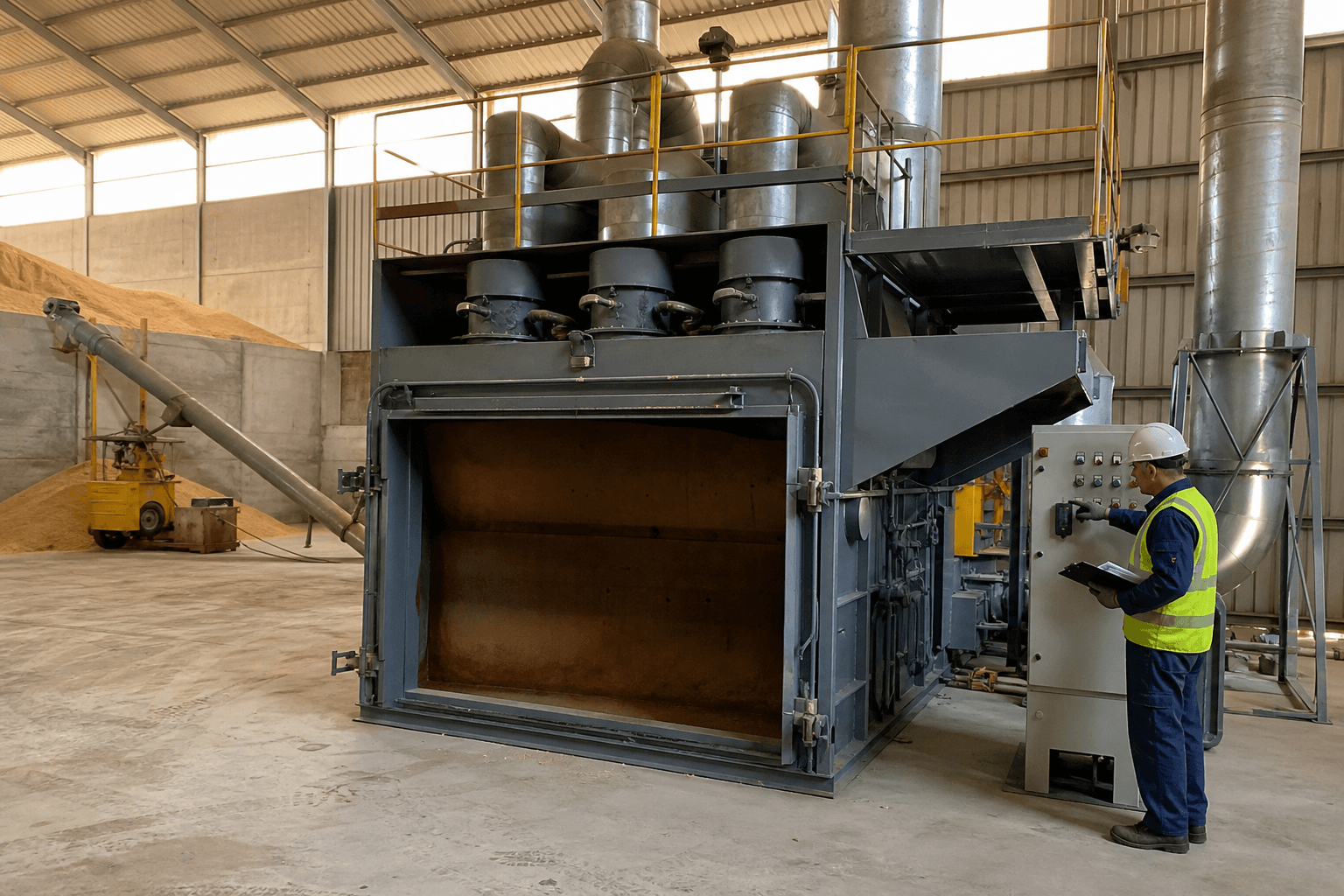
The LitBurn, AgriBurn, AmoBurn, and AniBurn ranges cover every waste disposal need with dual-chamber combustion and scrubbing options.
Factors Influencing Operational Costs
Several variables can significantly influence the overall long-term operational costs of animal carcass incinerators:
- Incinerator Size and Capacity: Larger incinerators, designed to handle higher volumes of animal remains or larger animals, generally have different operational cost structures compared to smaller units used for pet cremation or smaller farm mortalities.
- Type and Volume of Animal By-Products (ABP): The characteristics of the waste stream, such as its calorific value and fat content, can affect the amount of auxiliary fuel required. A higher calorific value in the waste can reduce external fuel consumption.
- Incinerator Technology and Efficiency: Advanced units featuring dual-chamber technology, robust refractory lining, and automated control systems (e.g., PLCs) are designed to optimise fuel use and enhance efficiency, potentially leading to lower long-term fuel and maintenance costs despite higher initial investment.
- Refractory Design and Condition: An advanced refractory lining that is correctly specified and maintained can reduce heat loss and unplanned repairs. Conversely, damaged or poorly installed refractory can increase fuel consumption, extend cycle times and expose the chamber structure to damage.
- Geographic Location: Local fuel prices, labour rates, and specific environmental regulations and permitting fees vary significantly by region, impacting the overall operational budget.
Strategies for Cost Optimisation
To mitigate the long-term operational costs, facilities can consider several strategies:
- Investment in High-Efficiency Units: Choosing incinerators with advanced technology, advanced refractory lining and better insulation can lead to significant savings in fuel consumption and reduce maintenance needs over time.
- Specify Refractory for the Duty Cycle: Assess expected throughput, carcass size, loading frequency, operating temperature and fuel type before selecting the lining. A lining suited to intermittent use may not be suitable for sustained, high-throughput operation.
- Proactive Maintenance: Implementing a rigorous preventive maintenance schedule and considering service contracts can extend the incinerator's lifespan, reduce the likelihood of costly breakdowns, and ensure optimal performance.
- Monitor Chamber Performance: Record fuel consumption, cycle duration, operating temperature and visible lining condition. Rising fuel use or longer cycles can indicate deteriorating seals, burner performance or refractory insulation before a major failure occurs.
- Operational Optimisation: Proper loading techniques and consistent operation within recommended temperature ranges can optimise fuel efficiency and burn rates.
- Resource Recovery: Exploring options for recovering valuable materials like calcium and phosphorus from the ash, or utilising ash for soil amendment, can offset disposal costs and potentially generate revenue.
- Collaborative Disposal: If feasible, facilities could serve as disposal sites for other nearby operations for a fee, increasing waste throughput and sharing operational costs.
In conclusion, while animal carcass incineration is a vital tool for waste management and disease control, understanding and strategically managing its long-term operational costs—including fuel, maintenance, labour, regulatory compliance, ash disposal, utilities and insurance—is paramount for the economic sustainability of these essential thermal processing facilities. Selecting and maintaining an advanced refractory lining animal incinerator is a central part of that approach because reliable heat retention supports efficient combustion, protects capital equipment and helps control lifecycle costs.
