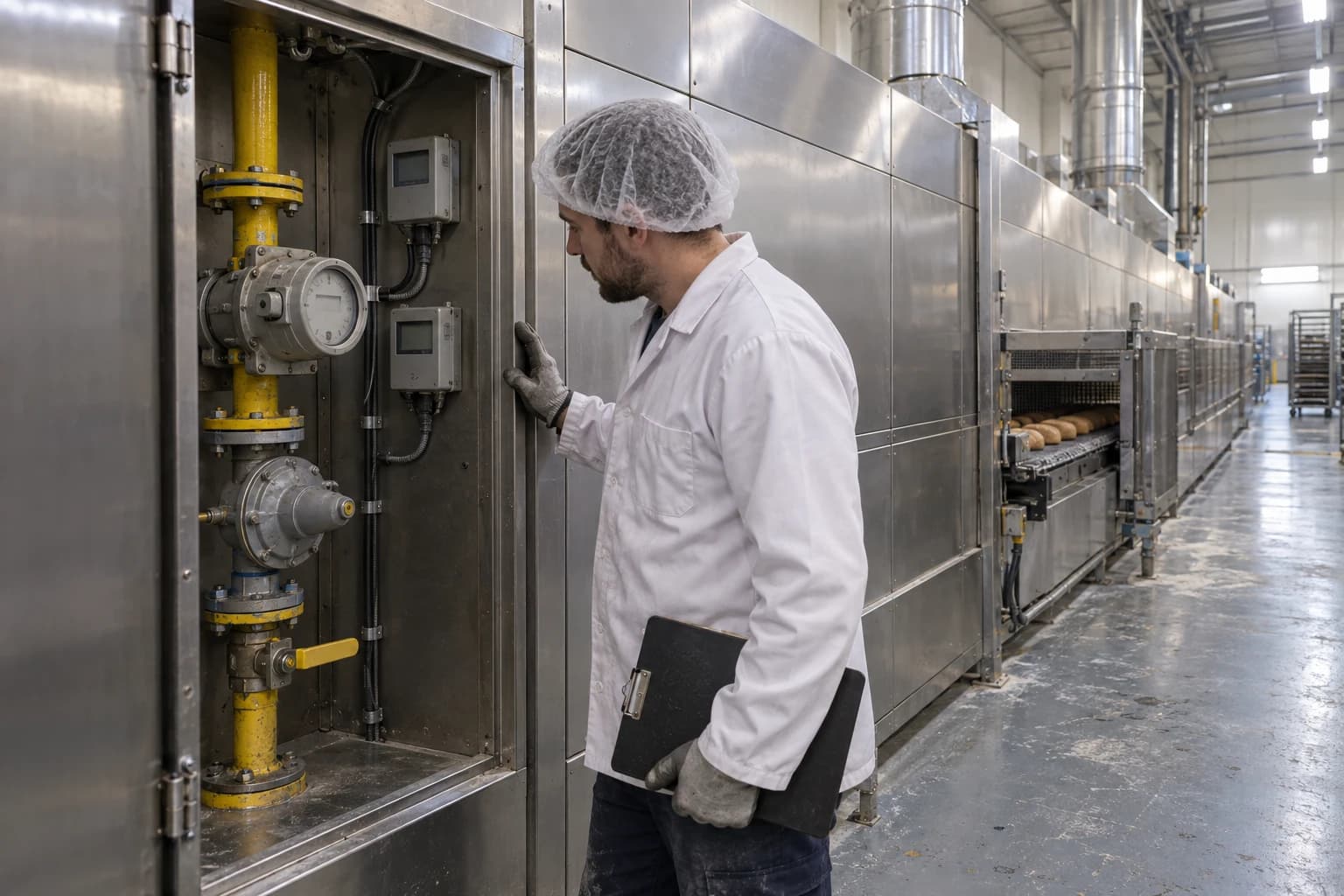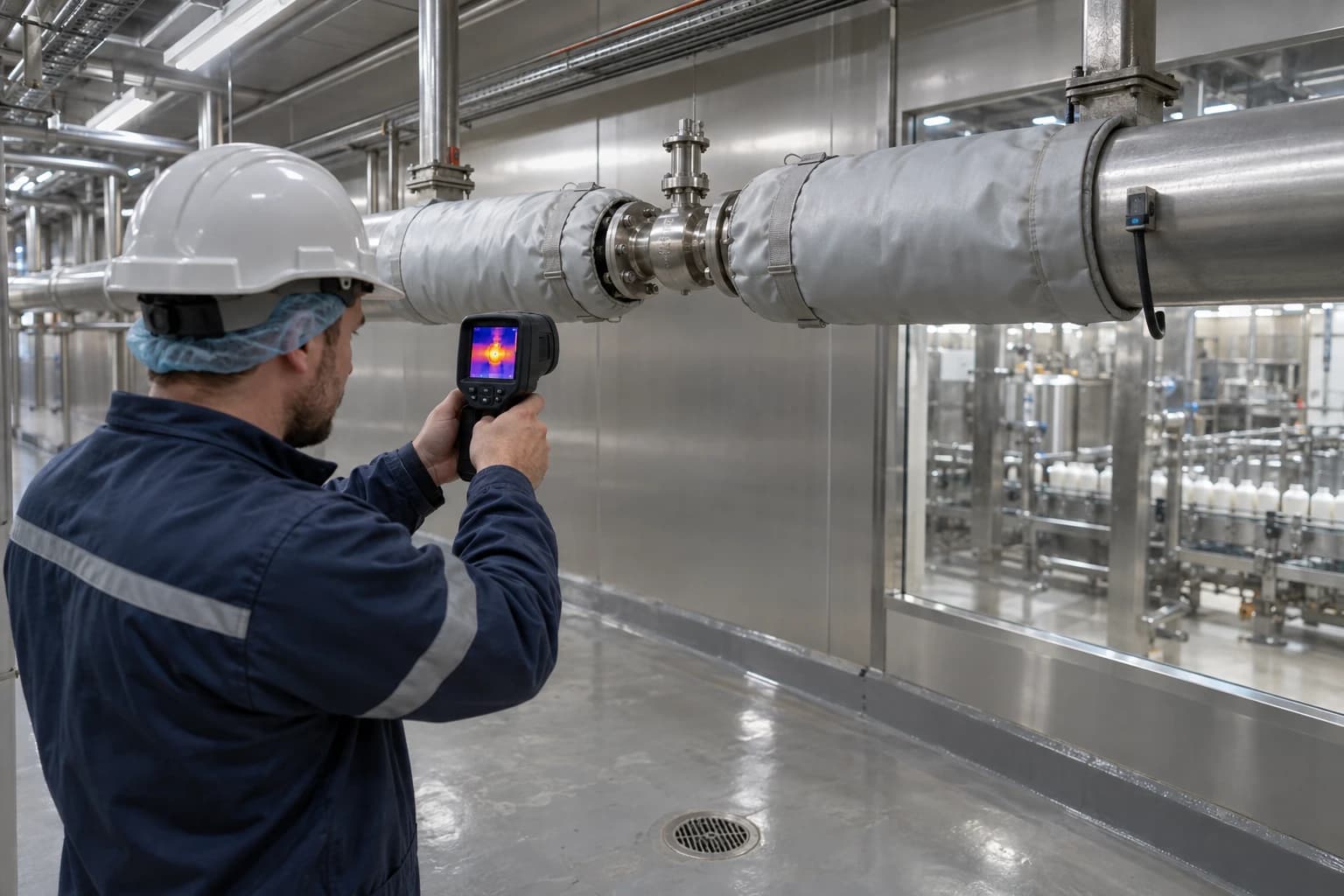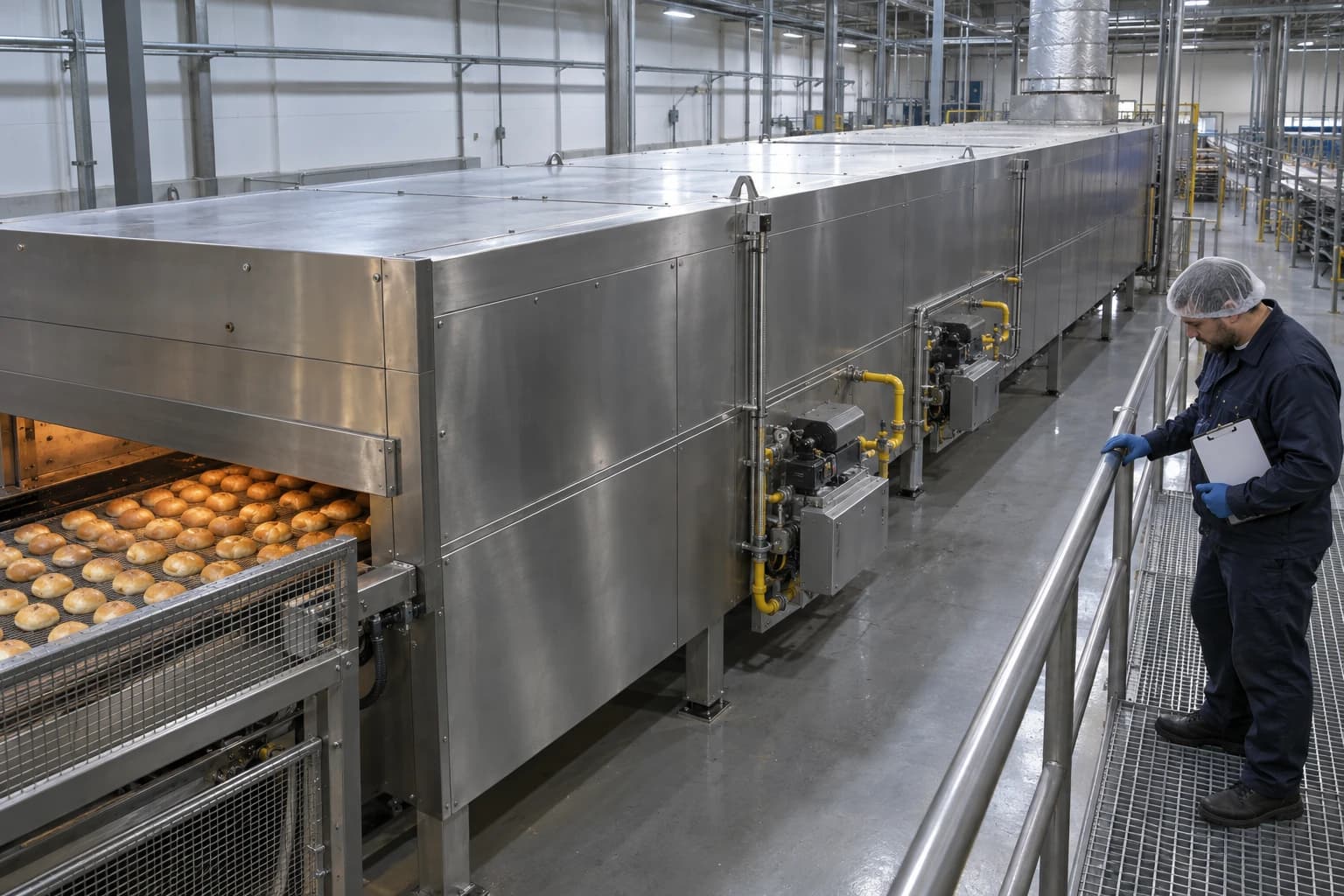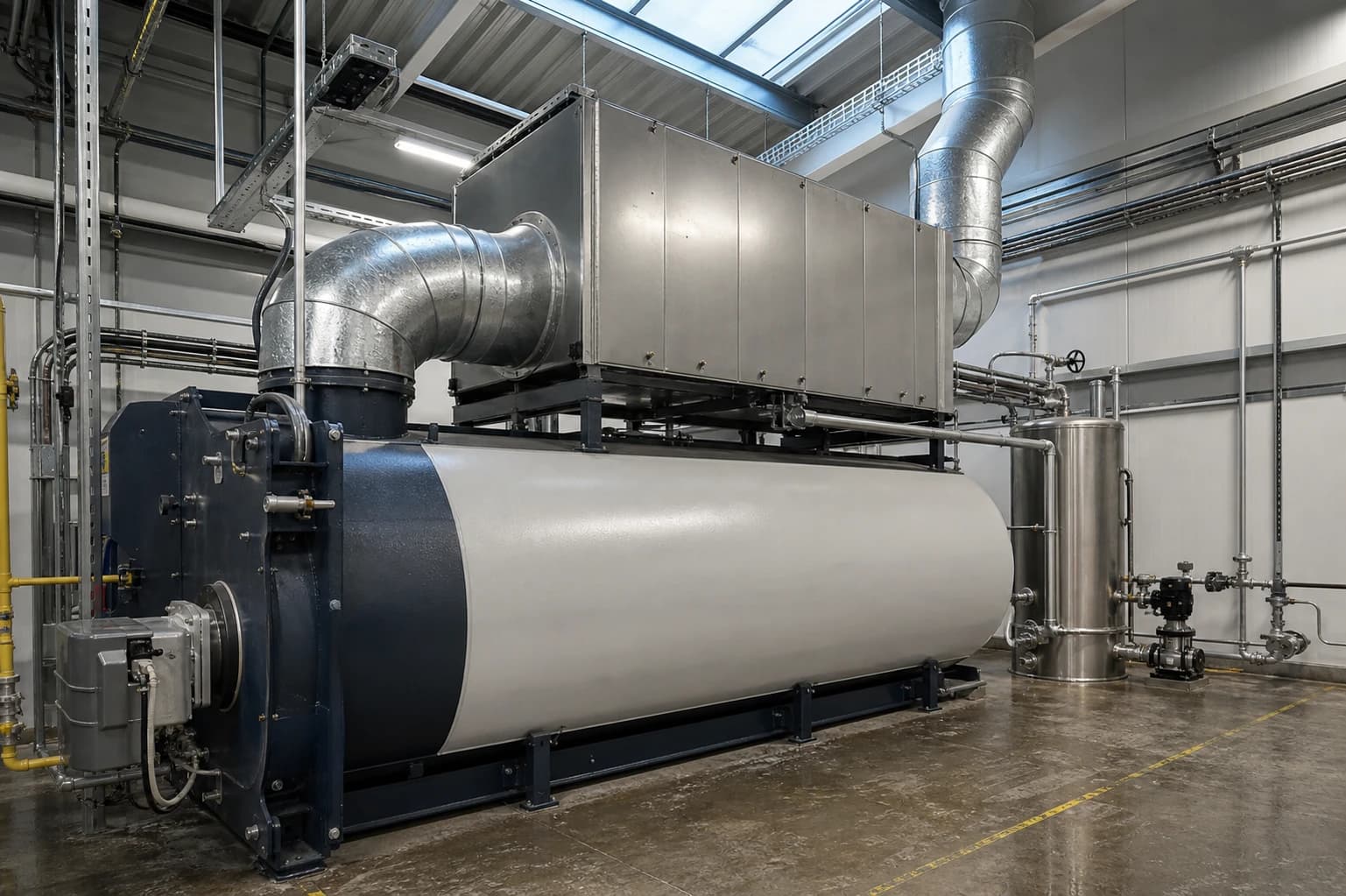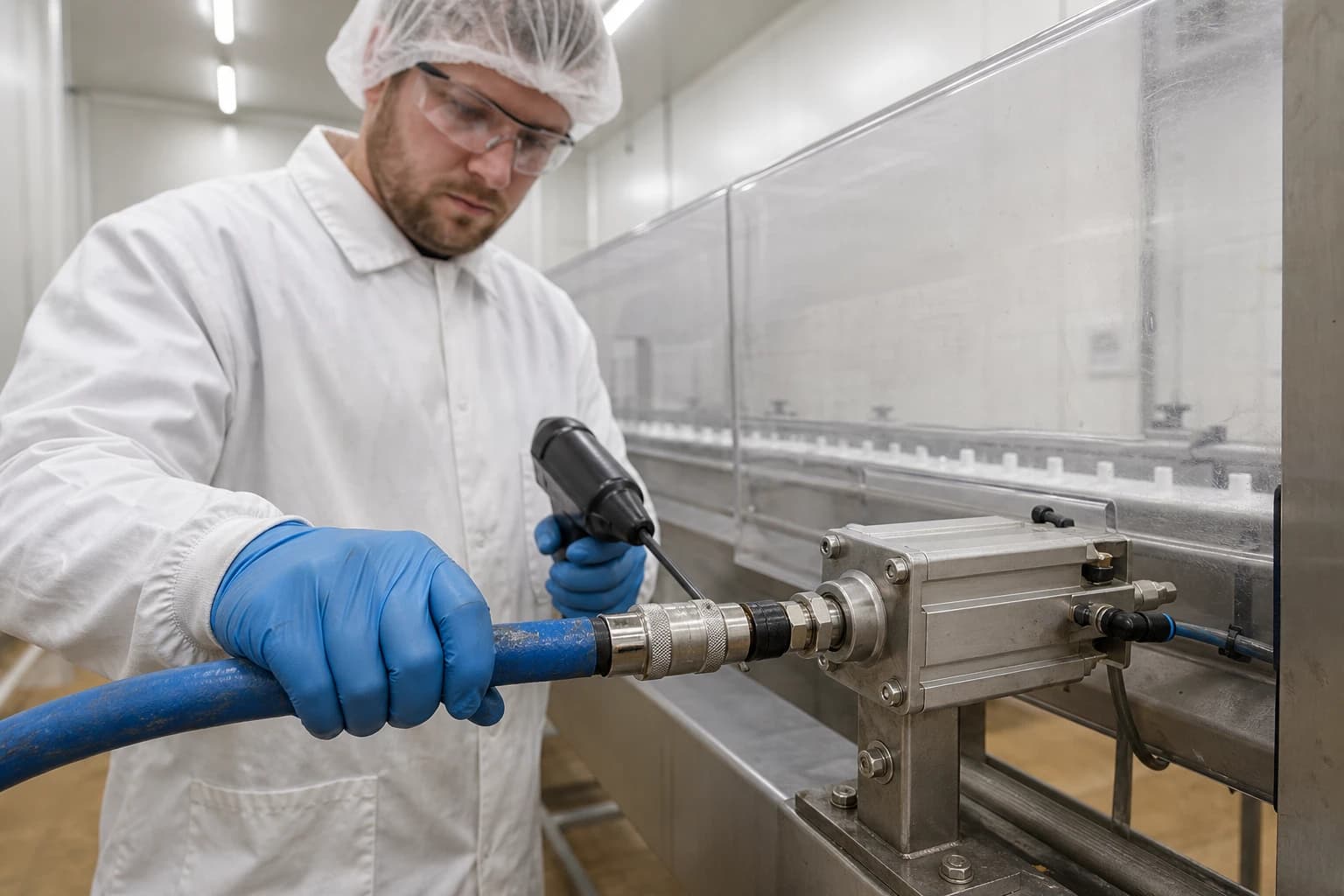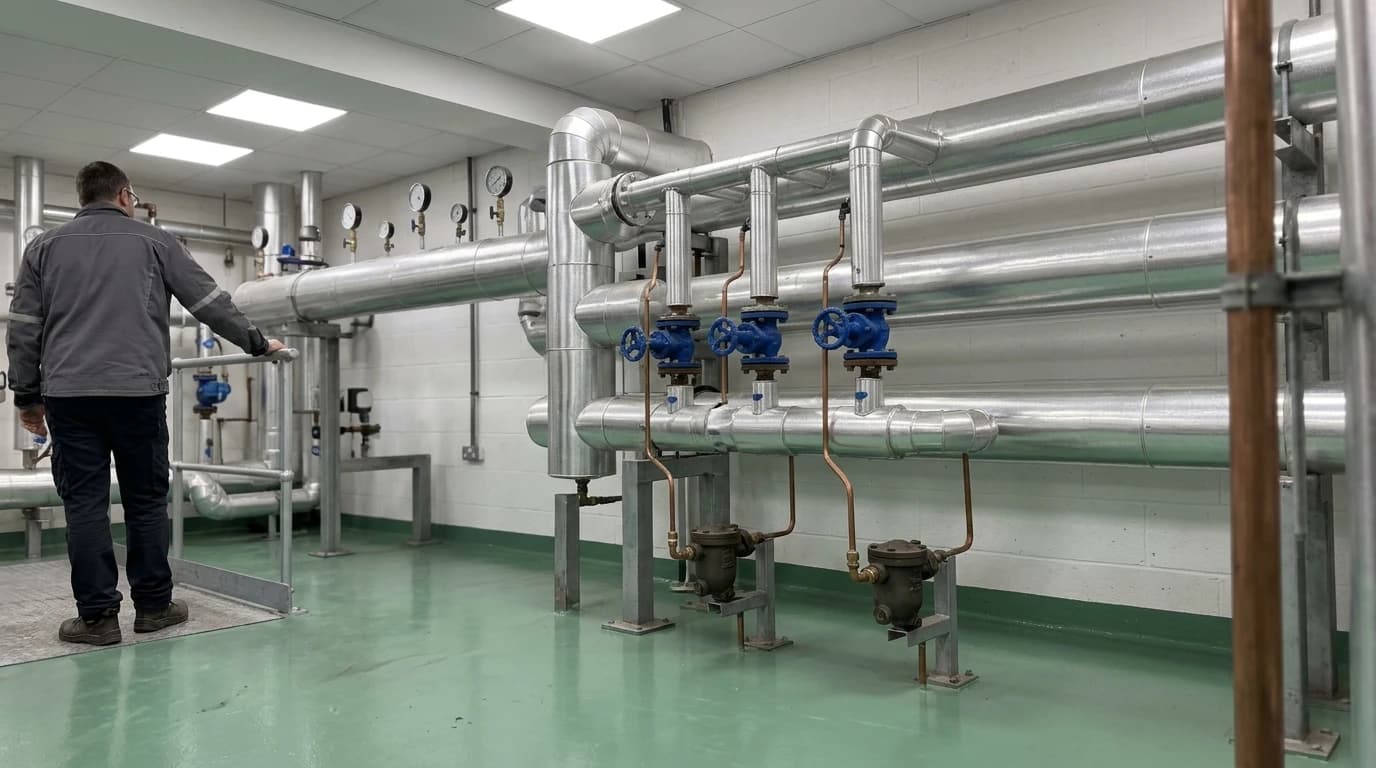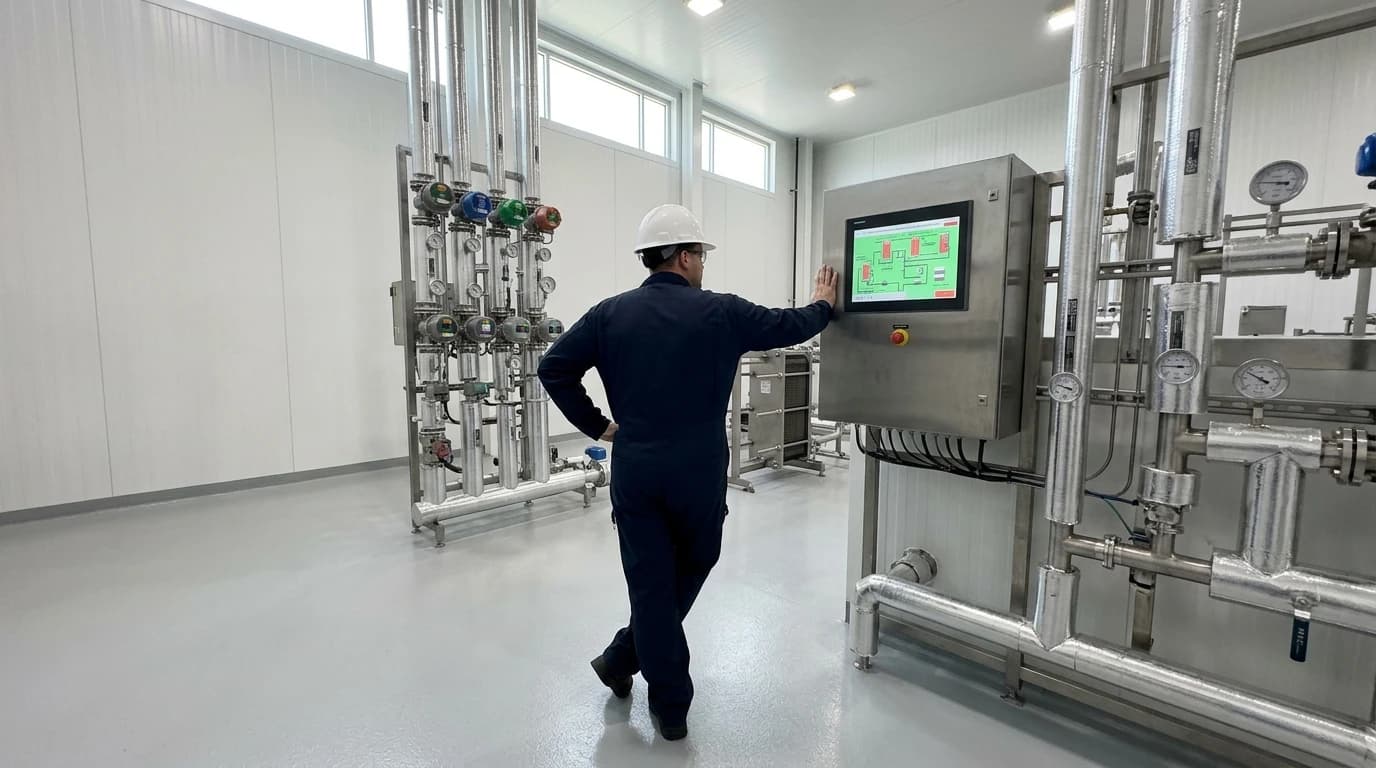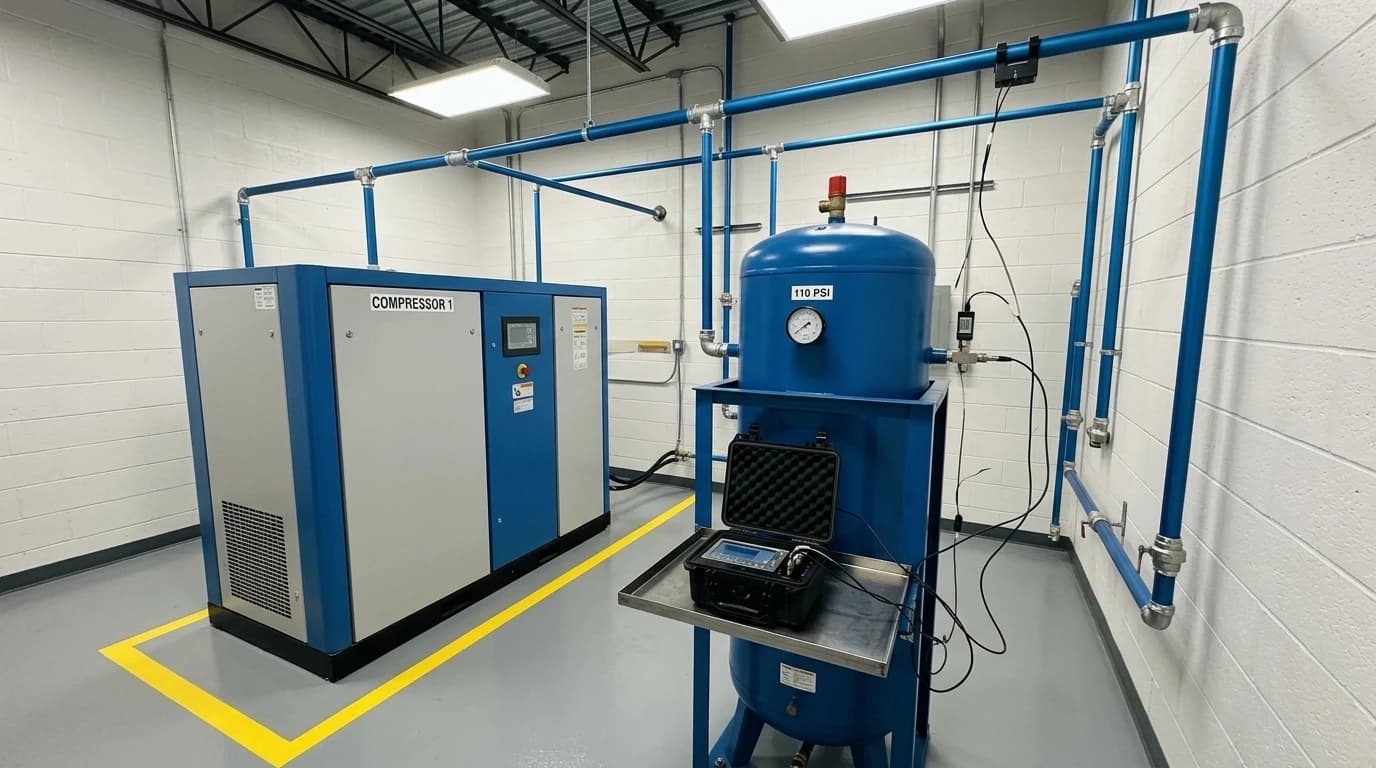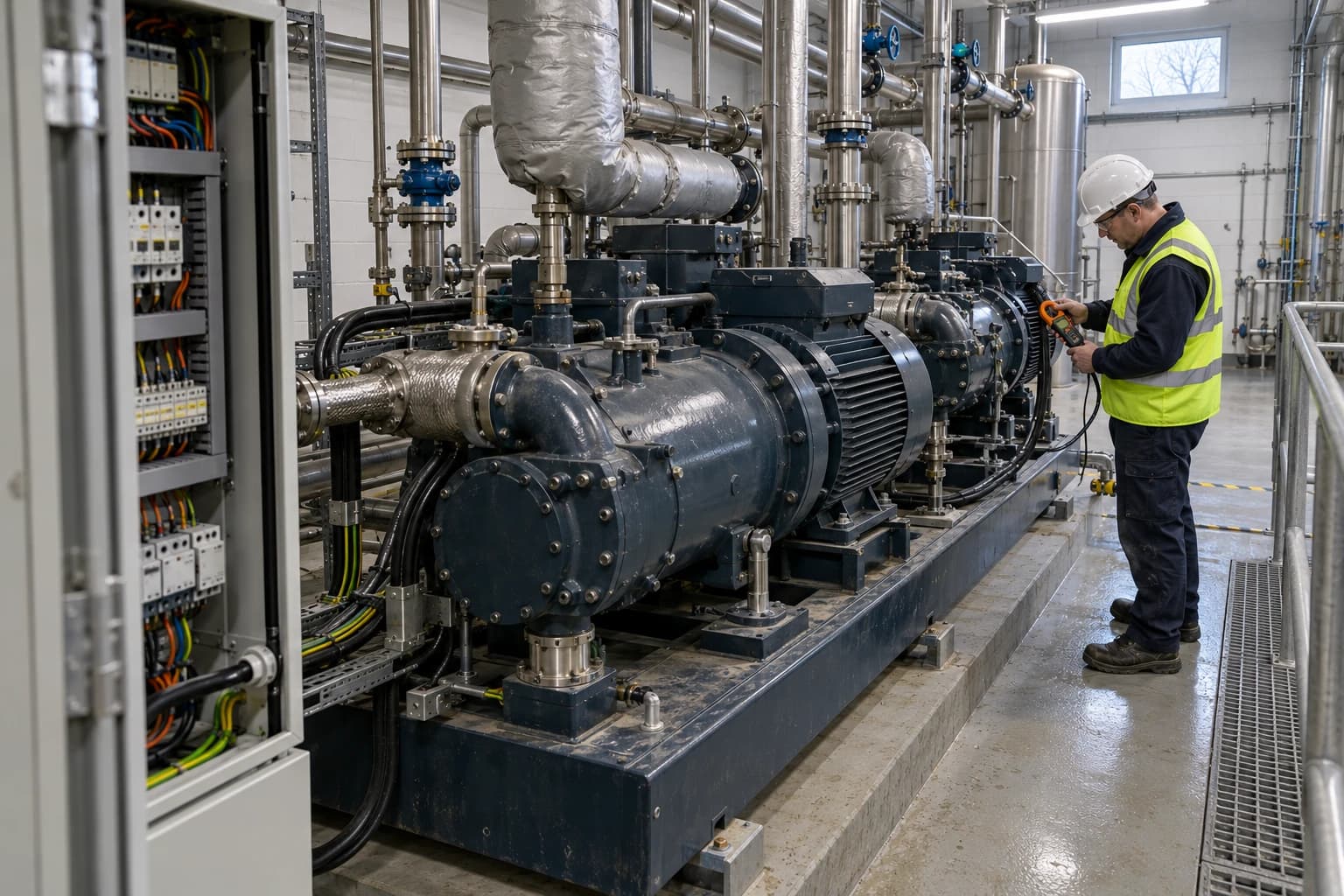
This blog category covers the technical and strategic aspects of energy auditing specifically tailored for the food and beverage manufacturing sector. Content should focus on addressing energy as a primary operating expense through EnerTherm Engineering’s proprietary 7-step audit methodology, which includes initial consultation, on-site assessment using portable instrumentation (power analyzers, ultrasonic leak detectors, thermal imaging), data analysis, opportunity identification, report preparation, implementation support, and ongoing measurement and verification (IPMVP). Articles should explore technical solutions for high-energy processes such as bakery ovens, tunnel dryers, fryers, and steam systems (CIP cleaning, pasteurization, and cooking). Key topics include waste heat recovery, burner tuning, compressed air leak repair, variable-speed drive integration, and boiler efficiency improvements. Content must address the specific operational requirements of the industry, including food safety compliance, hygiene protocols, and the necessity of minimizing production downtime during audits. Furthermore, the category should provide insights into financial modeling for board-ready investment cases (NPV, IRR, payback analysis), carbon reduction roadmaps toward Net Zero, and benchmarking across sectors such as dairies, meat processing, and beverage facilities. The goal is to provide actionable engineering expertise that helps clients achieve the typical 18% energy cost reduction and 850-tonne annual CO2 reduction benchmarks established by EnerTherm’s audit framework.