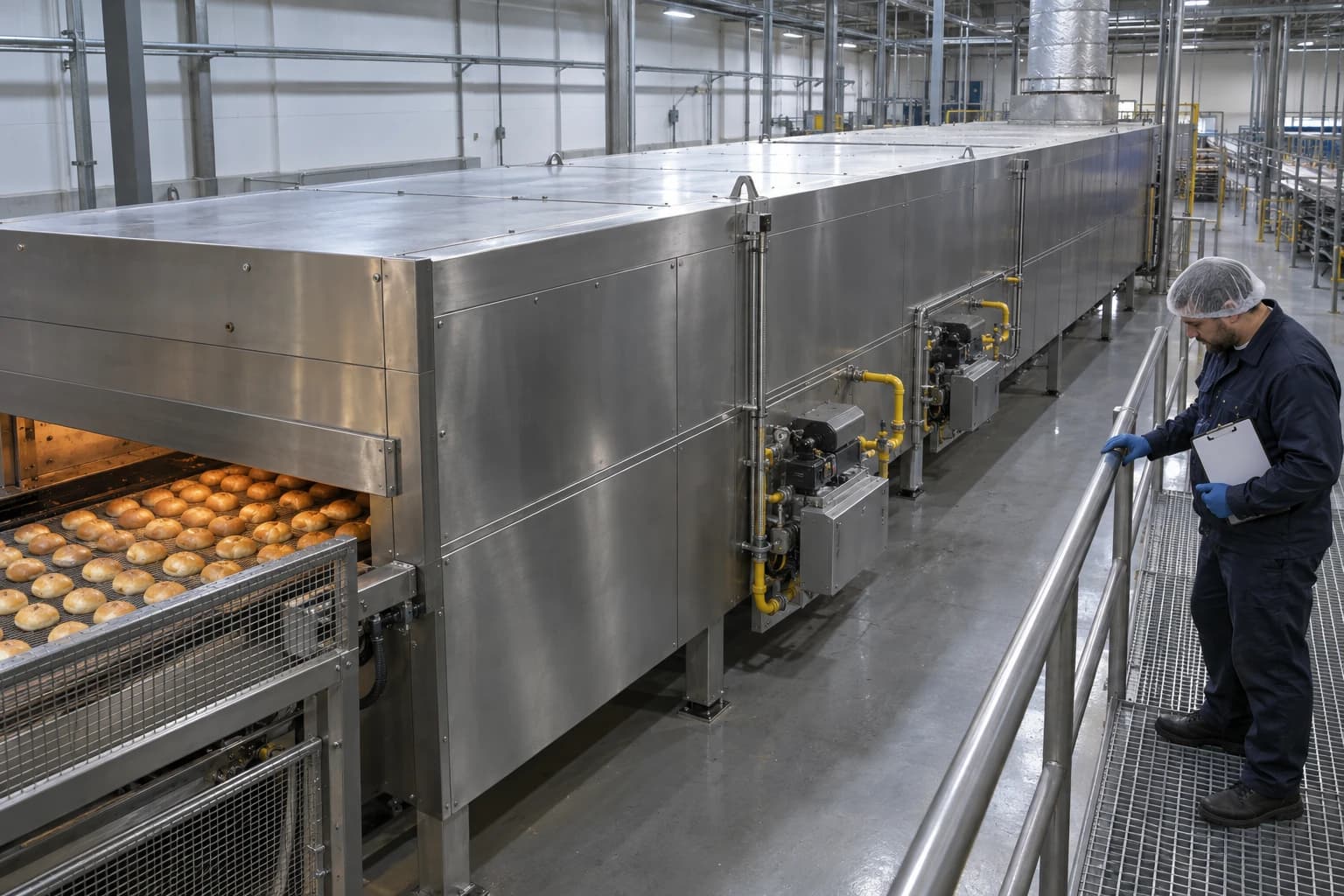
Carbon Reduction Roadmap for Food Manufacturing: Heat First
Roughly two-thirds of UK drink-manufacturing energy demand is thermal heat.
Food and Drink Federation material published in 2025 attributes roughly two-thirds of UK food and drink manufacturing energy demand to thermal processing, with 97% of sector heat demand met by gas. That concentration makes process heat the first investment priority in a carbon reduction roadmap for food manufacturing.
A dairy cannot compromise pasteurisation or cleaning-in-place temperatures. A bakery must protect oven profiles, bake quality and throughput. Meat processors need dependable hot water, steam and refrigeration within strict hygiene controls. These operating conditions shape the investment case.
Electricity purchasing, refrigeration and compressed air remain material Scope 2 issues. Yet a site that begins with office lighting or solar generation while postponing boiler-house, oven and hot-water decisions leaves its largest Scope 1 exposure largely intact. A heat-first roadmap identifies where heat enters the process, reduces avoidable demand, recovers usable energy and then selects low-carbon heat plant against proven temperature and uptime requirements.
Why a carbon reduction roadmap for food manufacturing must start with heat
The Food and Drink Federation’s 2020 report, Decarbonisation of Heat Across the Food and Drink Manufacturing Sector, concluded that a business-as-usual pathway would reduce heat emissions by only 64% by 2050, compared with 2012. The remaining gap shows why incremental utility projects alone will not deliver a credible net-zero manufacturing plan.
The earlier government-backed Industrial Decarbonisation and Energy Efficiency Roadmaps to 2050: Food and Drink reached a similar conclusion. In one 2050 pathway, steam production, distribution and end-use measures represented 15.1% of emissions reductions from deployed options. Electrification of heat represented a further 14.1%.
Those figures are pathway outputs, not a savings promise for an individual factory. They establish the order of work: improve the steam and heat system, then prepare viable loads for electrification.
Heat demand differs by process and product
Annual gas consumption is an important starting point, but it is not a technology specification. A food manufacturer needs to establish the temperature, pressure, cleanliness requirement, duty cycle and production dependency of each heat user.
A practical heat map should identify:
- Direct-fired ovens, fryers and dryers
- Steam users, including cooking, retorts, humidification, pasteurisation and CIP
- Hot-water demand for washing, sanitation and pre-heating
- Thermal-fluid systems
- Evaporation and drying duties
- Condensate, flue-gas and warm-effluent losses
- Refrigeration heat rejection that could become a heat source
This separates an oven’s high-temperature combustion duty from a hot-water pre-heating opportunity. It also prevents a boiler-replacement decision based on a single annual gas figure that conceals large differences between end uses.
Put the boiler house in its process context
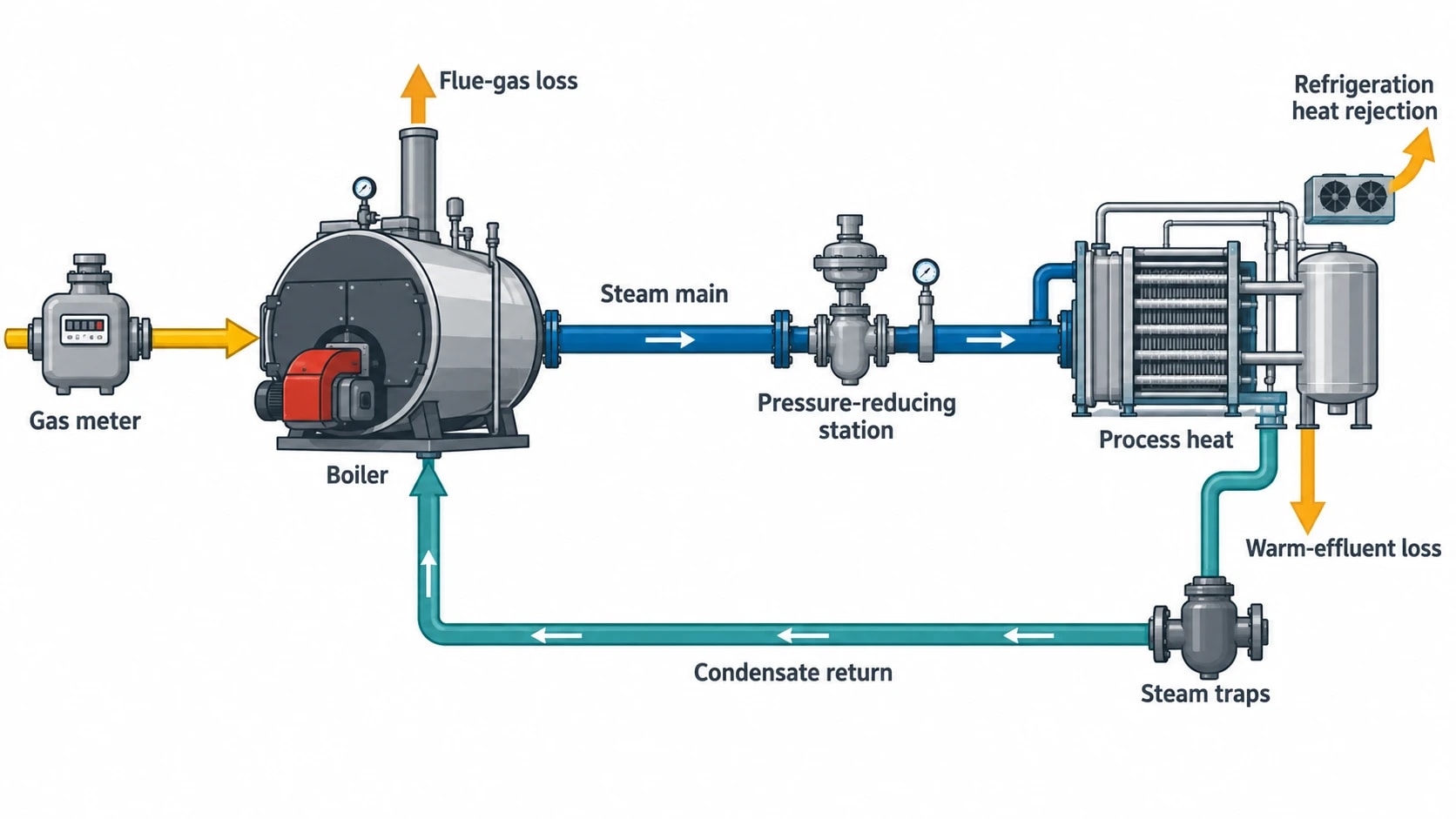
A boiler house may account for much of a site’s gas use, but its performance depends on the distribution network and the heat users it supplies. Steam traps, pressure-reducing stations, insulation, condensate return and end-use controls can determine whether boiler output reaches a useful process duty.
The roadmap should trace energy between the gas meter and final heat use. It should show where steam is generated, where pressure falls, where heat transfers, where condensate returns and where energy leaves the site.
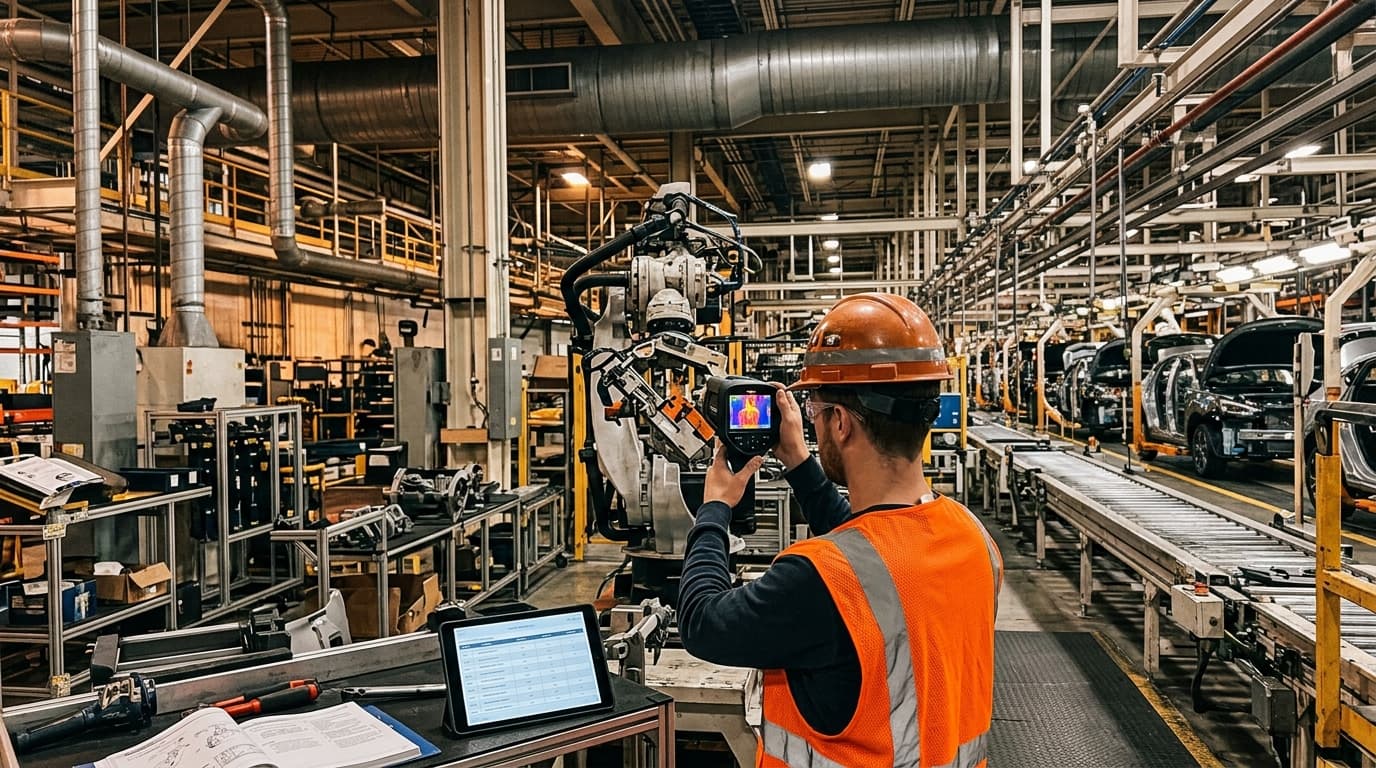
Identify where your plant is losing energy and quantify the savings potential — our audits map every heat source, sink, and waste stream in your facility.
Build an audit-ready Scope 1 and 2 baseline
A board-approved roadmap needs one agreed baseline for finance, engineering, operations and sustainability teams. Utility invoices alone cannot explain whether a change in energy use came from engineering work, production volume, weather, recipe changes or a different cleaning schedule.
The baseline should reconcile fuel purchases, half-hourly electricity data, sub-meter readings, maintenance records and production information. It should retain the activity data used for emissions reporting alongside the applicable conversion factors.
For reporting in 2026, the Department for Energy Security and Net Zero has published UK greenhouse-gas conversion factors for Scope 1, 2 and 3 activity data. Use the factor set appropriate to the reporting year and retain the version in the audit file.
Choose energy and carbon intensity metrics that reflect output
Tonnes of CO₂e per tonne of saleable product can be useful, but mixed food sites often require more than one metric. A dairy may track kWh per litre processed alongside tCO₂e per tonne of finished product. A bakery can track oven gas per tonne baked and electricity per tonne packed. Beverage plants may use kWh per hectolitre, adjusted for pack format and product mix.
| Area | Minimum evidence | Useful indicator |
|---|---|---|
| Gas and steam | Gas meter data, boiler run hours, steam pressure, blowdown and condensate records | kWh gas per tonne of product |
| Ovens and fryers | Fuel data, throughput, exhaust temperature and operating profile | kWh per tonne baked or fried |
| Pasteurisation and CIP | Steam or hot-water consumption, temperatures and batch records | kWh per m³ processed or per CIP cycle |
| Refrigeration | Electrical sub-metering, suction and condensing temperatures | kWh per tonne chilled or frozen |
| Compressed air | Compressor power, pressure, flow and leak-survey records | kWh per m³ compressed air |
| Whole site | Electricity, gas and saleable-output data | tCO₂e per tonne saleable output |
Record the variables that alter energy use
A fair before-and-after assessment records material operational drivers. For a bakery, these may include oven run time, line utilisation and product mix. For a dairy, they may include litres processed, CIP cycles, target temperatures and seasonal production shifts. Cold-store occupancy can matter at chilled and frozen sites.
The resulting baseline allows a project team to compare fuel and electricity use against the output and operating conditions that produced it. Finance teams can then distinguish a measurable energy improvement from a fall in production.
Align the baseline with SECR
Streamlined Energy and Carbon Reporting applies to quoted companies and to large unquoted companies and LLPs that meet at least two of these thresholds: more than 250 employees, more than £36 million turnover, or more than £18 million balance-sheet total. Relevant organisations report energy use, associated greenhouse-gas emissions, an intensity ratio and energy-efficiency action.
A food manufacturer should use the same metering hierarchy and production metrics in its internal roadmap and SECR data collection. This reduces duplicated work and gives directors a consistent account of capital projects and annual emissions performance.
Reduce heat demand before selecting low-carbon plant
Demand reduction is the first investment wave because it lowers gas cost and Scope 1 emissions now while reducing the capacity, connection requirement and capital cost of later electrification.
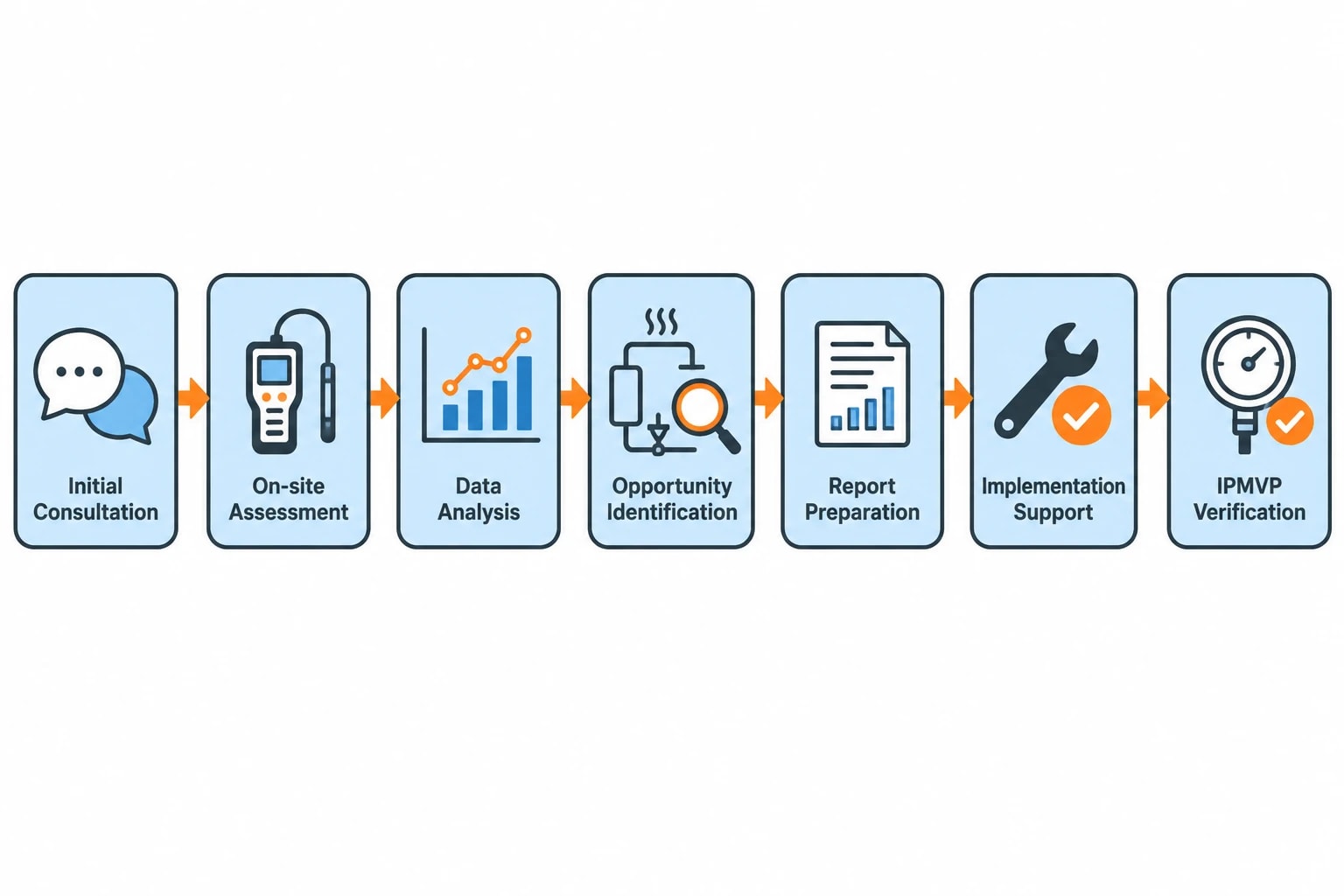
EnerTherm Engineering’s seven-step audit methodology covers initial consultation, on-site assessment using portable instrumentation, data analysis, opportunity identification, report preparation, implementation support, and ongoing measurement and verification through IPMVP. In a food factory, this sequence allows evidence collection around production and hygiene controls rather than relying on a desktop estimate.
Improve steam generation and distribution
Boiler efficiency depends on operating conditions, not its nameplate rating. Firing rate, excess air, stack temperature, blowdown, feedwater temperature, water treatment and load cycling all affect performance.
An audit should inspect combustion settings at representative loads, boiler sequencing, steam pressure, pipe insulation, trap condition, condensate return and flash-steam opportunities. Priority measures often include:
- Burner tuning supported by combustion analysis
- Repairing failed steam traps
- Restoring insulation on valves, flanges and pipework
- Improving condensate return
- Applying boiler blowdown control and heat recovery
- Sequencing boilers to reduce inefficient low-load running
- Reviewing steam pressure against validated end-use requirements
Lower steam pressure can reduce distribution losses and improve control. The process owner must first confirm that each heat user still meets its temperature, sterilisation and throughput requirements.
Measure ovens, fryers and dryers during real production
Direct-fired bakery ovens can represent a large share of site gas demand. Furnace pressure, oxygen level, flue-gas temperature, burner firing pattern, door and seal condition, refractory state, conveyor speed and idle time provide evidence for decisions on tuning, repair, controls or replacement.
Fryers and dryers require the same discipline. Heat recovery can pre-heat combustion air, water or another compatible process stream, subject to hygienic heat-transfer design. Product-contact risk, cleaning access and air-stream segregation require early review by engineering and technical teams.
A planned inspection shutdown should establish the condition of seals and refractory, confirm burner performance and record actual exhaust temperatures. These inputs allow project teams to calculate available recoverable heat, expected fuel reduction and production constraints before committing capital.
Keep compressed air and refrigeration within the plan
Refrigeration is often a dominant electrical load at chilled and frozen facilities. Its rejected heat may suit low-temperature hot-water pre-heating or provide a heat-pump source, provided source and demand occur at the same time and heat transfer meets hygiene requirements.
Compressed air needs similar attention. Leaks, excessive pressure and inappropriate end uses increase electricity consumption throughout operating hours. Ultrasonic leak detection can locate leaks during normal production, allowing repairs to be planned within maintenance windows.
Recover waste heat where there is a usable sink
Waste heat has value only where a site can use it at the required temperature and time. The roadmap should match sources and sinks before proposing heat-recovery equipment.
Test source, sink and timing
Common food-manufacturing sources include boiler flue gas, hot condensate, oven exhaust, refrigeration heat rejection, process cooling and warm effluent. Potential sinks include boiler feedwater, make-up water, wash water, CIP pre-heating and space heating.
Each opportunity needs four tests:
- The source temperature and available heat rate.
- The sink temperature and profile.
- The hours when source and sink coincide.
- Fouling, cleaning, food-safety and maintenance requirements.
A refrigeration heat-recovery project may have a strong technical case where there is steady hot-water demand. Its value falls if the site needs water mainly when refrigeration plant is lightly loaded. The audit should quantify those coincident hours from logged data.
Prevent one project invalidating another
Projects interact. Heat recovery may reduce boiler fuel use. A refrigeration upgrade may reduce the rejected heat available to a later heat pump. A steam-pressure reduction can alter condensate and flash-steam opportunities.
The financial model should calculate savings from the remaining load after earlier approved measures. This prevents double-counting and produces a capital programme that reflects how the site will operate after each project stage.

Identify where your plant is losing energy and quantify the savings potential — our audits map every heat source, sink, and waste stream in your facility.
Select low-carbon heat by temperature, duty and resilience
Fuel switching should follow demand reduction and feasible heat recovery. Low-carbon plant must meet the process duty, hygiene requirements and production availability delivered by the existing plant.
High-temperature heat pumps
High-temperature heat pumps can upgrade waste heat or ambient energy for hot water, lower-temperature process heat and pre-heating duties. Their performance depends on the temperature lift between source and delivery point, heat-source stability and operating hours.
A food-site assessment should establish source availability from refrigeration, condensate, effluent or process cooling; required delivery temperatures; heat-exchanger fouling risk; electrical capacity; and performance through CIP, shutdown and seasonal conditions.
The project case should include separate electricity metering and thermal-output measurement. This provides a direct record of operating cost, carbon outcome and delivered heat.
Electric steam and direct electric process heat
Electric boilers and electrode boilers can supply steam or hot water where a site has adequate electrical capacity and a suitable tariff arrangement. They may suit constrained boiler-renewal programmes or sites with a clear low-carbon steam requirement. The investment case must include connection capacity, transformer requirements, tariff periods and peak demand.
Direct electric heating may suit specific applications where process trials confirm product quality, throughput and control response. For ovens and fryers, trials should assess bake or fry consistency, ventilation implications, maintenance access and peak electrical demand before final equipment selection.
Retain decision gates for difficult high-temperature duties
Biomethane and hydrogen feature in many heat-decarbonisation discussions. Their future availability, contract structure, infrastructure compatibility and cost require site-specific assessment. A roadmap should retain decision gates for high-temperature gas duties rather than assuming a future fuel supply resolves a present efficiency issue.
Make the financial case board-ready
Boards need a ranked capital programme, not a list of technical ideas. Every project should present its capital cost, annual energy impact, carbon effect, production dependency, implementation window and expected life.
Assess cost, carbon and operational risk together
A consistent project model should include:
- Capital expenditure, design, installation and commissioning
- Planned downtime and potential production loss
- Energy savings by fuel and tariff period
- Electrical infrastructure and capacity costs
- Maintenance, consumables and expected asset life
- Carbon reduction using the current reporting factors
- Residual emissions and fuel-price exposure
- Dependencies on other roadmap projects
Payback shows the time required to recover capital. Net present value evaluates a project’s financial contribution across the chosen appraisal period. Internal rate of return gives finance teams a return metric for comparison with internal investment thresholds.
The board paper should state the sensitivity of each result to gas price, electricity price, production volume and operating hours. It should also state who owns process acceptance, installation planning and post-project verification.
Phase the programme around assets and production windows
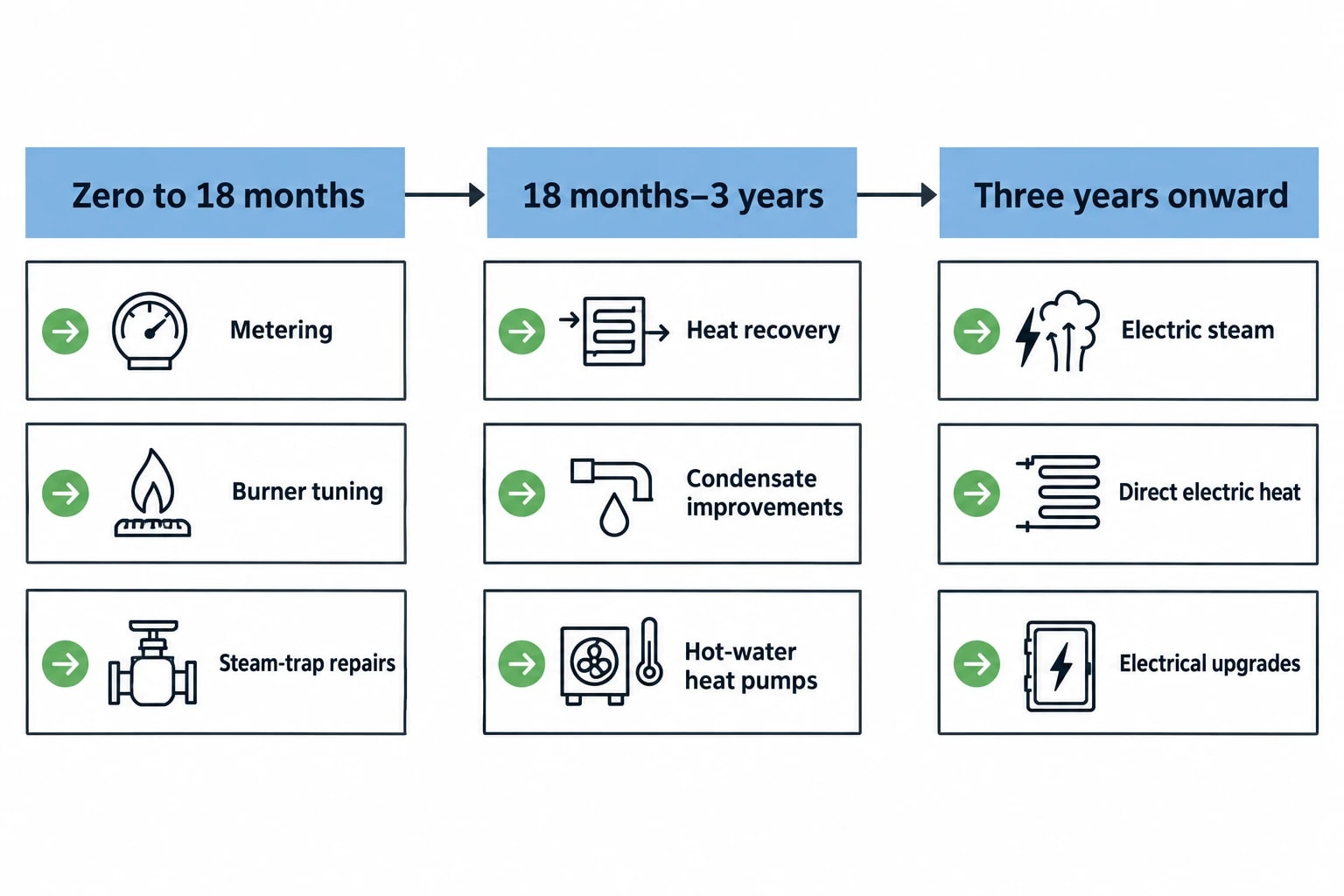
A practical carbon reduction roadmap for food manufacturing often follows three horizons:
-
Zero to 18 months: Metering, burner tuning, insulation, steam-trap repairs, boiler sequencing, compressed-air leak repair, refrigeration controls and operating standards.
-
18 months to three years: Heat recovery, condensate improvements, variable-speed drives, refrigeration upgrades, hot-water heat pumps and targeted process modifications.
-
Three years and beyond: Electric steam, direct electric process heat, major oven or fryer replacement, and electrical infrastructure upgrades.
The timing should follow asset condition, planned shutdowns, product trials and network capacity. A boiler approaching end of life gives the site a defined decision point. Data collection and technology assessment should begin well before that date.
Use ESOS Phase 4 to keep the roadmap active
ESOS can provide formal governance for energy and decarbonisation work. Organisations that qualified in ESOS Phase 3 must submit their second action-plan progress update by 5 December 2026. The update should record progress against commitments, including the evidence behind reported savings.
For ESOS Phase 4, the qualification date is 31 December 2026 and the notification-of-compliance deadline is 5 December 2027. Phase 4 assessments must include progress against action-plan commitments and explain commitments that have not been met.
PAS 51215-1:2025 provides a voluntary process specification for energy and decarbonisation assessments. Its assessment boundary and implementation focus suit a heat-first programme that joins energy data, Scope 1 and 2 emissions, opportunity costs and a delivery plan.
This article reflects the independent analysis and editorial opinion of EnerTherm Engineering. Product names, trademarks, and brands mentioned belong to their respective owners. EnerTherm Engineering is not affiliated with, endorsed by, or a licensee of any third-party software or product mentioned unless explicitly stated.

Managing Director — EnerTherm Engineering
Dr. François Pierrel is Managing Director of EnerTherm Engineering with over two decades of expertise in thermal design, heat transfer, and industrial energy optimisation. He holds a PhD in Heat Transfer from Cranfield University and a Post-Doctorate from Heriot-Watt University.
