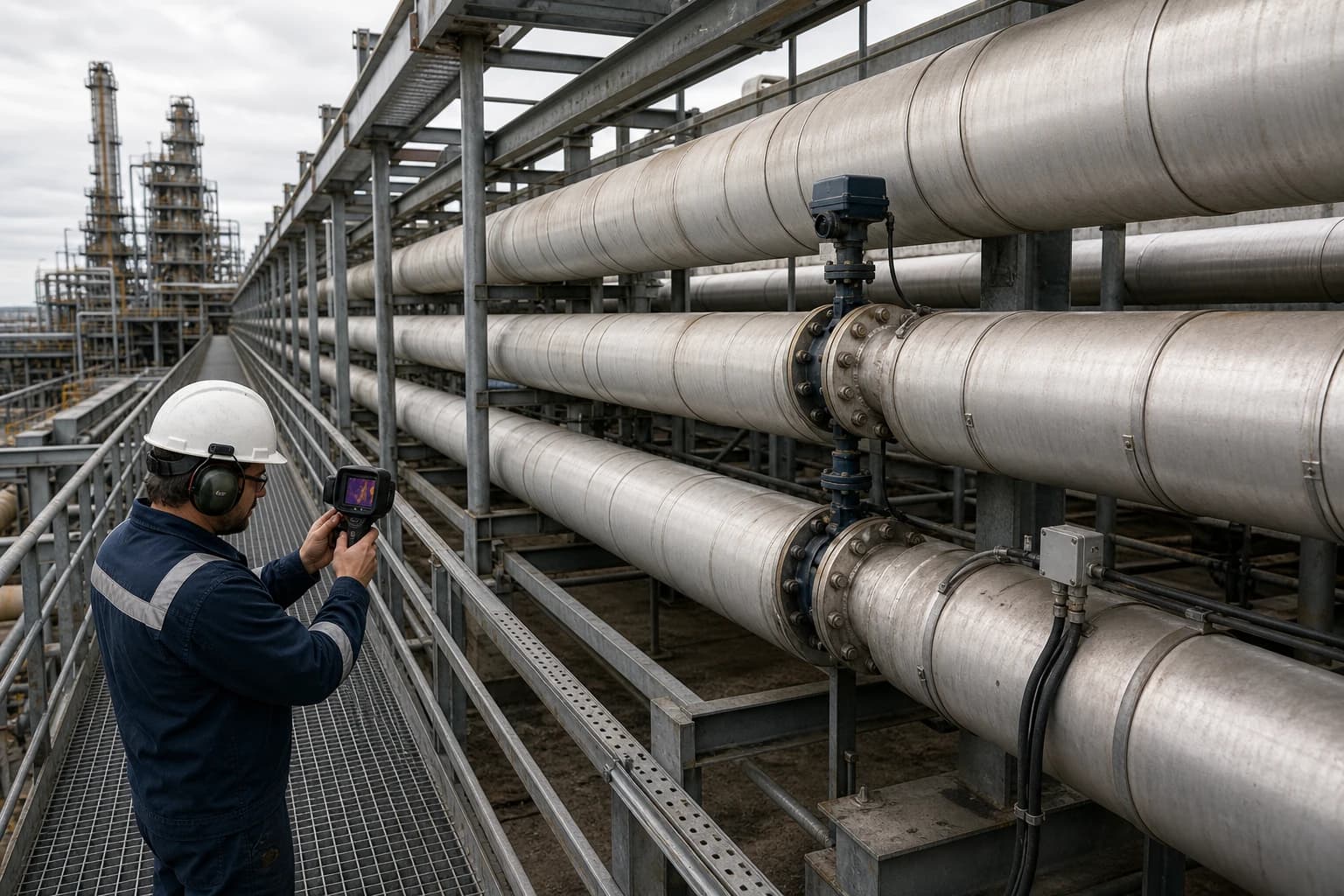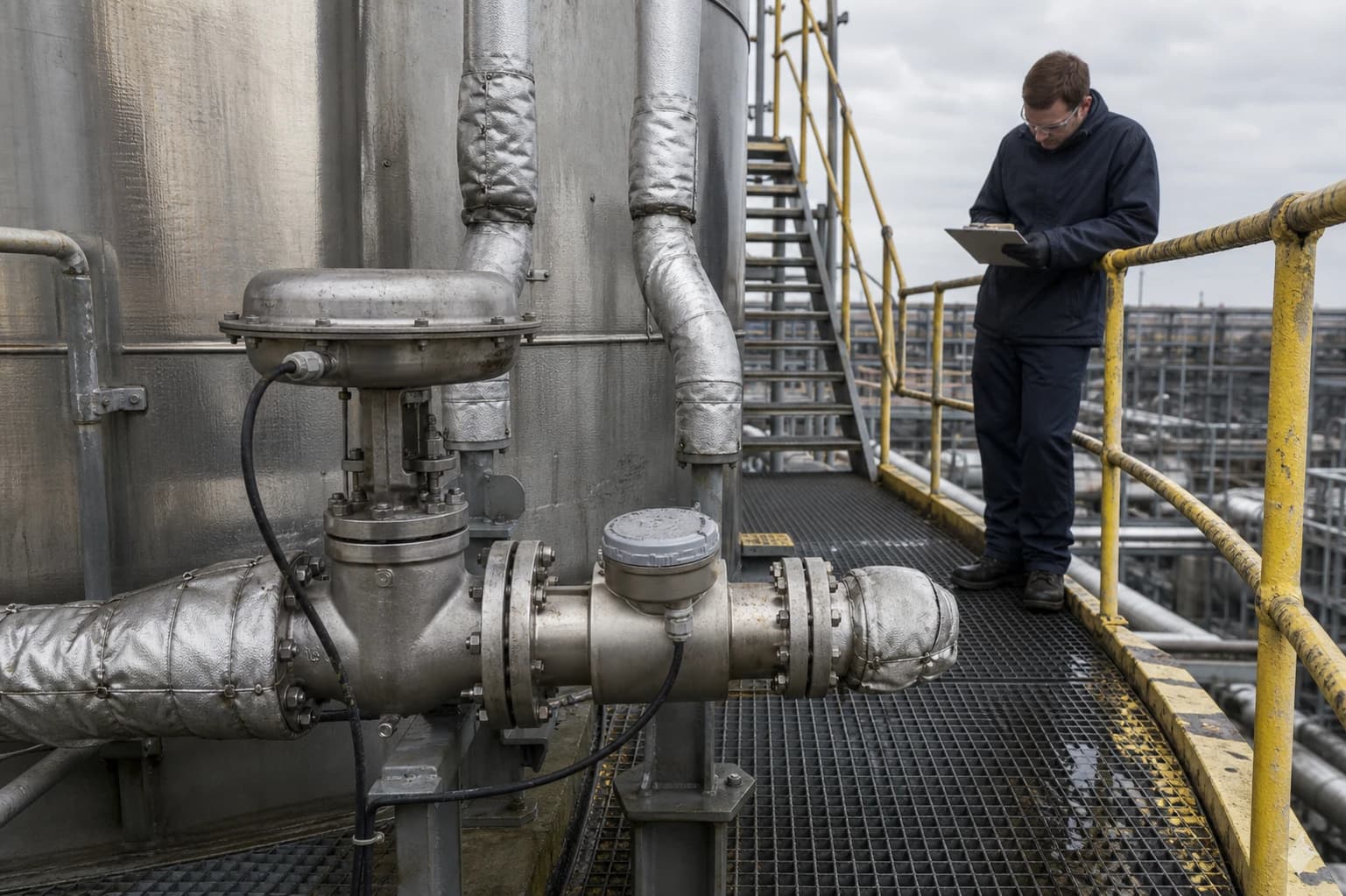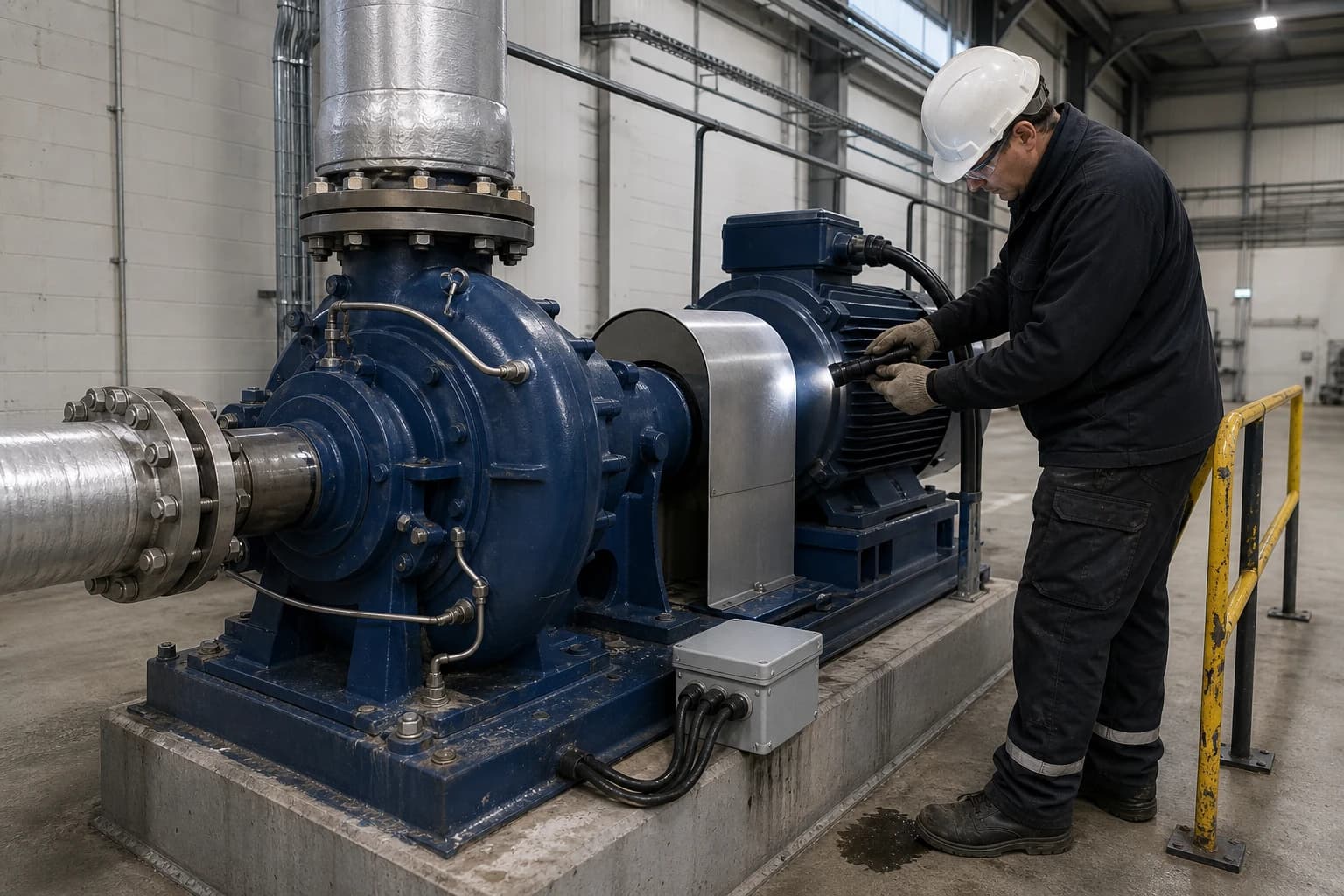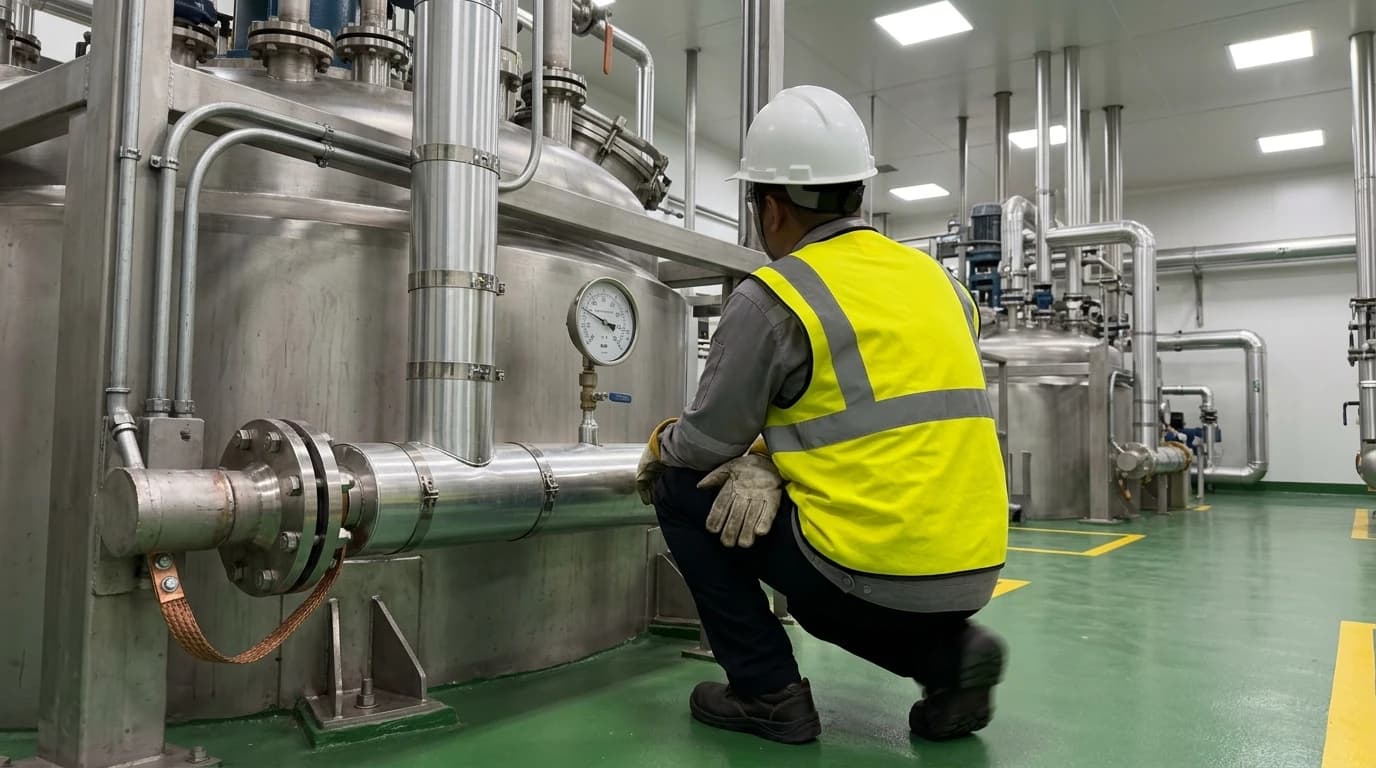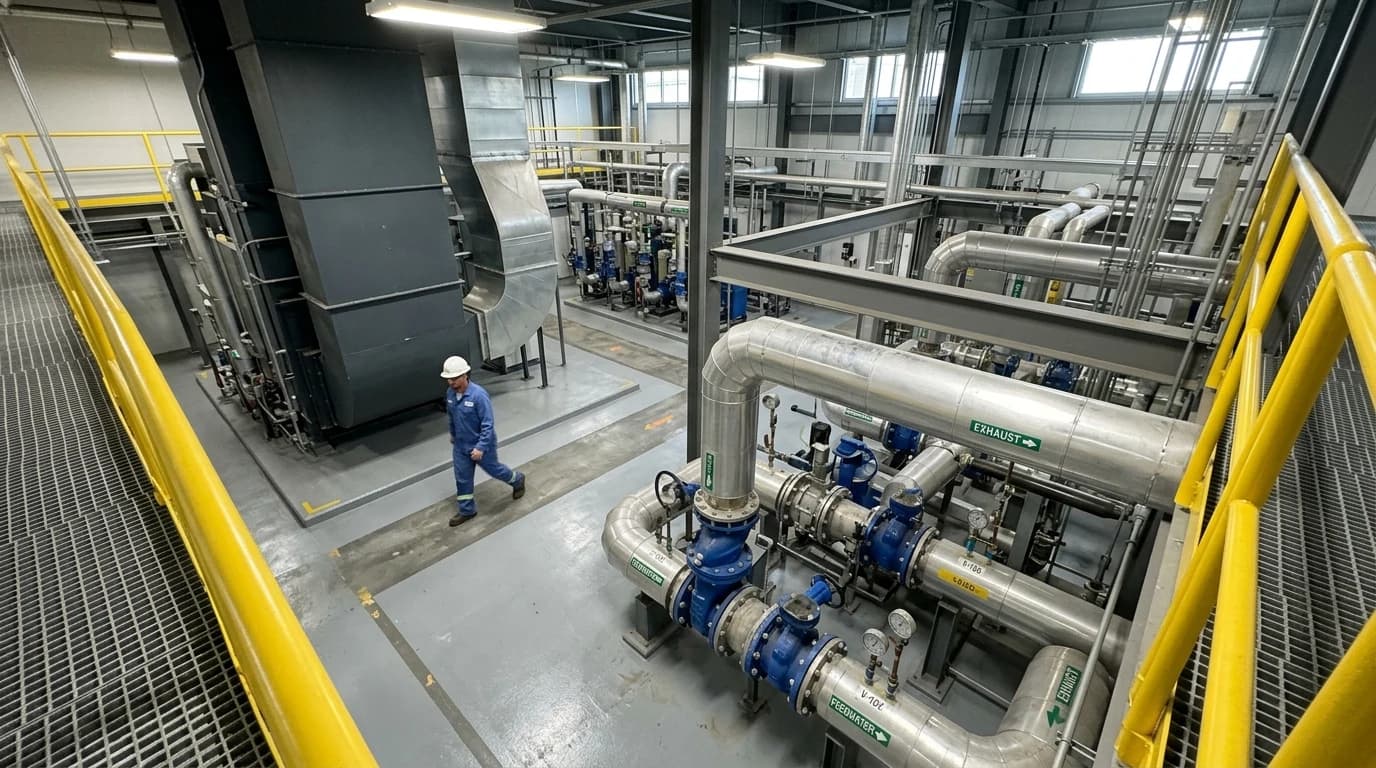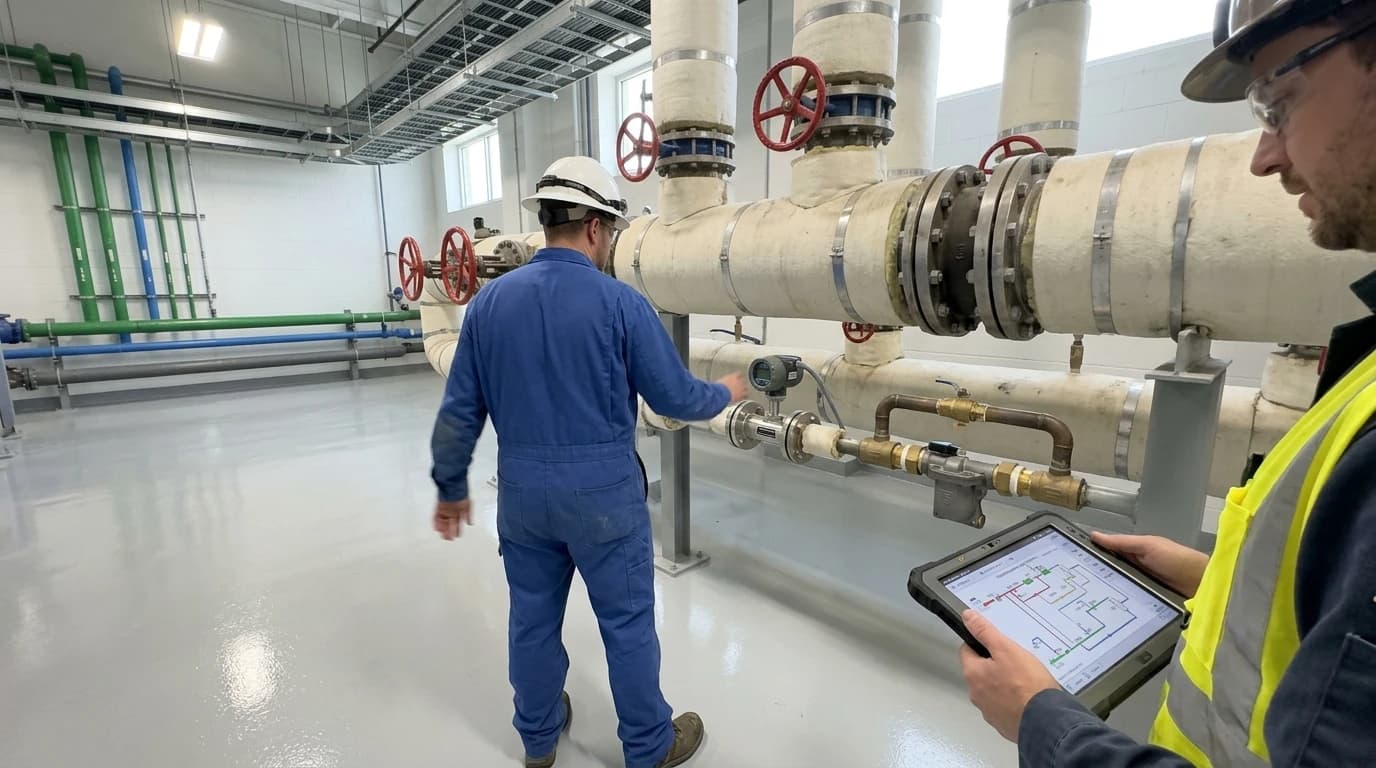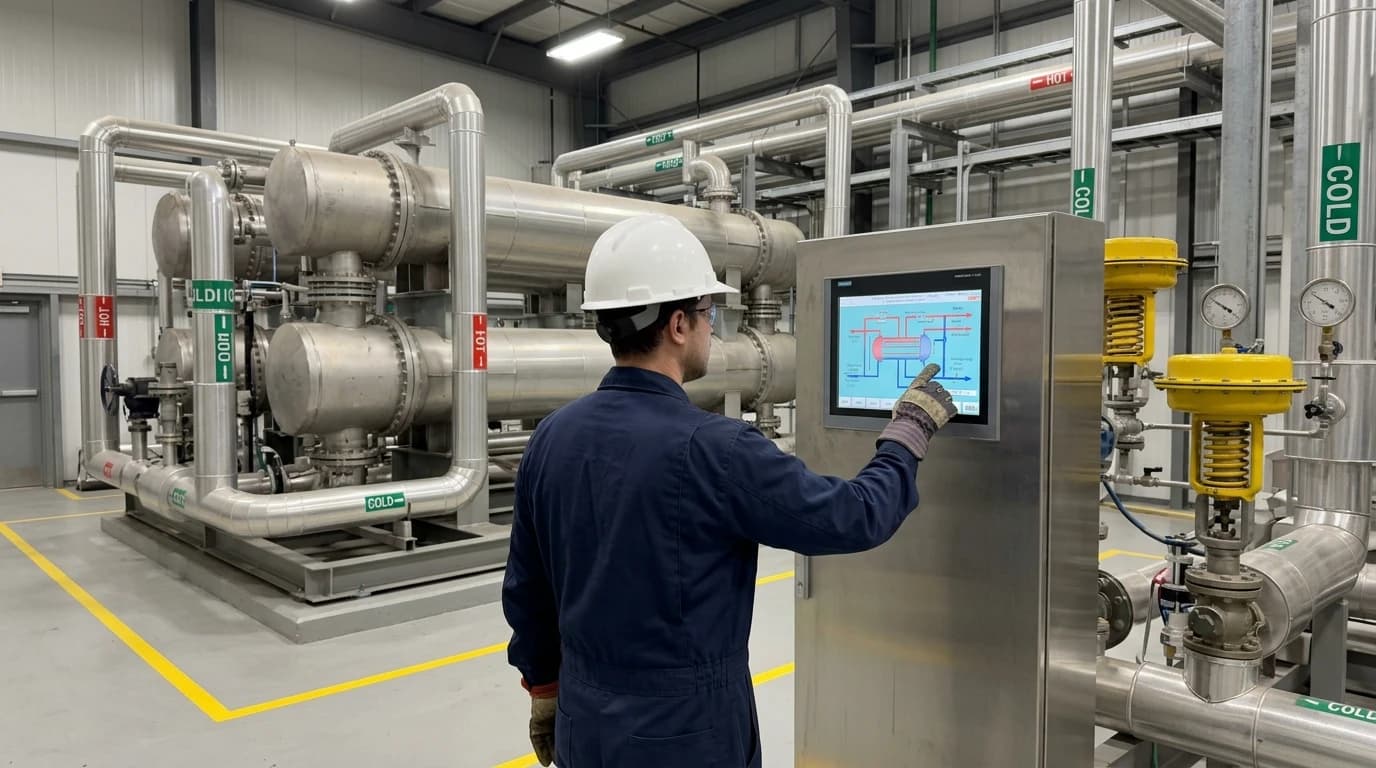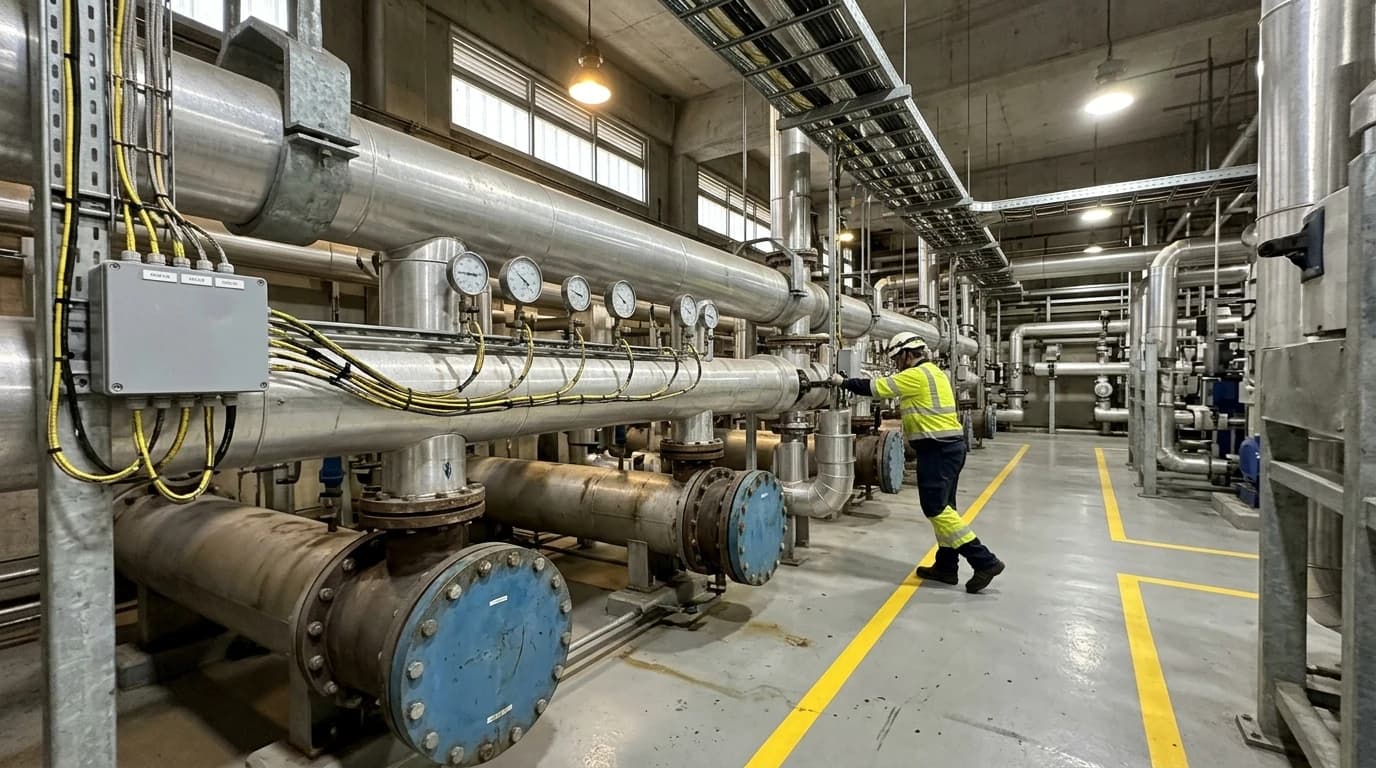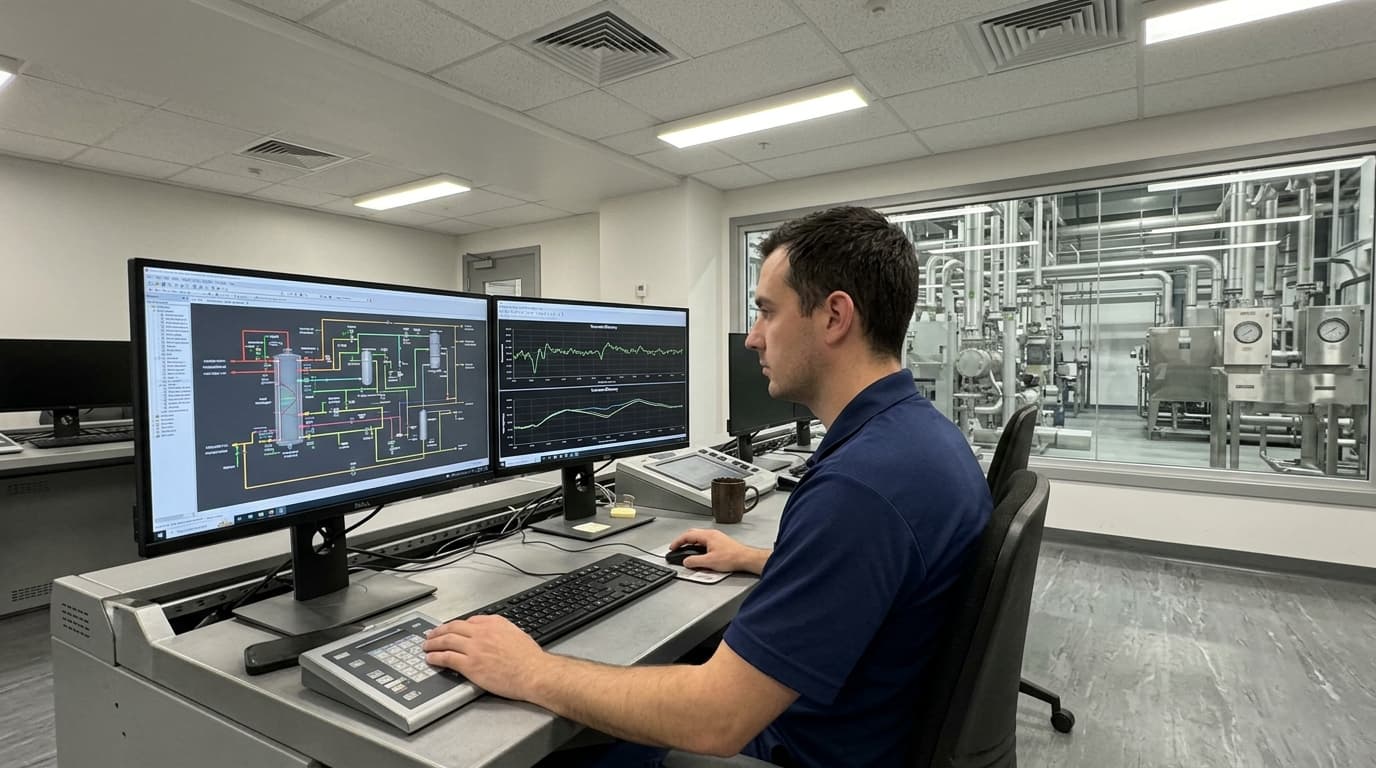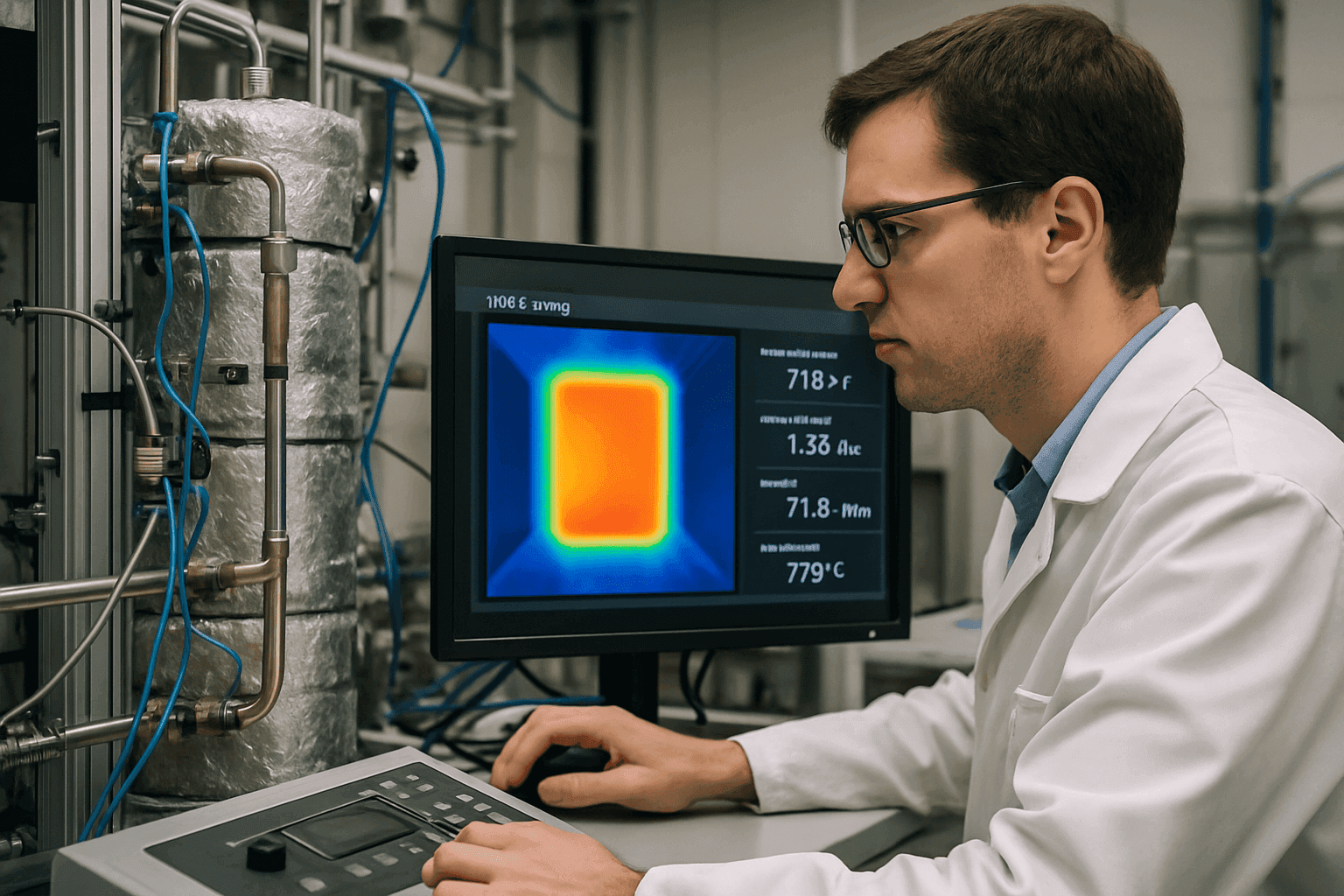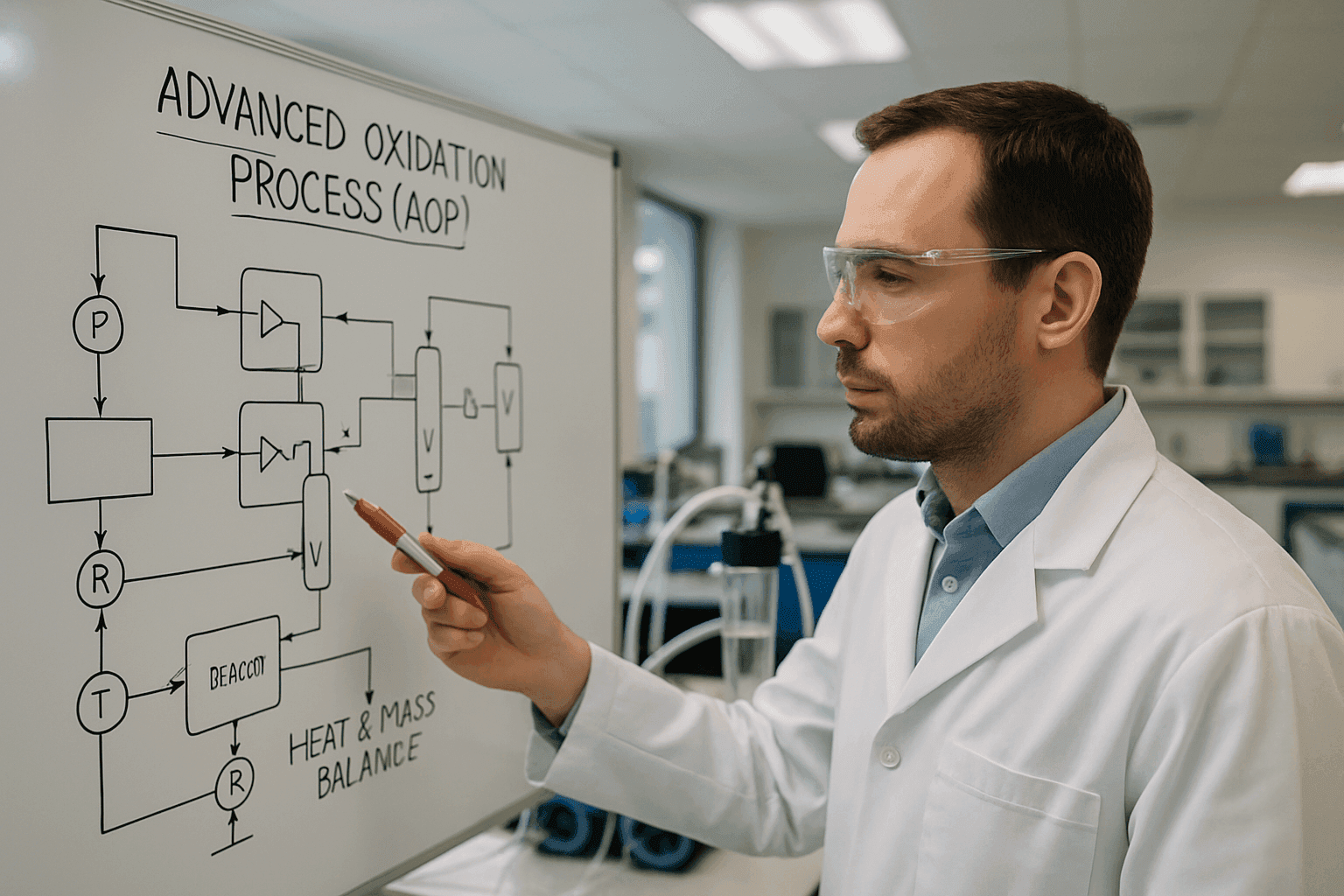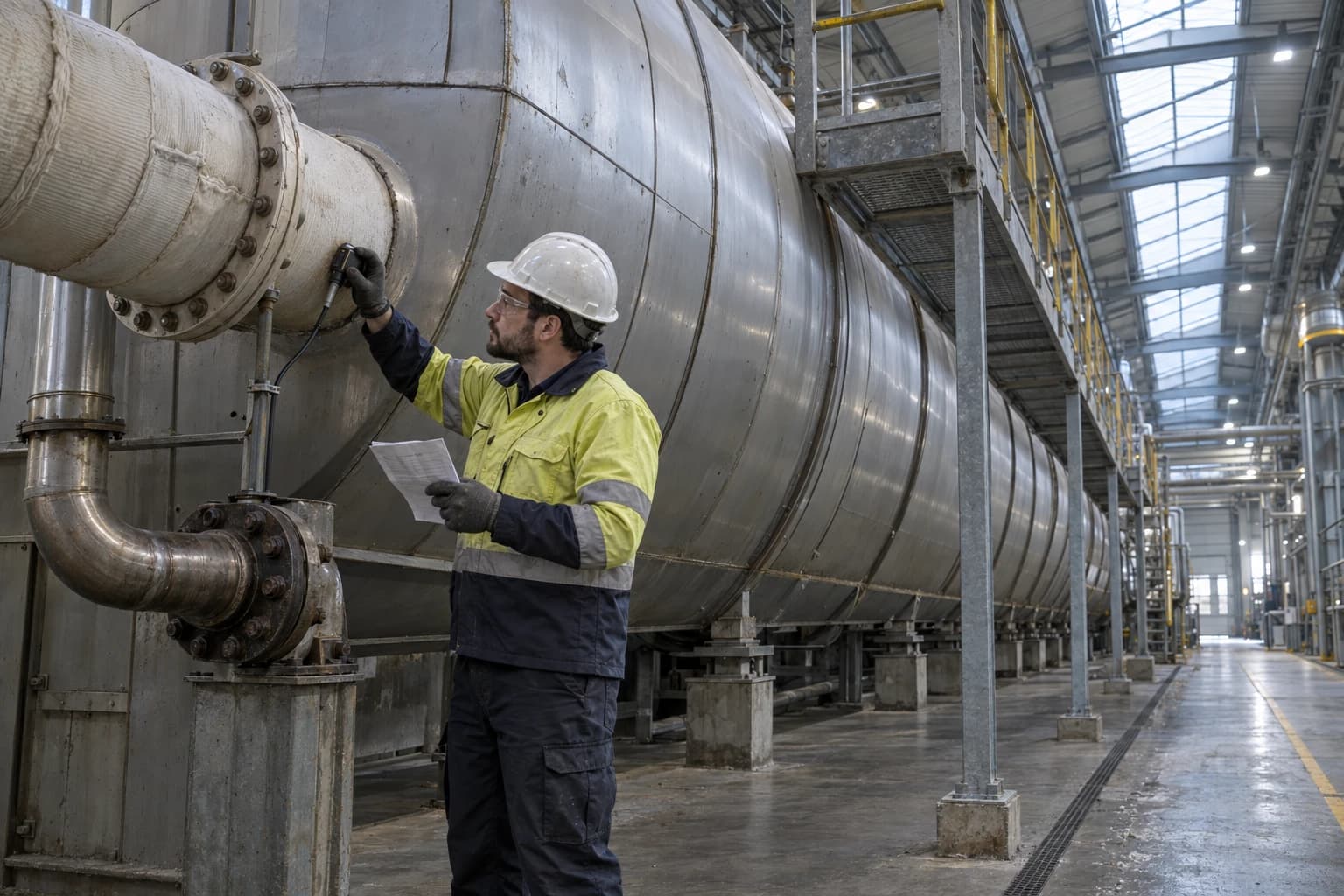
The Heat and Mass Balance (HMB) category serves as the technical foundation for EnerTherm Engineering’s process optimization services, providing a unified framework for rigorous thermodynamic modeling across diverse industrial sectors including food and beverage, pulp and paper, chemical processing, pharmaceuticals, and oil refining. At the core of this category is EnerTherm’s proprietary 11-step engineering methodology, which standardizes the transition from initial data acquisition—utilizing P&IDs, historical logs, and site-specific operational data—to the development of high-fidelity steady-state and dynamic simulations. By leveraging industry-standard platforms such as Aspen Plus, HYSYS, and DWSIM, our engineers resolve complex process challenges ranging from multi-zone thermal profiling in food manufacturing and dryer section efficiency in pulp mills to reactive distillation in chemical plants, batch reactor kinetics in pharmaceutical facilities, and crude assay modeling in oil refineries. The HMB umbrella integrates these disparate applications through a shared commitment to data-driven decision-making, where every project culminates in a 'single-source-of-truth' Process Flow Diagram (PFD) with embedded stream tables, Sankey energy mapping, and validated mass and energy balances. Whether the objective is achieving HACCP compliance in food production, meeting GMP standards in pharmaceutical environments, or optimizing heat-exchanger networks in refineries, our methodology ensures that efficiency initiatives—such as energy reduction, CO₂ mitigation, and yield optimization—are evaluated against the specific safety, quality, and regulatory constraints of each industry. By synthesizing species-level mass balances with thermodynamic energy accounting, this category provides the actionable insights necessary for facility-wide debottlenecking, utility system audits, and long-term capital investment planning, consistently delivering measurable performance metrics such as significant energy cost reductions and rapid project payback periods.