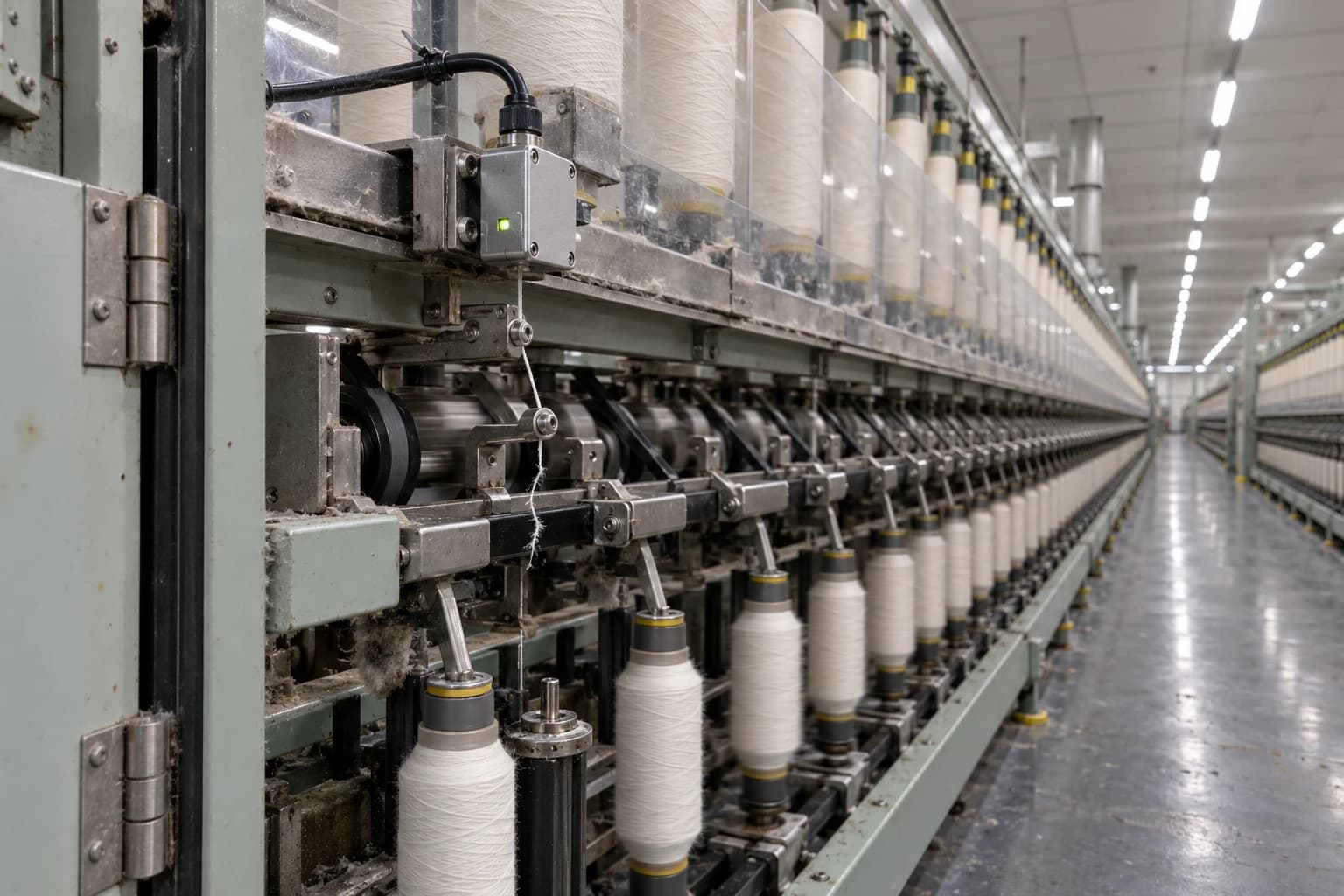
// IMAGE_UNAVAILABLEWhy Thread-Break Sensors Cut Textile Spinning Energy1808[Energy Audit for Textile]Why Thread-Break Sensors Cut Textile Spinning EnergyThread-break sensors stop spinning and weaving machines after yarn breaks, cutting electricity, air use, waste and off-spec output for UK mills// October 21, 2026Open →
// IMAGE_UNAVAILABLEIPMVP Energy Verification Framework: Four Routes to Savings1807[Energy Audit for Manufacturing]IPMVP Energy Verification Framework: Four Routes to SavingsIPMVP's four verification options show manufacturers how to measure energy savings using adjusted baselines for ESOS Phase 4 reporting.// October 21, 2026Open →
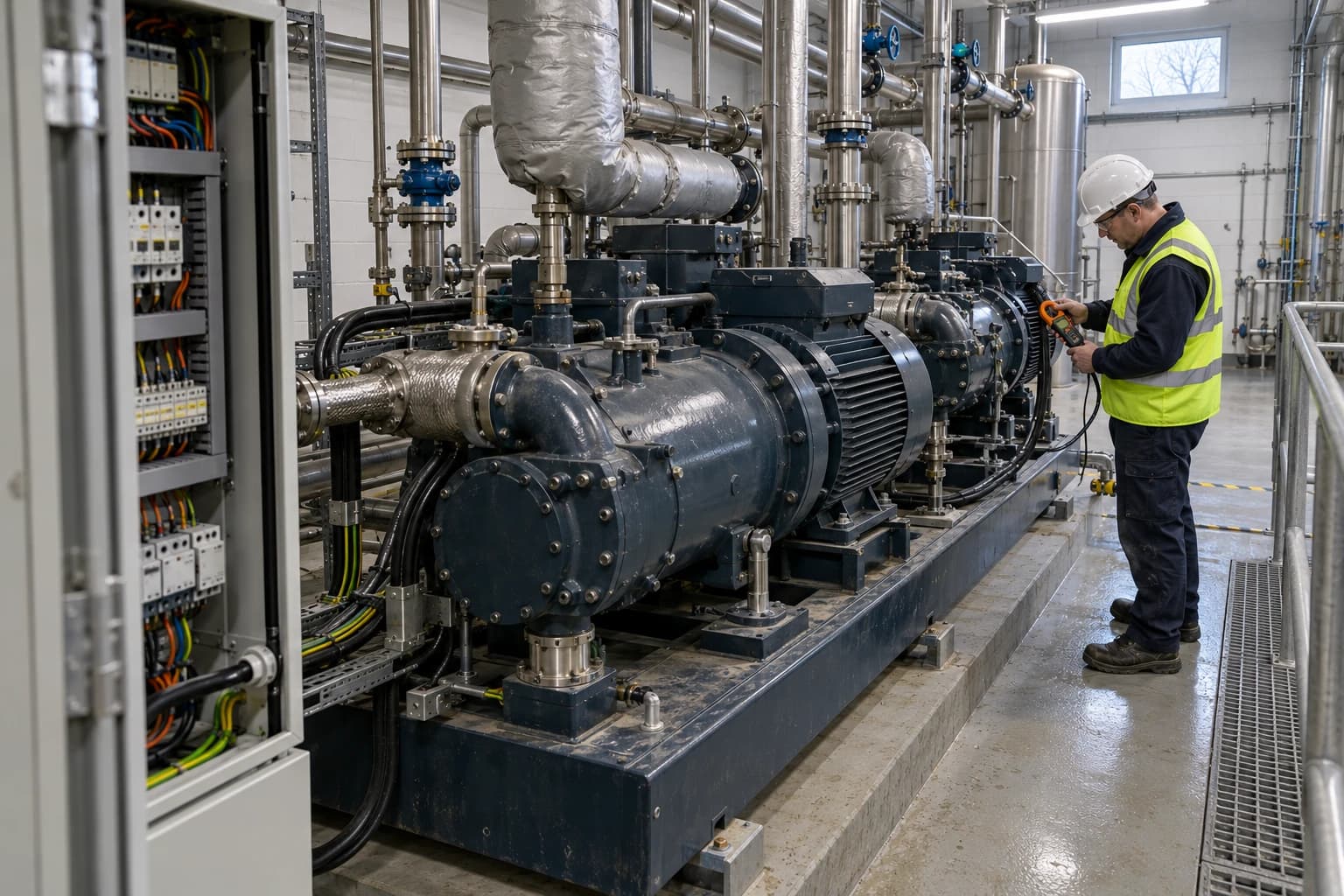
// IMAGE_UNAVAILABLEEnergy Audit for Food and Beverage Sites: 95% ESOS Coverage1806[Energy Audit for Food & Beverage]Energy Audit for Food and Beverage Sites: 95% ESOS CoverageMeet ESOS Phase 4 by 5 December 2027 with a food and beverage energy audit covering 95% of energy use, from refrigeration to process heat.// October 20, 2026Open →
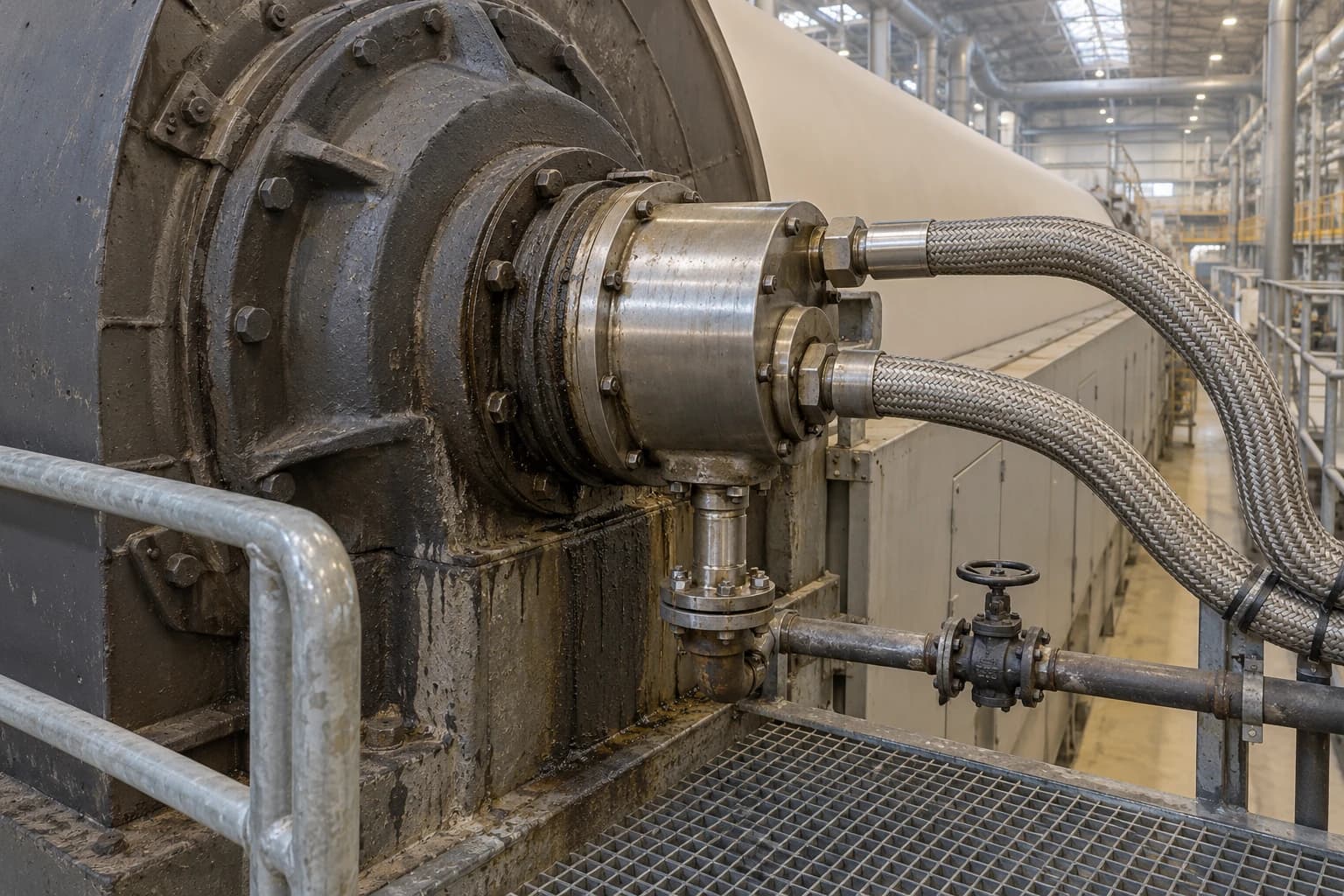
// IMAGE_UNAVAILABLEPaper Mill Dryer Drainage Retains Up to 16% of Steam Energy1805[Energy Audit for Paper & Pulp]Paper Mill Dryer Drainage Retains Up to 16% of Steam EnergyPaper mill dryer drainage retains up to 16% of steam energy. Improve heat transfer and target 90% condensate return to the boiler.// October 20, 2026Open →
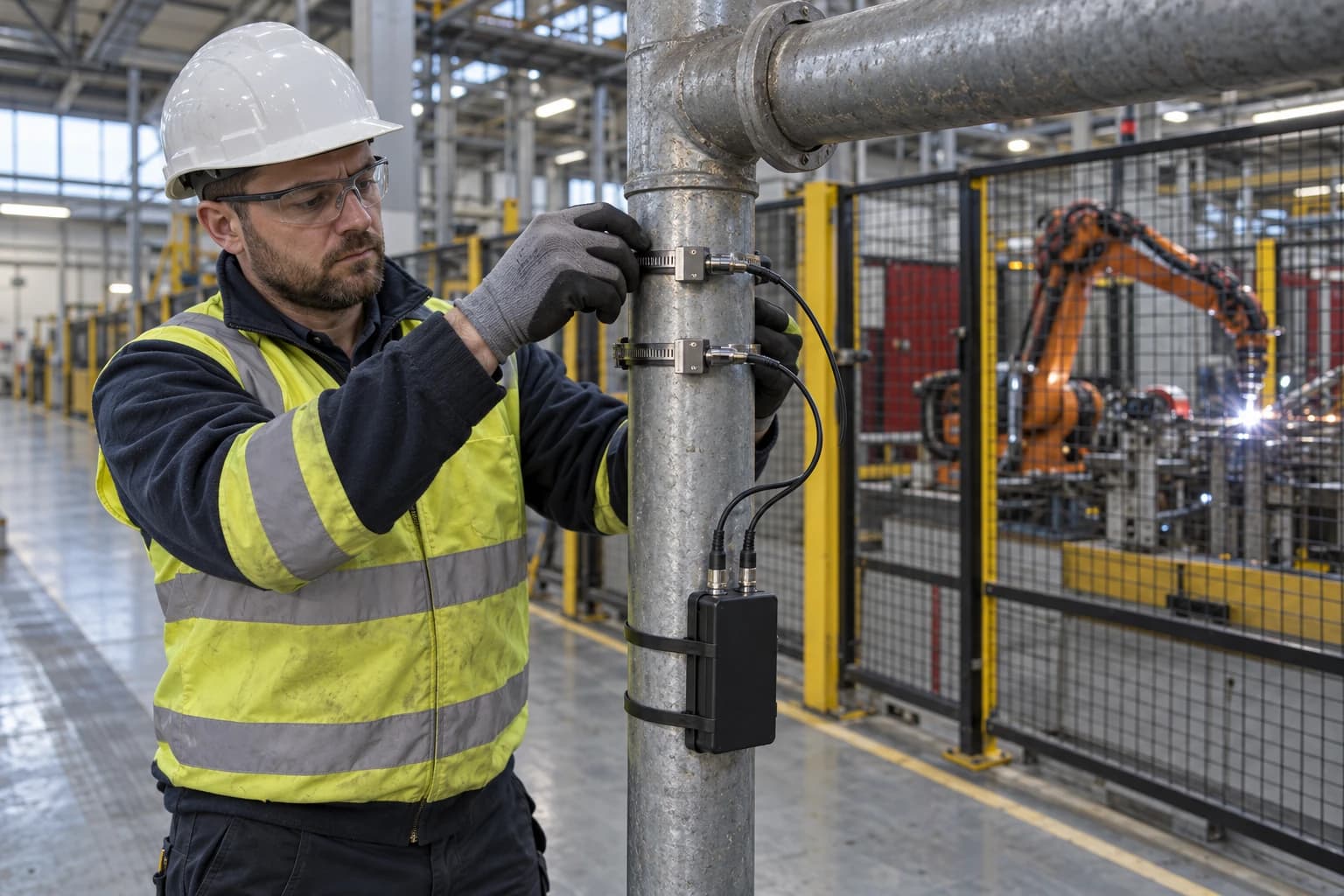
// IMAGE_UNAVAILABLEWhy UK Tier 1 Suppliers Need an ESOS Energy Audit1804[Energy Audit for Automotive]Why UK Tier 1 Suppliers Need an ESOS Energy AuditUK Tier 1 suppliers: use 12-month energy data and kWh-per-vehicle metrics to meet ESOS Phase 4 deadlines and identify savings.// October 20, 2026Open →
// IMAGE_UNAVAILABLERefinery Pinch Analysis Tests Heat Recovery Before FEED1803[Heat & Mass Balance for Oil Refining]Refinery Pinch Analysis Tests Heat Recovery Before FEEDRefinery pinch analysis sets heat recovery targets before FEED, helping cut fired-heater fuel, cooling duty and emissions despite fouling.// October 19, 2026Open →