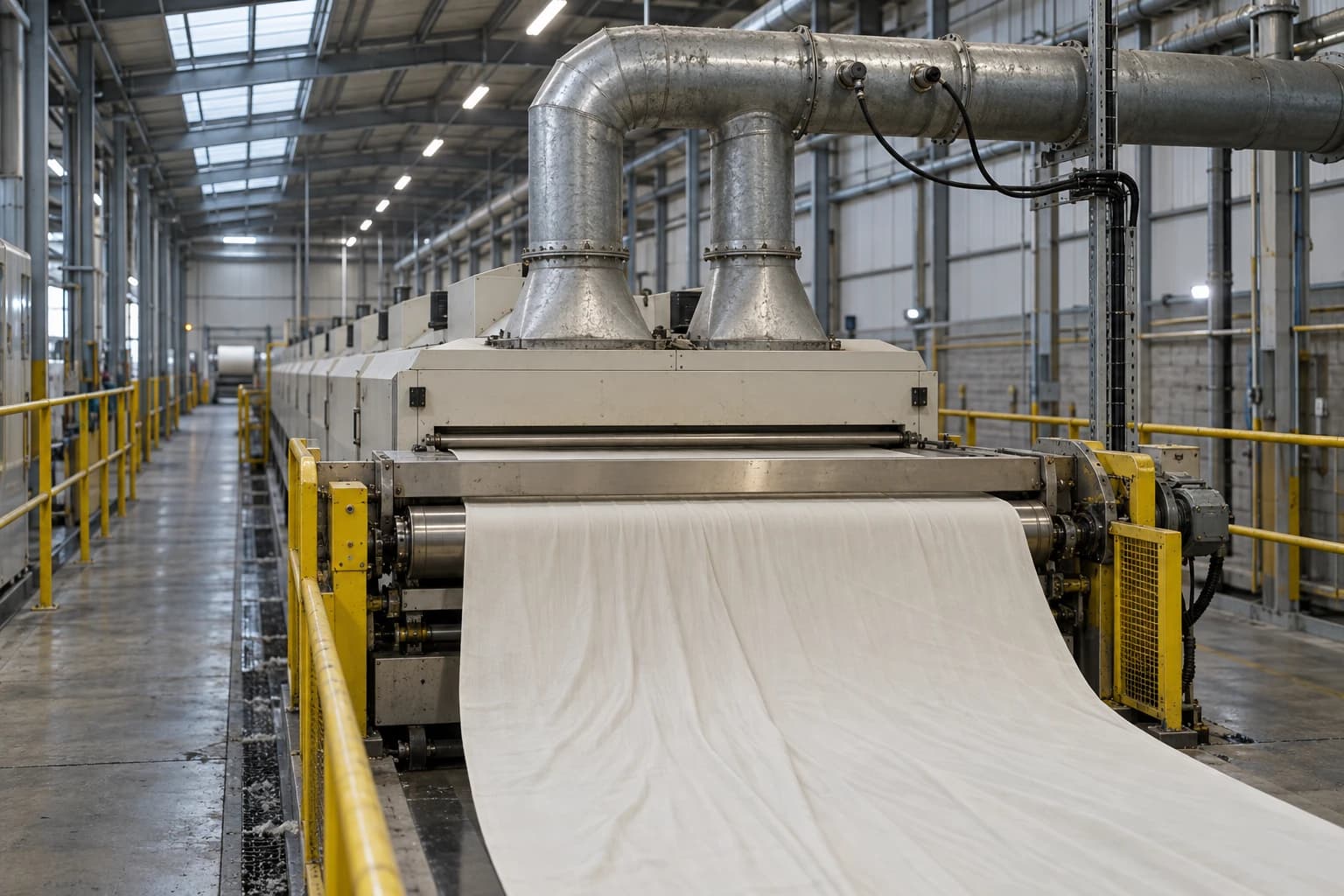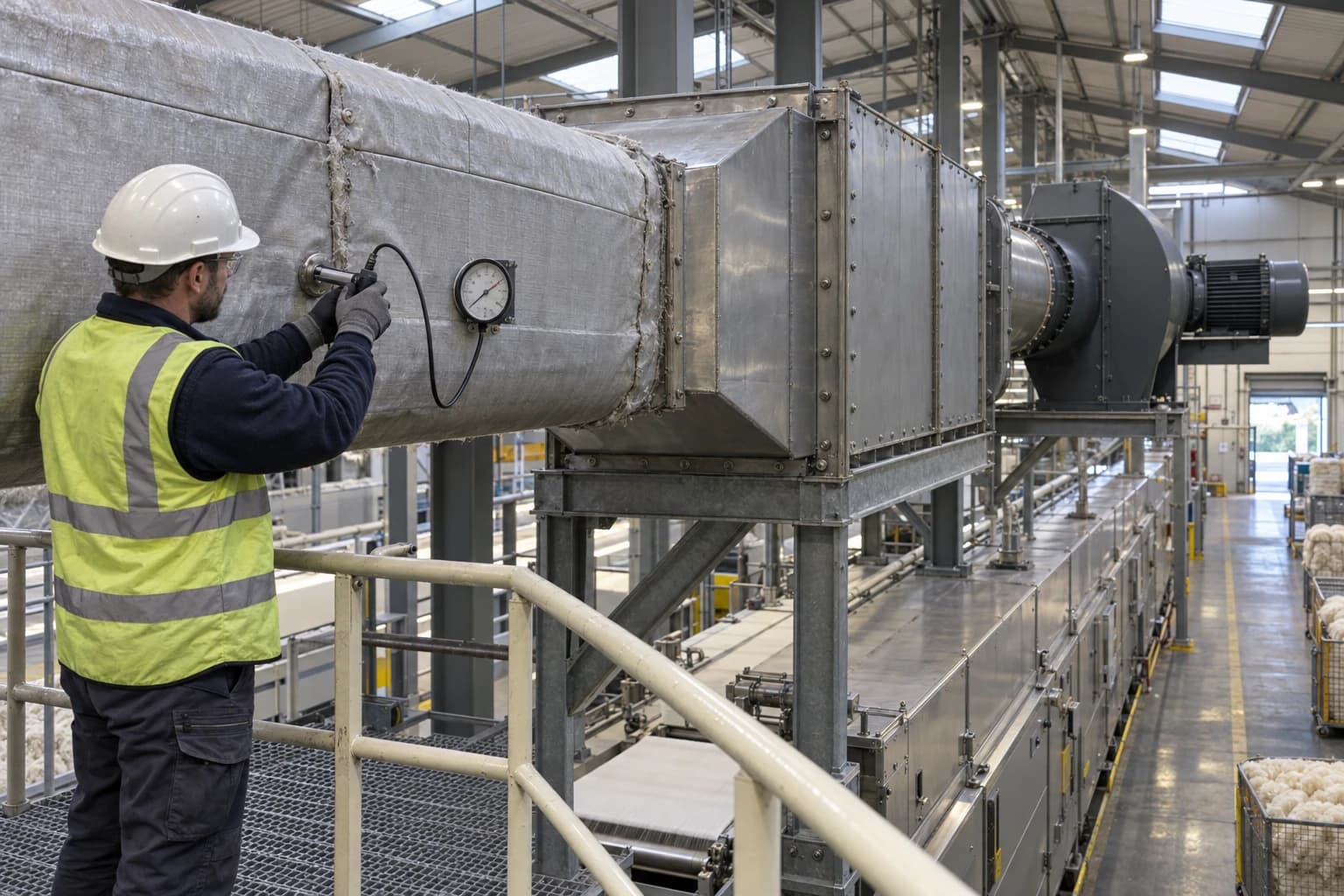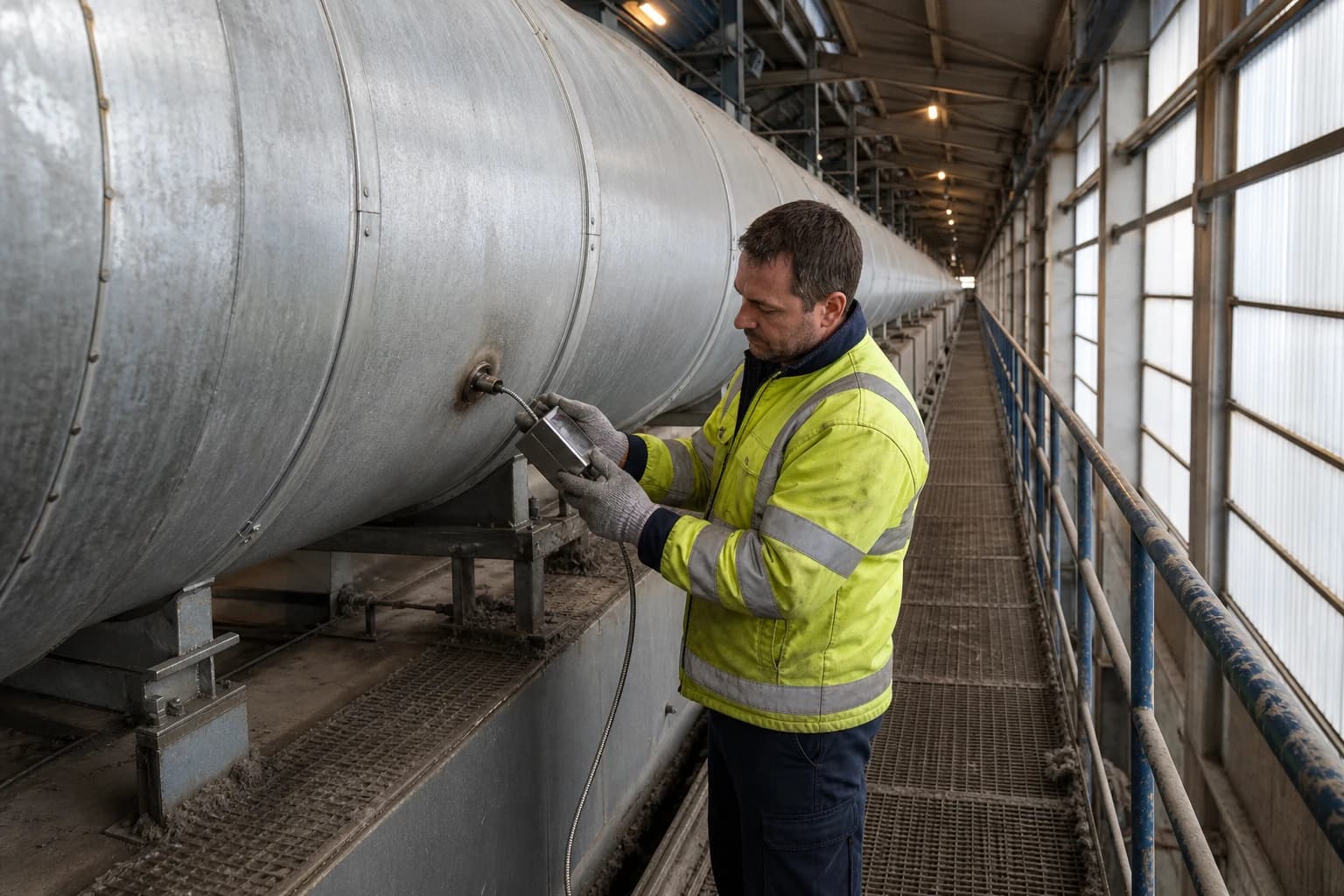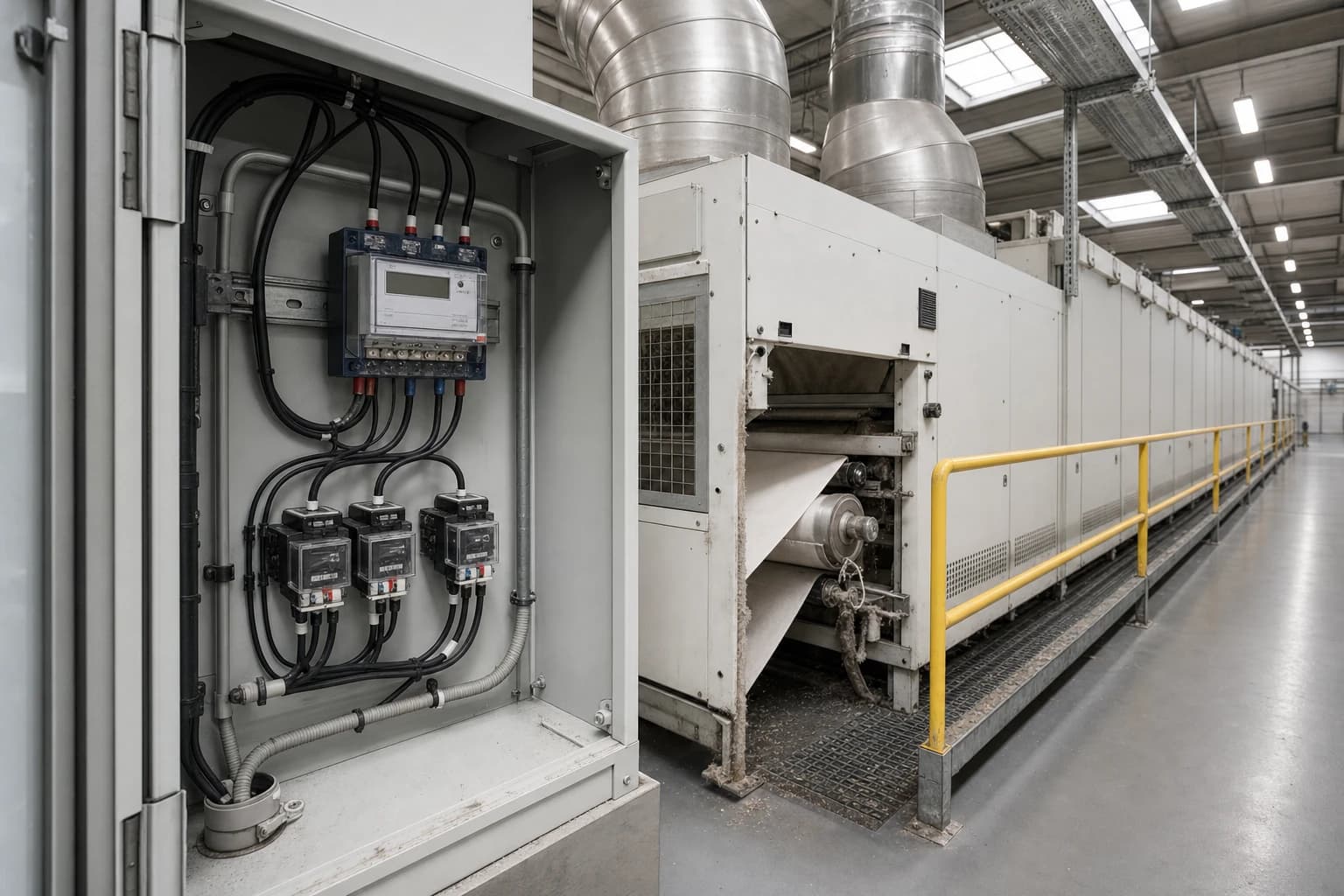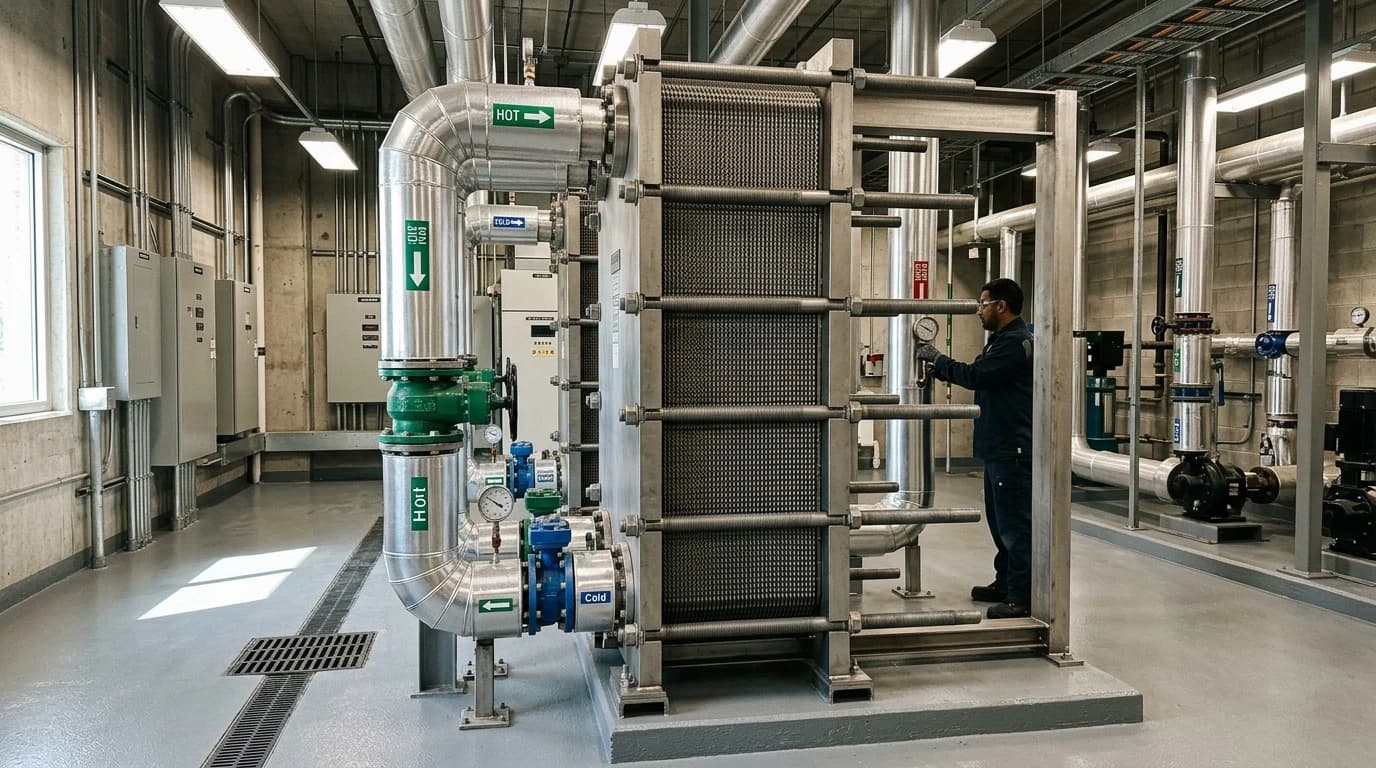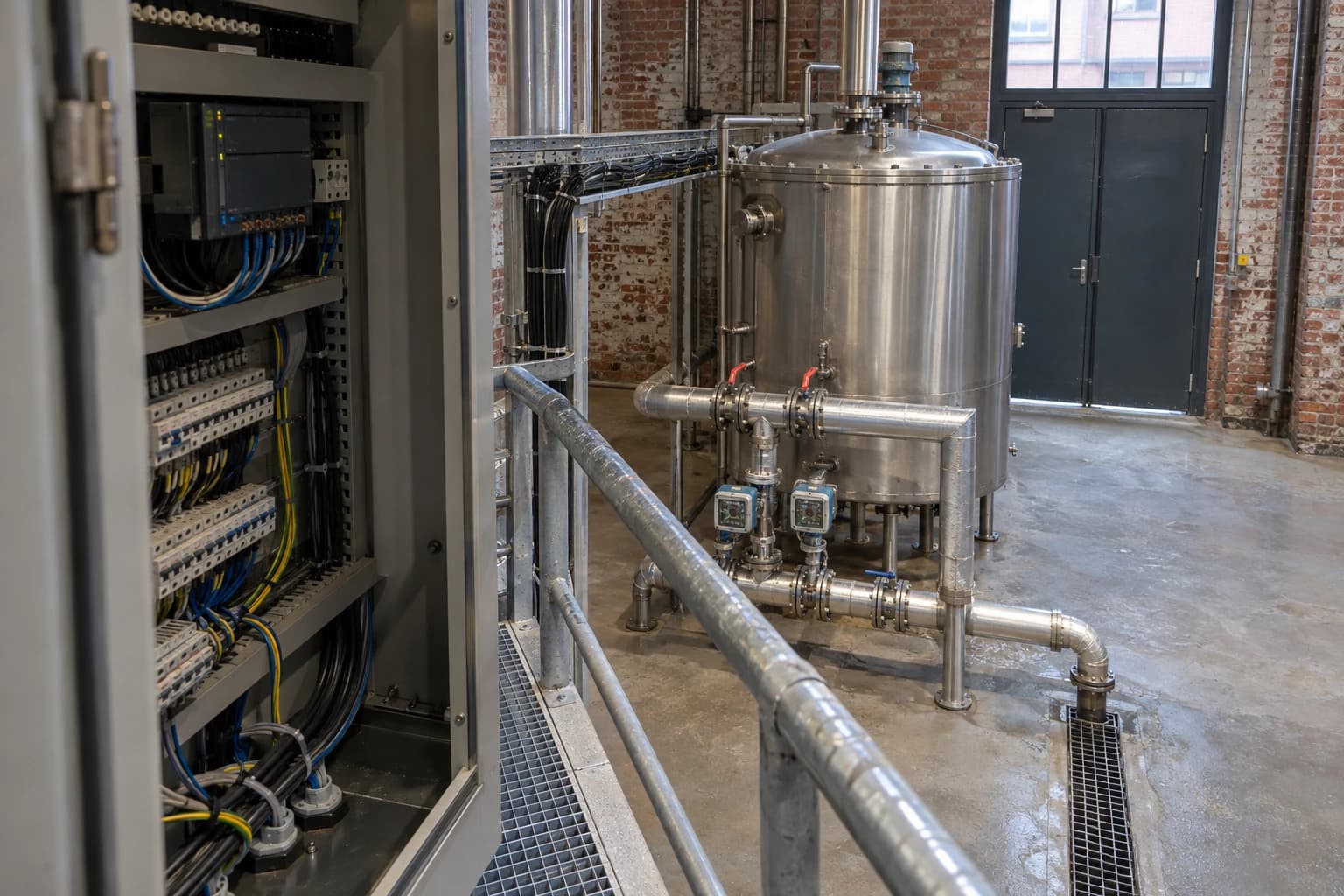
This category covers EnerTherm Engineering’s specialized energy audit services for the textile industry, focusing on optimizing high-consumption operations such as stenter frames, dye houses, and drying processes. Content in this category should explore the technical and financial aspects of reducing energy and water intensity in textile manufacturing, including spinning, weaving, dyeing, and finishing facilities. Articles should detail our 7-step audit methodology: initial consultation and baseline establishment, on-site assessment using portable instrumentation (power analysers, ultrasonic leak detectors, thermal imaging), data analysis through energy modelling and thermal simulation, identification of conservation measures, report preparation, implementation support, and ongoing measurement and verification (M&V) using IPMVP protocols. Key topics include stenter optimization (exhaust heat recovery, air recirculation), dye house efficiency (hot water systems, effluent heat recovery), boiler steam review (combustion efficiency, condensate recovery), and sustainability compliance aligned with OEKO-TEX, ZDHC, and the HIGG Index. Content should emphasize our data-driven approach to achieving an average 20% energy cost reduction, a 1.8-year payback period, and significant carbon footprint mitigation. Authors should focus on providing actionable engineering insights that help manufacturers navigate capital planning, waste heat recovery, and process redesign while minimizing production downtime.