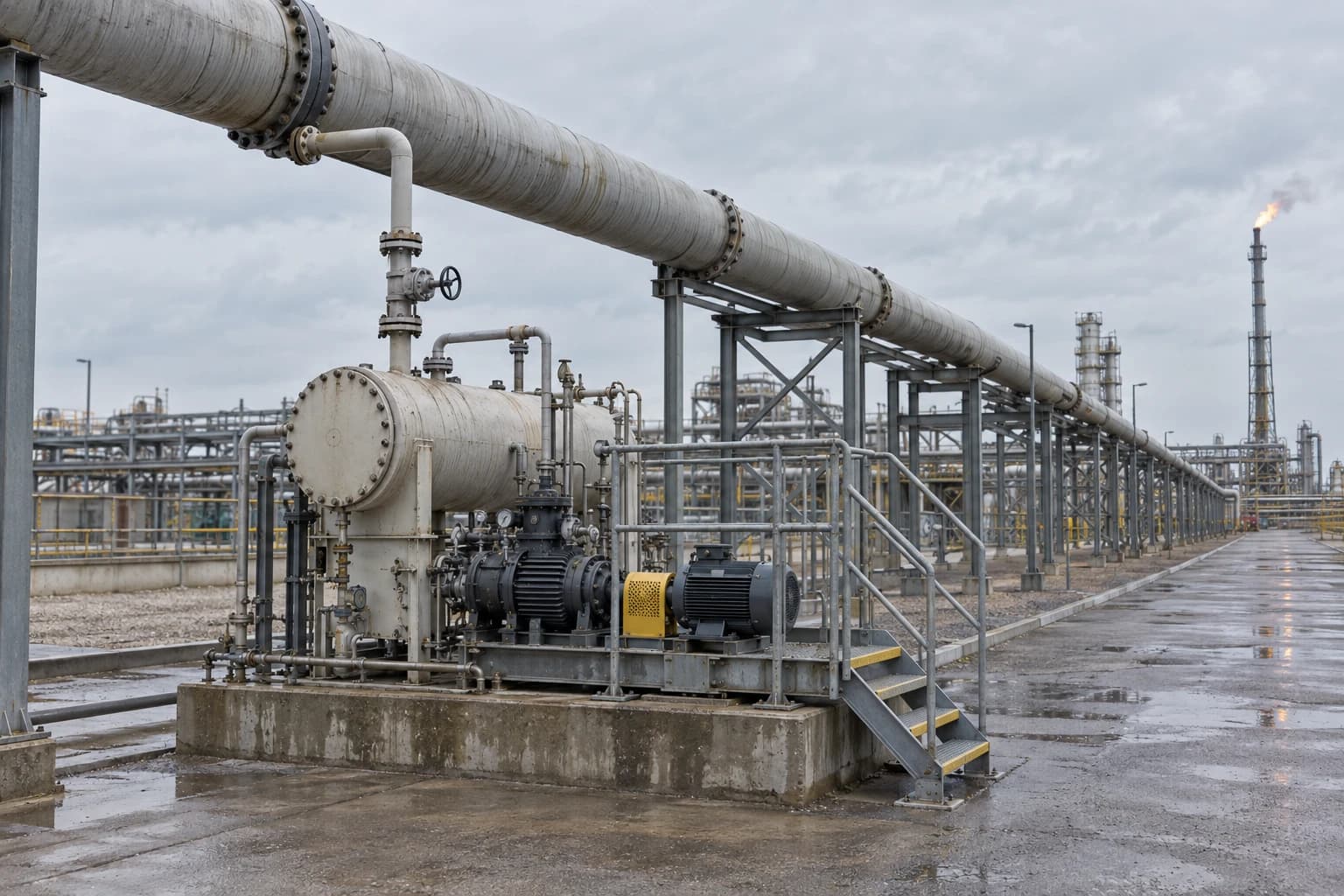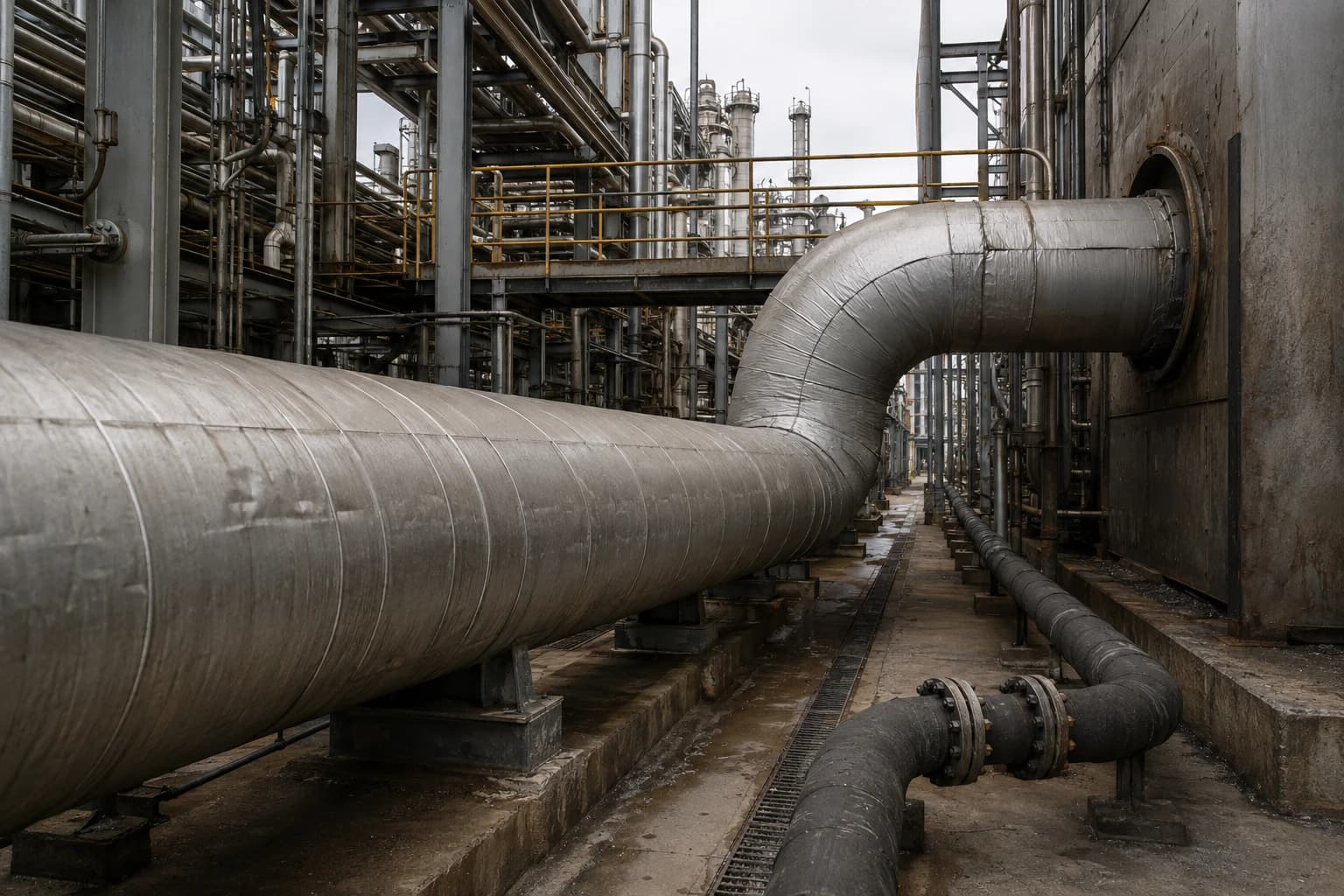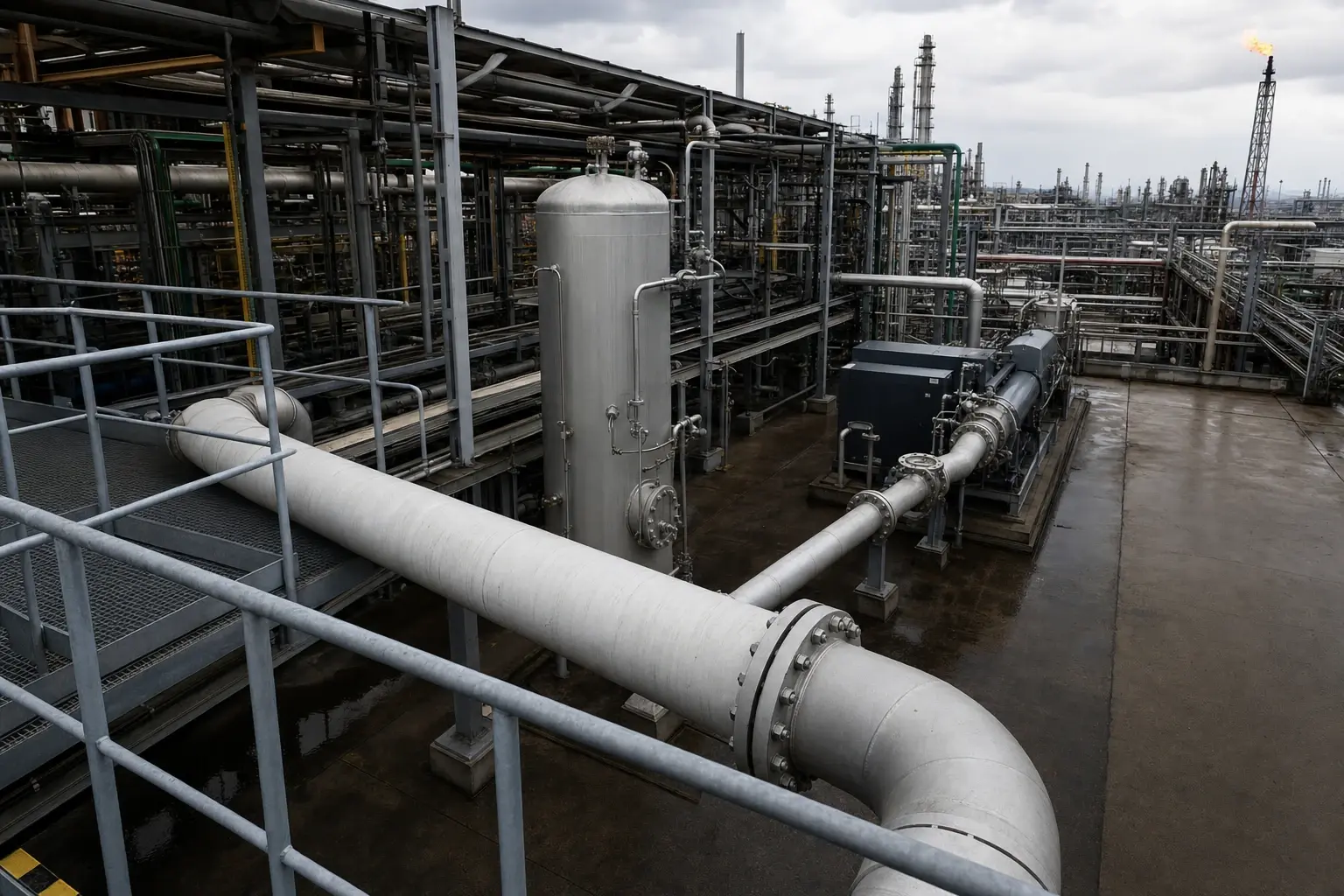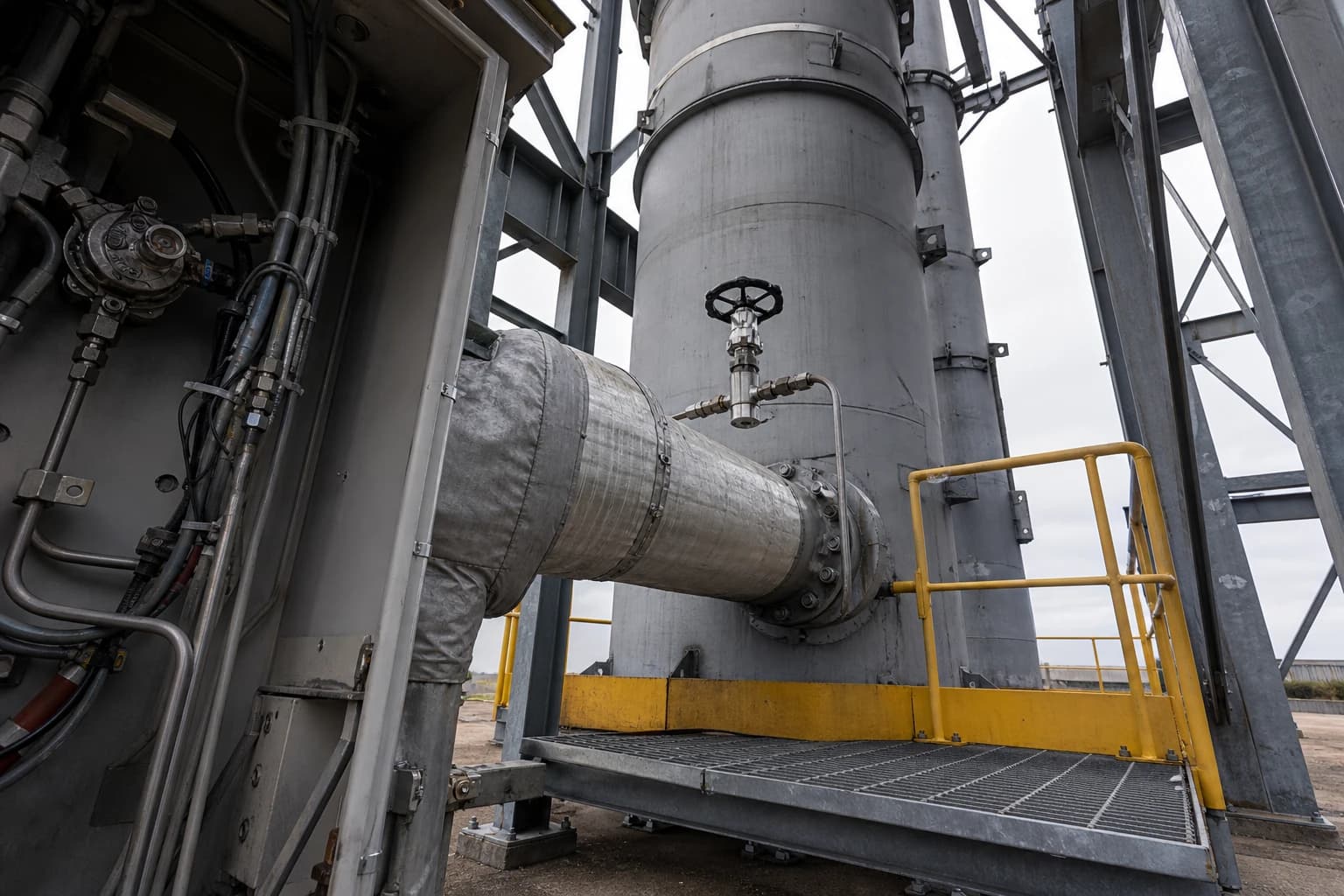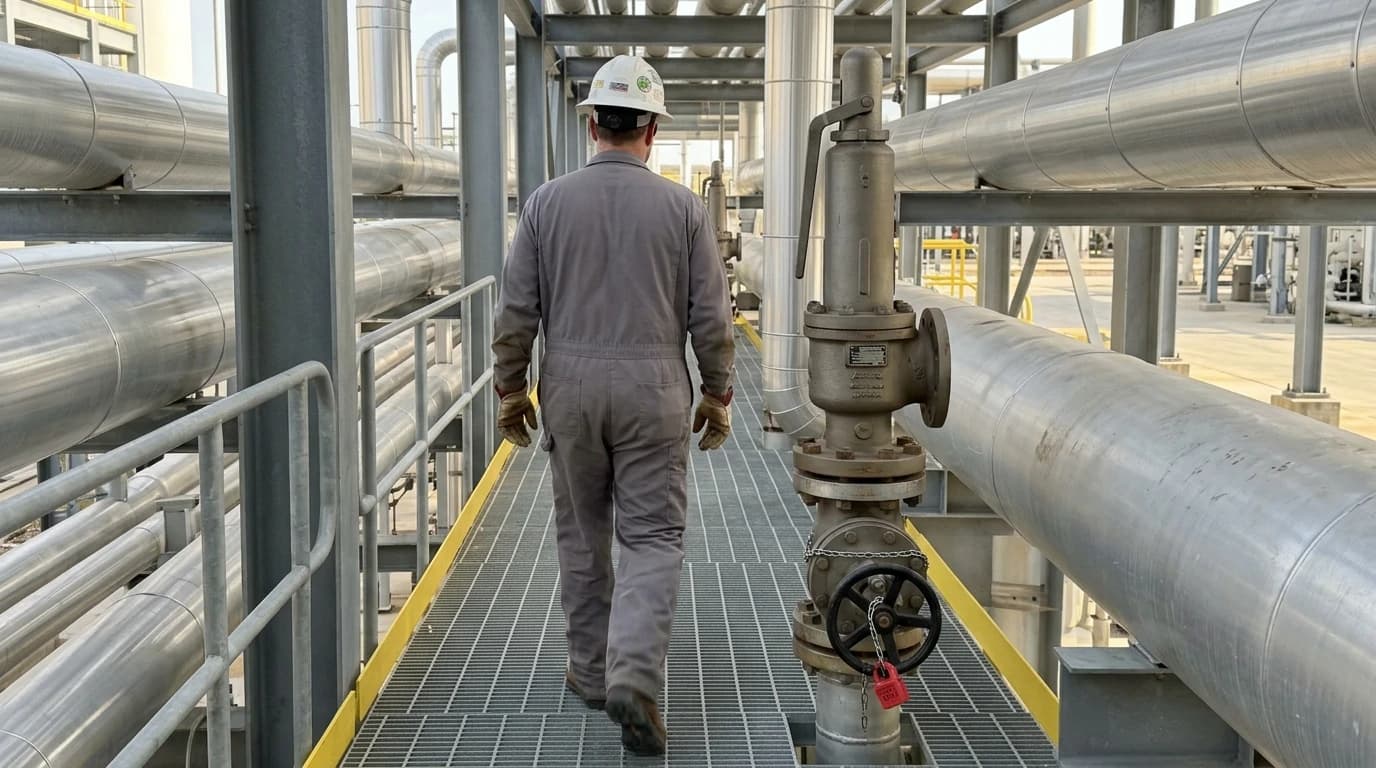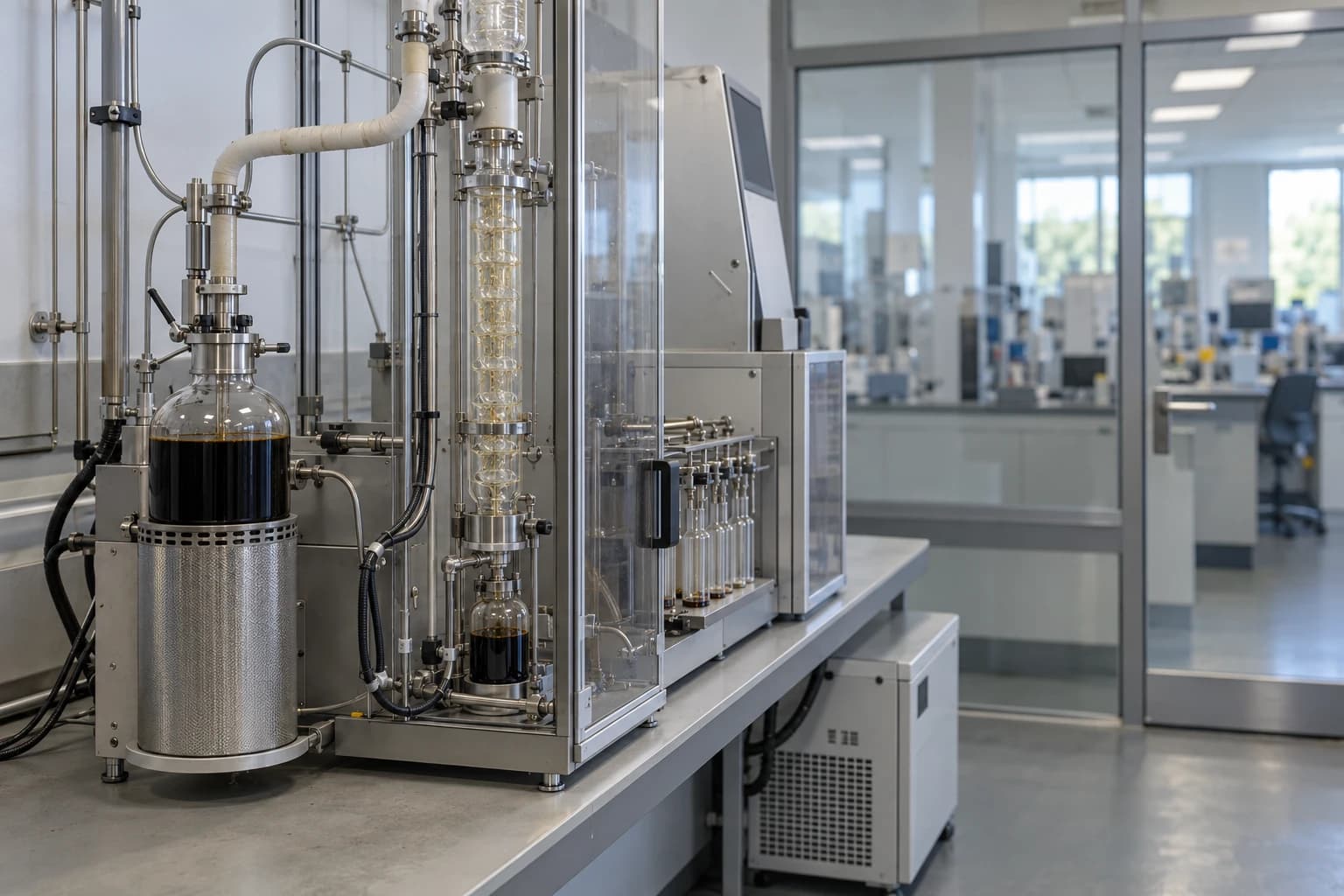
This blog category covers the technical application of heat and mass balance (HMB) methodologies within the oil refining sector. Content should focus on the engineering complexities of multi-component hydrocarbon systems, high-temperature operations, and the rigorous API-compliant standards required for modern refinery optimization. Articles should explore EnerTherm Engineering’s 11-step methodology, ranging from initial scope definition and data gathering to advanced process simulation, thermodynamic modeling, and final FEED-ready documentation. Key technical topics include steady-state and dynamic modeling using Aspen Plus, HYSYS, and DWSIM; TBP curve fitting; pseudo-component slate development for crude assays; and reaction kinetics for FCC units, reformers, and hydrotreaters. The category also addresses energy analysis, including enthalpy-based balances, pinch-point evaluations, and utility mapping for fired heaters and heat-exchanger networks. Content should highlight practical applications such as crude distillation unit (CDU) optimization, flare gas recovery, yield reconciliation, and the integration of HMB results with refinery LP planning systems. Articles should emphasize performance metrics like energy reduction, CO2 mitigation, and ROI-driven optimization roadmaps, providing readers with insights into how precise mass and energy accounting drives operational efficiency and regulatory compliance.