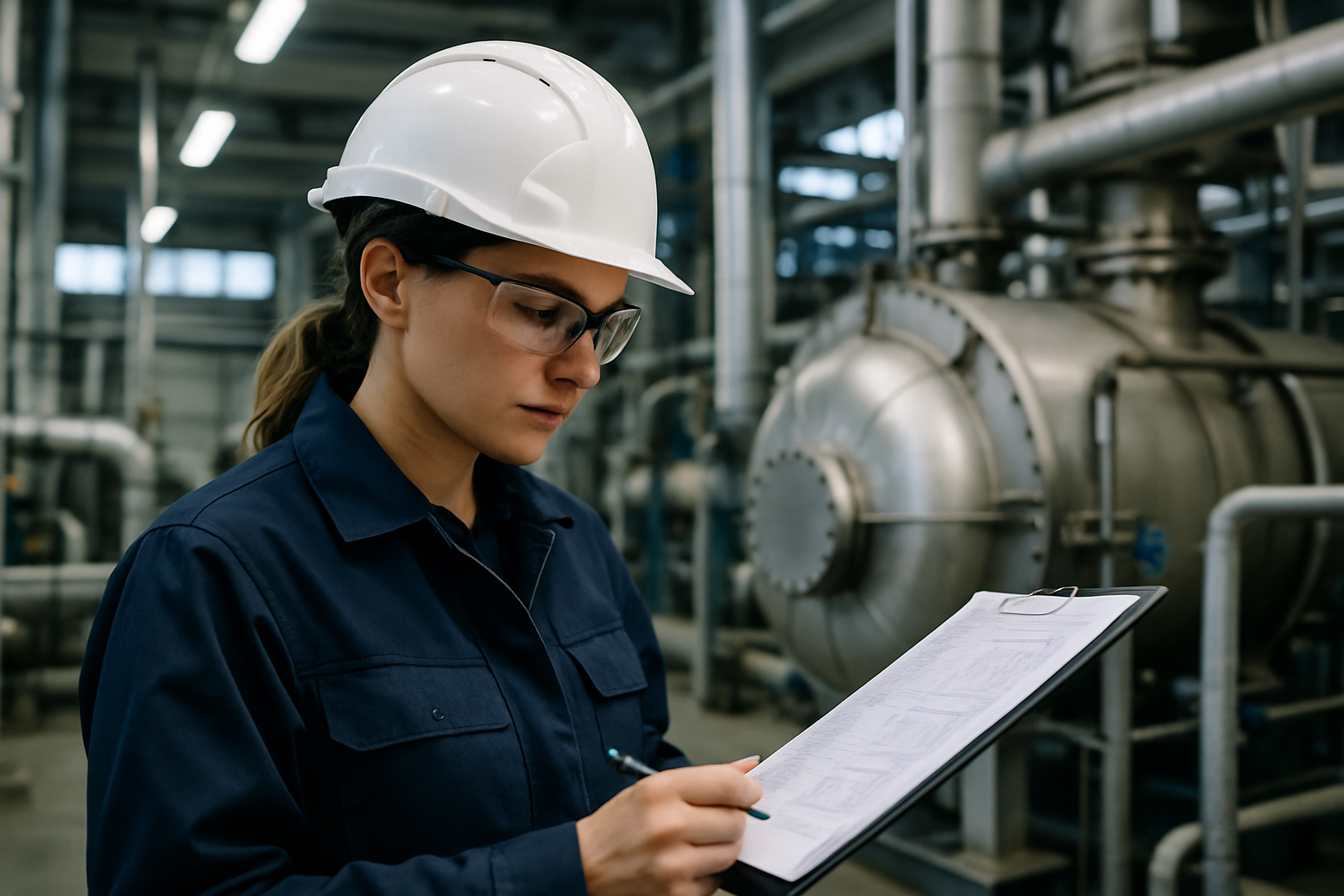
Thermal oxidizers are indispensable air pollution control devices in chemical processing and environmental engineering, vital for abating Volatile Organic Compounds (VOCs) and Hazardous Air Pollutants (HAPs). While crucial for environmental compliance, these systems represent a significant investment in both capital and ongoing operational expenses. Effectively managing thermal oxidizer maintenance costs is paramount for ensuring optimal performance, preventing costly downtime, extending equipment lifespan, and adhering to stringent environmental regulations. Neglecting maintenance can lead to decreased destruction efficiency, increased energy consumption, potential fines, and even complete plant shutdowns.
Understanding Thermal Oxidizer Maintenance Challenges
Thermal oxidizers operate at high temperatures, often ranging from 1,400°F to over 1,700°F, consuming substantial amounts of natural gas and electricity. The continuous exposure to hot, often contaminated, air streams leads to wear and tear on critical components. Common issues include insufficient combustion efficiency, excessive energy consumption, malfunctioning control systems, high-pressure drops, poor heat recovery, corrosion, erosion, and clogging of media beds. Each of these issues can significantly escalate maintenance costs if not addressed proactively.
Proactive Maintenance Strategies to Reduce Costs
A robust, preventative maintenance (PM) plan is the cornerstone of cost-effective thermal oxidizer management. Regularly scheduled maintenance helps identify minor issues before they escalate into expensive repairs or system failures.
Implementing a Comprehensive Preventative Maintenance Schedule
Different types of thermal oxidizers, such as Regenerative Thermal Oxidizers (RTOs), Catalytic Oxidizers (CatOx), and Direct Fired Thermal Oxidizers (DFTOs), have unique maintenance considerations. However, a general schedule can be adapted:
- Daily/Weekly Inspections:
- Check for leaks, abnormal noises, or vibrations in the system.
- Visually inspect the exterior for signs of insulation failure (heat marks, warped steel, discoloration).
- Examine air inlet filters for dirt and obstruction.
- Inspect burner assembly and fuel supply system.
- Check pressure drop across the oxidizer, especially across heat exchange media in RTOs, as an indicator of fouling.
- Monthly/Quarterly Maintenance:
- Inspect the oxidation chamber for deposits.
- Inspect heat exchangers (or media beds in RTOs) for cracks, leaks, or fouling.
- Clean heat exchanger tubes if applicable.
- Inspect exterior insulation thoroughly.
- Calibrate control systems, including temperature, pressure, and flow sensors, to ensure accuracy.
- Inspect all valves and their actuators.
- Semi-Annual/Annual Overhauls:
- Inspect fan blades for damage or wear.
- Check belt tension and lubrication on rotating equipment. Lubrication of fan motor bearings and damper bearings is crucial.
- Inspect motor and electrical connections for wear, corrosion, or damage.
- Perform an internal oxidizer inspection for deterioration, damage, or insulation gaps.
- Replace all system filters.
- Inspect pressure relief valves for proper operation and certification.
- Inspect ducting and exhaust stack for corrosion, blockages, or structural integrity issues.
- Conduct a full performance test to ensure destruction efficiency requirements are met, which may involve stack testing.
- Tune burners and check safety limits.
- For catalytic oxidizers, periodically test the catalyst activity and replace it as needed.
- Clean or replace any damaged or worn components identified during inspections.
Optimizing Energy Efficiency to Reduce Operating Costs
Energy consumption is a major operational cost for thermal oxidizers. Strategies to optimize energy efficiency directly translate into maintenance cost reductions.
- Heat Recovery Systems: Integrating heat recovery is a key strategy for reducing fuel costs and lowering electricity bills.
- RTOs are known for high thermal efficiency (averaging 95%) due to ceramic media beds that recover and reuse heat.
- Recuperative oxidizers often include a heat exchanger to preheat incoming air using hot exhaust, improving efficiency.
- Consider secondary heat exchangers to recoup heat from the oxidizer’s exhaust for other processes, such as heating fresh air, recirculated air, water, thermal oil, or steam.
- Retrofitting existing units with waste and air preheaters can significantly improve energy efficiency.
- Poor heat recovery can lead to wasted heat and reduced energy efficiency; inspect and clean heat exchangers regularly.
- Insulation and Airflow Optimization:
- Inspect insulation for damage or deterioration, as this can lead to heat loss and higher energy consumption. Repair or replacement is crucial to prevent system damage and safety hazards.
- Optimize airflow to ensure proper balance and prevent obstructions or leaks in ductwork, which can reduce efficiency.
- Burner Tuning: Regularly tune burners and inspect their components to maintain optimal combustion efficiency, which reduces fuel consumption. Insufficient combustion efficiency can result from issues with fuel supply, burner clogs, or incorrect temperature monitoring.
Effective Spare Parts Management
Having a well-managed inventory of critical spare parts is crucial to minimize downtime during unexpected failures.
- Inventory Management: Maintain an inventory of essential spare parts, considering lead times that can range from days to weeks.
- OEM Parts: Utilize spare and replacement parts manufactured to original dimensions and tolerances for optimal performance and longevity.
- Emergency Services: Establish relationships with suppliers who can provide overnight shipping for emergency situations.
Operational Best Practices
Beyond physical maintenance, operational practices significantly impact the longevity and cost-effectiveness of thermal oxidizers.
Operator Training and Skill Development
Well-trained personnel are essential for reducing maintenance costs and ensuring optimal operation.
- Comprehensive Training: Provide operators and maintenance teams with comprehensive, on-site training tailored to their specific system.
- Key Training Areas: Instruction should cover assessing proper equipment operation, performing basic preventative maintenance, identifying potential “high failure” components, troubleshooting common failures, understanding compliance risks, and optimizing system performance for unique applications.
- Continuous Learning: Regular training sessions help keep teams updated with the latest maintenance techniques and safety protocols.
Troubleshooting and Diagnostics
Effective troubleshooting minimizes downtime and prevents minor issues from escalating.
- Common Problem Identification: Train staff to identify common problems such as insufficient combustion efficiency, excessive energy consumption, malfunctioning control systems, and high-pressure drops.
- Diagnostic Tools: Utilize systematic checks for fuel supply, burner integrity, temperature monitoring, insulation, airflow, and heat recovery system performance.
- Sensor Calibration: Regularly calibrate temperature, pressure, and flow sensors to ensure accurate readings and proper control system operation.
Leveraging Technology and Upgrades
Modernizing thermal oxidizer systems can lead to long-term cost savings through improved efficiency and reduced maintenance.
Advanced Control Systems
Investing in advanced control systems allows for real-time adjustments and efficiency optimization. Upgrading PLC control systems, burner ratio control, and flow control valves can extend equipment life and reduce downtime.
Media Cleaning and Replacement
For RTOs, the ceramic heat exchange media is critical for thermal efficiency. Regular inspection for fouling, damage, or plugging is vital.
- Cleaning Methods: Implement regular media cleaning programs, such as bake-out or wash-down methods, to prevent residue buildup, which can decrease airflow and increase fuel requirements. These methods are significantly less costly than full media bed replacement.
- Media Upgrades: Consider upgrading to structured media, which can provide very low electric operating costs for most RTO applications, offering excellent payback for the added upfront cost. The choice of RTO packing material can play a critical role in optimizing thermal efficiencies.
Conclusion
Managing thermal oxidizer maintenance costs effectively requires a multi-faceted approach centered on proactive strategies. By implementing comprehensive preventative maintenance schedules, optimizing energy efficiency through heat recovery and system improvements, establishing robust spare parts management, investing in continuous operator training, and leveraging technological advancements, industries can significantly reduce their overall cost of ownership. These best practices not only ensure regulatory compliance and extend equipment lifespan but also contribute to more reliable and economically viable industrial operations.