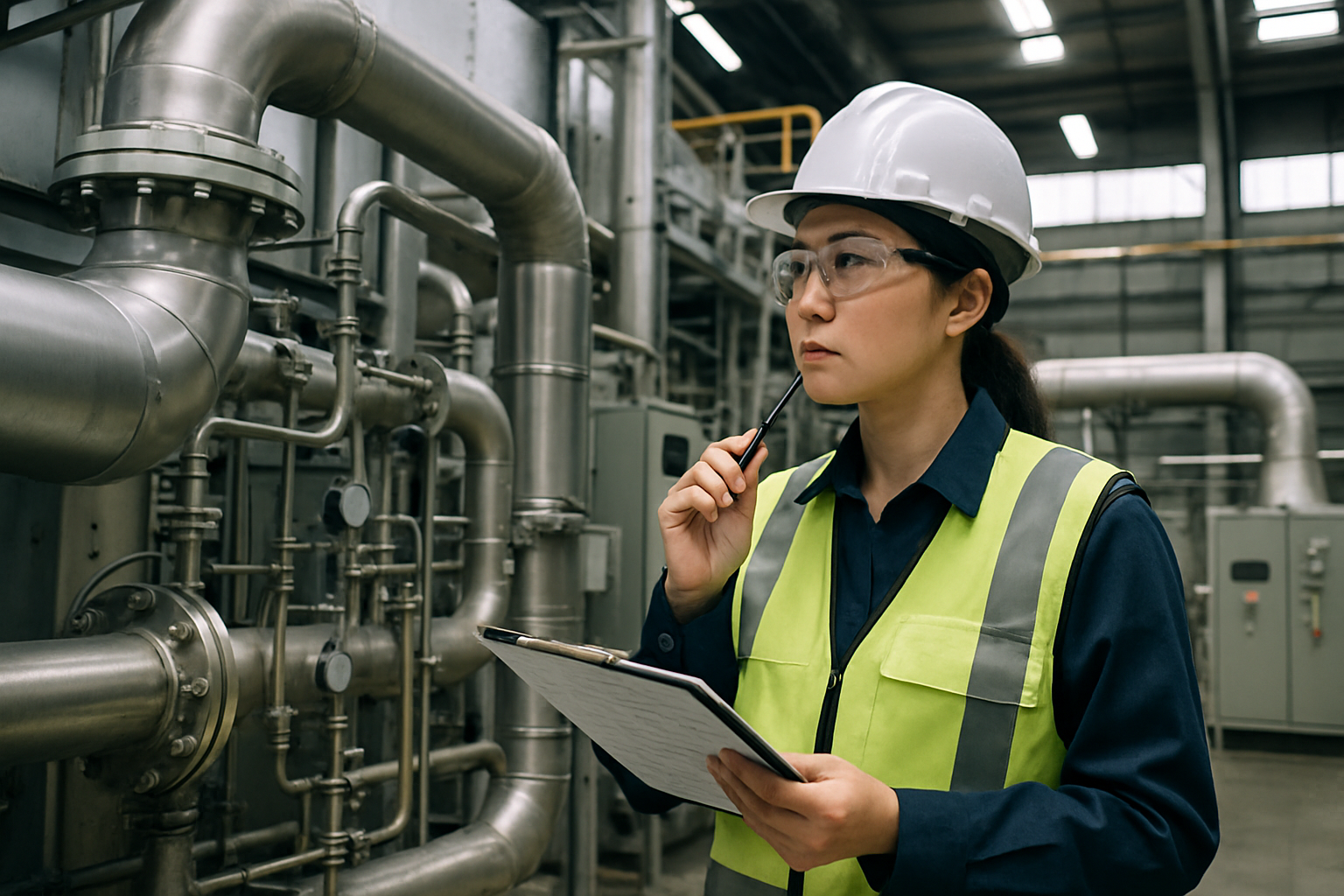
In the chemical processing and environmental engineering industries, particularly for air pollution control, thermal oxidizers play a critical role in abating Volatile Organic Compounds (VOCs) and Hazardous Air Pollutants (HAPs) from industrial emissions. These sophisticated systems convert harmful airborne pollutants into less noxious compounds like carbon dioxide and water vapor through high-temperature combustion. The successful implementation of a thermal oxidizer, however, hinges on meticulous procurement and installation processes, which can be complex and demand careful planning to ensure optimal performance, regulatory compliance, and long-term operational efficiency.
Thermal Oxidizer Procurement Best Practices
Effective procurement of a thermal oxidizer begins long before a purchase order is issued. It involves a strategic series of steps to define needs, select the right technology, and choose a competent vendor.
Comprehensive Needs Assessment and Feasibility Study
The initial and most crucial step is a thorough understanding of your facility’s specific emission profile and operational requirements. This assessment should determine:
- Waste Gas Characteristics: Analyze the VOC concentration, composition, airflow volume, temperature, and presence of particulates in the exhaust stream. These factors directly influence the oxidizer’s design and efficiency. High VOC concentrations, for instance, might even provide supplemental heat, reducing the burner’s fuel demand.
- Required Destruction Removal Efficiency (DRE): Clearly define the target DRE for the pollutants to ensure the system is capable of meeting environmental standards.
- Budget Constraints: Establish a realistic budget that encompasses not just the capital cost but also operational costs (fuel, electricity, compressed air) and long-term maintenance.
- Energy Efficiency Goals: Evaluate energy efficiency requirements, as different oxidizer types offer varying levels of heat recovery and, consequently, different operating costs. Regenerative Thermal Oxidizers (RTOs), for example, are known for high thermal efficiency (often exceeding 95%) due to ceramic media heat recovery, making them fuel-efficient for large air volumes with low VOC concentrations. Recuperative thermal oxidizers use heat exchangers to preheat incoming air, improving efficiency typically to 60-70%.
- Oxidizer Type Selection: Based on the detailed analysis, select the most suitable thermal oxidizer technology. Options include Direct-Fired Thermal Oxidizers (DFTOs), Recuperative Thermal Oxidizers (TROs), Regenerative Thermal Oxidizers (RTOs), or Catalytic Oxidizers, each with specific applications and operating characteristics.
Navigating Regulatory Compliance and Permitting
Adhering to environmental regulations is non-negotiable. Before installing an oxidizer, companies must obtain all necessary permits from relevant regulatory agencies. Key considerations include:
- Emissions Limits, Monitoring, and Reporting: The permit will outline specific emissions limits, continuous monitoring requirements, and reporting schedules that the oxidizer must meet. Regulatory frameworks like the Clean Air Act (CAA), National Emission Standards for Hazardous Air Pollutants (NESHAP), New Source Performance Standards (NSPS), and Maximum Achievable Control Technology (MACT) are particularly relevant. Data Acquisition Systems (DAS) are vital for accurately collecting, storing, and reporting emissions data for compliance.
- Fire and Explosion Prevention (NFPA): National Fire Protection Association (NFPA) regulations, specifically codes like NFPA 91 and 86, provide guidelines for safe oxidizer operations, particularly concerning combustible volatile organic compound (VOC) concentrations (Lower Explosive Limit, LEL) and emergency shutdown procedures. For example, if VOC levels are above 50% of the LEL, the process stream needs to be diluted to 50% of the LEL, with continuous LEL monitoring required.
Developing Detailed Specifications
A comprehensive specification document is vital for ensuring all potential suppliers bid on the same baseline, simplifying the proposal review process. This document should detail:
- Process Description and Emission Source: Clearly describe the manufacturing process and the characteristics of the emission sources.
- Performance Requirements: Specify the desired DRE, airflow capacity (SCFM), operating temperature ranges (typically 800°C to 1100°C for RTOs), and residence time (e.g., 0.5 to 1.0 seconds).
- Key Features and Components: Outline critical components, insulation needs, and any special features (e.g., hot bypass for high VOC streams).
- Operational and Maintenance Factors: Include expectations for energy consumption, control system integration, reliability, and ease of maintenance.
Strategic Vendor Selection and Qualification
Choosing the right thermal oxidizer manufacturer is a long-term decision. Look for vendors who demonstrate:
- Industry-Specific Knowledge: An understanding of the unique challenges and regulatory landscapes of your specific industry.
- Dedicated Engineering Staff: A strong engineering team capable of customizing solutions to meet unique process requirements.
- Experience with Diverse Oxidizer Types: Proficiency in designing and manufacturing various types of thermal oxidizers (RTO, recuperative, catalytic).
- Comprehensive Support: The ability to provide on-site testing, troubleshooting, maintenance, and operator training.
- Quality Assurance and Certifications: Evaluate their quality control processes, certifications, and adherence to industry standards.
Thorough Proposal Evaluation and Contract Negotiation
Once proposals are received, a systematic evaluation is necessary. Beyond the quoted price, consider:
- Technical Suitability: Assess if the proposed system is correctly sized and designed for current and future conditions. Factors like main fan horsepower, pressure drop, and thermal efficiency should be scrutinized and compared across bids.
- Long-Term Performance and Cost: Analyze not only the purchase price but also estimated operating costs (fuel, electricity, compressed air) and projected maintenance expenses.
- Service and Support: Review the vendor’s commitments for after-sales service, spare parts availability, and technical support.
- Contractual Terms: Ensure the contract clearly defines scope, deliverables, schedules, warranties, performance guarantees, and penalties for non-compliance.
Thermal Oxidizer Installation Best Practices
A well-executed installation is as critical as thoughtful procurement. It ensures the oxidizer operates safely, efficiently, and in compliance with all regulations.
Meticulous Pre-Installation Preparation
Preparation is key to a smooth installation.
- Documentation Review: Thoroughly review all project specifications, design documents, Process and Instrumentation Diagrams (P&IDs), and General Arrangement Drawings with the vendor and internal teams.
- Site Assessment and Logistics: Conduct a detailed site assessment to confirm the installation location, ensure the foundation is level and meets load-bearing requirements, and verify alignment of mounting brackets and anchor bolts. Plan for rigging the oxidizer from delivery to its concrete pad.
- Utility Confirmation: Verify the availability and requirements for all utilities, including electricity, natural gas, water (for quenching or cooling, if applicable), and compressed air.
- Permit Verification: Double-check that all necessary local, state, and federal permits have been obtained and are in order before construction begins.
Prioritizing Site Safety and Regulatory Adherence
Safety must be paramount throughout the installation process.
- Safety Planning: Develop and implement a comprehensive safety plan, including provisions for fire suppression systems, gas detection devices, and lockout/tagout procedures during maintenance activities.
- NFPA Compliance: Ensure all installation practices adhere to NFPA codes, particularly those relating to handling combustible VOCs and implementing emergency shutdown procedures. Conduct a risk assessment of the installation area.
Precision Mechanical and Electrical Installation
The physical installation requires precision and adherence to manufacturer guidelines.
- Unit Assembly: Install the thermal oxidizer unit strictly according to the manufacturer’s specifications.
- Ductwork Installation: Design, fabricate, and install all associated ductwork, ensuring proper sealing to prevent leaks and optimize airflow. This work can often be done in advance of the oxidizer’s arrival.
- Valve and Instrumentation Integration: Install all necessary valves, dampers, sensors, and actuators. Verify their connections and proper operation.
- Electrical Wiring and Controls: Verify all electrical connections and wiring conform to schematics, ensure proper grounding, and install control panels in accessible locations. Test all electrical connections for safety and functionality.
- Utility Connections: Connect gas and water supplies, ensuring correct pressure settings and checking thoroughly for leaks before operation. For pneumatic components, ensure the compressed air supply is dry, ideally with a desiccant dryer rated for a -40°F dew point, to prevent issues like ice formation in cold weather.
Rigorous Commissioning and Performance Testing
Commissioning is the critical phase where the installed system is brought online and its performance verified.
- Initial Checks and Calibrations: Perform initial system checks and calibrations of all sensors and control systems.
- Mechanical and Electrical Inspection: Conduct detailed mechanical inspections (e.g., combustion air and fuel gas piping alignment, burner control system operation, valve functionality) and electrical inspections (e.g., control panel wiring, sensor connections).
- Gradual Startup: Gradually increase the temperature within the oxidizer to prevent thermal shock and stress on the equipment.
- Performance Verification: Verify the system’s destruction efficiency (DRE) and overall operation against the manufacturer’s specifications and regulatory limits. This includes monitoring key parameters like temperature, pressure, and flow rate during various operating conditions.
Essential Operator Training and Documentation
The long-term success of the thermal oxidizer relies heavily on competent operation and maintenance.
- Comprehensive Training: Provide thorough training to operators and maintenance personnel on proper startup, shutdown, and routine maintenance procedures.
- Detailed Documentation: Maintain detailed records of all maintenance activities, inspections, repairs, and calibration data. This also includes preserving critical design documents, P&IDs, and expected pressure-temperature profiles for future reference and troubleshooting.
Ongoing Considerations for Optimal Performance
Even after successful procurement and installation, continuous attention is required to maximize the thermal oxidizer’s lifespan and efficiency. Implementing a robust preventive maintenance schedule is a necessity, not merely a best practice. This includes daily, weekly, monthly, quarterly, and annual inspections of key components such as the combustion chamber, burner system, heat exchangers or ceramic media beds (for RTOs), fans, blowers, valves, and insulation. Regular cleaning, calibration of control systems, and monitoring for deviations in performance (e.g., pressure drops across media beds) are vital for identifying and addressing issues before they escalate, thus preventing costly downtime and ensuring ongoing regulatory compliance.
By diligently following these best practices in procurement and installation, industries can ensure their thermal oxidizers are effective tools for air pollution control, contributing to environmental protection and sustainable operations.