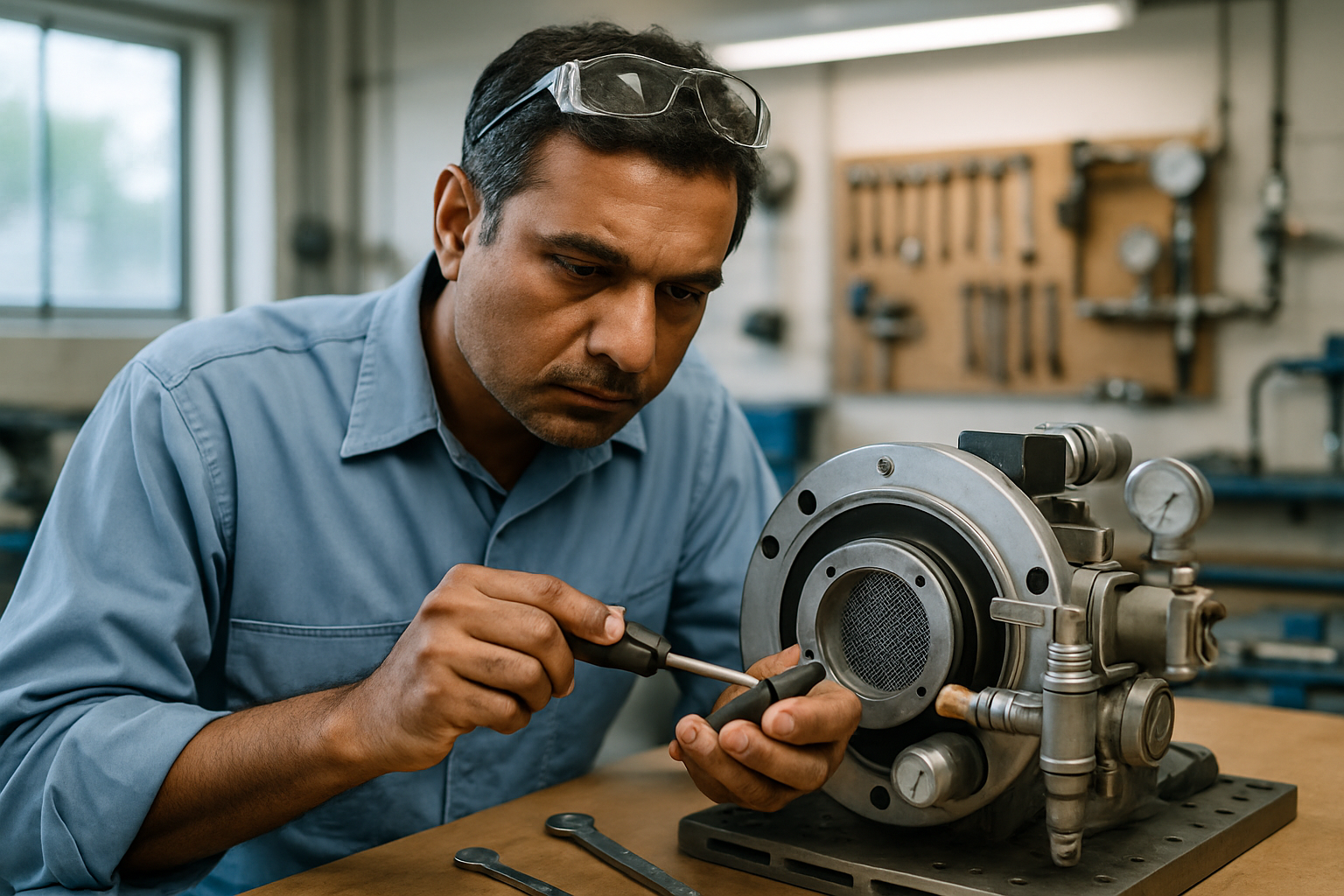
Thermal oxidizers are critical air pollution control devices used across various industries to reduce emissions of volatile organic compounds (VOCs), hazardous air pollutants (HAPs), and odors before they are released into the atmosphere. The heart of a thermal oxidizer’s operation lies in its burner, which provides the high temperatures necessary to break down these harmful substances into carbon dioxide and water vapor. Choosing the appropriate burner is paramount for achieving optimal destruction efficiency, energy efficiency, and regulatory compliance.
This guide will delve into the essential factors and considerations for selecting the right burner for your thermal oxidizer, ensuring both environmental responsibility and operational effectiveness.
Understanding Thermal Oxidizer Types and Their Burner Requirements
The type of thermal oxidizer itself significantly influences the burner selection. Different oxidizer designs have varying heat recovery mechanisms and operational characteristics, which directly impact the burner’s role and specifications.
Direct-Fired Thermal Oxidizers (DFTOs)
DFTOs are the simplest type, essentially a burner within a combustion chamber, without a heat recovery system. They are typically used for process streams with high VOC concentrations and consistent flow rates. The burner in a DFTO is responsible for heating the entire air stream to the required oxidation temperature, usually between 980 °C (1,800 °F) and 1,200 °C (2,190 °F). Due to the lack of heat recovery, DFTOs generally have higher energy costs.
Recuperative Thermal Oxidizers (TROs)
TROs incorporate an air-to-air heat exchanger to preheat the incoming dirty air using the heat from the outgoing clean exhaust. This heat recovery improves energy efficiency, typically reaching 60-70% thermal efficiency. For TROs, the burner still provides primary heat, but the preheated incoming air reduces the supplemental fuel needed. These are suitable for moderate VOC concentrations and variable flow rates.
Regenerative Thermal Oxidizers (RTOs)
RTOs are the most common and energy-efficient type of thermal oxidizer, utilizing ceramic media beds to capture and recycle up to 95-97% of the waste heat. In an RTO, the burner’s primary role is often for initial heat-up and to provide auxiliary heat when the VOC concentration in the airstream is insufficient to maintain the desired operating temperature. RTOs are ideal for large air volumes and low to medium VOC concentrations. Some RTOs can even operate flamelessly by injecting natural gas directly into the hot ceramic beds once operating temperature is reached, offering fuel savings and lower NOx emissions.
Catalytic Oxidizers (CATOX/RCOs)
Catalytic oxidizers use a catalyst to facilitate the oxidation of VOCs at lower temperatures (typically 300-500°C) compared to thermal oxidizers, which can lead to lower operating costs. For these systems, the burner is primarily for initial preheating to activate the catalyst and to provide supplemental heat if needed.
Key Factors Influencing Burner Selection
Selecting the right burner goes beyond just the oxidizer type. Several critical factors related to the process stream and environmental regulations must be thoroughly evaluated.
1. Characteristics of the Exhaust Gas Stream
The composition, concentration, and flow rate of the exhaust gas are paramount.
- VOC Concentration and Composition: High VOC concentrations can be self-sustaining or even provide supplemental heat, reducing the burner’s fuel demand. Conversely, low VOC concentrations will require the burner to supply most of the heat. The presence of specific compounds like halogens or sulfur can necessitate special corrosion-resistant burner materials.
- Airflow Volume and Temperature: The volume of air to be treated dictates the overall size of the oxidizer and the thermal capacity required from the burner. The inlet temperature of the gas stream also impacts the burner’s role; higher inlet temperatures mean less supplemental heat is needed.
- Particulates: Streams with high particulate matter can impact burner performance and may require specialized burner designs or pre-treatment systems to prevent fouling.
2. Required Destruction and Removal Efficiency (DRE)
Environmental regulations mandate specific DREs for VOCs and HAPs, often 99% or higher. The burner must be capable of consistently achieving and maintaining the necessary combustion temperature to meet these stringent requirements. Key factors affecting DRE, in addition to temperature, are residence time and air mixing within the combustion chamber.
3. Emissions Standards and NOx Control
Increasingly strict environmental regulations require industries to control not only VOCs but also secondary pollutants like nitrogen oxides (NOx) and carbon monoxide (CO) produced during combustion.
- Low-NOx Burners: Many regions require ultra-low NOx burners, which are designed to minimize NOx formation by lowering flame temperatures and optimizing the fuel-to-air ratio. Technologies like staged combustion and flue gas recirculation (FGR) can further reduce NOx emissions.
- Combustion Optimization: Advanced combustion control algorithms, sensor integration, and real-time monitoring capabilities are crucial for fine-tuning combustion processes to minimize emissions and enhance efficiency.
4. Fuel Type and Availability
Burners can operate on various fuels, including natural gas, propane, and fuel oils. The selection often depends on availability, cost, and desired emissions profile. Dual-fuel burners offer flexibility.
5. Energy Efficiency and Operating Costs
While capital cost is a consideration, the long-term operating costs, primarily fuel and electricity, are significant.
- Thermal Efficiency: Burners that can operate efficiently and integrate with the oxidizer’s heat recovery system (especially in RTOs and TROs) will lead to lower ongoing fuel consumption.
- Heat Recovery Options: Beyond the primary heat exchanger, secondary heat recovery units can capture additional heat from the exhaust for other plant processes, further reducing energy costs.
6. Control and Automation Capabilities
Modern burners are often integrated with advanced control systems (e.g., PLCs, DCS, SCADA) for precise air-fuel ratio control, temperature monitoring, and flame safety. These systems ensure optimal performance, efficiency, and safety.
7. Maintenance and Reliability
Burner reliability is crucial for continuous operation. Factors like material construction (e.g., high-temperature resistant alloys for combustion heads), ease of maintenance, and the availability of spare parts should be considered.
The Selection Process
- Assess Emission Control Requirements: Clearly define the type and volume of pollutants, desired DRE, and applicable regulatory limits for VOCs, HAPs, and NOx.
- Determine Oxidizer Type: Based on the process gas characteristics (volume, concentration, temperature, particulates), select the most suitable thermal oxidizer technology (DFTO, TRO, RTO, or catalytic).
- Evaluate Burner Specifications: Consider the required thermal capacity, fuel type, NOx emissions profile, and compatibility with the chosen oxidizer. Look into specific burner designs like ultra-low NOx or flameless options if applicable.
- Consider Operational and Maintenance Factors: Analyze energy consumption, control system integration, reliability, and ease of maintenance.
- Consult with Experts: Engage with experienced emission control equipment suppliers to ensure a custom-designed abatement system that meets specific process requirements and budget. They can provide guidance on burner sizing, placement, and overall system integration.
By carefully evaluating these factors, facilities can select the optimal burner for their thermal oxidizer, leading to effective air pollution control, reduced operating costs, and sustained environmental compliance.