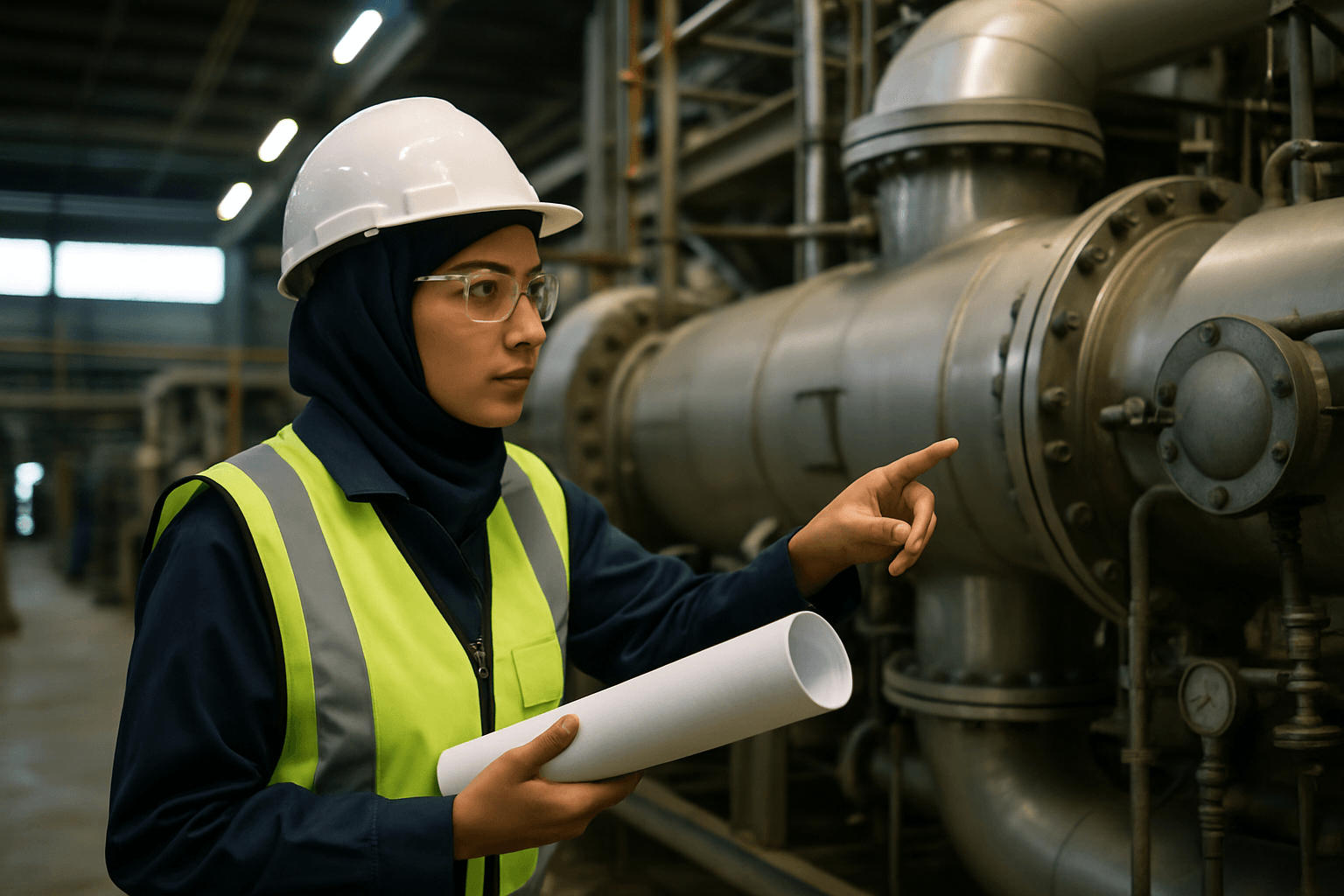
In the complex landscape of chemical processing and environmental engineering, controlling industrial emissions is paramount. Thermal oxidizer systems stand as indispensable solutions for abating Volatile Organic Compounds (VOCs) and Hazardous Air Pollutants (HAPs) from industrial exhaust streams. These sophisticated air pollution control devices are meticulously designed and engineered to convert harmful substances into innocuous byproducts, such as carbon dioxide and water vapor, through high-temperature combustion. This not only ensures compliance with stringent environmental regulations but also contributes significantly to improved air quality and public health.
What is a Thermal Oxidizer System?
A thermal oxidizer, often referred to as a thermal incinerator or fume incinerator, is an air pollution control unit that utilizes combustion to destroy VOCs, HAPs, and other harmful emissions. The fundamental principle involves heating exhaust gases to high temperatures, typically between 1,400°F and 1,800°F (760°C to 982°C), to trigger a chemical oxidation process. This process breaks down hydrocarbon-based pollutants into less harmful substances.
The effectiveness of a thermal oxidizer system hinges on three critical interdependent factors, often called the “Three Ts”:
- Temperature: The combustion chamber must reach a temperature high enough to ignite and sustain the oxidation reactions of the waste gas, typically ranging from 1,400°F to 1,800°F.
- Time (Residence Time): The polluted gases must remain in the combustion chamber for a sufficient duration, usually between 0.5 to 2 seconds, to ensure complete oxidation.
- Turbulence: Adequate mixing of combustion air with the hazardous gases is crucial to ensure evenly distributed heat and oxygen, promoting a complete reaction.
Types of Thermal Oxidizers for Industrial Emissions Control
The selection of a thermal oxidizer type depends on various factors, including the concentration and type of pollutants, the volume of the airflow, and desired energy efficiency.
Direct-Fired Thermal Oxidizers (DFTOs)
Direct-fired thermal oxidizers, also known as afterburners, are the simplest design, consisting of a burner and a combustion chamber. Pollutants are directly combusted in the high-temperature chamber. DFTOs are suitable for applications with high concentrations of contaminants and can achieve destruction efficiencies exceeding 99.9%. While cost-effective in terms of capital investment, they can have high operating costs due to significant fuel consumption if not paired with heat recovery options.
Regenerative Thermal Oxidizers (RTOs)
RTOs are renowned for their superior energy efficiency, often recovering up to 97% of thermal energy. They utilize ceramic media beds to preheat incoming polluted gases by recovering heat from the exiting clean air, significantly reducing fuel consumption. This makes them a cost-effective choice for long-running operations and industrial environments with varying VOC levels. RTOs typically achieve destruction efficiencies of over 99%.
Recuperative Thermal Oxidizers
Recuperative thermal oxidizers incorporate a heat exchanger (either shell-and-tube or plate) to preheat the incoming dirty air using the heat from the hot, clean exhaust gases. This heat recovery mechanism improves fuel efficiency and lowers operating costs compared to DFTOs.
Catalytic Oxidizers
Catalytic oxidizers operate on a similar principle to thermal oxidizers but utilize a catalyst to lower the required operating temperature, thereby reducing energy costs. This makes them highly energy-efficient, particularly for applications where VOCs can be oxidized at lower temperatures. Regenerative Catalytic Oxidizers (RCOs) combine the benefits of RTOs with a catalyst layer, further enhancing fuel efficiency.
Key Considerations in Thermal Oxidizer System Design
Effective thermal oxidizer system design is a multidisciplinary engineering challenge that demands a deep understanding of process conditions, regulatory requirements, and operational economics.
Process Analysis and Emissions Characterization
A thorough analysis of the process flow rate and composition, including the type and concentration of VOCs or HAPs, is the first step. This also includes evaluating inlet temperature and pressure. Understanding the chemical nature of the pollutants is crucial, as some, like halogenated species or sulfur, may require downstream scrubbers to remove acid gases formed during combustion.
Destruction and Removal Efficiency (DRE) Requirements
Environmental regulations dictate the required DRE, often demanding 99% or higher. The design must ensure the system can consistently meet these limits, which directly influences the choice of oxidizer type, operating temperature, and residence time.
Heat Recovery and Energy Efficiency
Integrating heat recovery options is critical for minimizing operational costs and improving sustainability. Regenerative and recuperative designs are specifically engineered for this purpose, capturing heat to preheat incoming air or for other plant processes.
Materials of Construction
The materials chosen for the oxidizer system must withstand high temperatures and potentially corrosive environments, especially when dealing with chlorinated VOCs that produce HCl. Refractory selection is vital for efficiency and extended service life, reducing heat loss.
Control and Monitoring Systems
Advanced control systems are essential for reliable operation, maintaining stable flame, tracking setpoints, and ensuring safety through features like flame failure protection and high-temperature trips.
Footprint and Integration
The physical size of the system and its integration into existing plant infrastructure are important design considerations, especially for facilities with limited space.
Engineering Services for Thermal Oxidizer Systems
Specialized engineering services are critical throughout the lifecycle of a thermal oxidizer project, from conceptualization to ongoing operation and maintenance.
Feasibility Studies and Consulting
Professional engineers conduct initial assessments to determine the most suitable thermal oxidation technology, considering factors such as pollutant characteristics, flow rates, desired DRE, and budget. This includes evaluating capital and operating costs, and potential energy recovery.
Detailed System Design and Sizing
This phase involves precise calculations and modeling to size the unit, ductwork, and dampers, ensuring optimal performance. Engineers use methodologies such as classical equations, Computational Fluid Dynamics (CFD) modeling, and empirical data to validate design choices. Design considerations extend to burner optimization, ceramic media selection (for RTOs), valve engineering, and refractory design.
Project Management and Installation
Turnkey project management services often include assistance with permitting, site preparation, civil work, ductwork installation, electrical installation, and system integration. On-site supervision ensures compliance with design specifications and smooth commissioning.
Aftermarket Services and Optimization
Beyond installation, engineering firms provide services such as performance optimization, preventive maintenance, troubleshooting, and upgrades. This can include enhancing thermal efficiency, reducing NOx emissions through techniques like Flue Gas Recirculation (FGR) or Selective Non-Catalytic Reduction (SNCR), and ensuring long-term regulatory compliance.
Benefits of Professional Design and Engineering
Engaging expert thermal oxidizer system design and engineering services offers numerous advantages:
- Optimal Performance and Efficiency: Custom-designed systems are tailored to specific industrial needs, maximizing destruction efficiency and energy recovery, which translates to lower operating costs.
- Regulatory Compliance: Experts ensure the system meets all local, national, and international environmental regulations, preventing costly fines and legal issues.
- Enhanced Safety: Integrating robust safety features, burner management systems, and proper material selection minimizes operational risks.
- Reduced Total Cost of Ownership: While initial capital costs can be significant, well-engineered systems offer long-term savings through fuel efficiency, reduced maintenance, and reliable operation.
- Reliability and Longevity: High-quality design and engineering contribute to a durable system with extended service life and minimal downtime.
In conclusion, thermal oxidizer system design and engineering services are critical for industries seeking effective and compliant solutions for VOC and HAP abatement. Through meticulous planning, advanced engineering, and a focus on operational efficiency, these services empower chemical processing and environmental engineering sectors to meet environmental responsibilities while maintaining economic viability.