
Revolutionizing Industrial Efficiency: The Power of Energy Audit Software
In the relentless pursuit of peak performance, industrial manufacturing has long grappled with an unseen adversary: energy waste. Imagine a factory floor, humming with machinery, yet silently hemorrhaging profitability through inefficient processes, undetected leaks, and unoptimised systems. For decades, identifying these elusive drains was a manual, painstaking, and often incomplete endeavour. But what if there was a digital compass, capable of pinpointing every joule squandered, every BTU misdirected, transforming opaque energy consumption into actionable intelligence? This is precisely the paradigm shift brought about by advanced energy audit software for industrial applications, turning a formidable challenge into a strategic advantage for sustainability and bottom-line growth.
The Imperative of Industrial Energy Audits
Industrial facilities, characterised by complex machinery and vast operational scales, inherently demand significant energy to operate. This substantial energy demand not only inflates operating costs but also contributes considerably to greenhouse gas (GHG) emissions. In an era defined by fluctuating energy markets, stringent regulatory compliance, and a global push for sustainability, optimising energy consumption is no longer optional but a strategic imperative.
Traditional energy management in manufacturing plants often relies on historical billing data or fragmented monitoring, providing an incomplete picture of actual energy flows. This lack of granular data makes it difficult to pinpoint inefficiencies, prioritise investments, and accurately measure the impact of energy-saving initiatives. An industrial energy audit, at its core, is a systematic process designed to evaluate how energy is used within a facility, identifying inefficiencies and recommending improvements. It is a diagnostic tool that uncovers where and how energy is being consumed across lighting, HVAC, compressed air systems, and production processes.
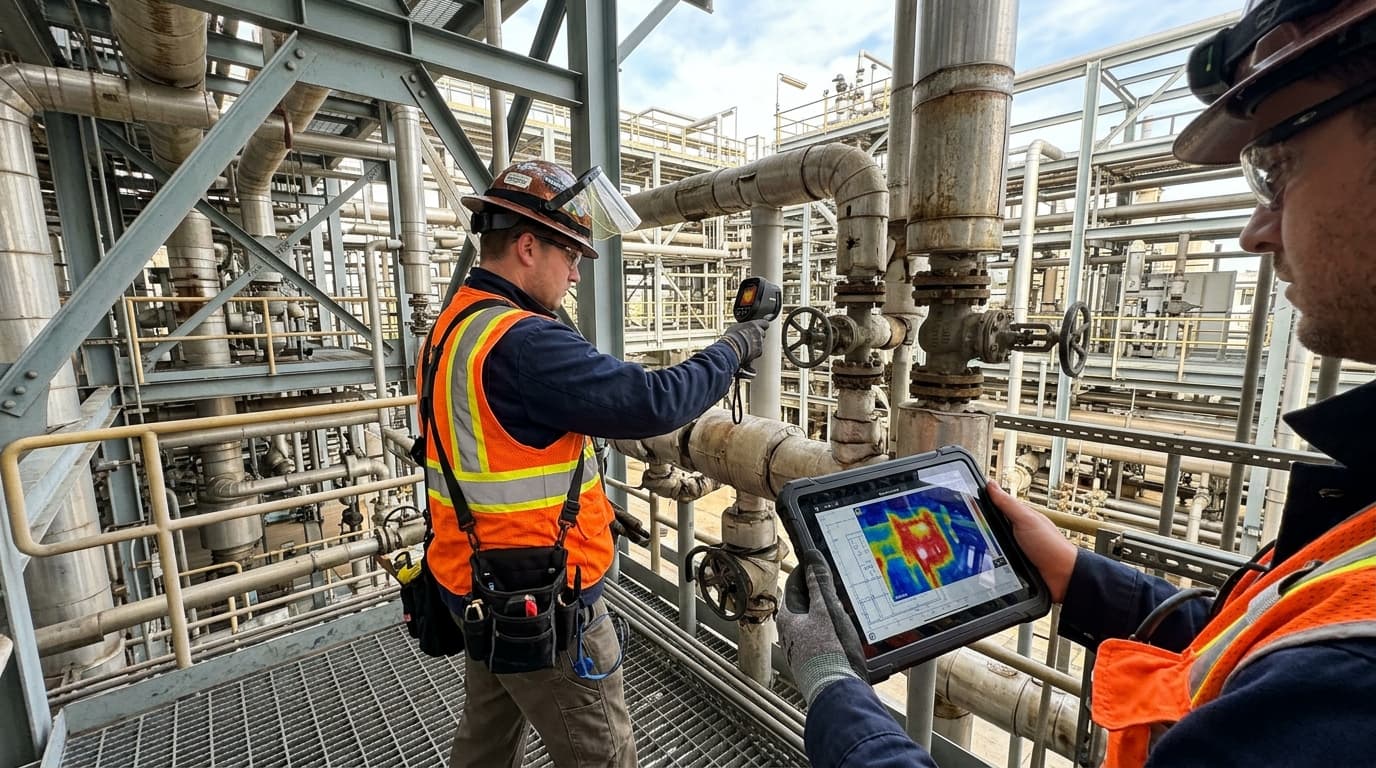
Heat Loss Audit.
Pinpoint exactly where thermal energy is escaping your process — from unlagged pipework to poorly performing insulation and uncontrolled ventilation losses.
What is Energy Audit Software?
Energy audit software is a specialised digital tool designed to help energy auditors, facility managers, and sustainability engineers collect, analyse, model, and report on energy consumption. It transitions the auditing process from static paper checklists and cumbersome spreadsheet calculations into a dynamic, standardised, and highly accurate digital workflow. While basic energy audit software exists for residential energy assessments, industrial-grade software is engineered to handle massive data sets, complex systems, and continuous operational integration.
By digitising the entire workflow—from the initial utility bill ingestion to the final investment-grade proposal—this software minimises errors, accelerates audit turnaround times, and ensures compliance with global standards such as ISO 50001 and ASHRAE auditing protocols.
The Energy Audit Software Landscape: Residential vs. Commercial vs. Industrial
To choose the right energy audit software, it is vital to understand that the marketplace is segmented by scale, complexity, and target audience. The table below outlines how industrial-grade solutions differ from residential and commercial tools:
| Feature/Capability | Residential Software | Commercial Software | Industrial Software |
|---|---|---|---|
| Primary Data Sources | Manual inspection, smart meters, historical utility bills | Building Management Systems (BMS), utility interval data, HVAC logs | SCADA, DCS, industrial IoT (IIoT) sensors, smart sub-meters, production databases |
| Analysis Focus | Thermal envelope, insulation, domestic water heating, lighting | HVAC systems, lighting, occupancy schedules, office equipment | Heavy machinery, process heat, compressed air, pumps, steam distribution, chemical processes |
| Audit Compliance | HERS Index, local home-energy ratings | ASHRAE Level 1, 2, and 3, LEED, Energy Star | ISO 50001, ASHRAE Level 3, industrial-specific sector compliance |
| Analytical Methods | Simple degree-day regression models | Hourly building energy simulations (e.g., EnergyPlus) | Complex thermodynamic modelling, pinch analysis, multi-variable regression, waste heat recovery calculations |
| User Base | Home energy inspectors, residential HVAC contractors | Building engineers, energy consultants, commercial property managers | Industrial energy managers, process engineers, certified industrial energy auditors |
Key Features and Capabilities to Look For
Choosing the right energy audit software for industrial applications requires a deep understanding of the features that deliver tangible value. The most effective solutions offer a blend of data acquisition, analytical power, and actionable insights.
1. Data Acquisition and Integration
Robust industrial energy audit software must seamlessly integrate with diverse data sources common in manufacturing environments. This includes:
- Utility Bill Analysis: Automating the collection and analysis of historical utility consumption data to establish baselines and identify usage patterns.
- Metering and Sensor Integration: Connecting with smart meters, sub-meters, and various IoT sensors to capture real-time energy consumption at granular levels (e.g., individual machines, production lines, departments).
- SCADA and BMS Connectivity: Direct integration with existing industrial control systems (e.g., SCADA, DCS) and building management systems (BMS) to pull operational data.
- Manual Data Entry and Templates: While automation is key, the ability to manually input data and utilise template forms for on-site data collection remains crucial, especially for initial walk-through audits (ASHRAE Level 1) or specific equipment surveys.
2. Energy Monitoring, Mathematical Baselines, and Analytics
Beyond data collection, the software's analytical capabilities are paramount. This involves establishing mathematical models of energy consumption to compare performance before and after energy conservation measures (ECMs) are applied.
To quantify true savings, advanced energy audit software calculates energy savings using regression analysis, often aligning with the International Performance Measurement and Verification Protocol (IPMVP). A standard formula implemented within these platforms to calculate normalised energy savings is:
Esaved=Ebaseline−Epost±AadjWhere:
- Esaved is the total calculated energy savings over a specific reporting period, expressed in kilowatt-hours (kWh) or megajoules (MJ).
- Ebaseline is the energy consumption during the baseline period, before any efficiency improvements were implemented.
- Epost is the measured energy consumption during the post-retrofit reporting period.
- Aadj represents routine and non-routine adjustments made to account for changing independent variables (such as outside ambient temperature, production volume, operating hours, or raw material shifts) to ensure a fair comparison.
The core analytical features include:
- Real-time Monitoring and Visualisation: Providing dashboards and visualisations that display live energy consumption, allowing for immediate identification of spikes, anomalies, and consumption patterns.
- Historical Data Analysis: Analysing long-term trends to identify seasonal variations, shifts in consumption behaviour, and the impact of past interventions.
- Predictive Analytics: Using machine learning and AI to forecast future energy consumption, predict equipment faults, and optimise energy usage based on predicted demand or pricing.
- Fault Detection and Diagnostics (FDD): Automatically identifying inefficiencies or malfunctions in equipment (e.g., HVAC, compressed air systems) that lead to energy waste.
3. Supporting ASHRAE Audit Levels
To meet standard industry frameworks, high-quality audit software must be capable of supporting different phases of energy assessments as defined by ASHRAE:
- ASHRAE Level 1 (Walk-Through Assessment): Software assists by providing mobile checklists, allowing auditors to snap photos of equipment nameplates, and rapidly identifying low-cost/no-cost measures directly on a tablet or smartphone.
- ASHRAE Level 2 (Energy Survey and Analysis): Software provides detailed energy end-use breakdowns, utility rate tariff analysis, and regression models to determine operational savings from equipment upgrades.
- ASHRAE Level 3 (Detailed Analysis of Capital-Intensive Modifications): Software offers highly detailed system-level modelling, sub-hourly data logging integration, and complex economic calculations to support major capital expenditure decisions.
4. Process Modelling and Simulation
For complex industrial processes, the ability to model and simulate is invaluable:
- Process Optimisation: Simulating different operational scenarios to identify the most energy-efficient parameters for specific production processes.
- "What-if" Scenarios: Allowing users to model the potential impact of proposed energy conservation measures (e.g., equipment upgrades, process changes, waste heat recovery systems) on energy consumption and costs before investment.
- Heat Exchanger Network Design: Specialised modules, like those found in INTEGRATION software, can analyse and optimise existing heat exchanger networks to maximise heat recovery and minimise waste heat generation.
- ASHRAE Compliance Modelling: Supporting detailed modelling for ASHRAE Level 2 and Level 3 audits, often utilising engines like EnergyPlus for whole-building or system-level simulations.
5. Reporting, Visualisation, and Financial ROI Calculation
Effective communication of audit findings and progress is vital for securing executive approval:
- Customisable Dashboards: Providing intuitive, role-based dashboards that visualise key performance indicators (KPIs) related to energy consumption, cost, and carbon emissions.
- Automated Report Generation: Automatically transforming raw audit data into professional, comprehensive reports with one click, suitable for management, compliance bodies, and stakeholders. These reports often include energy consumption patterns, savings opportunities, and compliance status.
- Benchmarking and Performance Tracking: Comparing energy performance against industry standards, internal targets, or similar facilities to identify areas for improvement and track progress over time.
- Financial Modelling: Calculating the financial benefits, investment costs, operating costs, internal rate of return (IRR), net present value (NPV), and simple payback periods for identified energy-saving measures.
- Life Cycle Costing (LCC): Assessing the long-term financial implications of various energy efficiency projects over their operational lifespan.
6. Integration with Other Enterprise Systems
For a holistic approach to industrial management, integration is key:
- ERP and CMMS Integration: Connecting with Enterprise Resource Planning (ERP) and Computerised Maintenance Management Systems (CMMS) to align energy management with production planning, asset management, and financial reporting.
- Carbon Accounting and ESG Platforms: Seamlessly integrating with carbon management software to track Scope 1, 2, and 3 emissions, supporting sustainability reporting (ESG, CSRD) and net-zero goals.
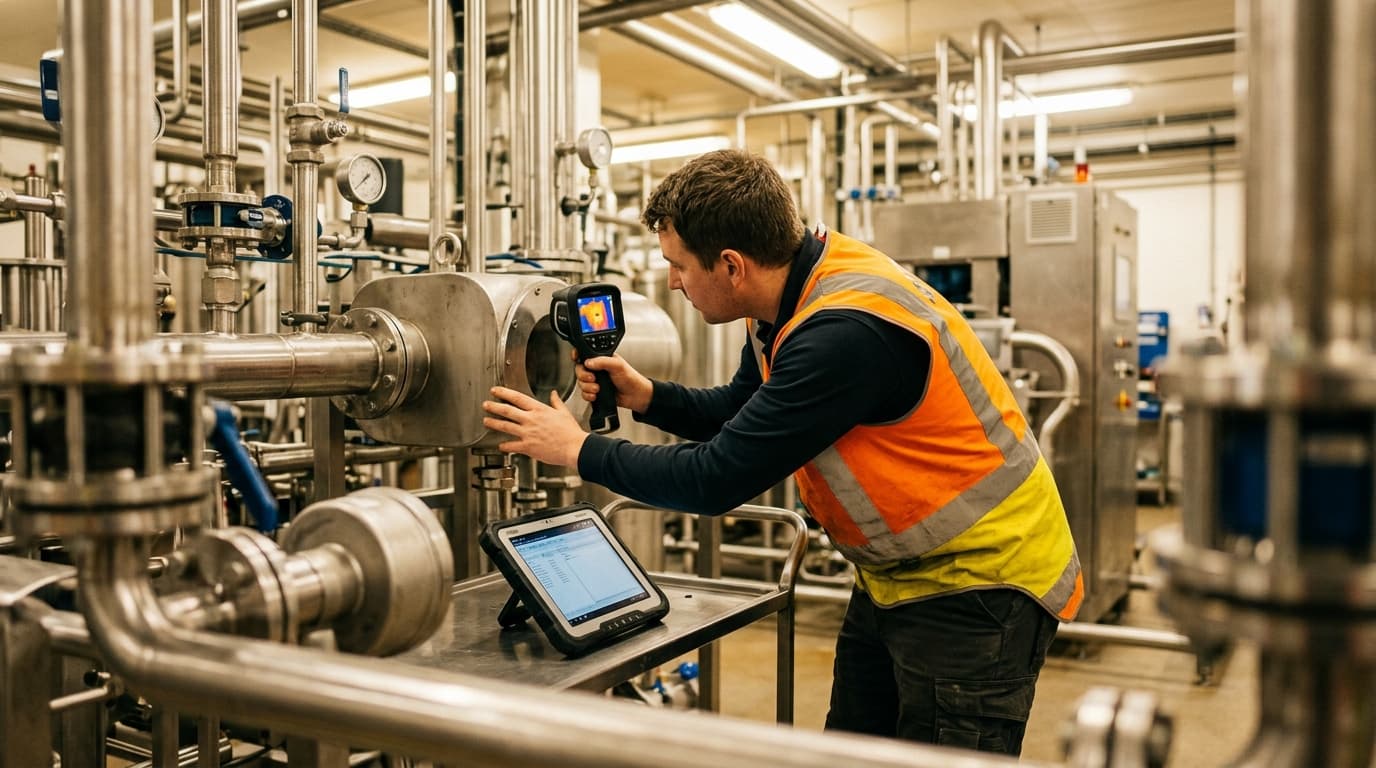
Heat Loss Audit.
Pinpoint exactly where thermal energy is escaping your process — from unlagged pipework to poorly performing insulation and uncontrolled ventilation losses.
Optimising Industrial Operations with Energy Audit Software
The strategic deployment of energy audit software offers multifaceted benefits for industrial manufacturers, extending beyond mere cost reduction to encompass operational excellence and robust sustainability frameworks.
Streamlining Energy Audit Processes
Traditionally, energy audits are time-consuming and resource-intensive, often involving manual data collection and laborious report generation. Energy audit software revolutionises this by:
- Automating Data Collection: Integrating with existing metering infrastructure, SCADA, and IoT devices to gather real-time and historical energy consumption data, eliminating manual transcription errors and saving significant time.
- Standardising Methodologies: Providing pre-built templates for ASHRAE audit levels and customisable checklists that guide auditors through a standardised process, ensuring consistency and accuracy across multiple sites or audits.
- Enhancing Collaboration: Cloud-based platforms allow multiple auditors and stakeholders to access, input, and review data concurrently, fostering seamless collaboration and real-time decision-making. Lumiform, for instance, offers mobile app capabilities for on-site data documentation, even offline.
Unlocking Waste Heat Recovery Opportunities
Waste heat recovery (WHR) represents a significant, often untapped, opportunity for energy efficiency in industrial settings. Many industrial processes generate substantial amounts of heat that are simply vented into the atmosphere. Energy audit software can play a pivotal role in identifying and capitalising on these opportunities:
- Identification and Quantification: The software analyses process heat flows, identifies sources of waste heat, and quantifies the amount of recoverable energy. Tools like Natural Resources Canada's INTEGRATION or Optimal Heat software specifically audit plants for waste heat recovery potential.
- Feasibility Analysis: It evaluates the technical and economic feasibility of implementing various waste heat recovery technologies (e.g., heat exchangers, heat pumps, Organic Rankine Cycles) by calculating potential energy savings, investment costs, and payback periods.
- System Integration Modelling: Advanced software can simulate the integration of WHR systems into existing plant operations, optimising heat exchanger networks and predicting the impact on overall energy consumption.
Driving Net-Zero Manufacturing Strategies
Achieving net-zero manufacturing, where an organisation removes as much carbon from the atmosphere as it emits, is a monumental goal for many industries. Energy audit software is an indispensable tool on this journey:
- Carbon Footprint Tracking: The software accurately measures and tracks carbon emissions across Scope 1 (direct emissions), Scope 2 (indirect from purchased energy), and Scope 3 (other indirect emissions from the value chain). Platforms like Net0 provide comprehensive solutions for this.
- Emissions Reduction Strategies: By identifying energy inefficiencies, the software helps pinpoint the most impactful areas for emissions reduction, aligning energy efficiency measures directly with decarbonisation goals.
- Renewable Energy Integration Analysis: It can model the impact of integrating renewable energy sources (e.g., solar, wind) on the facility's overall energy mix and carbon footprint, supporting the transition away from fossil fuels.
- Compliance and Reporting: The software automates the generation of transparent and verifiable reports for regulatory compliance (e.g., ISO 50001, EU Directive 2023/1791) and stakeholder communication, demonstrating progress towards sustainability targets.
Enhancing Operational Efficiency and Reliability
Beyond direct energy savings, these solutions contribute to broader operational benefits:
- Predictive Maintenance: By analysing energy consumption patterns and equipment performance data, the software can predict potential equipment failures, enabling proactive maintenance that reduces downtime and extends asset lifespan.
- Anomaly Detection: Real-time monitoring helps identify unusual energy consumption patterns that could indicate equipment malfunctions, leaks, or operational deviations, allowing for quick intervention.
- Improved Resource Optimisation: Better visibility into energy usage leads to more efficient allocation and utilisation of energy resources within the facility.
Leading Energy Audit Software Solutions for Industry
The market offers a range of sophisticated energy audit and energy management software solutions tailored for industrial applications. While specific features and strengths vary, several providers stand out for their comprehensive offerings:
- Siemens SIMATIC Energy Manager: Known for providing industrial-level transparency, efficiency, and regulatory compliance. It gathers, examines, and displays energy usage information from machinery, production lines, and full facilities, integrating seamlessly with both Siemens automation equipment and third-party devices. It is highly valued for high-frequency sub-meter analysis.
- Schneider Electric EcoStruxure: A robust IoT-enabled architecture that offers advanced analytics and reporting, supporting connectivity with both Schneider Electric products and third-party devices for various industries, including industrial sectors. It provides deep predictive capabilities.
- Honeywell Forge: An IoT-driven energy management solution designed to track, manage, and enhance building performance, energy usage, and carbon output in commercial and industrial settings. It provides instant insights, automated analysis, and sophisticated controls.
- ABB Ability™ Energy Management System (EMS): A real-time solution focused on maximising sustainability performance and energy cost savings through continuous monitoring, forecasting, and optimising energy consumption and supply for an entire facility or enterprise, supporting carbon neutrality goals.
- EnergyCAP: A popular choice for utility bill tracking, energy benchmarking, and customisable reporting tools that also includes robust energy audit features, particularly strong for multi-facility industrial portfolios.
- EMAT Field Auditor: Designed specifically for industrial facilities by energy engineers, EMAT provides cloud-based data storage for efficient energy audits, supporting various ASHRAE audit types and offering customisable templates for on-site data collection.
- Lumiform: Offers a structured, collaborative platform for energy auditing with mobile app capabilities, automated report generation, and instant action creation, aiming to reduce audit time and identify energy savings.
- EASEE (Energy Audit Software for Experts & Executives): A web application developed by energy auditors to streamline assessments, build action plans, prioritise investments, and monitor energy KPIs, facilitating data collection and report writing.
- INTEGRATION (Natural Resources Canada): A flexible software with powerful modelling and optimisation capabilities specifically designed to identify and evaluate cost-saving measures in industrial processes by optimising heat recovery and reducing waste heat generation.
- Optimal Heat Software: Audits plants for waste heat recovery potential, reduces fuel bills and GHG emissions, and helps analyse whole plant energy recovery potential, providing solutions for complex problems like heat exchanger network configuration.
- Net0 / POD Net Zero Software: Specialised platforms focusing on comprehensive carbon accounting, tracking Scope 1, 2, and 3 emissions, and providing tools for setting targets, reducing emissions, and transparent reporting for net-zero manufacturing strategies.
Choosing the Right Energy Audit Software: Critical Considerations
Selecting the ideal energy audit software is a strategic decision that can significantly impact an industrial facility's energy efficiency journey. Several key factors should guide the selection process:
- Scalability and Flexibility: The software should be able to accommodate the current needs of your organisation while also supporting future growth and expansion of energy management initiatives across multiple sites or production lines. A modular architecture that allows for incremental adoption of features is beneficial.
- User Interface and Ease of Use: An intuitive, user-friendly interface is crucial for efficient data collection, analysis, and reporting, even for users with varying levels of technical knowledge. Solutions with mobile accessibility for on-site data capture can significantly enhance usability.
- Vendor Support and Training: Evaluate the level of customer support, training resources, and ongoing technical assistance provided by the vendor to ensure smooth implementation and effective utilisation of the software.
- Cost of Ownership: Consider the total cost of ownership, including initial licensing fees, implementation costs, ongoing maintenance fees, and any additional costs for training or support.
- Security and Data Integrity: Given the sensitive nature of operational data, ensure the software offers robust data security, integrity, and privacy features, especially for cloud-based solutions.
- Integration Capabilities: Prioritise solutions that can seamlessly integrate with your existing operational systems, such as utility billing systems, metering devices, SCADA, BMS, ERP, and CMMS, to consolidate data and streamline processes.
- Customisation: The ability to customise reports, dashboards, and audit templates to fit your specific industrial processes and reporting requirements is highly valuable.
- Regulatory Compliance Support: Verify that the software aids in meeting relevant energy efficiency standards and regulations, such as ISO 50001, and supports automated generation of compliance documents.
- Advanced Features: Consider the inclusion of cutting-edge features like AI-driven analytics, predictive maintenance, demand response management, and augmented reality (AR) for on-site assistance, which can provide a competitive edge.
In conclusion, energy audit software has emerged as a cornerstone technology for industrial manufacturing seeking to achieve unprecedented levels of energy efficiency, cost savings, and sustainability. By transforming raw energy data into actionable insights, these powerful platforms empower factories to move beyond reactive energy management to a proactive, data-driven approach. From identifying hidden waste heat recovery opportunities to driving comprehensive net-zero manufacturing strategies, the right software solution acts as a critical enabler, ensuring operational resilience and a competitive edge in an increasingly energy-conscious world. The future of industrial energy management is digital, intelligent, and inextricably linked to the capabilities of advanced energy audit software.
